
The discussion centers on the strategic evolution of Unity’s advertising infrastructure, specifically the implementation of Vector, an AI-powered growth and user acquisition platform. The primary thesis posits that integrating real-time, engine-level gameplay data into machine learning models provides a decisive competitive advantage over traditional software development kit (SDK) signals. By leveraging high-fidelity, sequential runtime data, Unity aims to improve predictive modeling for mobile game advertisers, effectively addressing challenges related to data fragmentation, causality, and the extreme class imbalance inherent in mobile gaming monetization.
Key findings highlight that Vector represents a fundamental shift toward massive, unified machine learning models rather than fragmented, manual approaches. This architecture allows for continuous learning by connecting gameplay behavior, monetization signals, and campaign performance. The platform has demonstrated significant commercial success, reporting a 72 percent year-over-year revenue increase as of January 2026. Furthermore, the discussion emphasizes that the use of runtime data ensures data quality and sequence accuracy, which are critical for advanced modeling techniques that rely on understanding the causal relationships between player actions.
The scope of this analysis covers the global mobile gaming advertising industry, with a focus on developments occurring between 2023 and early 2026. The methodology relies on expert insights from Unity’s leadership regarding internal research and development processes, machine learning infrastructure, and the strategic application of generative AI in game development. The analysis concludes that the future of performance marketing in gaming lies in "human-in-the-loop" AI systems that optimize for productivity and cost-effectiveness, while enabling developers to test core gameplay loops through playables to reduce the financial risks associated with traditional soft launches.

Mobile Dev Memo · 2026

Mobile Dev Memo · 2026

Mobile Dev Memo · 2026

Mobile Dev Memo · 2026

Mobile Dev Memo · 2026

Mobile Dev Memo · 2026

Mobile Dev Memo · 2026
Mobile Dev Memo · 2026

Mobile Dev Memo · 2026
Mobile Dev Memo · 2026

Mobile Dev Memo · 2026

Mobile Dev Memo · 2026
VG Insights · 2025
Video Game Insights · 2025
Konvoy · 2025

Perforce · 2024
Perforce · 2024
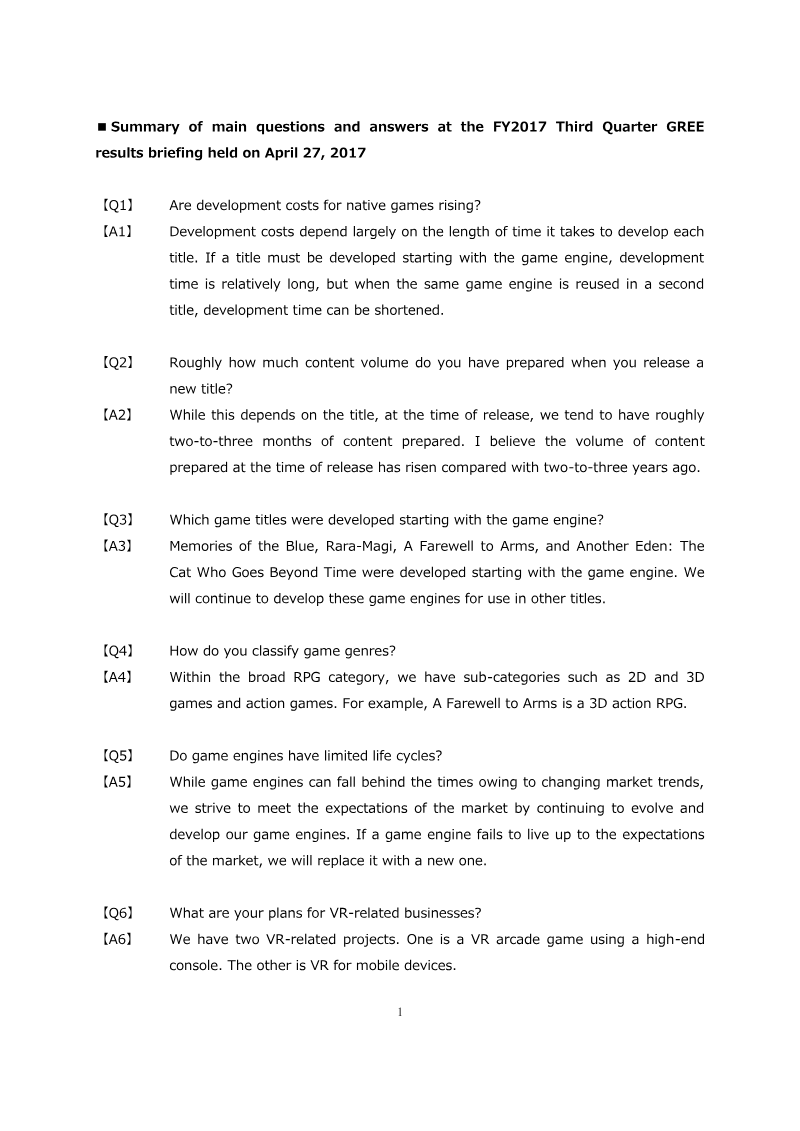
GREE · 2017
Poki · 2026
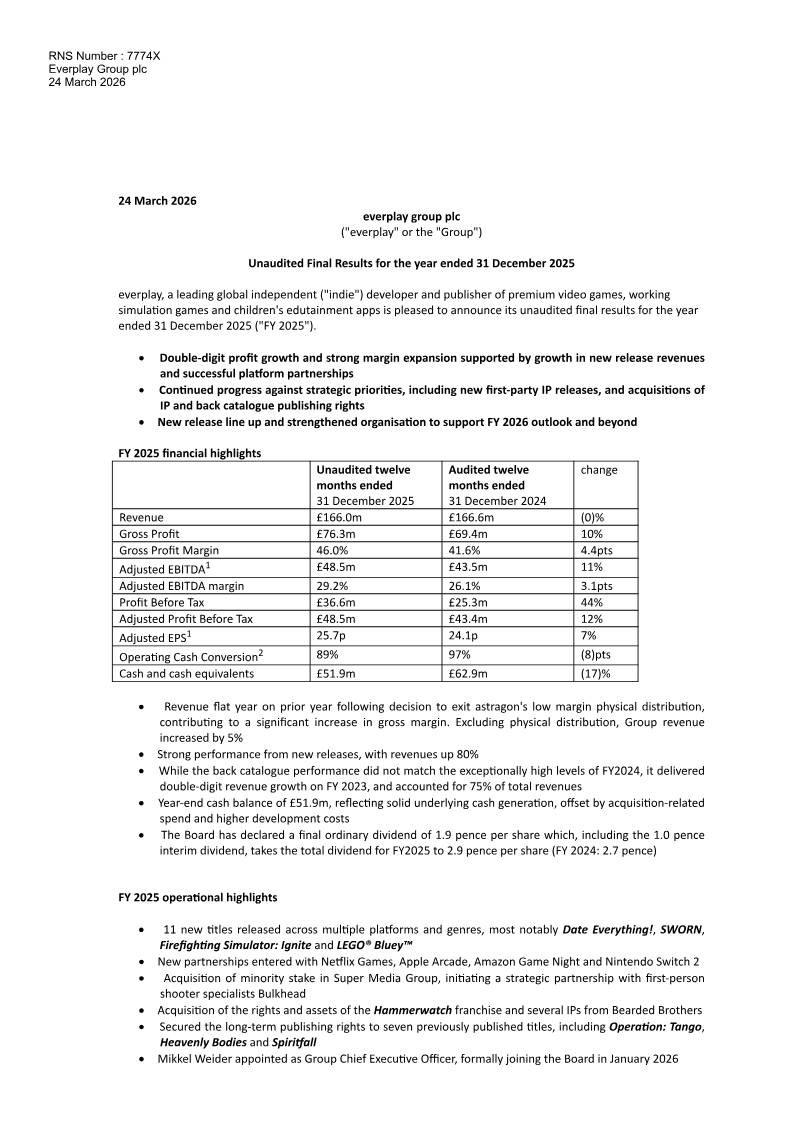
Everplay Group · 2026
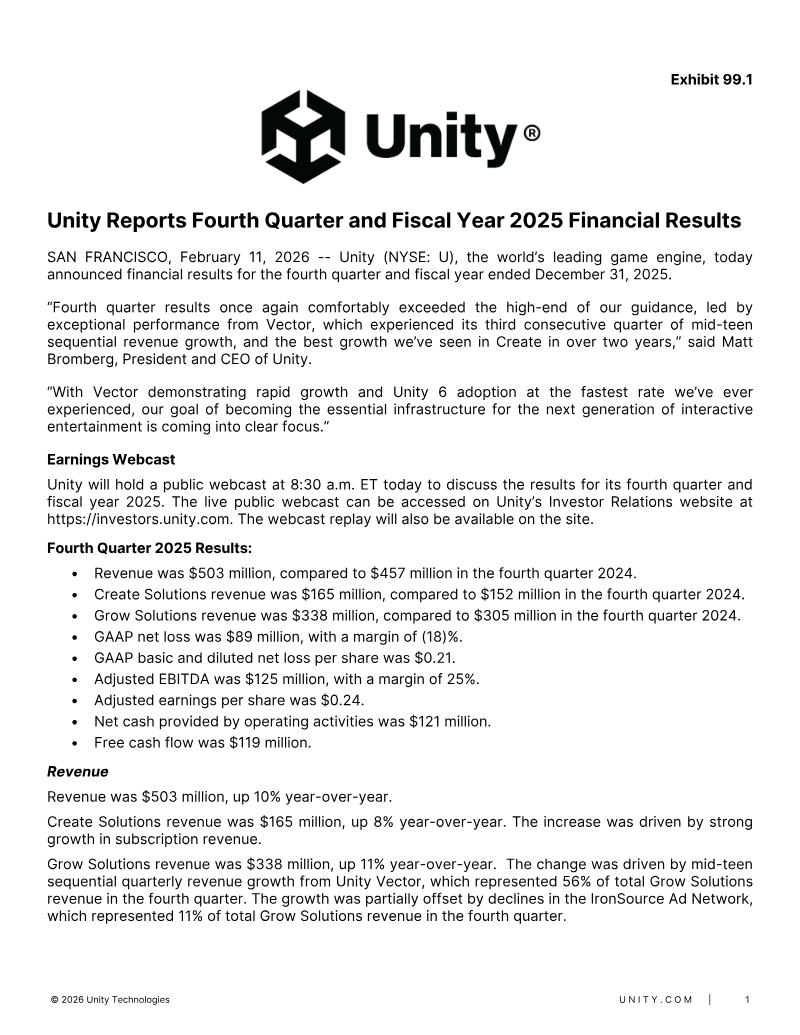
Unity · 2026
Poki · 2026
InvestGame · 2025

Metaplay · 2025