Unreal
Game
Documents about Unreal

The TOP FREE Software for Game Development (2022)
This overview evaluates essential software tools for independent game development, emphasizing cost-effective solutions that allow developers to bypass expensive industry-standard subscriptions.
- Blender serves as the definitive free, professional-grade solution for 3D modeling, sculpting, and animation in game development.
- Unity is the preferred engine for indie developers due to its superior documentation, extensive community support, and efficient cross-platform porting capabilities.
- Unreal Engine requires a five percent royalty on gross revenue once a developer exceeds the one-million-dollar earnings threshold.
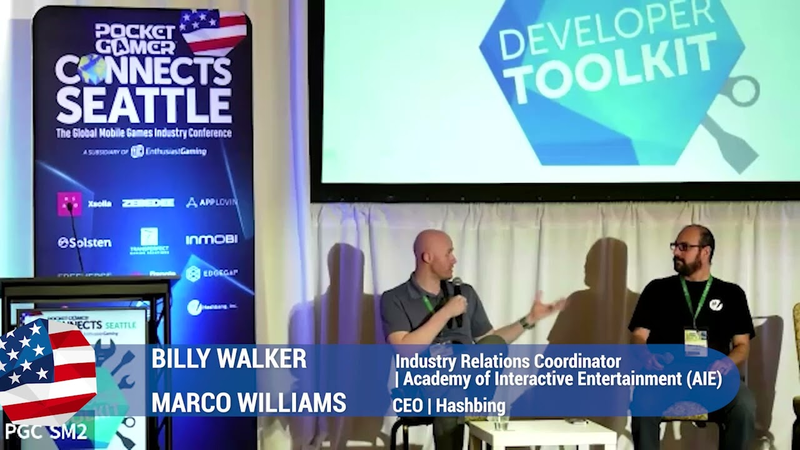
AIE & Hashbang: A Unique Industry Partnership
The Academy of Interactive Entertainment (AIE) and the game development studio Hashbang maintain a strategic partnership designed to bridge the gap between specialized vocational education and industry requirements.
- The partnership between AIE and Hashbang utilizes an industry advisory committee to continuously align vocational curriculum with market demands, such as adjusting the balance between Unity and Unreal Engine training.
- Hashbang integrates AIE students into professional environments through internships and entry-level roles, allowing them to work on significant intellectual properties alongside senior mentors.
- The collaboration features a structured mentorship model, including 'lunch and learn' sessions focused on teaching junior developers clean code practices and design patterns.

How to (Not) Create Textures for VFX
Efficient visual effects production requires a shift in mindset from manual perfectionism to a pragmatic, iterative workflow centered on the concept of good enough.
- Prioritize a pragmatic 'good enough' workflow over manual perfectionism to overcome creative stagnation and meet modern game development production demands.
- Accelerate asset creation by leveraging third-party resources, photo-bashing, and procedural tools like EmberGen, Kumo Works, and Substance instead of relying on manual painting.
- Maintain high visual fidelity and performance efficiency through technical practices such as channel packing, UV distortion, lookup textures, and erosion.
TWIG #180 Epic Games makes metaverse and crypto moves
Epic Games is strategically pivoting Fortnite toward a user-generated content (UGC) model, positioning the platform as a dominant force in the evolving metaverse landscape.
- Half of all player engagement within Fortnite is now driven by user-generated content rather than Epic-developed assets.
- Epic Games is transitioning Fortnite from a battle royale title into a user-generated content platform to ensure long-term growth over the next decade.
- The upcoming release of the Unreal Editor for Fortnite will provide creators with professional-grade Unreal Engine tools to build complex, multiplayer experiences.

LIVE | Unreal 3D Environment with Daniel Martinger
Professional environment art requires a disciplined balance between technical proficiency and creative scoping.
- Professional environment art requires balancing high-fidelity artistic detail with the rigorous production speed demands of modern game development through time-boxing and realistic scoping.
- Mastering the foundational material types of wood, stone, and metal is a critical strategy for maintaining project momentum and preventing artist burnout.
- The core production workflow utilizes a manual, craft-based approach, specifically using Maya for blockouts, ZBrush for high-fidelity sculpting, and Substance Painter for texturing.
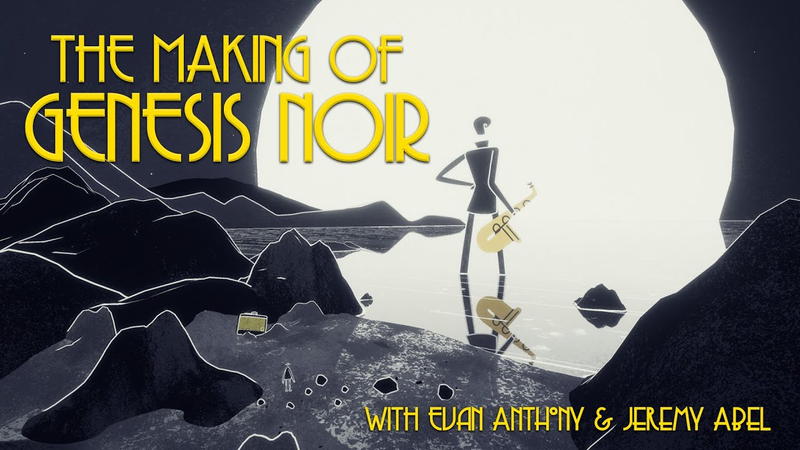
The Making of Genesis Noir with Evan Anthony and Jeremy Abel | 303
The development of Genesis Noir serves as a case study in transitioning from motion graphics and web design into the independent game industry.
- Marketing and promotional efforts should be integrated directly into the game engine workflow, as these activities can consume up to 50% of the total development cycle.
- Securing professional publishing partnerships is essential for managing the logistical complexities of console certification, localization, and multi-platform deployment.
- Independent developers can successfully transition from motion graphics to game development by leveraging vertical slices and detailed pitch decks to secure both crowdfunding and external funding.
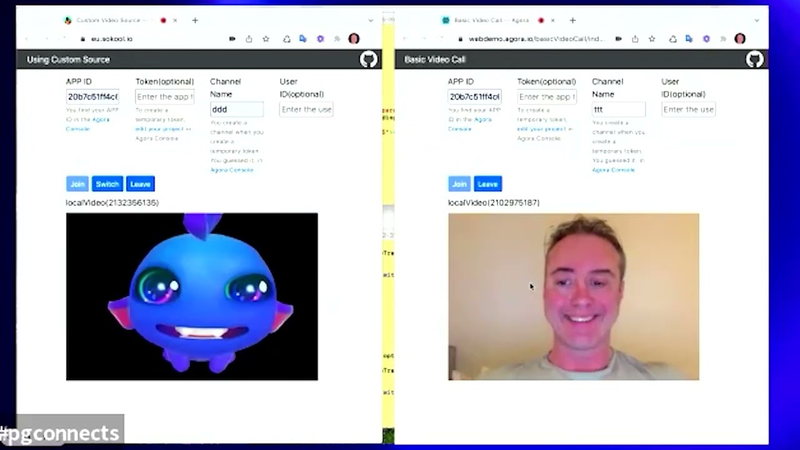
Increase Engagement, Stickiness & Revenue Opportunities with Real-Time Voice & Video
The integration of real-time voice and video into 3D gaming environments serves as a primary driver for increased user engagement, platform stickiness, and revenue growth.
- Integrating real-time voice and video into 3D environments increases user engagement and platform stickiness by enabling features like spatial audio and photorealistic human video streaming.
- The infrastructure supports over one million concurrent users per session and currently handles 50 billion minutes of traffic per month across hundreds of mobile applications.
- Latency and packet loss are minimized by using AI-driven routing through a global network of selective forwarding unit routers, bypassing the inefficiencies of public internet paths.

TWIG #175 Bored Ape Yacht Club raises $450M for an MMO 🤯
The global gaming industry is currently navigating a period of significant structural transition, marked by aggressive capital investment, technological shifts, and evolving operational models.
- Yuga Labs secured $450 million for a metaverse project, while FRVR raised $76 million for browser-based gaming, signaling continued investor appetite for large-scale digital ecosystems.
- The removal of IDFA and other tracking identifiers has rendered traditional mobile user acquisition methods ineffective, forcing developers to prioritize organic growth and broader market appeal to combat rising costs.
- Studios are facing significant operational challenges, with skepticism surrounding the ability of teams to manage complex MMO macroeconomics or successfully pivot to live-service models.
Building an Expansive 'Star Wars' World in Mobile VR
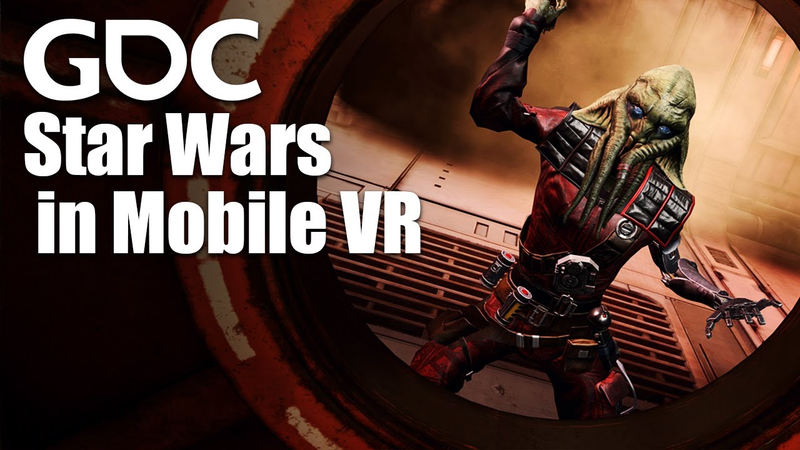
The development of Star Wars: Tales from the Galaxy’s Edge for mobile virtual reality platforms, specifically the Oculus Quest and Quest 2, required extensive technical optimization to maintain high-fidelity interactive storytelling within constrained hardware environments.
- To overcome mobile CPU bottlenecks, the team implemented a custom object pooling system to eliminate hitches caused by spawning and despawning actors.
- Engineers optimized complex component hierarchies by replacing scene components with actor components and utilizing skeletal mesh detachment to allow animation graphs to function independently.
- The team developed a custom, automated pre-computed visibility system using navigation mesh geometry to limit cell placement, which significantly reduced computation time compared to standard occlusion methods.
Panel: What Tools Should Game Developers Have at Hand at all Times?
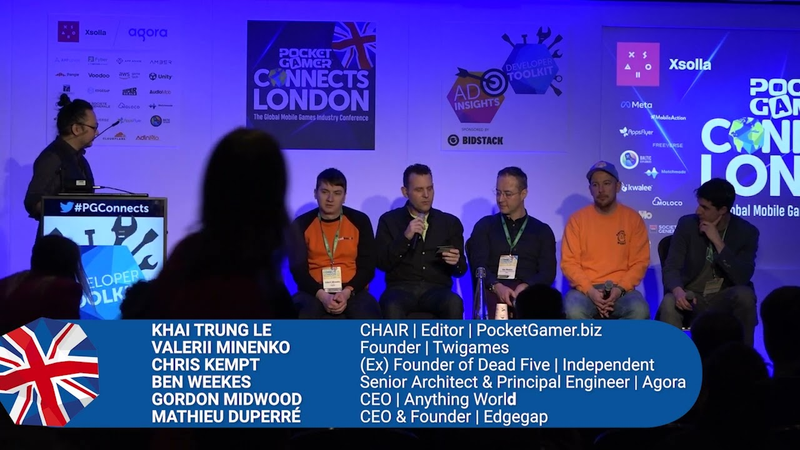
Modern game development requires a strategic balance between standardized, high-performance technology and the flexibility to address unique project requirements.
- Prioritize mainstream engines like Unity and Unreal to ensure robust support and seamless integration, reserving proprietary solutions only for cases where standard software fails to meet specific technical benchmarks.
- Avoid premature over-engineering of content management systems to prevent the accumulation of technical debt and the loss of project agility.
- Streamline onboarding and troubleshooting by maintaining a lean, standardized toolkit that is accessible to both technical and creative staff.
How has the Pandemic Impacted the Game Industry in 2021 | Best of 2021 Part 1
The global game industry underwent a profound structural transformation throughout 2021, driven by the dual pressures of pandemic-induced remote work and rapid technological advancement.
- The game industry has permanently shifted toward hybrid work models, forcing management to transition from monitoring hours to prioritizing measurable output.
- Studios are increasingly leveraging a global talent pool due to the removal of geographic barriers, though this is complicated by the 'Great Resignation' and a growing professional demand for work-life balance.
- Technological democratization via engines like Unreal and Unity is enabling smaller, more efficient teams to produce high-fidelity content, supported by tools like MetaHuman that streamline asset creation.
Superstar Session: Real Estate for Game Publishers: How to Monetise Your Virtual World
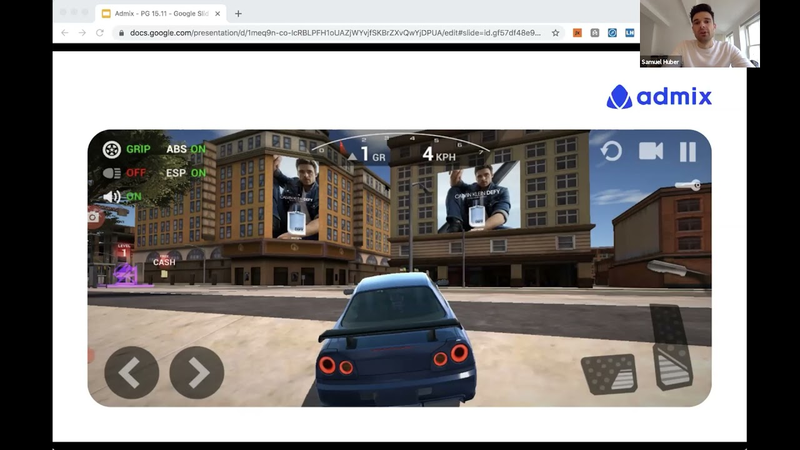
The monetization of virtual environments is shifting toward a real estate model, where game developers treat digital spaces as commercial property to host native, non-intrusive advertisements.
- Brand spending in the gaming industry currently lags 50 to 70 times behind social media platforms, representing a significant untapped revenue opportunity for publishers.
- Game developers are shifting toward a real estate monetization model that treats virtual spaces as premium, brand-safe commercial property for native advertising.
- Integration is facilitated through no-code plugins for Unity and Unreal engines, allowing developers to monetize high-traffic areas without relying on disruptive, interruptive ad formats.