1 free read left. Create a free account for unlimited reading + AI research.
Create free account
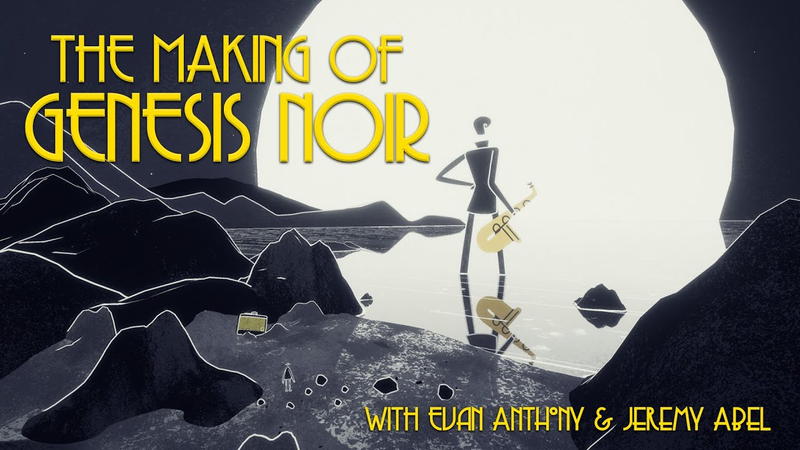
The Making of Genesis Noir with Evan Anthony and Jeremy Abel | 303
Key insights
6 takeaways- 01Independent developers can successfully transition from motion graphics to game development by leveraging vertical slices and detailed pitch decks to secure both crowdfunding and external funding.
- 02Maintaining creative control while scaling operations requires a strategic use of freelance support and a structured approach to business management.
- 03Securing professional publishing partnerships is essential for managing the logistical complexities of console certification, localization, and multi-platform deployment.
- 04Success in the modern game industry relies on rigorous documentation, active networking, and the ability to adapt to the specific hardware optimization demands of digital storefronts.
- 05Marketing and promotional efforts should be integrated directly into the game engine workflow, as these activities can consume up to 50% of the total development cycle.
- 06To mitigate long-term development risks, teams should prioritize addressing technical debt early and streamlining narrative structures to prevent creative fatigue.
Ask AI about this video
Transcript
this episode is sponsored by grand beats gram beats is a game audio production studio that provides implementation of adapted music interactive sound effects and voiceovers for game developers they're a team of game audio professionals that have worked on hundreds of successful video game projects such as diggies adventure mafia definitive edition dust off z and much much more for a full audio solution for games under one roof save time and resource by allowing grand beats to focus on your development long term as they help with both indie and aaa projects of any genre their technology for vast adaptability is what sets them apart from the competition but don't just take my word for it give it a listen and watch headphones on volume up and let yourself get into the experience let players immerse themselves into your
game binaural audio interactive design adapting to increased game dynamics and players experience crafting a triple a audio experience is a difficult challenge but not for us a team of game audio professionals sound badass right so go ahead and go to audioxp.net audioxp.net and tell them that gamedev unchained sent you [Music] what's up everybody welcome to another episode of game dev on tv and with me a special two special guest
evan and jeremy myself i'm new how are you guys doing all right how are you doing good good uh so this is the part of the uh podcast where i actually asked our guests in this uh specific case about yourselves uh where you been where are you at where you're heading uh so evan let's just start with you and we'll talk to jeremy yeah so i'm evan anthony um creative lead on gensis noir um which i made with jeremy and we studied new media design at rit together and after graduating we both worked in new york city as doing web design interactive installations motion graphics and after doing that for several years we decided to make our own game and
we recently released that game just a little more than a year ago and then since then we've been patching it because there are a lot of bugs and adding some free dlc and making some some new things which we're excited to share in the future yeah and i'm jeremy i'm the technical lead and i don't think i have much else to add that evan didn't already cover so you guys met in uh early in college then i assume or you guys were friends before in college yeah program and you were mentioning in the graph design was your major before everything new media design which is like fancy high-end websites it was it's basically flash websites back when flash was a thing um and motion graphics and some installation art kind of stuff yeah so we learned a pretty broad range of skills in that yeah not directly game design um jeremy ended up being more
interested in the programming and development side of things so after graduation in his career he kind of focused more on creative technology and code and i kind of like kept going on more animation heavy kind of stuff so we we started from the same uh education but we kind of diverged into complementary skills well that is pretty unconventional do you guys have a like a like a game art program in the college or was it just unavailable okay now they do um yeah now rit has a i don't think they have a specific game art program um everyone i know who's gone into game art has always had they they've come from like illustration um or kind of just traditional arts um that's usually what works out best i found yeah so yeah making our first game
we had never used unreal before and i'd use unity in a few projects but nothing like a commercial game release which is a very different piece than making like a web experience or interactive installation um so yeah we learned a lot and uh made a lot of mistakes and we're pretty naive we pulled through and released our game yeah well let's talk about um sorry let's talk about like these different uh you know the start of it like how long was the the process how long did it take um the inception of it was it always an idea upon graduation that you guys would go in and do this no like you came into it later we were both interested in games yeah and we knew that about like each other and after we graduated jeremy i would take time off from like freelancing or
doing work and like just make little projects um like we bought 50 pounds of dry ice and spent a weekend like making little short experiments and short films with with that material and we're yeah we're just very interested in mixed media and and that interest kind of like naturally led to games like as the kind of the like the zenith like mixing all different medias um and yeah i i read this really great book called cosmo comics and i was really inspired by this collection of short stories and i kind of thought it made me think of this idea that the big bang sounded like a film noir and that this could be a story in the kind of language and narrative style of cosmic comics and
i showed that to jeremy you were really interested and this idea kind of like was perfect synthesis of our different interests like jeremy you're so into jazz right you've turned me on to so many things and um yeah like i'm really interested in film and animation so yeah it just seemed like a perfect opportunity for us to combine our interests and strengths yeah it's definitely the vision is very unique i mean even without sound and then the jazz and in musical elements obviously a big part of the game but like the visually it's very compelling it's very different than like the newer times of 30s 50s it has like a good mix of it's very appealing upon first glance uh and the indie scene has been very innovative in the game
industry as you guys are well versed in right but you can fully understand that for for something to stand out even in that crowded market it's amazing and i think you guys did just that um especially for a first timer yeah yeah i mean ultimately this is all we could do like we couldn't this is very much our strengths yeah like we could not make a hyper realistic a realistic game or um but yeah more traditional looking game um we would really struggle with that so i'm really thankful that tools like unreal are getting accessible enough that um you know people who haven't been immersed in that in game development can pick these tools up and learn them and make something that plays to their strengths yeah i mean it's uh it's a it's a strength to you guys to be able
to kind of complete games i mean i know a lot of uh i come from the triple a space and uh even with those guys who've been making gains for a decade or so um they don't really follow through i mean it takes a lot of grit uh to kind of sit down with a friend uh especially i don't know if you guys went into the full-time would you guys like balancing it with with the day job like what was that scenario to so we had completion we had done freelance work just on our side for like a couple years like two years and we take occasional breaks to work on like little prototypes for the game and eventually we decided to take like like a year off i guess how long did it take to make the vertical slice yeah we we were working on that probably 80 to 90 percent of the time we still took on some freelance skates but yeah we transitioned to doing mostly working on that project um yeah there was a couple years where we
were just developing the idea and like doing little prototypes getting feedback trying to figure out how we're going to pitch this idea communicate it yeah and then once we made the vertical slice we showed it to some publishers at gdc and they got a lot of you know positive feedback and the gdc for the candy or yeah this was 2017. yeah yeah 2017. yeah last few times where it was full uh i think it was the year before two two more years before government so um my question is i don't want you guys to gloss i i do want to ask like the specific parts of um you know because the hardest part is the beginning and balancing a lot of things you guys were saying you were freelancing at first and then in between like what exactly was the periods here are we talking about a three month period and then one month on three month off one month on and then finally is it
a year in where it's like all right we can take a year off and concentrate with your work evan you could take gigs that were like a weekend for animation or something right like i'm gonna be doing that well uh yeah the precise timeline is the idea we had it in 2013 and we're kind of sketching on it over the next kind of couple years um and probably taking one month two months over the course of each year to like dedicate our time to making a pre-visualization or a prototype or something um and then uh in 2016 we um it was a 26 yeah 2016 we went towards making our vertical slice and i think uh yeah i took off i was working probably one or two months out of that time and then after that i went full-time
right project in 20th was that two-man team the whole time you guys get controversial for help at the beginning we brought on some freelance friends to like help us do concept art and logo yeah and uh and then once we you know teamed up with our publisher and did our kickstarter we had a better idea of what kind of scope and how how big of a audience we might have for the game then we kind of assigned our budget and we brought on several developers to build like specific tooling and the interface and um yeah we continue to work with our freelance pals to to make animation and art and then of course we've teamed up with our musicians skill bard who who did like a phenomenal job throughout the entire course of development
that was before the vertical slice so it was pretty early yeah well i imagine there's a lot of vast education throughout this process for you guys but you guys still weren't able to kind of ship this out in a very timely manner uh how was that like whenever you guys hit setbacks where you didn't know a specific way of doing things in the game i know you guys were playing to your strength but there was obviously things that you guys didn't you had to learn on the job right um how did you guys overcome that so quickly and it's still like what was the longest period where you guys felt like oh we kind of hit a wall here we need to figure this out and then i mean i don't think there was much any kind of wall there's mostly because i knew like because we had the source code of unreal engine if it was something that was not working or weird that i could at least try and figure it out and there's a lot of online resources from people that i've met but just through networking that we were able to like consult with in terms of helping us like solve problems yeah and we partnered
with plastic fern to help us to xbox and switch and they helped us with uh controller and certification and we partnered with localizers to help us translate so and then our publisher gave us a lot of guidance as well um but i'd say the the most challenging thing was towards the end of the project because like i think we that like we really underestimated the amount of time qa um like just playing through each of these different builds for each of the different consoles you know checking all the languages uh debugging as a small team while you're trying to like add the final bits of polish and uh like implementing all the audio especially with our musicians because skill bar just they like everything had to be perfect and amazing like we i was like oh yeah we'll just reuse this sound and they're like nope we're
gonna make like a bespoke thing that is perfect for this animation and it's like okay thank you um and then you know having and going in and putting all those sounds into checking them off um yeah i definitely underestimated that part so was it roughly overall i think you mentioned this but with two and a half years three years overall from well we released in early 2021 and we we finished our kickstarter in 2018 yeah so it was like basically four years of full-time development and then um one year yeah let's say one year over the course of several years of uh like tinkering away as freelancers the kickstarter thing so that was when kickstarter was i always mix up my time we started because there was a really hot period obviously you can slow down a bit and
then it's kind of stable now right yeah where was that in 2016 18 2017. that was definitely not super hot yeah like it was a very stressful experience i'm grateful that we did it because um we had no experience like communicating with an audience or doing like building an audience and zero basically no no i'm coming into that right now right so it really forced us to like write a monthly blog yeah and reflect on the things that we're making and involve other people into our project and get feedback from them um but yeah it was a it was definitely a challenge we split by um in the last couple days which is i think common a lot of people have that experience where it's like like yeah building an audience from scene yeah i was like flat and then [Music] so was it because if you guys were
sharing screenshots of the game you were doing uh kind of like a little dev diaries what was the the initial build up where you started to have traction to dude yeah i mean one month campaign where you finally had the audience okay yeah that was supporting it so it was mostly that just just engaging and yes and uh our we had signed up with our publisher previously and they helped us manage that and reach out to people and yeah it was just uh yeah like trying to find out other projects that were live at that time and collaborating with them like we teamed up with uh some video game socks yeah they made uh socks out of our characters and we we you know typed them up yeah so it's like all these like supporting one another um what you do at kickstarter like you'll get a bunch of emails from everyone else running kickstarter at the same time okay let's synergize some stuff yeah
and a lot of times it doesn't make sense but sometimes it does yeah so were you guys being picky or we're just like hey we're we're kind of new to this we'll use our common sense or just later let's see how how how the dice rolls just i mean we were pretty pity yeah like if if a project looked relevant like a similar audience then i think it makes sense to share it but if if it's like a completely different kind of project or quality levels in there yeah then it's not i think helpful for us for the other project absolutely um i'm sure you guys did your research before that there's like x amount of days i think it's the first 24 hours where you kind of know if your campaign was going to be a success or not just based on trajectory right was that tracking for you guys or did you guys have to do something midway to kind of up it to make sure you're across
how did you guys settle with the campaign uh uh goals uh you know did you have like a certain budget in mind our our budget was for our like completion was like 40 000 and i think we got like 45 yeah something like that so we yeah we got into our first little um kind of like reward but that was at the very last day yeah um yeah i think the first when we launched the project kick tracker which is a good website which kind of predicts like uh if your project's gonna be successful was was like um yeah it said we were going to be successful but uh not you know it wasn't going to be like a blow off kind of thing that's the kind of thing with kickstarter it's either you just make it you don't make it at all or you're really really successful right like there's no middle ground really yeah so yeah it was it was difficult i'm glad we
did it um and so much of like um because we were so new to all this like many of the things that we did in the beginning of the project were just important for us to kind of take on the responsibility and treat this like a business rather than just a side project or a hobby yeah like one of the things that we did that was very valuable was we entered um a contest which i don't think is available anymore but new york state had a indie game challenge and uh we're going to do like a business proposal yeah so you create a pitch a mentorship plan a business plan like you really document your project very well and we ended up winning that and the like having to go through and write a business plan and like actually outline our audience how we're going to reach our audience and what the risks are in taking this project and being honest about like what our you know what risks are how we
can mitigate them it was yeah it was very important yeah so i mean i was actually going to follow up with that um exactly that i mean did you guys were you guys leaning on a professors colleagues that have done this before uh throughout the process um i mean that's what i publish through some of those sources because our publisher has a lot of experience in that stuff over years at other aaa places other consoles super game companies etc um so that's kind of where we got a lot of insight from and you had been reaching out yeah and i've been on twitter you know just meeting people in the game scene um just getting advice in that department was also super valuable yeah so i mean it helps because like if your game looks good in a gif then you get immediate attention on twitter if you just like ping some people um so that's kind of our strength is that we can show a thing off really well um
so that definitely helps yeah and we definitely credit uh co-op mode yeah people who may know uh so in there like really mentored us and said what he was the one that pushed us to go to gdc and we like bought tickets a couple weeks ago like two weeks before and we're like we have two bunk beds in our hostel you can have them get over here and pitch your game yeah we were like oh okay yeah and was gdc where you met your publisher when did the publish come yeah well i had emailed um someone in the indie game scene who was a scout for a publisher they're not there anymore but they were at the time um and i even heard just asking for a bunch of advice um and they were like yeah well here's the answer to your advice but also uh right you should go to gdc and we're gonna schedule you a meeting with publisher um so we met with like a whole bunch of people there um and they were all super supportive um and the good thing about
the publishers was that you know if you weren't a good fit for them they tell you like they recommend you to someone else and they tell you who else to talk to and give you emails and go here i'll introduce you to these other people um if your game was you know good because like really talk to devolver and they're like oh this looks great but you're not like it's not our kind of thing which is obvious yeah um you know they were not an arcadey kind of thing um so they were like oh no you should go talk to these other people and you know it's just kind of nice to uh get that kind of validation yeah yeah so we we found the whole indie scene very supportive and people are eager to mentor you and if you ask and if you you know you show up with the work yeah yeah i think there was a a period where publisher was kind of like an evil thing that's always tick tick tick take but thankfully that's evolved especially because of indian teams like
ourselves uh being so innovative um because like just a few years ago indie publishing is like what is that right it sounds kind of scammy right it's like why don't you i'm making all the work why can't i just do it myself right a through z like steam green light and stuff but because indie scene have grown and the the games are a lot more complex right um more and more more more like akin to playstation 2 days uh where they were smaller teams but quality work uh that the publishing have been come like you guys have experienced it seems like more about mentoring and working in line with you guys when you guys were went to ddc was it basically coming with a trailer with the prototype was was it six months in or how far yeah so we had like made a vertical slice over like eight or nine months or something yeah um and we had a trailer here we got a trailer that you would we had music and sound from school bard
we had the business plan we had a pitch deck and the important thing i think we had was that we had like tiered pricing or tiered budgets so yeah so we if we had we got like a hundred thousand dollars we would build this we got two hundred thousand we would build this and this and we got three hundred thousand we built this this and this um so that was good the response was obviously pretty good yeah they liked that aspect a lot to show that we had thought about you know how much does this actually cost um and the numbers were you know accurate um so that was i think a big benefit yeah uh luckily our background coming from like advertising and kind of commercial art world because we're we got really good at making pitch decks yeah so implementations wise yeah a lot of people really complimented us on our uh presentations um so we had a very just see that
we had a very janky uh vertical slice that was like yeah oh you could get stuck on things yeah it's just like yeah we ended up like refactoring and redesigning so much of the that early content that we made um but i think like our publisher and people that you know they could see like okay these guys have they have a lot to learn but right they're like thoughtful and um we could we see that they'll get through it you know with some help yeah they got they got good bones yeah that's what we can build from well i want to ask you guys this like um you know i come from an art background i went through a game art design yeah we had pitches here and there but like it sounds like you guys had a lot more serious pitching going on um what set what worked for you guys that you guys felt set you guys apart because you know when we think of pitching it's like all right so and this is the number one thing that
people tell us don't go to powerpoint is that what all right screenshots trailers like what should i be showing uh what was your guys's process to kind of end up because it sounds like you guys did really well with the picture yeah i mean we was a lot of work like you know a lot of bespoke drawing and like laying out what the plot would be and what the characters are um yeah and this would be on a screenshot after screenshot while you guys are standing there explaining side by side yeah yeah put together like 100 slide uh presentation and google slides and uh yeah like trying to really be economical economical uh so that each slide has a very simple concept that it's conveying but there's some hook to it like you're always you're continuously putting you're telling a story yeah but you're
like constantly putting little hooks of like that at this stage we don't have we haven't made the thing and the thing the game uh that we're trying to create we're very flexible with but we want to create little scenes that uh let the the viewer of this pitch kind of inject uh their own identity yeah identify with what particular thing that they might find compelling so like we had uh you know like a section on a game play and we had created some prototypes and we documented those with gifs and texts which describes the thing that we had made but we also sprinkled in just like one page slides with things that we hadn't made but we wanted to like um like uh explore like for performing a japanese tea ceremony or like hunting uh steak
through a prime evil forest just like one sentence kind of ideas which we didn't get into specifics about okay how is this gonna be implemented but trying to leave uh enough open that people can yeah their imagination be stoked you guys find yourself having to uh because you've done a few of those a lot of those before you got the publishing video um kind of tailoring to the person you're talking to like how oh yeah how much time did you really have to you know meet the person they're like nah i know this the their appeal is this you know let's emphasize on these slides versus others it sounds like yeah yeah oh yeah i mean that's definitely one of the most important things to do is also make like branch off your into variations which satisfy the the needs or the question or answer the questions that a particular person might
might you know be interested in um but that said uh you no i think uh and since we were still in experience we didn't necessarily have the like context to know specifically uh a lot about each of the individual publishers so yeah our pitch decks for them were customized a little bit but not significantly later when we were pitching like console people and stuff that was all yeah there we would do bespoke yeah person yeah how different were they compared to the other publishers um those are i mean it depends like depends on what our goal was if like we pitched to microsoft i guess and our publisher did that pitch only we did for genesis yeah um for the game pass thing uh is that normal the publisher kind of
taking his and yeah i mean in some for the first time well so our genesis noir uh we uh gained past licensed genesis mar um and the that was part of a larger deal that uh xbox did with our publisher so they licensed several other publishers games one of which was ours yeah so uh the soldier had a larger pitch that we were a part of we were directing oh i see so so they had a deal before and you guys were included as part of like this 10 year for one deal and then we want to take this as part of our pitch today yep interesting how involved with you guys with that just from just results and not at all we provided as much you know infiltrating for that yeah and then here's what and they said like okay these you know really we just need these five slides or whatever and yeah um yeah we weren't involved in the actual meeting with xbox no um
so yeah were these uh were there key meetings that you guys felt because now you're in you guys are full-blown game developers at this point right uh were there meetings that were you guys felt like was transformative of making a huge leap in understanding the industry the business especially of the industry and what were those meanings where you felt like oh okay now i have a bit of grasp early on we were like getting started doing console reports and stuff you know i think we had a bunch of meetings where it's like here's how console development works yeah uh here's what certification is and uh meeting with the unreal guys yeah uh we we got we were lucky unreal gave us um like professional support yeah so um yeah we they they met with us um with some senior engineers and they helped us
figure out a game plan to do our custom animation system um so i mean that that's more your ballpark but for me that made me feel like okay uh these guys are taking us seriously and i i i have a better idea of what's involved in the engineering right yeah i mean for me it was mostly just like oh i've never done console development before and figuring that world out was super interesting um because i mean i've done you know large scale engineering projects before or other big companies and the problem solving solving's pretty much the same type of stuff um it's just now it's like i guess the big difference was you're selling a product to a client like a big company if you're making something for them versus selling a product to the general public um that i think is kind of a big transformative kind of thing yes um but i mean the main thing about the meetings with our publisher was that basically every time we had a meeting
was like oh great these people have our backs they know what we're doing they understand stuff um they really wasn't it was great to just always talk to them and they were just we were always on the same page yeah yeah and they also especially leading up to release we had several conversations with chris uh from fellow traveler the like ceo yeah company and like about what the expectations for release is dealing with the emotional impact of it dealing with press yeah and because we hadn't you know well you guys are doing great now like what what where i didn't know that how involved these was so this is quite new to me because you know obviously um we're a game development podcast i introdu you know introduce and talk to a lot of game developers of all different places but uh i really never dived into the publisher developer relationship and it sounds so evolved from just i think the
last time i was talking to any group it was a year ago or a year and a half ago and it sounds uh there's a lot more mentoring than than i expected where they really walk you through everything like what were the kind of things they were preparing you for the press releases emotion yeah it was mostly just like depressed stuff like here's what the press is gonna ask uh avoiding like we got bombarded by like random people on steam asking for keys yeah and just like oh these people are saying yeah um and like checking steam forums yeah responding to reviews here's years like providing a kind of framework for the language of how you have customer service um yeah and like how do you triage yeah all the different issues that come up during release how do you schedule doing patches especially when consoles take another extra week the patch do the
recertification stuff uh all that kind of stuff another i guess kind of thing they helped with was just the sheer amount of assets you need to prepare to go on any digital storefront yeah where everyone wants a different size thing for a number of images and you know tailoring that to look as good as possible on every platform was uh a lot of work yeah the expectations that you guys going in i think about like the first day you guys put a business proposal of like purely like thinking about the game obviously where developers creatives right and all these extra factors about shipping a game right all these things that you guys have to learn target press certification uh i knew that was coming yeah just because i mean i've had friends who have been in triple a and been in indie games before we started making games so i know i knew what the process was and i knew that that was coming but you don't think about it until it actually has to happen um right because there's so much yeah i mean you're still making the game you
have to have the game so it's not there's no thinking about like oh i'm gonna have to start later and now i know what to avoid trying to put in a game to avoid certain issues um what are those uh if you can give some quick ones or things um internet things yeah if you put anything in your game that needs to talk to a server that isn't owned by the company that you're doing the that doesn't know by microsoft sony or whatever um then there's this whole rule that you have to go through we didn't do any of that but it's on my mind for this new project um in some small ways um but and then also just a little localization is another big thing just like knowing like oh this is going to be difficult for the translators to deal with um that kind of stuff i think is is good lessons learned i guess what so the language thing the localization is stuff that i think as a developer i kind of
uh take uh for granted right it stalls that other group will they'll take care of it but that's the end you don't have that luxury for a lot of things so are there like key languages like how many languages that do you guys have to kind of die or nine yeah i mean once you do one they're all basically the same in terms of programming-wise um but setting that pipeline up because every like if you use more than one localization company then they're all going to give you data in different ways you're all gonna use your spreadsheet slightly differently um if you don't know how to set a spreadsheet up that you're putting all your text into then you have to write a bunch of code and scripts to like translate that spreadsheet into whatever format your engine is using um so there was a good like month of figuring all that out yeah like we also didn't provide we didn't anticipate um localizers coming to us with questions so they each and so they each kind of like had their own format for
asking us questions and for clarification or reporting uh like a text rendering issue where they play tested so because we didn't think of that we didn't have like a nice survey or spreadsheet for them we you know we just had to like we had a whole bunch of different places to look and i think that definitely slowed us down too talking about slowing you guys down so if you guys don't mind me asking what was the original estimate where you guys felt uh you know evan and jeremy at the beginning when you guys were going to shift it to the actual for you said four years right so what was the how much all this added to that it was one extra year that we planned yeah that's not bad so it's actually really good yeah usually i've been told it's like twice every once it's like always 2x if you think you're two a game will take two years it will take four years
but when we were very when we were beginning at the start like when we first had the idea it's like oh making a game and releasing it getting weak that will take no time but i don't i never had that relationship before my 30th birthday and right there's no do all types of things yeah didn't hit that milestone no but yeah originally was was february 2020 yeah was what we said in the kickstarter yep and then we then we were like okay we're gonna aim for like uh july i think or august yeah yeah and then we yeah we're going to be like okay holidays yeah get it in before the holidays yeah like october november and then that didn't happen and then if it felt like we were going to be close to that but and then it felt like we had a bunch of time it was it was like okay but then we're sitting on this for a bunch of time right but really we needed that to like put in the polish and debugging
um and we still really still needed another like three months realistically yeah just to debug the play test yeah our steam reviews early on got hit somewhat hard understandably yeah i mean because we also had issues where like we had fixed bugs especially for like xbox and switch but we couldn't get them to our players for like switch was yeah it had an old build yeah for the first like two weeks or months yeah right before we could get the late like the builds that we launched with on xbox and steam so yeah like the first um couple days of release was so strange yeah like my personal experience was like each day was like a week it felt like an actual week yeah because we were i was sending out kickstarter uh keys to our backers and i was responding to customer support i was responding to the press i was
checking you know twitter for you know feedback and and trying to also fix bugs and yeah it was it was just uh i i mean i slept but yeah we were we slept but there were just so much input yeah so much stress yeah coming into uh and so much emotion and you know like feelings about like releasing this thing finally um after working on it for so hard for so long it was a very strange experience you guys feel i think i know the answer this do you guys feel at some point that it was easier to quit during the process no i mean we had a contract for our publisher saying we're finishing this yeah that helps yeah um yeah and i mean no there was never any anything that sucked enough to be like oh i don't want to do this anymore yeah it's like okay are we going to disappoint people about yeah six months late right
or however late you know yeah so the delay like the publisher was always fine with the delays we wanted to like spend a day wrangling a kickstarter message be like hey we know we said this but now it's actually this is for these reasons and the reasons are always valid um and it was you know we're adding controller support we're doing this we're doing that and we also had some stuff that we couldn't even announce so we like you know make up some little things but most of their own controller support and accessibility kind of things um [Music] remap all the buttons also the kind of things that we were adding yeah um but we were adding them because they were part of cert for xbox which we didn't announce until um you know it was for switch that we didn't announce and there's also performance fixes for switch yeah um i think we hadn't done switch then we probably would have released like back in the holidays yeah um jeff because that was the main source of things which is making that game not die on that console [Music]
uh like just to kind of go back to asking like um [Music] specific developer questions as you guys kind of going through this first time learning as you're going developing the game uh going back to the comfort it's like all right i know what how making the game is and i'm discovering tools and tech stuff that that might be new to me but it's exciting it's fun um was like figuring out what the engine has available for us to use there's still times now where i find out new features of a real engine that would have helped us in the first game that existed but i had no idea about so i ended up building my own solution that was like 10 times worse than epics so it's still a weekly occurrence for me but uh i guess my question to that is like um if you were to look at your time in percentages right like
just for those four years how split were you guys was it fifty percent working on the game twenty four five uh the other fifty percent doing all these other things that you guys didn't really plan for right just promoting answering emails uh fixing bug is part development so that counts uh targeting the publisher getting ready for a new presentation or whatever the case how how what was your time split if you look at the typical day um that's what that looks like yeah it's hard to quantify um i i think it was it was definitely more for me than jeremy yeah because i made the trailer and i also we released it was like a collector's edition where i made an art book and i made kickstarter rewards kickstarter rewards and then being work um so like if i yeah i guess with the trailer kickstarter awards and 15 yeah something
like that um 50 promotional stuff yeah but like ultimately it was all valuable anyway it was all valuable yeah like all that stuff kind of fed into the actual experience and products um because we were trying to be very deliberate about everything that we make like either teach us a lesson or teach us this about the characters or is like directly something that we can put in the game so like for our announcement trailer um like it starts with a shot of the main character falling into the big bang which is like this expanding gunshot with stars and then the character like falls in like his hat falls off and he like reaches and grabs it just before he gets sucked into the universe and i had that shot in the game but it was like very limited animation you know for
the trailer it was like okay i really want to animate as well so that was work that i did for the promotional um trailer but and then you know it ended up in the game and i got to have this you know one part of the game a little bit more polished pretty promotional part i guess i just want to ask you this then um to call kind of follow up on that uh knowing what you know now like how deliberate are you when you guys are working your next game to kind of make promotional kind of feed into development because that's the biggest issue with um any type of especially aaa right because a lot of those promotions have often been thrown away it's like all right and any groups are especially kind of finding themselves in that throwaway work just to promote and then no one's working on the game right so how did you find like a nice rhythm there where you can feel like hey you're going
for all of the promotional work in the engine for the most part yeah um so it was all animated in the actual game we did just big renders where you would just screen cap you know with 1080p yeah um i mean like switches for is trailer or true or false um you just so there were like just game like parts where we would just like return switches on and off or we had like a mode that would make our cursor bigger and all this other kind of stuff um so i think that was a good way of being honest in that kind of sense yeah it's also just very important to think about all that promotional stuff and the timing of it yeah and this is also from our background like as making like the a promotional site or a movie whatever like um and we're also very interested in like title sequences yeah one of our the things that was emphasized in our studies um like so much about experiencing a piece of art or an experience or does any kind of product or experience is how
it's framed to you and what your expectations are when you go into it and particularly for our game which is such a esoteric abstract concept it was very challenging to like communicate what the scope of what you do in this experience because conceivably it's the entire history of the universe right so like trying to lead people to kind of have reasonable expectations and then be surprised by how we deviate from what we tell you you're going to be doing it's challenging and we definitely notice that there's a portion of our players where um like they wanted a very traditional film noir ob story and that's not really the story that we tell and um yeah so i think we could have done our promotion and communication better
something that i want to be even more thoughtful for our next game in the promotional stuff was this a timeline kind of given to you by the publishers like hey by three months six months nine months was that given to you guys and you guys have to create things for that or was it collaborative what was if it is the timeline thing what was that timeline uh you had like a schedule a rough like they didn't do anything until um like i don't know six months before release i guess yeah or our initial yeah yeah um and then like there were like special events around like conferences and showings at different cons and things that we'd always make stuff for uh and we always made a lot of material for our kickstarter backers you guys always go to those or one of you i would yeah i went to pax with east 2018 and ndk and a few others i think
um so we always have a lot of material to make for that yeah we would often target like our promotional stuff around opportunities yeah our publisher was you know like fine for us like we got a spot in the e3's um pc gamer show yeah so i was like oh yeah we need to make a trailer for this yes bespoke specific trailer um that was like a month yeah um and then we made a different one for the release and then we made another one for the dlc that were released yeah and another one for our album yeah it's just a lot of material yeah these are youtube guys we're the only ones doing all that stuff with so much work yeah i mean that's our background so yeah i like it yeah it's nice to make stuff that isn't going to be used by anyone so you could just make such a look good yeah mine looks good it's all that matters you see this the video or gif you know and the nice
thing about making it like a video game is uh we just have so many assets and tools and things to play with and like so much of it we can't put in the game because play testing stability like yeah just pacing the scope of the project but like i have all these assets and like i have systems for like manipulating them and like it's just fun to play with them so yeah the marketing stuff is an opportunity to like take all those models that you just see in this one scene and like they're really cool but like in our album trailer i just like put them in uh i spawn copies in a ring and it just like rotates and it's just graphic and it looks cool um and it you know to actually make all those systems by hand or make those assets for the first time it's substantial amount of work but for me like i have them all on yeah i just it's in the library to like
bust them out again give them the love that they really deserve definitely um [Music] were there was there an event uh that that especially made an impact for you guys where you guys felt like oh okay this is next level people are really hearing about us twitter's blowing up right now and e3 was was pretty huge for me at least yeah because i remember like painted into e3 when i was a kid and it's like oh only the big games get to go there i mean i was in the event but i watched it a lot it was just pretty surreal just to be like oh it's like have the announcer yeah right you know i feel like yeah and we're like sandwiched at the very end between i don't know two gigantic games with way more money uh behind them um and just you know squeeze ourselves in there is pretty it was pretty surreal yeah for me it was going to dave the
devs um and having beautiful player games which is an event in up in san francisco hosted by um double fine and just everyone there was very very gracious and like very kind and our build was super buggy and like not polished like to the degree that really we want it and making the make the experience of making the game was like uh and this is so much about our oh yeah here's an example of how we could reuse these assets in our trailer um but yeah the experience of making any piece of art in my personal experience is that like you have such like high uh ambitions and like in your mind it's like oh so this is gonna be so awesome right and then you sit down you you actually try to make the thing and there's constraints and there's limitations and sometimes you fight figure out solutions that surprise you and that are better than what you had
anticipated but oftentimes especially in game development you know there's just realities to like what a small team can do and what technically can be accomplished and uh just also like your your own creative limitations like i'm not as good as i want to be um so showing someone like all our failures and i'll you know make this the thing that isn't quite what i really had hoped it would be or that i haven't had the time to put the work in and then have people still be into it even though i'm seeing all the faults and all the things places we had to cut something or all the places we spent a week debugging something and feeling really frustrated with it um yeah getting that reception from players was very like very meaningful there's a there's an often pain point and reward
when you put any product out there to be judged and uh especially being in a bigger team where most of my career has been you know it's easy to kind of hide behind like the faults right it's like oh well i mean i'm one of three hundred people on the sidelines that fall but yeah as an indie team like you guys um you know i think yeah yeah you're the only one that could be playing during development i think it's very humble to kind of like take clothes in so yeah the more critique the better we're making the game we're fixing the game as an ultimate expression of you know all our experiences right and when it's out like i think that's the number one fear it's like all right it's out i'm exposed you know young people are either really like it or not like what was that was that part of the preparation of press like what was i mean there's freedom for that do you guys think about that there's only so many words someone can say to you to prepare you for that kind of thing um but
i mean yeah it's like you put so much time into a thing you're not prepared for any kind of emotional impact for everyone beholding it um and it's different from commercial work because with commercial stuff it's like oh it's you know no one cares about me making it then they care about oh it's nike you know nike put up his ad okay great no one really cares it's gone in like a month or whatever but when you put up a game it's like oh this is it's like a baby that you burst yeah that's that's how much effort that you you put into it especially with our goals where like this is really an expression of our interests and our you know things that like we really want to you know find beautiful yeah interesting so yeah it's it was definitely difficult it's like what i i find really challenging is the fact that our relationship with what we've made is so fundamentally different yeah from what any anyone who's played the game like i have no idea what they experienced i'm incapable of enjoying it yeah it feels like we every especially our game
isn't really it's not about like learning a mechanical skill and getting better at it and like developing mastery i imagine developing those kinds of games like they can be a very like fulfilling process um but for us like our game is all about like just exploring and discovering where we the authors take you on this narrative and we take you to some surprising unexpected places and when we first had those ideas it'd be like oh it'd be so close like throw you into the heart of a black hole yeah oh cool i want to see that yeah and we made that and then we had to play test it 300 times like i never want to see this again yeah and so there's nothing surprising like i see people screenshot scenes which i remember when i illustrated them was like i remember feeling good about it but now nothing about it is like oh yeah that is something i'm proud of where i think it's beautiful i'm just overexposed yeah
so yeah maybe in a decade i'll look back at it and be like all right yeah that was okay but for now but you guys are still able to enjoy that people are enjoying it right that's yeah that's some kind of a validation of course right yeah i i enjoyed the process more than the end result yeah like personally yes the person who made it and i'm very very happy that people appreciate our garbage work and we could do so much better so you know that's great what a good game actually is um i'm terrified around are you watching this how long were you guys able to kind of uh because you know all the way too long you guys are working hard even post launch it sounds like yes there was a lot of work involved with that yeah when did you guys feel relaxed to be able to kind of even think about the same project was that in in in your back your minds already while you guys were close to
shifting yeah uh i mean we had ideas for next projects that were just like percolating and i've been collecting inspiration and writing down ideas but nothing no real active prototyping or anything like that i'd say it took us four months yeah after release for us to debug all the stuff to ship out all the kickstarter rewards to just decompress or i don't know personally i feel like we had the same kind of like rhythm right that i remember from the beginning of the project right um but yeah during that time we were we were working but yeah we tried to take it a little bit easier jeremy started teaching you know so that was kind of like um a way for you to yeah take a break take it yeah use your brain in different ways right i wanted to ask you guys this earlier but i i just remembered it right
so um you guys are a duel right uh we're friends before this so that helps but i've seen so many cases where you know people kind of warn you don't mix business with friends yeah because it can go really bad um obviously you guys made it work but we're you know there's obviously moments that you guys might put heads how do you guys work over that and it sounds like there was never like a close encounter of a breakup i mean i have too much stuff to work on to bother with holding a grudge so i can be mad at you for like a day yeah that's about it i don't have patience for anything longer than that but i think yes like rooming with someone working with someone it's gonna really change your relationship especially like i haven't spent as much time with jerry yeah i mean we need how much well i haven't yeah i don't spend time like i spend with you like with anyone else yeah so it's just we have a very fundamentally different
relationship um i think you know if we weren't we're actively working on a project we remember our world right we'd still like to collaborate every now and then but yeah it's it's just yeah a lot of forgiveness we trust each other we both knew that this was kind of a project we really believed in yeah so there was never like uh does jeremy care about this no i do right no i think we were we both felt like we owned this it was like a real synthesis of our ourselves that we couldn't make individually right um so yeah that's you know it's it's tough but also like very beautiful to kind of come together with you know someone that you really respect and make something yeah well to kind of throw on that toughness you know the pandy happened i mean you guys shipped right after well i mean in the heart of it it feels like march 2021 right how did that did that
i mean do anything uh to the development was that i mean there was like a good three or four months right as it happened where you were at home when i was just in the studio yeah and i was like very very non-productive for like several months um and there wasn't a lot of communication uh because everyone was just like hunkering down yeah yeah i mean beyond just uh obviously everyone's mind was especially we were in new york city yeah so um like i remember hearing sirens oh yeah and like or people you know banging pots and pans and so like yeah i remember uh just mentally paying more attention to the news and really was probably yeah scary and uh and yeah i also really believe in sharing a workspace with someone like being able to answer questions or just motivate each other um so yeah that definitely impacted uh i think slowed us down oh yeah during
that period um but luckily uh we weren't planning on having a social life yeah until like for a time when we're just gonna like commit to thinking yeah it was uh well timed in that sense um and this is one of my last questions but it's my favorite one i'm kind of talking to indie teams um there's obviously a lot of things you guys learn right you guys went through like a pandemic together too and shift the game on time uh knowing that what you guys know now do you think it's going to equip you better for the next project and in in what way exactly specifically absolutely what ways to improve uh it can be productive um just like oh i know how to build a game properly now um so like we just had so much technical debt in the first game which is like the
concept of oh you're you start making a thing you don't know what you're doing but you have to start with a scaffolding the scaffolding you build is kind of crappy because you don't really have to build one so you're stuck on top of this ricky scaffolding for the rest of the project even when you know it could be better you don't have the time or energy to change that uh so now with this new project we can you know take all those lessons that we learned and be like oh i i didn't like this aspect of how we built the old game let's do it differently this time or this these kinds of bugs are really hard to solve let's build a solution for that um so now we kind of know what parts we like the least about the process and we can build solutions to those from the getco yeah also just from narratively our the art side of it we had never made us written a story yeah or like written characters this long like we've done like 30 second you know tv stuff but yeah well i don't even think of those as care you know
they're uh iconographic right they're a caricature yeah so i yeah i think by the time we finished this game we kind of really started to learn storytelling um and i'm really excited to tell to kind of synthesize the thing that we made our genesis noir and the strengths of that kind of our abstract storytelling but kind of satisfy some of the um the more structural narrative kind of storytelling uh things that we didn't do quite as well um with our next game and try to you know just continue to refine and figure out that balance and find ways to inject um characterization and plot and narrative into this kind of abstract framework
um i know you guys are not ready to announce it but i i just have a general question did you guys have a automatic in with your publisher for the second project well how early did they kind of kind of tapped you guys seeing you know things were going well with jenna says no hard like yeah i mean it was black conversation kind of automatic yeah like we just enjoyed working with them so much that we couldn't really imagine yeah doing this right and [Music] yeah and i got the sound you have to go through the pitch the same way what was different about second game there was more trust for sure um so like we knew what they wanted to see yeah and i don't we didn't really have to show them much yeah we showed them three or four ideas yeah um which we were all we were really excited about all of them and they kind of gave us like a well this is like the natural next one and then this would be a good follow-up and so they gave us their input on you know some of them were just like wild yeah
how how can we it's a fun idea but we can't kill this would be hard to sell and we're like yeah we know so um maybe we'll do those at some point but uh yeah uh i i don't think we would have been we wouldn't have been successful in creating anything without our fellowship and then they also really pushed us to kind of uh take out this like controllers uh make it run on lower end hardware and switch and and they brought it you know they helped us bring it to xbox so yeah i i think they definitely have earned their cut um of any of our projects so yeah it felt like a natural next step awesome well we uh we just hit that hour mark i want to thank you guys uh for for spending an hour with me hopefully it was painless uh that's my goal every time
well you guys are great developers i always look at you guys as uh the shining light um because you know even the pandy you know uh triple a developers are having the hardest time working independently you know uh you guys know firsthand what it's like to be remote and trustworthy and so on the big scale a lot of developers even though you know our industry as a whole grew a lot of people were struggling uh just trying to ship games and do things uh and so smaller teams that you guys uh are always to me kind of are the innovators and basically showing what the industry is gonna be like and what it should be uh to make creatives happy right uh the more we understand the full process of game development the better we are as game developers so uh when we do decide to kind of group together in a team of 300 right we'll be like sparta uh if we want to um right now i do see like a huge
disconnect with even though they have all these releases but you go to the biggest publisher the build this game and talk to that developer they don't understand the process um from beginning to end and i think that that eventually does hurt the industry so what you guys are doing is very inspirational um oh yeah i do want to kind of shut up at this point to kind of hand the mic over to you guys to tell the good people how to find you guys you know um and then everything have to kind of keep updated uh for your next project and go out to buy genetics noir where they can get all the info so it's on steam uh xbox game pass on both pc and xbox one uh it's on switch it's on windows and mac we just released um some free dlc content uh several months ago um and you can find us on twitter yeah and uh jennifer's name instagram we're still throwing up things neverland but we're pretty quiet
i think we'll start you know we'll be quiet for a while yeah but we're really excited to show our next stuff because i think you know if you enjoyed our first project and i think you'll be interested in our next and uh yeah thank you for giving us this platform that we're asking such thought-provoking questions and uh thank you so much thank you yeah anytime man anytime you guys want to come back we'll be glad to have you guys and talk about everything uh that's it guys see you guys all next week [Music] [Music] you
Summary
The development of Genesis Noir serves as a case study in transitioning from motion graphics and web design into the independent game industry. By leveraging complementary skill sets in animation and technical programming, the creators successfully navigated the complexities of Unreal Engine despite a lack of prior experience. The project’s trajectory underscores the necessity of treating game development as a structured business, utilizing vertical slices and detailed pitch decks to secure both crowdfunding and professional publishing partnerships. This strategic approach allowed the team to scale their operations through freelance support while maintaining creative control over their abstract, narrative-driven vision.
The partnership with a publisher proved instrumental in managing the logistical burdens of modern game production, particularly regarding console certification, localization, and multi-platform deployment. While these requirements extended the development timeline, the mentorship provided by the publisher helped the team navigate the intense pressures of post-launch support and bug triaging. The creators emphasize that professional success in this sector relies heavily on clear documentation, industry networking, and a willingness to adapt to the rigorous demands of digital storefronts and hardware optimization.
Promotional efforts occupied approximately half of the total development cycle, necessitating a highly efficient workflow where marketing assets were integrated directly into the game engine. By repurposing visuals and systems intended for trailers and Kickstarter rewards, the team maximized their limited resources while managing audience expectations. Although the prolonged development period led to creative fatigue, the experience fostered a resilient collaborative dynamic. The team’s ability to maintain mutual trust and shared ownership throughout the pandemic-era production cycle has provided a foundation for future projects, with a renewed focus on streamlining narrative structures and addressing technical debt early in the development process.