1 free read left. Create a free account for unlimited reading + AI research.
Create free account
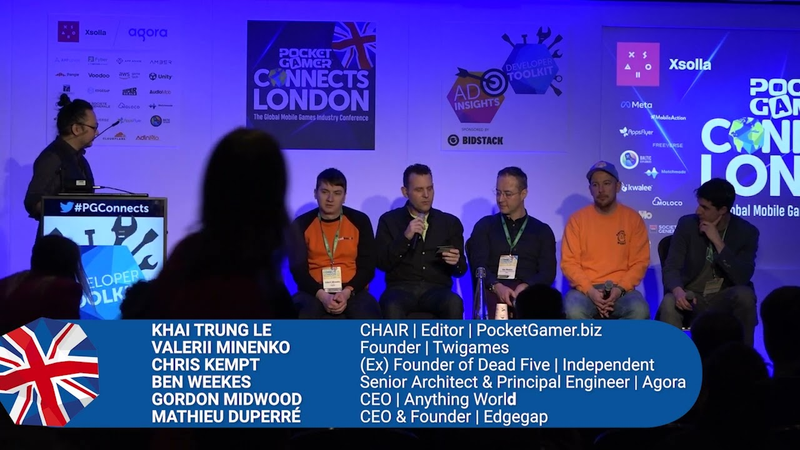
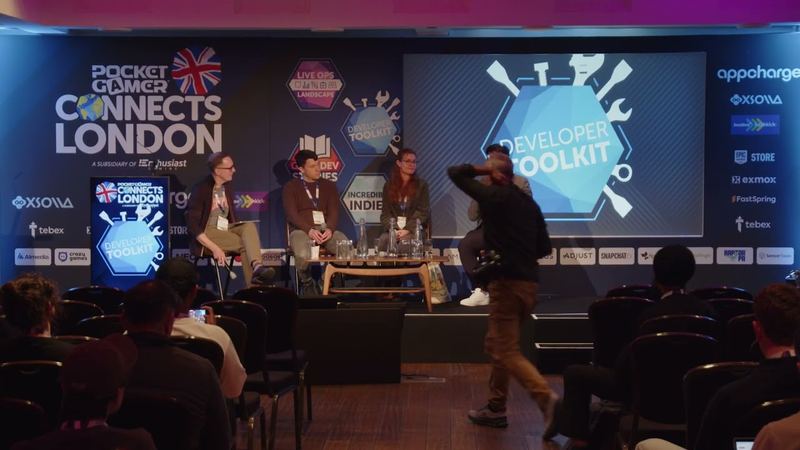
Panel: What Tools Should Game Developers Have at Hand at all Times?
Key insights
6 takeaways- 01Prioritize mainstream engines like Unity and Unreal to ensure robust support and seamless integration, reserving proprietary solutions only for cases where standard software fails to meet specific technical benchmarks.
- 02Reduce friction in repetitive development tasks by implementing automation and adopting cross-industry methodologies, such as networking diagnostics like Wireshark or film-industry green-screen techniques.
- 03Maintain project flexibility by prioritizing simplicity and iterative testing to ensure the final product remains aligned with creative goals throughout the development lifecycle.
- 04Streamline onboarding and troubleshooting by maintaining a lean, standardized toolkit that is accessible to both technical and creative staff.
- 05Avoid premature over-engineering of content management systems to prevent the accumulation of technical debt and the loss of project agility.
- 06Address systemic industry inefficiencies, such as the high barriers to entry for 3D content creation, through increased collaboration between publishers and AAA studios.
Ask AI about this video
Transcript
[Music] [Music] we have a panel session we have a panel session can a panelist come to the stage please i'm going to move my and we can kick you off i we were also gonna have this was gonna be our first hybrid panel but i think it's now i think i think one of our our hybridist has come live thank goodness what's this on okay i didn't turn it off there we go and my con helps fantastic cool all right kai are you are you cheering okay right hey chris have we got enough chairs fantastic
yeah we were we were supposed to be employing the miracle of uh of of zoom but i believe i believe everyone's here so kai you're going to manage this step come on he's the uh the editor of pokemon.biz and he's gonna take over from here so i'm just gonna let you run with it now perfect so don't break it good luck good morning ladies and gentlemen and everyone between and beyond uh it is enormously exciting to be here at pocket gamer connects live again an actual in-person event but you're not here to listen to me waffling you're here to listen to our esteemed panel of experts talk during this panel presentation what tools should game developers have at hand at all times uh can i get our scene panel to introduce themselves please start with my right valerie oh please yes hello everybody um so happy to be here so my name is valeri minyanko i am a
founder of the twig game studio we are a game development company from ukraine we are kind of razor small company we have about 20 people on our team and we're actually developing games mostly for mobile and a little bit for other platforms like consoles and vr and pc and something said brilliant sure i'm chris kempt i've run a series of studios over the last 20 years or so uh most recently doing hyper casual games but also a lot of free to play games and flash games back in the day which i miss because i love flash games hello hi everyone i'm ben weeks from agora engineer and architect um we specialize in low latency real-time voice and video so um things like spatial audio and 2d and 3d video and games and after this session i've got my own solo session where i'm going to be demoing some groundbreaking stuff in that area so i hope to see you then as well thank you hi everybody i'm gordon and um i'm from
anything world i'm stepping in for edgar's with less expertise he's got covid my colleague and uh we make it easy for everyone to make 3d worlds and we've got a stand over there so come and chat to us you'll see us in these bright colors can't miss us hello matthew dupree ceo and founder of edge gap we're a gaming back-end platform we help game studios from one-man army to aaa and we've probably heard it all by that point considering all the do's and downs so we'll i'm super happy to talk about the tools with for the developers today excellent it's really good to get a uh a wide variety of perspectives on this panel and i feel like the uh the panel title is perhaps the most pertinent uh question what is what are the tools that game developers should have in their back pocket at all times uh shall we go yeah i can start so actually from more point of view so
the developers we've seen with the most success uh successful tools were the ones that were technology agnostic stuff that can be used across different environments across different um different engine or different ide so the one that comes to mind at least from our perspective is wireshark stuff that allows you to get the nitty-gritty of the network especially for anything that multiplayer-based or back-end services obviously since we're providing back-end services um yeah i'm here to provide very bad insights because i stepped in last minute my colleagues got covered but i'll do it anyway um i guess like in anything where we bring 3d models to life so anything to do with 3d content creation we find useful like miximo is is an invaluable tool for for that kind of stuff and we're trying to mix them up for everything um but yeah and also any kind of game engine obviously well about 10 years ago all my friends were trying to write their own game engines and almost died whilst they're trying to make a game and write their own game image so we shouldn't undervalue you know unity and
unreal the availability of game engines is obviously a moot point and not a very good one but i do my best cool um so i totally agree that having sdks which work on all platforms is really important so you've got consistency across the different platforms that you support but also it's you know most important in my opinion to have sdks that you use which are which are trust trustable so they're not going to crash they're reliable they work in all parts of the world all time on different networks um and offer the lowest possible latency and stability if you've got any crashes that are happening consistently on a device that's going to be really negative for your brand so small footprint extremely reliable ultra low latency thanks okay i guess i'll go next um so i'll come to it from a slightly different perspective so because i suppose my bent is more creative in production um and so two that i'd like to pick out i mean actually i i think the most important thing is to correct pick the correct tool for the job
but two that i'd like to pick out is just in the modern world i think everybody should have a phone i know that sounds really obvious but i think that one of the things i've learned is the tools that i use if they have like just availability that's the most important thing and so steve jobs uh said you know what's the greatest camera that you can have well the greatest camera you can have is the camera you have on you at all times and i think likewise the most powerful notebook tracking system and so on is the one that you have in your pocket and then the other one going back a bit i didn't want to bring the entire set with me but um one of my favorite sorry i didn't want to bring the whole set with me but um one of my favorite tools is was invented by brian eno in 75 which is a set of cards called oblique strategies cards and it's available as an app as well but the cards are kind of cool
and so basically if you get blocked on something then these cards can uh help you to employ some lateral thinking so for example here uh the suggestion from brian is make something implied more definite i don't know whether that helps anyone here i'm sorry yeah so the question of tools for us is like really actual because because on the one hand we are really focused to make our work work as effective as possible and on the other hand there is also a point of making new people learn learn tools we have it in our questions as i remember so we'll discuss it probably later but anyway for us it's kind of like really actual things and we um as a company we are also working on contact work so we are doing games for some like different companies and uh
it's very often when our client has its own best set of tools and he's sure that we should use it and we need to learn it actually and deal somehow easy because of that because all of that reasons we are trying to uh to keep that little list of tools for ourselves as small as possible uh to not add like many like software to our development pipeline so also we are working with unity and unity is quite rich too and during the last like five years they uh took like best tools from market from asset store and just integrated into the unity that also uh can make our life it's much much easier yeah so uh if you're talking about the like certain list of tools that we use exactly it is like unity it's the main one it's spine it's photoshop and uh
there are also some tools that uh use personal me as a producer for for management probably the most useful from them uh during the last several years is a mock-up so it's a tool for creating mockup you can do it in figma or in some other software and it's kind of critically useful for us because it helps us a lot to define the requirements so we do it using a pre-production and it help us to define the scope of work um you've all actually uh kind of pinpointed something i wanted to ask about a moment ago i've heard a couple of you mentioned uh the ubiquity of tools like unity and i want to ask if there are any lesser known tools or toolkits that you would like to kind of shout out and also how valuable is it for people to work on more bespoke toolkits as you say like wanting to like train your staff or whether it's a translatable language as it were i'll continue
so we are in our process we try to avoid less knowable tools in our work because if something is not so popular that means that you don't have a lot of info you probably can have not so good support from their stuff so uh you will face some issues and you you you will need to do some research yeah to work with that and also it's always harder to find people who work with that before on the market so uh so like for us we are like focused on uh using like the most uh mainstream tools because it makes makes our life much easier how about yourself matthew would you agree with uh yeah yeah definitely i mean in our case we we we've seen the team with the most success which we're using um automation tools for example so developers are lazy they're human right and hi to my developer teams at home
and but it's fine it's it's completely completely makes sense right so they want to use their time to what's going to be bring as much value as possible so by automating and using different tools out there that are maybe integrated with the most popular popular engine that you mentioned for example unity for example or unreal also um they can spend their time on where it matters right they they love coding you want them to code as a director or managers and they don't want they hate what's around it and and for you it doesn't bring much value so automating and using those great popular tool but also all the integration points that come along with it that is typically bringing value to the developers and to the the whole team in general um yeah well so um similar to that i would agree i agree with almost everything that's been said but add to it um i think the main thing is to choose the
the correct tool for the job right and so whilst i agree that a lot of the time you know the benefits you were talking about from working in unity absolutely the case sometimes there's there's a case where you need a different advantage so for example a couple of the games that i've worked on in the past were built in a tool set called cocos 2dx which is a c plus based uh branch of cocos 2d and the thing is that you know in that particular case we were working on a very very highly illustrated uh 2d game which you know basically we we just couldn't get the performance we we needed out of unity to do it at the time so and also the advantage of working in more proprietary tool sets is that you can actually reach in under the hood and and get support for so for example a new apple feature or whatever before unity does so sometimes there are arguments for working the other direction i'd say
hi um so i'd just like to add that i i'm quite a big fan of the web and i've noticed that recent advances in webgl and gpus on on phones like this which can be accessed from browsers now allows you to very quickly build proof of concepts and even to roll those out in proper apps sort of within the app itself but um things like a-frame mozilla hubs um sort of vr worlds they load so much quicker than the than the web exports that you get from unity and unreal so actually just starting out with something very simple building your functionality like that and building up from there is a great way to get your um game out to you know lots of people from just a click they could see something on a social media site they don't have to install anything they can click through it in their browser they're playing it and and using sdks like agoras that can be um connected such that they can be sharing voice and video in real time with other people in those in those same virtual environments yeah just to pick up on an earlier point that you said i'm not sure that game developers are lazy um three people left
when you said that i don't know i don't know if they were developers i went to bed or something um but i think that definitely like the general trend of making making creation easier is is definitely one that we are anything well piggybacking and like machine learning powering creation for people is an important trend whether that's via the web or whether it's natural language understanding or auto completing an email or sentences or creating 3d worlds definitely machine learning with complexity behind the scenes making it easier for everybody to create making developers lives easier is definitely a trend we're seeing would you rather see machine learning as a kind of means of uh there are you say democratizing development rather than say a standardization of language like learning one toolkit to enable uh well get a common language to adopt to another one um is that something of interest or do you i think there's a lot of niche tools aren't they for your specific needs whether whether that's a specific language or specific specific need you have within your game replication but yeah as a general trend i think machine learning democratizing and empowering everybody
to create new things is something that's very interesting how frequently do um do you update the toolkits that you work with then like because we've talked a bit about kind of proprietary systems and also the need to ensure that everyone team is kind of working in like in the same language as it were so yeah how often are you upgrading it's a very interesting question because typically you're going to settle down on a set of tools and first you need to analyze which tools you want to use at what point in time throughout your dev cycle and once you've settled down then you kind of have to live with it for a while until you're kind of stuck to some extent um so there's this this aspect of yeah i'm going to make some decisions at the beginning and we'll try to live with those decisions throughout the game development cycles but at the same time you want to be super fast in how you iterate because that's how you're that's how you're going to put your
games in the player's hands as quickly as possible and find out what's working find out what's not working fix box bugs very quickly so the tools that you will choose and that you will use throughout the this this cycle will dictate twitter i think you're going to be successful or not because you're going to fail right we're all failing at some point and you want to fail as quickly as possible and as often as possible so that you find success at the end so that's why i think that you need to be nimble but at the same time you need to find a certain set of tools which will give you those flexibility what would force what would what situation would force you to change um one that comes to mind that i've seen a few times maybe for some of you in the room um open source was free so we ended up taking that picking that tool
at the end of the day they handed up a lack of supports um they it the tool needed three developers in-house developers which was not you were not saving anymore um that's the one that comes to mind yeah i guess you can you can also be hampered by the tools that allow you to we um create as well we were back in previous guys i was a game developer and i made one of the first um unity games on ps3 called derek the death fin underwater papercraft shotgun i'm sure you've never heard of it maybe look it up it's quite stylish if you don't like the gameplay that's my fault but um yeah we were one of the first unity ps3 games and we were in in trcs and waiting on unity to fix bugs in their engine before we could release so sometimes choosing a toolkit while enabling you can also help you or you know you've got to be careful if there's a bug in the tool that you're using and you haven't written it then you are dependent on that toolmaker to to make it good before you can release your thing i guess that's something to bear in mind yep um we're bringing out sort of releases every month on every platform but one area that i got caught in
recently was apple released in ios 15 and the audio in webrtc connections stopped coming out of the speaker so you couldn't really play the game while looking at it you'd have to hold it to your ear which isn't very usable so little things like that you have to be if you're deploying stuff in the browser you have to be on top of all browser releases before they come out and be pushing hard to get fixes before they get rolled out so while i was advocating the use of the browser you can find yourself sometimes stuck in a situation out of your control where something gets broken which is obviously very frustrating and damaging to your brand and business yeah so i think coming off the back of that i mean one thing i've seen consistently over the years is that one of the key ways that you can kind of get tripped up on a game project is by becoming too obsessed with the tools too early and so and so i think the one of the things we've been successful with is essentially kind of trying to build things out as simply as we possibly can first and then working out which uh
elements need to be kind of you know taken out into some kind of tool set so so for example i've seen a couple of projects in the past that i didn't work on where you know there's been a kind of an obsession with getting game content out into a content management system for live updates and so on but the thing is if you do that too early then you can end up very quickly in a situation where you've just externalized a lot of game assets variables content that are unnecessary and you just create enormous legacy and overhead issues that um that could be avoided and so i think that you know tools can be very useful but they don't do the job for you so build it first and then work out what you need to externalize to tools yeah so for us uh updating our toolkit is not the goal so uh i think that currently what we have now
is so awesome already like everything is so easy for game developers now in developing games from the technical side like 10 years ago when i started uh as a junior unity developer unity did not have ui at all you need to develop it manually every time and everybody tried to make their own toolkits for the eye to not do that like for every new project and for now you have so much stuff uh you have so many task trackings uh they try to do everything for you and so on so for us i think that uh our current toolkit is quite good and uh we can do like what we need quite fast and uh uh as for changing it it can happen either if we see some problem that like some bottleneck and we think that we can uh avoid it for example that's how it happened with spine like spine at some point just removed a huge pain from us
because it decrease it can decrease amount of your resources like significantly so and another point is when we try something usually we try it because some of our partners ask us about that and we tried it and we see that okay it can work better than we use now and it can be fine and then we try to integrate it in our processes usually we have like some small amount of teams like me and two more persons who try the tool for like a month and see uh how it goes for us uh for example we are using for task track and click up and that's how we did we just found it and we decided that okay like me you and you we will use it for only one project for months until you see how it goes and in once uh we saw that okay it's it's cool and uh we moved uh to eat the whole the whole team a little little by little um yeah we've spoken about the strengths the technical strengths of the tools the
toolkits and engines that you're working with um is this uh that i was wondering about how we can uh implement that kind of um strengths of those tools to the creative and design teams are we able to like enable designing creative teams to be able to experiment without having to worry about the technical limitations um well if i can comment on that um so i think that actually it's funny you say like it's got so much easier for you over the last 10 years because from significantly just you just can't imagine how how much easier it became yeah but so the funny thing is that from my perspective it's got harder and so um and so uh 20 years ago when i started uh building my first games there was this thing called flash which was incredibly accessible to creatives and so you know you could you could build a little animation put some scripting on it and before you knew it you had a game that you could publish on any number of websites and millions of people could play it um and so i think i personally think that
one of the challenges at the moment is that there's there's a difficulty in taking creative people or people from an arts background into games because they're not really through their education they're not really taught anything about coding and scripting and technical stuff and i think that's a huge problem in our education system and in our industry um but i think to answer the actual question um i think that ideally you want a team of teas right you need you need developers that understand what technical creative people are doing and you need creatives that understand the other way around and anything you can do to foster that kind of broad understanding across the team is is only going to benefit the process that's actually like an interesting question about creative people and how uh to make them work like i uh i think that game development is about trying so you make like a lot of tries and at some point you find the
best solution and in that case like if somebody don't want to work with software don't want to work with tools every try takes more time for it for him and uh that's why i don't really like creative people who avoid like software who avoid tools because uh it can like make it it can make their effectiveness like much uh much worse uh because of that so uh for me like uh i think it's kind of much better if people like it and if you can make them to learn it if you can teach them yeah i totally agree and um and i think that all i'm saying is that there's a hurdle to overcome because you know again you know people coming into the games industry from graphic design background or whatever don't don't really have that much exposure to those tools before they come into the team and so it's a challenge i also want to make the point that uh i
i also don't want to distinguish between i think programmers and developers are very creative too right so actually in reality i think the whole team is creative but you know yeah i think everybody's creative and that's like definitely anything well is what we're trying to do is lower the technical barriers to creation of living 3d world so anything that can make anybody a creator in any realm i think is really good so like as like i said before like machine learning is powering a new wave of creativity we believe and if you can just voice a 3d scene and bring it to life or create without any technical knowledge of modeling rigging animation coding i think that's the best way and then we'll see more and more of that stuff so the distinction between you know creatives and non-creatives or programmers and and graphic designers or 3d modelers i think that will all hopefully like meld into one and everyone will be able to create at different levels of proficiency but um making everybody a creator in whatever realm is definitely i think where we're going and it's exciting i've seen in my mind like uh there's a fairly old-fashioned um division between
because i was about to ask how important it is for creative and uh design teams to be professional semi-proficient with the tools that the technical teams are using but i'm i'm imagining you're going to say i'm entirely wrong and there's there's a sense there's a shared awareness of um there's kind of tools that everyone is using i wouldn't say you're entirely wrong that would be rude um yeah i mean obviously people have specialisms and if you're building something for mobile you need to keep performance in mind etc it's not just you can just create anything and expect it to work anywhere but definitely lowering those barriers and increasing understanding across these um like disciplines is definitely uh definitely something we'll see more of a more hybrid you know people do a bit of design a bit of 3d a bit of programming a bit bit of everything matthew you're going to defend magnets you're both right uh in in one way the thing is when you get to a larger team you end up with the designing designer team and then the developers team and that's where we've seen some uh challenges if you will um one of the most common challenge we've
seen was the tech team would choose a technology or a library a vendor a tool right and and today's tools are getting more and more niche because they're getting way better than they were before right i have this great library who can draw a leaf on the tree that's going to look so real but it doesn't do flowers i'm just making stuff up here but i'm telling you that so the tech team is making the best decision for that specific challenge but then the design team is like yeah you know what we're not gonna put put any leaf we're gonna draw bananas on that tree and then the tech team is like okay well the tool doesn't really do that so it's a kind of a loop that we've seen happens not with trees and bananas but with some like with the netcode for example with anything that that that relates to um game modes especially so oh we thought this was going to be a one versus one
kind of game now it's more of a co-op style stuff and but that you're already on the second floor of your building sir so the basement is was made for that kind of uh it was supposed to be a now you're building a hotel um that's something that we've seen but so it's it's about connecting the tech and the design um to to make this and to so that it remains a piece of art that's going to evolve and be successful at the end i think i just had a couple of little points i think it's brilliant how you can create assets um which are easily transferable across platforms so animations 3d objects etc it's quite easy to take those into one platform and out of one platform and into another and another really important thing is that you might have a very talented team of designers but their eye is so advanced in certain areas that they're not seeing things in the same way that your target audience would so it's really important to include people who represent your target audience as part of that whole design process to see what they like and keeping it simple and and making sure
that you're not just sort of working in your own little box with really high precision experts in that area it's yeah it's good to address the whole audience you mentioned the specificity of uh or rather the capability of tools in other areas like an animation like um are there any toolkits from other industries or other sectors outside of gaming that you think have application in gaming we've seen a few well i mentioned wireshark which comes from the telecom space and it's all about understanding the plumbing right so i've we've seen cases where the studios understood their cloud their game client and and the game components the servers for example um but they had no visibility whatsoever to what's happening under the hood they knew exactly when you were going to buy those few coins in the app like they they knew that to to this to the sense but they had no idea what the experience was from the ex from the end user's perspective so there's a bunch of tools
out there that belongs more to the telecom world that i think would probably benefits a lot of the team the larger team the problem is if your team is not not large enough and we've heard that many times oh we have so many fire to extinguish that we need to focus on on the game yes but the game itself is not going to be worth a penny if the experience at the end is not following along the way i guess natural language understanding would be one for me coming from any kind of speech tech and seeing that employed more in games is interesting obviously that's not come from gaming but voice has a mechanism to create and control again pushing anything world is something we're interested in i think when we get um you know more people have vr headsets oculus had a good christmas uh apple google when all these things come out there's mixed reality headsets voice has a method of creating controlling and thereby natural language understanding is going to be an interesting input mechanism into into what we're doing so yeah definitely agree with networking tools um and so what was your one again
it was natural language understanding yes sorry yeah ai the use of a don't agree with how much you don't remember it you know i was just trying to summarize networking you know but i do so you've got speech to text text to speech the ability to spot objects so ai's for you and um i forgot my point um oh yes i was going to say the get the the industry of movies so things like green screens and the ability to take out backgrounds what i'm going to be showing in my solo after this is the ability to put live video into 3d worlds and that very much involves green screen transparency and wrapping 2d videos around cylinders etc to make them and to cast shadows and that type of thing in a 3d environment so you don't actually have to build your game with all the assets in it you can stream them in live and i'm looking forward to showing you that after this sorry thank you well i'm i'll add some some uh creative things um so i think uh very simple web tools like google trends is really useful like um and uh and i mean there's
been a lot of talking hyper casual about taking ideas from you know uh social media like tik tok and youtube and so on so anything that kind of you know gives you uh the ability to see what's trending at the time can be very useful like that actually uh i don't have any any such tools in mind right now uh the only thing that i thought about that like when the pandemia was started i was thinking and i expected actually that uh some tools that growed a lot like from the video conference call like zoom for example they will uh add more stuff into them for people like not just to communicate between each other but also to have fun i personally expected that zoom will uh add some like gaming platform uh to them and they actually try it initially so they had some basic stuff with it but they didn't develop at that so so and my forecast did not happen but i still think that
that can be like a good idea and some uh channel for games well actually i think the zoom thing still is happening it's just slow um but actually i just thought another thing that probably should be mentioned is maybe blockchain oh just put it out just open the can of worms and leave it out here well i've been very selfish i've been optimizing our expert panels uh uh with my uh questions but we have about five minutes left so it'd be great to take some questions to the uh audience if anyone has uh anything they would like to ask or should i oh no the uh young lady in the blacktop thank you for the young part um so you've said all the tools that you you you want your developers to have what is missing what what does the industry need to still build for you well i'll start by just saying again i'd like to see a more accessible tool
for artists that's that i think that would propel us forwards on a hardware front the uh gpu and an oculus headset for example is still sort of fairly middle of the road and being able to i mean the future is going to bring some incredible stuff when that with the gpus get stronger being able to generate photo realistic worlds in real time you know what's coming in the next few years is going to be truly immersive i think uh i would say what's missing is a shameless plug for what i'm building we're building is like allowing everybody to be a 3d content creator i think that's that barrier is still too high so enabling everybody to make living 3d worlds is something that's missing that we're working on and that makes things super interesting i'm going to say more standard we see a lot of cases where people say oh it's working in unity well unity is not a standard there are other different aspects and elements and if there were standards you could say that i'm going to replace a certain element with another another one so be
easier for developers i don't know i actually know so many great tools so i i think that the next one will be some tools that will develop game instead of me and the game development will not need me at all after that so i'm a little bit scared of it frankly speaking do we have any more uh questions from the audience or can i persevere because i'm very curious about um after you mentioned like a desire for standardization which is something that we've seen in some other that are referred to as bastian industries older industries than the games industry in the games industry to me strikes me as one that has traditionally resisted standardization what do you think needs to happen for there to be a desire for uh it's a tough question so i would say and that's my two cents worth less than two cents i'd say the larger
players in the industry the publishers the triple a's would probably have to agree on something which is most likely a challenge there to start with um but that's uh that'd be a first to say okay let's sit down and take those most common elements that we all need because we keep seeing studios reinventing the wheels at there's there's not enough people in this room to count how many matchmakers we've seen on the market today so yeah they would they would have to at least agree that there is a problem and need and to sit down and say let's take those two three main elements and create a few standard around it that's just my conversational opinion well i'm afraid uh that's about it that we've got fun now oh my apologies i'm sorry i thought it's time no this is even better we have a question at the back i believe yeah over here do you have time yes please thanks
i'm asking you guys in your personal opinion i mean building a multiplayer these days is you know a creative challenge it's a it's an engineering challenge and it's also like a publisher challenge which one do you think is the biggest obstacle on succeeding for me it's definitely creative challenge so uh like i know like a lot of cases of the projects that are not so new not so creative and still can earn money because of uh good market and good publishing and so on but uh it looks for me is that it's so much more difficult to do it uh for such a project so uh if you can make it creative and uh interesting and new for user then uh then it's like much more easier to do to do to do a publishing marketing for that okay so um i'd probably go the other way around but just purely because i think we uh particularly in mobile i i'm not sure whether it's true for for other
sectors but um i think at the moment um basically we've got a situation where really your ability to market the title is is essentially whether you know dictates whether the um the game is going to live or die right and so basically you know we got a situation where you've you you've pretty much got to be doing sort of well either very very low cpis that are only achievable if you've got something that really hits a particular zeitgeist or you've got to have you know pretty decent ltvs and so i would say that the key problem is the publishing issue and i agree that the creative has an effect on that right but it but it means that we have a situation now where they're actually very good very very playable games which are just not viable in the current market um and so i think that's a bit of an issue uh yeah i mean i don't know i guess there's challenges across the board um
it's getting easier and easier to create and that's something that we're very passionate about but um yeah obviously if you create something amazing and nobody sees it then what you're going to do is there's no like there's no i guess solution with publishing and marketing to make sure you get seen a lot of times it's a lottery isn't it but um yeah i'm afraid uh it does look like we've got about nine seconds very specifically remaining uh can i please uh thank uh valerie meninco at tweet games uh twy games three games three games uh gordon midwood anything uh anything world uh matthew duprey edge gap uh chris kempt and uh band weeks at agora can i please have your heartiest congratulations and applause for our palace please and thank you guys think about the kai and he's an inaugural uh chairing that's my favorite well done [Music]
[Music] you
Summary
Modern game development requires a strategic balance between standardized, high-performance technology and the flexibility to address unique project requirements. Industry experts advocate for prioritizing mainstream engines like Unity and Unreal to ensure robust support and seamless integration, while simultaneously employing automation to reduce friction in repetitive tasks. By maintaining a lean, standardized toolkit, studios can simplify onboarding processes and streamline troubleshooting, though specialized or proprietary solutions remain essential when standard industry software fails to meet specific technical performance benchmarks.
The democratization of development through machine learning and advanced toolkits necessitates a cautious approach to workflow design. Developers are encouraged to avoid premature over-engineering, as an early reliance on complex content management systems often leads to significant technical debt and reduced project agility. Instead, teams should prioritize simplicity and iterative testing, ensuring that tools are accessible to both technical and creative staff. Bridging this cross-disciplinary gap is vital for maintaining project flexibility and ensuring that the final product remains aligned with creative goals throughout the development lifecycle.
Efficiency can be further enhanced by adopting cross-industry methodologies, such as integrating networking diagnostics like Wireshark or utilizing film-industry techniques like green-screen production. Despite these advancements, the industry faces systemic challenges, including a lack of standardization and high barriers to entry for 3D content creation. Addressing these obstacles requires greater collaboration between publishers and AAA studios to resolve inefficiencies. Ultimately, the industry remains divided on whether the primary hurdle to success lies within the complexities of the creative process or the increasingly volatile and competitive landscape of global marketing and publishing.


















Comments