Pac-Man
Game
Documents about Pac-Man
Networking Etiquette for the Modern Games Industry Professional
Professional networking in the games industry is a fundamental, long-term career component that relies on the authentic exchange of information and services between individuals.
- View networking as a long-term, authentic exchange of value rather than a transactional process, prioritizing empathy and active listening in every interaction.
- Prioritize building 'weak ties' with acquaintances and occasional contacts, as these connections are more effective for career advancement than relying solely on close professional circles.
- Implement the 'Pac-Man rule' by leaving an opening in conversation circles to allow others to join or exit, which facilitates more inclusive and fluid networking.
The Importance of Not Playing Games - A Balanced Game Design Education - Extra Credits
The primary thesis of this analysis is that an over-reliance on existing video games as a sole source of inspiration stifles innovation and leads to derivative design.
- Over-reliance on existing video games as a primary source of inspiration leads to derivative design and stagnant, formulaic mechanics.
- Designers who exclusively consume games often subconsciously replicate established genre conventions rather than innovating on original concepts.
- Influential titles like The Legend of Zelda, Pac-Man, and Papers, Please succeeded by drawing from real-world experiences such as childhood exploration and international travel rather than existing game templates.
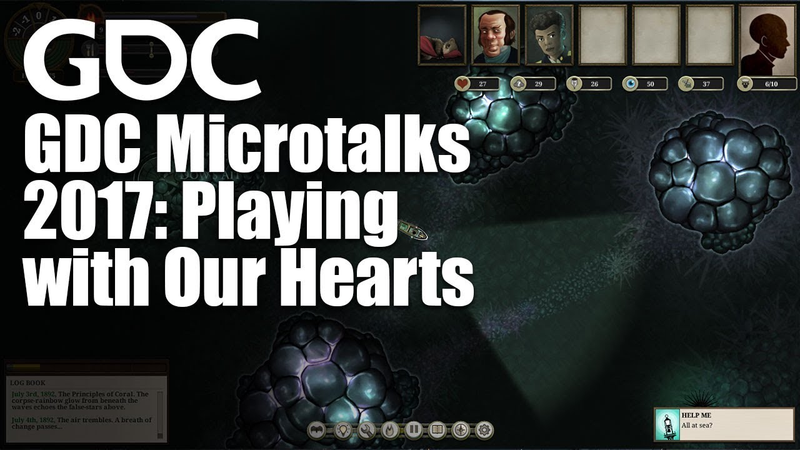
GDC Microtalks 2017: Playing with Our Hearts
Modern game development requires a fundamental shift from profit-driven optimization toward a design philosophy rooted in empathy, human connection, and ethical responsibility.
- Developers should shift from profit-driven, grind-heavy mechanics that commoditize player frustration toward design systems that prioritize empathy, alliance-building, and meaningful social engagement.
- Designers can optimize narrative and mechanical pacing by using 'heartbeat' visualizations to map player excitement, a technique historically utilized in titles like Pac-Man and Resident Evil 4.
- To ensure accessibility and remove developer bias, teams should prioritize low-fidelity prototyping and user flow diagrams during the early stages of production.
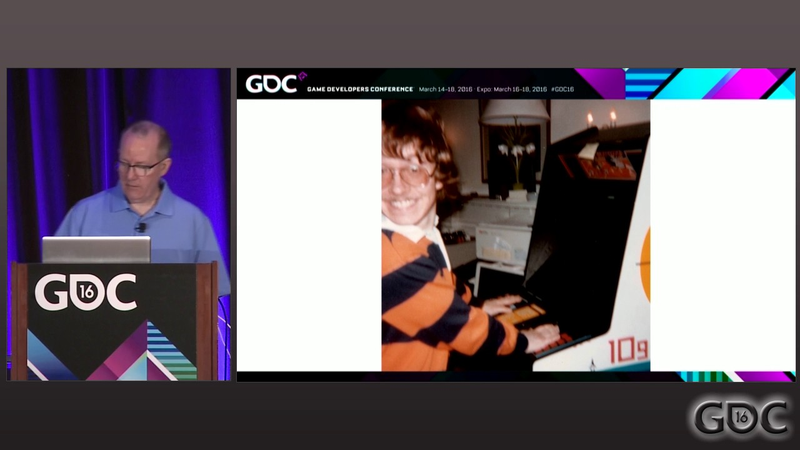
Classic Game Postmortem: Ms. Pac-Man
General Computer Corporation (GCC) emerged in 1981 as a pioneering force in the arcade industry, initially focusing on enhancement kits designed to extend the commercial lifespan of popular titles.
- Ms. Pac-Man was developed by General Computer Corporation (GCC) as a modification kit for the original Pac-Man, utilizing a custom auxiliary circuit board with 10K of ROM to patch the original game code.
- To reverse engineer Pac-Man, the GCC team used a Tektronix 85/50 Z80 emulator to disassemble the original code, allowing them to isolate and modify monster AI behaviors and maze layouts.
- The team implemented anti-copying hardware and a 'bit-swizzle' encryption method on their auxiliary board, which successfully prevented the cloning of Ms. Pac-Man for approximately six months.
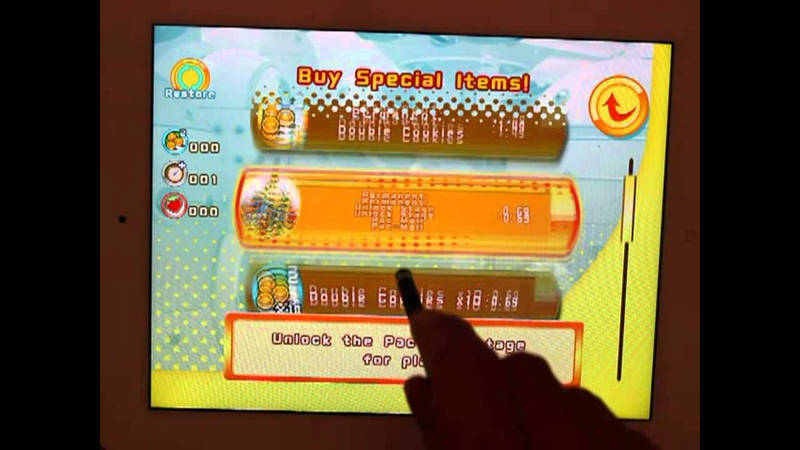
Monetizer: Namco Bandai's Pac-Man Dash
Pac-Man Dash utilizes a high-speed, runner-style gameplay loop on the iPad to engage players through a combination of mission-based objectives and resource management.
- Pac-Man Dash employs a stamina-based fuel mechanism that gates gameplay, forcing players to remain online for recovery and encouraging frequent, short daily sessions.
- The game utilizes a dual-currency approach where cookies serve as soft currency for purchasing consumable power-ups, performance-enhancing items, and permanent progression upgrades like cookie multipliers.
- Monetization is driven by microtransactions for stamina refills, temporary speed boosts, and mission-specific advantages designed to extend run times and maximize resource collection.
Creator-Intensive Content
The fundamental challenge in game development lies in the distinction between system-driven gameplay and designer-intensive content.
- Game design complexity exists on a spectrum ranging from self-perpetuating systems like Minecraft to designer-intensive, puzzle-heavy experiences like Monkey Island.
- Puzzle-based games are inherently more difficult to develop because designers cannot objectively test their own puzzles, as they already know the solutions.
- Designer-intensive content requires constant, high-level attention to detail, as a single poorly designed puzzle can diminish the quality of the entire experience.
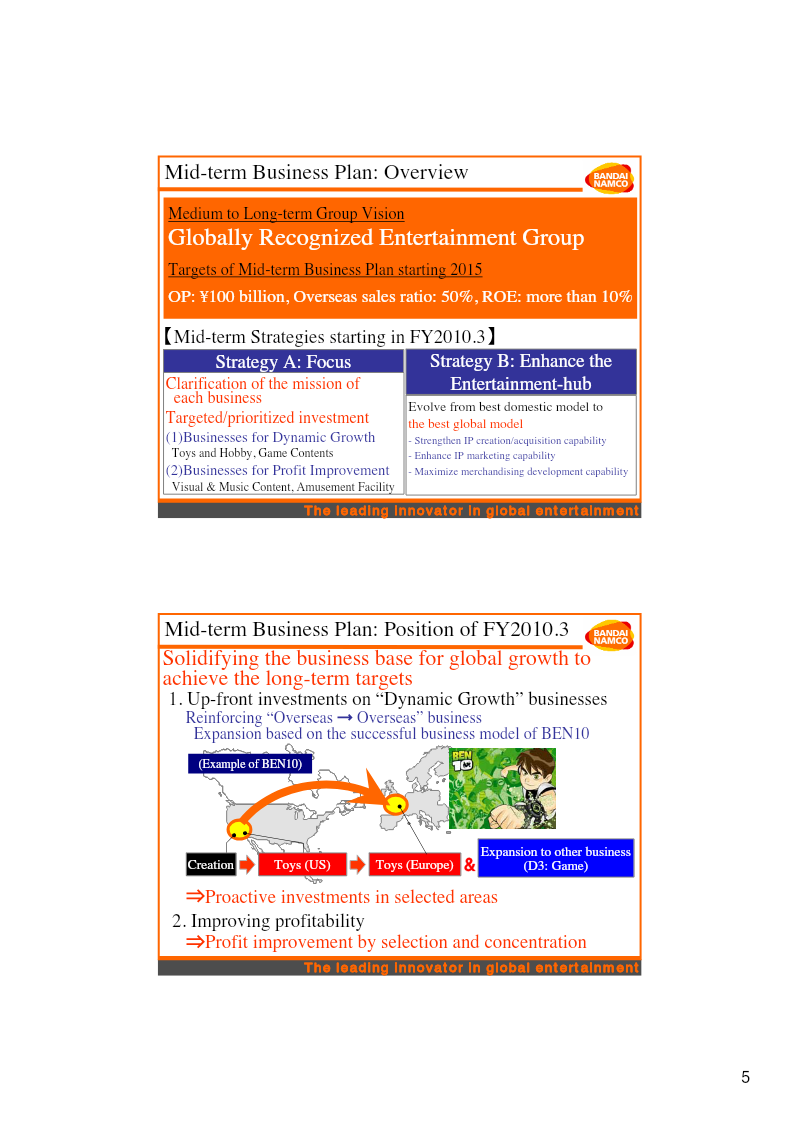
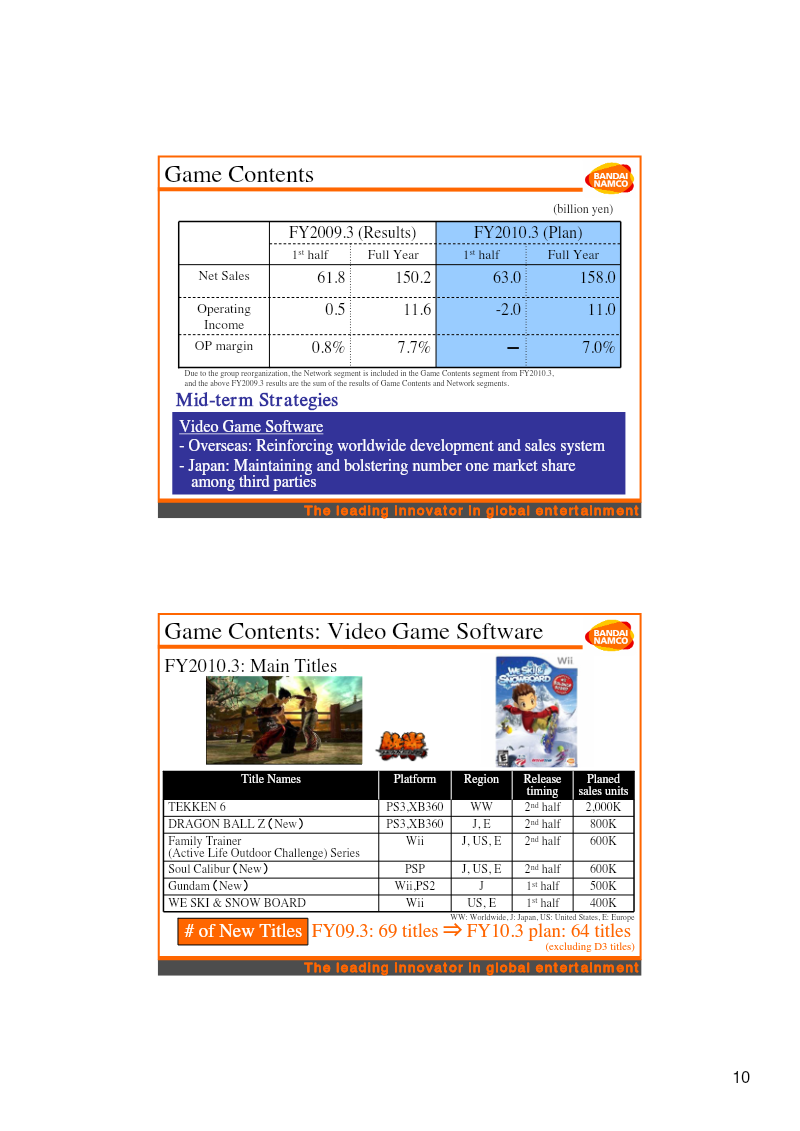

Namco Bandai Holdings FY2009.3 Information Meeting
The Namco Bandai Holdings fiscal year 2009 information meeting outlines the company’s financial performance for the period ending March 2009 and establishes a new mid-term business plan spanning April 2009 through March 2012.
- Namco Bandai aims to become a global entertainment group by 2015, targeting 100 billion yen in operating income and a 50% overseas sales ratio.
- Fiscal year 2009 performance saw consolidated net sales drop to 426.3 billion yen from 460.4 billion yen, with operating income falling to 22.3 billion yen.
- The 2010–2012 mid-term plan focuses on a 'selection and concentration' strategy, prioritizing investment in the Toys and Hobby and Game Contents segments.
Avatar Categorization
This paper by Daniel Kromand proposes a categorization system for video game avatars, aiming to establish an operational model for describing how avatars are designed.
Temporal Frames: A Unifying Framework for the Analysis of Game Temporality
"Temporal Frames" proposes a formal analytical tool for studying how time operates in games, grounded in a relationist view in which temporal properties arise from relationships among events rather than from time as an independent container.

Extending Soft Models to Game Design: Flow, Challenges and Conflicts
This paper proposes applying Checkland's Soft Systems Methodology (SSM) to computer game design as a structured tool for formulating challenges and conflicts.
Evolution of Spatial Configurations in Videogames
This paper examines the basic spatial configurations found in videogames from the earliest titles to the present day, focusing on how these configurations position the player relative to the playfield and how they shape gameplay.
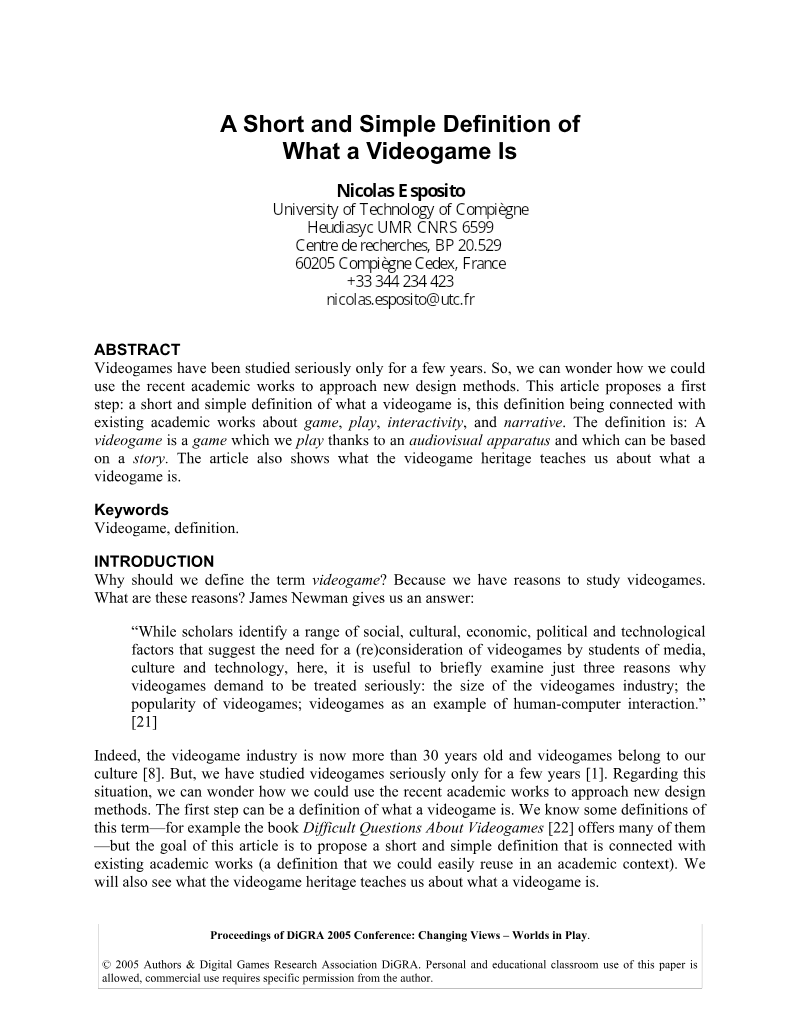
A Short and Simple Definition of What a Videogame Is
This paper, presented at the DiGRA 2005 conference, proposes a short and simple definition of the videogame: a game played through an audiovisual apparatus that can be based on a story.
Companies behind it

As the documents state it.