Pac-Man
Game
Documents about Pac-Man
A Primer on AI in the 2026 Games Industry
Artificial intelligence in the video game industry has transitioned from rule-based, theatrical systems designed to simulate character behavior to sophisticated machine learning frameworks that underpin modern development pipelines.
- AI has been used in games since the early 1980s, initially for 'Game AI' in non-player characters (NPCs) and procedural content generation, as seen in games like Pac-Man (1980) and Rogue (1980).
- The impact of deep learning since the early 2010s has led to significant, often unnoticed, AI applications in game development, such as Xbox Live's TrueSkill matchmaking (Halo 2, 2004) and machine learning bots for bug finding and game balance in titles like Ubisoft's For Honor and Rainbow Six Siege.
- Generative AI is already part of game development, particularly in non-creative fields like business admin, finance, production, and marketing, with around 50% of studios using it in these areas.

What Final Boss Sour x Pac-Man Gets Right About Brand Collaboration
The collaboration between Final Boss Sour and the Pac-Man intellectual property serves as a case study for effective brand partnerships within the consumer packaged goods and gaming sectors.
- The Final Boss Sour and Pac-Man collaboration generated $525,000 in revenue between its January 2026 launch and the report date.
- The partnership established the co-branded product as Final Boss Sour’s second best-selling stock keeping unit, indicating high consumer adoption and repeat purchase rates.
- Successful brand partnerships rely on intuitive alignment between a brand’s identity and the cultural resonance of the licensed intellectual property.
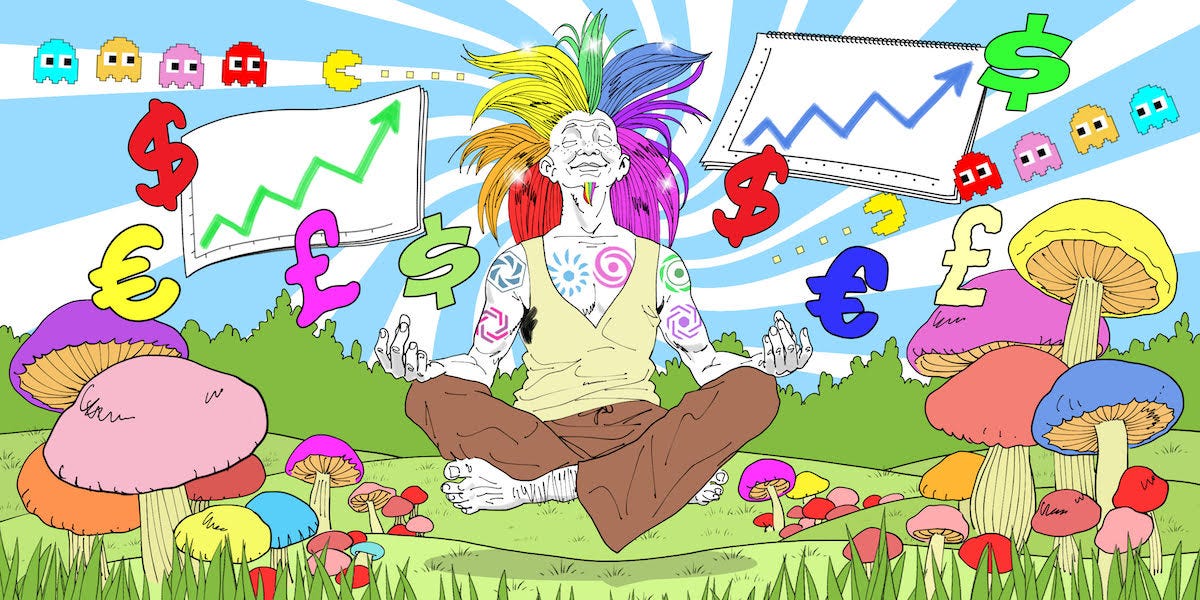
Summer Special: What Generative AI Could Do for Pac-Man
This analysis explores the intersection of generative AI and video game development through a satirical lens, while simultaneously providing factual updates on industry platform policies and market trends.
- Valve has updated Steam’s demo system to allow standalone store pages for demos, enabling them to feature reviews, cross-promotion widgets, and visibility in 'New & Trending' charts.
- The new Steam demo policy eliminates the 'Prologue' loophole while granting demos the same discoverability and wishlister notification capabilities previously reserved for separate apps.
- Twitch remains unprofitable despite generating substantial revenue through advertising and commerce, raising concerns about the platform's long-term operational sustainability.

Our Industry News (06/05/24 - 12/05/24)
The publication serves as a concise industry briefing covering key financial results, market movements, and new releases in the gaming sector for the period between early May and mid-June 2024.
- Nintendo reported a strong fiscal 2024 year-end performance with a 4.4% revenue increase to ¥11 billion and a 13% rise in ordinary profit to ¥4.4 billion.
- Roblox shares dropped 25% following the company's announcement of a projected booking decline to ¥4 billion for the fiscal year ending December 2024.
- Microsoft initiated a significant restructuring of its Bethesda division, resulting in the closure of Arkane Austin, Tango Gameworks, and Alpha Dog Studios, alongside the merger of Roundhouse Studios.
Xbox Game Pass Titles in 2022: What's Their Reach?
GameDiscoverCo provides an analytical overview of player reach for titles launching on Xbox Game Pass in 2022.
- Game Pass serves as the primary driver for player acquisition, accounting for 90% to 99% of the total player base for titles launching on the service.
- The median reach for 'Day 1' Game Pass titles in 2022 was approximately 230,000 unique accounts, with an average reach of 500,000.
- Casual and easily sampled games see significant player growth on the service, exemplified by Pac-Man Museum+ reaching nearly one million players despite lower traditional sales elsewhere.
Creator-Intensive Content
The fundamental challenge in game development lies in the distinction between system-driven gameplay and designer-intensive content.
- Game design complexity exists on a spectrum ranging from self-perpetuating systems like Minecraft to designer-intensive, puzzle-heavy experiences like Monkey Island.
- Puzzle-based games are inherently more difficult to develop because designers cannot objectively test their own puzzles, as they already know the solutions.
- Designer-intensive content requires constant, high-level attention to detail, as a single poorly designed puzzle can diminish the quality of the entire experience.

Evolution of Spatial Configurations in Videogames
This paper examines the basic spatial configurations found in videogames from the earliest titles to the present day, focusing on how these configurations position the player relative to the playfield and how they shape gameplay.

A Short and Simple Definition of What a Videogame Is
This paper, presented at the DiGRA 2005 conference, proposes a short and simple definition of the videogame: a game played through an audiovisual apparatus that can be based on a story.
Companies behind it

As the documents state it.