Magic: The Gathering
Game
Documents about Magic: The Gathering

Is AI about to transform video game tie-ins with movies and TV shows?
The modern entertainment landscape is undergoing a fundamental shift as intellectual property holders move away from treating video games as mere marketing appendages for film and television.
- Entertainment IP holders are shifting from using video games as marketing appendages to prioritizing high-quality, authentic gameplay that functions as a cohesive extension of a broader narrative universe.
- Studios are increasingly developing games and screen projects simultaneously by using shared creative teams and unified technological pipelines to ensure narrative consistency.
- The use of tools like Unreal Engine for both pre-visualization and final production is becoming the industry standard for maintaining emotional resonance across film, television, and gaming mediums.
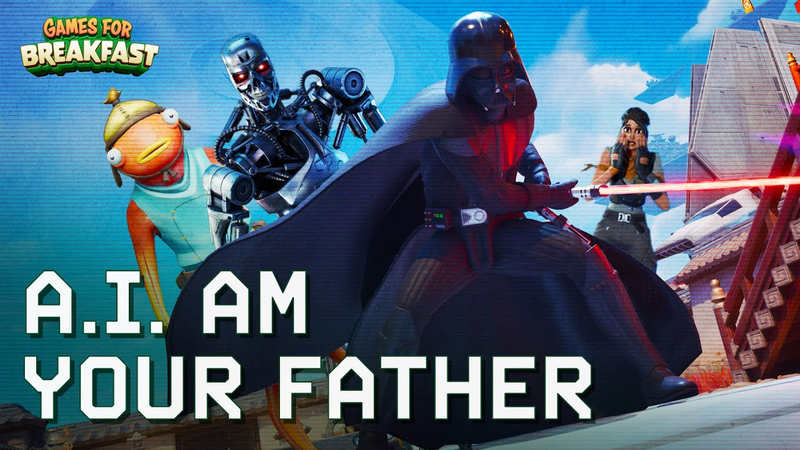
Fortnite Fumbles Darth Vader, Nic Cage as Madden & HBO drops MAX | Gaming News | Games For Breakfast
The gaming industry is currently navigating a period of significant transition, characterized by a tension between aggressive monetization strategies and the need for authentic creative integrity.
- The gaming industry is facing a critical tension between aggressive monetization and creative integrity, exemplified by premium pricing models in high-profile crossovers like Magic: The Gathering and Final Fantasy.
- The premature implementation of generative AI for voice acting in Fortnite has created significant reputational risks, highlighting that novelty cannot replace the immersion provided by professional human performance.
- Labor standards are shifting as workers at companies like Blizzard (Overwatch 2) and VFX departments successfully unionize, signaling a move toward improved labor relations despite ongoing industry-wide monetization pressures.
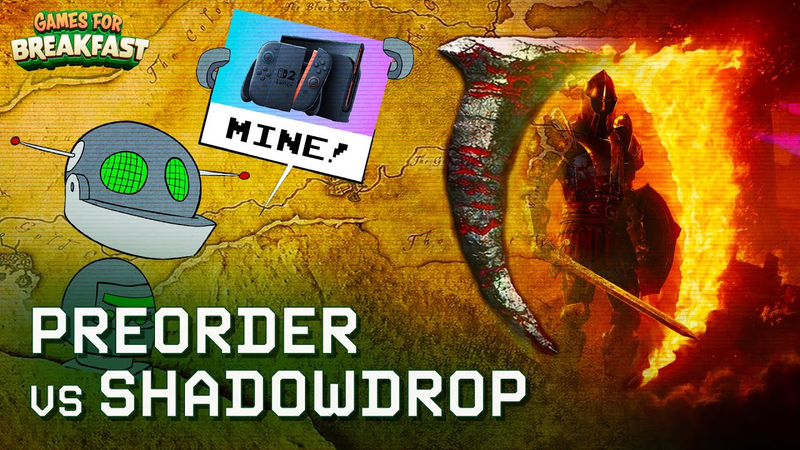
Oblivion’s Big Day, Switching 2 Better Preorders, and Healers On Strike! | Games For Breakfast
The gaming industry is currently navigating a period of significant structural and cultural transition, characterized by evolving monetization strategies, the complexities of intellectual property integration, and the persistent challenges of community management.
- Hardware manufacturers are implementing restrictive pre-order protocols, such as requiring long-term subscription histories, to mitigate the impact of automated scalping and retail infrastructure failures.
- The success of shadow-dropped remasters like Oblivion indicates that players currently prioritize nostalgic fidelity over significant mechanical overhauls.
- Integrating major external intellectual properties into established games like Magic: The Gathering creates a tension between attracting new demographics and risking the alienation of long-term players through lore dilution.
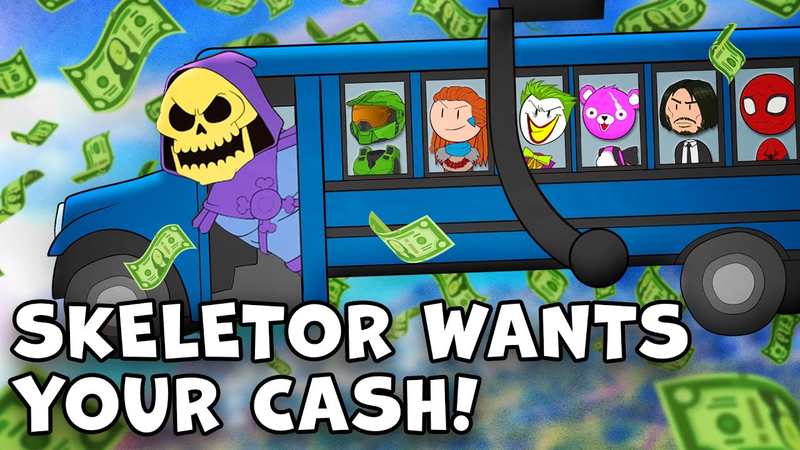
How Fortnite Crossovers Corrupted the Industry - Extra Credits Gaming
The modern gaming industry is increasingly prioritizing brand recognition and nostalgia-driven crossovers over the creation of immersive, holistic game worlds.
- The gaming industry is shifting focus from creating immersive, cohesive game worlds to prioritizing brand recognition and nostalgia-driven crossovers for short-term revenue.
- Fortnite’s business model has popularized the use of unthemed environments where disparate intellectual properties are integrated, effectively turning games into vehicles for advertising.
- The prioritization of business development over artistic integrity has led to the dilution of established franchises, as seen with the inclusion of Skeletor in Call of Duty and Marvel sets in Magic: The Gathering.
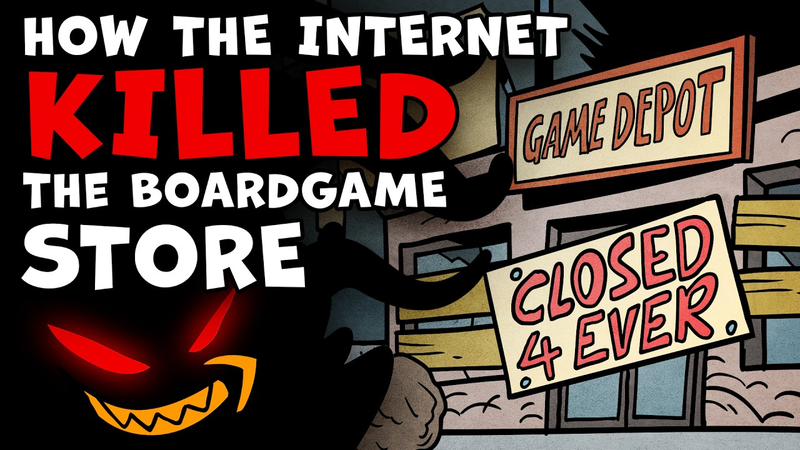
Internet Killed the Board Game Store - Extra Credits Gaming
The tabletop gaming industry has undergone a significant transformation since 2012, shifting from a model centered on independent hobby shops to one dominated by digital platforms, big-box retailers, and specialized cafes.
- The tabletop industry has experienced massive product saturation, with new annual game releases surging from 880 in 1990 and 1,265 in 2000 to 4,677 by 2019.
- Traditional Friendly Local Game Stores (FLGS) are struggling to compete with large online retailers that utilize superior bulk-buying power and exclusive distribution deals to undercut local pricing.
- Digital platforms like Magic: The Gathering Arena have contributed to the decline of physical retail by migrating significant segments of the player base away from in-person play.
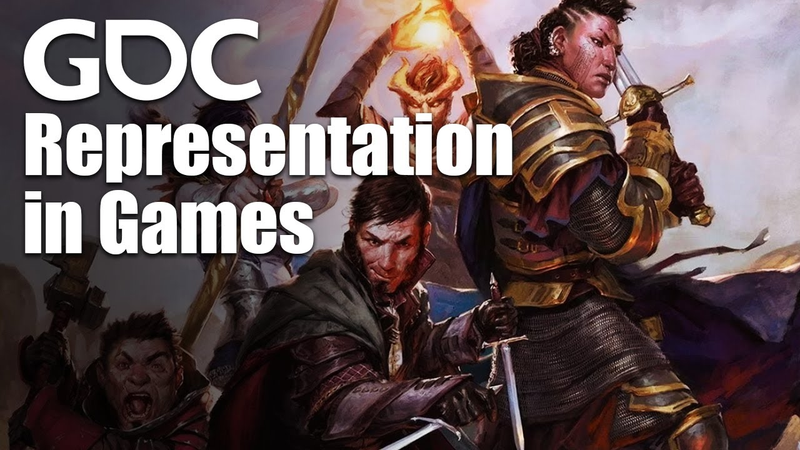
Building a Well-Rounded Party Fireside Chat: Wizards' Everyday Commitment to Representation in Games
Wizards of the Coast is actively reshaping its corporate strategy to prioritize inclusivity and accessibility as foundational pillars for the long-term health of the Magic: The Gathering and Dungeons & Dragons franchises.
- Wizards of the Coast has transitioned to a model of radical transparency, notably placing core system documents into Creative Commons to lower barriers for independent creators following the Open Game License controversy.
- The company’s focus on authentic cultural representation and inclusive storytelling has contributed to record-breaking financial performance, including a billion-dollar revenue year for the Magic: The Gathering franchise.
- Wizards of the Coast has achieved an even gender split within its global player base, a demographic shift that informs the company's ongoing product development and corporate strategy.
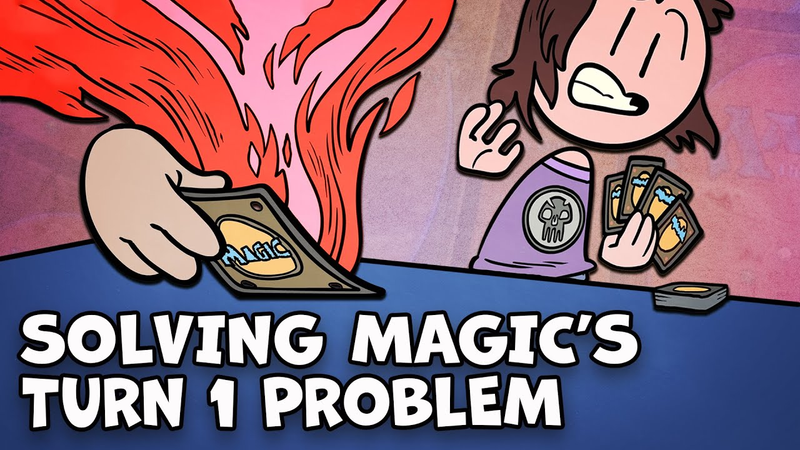
The Genius Behind MTG's First New Card Type in 15 Years - Extra Credits
The introduction of the Battle card type in Magic: The Gathering represents a strategic design intervention intended to address power creep and game pacing issues that emerged over the last decade.
- The introduction of the Battle card type serves as a strategic intervention to combat power creep and excessive game speed that rendered high-mana, late-game cards unplayable.
- Battles function as multi-stage assets that provide an immediate effect upon casting and transform into more powerful spells once a specific damage threshold is met.
- By requiring players to divert resources toward non-player targets, Battles effectively increase the total damage needed to win, naturally slowing the game's tempo.

How a gaming executive Chris Heatherly red-pilled on crypto and joined Recur
The integration of blockchain technology into the gaming industry represents a fundamental shift from traditional free-to-play models toward sustainable, player-driven economies.
- The gaming industry is shifting from traditional free-to-play models toward player-driven economies that prioritize secondary market activity and long-term asset utility.
- To achieve mainstream adoption, platforms are removing technical friction by integrating fiat payment options and automated wallet creation, similar to the strategy employed by Epic Games.
- Recur is developing internal branded experiences for partners including the NCAA, Paramount, and Sanrio to refine infrastructure before scaling these tools for third-party developers.
25 Years of Building Community at Wizards of the Coast
Wizards of the Coast leverages 25 years of experience in community-driven game design to modernize its influencer relations strategy, particularly following the launch of the digital title Magic: The Gathering Arena.
- Treating influencers as long-term partners rather than transactional marketing channels is the core strategy for driving player engagement and retention in digital gaming.
- Wizards of the Coast achieved a 477 percent increase in unique streamers during the first year of the Magic: The Gathering Arena open beta by diversifying their creator pool.
- Micro-influencers are prioritized alongside top-tier streamers because they consistently deliver more sincere content and foster higher levels of community involvement.
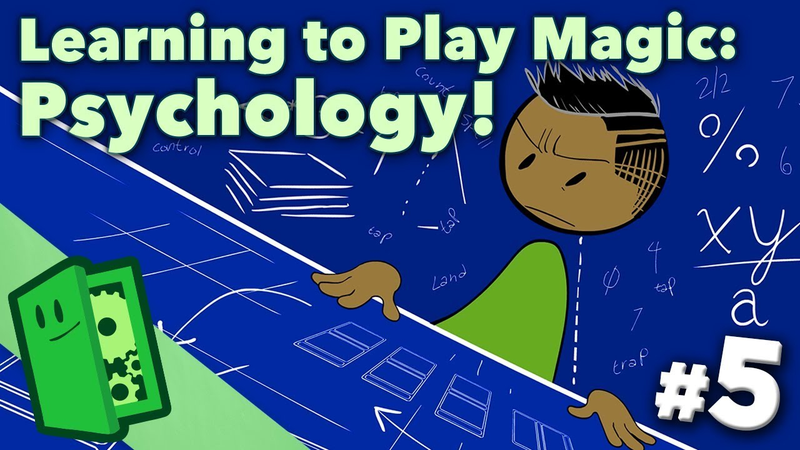
Learning to Play Magic - Part 5 - The Psychology of Magic: The Gathering - Extra Credits
Mastering Magic: The Gathering requires a shift in perspective from merely managing one’s own deck to actively engaging with the opponent’s decision-making process.
- High-level Magic: The Gathering play requires shifting focus from internal board management to actively manipulating the opponent’s decision-making process.
- Players can exploit hidden information by feigning threats, such as holding onto unnecessary land cards to simulate possession of counterspells or combat tricks.
- Strategic management of mana, specifically choosing which lands to tap when casting spells, can signal potential threats and force opponents into sub-optimal tactical choices.
Learning to Play Magic - Part 4 - Building a Deck - Extra Credits
Effective deck building in Magic: The Gathering serves as a creative extension of a player’s personality and strategic preferences.
- Maintain a 60-card deck limit to maximize the probability of drawing essential cards.
- Allocate approximately 40% of your deck to land cards to ensure a consistent mana base.
- Include 15 to 20 spells with a mana cost of three or less to maintain momentum during the early game.
Learning to Play Magic - Part 3 - The Stack - Extra Credits
The stack serves as the fundamental mechanic governing the order of operations in Magic: The Gathering.
- The stack operates on a last-in, first-out (LIFO) system, meaning the most recently played spell or ability is the first to resolve.
- Players can neutralize threats by responding to an opponent's action with a spell that resolves first, such as using a removal spell to invalidate a creature buff before it takes effect.
- The stack allows for resource optimization, such as sacrificing a creature to pay for an ability cost in response to an opponent's removal spell, ensuring the value is captured before the creature leaves play.
Companies behind it

As the documents state it.