VideoDeconstructor of Fun
How a gaming executive Chris Heatherly red-pilled on crypto and joined Recur
25 Apr 202261 min video

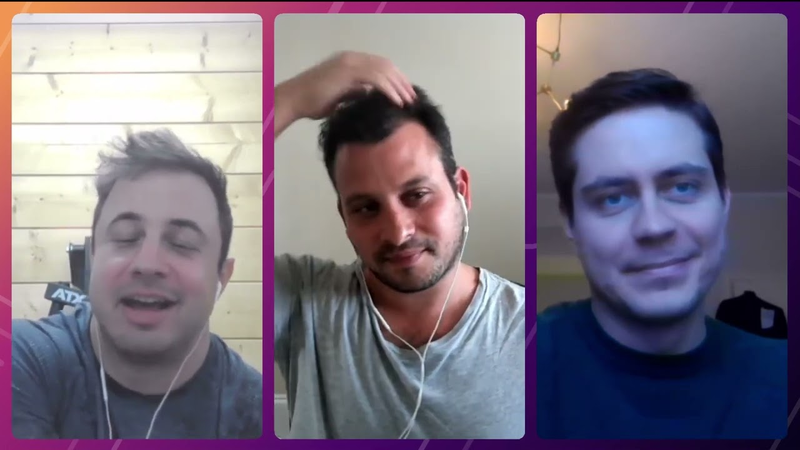
welcome friends it's uh ethan levy here with a very special interview today for the deconstructor of fun audience i'm here today with chris heather lee hello chris welcome thank you chris can you uh uh introduce yourself i know you're recur i forget your exact job title there i am the head of engagement and games but at some point uh i will get a real title got it and uh uh recur is a uh uh nft company uh before we get into the mission of recur what i i want to give the audience a sense of your deep background in gaming because i think it's really interesting given everything you've done uh that you've read pilled as we say in in taking the plunge with recur on nfts and the intersection of nft's collectibles entertainment brands and
gaming i really want to go deep on that but but first can you set the scene tell us all a little bit about your background yeah so i've been in various tech oriented businesses for my whole career going back to uh web 1.0 so uh i've been in this type of business for a long time i was at disney for 14 years and i started off running uh well a consumer electronics business there but um running their toy business and so i have a lot of background in actual physical collectibles and card games and things like that that as part of my thinking uh influences a lot of my thinking around nfts um but then after toys i wanted to get back into digital because that had been my background and i went to uh run uh first club penguin uh in disney's mmos much beloved club penguin much beloved
uh and uh missed club penguin um and that also informs a lot of my thinking around nfts um and then i uh wound up running disney's mobile business uh for several years um and we had several you know top grossing hits star wars commander disney emoji blitz which is now uh at jam city uh and others um and then i went over to university were you involved with where's my water i was not involved with where's my water i i i barely as a publisher but um the creator of where's my water is one of my best friends and we're actually doing a side game together right now so where's my wall i just it was such a fun and innovative game like one of the few mobile games to actually use the touchscreen to make a new form of play and i do miss those days when a premium title could be a top grossing title and one of the biggest mobile game game
successes i have to say yeah um it's uh you know tim uh fitz randolph who made that game um is uh you know really a genius in the way that he does uh physics game and and uh and you know really knows how to kind of in a nintendo-esque way kind of bring out um the best in a platform um but anyway so after after disney i went over to universal uh and i built a games team over there and we were going to take a run at disney uh we had some successful titles uh uh jurassic world alive um several of the jurassic world games we did a bunch of stuff in vr um and other things but uh universal had other priorities and that's when i left and spun out disney emoji blitz to network where i met you and worked there for a year getting that
live and then afterwards i started consulting advising and that sort of led me into nfts yeah i know you're just a fun connection beyond the network connection is uh you're an advisor at game fam and i've become friendly with joe the ceo there because he and my older brother went to high school together um and they're doing great they just did a sonic game their sonic game on roblox hit over a hundred thousand concurrents the other day so they're really proving out that you can do great games at scale on roblox totally totally they're crushing it and twilight daycare is also a big title for them and they've licensed it out as a toy line to wowee so they're they're doing fantastic yeah and if if i remember club penguin was a huge business wasn't it oh yeah it means a massive success yeah it was it was the it was the brand of a generation i mean it was pre minecraft
um it never got as big as minecraft or or roblox eventually roblox was actually very um inspired by club penguin initially um but it was yeah it was a it was a cultural phenomenon and uh you know still is to this day i mean you you know they're still kids on or i call them kids but they're you know they're adults now that are on twitter who support their probably my yeah it was a really special time and a great um you know it was we were really dedicated to community and really dedicated to you know there was a lot of interplay between the developers and the audience that i think is something that is very relevant to the way these communities around nfts are forming yes so a very long career in gaming and toys in entertainment working with some of the biggest brands in the world like you said yeah working at disney working on pirates of the caribbean club
penguin um jurassic park star wars uh success on mobile success and mmos uh success on roadblocks and now how did you first get introduced to recur so i was advising um and uh the way i got into nfts is kind of funny so i got a call from a friend from the toy industry who had sold his company and uh bought a million dollars in pokemon cards and decided over the uh his name is jeremy padaur and he's always been this i hope that wasn't all the i hope he didn't sell his company and plow it all no no no no no even if i'm sure that was lucrative just mentally then no so he bought a million dollars in pokemon cards and over the pandemic started uh
doing these uh these instagram videos where he would talk about the collectibility because he's always been a collectibility collectibles expert and he started amassing this really huge following of people who were into trading cards and collectibles uh and wound up making friends with all kinds of folks including logan paul and so he calls me one day and says logan wants to get into nfts and he wants to do something with club penguin can you talk to him and i wound up spending a couple hours talking to logan about his point of view on yeah if if that sentence isn't the premise of a william gibson near future novel i don't know what is right well so i wind up talking to logan for a couple hours and he's a great guy very smart businessman and you know he's sort of laying out for me why nfts are are going to be the next big thing and we didn't wind up pulling off the the club penguin thing but i started posting about nfts on facebook
and it's the one time facebook has not gotten me in trouble and actually brought me something good so another friend of mine who uh who from disney uh stephen taglis who had been to disney and warner brothers had just started at a company that that was like brand brand brand new called recur and he called me and said hey i see you're talking about nfts we should talk i'm working at this new company i want you to kind of check these guys out tell me what you think and i wind up talking to the two founders of the company and one had come from the kind of the consumer products e-commerce side did a lot of uh print-on-demand e-commerce stuff for uh for the studios and the other one had a very deep zach brush who's our ceo now um had a very deep uh um d5 background and he had been built some of the biggest
you know high frequency trading deaths in crypto and brought along with him this really badass engineering team of crypto folks that had come from places like polonia x and circle and several of them had had built the usd stable coin and he made a really good argument that a lot of these companies in the gaming side you know and other places that were getting into nfts that didn't have the d5 background we're going to run into a lot of problems with the financial side of nfts and the security uh the regulatory aspect the fiat on and off ramps all that kind of all the kind of like plumbing that you need to be really successful at dealing with crypto and real you know real money transactions and so uh very uh very prescient man i mean like we just saw we the nine nine figure hack of ronan and i'll even just call it
a hack in quotes because really it wasn't it was a social engineering exploit of bad hygiene on the way a side chain was set up with nine validator nodes so you know uh and then what another another hack we've seen a lot of nine figure hacks in the space so knowing that many people are going to have issues with the security set up and i'm starting to understand a little bit more of the regulatory environment myself and it's you know this is ten times more complicated than when we wanted to give money away to people for playing tetris on their phones so yeah it's a lot of the stuff is is is is you know stuff that is beyond me and i don't even want to know like i want like i'm glad to be working with guys who who have done this with usdc and who have who have built these platforms before and run into these problems before because as a game maker i want to focus on i want to make focus on making games and content
um so that's how i got that's how i got introduced to recur so that was february of last year fast forward to today we've got 170 employees all distributed so we built this whole company distributed over the pandemic um we've got we've we've launched uh we've launched our products so we have our we first did an initial drop for uh recur pass holders which is uh which is sort of the um like the vip pass of recur um and full disclosure i i have a recur pass and i've got nfts and two of your experiences so thank you i am just by talking to you i am kind of chilling my bag but that's not why we're having this conversation well i i'm glad to hear it and um and uh so we uh uh and then we launched uh nftu which is uh which is uh college uh bat started as
college basketball but we'll be doing uh college football in the fall um we signed up 55 schools uh and about i think 150 athletes so we did that right after the supreme court made their big uh decision uh launched that product and then uh we just launched uh star trek um and i got you know i at first i was an advisor with these guys and then um and then right around october we did the raise we raised 55 million on i think it was a third of a billion dollars we um we closed all those rights on ncaa and then we did this amazing deal with paramount which is basically a studio-wide company-wide partnership on everything they do uh on all their ip in nfts um and then we close sanrio and i was like this this
company's on the rocket ship the nft space is taking off like i'm really going to regret if i don't come on board and that's how that's how i got to be where i'm at yeah and i've mentioned i think you know in some of the um news updates um on on tokenomics because i've been following i think you guys had your initial uh nftu drop sold out pretty quickly i couldn't have one the day it sold out even though i had the vip pass the star wars there was a an issue of five thousand ships that sold out trek will be killed if you start tracking oh my goodness there were five thousand star trek uh uh captain ships that sold out right away so like you're finding um uh a fit between audience and uh these branded experiences and you know if you say sanrio i'm pretty sure there are a lot of people who want some
hello kitty nfts um so what was the moment you read pilled was it talking to logan paul was he the was he your morpheus or was was there a moment for you um i think the moment for me honestly was i got involved as an advisor at first because i i thought okay this space is really interesting and i buy the premise of nft collectibles and and i can see how this is going to work in games but clearly there's a lot of froth in this market right and at some point the the bubble is going to pop and do i want to throw my career behind this or not kind of you know not knowing how much of this is going to be speculative and then what happened was around the end of last summer the bubble popped in in a big way and the market really tanked and then it came back like stronger and bigger than
ever right and it's happened a couple times since then i mean you know we recently saw another you know another another um decline in the market driven by a lot of the macroeconomic stuff that's going on and then over the last couple weeks you've had several major uh hugely successful uh nft you know drops uh uh you know uh moon birds being you know one of them and um it's just this market you know what it proved to me is this market is not it's not going to slow down the trend for nfts and people the number of people coming into the enft ecosystem is going to overcome kind of any other macro economic stuff that's going on um and you know there's a lot of education there's you know there's a lot of fun there's a lot of you know haters on twitter or whatever but when you look at what's really happening with the with users and
dollars like this market is is it's just growing leaps and bounds and to me i just looked at it and thought hey this is i've been through web one i've been through web 2 i've been through mobile right i've been through all those cycles every 10 years something comes along and completely changes the game yeah the more i started looking at crypto and nfts i'm like this is going to change everything like this technology is going to revolutionize banking you know uh you know governance all kinds of other things and you know i was like look you you want to be i'm the kind of person who likes being on the cutting edge of stuff and so i was like all right this is the this is the next 10 years of my career i'm i'm in you know yeah um you know i've talked around it a little bit uh but what is the mission of recur uh you know we know what they're doing
with you've got branded partnerships you've got college sports uh you've got this vip pass but what is taking just like a a a basic look at it what is the company what is its mission yeah so there's two things we do um the the first is the platform um and long term the the the real business is about is about the platform and the technology so um we took a bet on being chain agnostic um you know coin agnostic so we don't have we don't have a currency we don't have a blockchain um we have we have our own uh platform that that can that is compatible with it can work with any blockchain um and we have some really cool technology that allows you to uh shift nfts from one uh chain to another chain um that will uh that that we will be using increasingly and i think create a
lot of interoperability that will be super important as we get into the metaverse um but that's one of the things is we is we are uh chain agnostic our because our guys come from a d5 background we have um you know the best payment system um so you don't just have uh you don't you can pay with crypto but um but you can also pay with apple pay you can pay with a credit card i think it's something like 70 percent of our uh customers pay currently in fiat currency and we think that's really important to expanding the market because not everybody knows how to set up a meta mask and all of this other stuff you don't have to set up a wallet we automatically give you a wallet when you uh when you sign up for the service so you know buying on our on our platform is as streamlined as
it the most streamlined e-commerce experience you've ever uh bought anything from like literally it's click on what you want press pay apple pay shows up you know use your apple pay and it's in your image in your wallet um during the the star trek drop i was on a teacup style ride at the strawberry festival nearby with my kids when the when the clock ticked over and i uh bought uh pretty easily on this teacup with uh apple pay without my wife getting mad at me or noticing that i was doing it that's the greatest story i can one that we're going to use because it has yeah it's it's it's it the other thing is the number of layers with which she could have gotten uh angry with me right so i was like but the drop's happening right now it's gonna sell out oh if it had been with metabolism all of that
you'd have been fiddling you'd miss the whole ride right i mean um you know so the other thing is our technology is serverless so it just scales like you know you mentioned uh being sold out in a couple minutes on nftu and i think we had something like you know 7 000 concurrent transactions happening at once like we can you know most nft sites are notorious for just going down and crashing um you know i'll never say never but we you know we are very resilient and architected for tremendous scale um and and they're all you know we're uh we're we're carbon neutral we use layer twos we uh we uh make donations to carbon offsets um so we're handling the you know all the energy concerns um and then the other thing that our platform does is that we build these very bespoke experiences so instead of an open sea where um where you're on this kind of generic
marketplace we the the whole look and feel of your uh site can be branded to you and that's what's important to our brand partners like uh you know viacom and or paramount uh and and and others is that we can create a very you know bespoke branded user experience and along with that comes the gamification and that's how i got involved is helping build out uh the gamification systems so that uh we have a real collecting experience and it's not just about buying an nft get in nft but you can you know we're building things into the platform like you know mechanics like sharding and crafting and merging and burning um all kinds of you know cool verbs that game designers will be able to use to run interesting nft programs over the long term and you know the more i get into nfts the more i realize that
that stuff is really important in how collectors think about collecting over over a period of time got it and so in your mind it sounds like you're building mostly um recur is doing the building of experiences with the for these brand partnerships is that the end goal or is that the proving out uh like will there be a point at which game developers uh who are looking for a platform partner will be reaching out to you because they want a self-contained uh frictionless layer two solution to run the uh nft marketplace and minting and uh all these features for their for their game is that is that i'm kind of guessing that's where you're going yeah it sounds internally we kind of think about it like epic where you know they they started as a game
studio but they built the unreal platform first to create tools for themselves to use and then said hey this is something that that games develop game developers everywhere can use and but they never got out of the business of making games they continued to be a game developer and um they dog food their own uh you know features and functionality on themselves first before they um before they uh you know roll it out to uh third parties and so we want to do the same thing so that so the gaming studio that i run is really about one servicing these enormous brands that don't necessarily want to get into the mechanics of running an nft business and want someone that can handle that for them in a really white glove way but two um you know using that to push the boundaries of our platform and uh create capabilities that then we
can turn into tools and automation that we can roll out to third-party developers got it that makes a lot of sense um so i i assume that you are um bringing people who are maybe crypto enthusiasts or crypto curious from the game development community into recur as you're building out the studio and i'm curious what are the what are the mindset challenges or workflow challenges that someone who comes from a mobile free to play background like many in the deconstructor fun audience when when they make the shift over from building a mobile-based free to play game to a web 3 game or game experience what are some of the challenges they face um well one of the things that we're initially focused on in ft collectibles and we're starting to work our way into play to earn instead of
starting with i feel like a lot of game develop a lot of the play to earn game concepts that i see floating around feel to me like somebody had a game they wanted to make and they couldn't get it funded it's free to play or they couldn't right and and they're like hey if i you know take that proposal and put the word nft in it um and play to earn suddenly it's fundable right you know we started from the collectibles and and then i brought in gaming talent and we're we're we're going to start doing things that are we are going to start doing play to earn games but one of the things i like about where we started is focusing just on the collectible experience has forced us to really think deeply about these real world economies how they function what the collecting dynamics are and and um you know what makes collecting within these economies compelling
um and i think that's one of the things that's going to be a big surprise for free to play developers is you know in free to play like you can turn on those socks those um those uh spigots you know whenever you want and the amount of you know the amount of characters that you generate from your you know from uh you know the number of wolverines in contest of champions you know nobody knows how many there are nobody cares but suddenly when you start thinking about a game where everything is a scarce resource um you have to that that inherently is going to change all of the dynamics and it's going to change the gameplay and so you have to rethink a lot of your um things that were just taken for granted in the in the free to play space and think about everything from the perspective of scarcity um and what and what impact that has um i'll give you a design challenge that
like we're thinking about right now with regard to star trek which is okay we've announced that the next thing that you can get is crew um and one of the things we're talking about is the the the number of crew that you can put on a ship is directly uh or the number of crew that we release in a drop is tied it's tied to intrinsically the number of crew that you can enable on a ship so you have to find that sweet spot between what you allowed the ship to do right and how many crew it consumes and how many crew you put out into the economy so that you don't have you know users who've got too much crew in their account because then what happens is the floor price of crew goes through the floor um and where you have enough draw where you have enough draw on the crew so that there's some scarcity so that i want to go to the market place and buy another
crew and other deform in order to further my game and in which there's a there's a buyer for that seller right so um you have to think about all of those market dynamics and what and what the impact of the things that you're putting into the economy have on the economy overall and all the other users and the users who came before because um you know there's a there's a high sensitivity that your origin users the people who are your initial cohort what we would call the golden core golden cohort and mobile games you know those people don't want to get diluted and see their initial investment uh drop through the floor so there's a lot more to think about in that regard and i really and i think that really solid economy design uh is going to you know economy designers are gonna have a heyday in this stuff and they're going to be a very prized commodity
yeah so these challenges are um because i'm going through some of it myself on on legendary heroes unchained and they're very exciting challenges and they're also really scary because like i just finished the first draft of a white paper and i don't know what language is gonna you know survive through compliance review to the to the final version or not but like i did a lot of writing about how we are going to not have any power creep and that the height of power of the first heroes you ever buy are gonna be the same as the height of power you know three years five years down the line um and that's the game i want to build because i think it's much better for players but you're relying um you know in in in mobile it's like when we sell a card pack our goal we set a sales target internally and we hit it or we don't hit it but the users don't know and it doesn't affect them at all right whereas like with nft with an nft drop you don't set a sales target you
actually manufacture a number of card packs and if they don't all sell out it it affects the perceived value of the ones that were purchased it's such an interesting uh and different way to think about running your economy and i'm i'm i mean it's it's part of why i read pill is just because of the excitement of it of just a brand new uh um game design challenge that no one had any answers for but like you know i'll i'll wake up at two in the morning every now and then go like ah is like are we making the right choices it's scary fortunately at recur we have uh a great design team and we hired a guy named chris fidalgo who is the best economy designer i've worked with and he has this method called value add value out and it's something that we are going to build into all of our tools and um and so hopefully we will have tools
that will allow creators to uh will help creators solve some of those problems because you know not everyone can get the expertise that that that we've got or you've got um you know and so if we're able to build that into tools it'll make it easier the the other the other thing that connected to that that you have to think about as a game designer is um the the market's gonna speak right in ways that you don't um anticipate as a designer and so you you have to um think more about kind of the market forces and the market being the game um you know and the mark anyone and connected that is anyone who thinks this business is just about primary sales i think is fooling themselves the secondary market is where your project is going to live or die
because if no one if there's no demand on the secondary market then there's not going to be any any interest in your in your future primary sales drops so you have to really focus on how your game mechanics help drive uh transactions and help you know drive reasons for people to trade with one another in the secondary in the secondary marketplace if you do that then you'll have a thriving economy and then you can continue to kind of put more nfts in it but if you just start spamming nfts into a market where um your your holders are not seeing uh you know robust trading activity they're gonna they're gonna dry up on you um yeah so you really you know i think that a lot of game designers are used to having control of the whole picture themselves and you you have to think more like
uh you know the mo you have to think almost more like you know you're sitting outside of the marketplace and you're observing the behavior going on and then responding to it and kind of iterating with the market uh as opposed to being able to predict all the outcomes before uh before they happen if that makes sense yeah absolutely i um you know i watched the champions ascension uh primary minting pretty closely and i actually ended up buying two um and it's a uh it was a real that's the jam city you know yeah it looks like kind of gotcha based hero collector and i mean one to speak of like external market forces and no one could have predicted that a war would break out literally the day of or the day before the minting and of course something of that level of global
uh news and economy shock is going to influence people's behavior but whether that was or wasn't a contributing factor you know i felt like the way they priced it that they would like jam city's a rich company they have a lot of money if i had been running that project i would have been at least or if i'd been in that project i would have been said hey we should sell at a much lower price and make sure we sell out this primary instead of using this dutch auction format that's intended to maximize the price er maximize the the sales price of each individual one because they didn't they didn't sell all 10 000 and and i think they would have had a healthier start to their project had they sold out 10 000 heroes at a much lower price than sold out 7500 at you know whatever uh values ranging between one and and point three eighth by the time it dropped to the bottom um
yeah look i think we had a lot of we had a lot of learnings from some of our releases too and yeah um you know we recently kind of looked ourselves in the mirror as a company and said hey what are we you know are we focused on primary sales here or secondary sales the reason the company is called recur is that our team created the the ethereum standard for recurring royalties before us there was no there was no standard way to uh enforce royalty payments as nfts traveled from chain to chain or from environment to environment right so um so you had a lot of people selling to these you know movie students and everyone like and then you get these recurring royalties and it wasn't really technically true now it is because of the technology we created but but you know we we made a decision as a company we're focused on driving uh you know secondary market success and long-term success for our nft programs
and the decisions we're going to make going forward are going to be consistent with that you know but it's but it's but it but that's a big realization that i think a lot of nft companies are going to have to come to because there is a huge temptation to make a lot of money on the primary to make all your money off of the primary sale but you know and in order to uh you know say hey we're really about driving secondary you have to have a lot of confidence in your game design and your team and what you're doing um and you have to you have to take that bet but that's the bet that we as a company are going to be making got it yeah in my fantasy world where i write about five articles for every one that i actually finish i'm going to add to that list of things i need to write i should build a build a spreadsheet model and explain how
important those secondary market activity and and holding and growing your value over the course of 10 years is as opposed to um maximizing trying to maximize everything you know we both work for neil right who who right i always call him my gotcha sensei um because right i learned so much working with him and i think he's got a very unique design mind but you know neil founded network on the premise of what if you focus on the payers what if you're focused on a hoard of people that really pay for your game and how you build an experience that's that's great for them and allows them to continue to engage both as players but also financially into your game and when you do that you start making different decisions right and that's one of the things that i found working with with neil is that
some of the decisions i was making when i was at disney or universal were you know thinking about mobile games more like a funnel where it's like you've got all of these free players coming in and then i'm trying to convert these people as opposed to yeah we should optimize that but really what we want to do is make a compelling experience for payers and then that will drive the conversion um it's the same thing here where it's a similar thought pattern here which is which is secondary markets is what make is gonna where this business is gonna live or die and if you're not convicted about that it's gonna get harder and harder to demonstrate to to nft collectors why they should buy into your per to your project in the first place and if you start thinking that way you start making different design decisions so you start thinking okay well if it's about secondary markets then then why should some why would anyone buy an nft from somebody else like if i have a character in champions like you
brought up and i bought it why would someone want to buy it from me and what makes that more valuable in the eyes of other collectors in the community and why would someone you know a year from now want to buy from an elder who was part of the origin collection and all of these other types of things you start to really think differently about what your design is and why you're doing what you're doing but i but i'm convinced that's where the success is going to come from yeah absolutely i am you know if if anybody was at my last gdc talk which was not this one but the virtual one where i talked about building a 10-year game economy i was kind of i was working on an nft driven game in the background and so these were the types of design questions i was wrestling with which is if i'm doing a hero collecting game how do i make sure that my heroes stats or traits that are immutably written
let's say six months before the first time people play it how do i make sure that those are still valid for a game mode that i'm not gonna design for five years right that is that's a big challenge and uh i at least have a way that i think i've solved it um hopefully i made some smart decisions but it's it's really um for me what i what i like about the idea of nft based gaming is that it forces you the revenue model what brings success forces you to put your players long-term interests around engagement ahead of any short-term economic concerns that you might have totally totally you have to basically always have that as you said like that what creates that secondary market activity why is someone going to want to buy this from somebody else three years from now like always thinking about the long-term view on this so
a big epiphany for me that has kind of changed how i think about nfts is john radoff who um i'm an advisor an advisor to beamable but we've been friends for a long time you know um i kind of call him my metaverse sherpa um yeah you know he definitely was the one who first accepted that nfts are going to be a real thing into my brain yeah he's he's a really good thinker about this but he posted he said something in one of his blog posts and that stuck with me which is he said i envision a different type of game company that's more like wizards of the coast or or games workshop where um it's it's nft collectibles first and and then players are going to find the way to play it so you know using the example of magic magic the gathering and saying magic was originally
meant to be one versus one but players came up with rules that allowed you to play it with bigger groups and that led to tournaments and all kinds of other things and that built the success of magic and and um you know you get the games workshop from warhammer the same thing where there's lots of ways you know rule books for how to play those games um and fans figure out how they want to play with their with their uh with their collectibles yeah and you know in the metaverse which i believe is happening i'm seeing it being built every day i think that um you know we don't have to create all the gameplay it might be about creating collectibles that are worth playing in different ways and then we let users come up with game modes around those around those collectibles where they want to play if they want to play in decentraland or sandbox or rec room or medicine or whatever
you know if if we get to a place where people want to go from place to place in the metaverse and they want to take their collectibles with them and they want to play with them that kind of idea starts to become really compelling so you know increasingly we're kind of thinking about our nfts from the point of view of like what does it mean within our ecosystem what does it mean outside of our ecosystem you know um interesting yeah that one's um that one's challenging for me because on one hand um like my first experiences doing my two first experiences doing game design right one is like friends my friends i play magic with go to gen con in wisconsin and then they come back and they're like oh we can play new games with our stuff or we can just invent our own games and then we all just started making like a pen and paper
battler roughly based off d combat rules and i spent like the next couple weeks in my room like making up little character sheets and naming them and and giving them stats based on nothing so like hands on that exact like oh we can take the physical things we have and do new things with them and basically use our imaginations so that's one experience i had that was very formative and another kind of at the same time was building maps in starcraft very bad maps but just knowing that the that my my favorite game at the time shipped with the set of tools that i could use and then i used them and shared maps with my friends and so um as we've gone from pc gaming to console you know multiplayer gaming being mostly on console and and and mobile we've lost a lot of that modding that used to be central to so many of the most successful games
um and games that grew really big communities around them so i'm excited about the pram the premise for sure and i think the challenge is it's really easy when you own the cards to use words to figure out new ways to play with them or when you own the figures and it's much harder once these things are in code and it comes down to the tools you know it that somebody gives to you to build with those with so um it's something i'd it's something i'd love to see and it's all going to come down to the quality of the tools the the accessibility of the tools yeah to make these experiences happen but i'd love for it too i heard our friend he was recently very uh i think on one of the token podcasts very skeptical about the hangout mmo type thing and i i don't think you know what meta is doing is the right approach either but you know i mean club penguin was built
off of people hanging out with one another and we made you know three quarters of a billion dollars like it was you know the kind of the social i wouldn't discount the idea of the social uh mmo hangout space especially with this generation like what's going on with this generation of of kids that are really or you know young adults that are into nfts is their digital first their digital natives they grew up with uh you know with all this stuff they grew up with social media their their their friends are all online their persona is you know their their instagram account or their ticktock account and so that's the reason that one of the first pieces of utility is using uh is is uh your your uh your avatar for your or your profile picture on instagram or or or twitter or some of these social media uh platforms but avatars are coming right behind it
and you're gonna have avatars that you know like ready player me that you had on the podcast that people are gonna want are gonna wanna buy and own and then it's going to be okay well i want to go somewhere with them and then creators are going to create places for people to go and a lot of those places will suck and they won't be um you know uh they won't be you know super compelling but some of them will break through and you see this phenomenon roblox has proven this out which is that the you know the youtube of gaming is going to happen right you're going to have a lot of user generated gaming content you have a whole generation of kids i mean i see it with my son that he's at usc right now right with which is your alma mater yeah he's taking one of the most important classes i ever took in my life thank you to chris wayne and tracy fullerton yeah all of his friends are you know grew up playing games but they also um uh you know grew up watching all of
these youtube videos about making games so they know the mechanics and all this stuff so much better than you or i did coming up and you know they get started modding in you know making stuff in roblox and and minecraft and some of these platforms and so you know you're gonna have this very game aware very game interested robust creator economy that's going to produce a lot of crap but out of that will come some really cool things and right now roblox is the only platform that's really got that but i i think you're going to see three or four or five robloxes would that do different things in different ways and then people are going to want to move between them in some fashion and that'll be your wallet and your avatar and that the the metaverse is going to be built i don't think it's going to come from some company like like facebook that goes out and invests a billion dollars and makes it and says here you go we built the metaverse it's going to be built brick by brick
by creators and modders and and and nft creators who who kind of add their piece to it and and it's going to emerge as this really dynamic ecosystem yeah i think um to go to my um almost my uh fear or the idea of like a phys physical objects like i could i could as you were talking i could see a story of someone saying hey i've got my star trek captainship nft and it's got all these traits and i just printed out a bunch of cards and make a youtube video here's a video of me playing a battler with these star trek ships and then share it on the discord for that experience and there's nothing preventing someone else from then say you know like going away for a weekend and coming back and saying like hey sign in with your wallet right here um i made a game that we can i made that
game and we can play it and there's nothing the company can do to prevent us from having a website recognize that we own these objects and now we can play a game with them like that's part of the excitement of of web 3 is that um you know you can't right now query someone's uh holdings uh their pops and funko poplets right outs outside of um outside of the company you can't see what somebody owns but like i could set up a game that recognizes what axes are in your wallet and recognizes their traits and allows you to play with them like the opportunities for this level of modding are super interesting totally totally well although you know if if funko plot blitz were nfts i think it would be a way bigger game because part of the things that that you're not replicating and free to play i've thought a lot about this is is the scarcity right i mean that's one
of the big factors of collecting funko pops is there's only so many of them and so you want to get them before they sell out so that you've got the best coolest collection if everybody can have the same funko pops it's just really not as exciting and so you know that's where i do think this idea of scarcity combined with the modding and the thing we're talking about is going to create a really different experience than what we can do today yeah you you mentioned earlier that part of your background included working in toys and working in collectibles and that's influencing how you're approaching um the nft space at recur i'm curious what are some of the lessons or some of the thoughts from that toy space that you're bringing to your team at recur that are that you're that are influencing how you guys go about building these digital experiences in digital economies i think one of the things is the um you and you see this aesthetic in a lot of nft stuff is
um the the the own the the fil the feeling of physicality um around digital things making them feel like something you own even if you can't reach into your screen and take it out um the that emotional quality is really important um and so you know when we design nfts we're really trying to design them as something that feels special and feels like something that you um that that that you actually have um and that's like completely you know kind of a qualitative thing you know there's no way to quantify that but um you know you really want lust-worthy objects i think uh is one of the things um you know thinking you know thinking about kind of how collector communities
function socially and the things that we've done in toys or in physical trading cards that you know make people want to do um you know make people want to collect so like in trading cards you have what's called a break where you know you've got the you've got the the the long box right which is like a bunch of card packs and then and then if you watch like my friend jeremy who who uh bought a million dollars in pokemon cards you know like one of the things he'll do is a break right and he'll open a box of pokemon cards and then go in and pull out you know each of the packs and open each one of the packs and pack opening is an entertainment experience on on instagram and youtube in these places i mean neil used to say to us all one thing that neil said that really stuck with me was um he said gotcha is an experience entertainment experience unto itself and
when you start thinking that way it's like okay capsule toys which get which gotcha is based on um uh you know what are the what are the moments of when i think about a capsule toy experience like what are those moments okay i see that i see the machine from afar i go i can see that it's got a lot of cool stuff in it i go up to it i put my coin in i pull the handle there's that moment of anticipation something comes out i then i open the the the prize to see what i got like all like all of those beats constitute the entertainment experience that is the capsule toy not just the reward right and it builds the emotion around it um you know the the the break thing that i brought up you know drives huge social behavior or or you know collecting behavior because you've got you've got collectors who will come in and you know who used to wait outside the toys r us until the toys r us open because they knew the day
that the but the car the the the boxes weren't going to drop they wanted to come in and buy the boxes and some of them they would sit on and hold for a million years and some of them they would open and sell to their friends uh and and sell them a pack at a time or open the cards you know whether you open the the long box matters whether you open the pack matters right and then what you do with the cards once you open it matters and so you know all of these are choices that um you know don't exist when you don't have scarcity you know when when when yeah you know the concept of a long box sort of wouldn't matter in you know uh you know in in in free-to-play land but in this world like if i were to you know drop you a long box of of of of nfts and then you were able to sell it to your friend to your friends or to people who are you know who want
to buy nfts i've suddenly given you sort of a small business right and you're an entrepreneur and you're in the business of going out and making the game bigger because you're figuring out you know how to sell those nfts that you have a financial interest in so that that um you know that kind of like thinking about the collector mentality and what drives collection the social behaviors around that the moments that are important the the the what makes a collectible worth something in the mind of a collector those are all important learnings for the toy world that i think can be applied yeah absolutely thing i mean it's kind of it could be simplified to thinking about where you put your production value in your digital and visual storytelling and like what i'm hearing what i'm taking away from this is um oh when somebody opens a digital card pack it better be stream worthy right
like the interactive experience of it should be a scene partner that someone could play off of on their youtube stream right and that's what some of the better gotcha opening experiences are um well great i um what uh you know we're we're getting near to the end point so what can we expect from recur in the future uh we know we've we've got uh nftu we said college basketball is coming we're doing you're seeing star trek right now uh hello kitty but like from the platform from the experiences uh what's what's the future look like we're going to be doing launches at least one uh possibly two launches every month through uh through through the end of the year um you know we've got a lot of great content coming um you know we're you know we're growing we've already announced with star trek that that's going to become a play to earn
um experience you know what we're going to do i don't want to say too much about it but what we're going to do with that experience i think is a little different from what other people are doing with play to earn games because we want it to we want to keep it focused on being a a collectible experience that that a broad audience of people can resonate with that are not just uh gamers so we're trying to do something i think unique in the way that we're approaching that um and that will be if you know assuming that works that's gonna be a system that we that that we use a lot going forward um you know but we you know we've announced sanrio we've announced care bears we have some amazing creative uh for that franchise um we've got you know much more coming from paramount um so you know we've got
we've got our cup runneth over um and it's really a question of how we can get this stuff to market now um but uh you know and then you know we're gonna start getting into into play to earn games um and we're recruiting so i need game designers i need product managers i need well that that naturally leads yeah game designers product manager sorry i cut cut you off who who else you looking for designers product managers producers uh you know smart people who want to learn about this space we're we're we're hiring all types got it and so then just to close it out if somebody wants to reach out to you learn more about the recur platform inquire about any of these positions what's the best way uh for someone to reach you yeah hit me up on linkedin um is is one easy way um and uh and you can always reach me at chris
recurforever.com i think i'm probably going to regret i'll probably get spam but uh at that email as well but we're hiring and we want to hire great people so uh you know i i want people to have access right and uh if it totally unrelated to the past hour of conversation if you're a fan of barbecue like posting pictures of of your setup or asking other people for tips there's also some great uh facebook groups that chris runs around food uh that that i've enjoyed getting uh uh some good feelings on my uh brisket uh pictures on so there's that team i'm here for barbecue tech support for you anytime awesome well chris it was delight thanks so much yeah same here thanks man
Auto-generated captions from YouTube — names and numbers may be misheard.
The integration of blockchain technology into the gaming industry represents a fundamental shift from traditional free-to-play models toward sustainable, player-driven economies. By prioritizing secondary market activity and asset utility over initial primary sales, developers can foster long-term engagement similar to established collectible ecosystems like Magic: The Gathering. This transition requires a sophisticated approach to game design, where permanent scarcity and economic balancing are treated as core mechanics rather than secondary features. The ultimate objective is to move beyond simple digital collectibles toward complex, interoperable environments where users possess genuine ownership and the ability to contribute to a decentralized metaverse.
To achieve mainstream adoption, platforms must eliminate technical friction by offering fiat payment options and automated wallet creation. This strategy, modeled after the Epic Games approach, involves developing internal branded experiences—such as those created for the NCAA, Paramount, and Sanrio—to refine infrastructure before scaling these tools for third-party developers. By operating as a chain-agnostic platform, these services aim to bridge the gap between traditional entertainment intellectual property and the complexities of decentralized finance, ensuring that security and regulatory compliance remain at the forefront of development.
The future of digital entertainment lies in the convergence of toy-industry principles, such as the inherent appeal of collecting and gacha mechanics, with the transparency of blockchain technology. Rather than relying on top-down corporate platforms, the industry is moving toward a model where creators and modders build experiences brick by brick. As the sector matures, the focus remains on scaling operations and recruiting specialized talent to manage these evolving digital economies. By treating assets as enduring components of a broader ecosystem, developers can create persistent value that transcends individual game titles, effectively redefining the relationship between players, creators, and digital property.

Deconstructor of Fun · 2026

Deconstructor of Fun · 2026

Deconstructor of Fun · 2026

Deconstructor of Fun · 2026

Deconstructor of Fun · 2026

Deconstructor of Fun · 2026

Deconstructor of Fun · 2026

Deconstructor of Fun · 2026

Deconstructor of Fun · 2026

Deconstructor of Fun · 2026

Deconstructor of Fun · 2026

Deconstructor of Fun · 2026
Deconstructor of Fun · 2022
Deconstructor of Fun · 2022
Deconstructor of Fun · 2022
Deconstructor of Fun · 2022
Deconstructor of Fun · 2022
Deconstructor of Fun · 2021
Deconstructor of Fun · 2021
Deconstructor of Fun · 2021
Naavik · 2024
Naavik · 2024
Deconstructor of Fun · 2024
Naavik · 2024
Comments