Riot
Company
Documents about Riot
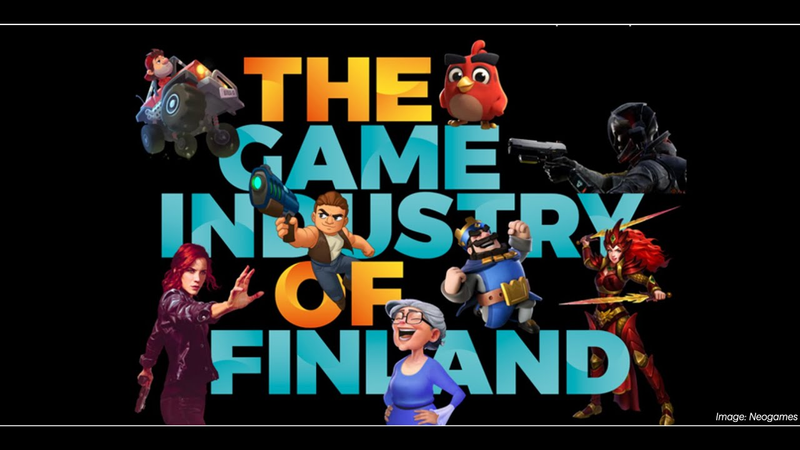
The Finnish Game Industry Is in Trouble — Here’s Why No One’s Talking About It
The Finnish game industry is currently facing a period of significant instability, characterized by a decline in venture capital funding, a stagnation in new studio formation, and the closure of established developers.
- The Finnish game industry is experiencing systemic instability marked by a decline in venture capital, a stagnation in new studio formation, and the closure of established developers.
- High-budget transmedia projects, such as animated series based on mobile IP, are increasingly viewed as costly distractions that fail to generate reliable revenue or drive significant in-game spending.
- Industry analysts argue that resources currently diverted to transmedia expansions should be redirected toward improving live operations, production quality, and management to ensure business sustainability.
Nintendo Preps, Riot's Fighter Roster Revealed, and AC Shadow's Beautiful Dunk | Games For Breakfast
The gaming industry is currently navigating a period of significant structural and strategic shifts, characterized by corporate restructuring, hardware transitions, and evolving player-support policies.
- Nintendo is preparing for its next-generation console transition, with industry expectations anticipating a $400 price point, full backward compatibility, and seamless account migration.
- Ubisoft is restructuring its operations by creating a dedicated subsidiary for core franchises like Assassin’s Creed and Far Cry while securing a minority investment from Tencent.
- Riot Games will launch its upcoming fighting game, 2X KO, as a free-to-play title featuring a curated 10-character roster designed for long-term expansion.
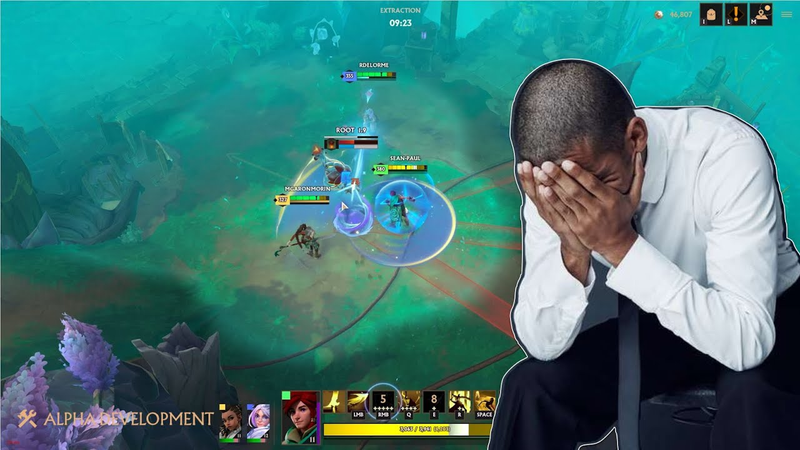
Why VC Bets on ex-Riot & ex-Blizzard Founders Are Failing
Venture capital investment in PC gaming startups founded by former Riot Games and Blizzard Entertainment developers has faced a recurring pattern of failure, characterized by high-budget projects that struggle to gain market traction.
- Venture capital investment in studios led by former Riot and Blizzard developers is failing because high-budget, traditional development models are struggling to gain traction in the current PC gaming market.
- Elodie Games shuttered its studio and cancelled its MOBA extraction title, Seekers of Skyveil, only 18 days after launch despite having secured $32.5 million in funding.
- Founder pedigree is no longer a reliable predictor of success, as modern players prioritize gameplay innovation and accessibility over the historical industry credentials of studio leadership.
Tencent is a Military Company? | Roundtable News | 359
The global gaming industry is currently navigating a period of profound structural contraction, defined by widespread layoffs, studio closures, and a notable lack of innovation within the traditional AAA production model.
- The global gaming industry has undergone a significant contraction over the past two years, resulting in approximately 20,000 job losses due to the unsustainable costs of the traditional AAA production model.
- Major publishers are increasingly relying on risk-averse strategies, such as remaking established intellectual properties and integrating AI, to offset financial pressures and operational inefficiencies.
- Creative innovation is shifting away from large-scale corporate projects toward the indie sector, which utilizes more efficient development cycles to foster growth.

🏆 The 2024 Golden TWIG Awards: an Unfiltered Gaming Industry Award Show
The 2024 gaming landscape is defined by a stark dichotomy between the resilience of agile, creative titles and the systemic failures of high-capital, venture-backed enterprises.
- The gaming industry experienced a significant contraction in 2024, resulting in approximately 14,600 layoffs as companies corrected for post-lockdown operational bloat and inflated valuations.
- Despite broader industry struggles, Steam reached a record-breaking 39.3 million peak concurrent users, demonstrating that consumer engagement remains high for platforms that successfully capture market demand.
- High-capital, venture-backed AAA projects are increasingly viewed as unsustainable, evidenced by the failure of titles like Concord and Squad Busters to achieve market fit despite massive development budgets.
TWiG #296: THE RETURN OF LONG LOST HOST + Black Myth Wukong Goes Ape Shit and Stormgate Flops
The global gaming industry is currently navigating a period of intense volatility characterized by shifting player engagement patterns and the unsustainable escalation of AAA production costs.
- The gaming industry is facing a crisis of unsustainable AAA production costs and a stagnant hardware install base, forcing a shift away from traditional $70 premium models toward shorter, high-impact experiences or live-service ecosystems.
- Black Myth: Wukong has shattered Steam records, demonstrating the massive, untapped influence of the Chinese market on global commercial performance.
- Market performance is increasingly polarized, evidenced by the commercial failure of the RTS title Stormgate due to poor execution, contrasted with the success of EA’s College Football 25, which leveraged brand nostalgia and strategic bundling.
TWiG #291 Valve Salaries, Leaked MiHoYo Strategy, and Failing Disney IPs!
The global video game industry is currently navigating a period of significant structural transition, characterized by shifting demographic preferences and the struggle to balance traditional monetization with emerging subscription models.
- The global video game industry is projected to grow from $200 billion in 2022 to $307 billion by 2027, driven primarily by Gen Alpha and Gen Z preferences.
- Valve’s 2021 operational data highlights extreme profitability, with a lean staff of 336 employees earning an average annual compensation of $1.32 million, though this model limits the company's ability to scale.
- Subscription-based models like Microsoft's Game Pass have yet to achieve the mass-market adoption necessary to replace traditional hardware-centric revenue strategies.
Beat the Bear: Raising Funds in a Challenging Landscape - Matthew Buxton, MYSTiC Games.
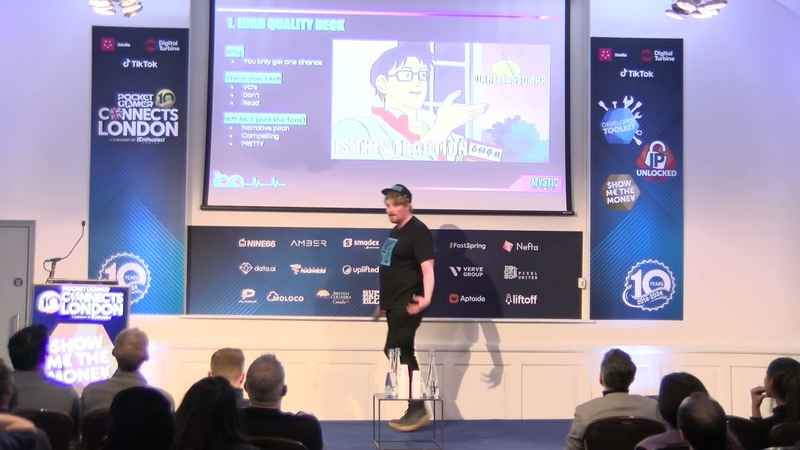
Raising venture capital in the current gaming industry landscape requires a strategic, disciplined approach that acknowledges the inherent risks and power dynamics of the investor-founder relationship.
- Fundraising is governed by power laws rather than pure meritocracy, with investors heavily favoring teams that possess proven track records or affiliations with major entities like Riot Games.
- Approximately 90% of startups fail, leading venture capitalists to act as risk-averse portfolio managers who prioritize social proof and peer validation to mitigate their exposure.
- Founders should employ a tiered pitch strategy, starting with lower-priority investors to refine their narrative and gather feedback before approaching top-tier targets.
Palworld Explodes / Riot Scales Back / Newzoo’s 2024 Report / Bullish Trends
The global gaming industry is currently navigating a period of intense operational recalibration, characterized by both the explosive success of independent hybrid titles and widespread corporate restructuring.
- The gaming industry is undergoing a period of significant downsizing, with approximately 4,000 layoffs recorded in early 2024 as companies correct pandemic-era hiring excesses.
- Riot Games has initiated a major restructuring, laying off 11% of its workforce and closing its Riot Forge label to shift toward a more focused, project-centric model.
- Newzoo’s 2024 forecast projects conservative industry growth of only 1%, reflecting market contraction, persistent inflation, and a move away from overly optimistic financial projections.
Baldur's Gate 3 Launch / Playtika Earnings / Dota 2 Arcade Shutdown
The gaming industry is currently defined by a stark contrast between the resurgence of high-fidelity, complex RPG experiences and the stagnation of established mobile sectors.
- Baldur’s Gate 3 has demonstrated significant commercial success for high-fidelity, complex RPGs, signaling a strong market appetite for deep, faithful adaptations of established mechanics like Dungeons & Dragons.
- The social casino sector, including firms like Playtika and PlayStudios, is experiencing structural decline characterized by stagnant user growth and rising customer acquisition costs in a privacy-focused market.
- Social casino companies are being forced to pivot toward consolidation and direct-to-consumer platforms as traditional monetization models reliant on high-spending users fail to sustain valuations.
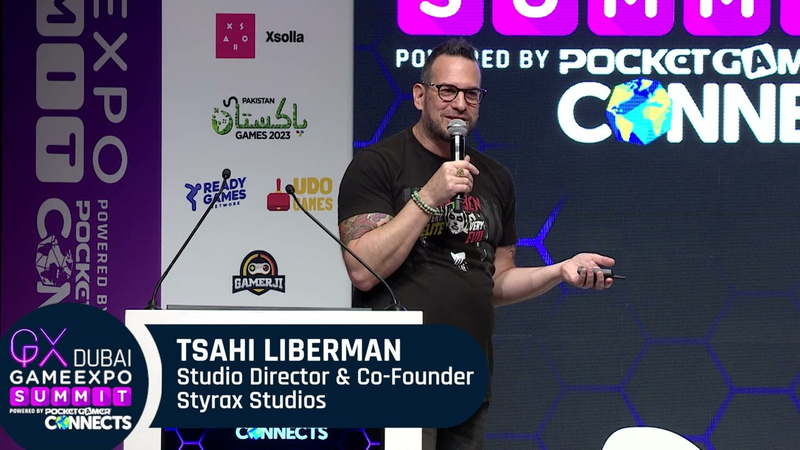
The Intersection of Metaverse, AI & Mental Health - Tsahi Liberman, Styrax Studios Inc
The intersection of artificial intelligence, the metaverse, and mental health represents a critical frontier for game design, as developers increasingly grapple with the industry's role in addressing rising global trends of loneliness, social isolation, and stress.
- Social isolation is a critical public health issue, with risks comparable to smoking 15 cigarettes daily, necessitating the integration of psychological support structures into digital game ecosystems.
- Developers should leverage AI to evolve NPCs from static, transactional entities into empathetic agents capable of providing genuine social support.
- Game designers can mitigate toxicity and improve community health by implementing reward systems that incentivize prosocial behavior, such as the honor-based skin initiatives utilized by Riot Games.
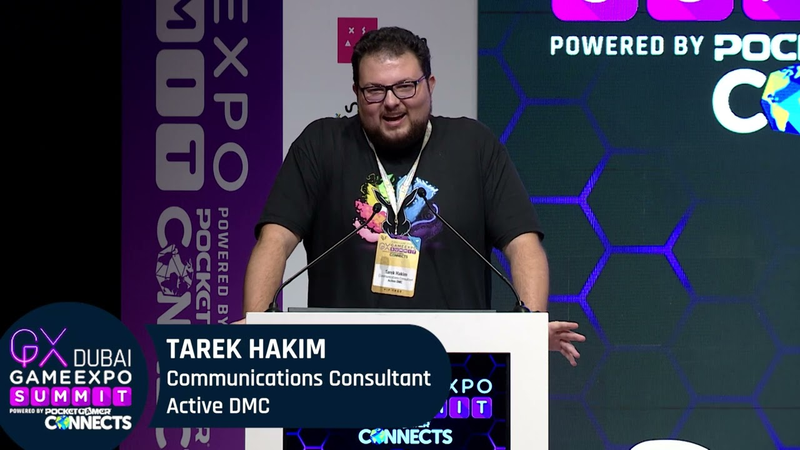
Communication, Marketing & PR in Gaming & Esports - Tarek Hakim, Active DMC
Effective communication, marketing, and public relations in the gaming and esports sectors rely on building emotive, two-way relationships with communities rather than simply broadcasting messages.
- Successful gaming and esports marketing requires shifting from transactional broadcasting to building emotive, two-way relationships that address specific community pain points.
- Deep localization is essential for global success, as demonstrated by Fortnite’s use of regional servers and culturally specific in-game events, and Riot Games’ localized social media campaigns.
- Brands should treat communication as a continuous dialogue rather than a one-way promotional effort to foster long-term trust and loyalty within the gaming ecosystem.