1 free read left. Create a free account for unlimited reading + AI research.
Create free account
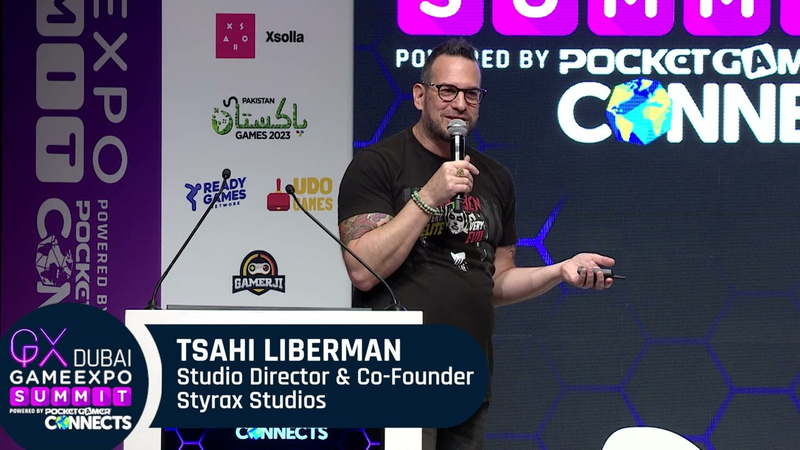
The Intersection of Metaverse, AI & Mental Health - Tsahi Liberman, Styrax Studios Inc
Key insights
6 takeaways- 01Social isolation is a critical public health issue, with risks comparable to smoking 15 cigarettes daily, necessitating the integration of psychological support structures into digital game ecosystems.
- 02Developers should leverage AI to evolve NPCs from static, transactional entities into empathetic agents capable of providing genuine social support.
- 03To improve player well-being, games should embed mindfulness and relaxation techniques directly into core gameplay loops.
- 04Game designers can mitigate toxicity and improve community health by implementing reward systems that incentivize prosocial behavior, such as the honor-based skin initiatives utilized by Riot Games.
- 05AI-driven behavioral monitoring should be deployed to proactively identify players in distress and provide them with in-game support or links to external therapeutic resources.
- 06Developers can promote physical health by integrating 'move-to-earn' mechanics or companion applications that tie real-world physical activity to in-game progress.
Ask AI about this video
Transcript
some good buzzwords in this one so uh the intersection of metaverse AI and mental health so you've got some got some good buzzwords in there so we have uh um Tessie Lieberman from starrex Studios Masala hair how is everyone it's great to be here it's my first time in Dubai and let's check that this is actually working I'm playing with the microphones feeling like a rock star here so it's great to see all of you here and today we're going to be speaking about the intersection of AI metaverse and mental health and let's get going what is it oh this is probably is this like no this is the wrong direction
yeah okay great so I'm sorry liberman I'm based in Israel I'm the co-founder of starex Studios Studio game Studio that is based in Halifax Canada I've been in the industry for quite some time over 20 years and been in blockchain and webtree from 2014 it was a a very adventurous Road I might say but I wanted to start with one of my favorites I'm a big Rick and Morty fan and for me um Rick and Morty were always representations of a very color colorful characters and what I always noticed is that they are so full of anxiety and stress and they have so many different you know personalities so um sorry so just like Mori uh in in that in that TV series virtual words
inhabitants or virtual world players have many different facets of the same personality and eventually they have different usage for the same game different playing Styles we can remember Bartel 35 years ago speaking about the collector the killer the the socializer and so forth and there are many other differentiations like navic uh speaking about the different play styles for the blockchain world how is this actually affecting us when we are designing a gaming World in terms of stress in terms of anxiety in terms of depression right how do we design those worlds when we support not just the playability but also the mental health of those players um so a very recent report in the U.S by the head Health Care Ministry have shown a very concerning data and maybe
I'll just pick this one because this is walking is it walking great okay this is this is better so when we look on the data that is very concerning because we see all the you know uh it's it's actually an epidemic of loneliness and isolation in terms of social connectivity right if we look on the different aspects of social isolation or my social engagement with the different friends I have even family members or my chromatic commodity in those specific virtual words we see that declining in many different at least you know 20 percent and some of them even more so that's very concerning in terms of date that data and of course mental health is affecting physical situation my physical
health right so we can see a striking data here that lacking social connection is affecting my health even more than smoking up to 15 cigarettes a day that's in insane or even more than drinking six alcohol drinks a day and of course when we are speaking about the social connection influence on my health it consists out of many different components right psychology wise right it affects my stress levels my safety levels right my hopefulness I'm not feeling hopeful my biology right I I'm releasing more stress hormones I feel insecure and my behavior I'm smoking more I'm sleeping less and that we can see also in the virtual world when it's designed in a very wrong way right and the structure for that is also consists out of three components right
my do I have the emotional support in that virtual world do I have that mentorship do I have those components that are monitoring me or supporting me in my connectivity to others and of course all of those are striking data that we need to consider but let's grab a little bit of a history lesson when we look at technology there will always those who said we need to fight it it's gonna hold out our progress as human beings it's going to take out work workplaces and we can start with the ludites in the 19th century the ludites were a bunch of textile walkers in England that said hey we are against those machines they went to factories and they actually broken up machines they said this is gonna stop progress for us um and then on the 19th century when
electricity came electricity was the devil you can see on the right a poster that is showcasing the dangers of using electricity that is gonna be disastrous for the humankind and on the left side we can see another 19th century poster about vaccinations why do we need to cope with medicine right why do we need medicine even we can cope with that ourselves medicine is poison so there were always those who were trying to say progress for us is not actually a progress it will change Evolution and we can see the same case with AI Justice protest by or this you know collection of signature by Elon Musk and others where AI is a danger to evolution but today we can create so much with AI we can generate thousands of AI characters game assets on the fly right we can see that in many different many different
games we can use Chachi PT to create content and we can even and that was discussed before we can use companies like in world or others just to create those effective human human oriented or empathic game characters that we can speak to right and they can reply not as a working billboard but I can actually feel that I'm part of the gaming world and of course that saves quite a lot of time budgets and Empower everyone right with that shiny toolbox that we can create more and more content and create games ourselves So currently we are in a phase where we can even if we are not professionals if we are not artists if we are we if we are lacking the coding skills we can use any of those you know game engines you can use buildbox we can use core we can
use the ufvn for fortnite to create those gaming surroundings and when you look on the meta verses and it was discussed Before Me by Fernando you would see many different metaverses out there and if you can go to the list of metaverses you would see hundreds of them not just the main one which is sandbox at the central end or spatial of course there was there were so many in the history right second life was here 20 years ago and you could draw money you can go to an ATM in Second Life and get cash you can start a business in Second Life so what's different right we see so many metaverses nowadays and the problem is that most of them are empty when you're speaking about 100 players playing a metaverse why is that is it because they are just we have just plenty of those or something in the design or the purpose right of the game
world is problematic um so are we are we on the path to create fun Health oriented experiences I'm not sure about that so I want to summarize my talk I don't know why I have 10 minutes that's good um I want to summarize my talk by five key takeaways in order for us to develop or create or design a mental healthy gaming world so the first one is Foster positive relationships and we spoke about AI characters we need to create AI characters that are supportive that are positive for our relationship with the world that are encouraging us to do more and create those different relationship with our comrades but also you know be uh feel like we are having that sense of belonging and if we look on the data we
can see of course for many years the the attitude of players towards NPCs is that they always want that interaction to be more reasonable because what we mostly do when we play a game and we went and we go to an NPC we go forward to steps and back one step and we always try to find the right path to get the right answer but that is not a quiz that is not how real conversation are taken care of so for players and for gamers we are interested in that realism in that sense of having a real conversation with the game character that support us but also a game character that is there for us is there to encourage us when we are down and understand when we are going a path which is a little bit negative in terms of the game play um and I highly recommend that
um that talk from GDC about the lives of others so how do you design or how do you create NPCs that can increase or can support player empathy um the second one is mindfulness and a couple of the couple of people here already asked me about how do you combine those in a game right we we uh see or meet so many players which are stressed out and you feel when you're interacting with them of course not during a PVP match but when you are just role playing and you you are speaking to them you feel something is wrong they are they're tired they either annoyed by something but eventually everything adds up and games are supposed to be our escape from some of our real life situations and for that I would say let's try to combine or embed some relaxation techniques or some mindfulness techniques into the gameplay
and it's not easy I didn't see many games who do that but I did see many games that are dedicated or a couple of games that are dedicated to that so helium uh it's on it's an Oculus and other platforms and you can start a meditation or the mindfulness activities there and and highly successful and allo it's also an interesting uh and interesting platform which is which helps you create your own metaverse space but also have that Yoga online yoga meditation sessions over there to relax and then go back to your normal uh playing activities the third one is reward positive behaviors if we see players that are not just toxic in the game or not just playing the game but also helping others supporting others promote that connection create a relationship in that gaming world I
would love games to notice that and reward them for being just great players but great human beings in promoting that community and supporting them while their play and that could be in character or out of character and um we can see the case by League of Legends so Riot initiated the three skins initiative where you can they they uh designed a specialized unpurchasable set of skins that you can gain if you are recommended by players that you're a good supporting player for your comrades for the objectives in the game uh but also if you are reviewed by other players if you are completing quests which are related only to that and they paved the whole path for unlocking that so you cannot buy that but you can gain that and you can see you know few of those players while you play and that is
like The Honorable system for them so uh it's highly coveted and players are trying to do that so convincing them yes it's extrinsic reward but in a way you are internally encouraged to do more so that's that's a good example four is um if we already have a i mechanisms if we already have a AI plugins why won't we use them to detect which of our players is at risk we can identify those toxic or negative or you know declining behaviors that we can collect that data of course in depend pending on privacy and then offer a solution the solution could be out of the gaming world right support in terms of therapy or we can have a dedicated AI companion while we play that can be a character completely and that character can kick in when it
feels like hey dude you are on a slippery slope and I want to support you with that and that takes that dialogue that support can be in character that could be in that game World theme um so we we have the checklist we know what point we need to follow and track of course this is a very you know low level detection but that can be supported by a real therapists in and outside of the game and there's an Israeli company that is working on something like that which is AI companion that is trying to track behaviors and they're teaming with different hospitals around the world so it's really interesting to see that in action and how many people they can save and the fifth one is promote physical activity we've seen early in the day uh speaking about step in for example right so we know that physical activity when you're into a depression or loneliness or
anxiety it releases it releases hormones that helps you feel more happy more fulfilled more satisfied more powerful and we need that in the game so not every game is suitable for that I've seen many games which are on AR when they track your physical steps or activities we have those on VR but you can also create an app that is complementing your game which is on PC that helps you walk more do more physical activity run like Zombie Run game and collect those points and cash them in right so promote that be healthier using physical activity and those examples can be from you know step in which we already know that you are getting points collecting points caching them having those specialized shoes sorry
through a genopads that your fighting monsters or creating your monsters through your steps and fitness activities through dustland which is around uh it's it's a move to Aaron Runner uh which is I think it's in development currently to others like boxing activities that are available on VR so I think the combination of the mix of physical activities with playing in digital games while sitting that's uh contributing to your mental health and your physical health um and that's it folks one minute before the end that's nice do we have any questions good job yes do we have any questions anyone don't be shy I'll have to ask questions okay um no that was really interesting I guess your um you know you're throwing together some some views that you have about how this kind of stuff should play out oh you know are you you had the example of
uh League of Legends but in general you seeing this being something that developers are interested in or is this going to be sort of you know quite a a sort of Slow Burn to get these sort of aspects and obviously obviously not necessarily not all aspects will go into all games but you know as I'd say at the moment most developers are not thinking about this sort of stuff yeah yeah right right so um of course naturally it depends on the nature of the game in highly competitive games you would find sometimes many toxic communities I was a DOTA player professional player for many years and I've met one of the toxic communities out there and when you see those players which are not bad personas in in terms of their being human beings um you would see that high level of competition that is also contributing to the toxicity of the conversation and how they treat other players other treat other genders and for me
we've seen the the case of Riot which was initiated by them it was their idea not the community idea because they wanted to Showcase how we deal or how we promote um you know diversity but also inclusiveness and supporting that Community but yeah I bet that other companies will follow and I've seen couple of developments that are out there so hopefully that will happen and we'll see more on that okay thank you for that lovely thank you very much okay thank you
Summary
The intersection of artificial intelligence, the metaverse, and mental health represents a critical frontier for game design, as developers increasingly grapple with the industry's role in addressing rising global trends of loneliness, social isolation, and stress. Drawing on over two decades of industry experience, the analysis posits that virtual worlds must evolve beyond mere entertainment to become environments that actively support player well-being. Current data indicates that social isolation carries health risks comparable to smoking 15 cigarettes daily, underscoring the necessity for developers to integrate psychological support structures into digital ecosystems.
To foster healthier gaming environments, the analysis outlines five strategic pillars for developers. First, designers should leverage AI to create empathetic, non-player characters (NPCs) that offer genuine social support rather than static, transactional interactions. Second, games should embed mindfulness and relaxation techniques directly into gameplay loops to provide players with accessible stress-relief tools. Third, developers must implement reward systems that incentivize positive social behaviors and community support, citing the success of Riot Games’ honor-based skin initiatives as a model for encouraging prosocial conduct.
Fourth, the integration of AI-driven behavioral monitoring can help identify players at risk of distress, allowing for proactive, in-game support or connections to external therapeutic resources. Finally, the industry should promote physical activity by incorporating "move-to-earn" mechanics or companion applications that link real-world movement to in-game progress. While acknowledging that competitive gaming environments often struggle with toxicity, the analysis concludes that the industry is gradually shifting toward prioritizing inclusivity and mental health. By adopting these frameworks, developers can transform virtual spaces into environments that enhance both the psychological and physical health of their player bases, ultimately fostering more sustainable and meaningful digital communities.