Niantic
Documents about Niantic
GameOver Weekly
This industry update provides a critical analysis of current trends in the free-to-play (F2P) video game sector, focusing on the disruptive impact of artificial intelligence, the skepticism surrounding developer funding models, and the shifting landscape of augmented reality (AR) gaming.
- Scopely has acquired Niantic’s gaming division, including Pokémon Go, for $3.5 billion, signaling a strategic shift for Niantic toward AI-driven geospatial mapping.
- AppLovin is in advanced negotiations to sell its gaming unit to Tripledot Studios for $900 million, consisting of $500 million in cash and $400 million in equity.
- Skich has launched a third-party mobile game store for iOS in the European Union, offering personalized recommendations and a 15% lower developer fee than Apple’s App Store.
Listen to Your Elder Scrolls
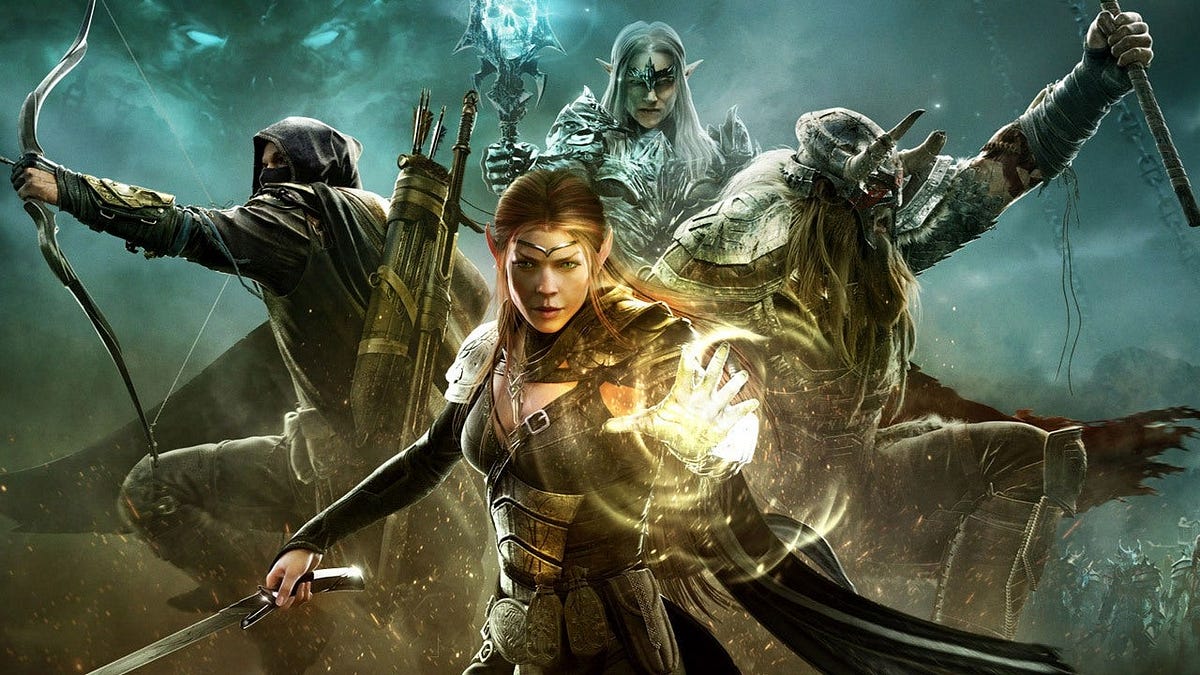
The provided text examines the resilience and strategic evolution of live service games, using The Elder Scrolls Online (TESO) as a primary case study.
- The Elder Scrolls Online has generated $2 billion in lifetime revenue over its decade of operation by prioritizing sustainable community building and flexible engagement.
- Successful live service titles must pivot development priorities to meet player expectations, as demonstrated by TESO’s transition from a tab-target MMO to an action-oriented experience.
- Developers should implement horizontal progression systems and design for 'fickle' audiences to ensure players can easily return to the game after breaks.

Pocket Gamer Reacts: Breaking down Scopely's blockbuster $3.5bn deal for Niantic's games business
Scopely’s acquisition of Niantic’s games business for $3.5 billion represents a major consolidation within the mobile gaming sector, signaling a strategic pivot for both organizations.
- Scopely has acquired Niantic’s games business for $3.5 billion, taking over the development and live-service operations for titles including Pokémon GO, Monster Hunter Now, and Pikmin Bloom.
- Pokémon GO remains the primary financial anchor of the deal, having generated over $8.5 billion in lifetime gross revenue.
- Niantic is pivoting to focus on geospatial AI technology, supported by a $250 million funding round that includes a strategic investment from Scopely.
The Debrief: February 2025
The February 2025 industry summary provides a comprehensive overview of significant corporate developments, regulatory shifts, and market trends within the global video games sector.
- Niantic is reportedly nearing a $3.5 billion deal to sell its games division, including Pokémon Go, to Scopely, while retaining its geolocation and mixed reality technology business.
- Warner Bros. has closed three studios—Monolith, Warner Bros. San Diego, and Player First Games—and reportedly canceled its forthcoming Wonder Woman game as part of a strategic shift following a year of poor performance.
- MTG completed its acquisition of Plarium, the creator of Raid: Shadow Legends, from Aristocrat Leisure for $620 million.
Week in Mobile Games E43 - NetEase scales back, Jam City's Ludia sale, & why Savvy wants Pokémon Go
The global mobile gaming industry is undergoing a period of significant structural realignment characterized by aggressive cost-cutting, divestment, and a pivot toward core competencies.
- Niantic is reportedly exploring the sale of its gaming portfolio, including Pokémon GO, to Scopely as it seeks to pivot toward becoming a pure technology provider.
- NetEase is scaling back its U.S.-based development operations to refocus on domestic production, signaling a shift away from expensive Western studio acquisitions.
- Unity’s stock price surged despite a 25 percent decline in revenue and substantial losses, driven by investor confidence in the company's new cost-reduction and portfolio adjustment measures.

TWIG #319 Scopely 💰 Niantic, Marvel Rivals Drama, and Xbox in Downfall?
The gaming industry is currently navigating a period of significant structural realignment, characterized by aggressive consolidation, shifting consumer demographics, and the struggle to maintain growth in a stagnant market.
- The console market has shifted into a zero-sum environment where Sony is consistently gaining market share at the expense of Microsoft.
- Niantic’s gaming division is currently the subject of acquisition rumors at a valuation of $3.5 billion, highlighting the ongoing struggle to sustain growth in the location-based augmented reality sector.
- Chinese firms like NetEase are pivoting away from costly Western satellite studios, signaling a broader industry-wide shift toward lean operations and away from speculative expansion.
Games Industry Finance Cheat Sheet: Winter 2024
The Winter 2024 financial analysis provides a comprehensive overview of the video game industry’s performance during the final quarter of the year, highlighting a period of significant transition and uneven growth among major market players.
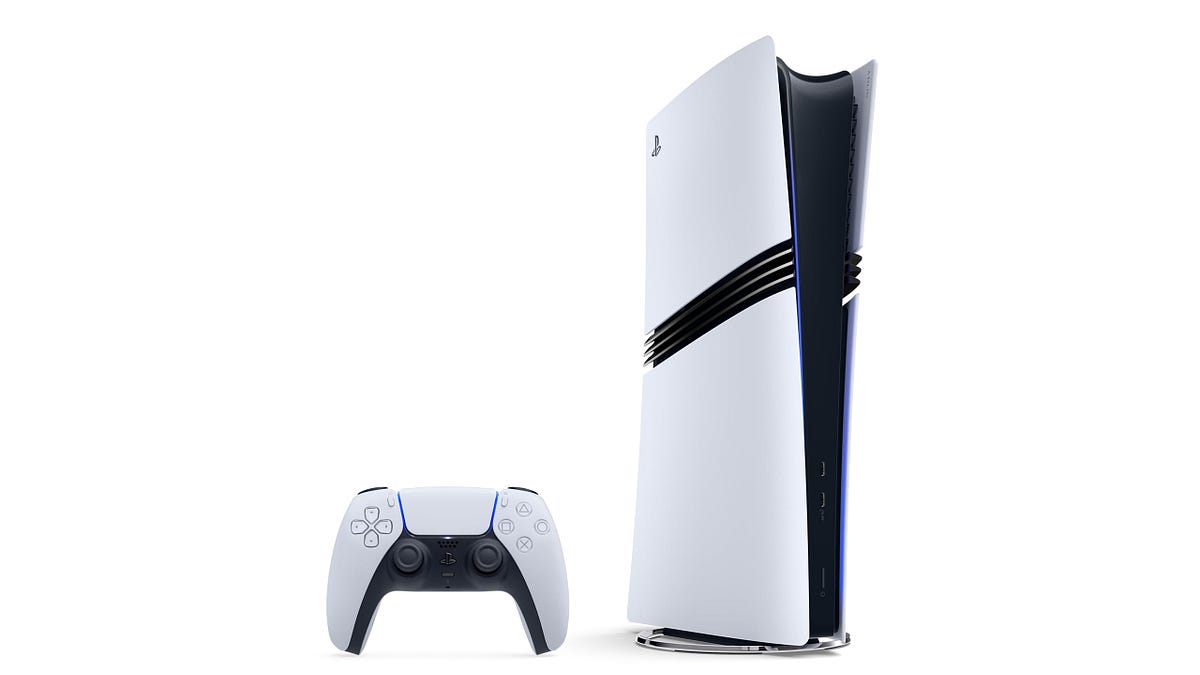
- Sony outperformed the market with an 18% year-on-year revenue increase to ¥4.41 trillion, supported by 9.5 million PS5 console sales and 129 million monthly active users.
- Nintendo experienced a 31.4% decline in net sales as its current console generation reached the end of its lifecycle.
- Ubisoft revenue fell by 31.4% due to a combination of project delays and the poor performance of recent titles.
two & a half gamers session #12 - Metacore 65M loss, Niantic 1 hit wonder, Industry conference guide
The mobile gaming industry currently faces significant challenges regarding user acquisition strategies, the sustainability of metaverse platforms, and the evolving utility of professional conferences.
- High-budget celebrity-led television advertising, such as Metacore’s $20 million campaign, is failing to deliver measurable returns compared to traditional digital user acquisition channels, leading to significant financial losses.
- The mobile gaming industry is struggling to replicate the success of foundational hits like Pokémon GO without the leverage of established intellectual property, highlighting the risks of relying on single-hit titles.
- Professional industry conferences like GDC and Gamescom have shifted in value from formal, lecture-based education to informal, face-to-face networking, which senior practitioners now view as the primary benefit of attendance.
Pokémon GO Hits $8 Billion in Player Spending
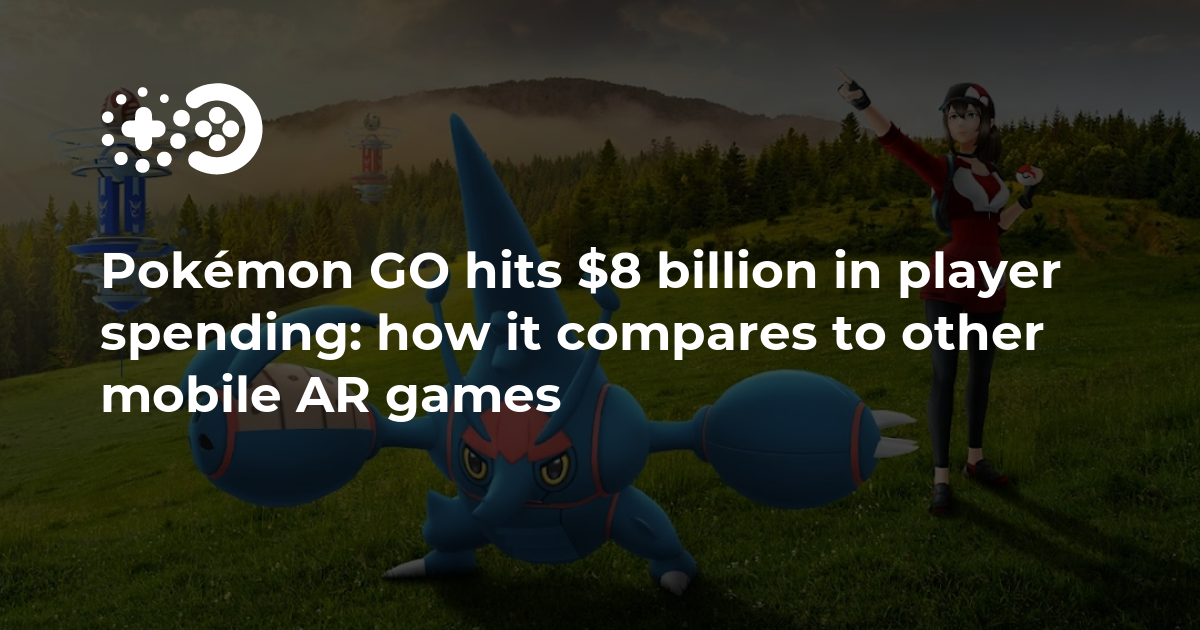
Pokémon GO has reached a significant financial milestone, surpassing $8 billion in lifetime player spending since its 2016 launch.
- Pokémon GO has surpassed $8 billion in lifetime player spending since its 2016 launch, resulting in over $5.4 billion in net revenue after store fees and taxes.
- The game has achieved a global reach of 657 million lifetime downloads, with the United States (38%) and Japan (31%) serving as the primary revenue drivers.
- Annual net revenue for the title declined by 13% year-over-year in 2023, falling to $567 million.
On Spatial Computing, Metaverse, the Terms Left Behind and Ideas Renewed
The evolution of digital environments is characterized by a cyclical reliance on terminology rooted in late 20th-century science fiction.
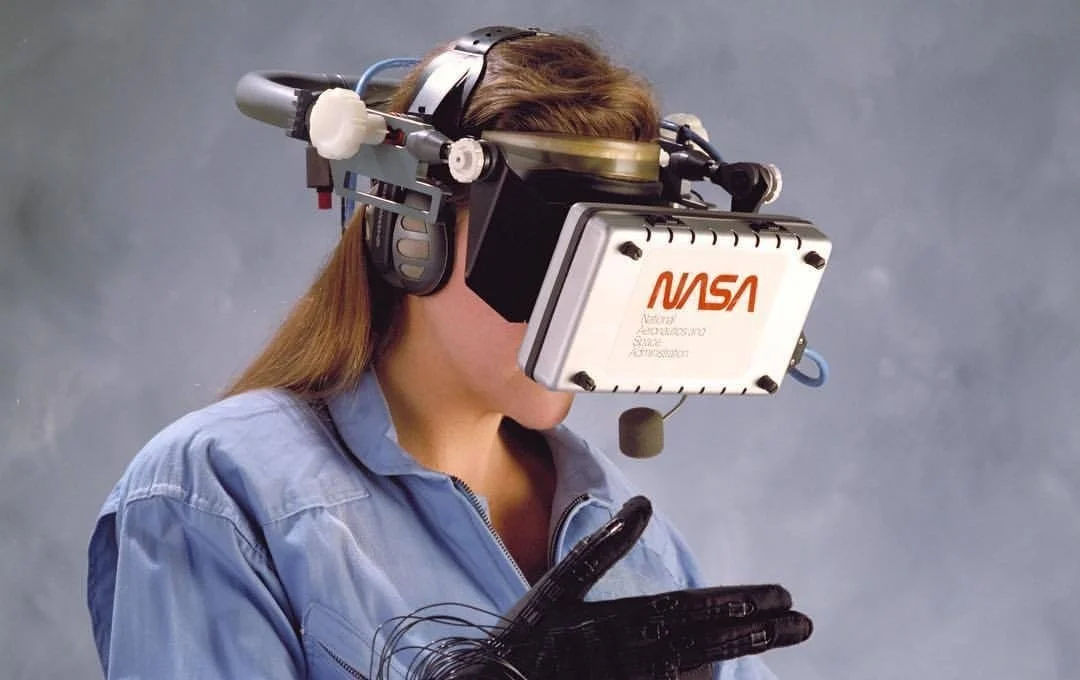
- The terminology for immersive digital experiences has a long and evolving history, with terms like "hyperreality" (1981), "cyberspace" (1981), "Holodeck" (1988), and "Metaverse" (1992) emerging from science fiction and philosophy to describe future interactions.
- Major tech companies like Facebook (now Meta), Microsoft, Nvidia, Roblox, Unity, and Epic Games publicly embraced the "Metaverse" concept around 2020-2021, with Meta even changing its company name, despite the term often being misunderstood by the public as solely virtual reality.
- Apple, in contrast to Meta's "Metaverse" focus, has adopted the term "spatial computing" for its Vision Pro, emphasizing integration with the real world rather than a purely digital one, and priced its device at $3,500, significantly higher than Meta's Quest headsets.

Best Layoffs of the Year
The global video games industry is currently navigating a paradox of record-level performance alongside aggressive cost-cutting measures.
- Approximately 8,000 gaming professionals were laid off in 2023 as firms prioritized short-term profitability and investor satisfaction.
- Smaller, privately-held companies like Epic Games and Niantic have faced significant instability, with some shedding nearly 20 percent of their total workforces.
- Corporate restructuring efforts, such as those at Embracer Group, have demonstrated that aggressive headcount reductions often lead to immediate share price increases.
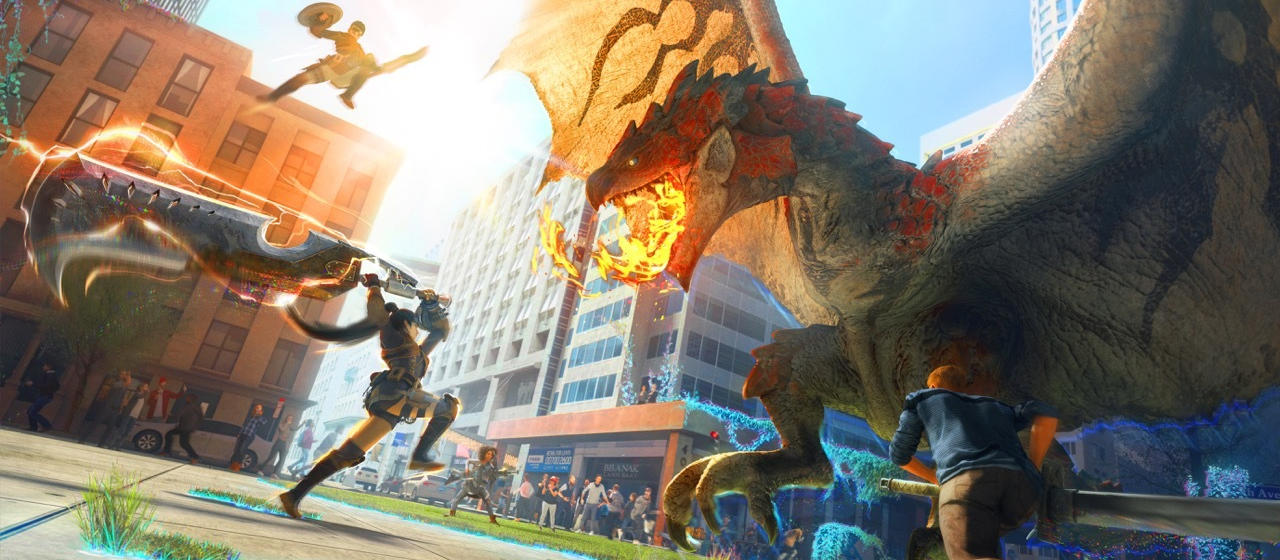
Monster Hunter Now: Has Niantic Finally Found Another Pokémon Go-Sized Hit?
Monster Hunter Now represents a significant performance milestone for Niantic, demonstrating stronger market traction than previous post-Pokémon GO releases.
- Monster Hunter Now has successfully established itself in the top 200 grossing apps in the US, marking a significant improvement over Niantic’s previous title, Peridot, which failed to maintain its initial ranking.
- The game’s success is driven by its adaptation of the established Monster Hunter franchise, which has sold over 94 million copies globally and gained significant Western recognition through console titles like Monster Hunter World.
- Location-based AR games see higher adoption in Japan than in the US, with three such titles currently in the Japanese top 20, compared to only two in the US market.