1 free read left. Create a free account for unlimited reading + AI research.
Create free accountArticle GameMakers
1 free read left. Create a free account for unlimited reading + AI research.
Create free accountArticleGameMakers
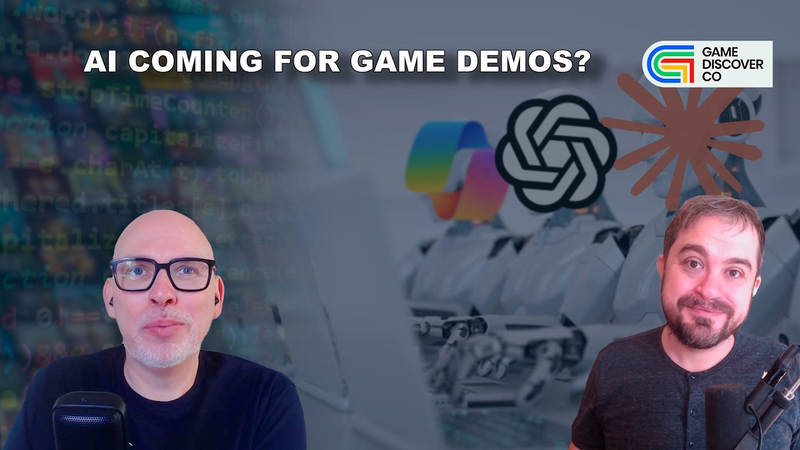
This industry update provides a critical analysis of current trends in the free-to-play (F2P) video game sector, focusing on the disruptive impact of artificial intelligence, the skepticism surrounding developer funding models, and the shifting landscape of augmented reality (AR) gaming. The central thesis posits that the industry is undergoing a structural transition where AI will increasingly automate traditional product management roles, while established business models like AR-focused gaming are being re-evaluated following significant market exits.
Key developments include the $3.5 billion acquisition of Niantic’s gaming division, including Pokémon Go, by the Saudi-owned firm Scopely. This transaction is characterized as a definitive end to the AR gaming hype cycle, suggesting that the success of such titles was driven by intellectual property rather than the underlying technology. Furthermore, the industry is seeing a consolidation of ad-tech and gaming assets, exemplified by AppLovin’s move to divest its gaming unit to Tripledot Studios for $900 million. These events highlight a broader trend of companies pivoting toward AI-driven mapping and advertising technologies while offloading legacy gaming assets.
The analysis also touches upon the evolving regulatory and operational environment for mobile gaming. Notable updates include the launch of alternative mobile storefronts in the European Union, such as Skich, and ongoing discourse regarding child safety on platforms like Roblox. Additionally, the integration of generative AI into development workflows is identified as a primary driver for future cost reduction and content optimization, despite persistent concerns regarding workforce displacement and the current technical limitations of AI in replicating complex gameplay mechanics. The content serves as a high-level briefing for industry professionals, emphasizing the necessity of adapting to AI-centric development and more aggressive monetization strategies.
GameMakers · 2026

GameMakers · 2026

GameMakers · 2026

GameMakers · 2026

GameMakers · 2026

GameMakers · 2026

GameMakers · 2026

GameMakers · 2026

GameMakers · 2026

GameMakers · 2026

GameMakers · 2026

GameMakers · 2026