
The global video games industry is currently navigating a paradox of record-level performance alongside aggressive cost-cutting measures. Data from industry trackers indicates that approximately 8,000 gaming professionals lost their jobs in 2023. This trend is driven largely by corporate efforts to improve short-term profitability and satisfy investor expectations, as evidenced by share price increases following restructuring announcements at major firms like Embracer Group.
The analysis suggests that these layoffs carry significant long-term risks for the industry’s creative health. Widespread headcount reductions undermine innovation by forcing companies to rely on established franchises rather than new intellectual property. Furthermore, the cuts disproportionately affect diversity and talent pipelines. While large publishers like Ubisoft may treat layoffs as minor efficiency adjustments, smaller, privately-held firms—such as Epic Games and Niantic—have shed nearly 20 percent of their workforces. This volatility creates a "bloodletting" effect that discourages new talent from entering the field and neutralizes the heterogeneity required for breakout creative successes.
Beyond labor issues, the broader entertainment landscape is shifting toward high-end spectacles and digital commerce. In the sports and racing sectors, massive investments in events like the Las Vegas Grand Prix prioritize wealthy spenders over mainstream fans. Meanwhile, platforms like Roblox are successfully bridging the gap between virtual engagement and real-world commerce, with internal data showing that 84 percent of Gen Z users allow virtual purchases to influence their physical buying habits. These developments indicate an industry moving toward increased monetization and platform power, even as it struggles to maintain its foundational human capital.
SuperJoost · 2026

SuperJoost · 2026
SuperJoost · 2026
SuperJoost · 2026
SuperJoost · 2026
SuperJoost · 2026
SuperJoost · 2026

SuperJoost · 2026
SuperJoost · 2026
SuperJoost · 2026
SuperJoost · 2026
SuperJoost · 2026
Duamentes Gaming · 2025
Game Developers Conference · 2024
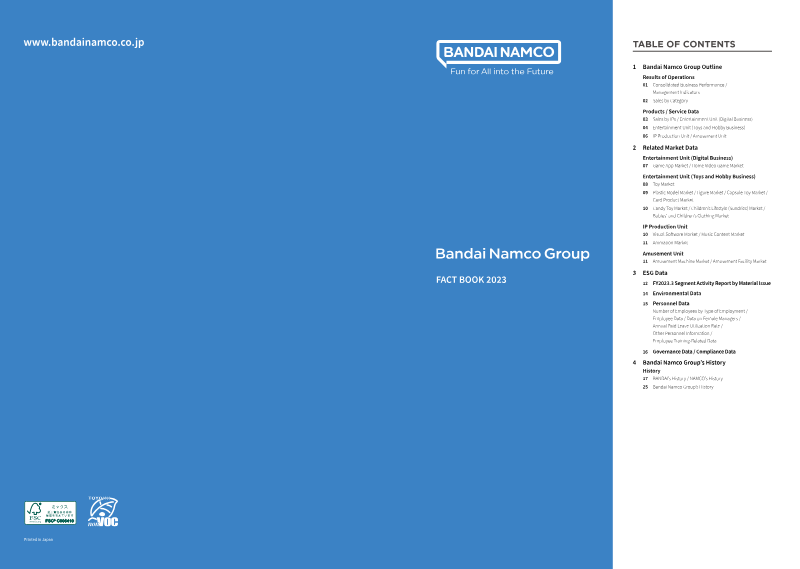
Bandai Namco · 2023
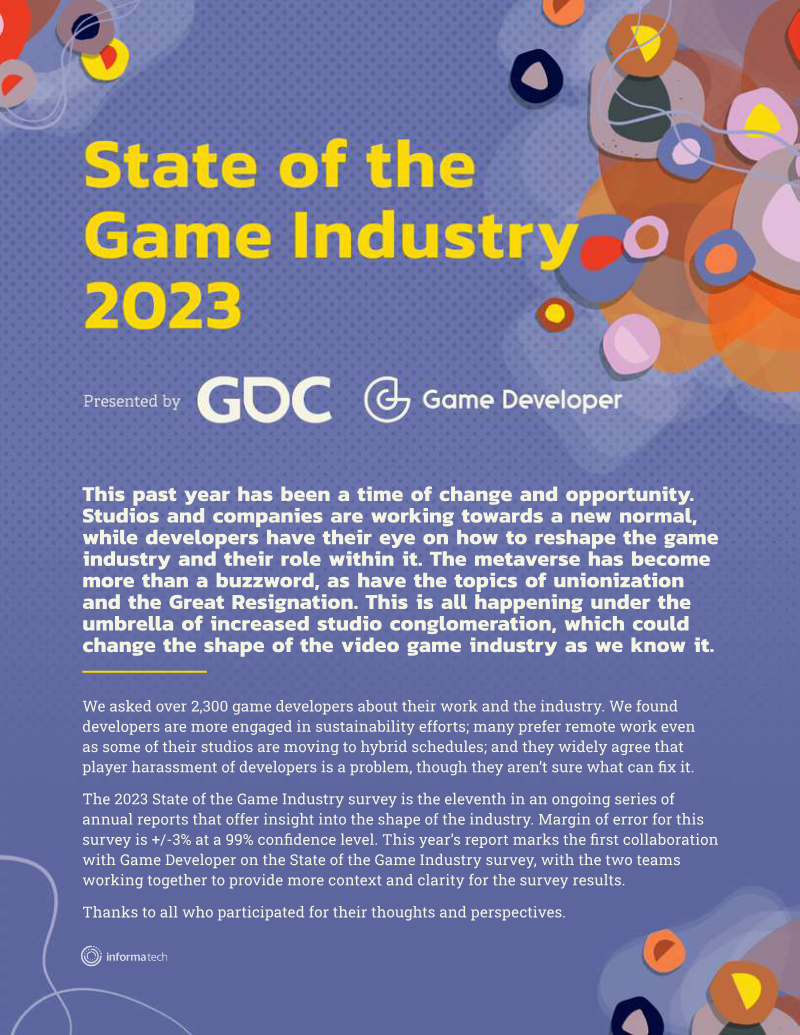
Game Developers Conference · 2023
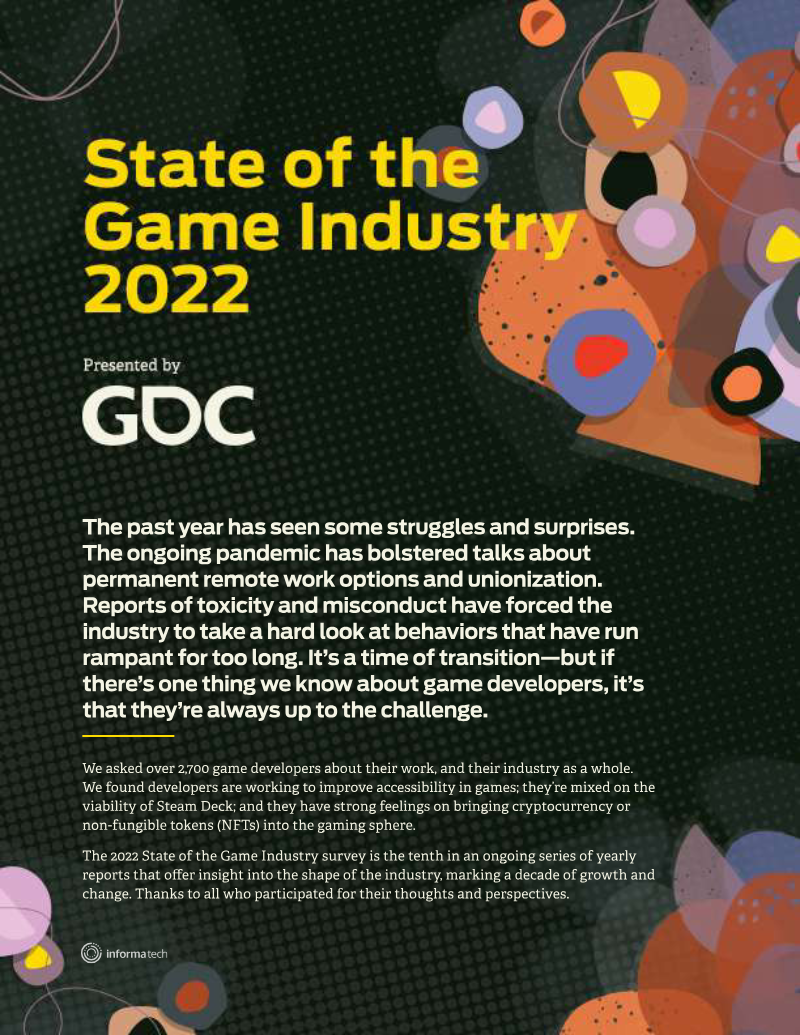
GDC · 2022
Game Developers Conference · 2022
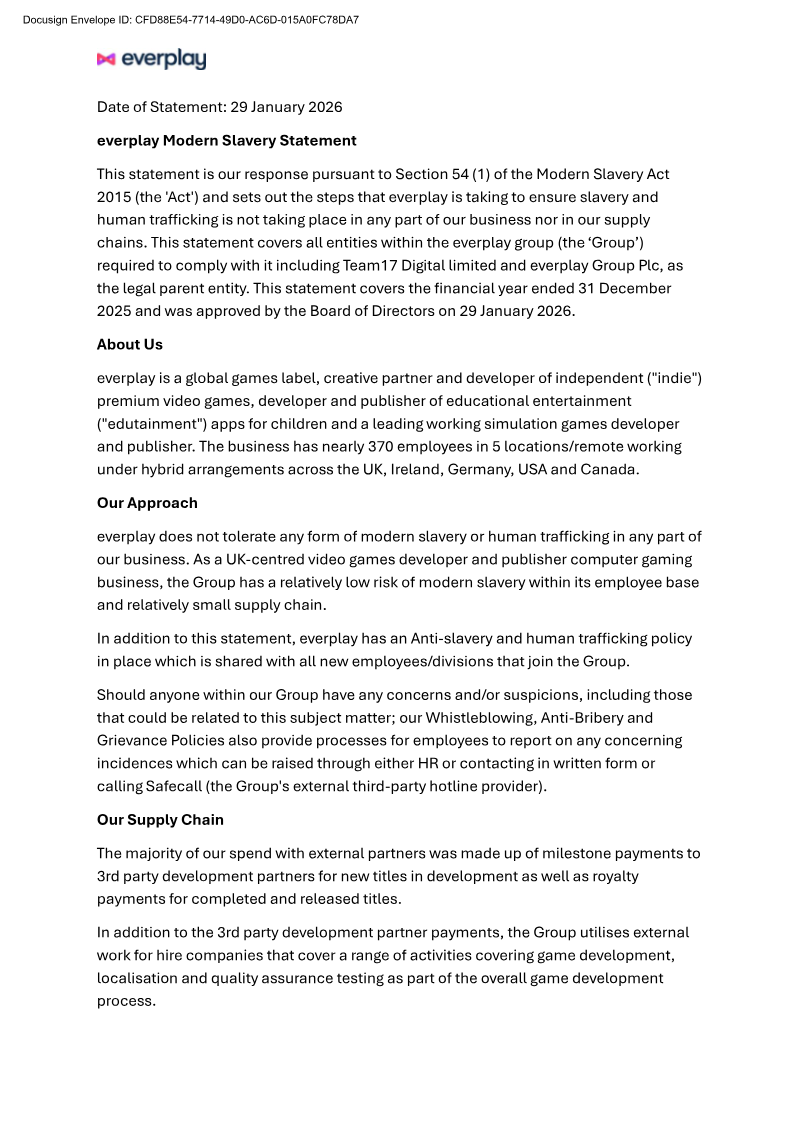
Everplay · 2026
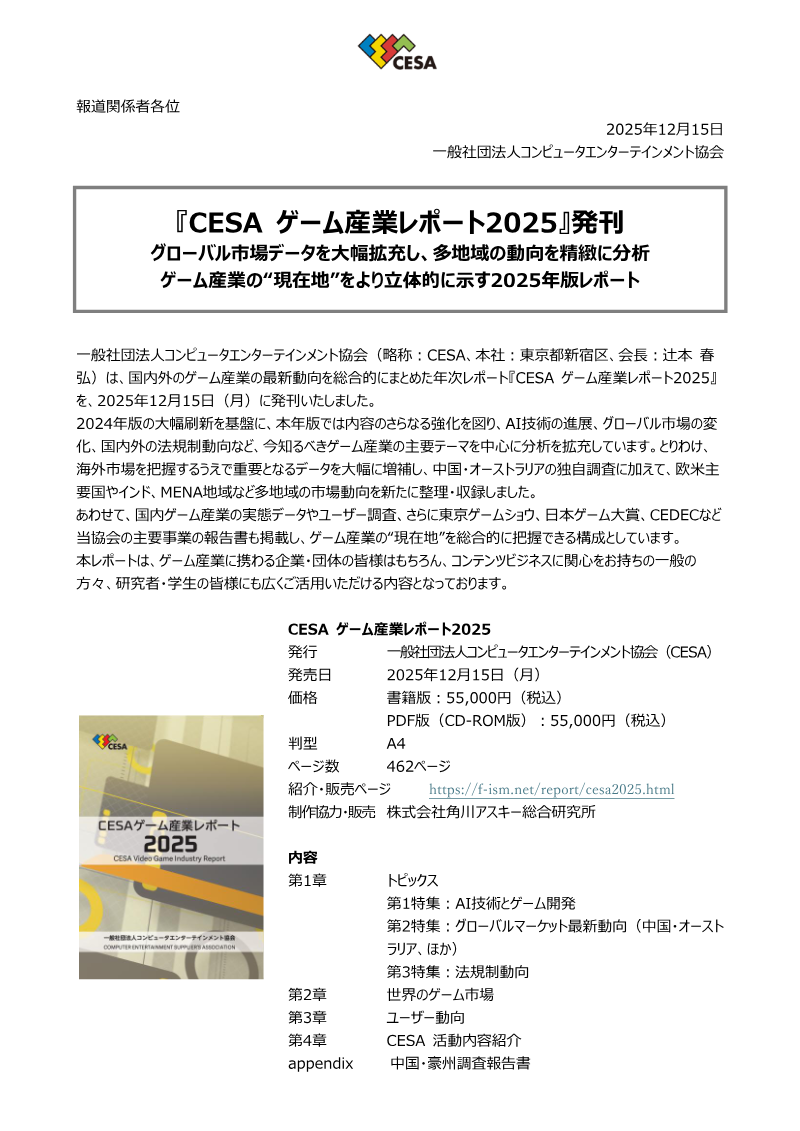
CESA – Computer Entertainment Supplier's Association · 2025

Take-Two Interactive · 2025
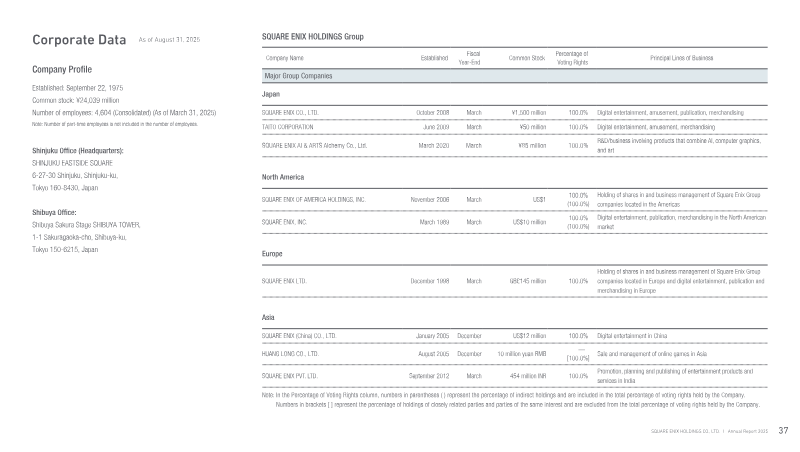
Square Enix · 2025
Electronic Arts · 2025
GDC · 2025