ArticleVideo Games Industry Memo
Games Industry Finance Cheat Sheet: Winter 2024
20 Feb 20251 page~14 min full read
Key insights
4 slides
The standout
Sony revenue rose 18% year-on-year to ¥4.41 trillion.
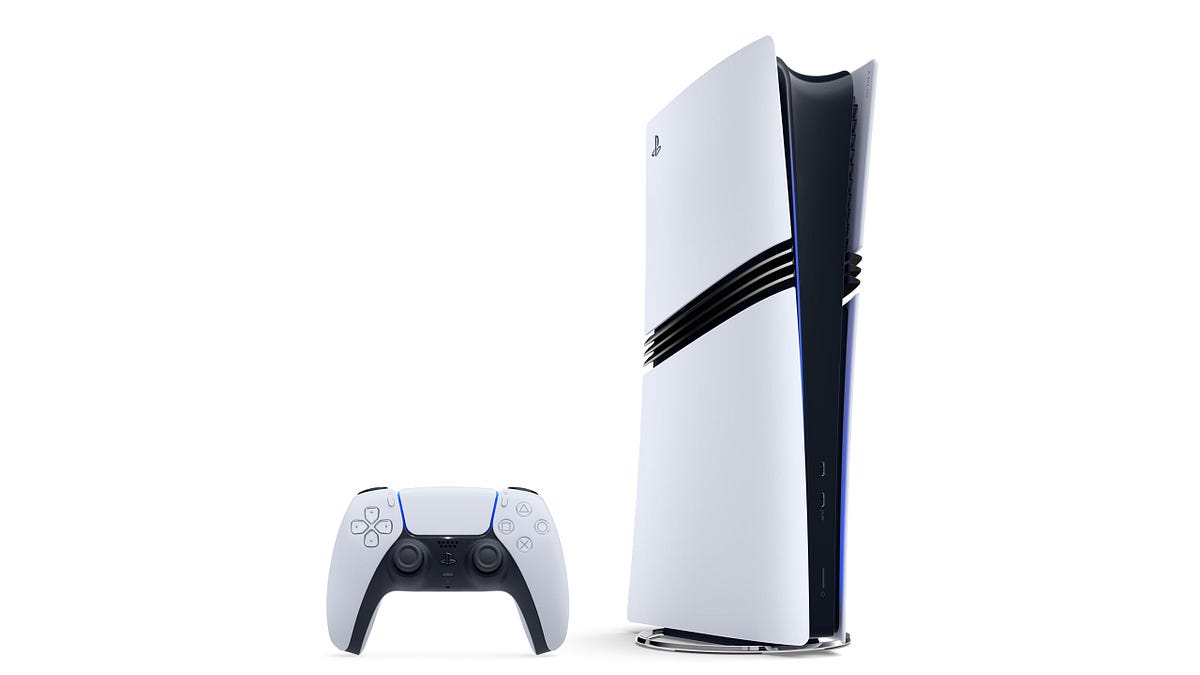
Sony reported an 18% year-on-year revenue increase to ¥4.41 trillion. The company sold 9.5 million PlayStation 5 consoles and reached 129 million monthly active users.
Nintendo decline
Nintendo net sales declined 31.4% in Winter 2024.
Nintendo experienced a 31.4% decline in net sales. Its current console generation reached the end of its lifecycle.
Microsoft gaming
Microsoft gaming revenue fell 7% in Winter 2024.
Microsoft's gaming division saw a 7% revenue decline.
7%
Microsoft gaming revenue decline
- Microsoft hardware sales drop
- 29%
EA bookings
Electronic Arts missed bookings forecasts in Winter 2024.
Electronic Arts missed bookings forecasts due to lower-than-expected retention for EA Sports FC 25. Dragon Age: The Veilguard also underperformed.
1 / 4
Ask AI about this report