Gamecity Hamburg
Association402 documents
Documents
Article
Prototype Funding: Second Funding Round 2026
Gamecity Hamburg has announced the second funding round for its 2026 Prototype Funding program, aimed at supporting the development of innovative game projects. The initiative is designed to assist founders, startups, and small to medium-sized enterprises based in Hamburg by providing financial resources to bring compelling game concepts to market.
The application window for this funding cycle is scheduled to open from September 4 to September 24, 2026. Successful applicants are eligible for non-repayable grants of up to 80,000 euros per project, with a total available funding pool of 180,000 euros for the round. The selection process is overseen by an expert awarding committee, which includes industry professionals from organizations such as Indie Arena Booth, Goodgame Studios, Off the Beaten Track, and Overhype Studios, alongside the leadership of Gamecity Hamburg.
This program serves as a critical pillar for the local games industry in Hamburg, focusing on the early-stage development of prototypes with high market potential. By offering non-repayable financial support, the initiative lowers the barrier to entry for independent developers and fosters the growth of the regional creative economy. Detailed application guidelines and criteria are made available through the official Gamecity Hamburg funding portal at the commencement of the application phase.
- Gamecity Hamburg is offering non-repayable grants of up to 80,000 euros per project for the second 2026 Prototype Funding round.
- The total funding pool available for this specific round is 180,000 euros.
- Applications for the funding program will be accepted from September 4 to September 24, 2026.
- The program is exclusively available to founders, startups, and small to medium-sized enterprises based in Hamburg.
- An expert committee featuring representatives from Indie Arena Booth, Goodgame Studios, Off the Beaten Track, and Overhype Studios will oversee the selection process.
+1
Gamecity Hamburg
Article
Gamecity Hamburg at Gamescom 2026: All You Need to Know
Gamecity Hamburg facilitates the participation of five local indie game studios at Gamescom 2026, held in Cologne from August 26 to 30. Through the Road to Gamescom program, the organization provides these developers with a dedicated space at the Indie Arena Booth, enabling them to showcase their projects to an international audience of publishers, investors, media, and consumers. This initiative aims to foster industry connections and provide professional exposure for Hamburg-based talent.
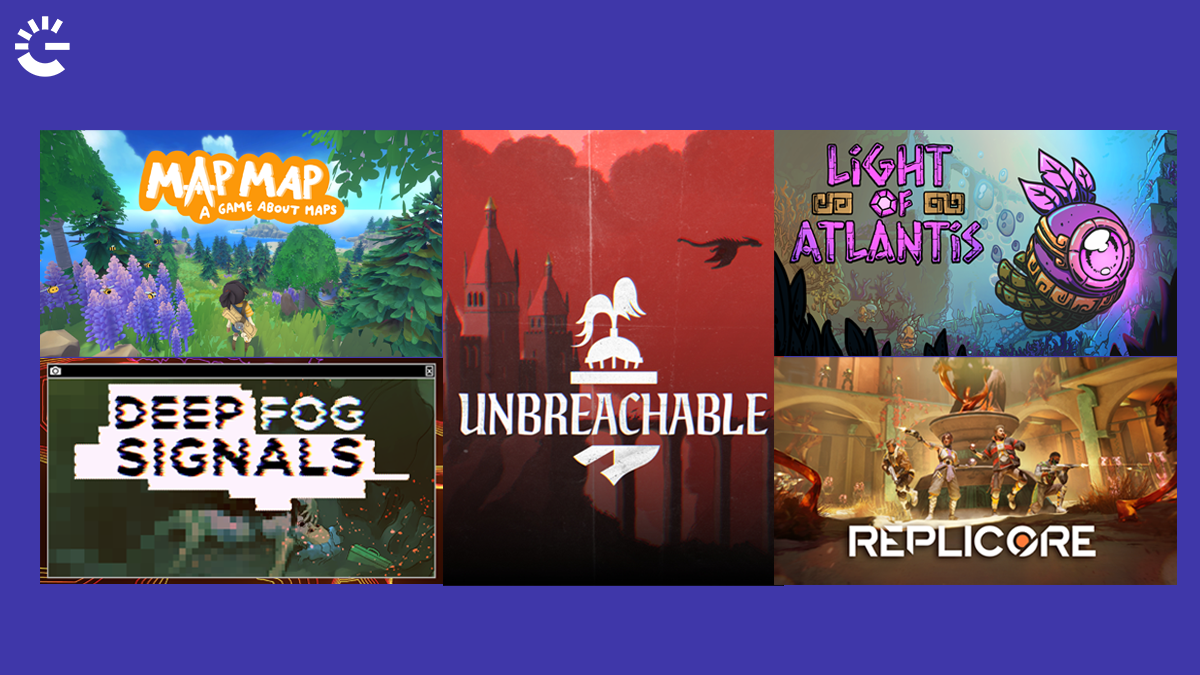
The selected studios represent a diverse range of genres and development stages. Pipapo Games presents the exploration title Map Map, while Duck’n’Run Games showcases the 2D Metroidvania Light of Atlantis. Amberdive Interactive features the cooperative shooter REPLICORE, Buckfish Games introduces the castle-building strategy game Unbreachable, and Symmetry Break Studio brings the narrative-driven Deep Fog Signals. Many of these projects have received prior recognition through regional funding programs, such as the Games Lift Incubator and Prototype Funding, as well as various national developer awards.
The Road to Gamescom program serves as a strategic bridge for independent developers, offering them access to major industry events that would otherwise be difficult for small companies to navigate independently. By providing delegation packages and preparatory workshops, Gamecity Hamburg supports the professional growth of local studios. This effort is part of a broader, ongoing commitment to the Hamburg games ecosystem, which includes providing financial grants, hosting industry conferences like the Portside Game Assembly, and maintaining various support structures for regional game creators.
- Gamecity Hamburg is sponsoring five local indie studios at the Indie Arena Booth during Gamescom 2026, taking place in Cologne from August 26 to 30.
- The selected studios and their respective projects are Pipapo Games (Map Map), Duck’n’Run Games (Light of Atlantis), Amberdive Interactive (REPLICORE), Buckfish Games (Unbreachable), and Symmetry Break Studio (Deep Fog Signals).
- The Road to Gamescom program provides these developers with delegation packages and preparatory workshops to facilitate networking with international publishers, investors, and media.
- Many of the participating studios have previously secured support through regional initiatives, including the Games Lift Incubator and Prototype Funding.
- Gamecity Hamburg’s support for these developers is part of a broader regional strategy that includes financial grants and industry events like the Portside Game Assembly.
Gamecity Hamburg
Article
Morse Morse Games Release Cosmodrill
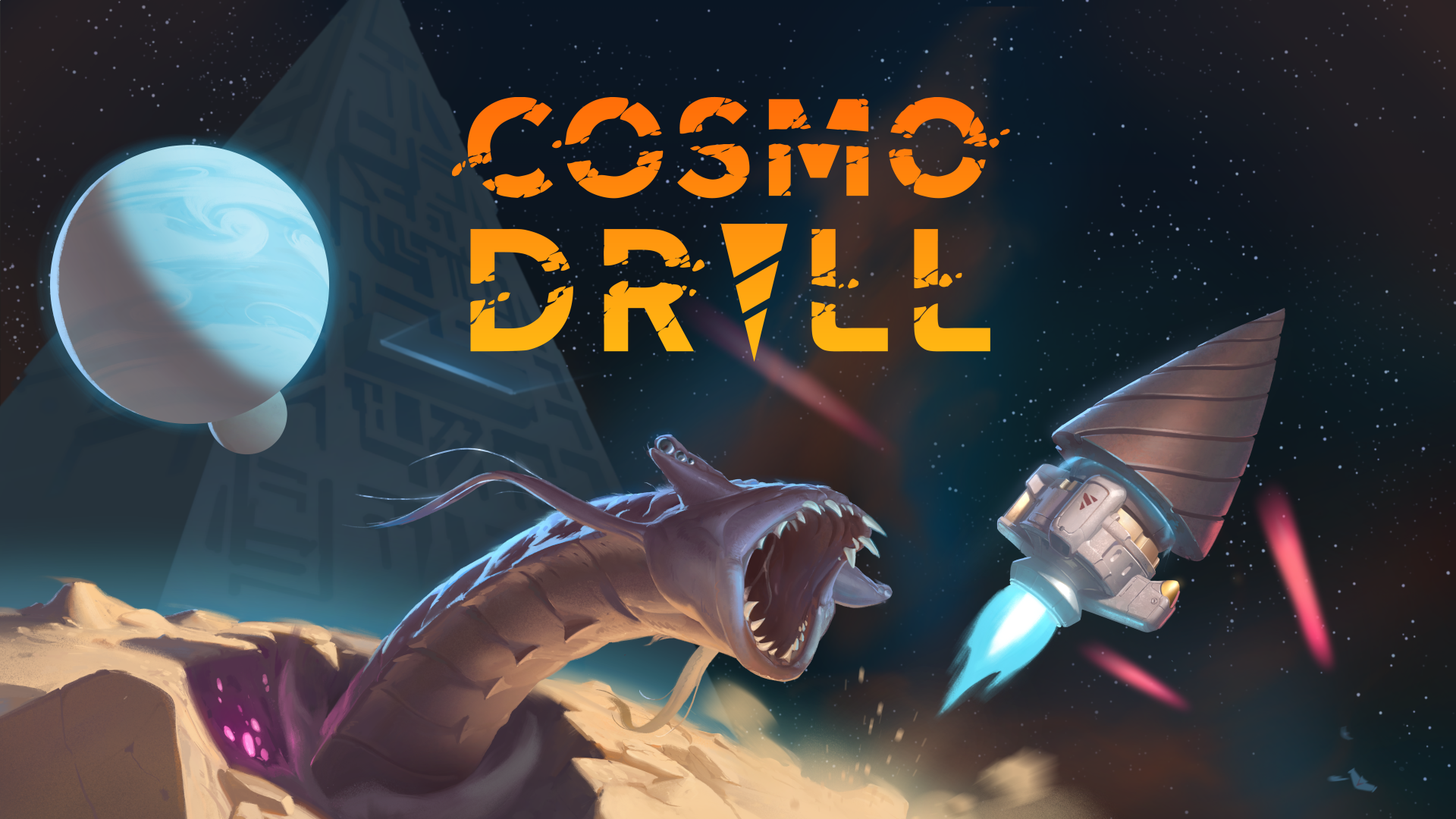
Hamburg‑based indie studio Morse Morse Games launched the open‑world space adventure “Cosmodrill” on 6 July 2026, marking its first commercial release. The title places players in the role of a spacecraft pilot who drills through asteroids and planets, harvesting resources to upgrade their ship while exploring new solar systems, responding to distress signals, battling unknown threats, and uncovering planetary secrets. The game is available on Steam (link provided) and features a trailer that showcases its exploratory mechanics and atmospheric design.
The release follows support from the German Ministry of State for Culture and Media, which awarded Morse Morse Games a Press Start Founding Grant. Founder Jonas Mack holds a Games Master degree from HAW Hamburg, underscoring the studio’s academic and industry credentials. The announcement is part of a broader series of news items from Gamecity Hamburg, which highlights local indie developments such as Pipapo Games’ “Map Map”, Zintank Labs’ “Cosmic Run”, and Curvature Games’ VR title “The Amusement”. Additional coverage includes updates on the Portside Game Assembly conference, the Polaris convention, and ongoing funding programs like Prototype Funding 2026 and Games Lift 2026.
The document’s scope is confined to the Hamburg region, focusing on indie studios and events within Germany. It serves as a promotional brief rather than an analytical report, offering descriptive details of the game’s premise, release platform, and funding background without quantitative data or market analysis.
- Hamburg-based indie studio Morse Morse Games released their open-world space adventure "Cosmodrill" on July 6, 2026. The game involves players drilling through asteroids and planets to collect resources, upgrade their ship, and explore the universe.
- Morse Morse Games received the Press Start Founding Grant, funded by the Minister of State for Culture and the Media Germany. The founder, Jonas Mack, studied the Games Master at HAW Hamburg.
- "Cosmodrill" is available on Steam, with the Steam App ID 3722660.
- The report also mentions other news from Gamecity Hamburg, including the success of Portside Game Assembly 2026, which hosted around 100 indie game professionals from 13 countries, and the upcoming Polaris 2026 community convention.
- Gamecity Hamburg provides various support initiatives for game developers, such as free booth packages for Hamburg-based developers at Polaris 2026, prototype funding (up to 80,000 euros each for five prototypes in 2026), and the Games Lift Incubator program (15,000 euros financial support, workshops, and mentoring for five teams).
+3
Gamecity Hamburg
Article
Road to Polaris 2026: Hamburg
The initiative invites Hamburg‑based game developers, studios and teams to secure a free booth at the upcoming Polaris convention scheduled for October 9‑11, 2026. Polaris is a three‑day event focused on gaming, anime and manga, cosplay, esports, and content creation, featuring merchants, artists, developers, stage shows, competitions, creator meet‑ups, and workshops. Gamecity Hamburg offers a joint booth that includes hardware, an exhibitor ticket, USK clearance, and a preparatory workshop. Applications close on July 28, 2026, and will be reviewed promptly thereafter.
Eligibility criteria require the applicant to be a commercially oriented games company headquartered or operating in Hamburg, with a playable version and trailer ready for Polaris. A Steam page must exist by the event date, and the applicant must exhibit all three days. New participation rules limit each game to two entries in Road‑to programs per event, with prior participations not counting toward this cap.
The program is part of a broader portfolio of Hamburg‑centric initiatives, including the Portside Game Assembly conference, Prototype Funding grants up to €80 000, and the Games Lift incubator. These efforts collectively aim to elevate local talent, foster industry networking, and showcase Hamburg’s growing game development ecosystem. The contact point for inquiries is Project Manager Svenja Borchert, reachable via email and phone.
- Gamecity Hamburg is offering free booth packages for Hamburg-based game developers, teams, and studios at the Polaris 2026 community convention, which runs from October 9-11.
- Applications for the free booth packages at Polaris 2026 are open until July 28, 2026, and require applicants to be commercially oriented game developers or companies with headquarters or a branch office in Hamburg.
- To qualify for the Polaris 2026 joint booth, applicants must have a playable game version, a trailer, and a Steam Page for their project by the event date, and commit to exhibiting for all three days.
- New regulations for the "Road to programs" limit participation to not more than two times per game per event, effective starting with Road to Polaris 2026, though past participations do not count towards this limit.
- The Polaris 2026 convention will feature gaming, anime and manga, cosplay, and content creation, connecting communities around esports, gaming, and Asian pop culture with exhibitors, stage shows, competitions, creator meetups, and workshops.
Gamecity Hamburg
Article
Portside Game Assembly 2026: Success and Future Outlook
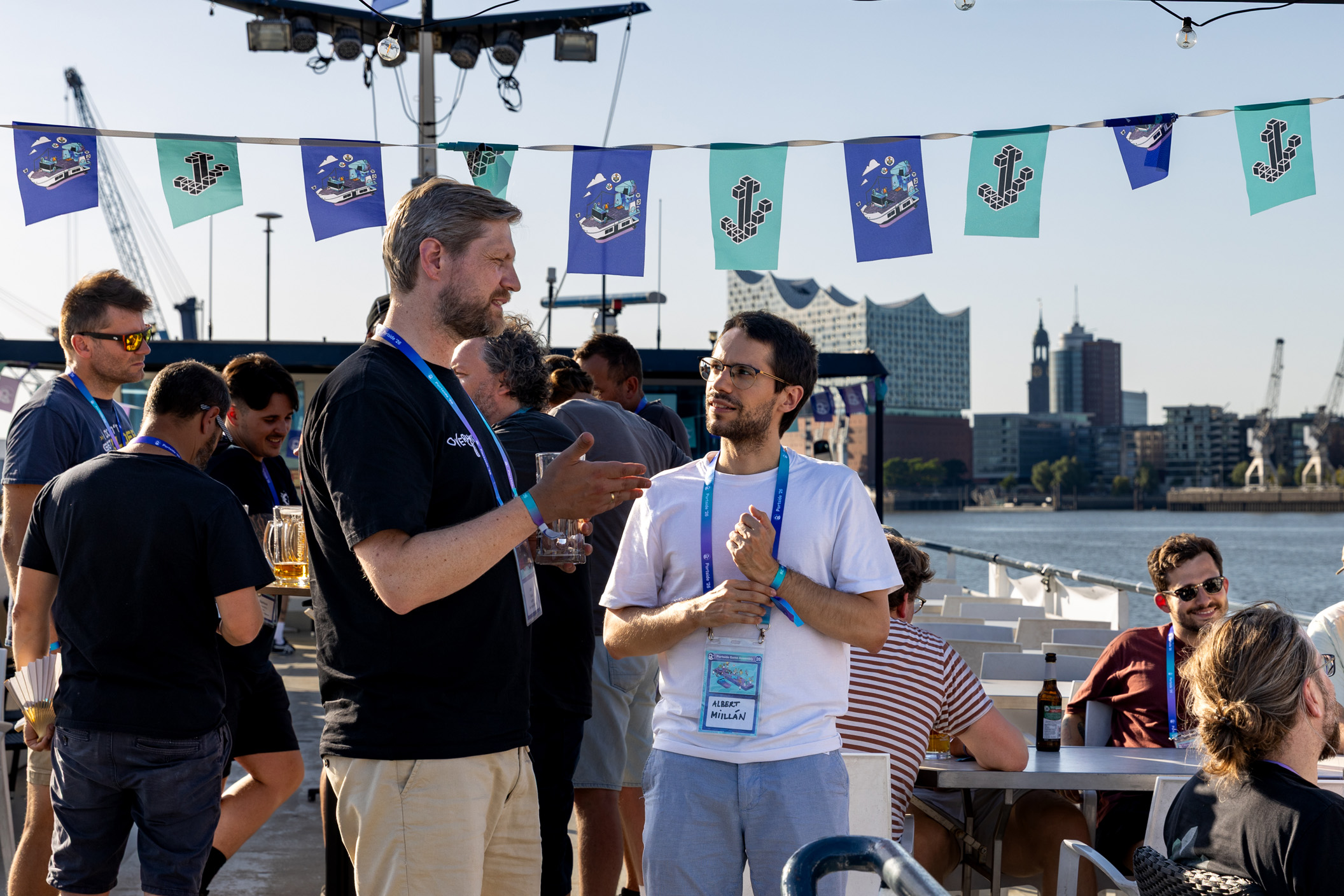
Portside Game Assembly 2026, held on June 25–26 in Hamburg, attracted approximately one hundred indie game professionals from thirteen countries. The event combined a 1½‑day conference aboard the MS Stubnitz with networking sessions and a Games Industry Party that drew an additional two hundred guests. Speakers included industry figures such as Rebecca Lautner (Landfall), Tomas Sala, Adrienne Bazir (insertdisc5), Richard Atlas (Clever Endeavor Games), Mark Cooke (Shiny Shoe) and Albert Millán (Digital Sun). Participating studios ranged from established names like Amanita Design, Bippinbits and Clever Endeavor Games to emerging teams such as Foulball Hangover and Toukana Interactive. The program emphasized short talks, roundtables on game development, marketing, sustainable growth and partnership building, with a curated attendee list designed to foster equal‑footing exchanges among studio heads.
The assembly’s success is measured by attendee satisfaction, the breadth of cross‑border dialogue, and the subsequent networking outcomes reported in post‑event surveys. Hamburg’s Kreativ Gesellschaft highlighted that the conference reinforced the city’s position as a hub for indie development and confirmed plans to host Portside Game Assembly 2027 on June 24–25. Sponsorships from Overhype Studios, Photon and Twin Harbour Interactive underpinned the event’s financial viability. Overall, Portside Game Assembly 2026 demonstrated robust international engagement and set a benchmark for future industry gatherings in the region.
- The Portside Game Assembly 2026, held on June 25-26, successfully gathered approximately 100 indie game professionals from 13 countries in Hamburg for international exchange, and it will return on June 24-25, 2027.
- The 2026 conference focused on fostering exchange among studio heads through curated participation, impulse talks, and discussions on game development, marketing, sustainable growth, and partnerships.
- Notable speakers at the 2026 event included Rebecca Lautner (Landfall), Tomas Sala, Adrienne Bazir (insertdisc5), Richard Atlas (Clever Endeavor Games), Mark Cooke (Shiny Shoe), and Albert Millán (Digital Sun).
- Beyond the core conference, Portside Game Assembly 2026 attracted around 200 additional guests to networking events and a Games Industry Party.
- Gamecity Hamburg provides various initiatives supporting the local game industry, including Prototype Funding (up to 80,000 euros per project), the Games Lift Incubator (15,000 euros, workshops, mentoring), and opportunities for Hamburg-based developers to showcase games at events like Polaris 2026 and the Portside Game Assembly Industry Party 2026.
Gamecity Hamburg
Article
Why We Organize FLINTA* Games Meetups: Hamburg
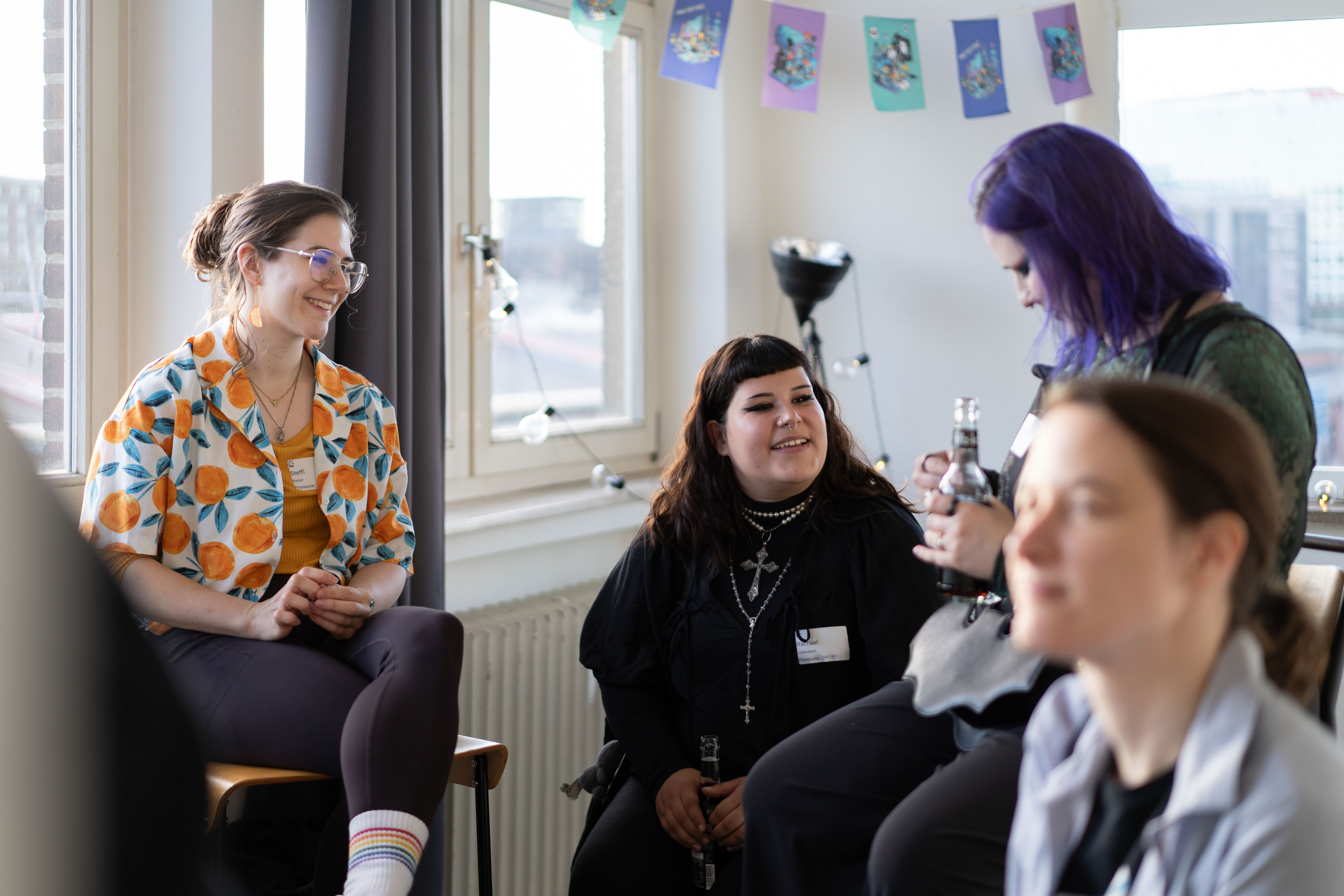
The initiative aims to create an inclusive, supportive community for FLINTA individuals—female, lesbian, intersex, non‑binary, trans, agender and others—within Hamburg’s game industry. Since August 2023, nine meetups have been held, ranging from ally‑orientation sessions and peer portfolio reviews to mentoring dinners and collaborations with the PLAY Festival. Attendance varies from small groups to up to 30 participants, welcoming CEOs, students, and all interested parties. The events emphasize shared experiences, networking, and collective action toward a more open industry.
Key outcomes highlighted include the formation of new connections that generate opportunities and memories, as noted by organizers Helen Krüger and Anna Jäger. The meetups serve both social and professional purposes, offering portfolio slams, short talks, and collaborative projects. Future plans include additional meetups throughout the year, with a mailing list available for updates.
The initiative operates within Hamburg’s broader ecosystem of game‑industry support, linked to the Hamburg Kreativ Gesellschaft and its programs such as the Portside Game Assembly, Prototype Funding, and Games Lift incubator. While no quantitative survey data are presented, the narrative underscores a qualitative impact: increased visibility for FLINTA talent and a strengthened sense of community. The focus remains on fostering an environment where diverse voices can thrive, contributing to a more equitable local game development scene.
- Gamecity Hamburg has been organizing FLINTA Games Meetups since August 2023 to foster diversity and inclusivity within the games industry, specifically for individuals identifying as female, lesbian, intersex, non-binary, trans, agender, and more.
- Nine FLINTA Games Meetups have been held so far, including sessions with allies, peer portfolio reviews, portfolio slams, impulse talks, and mentoring dinners, some in collaboration with the PLAY Festival.
- The meetups aim to create a supportive community for FLINTA individuals in the games industry, providing a space for sharing experiences, networking, and collectively working towards a more inclusive industry in Hamburg.
- The initiative is supported by Gamecity Hamburg, which is part of the Hamburg Kreativ Gesellschaft, and encourages participation from all levels, from CEOs to students.
- Individuals can join a mailing list for updates on upcoming FLINTA Games Meetups and can contact Anna Jäger (PR Manager) or Helen Krüger (Project Manager) for ideas or support.
Gamecity Hamburg
Article
Pipapo Games Releases Map Map - A Game about Maps: Germany
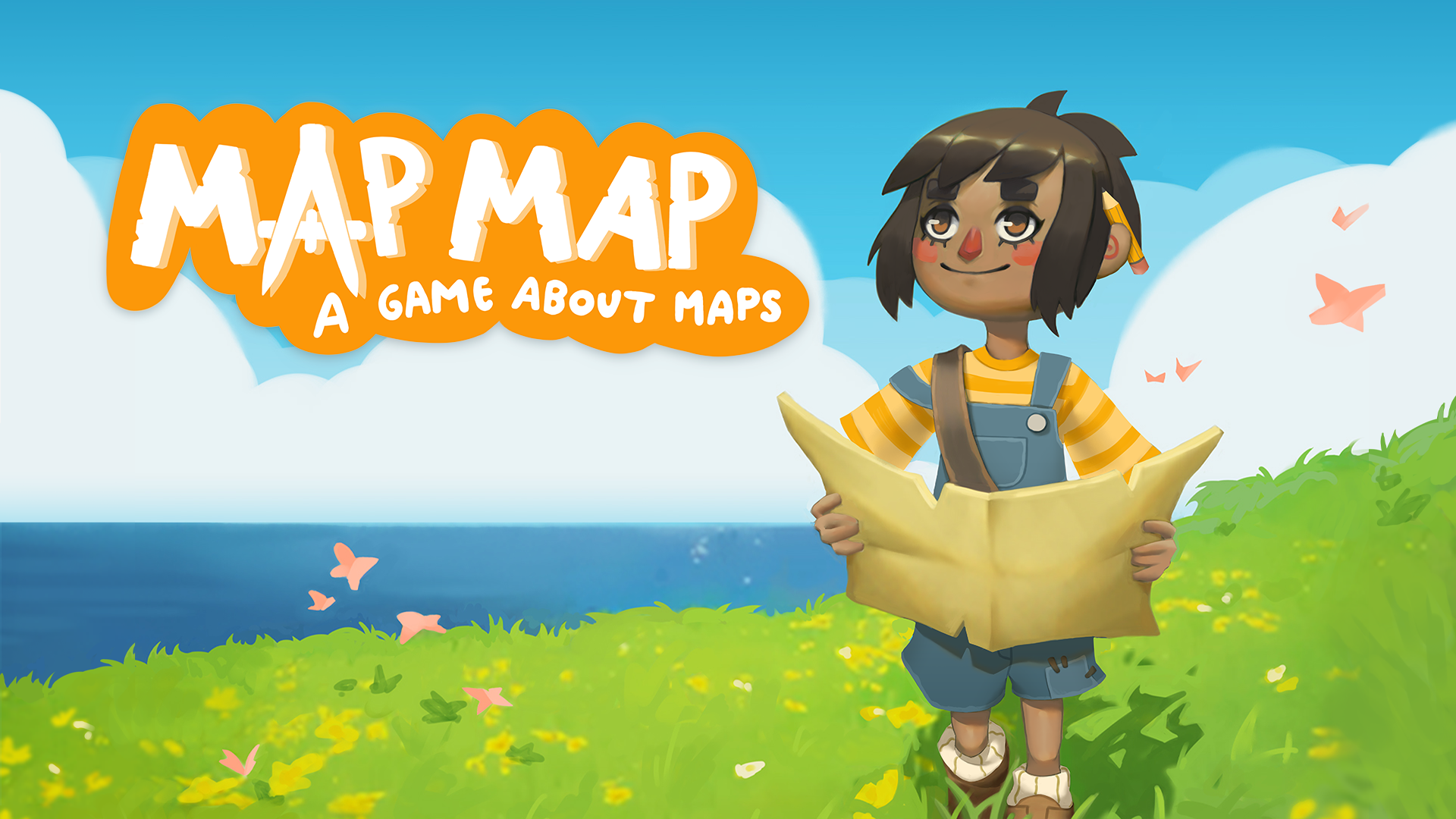
Pipapo Games has launched the cozy exploration title “Map Map – A Game about Maps,” a single‑player adventure that centers on cartographic puzzle solving. The four‑person studio, based in Hamburg, entered the Games Lift Incubator in 2023 and secured €80 000 in prototype funding from Gamecity Hamburg, enabling the development of a richly detailed island world and an original treasure‑hunt narrative. Players assume the role of young heroes who must chart maps, locate landmarks, and apply real cartographic techniques to uncover clues leading to a hidden treasure. The game’s design emphasizes hand‑crafted map creation and navigation challenges, blending exploration with puzzle mechanics.
Prior to release, the title garnered critical acclaim, winning the Ubisoft Newcomer Award 2024 at the German Developer Awards and Best Prototype at the 2023 German Dev Days. Gamecity Hamburg’s “Road to” program facilitated exposure at major trade shows, including Gamescom, Polaris, Nordic Game, and the Hamburg Games Conference, as well as internal playtest nights at Xperion. The core team comprises Lead Programmer Annika Neumann, Game Designer/Programmer Lukas Hort, Concept & Character Artist Laura Hantschel, and Project Manager/Environment Artist Clara Müller, supported by sound designer Ali Popa and social media specialist Jennifer Wagner.
The game is available on Steam (link provided) and showcases the studio’s capacity to blend narrative, design, and technical skill within a compact indie framework. The release underscores Gamecity Hamburg’s role in nurturing local talent through incubation, funding, and industry networking.
- Hamburg-based indie studio Pipapo Games has launched 'Map Map – A Game about Maps,' a single-player cartographic puzzle adventure available on Steam.
- The four-person development team secured €80,000 in prototype funding from Gamecity Hamburg to support the title's creation.
- The project was developed through the 2023 Games Lift Incubator, which provided the studio with essential funding and industry networking support.
- The game received industry recognition, winning the Ubisoft Newcomer Award at the 2024 German Developer Awards and Best Prototype at the 2023 German Dev Days.
- Gamecity Hamburg’s 'Road to' program supported the studio’s visibility at major industry events, including Gamescom, Polaris, Nordic Game, and the Hamburg Games Conference.
+2
Gamecity Hamburg
Article
Zintank Labs Release Cosmic Run: Germany
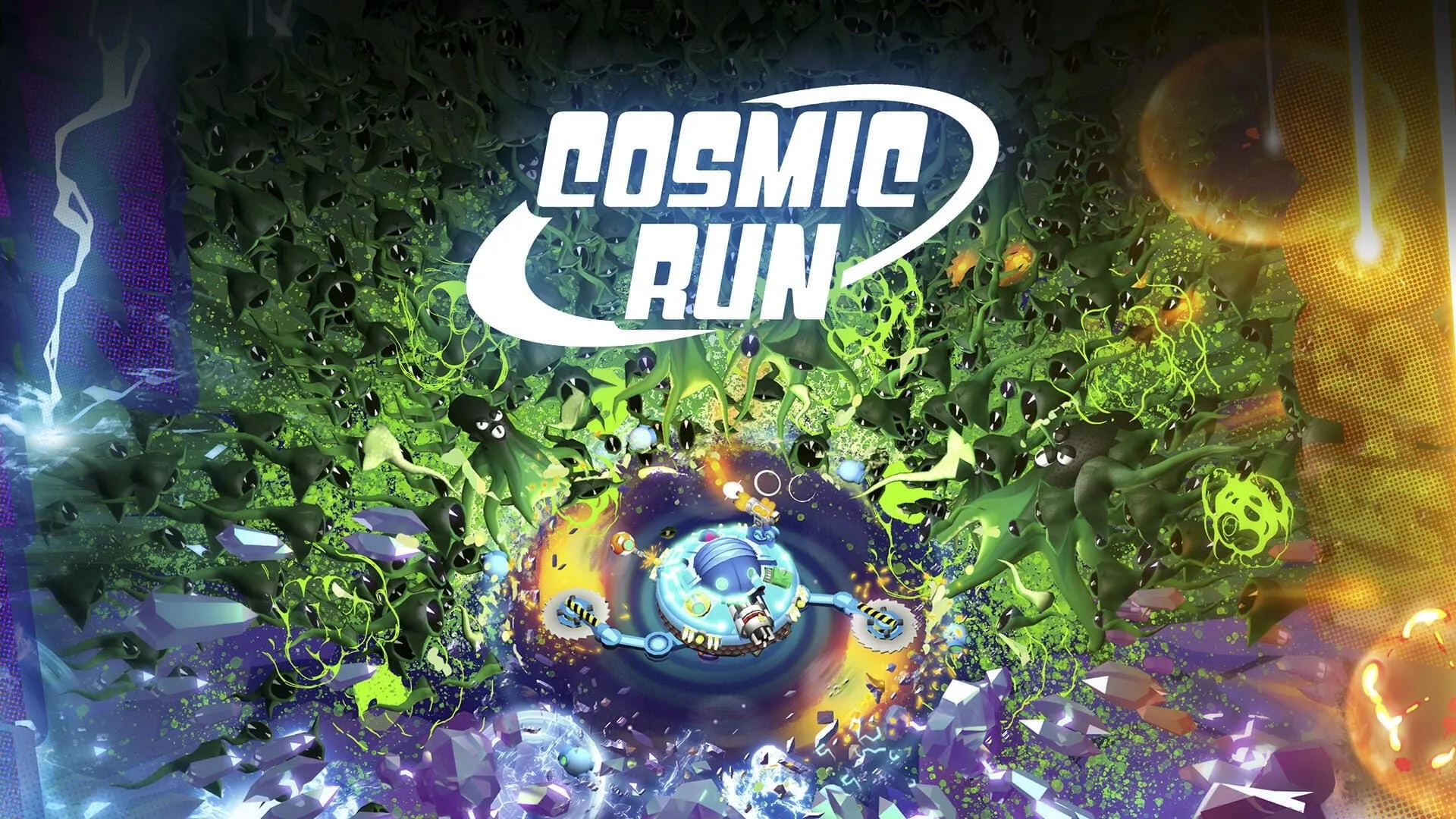
Zintank Labs, an indie studio headquartered in Hamburg, has released its first full title, “Cosmic Run,” on May 22 2026. The game is a single‑player roguelite set in space, blending fast‑paced action with humor and narrative depth. Players control a ship that must battle hordes of alien enemies while strategically upgrading weapons, shields, and other systems. The title boasts 145 distinct weapons and upgrades, dynamic ship customization options, and a roster of unique playable characters. Procedurally generated levels and an integrated dialogue system provide variety across multiple gameplay layers, while a narrative thread follows the Zogark family’s escape from an oppressive galactic regime.
The development team consists of three founders with a combined 30 years of experience in game design, systems programming, animation, and visual design. “Cosmic Run” was funded through Gamecity Hamburg’s Prototype Funding program in 2025, illustrating the city’s support for early‑stage indie projects. The release is available on Steam and can be explored further via the studio’s website.
The announcement appears within a broader context of Hamburg’s vibrant game development ecosystem, highlighted by additional news items such as the launch of Pipapo Games’ “Map Map,” the 2026 Portside Game Assembly, and ongoing funding initiatives like Prototype Funding and Games Lift. These events underscore the city’s commitment to nurturing local talent, providing financial support, mentorship, and industry exposure for emerging studios.
- Hamburg-based indie studio Zintank Labs released its debut title, the space-themed roguelite 'Cosmic Run', on May 22, 2026.
- The game features 145 distinct weapons and upgrades, procedurally generated levels, and a narrative-driven campaign centered on the Zogark family.
- Zintank Labs secured development funding for 'Cosmic Run' through the 2025 Gamecity Hamburg Prototype Funding program.
- The studio was founded by a three-person team possessing a combined 30 years of industry experience in design, programming, and animation.
- The release is currently available for purchase on the Steam platform.
+1
Gamecity Hamburg
Article
Gamecity Hamburg Prototype Funding 2026: Five Prototypes Funded
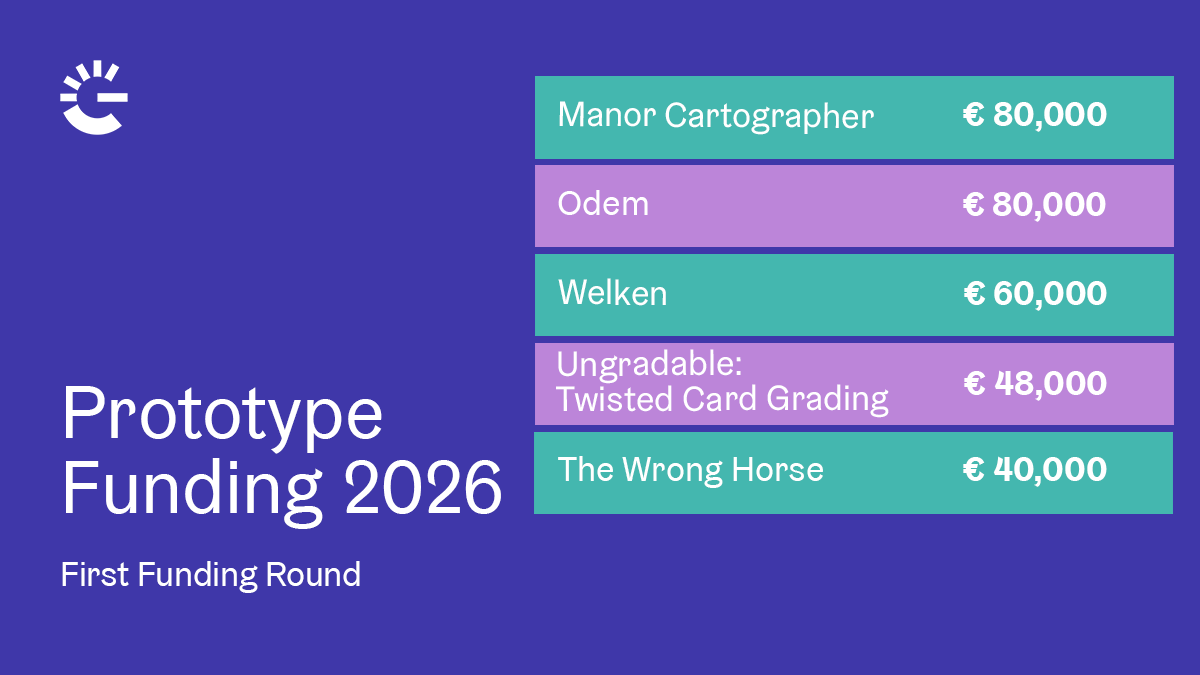
Gamecity Hamburg’s Prototype Funding 2026 program awarded non‑repayable grants to five game projects, each selected for high market potential from a competitive application pool. Grants ranged from €40,000 to €80,000, with Pipapo Games’ “Manor Cartographer” and Odd Zeroes’ “Odem” receiving the maximum €80,000. The funded titles span diverse genres: a cozy horror puzzle adventure, a roguelike deck‑builder, a narrative survival horror with PSX aesthetics, a horror simulation centered on card grading, and a murder‑mystery adventure set at a racetrack. All five developers are alumni of Gamecity Hamburg’s Games Lift incubator, underscoring the program’s role in nurturing local talent.
The funding initiative covers the Hamburg region and targets independent studios operating within Germany’s vibrant indie scene. Applications opened in late February 2026, with a deadline of March 30; the selection committee evaluated proposals based on creative concept, technical feasibility, and commercial viability. The grants are intended to support prototype development, allowing teams to refine gameplay mechanics, polish art assets, and conduct early user testing before seeking further investment or publishing deals.
Gamecity Hamburg announced the funded projects on May 19, 2026, and highlighted upcoming opportunities such as the next funding round slated for autumn 2026. The announcement also promoted related events, including the Portside Game Assembly and Games Lift incubator programs, positioning Hamburg as a growing hub for innovative game development.
- Gamecity Hamburg awarded non-repayable prototype grants ranging from €40,000 to €80,000 to five independent game studios.
- Pipapo Games’ 'Manor Cartographer' and Odd Zeroes’ 'Odem' received the maximum funding amount of €80,000 each.
- All five selected recipients are alumni of the Gamecity Hamburg Games Lift incubator, highlighting the program's success in developing local talent.
- The funded projects represent a diverse range of genres, including cozy horror, roguelike deck-building, narrative survival horror, card grading simulation, and murder-mystery adventure.
- The funding is designed to support prototype development, specifically for refining mechanics, polishing assets, and conducting user testing to prepare for future investment.
+1
Gamecity Hamburg
Article
Portside Game Assembly 2026: Program and Speakers
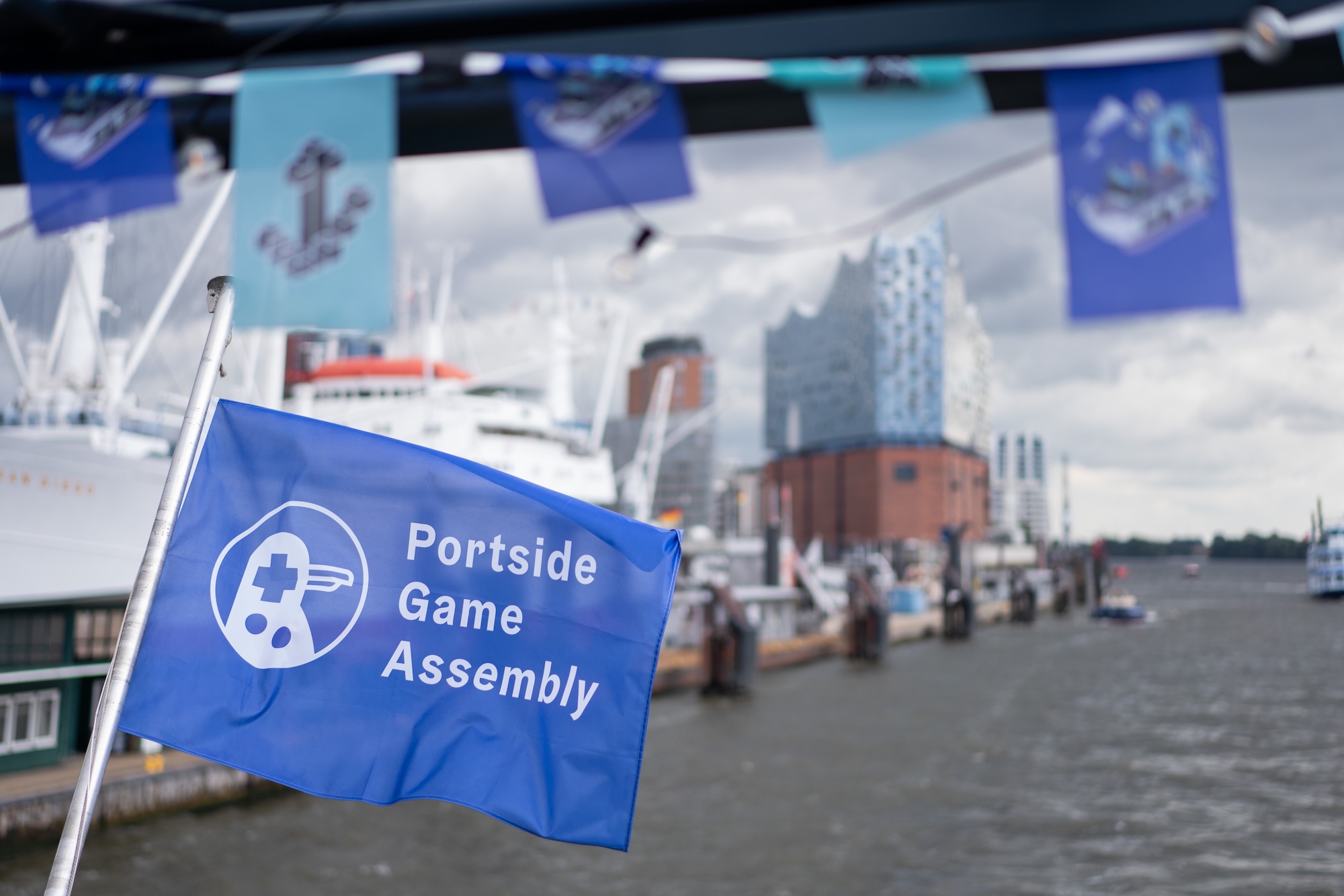
The announcement details the second edition of Portside Game Assembly, scheduled for June 25–26, 2026 aboard the MS Princess in Hamburg. The event targets established indie studios and emphasizes peer exchange through concise talks and roundtables led by studio founders, CEOs, and industry editors. Key sessions cover topics such as balancing rapid development with long‑term projects (“Making the Games We Want to Make”), community engagement strategies (“Know Your Audience”), and sequel development lessons (“Same Same but Different – How to Sequel”). Three parallel roundtables will address post‑launch strategies, AI integration in indie workflows, and cross‑indie collaborations.
The speaker roster includes notable figures from successful titles: Rebecca Lautner (Landfall, “PEAK”), Mark Cooke (Shiny Shoe, “Monster Train”), Tomas Sala, Adrienne Bazir, Richard Atlas, Isra Mallén, Callum Underwood (Uwu Biz), Astrid Refstrup (WINGS), and Alessandra van Otterlo (Control). The program is accessible online via the Portside Assembly website.
More than 60 studios from 13 countries have confirmed participation, featuring prominent names such as Amanita Design (Czech Republic), Shiny Shoe (USA), Landfall (Sweden), and Digital Sun (Spain). Registration remains open for studio heads and founders, with additional tickets available for a networking brunch (€59.50) and an industry party (€5.95 plus VAT). The event offers a concentrated networking platform for indie developers seeking collaboration, funding insights, and market exposure within the European game development community.
- Portside Game Assembly 2026 will take place June 25–26 in Hamburg, targeting established indie studio founders and CEOs for peer-to-peer knowledge exchange.
- The event has confirmed participation from over 60 studios across 13 countries, including notable developers such as Amanita Design, Shiny Shoe, Landfall, and Digital Sun.
- Core programming focuses on operational indie challenges, specifically balancing rapid development with long-term projects, community engagement, and sequel strategy.
- Three dedicated roundtables will address critical industry shifts, focusing on post-launch strategies, AI integration in indie workflows, and cross-studio collaboration.
- The speaker roster features industry leaders from successful titles, including representatives from Landfall, Shiny Shoe, WINGS, and Control.
Gamecity Hamburg
Article
Games Lift: The Incubator’s Impact
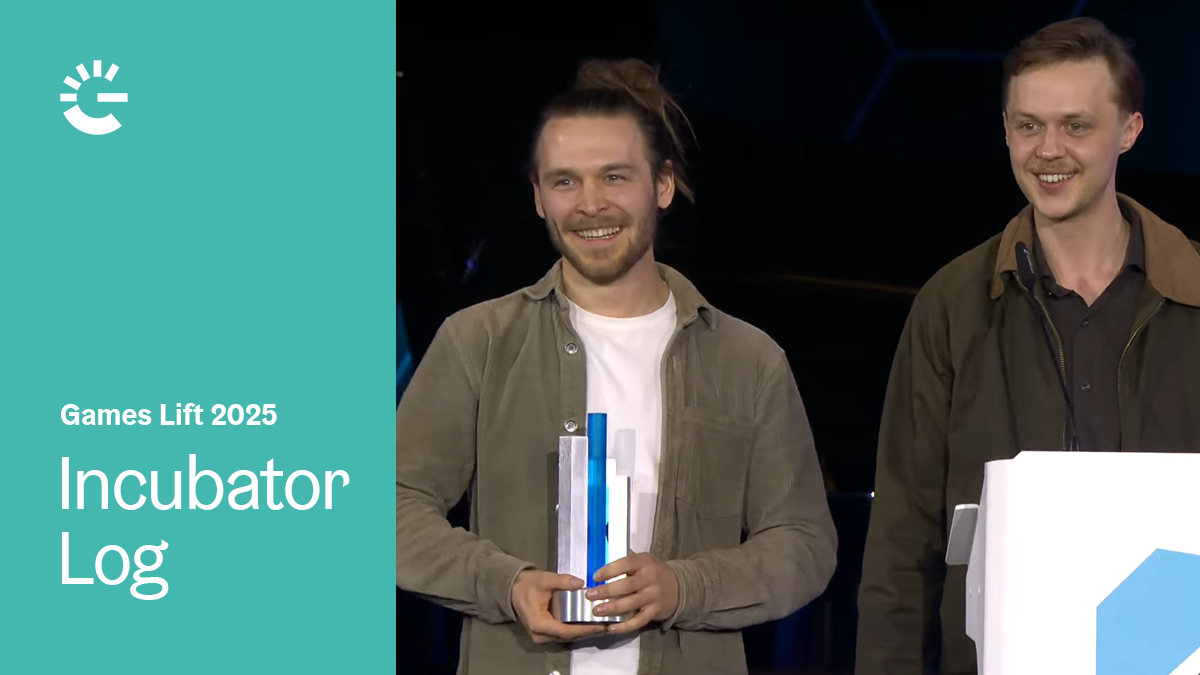
The Games Lift Incubator, operated by Gamecity Hamburg since 2020, aims to accelerate early‑stage game studios through financial support, workshops, and industry networking. The document showcases alumni achievements from 2024–2025, illustrating the program’s long‑term impact. Kranich Games’ “Garden Ink” won Best Prototype at the 2026 Deutscher Computerspielpreis, receiving prize money that extended development by nine months. Team Honeybeak’s “Forefeathers” earned an audience award at the Baltic Games Fest, while Leif Gutowski’s horror title “Ungradable: Twisted Card Grading” expanded its team with a new illustrator, sharpening its vision. Julia Reberg’s “Alchymia” secured Prototype Funding and the German Press Start grant, enabling her studio Pseudoscience Interactive to launch. Curvature Games’ VR adventure “The Amusement” leveraged a proprietary Redirected Walking system, attracted publisher Arte, and achieved positive reviews on Steam and Meta Store. These cases demonstrate that the incubator’s support translates into award recognition, funding acquisition, and successful commercial releases.
The program offers €15,000 in seed capital, a three‑month workshop curriculum, individual mentoring, and a coaching budget of €1,000. Five teams per cohort receive this package, with an additional travel opportunity to international industry events until August 2027. Applications for the 2026 cohort remain open until June 1, 2026, and interested developers can schedule consultations through the Gamecity Hamburg website. The incubator’s focus on professional setup, pacing, and sustained mentorship positions it as a catalyst for German indie studios seeking to transition from prototype to market.
- The Games Lift Incubator provides each of the five selected teams per cohort with €15,000 in seed capital, a three-month workshop curriculum, individual mentoring, and a €1,000 coaching budget.
- Program alumni have achieved significant industry milestones, including Kranich Games’ 'Garden Ink' winning Best Prototype at the 2026 Deutscher Computerspielpreis and Curvature Games securing a publishing deal with Arte for 'The Amusement'.
- The incubator facilitates essential business growth, such as Pseudoscience Interactive securing Prototype Funding and the German Press Start grant, and other studios expanding their teams or extending development timelines.
- The program offers international networking support through travel opportunities to industry events, which are available to participants until August 2027.
- Applications for the 2026 cohort are open until June 1, 2026, with the program specifically targeting the transition of early-stage German indie studios from prototype to commercial market release.
+1
Gamecity Hamburg
Article
Recap: Game Playtest Night #5 in Hamburg
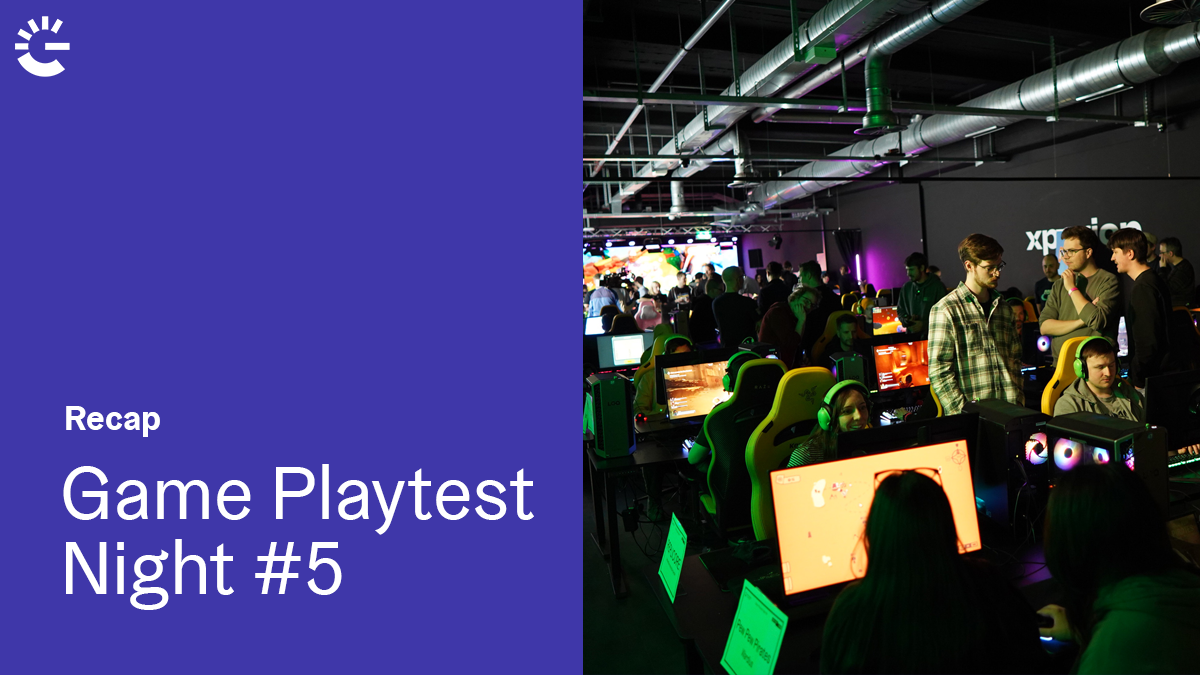
The fifth Game Playtest Night, held in April 2026 at XPERION Hamburg, served as a collaborative platform designed to bridge the gap between local game developers and the gaming community. The primary objective of the event was to facilitate direct engagement, allowing developers to gather critical user feedback on their projects while providing players with an immersive, behind-the-scenes look at the game development process within the Hamburg region.
The event showcased a diverse portfolio of 14 titles representing the breadth of the local industry. Featured projects spanned multiple genres and formats, including cooperative multiplayer games, VR musical adventures, narrative-driven puzzle games, roguelites, and minimalist tower defense titles. Notable entries included titles such as Roll Together, Monstersongs, Deep Fog Signals, and Vacunauts, among others. By hosting these playtests, the initiative aimed to support the iterative development cycle of Hamburg-based studios, ensuring that creators could refine their mechanics and user experiences based on real-world testing.
This initiative is part of a broader ecosystem of support for the Hamburg games sector, which includes incubator programs, prototype funding, and industry networking events. The event underscored the region's commitment to fostering local talent and maintaining a vibrant, interactive development community. Future iterations of the playtest series are planned for 2026, continuing the effort to provide developers with consistent access to player insights and community validation.
- The fifth Game Playtest Night in Hamburg, held in April 2026 at XPERION, showcased 14 diverse local game titles to facilitate direct user feedback.
- Featured projects spanned a wide range of formats and genres, including cooperative multiplayer, VR musical adventures, narrative puzzles, roguelites, and minimalist tower defense.
- Specific titles highlighted during the event included Roll Together, Monstersongs, Deep Fog Signals, and Vacunauts.
- The playtest series is a core component of the Hamburg games ecosystem, which also provides local studios with incubator programs, prototype funding, and networking opportunities.
- The primary objective of the initiative is to support the iterative development cycle of Hamburg-based studios by providing consistent access to community validation and real-world testing.
Gamecity Hamburg