1 free read left. Create a free account for unlimited reading + AI research.
Create free accountArticle Matthew Ball
1 free read left. Create a free account for unlimited reading + AI research.
Create free accountArticleMatthew Ball
Companies distance their initiatives from past hype cycles while maintaining a focus on immersive, 3D-integrated digital ecosystems. The underlying investment in 3D interaction remains robust.
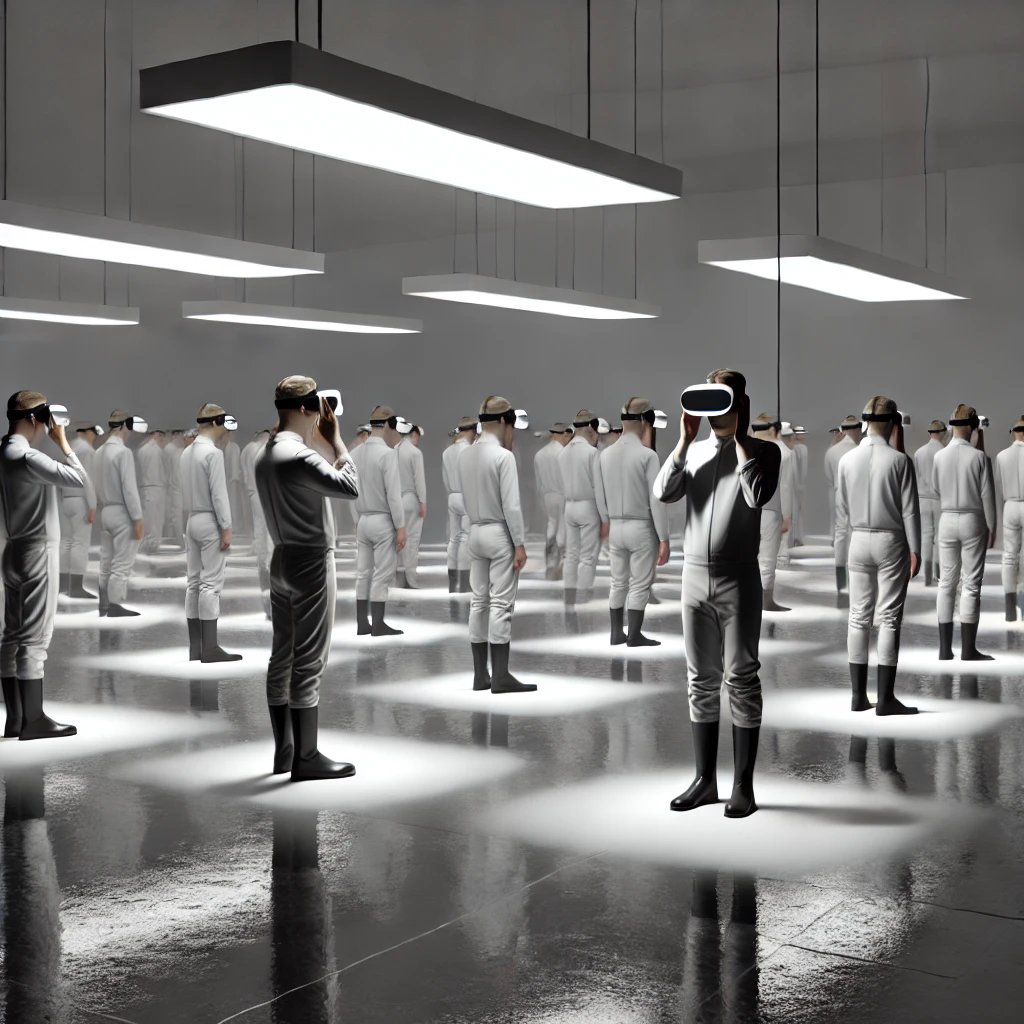
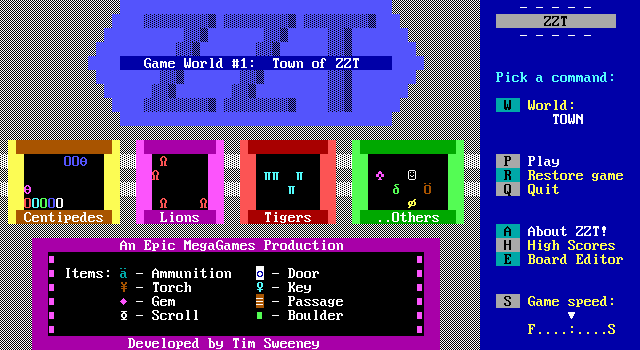
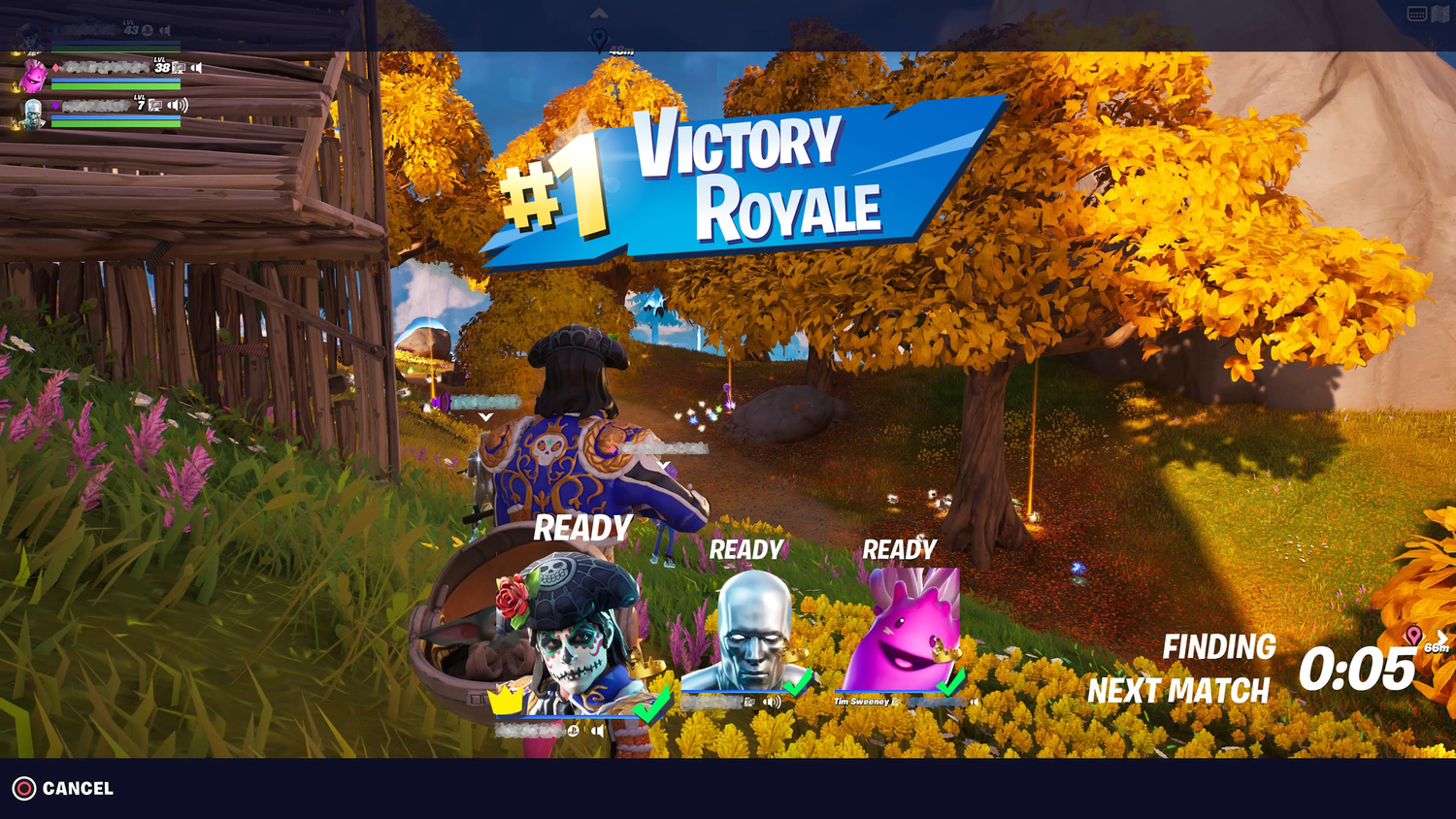
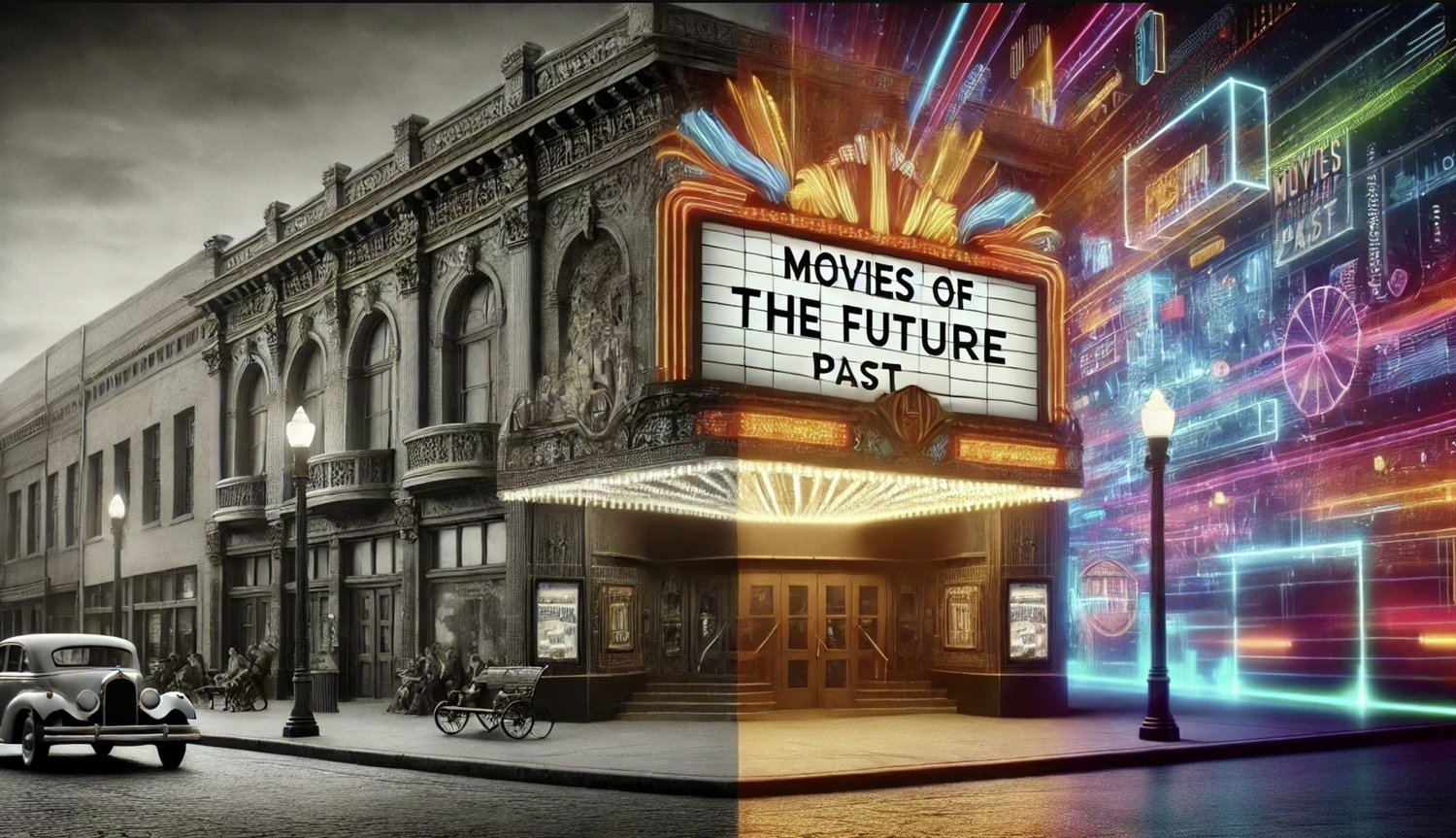
The evolution of digital environments is characterized by a cyclical reliance on terminology rooted in late 20th-century science fiction. Concepts once dismissed as speculative, such as cyberspace and virtual reality, have been reclaimed and rebranded to frame the next generation of computing. While the term Metaverse gained significant traction during the early 2020s, its association with market volatility and specific corporate branding has led to a strategic shift in industry nomenclature. Major technology firms now favor descriptors like spatial computing and human co-experience to distance their initiatives from past hype cycles while maintaining a focus on the development of immersive, 3D-integrated digital ecosystems.
This transition in language reflects a broader, sustained commitment to the evolution of the internet into a spatial medium. Despite the rebranding efforts of companies like Roblox, Niantic, and Amazon, the underlying investment in 3D interaction remains robust. The industry is currently defined by a fundamental consensus that the future of computing lies in the convergence of physical and digital spaces, even as firms pursue divergent paths to achieve this goal.
Apple and Meta represent the primary poles of this strategic landscape, with Apple emphasizing high-end hardware integration and Meta prioritizing accessible, social-centric software experiences. Although these companies employ distinct business models and target different consumer segments, their massive capital expenditures signal a unified belief in the long-term viability of spatial computing. This shift marks a maturation of the industry, moving away from the speculative branding of the recent past toward a more grounded, hardware-and-experience-focused approach to the next era of global digital interaction.

Matthew Ball · 2025

Matthew Ball · 2024

Matthew Ball · 2024

Matthew Ball · 2024
Matthew Ball · 2024
Matthew Ball · 2024
Matthew Ball · 2024

Matthew Ball · 2024
Matthew Ball · 2024

Matthew Ball · 2024

Matthew Ball · 2024

Matthew Ball · 2023

Develop:Brighton · 2025