Infinity
Company
Documents about Infinity

Into the Void: Where Crypto Meets the Metaverse
Crypto, and in particular decentralized networks and NFTs, is positioned as the essential infrastructure for an open Metaverse built on self-sovereign finance, true digital ownership, and a creator economy.
- Non-fungible tokens (NFTs) provide a decentralized, universal ownership layer that solves the 'original sin' of the internet by enabling peer-to-peer value transfer and verifiable scarcity for digital goods.
- Current digital goods are 'unsound' because they exist in siloed databases where users lack true ownership, face liquidity risks, and are subject to arbitrary supply inflation by central authorities.
- Axie Infinity serves as a primary case study for cryptoeconomics, having achieved an 11.6x growth in its user base during 2020 by utilizing governance tokens to transition toward player-owned and operated systems.
Blockchain Gaming's Beginnings: From Crypto-craze to Decentralized Fun
Blockchain gaming, in mid-2021, sits at the intersection of genuine business model innovation and speculative excess, and the analysis argues for a middle path between "all hype" and "the future of gaming."
- Blockchain gaming represents a third macro-shift in industry economics, transitioning from centralized digital services to decentralized models that prioritize player-owned economies and governance.
- The sector experienced a massive capital injection of over $1.2 billion in venture funding within a 24-hour period, resulting in the creation of at least six unicorn startups valued at $1 billion or more.
- The market exhibits a extreme 'winner-takes-most' dynamic, with the top-ranked game commanding a user base nearly 60 times larger than the 15th-ranked title.
All Aboard the Axie Infinity Hype Train
This July 2021 newsletter issue argues for caution amid the hype around the play-to-earn blockchain game Axie Infinity, which surged after launching its Ethereum-linked Ronin side-chain.
- Axie Infinity’s play-to-earn model faces long-term viability challenges as competitors like Illuvium introduce more sophisticated financial structures, such as double-sided staking.
- Valve’s Steam Deck poses a direct competitive threat to the $11 billion gaming laptop market.
- Historical industry trends suggest that gaming 'sensations' often struggle to maintain long-term valuations comparable to established media giants like Disney.
What's the Career Path of a Celebrity Gamer?
This April 2020 newsletter issue offers an opinionated weekly roundup of games industry news, framed by the author's return to DOOM Eternal as a pandemic stress remedy and a promise to later analyze the crisis's long-term effects on the business beyond short-term playtime spikes.
- Asian markets are aggressively pursuing vertical integration, exemplified by Tencent’s majority acquisition of Huya to directly link game marketing with content consumption.
- Celebrity gamers face significant long-term career instability due to a lack of post-retirement infrastructure comparable to traditional sports, despite high-value exclusivity deals.
- The operational costs of maintaining social gaming platforms are rising due to systemic issues like cheating, specifically noted in Call of Duty: Warzone.
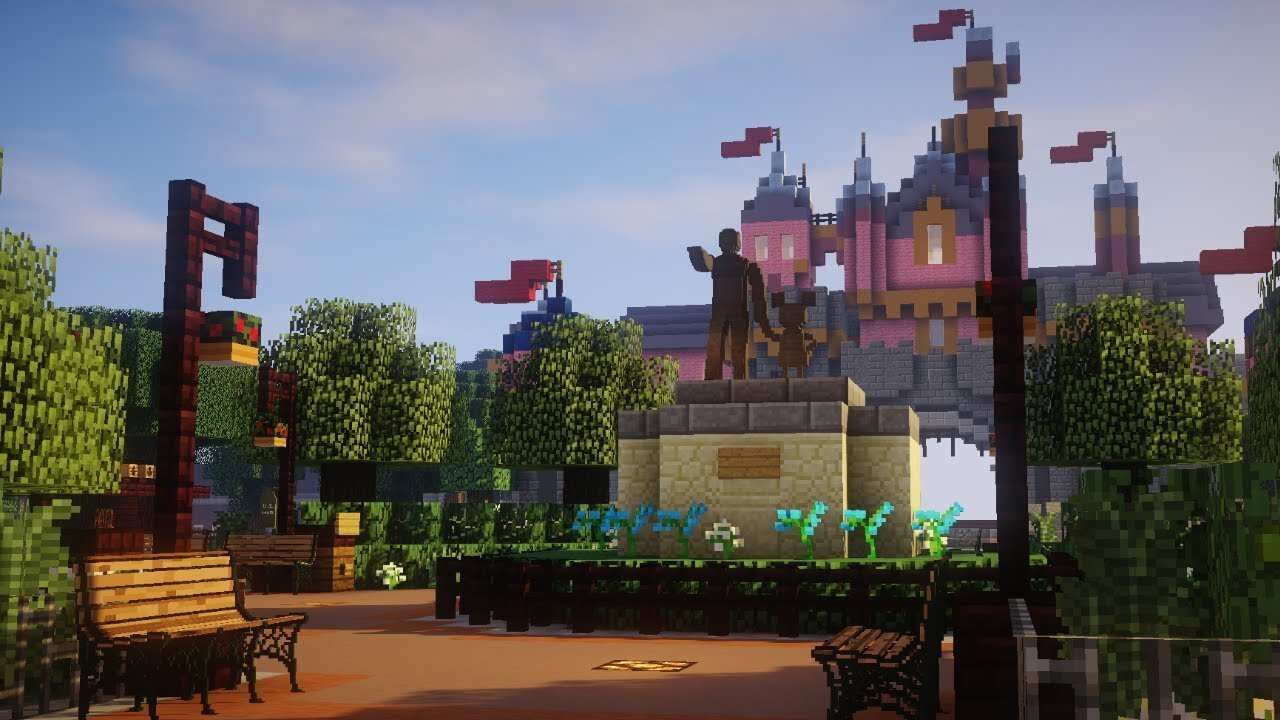
Digital Theme Park Platforms: The Most Important Media Businesses of the Future
This analysis examines digital theme park platforms such as Roblox, Minecraft, and Fortnite, which allow users to create and share their own experiences.
- Disney’s Parks & Attractions segment generates nearly 100% more revenue and 60% more profit than Disney’s studio division, and the document says Disney’s theme parks are difficult for competitors to replicate.
- Digital theme park platforms have achieved massive engagement, with four major titles each delivering over a billion hours of playtime per month.
- The success of these platforms is driven by their role as game engines that allow users to create and share their own content rather than just consuming pre-defined narratives.
Pocket Gamer Connects London Highlights: User Acquisition Tips and Trends for 2020
Mobile game user acquisition in 2020 is shifting from volume-driven buying toward quality, monetization, and targeted audiences.
- Mobile game user acquisition has shifted from volume-based bidding toward a primary focus on Return on Ad Spend (ROAS) and high-quality user targeting.
- Retention is the critical performance metric for midcore titles, as high retention rates naturally drive success in other areas of the user funnel.
- Organic traffic should not be the foundation of a business case, as organic installs are declining and paid acquisition is increasingly necessary to ensure profitability.
Zuck's Achilles Heel: Disney's Renewed Interest in Games and EA's Spending Spree
This June 2021 newsletter issue offers commentary on four developments in the games industry, framed around the argument that Big Tech and large publishers are consolidating leverage while consumers and developers push back.
- Electronic Arts spent $4.7 billion over a twelve-month period to acquire studios including Playdemic, Codemasters, and Glu Mobile to expand its mobile gaming footprint and gain leverage against platform holders like Apple.
- Disney has pivoted its interactive strategy to a licensing-heavy model, offloading the operational risks of game development by granting third-party developers like Ubisoft and Square Enix access to its franchise portfolio.
- Facebook’s attempt to integrate advertisements into its Oculus VR platform failed due to community backlash, forcing developers to withdraw from ad-testing programs and highlighting the incompatibility of current ad models with immersive environments.
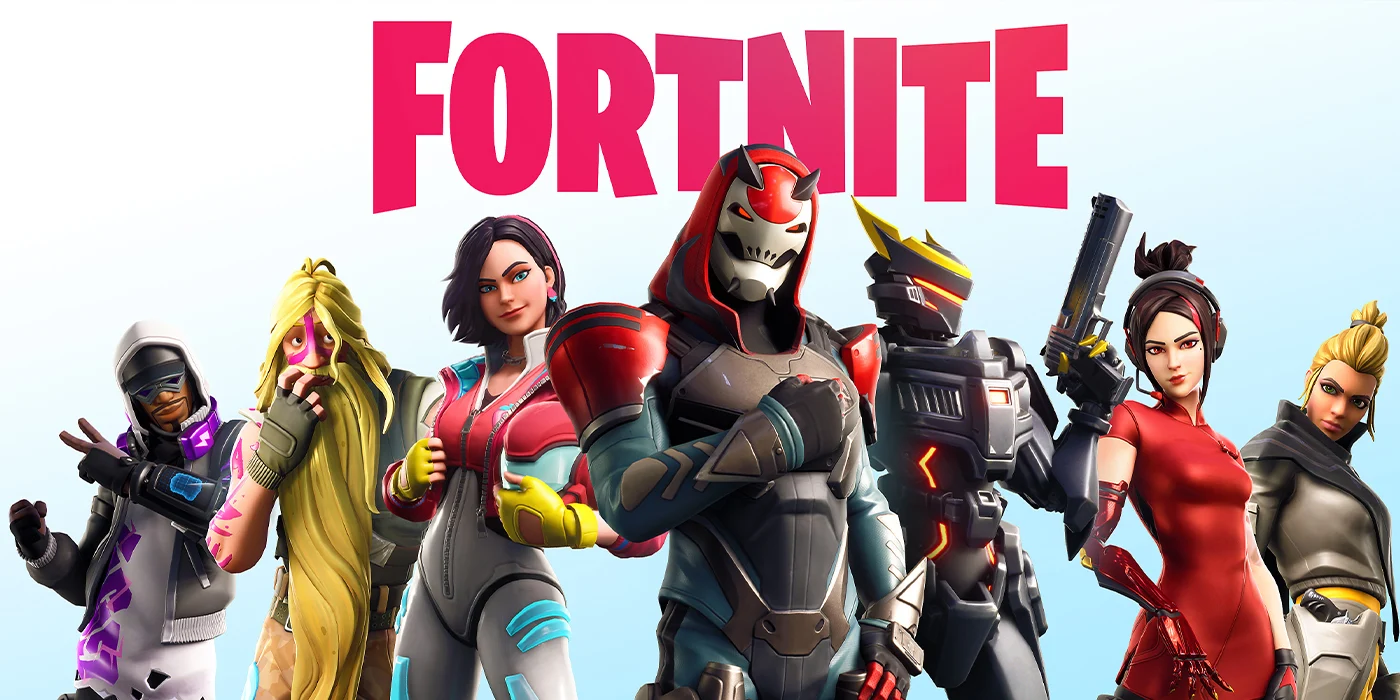
Epic Games & The Quest to Push Boundaries
Epic Games' evolution from a 1991 college consulting side project into a diversified gaming and technology ecosystem is traced through five "iterations," with the argument that its adaptive capacity and dual role as game maker and tool provider explain why it can do what competitors cannot.
- Epic Games operates as an iterative entity that leverages its internal successes, such as Fortnite, to build foundational infrastructure like the Unreal Engine that serves both the company and the broader developer ecosystem.
- Fortnite’s success was driven by a combination of social connectivity, cross-game avatar persistence, the Battle Pass monetization model, and high-profile live events featuring partners like Marshmello and Star Wars.
- The Epic Games Store (EGS) aims to challenge industry gatekeepers by offering a competitive 12% revenue cut to developers, attempting to disrupt the market dominance of platforms like Steam.
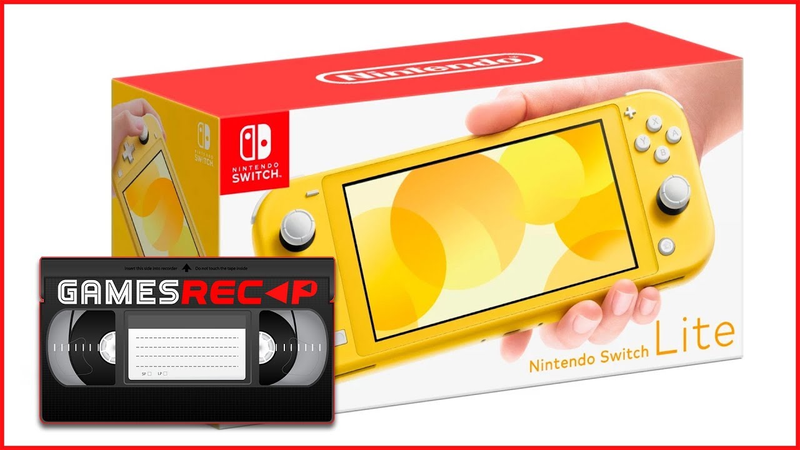
Nintendo Switch Lite | Games ReCAP Episode 021
The Nintendo Switch Lite serves as a strategic expansion of the hardware ecosystem, specifically targeting younger demographics and budget-conscious consumers through a durable, integrated unibody design.
- The Nintendo Switch Lite targets younger and budget-conscious demographics by utilizing a $199 price point and a durable, integrated unibody design.
- Nintendo’s hardware strategy prioritizes software library depth and portable, cohesive experiences over the high-end graphical performance pursued by competitors.
- The success of the Amiibo line demonstrates that high-quality, cross-game compatibility and limited-supply strategies effectively sustain long-term consumer demand.
Case study: Pre-release influencer marketing campaign for Azur Games' Infinity Ops
This case study examines the efficacy of pre-release influencer marketing for mobile games, specifically focusing on the launch of the first-person shooter Infinity Ops by Azur Games.
- Azur Games' influencer campaign for Infinity Ops exceeded its one-million pre-registration goal by 30% over a 22-day period.
- Influencer marketing accounted for nearly 30% of the total pre-registration volume, demonstrating a significant long-tail effect that persisted after traditional social advertising ended.
- Approximately 32.5% of the pre-registrations generated by the campaign converted into active users following the game's official release.
All You Need to Know About DGaming
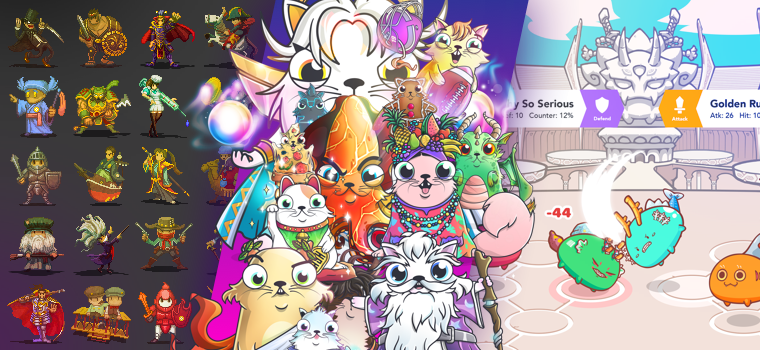
This 2019 guest article, written by the editor-in-chief of DGaming.com for GameRefinery's blog, introduces decentralized gaming (DGaming) as the next evolution of the games industry.
- DGaming utilizes blockchain technology to provide players with full ownership of in-game assets, removing the developer's ability to alter, revoke, or restrict items.
- Smart contracts enable secure, peer-to-peer trading of digital assets without third-party intermediaries, effectively eliminating the risk of fraud in secondary markets.
- Blockchain integration allows players to earn real-world value from in-game activities, transforming gaming from a leisure activity into a potential source of income.
Toys-to-Life: Collectible Figures Take the Video Game World by Storm
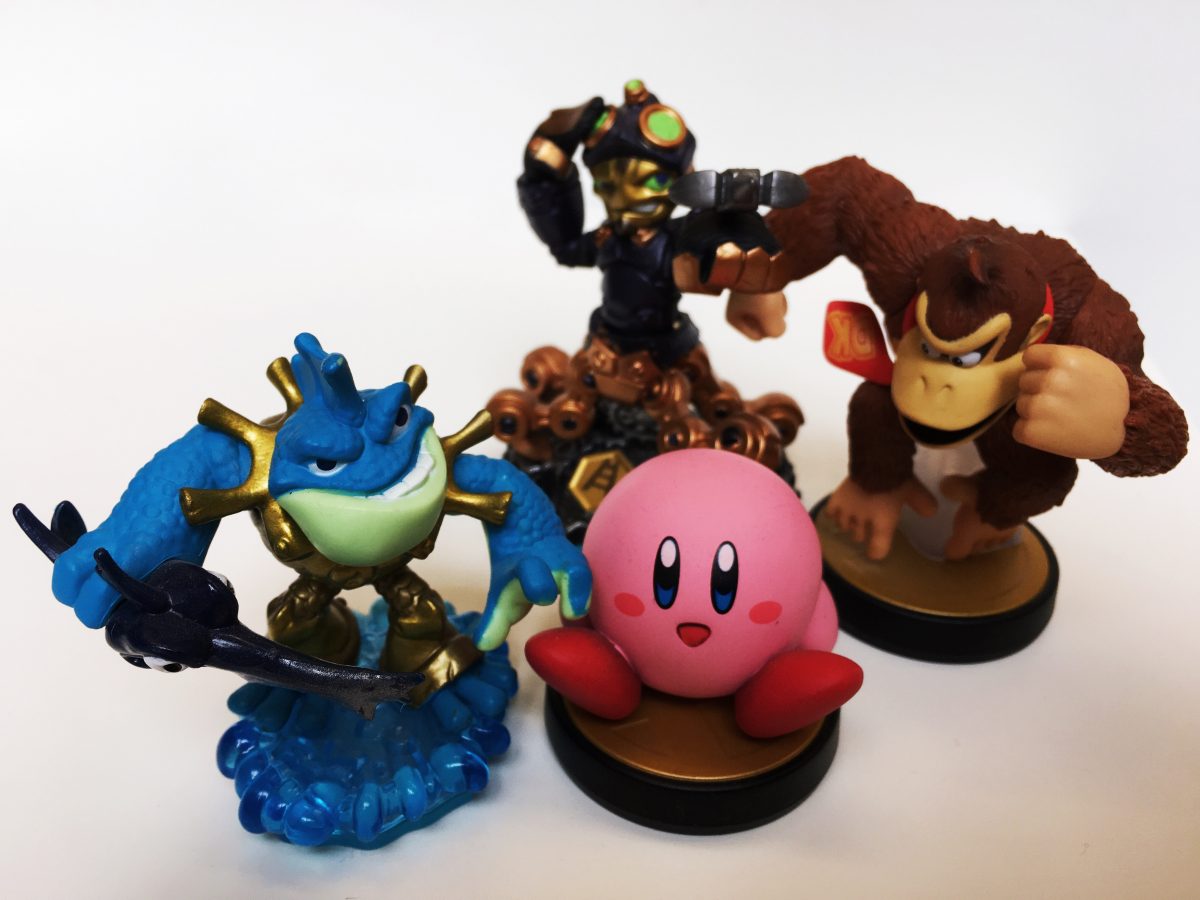
The German toys-to-life segment, which pairs video games with physical collectible figurines, is expanding rapidly according to a December 2015 press release from the German Games Industry Association (BIU), using market data from GfK Entertainment.
- The German 'toys-to-life' market segment experienced a 45% growth in sales revenue within a single year, rising from 31 million euros in the first nine months of 2014 to 45 million euros during the same period in 2015.
- Total sales for the toys-to-life category in Germany reached 46.6 million euros in 2014, a figure that was nearly matched in just the first nine months of 2015.
- The toys-to-life market is highly seasonal, with more than one-third of annual turnover generated during the Christmas holiday period.