This analysis examines the shifting landscape of the global video game industry during early 2020, focusing on the professionalization of gaming personalities, the entry of big tech into cloud services, and the evolving platform dynamics of streaming and digital distribution. The central thesis suggests that while the industry is experiencing a surge in engagement and cultural relevance, it faces significant growing pains in establishing sustainable career paths for creators and maintaining healthy online environments.
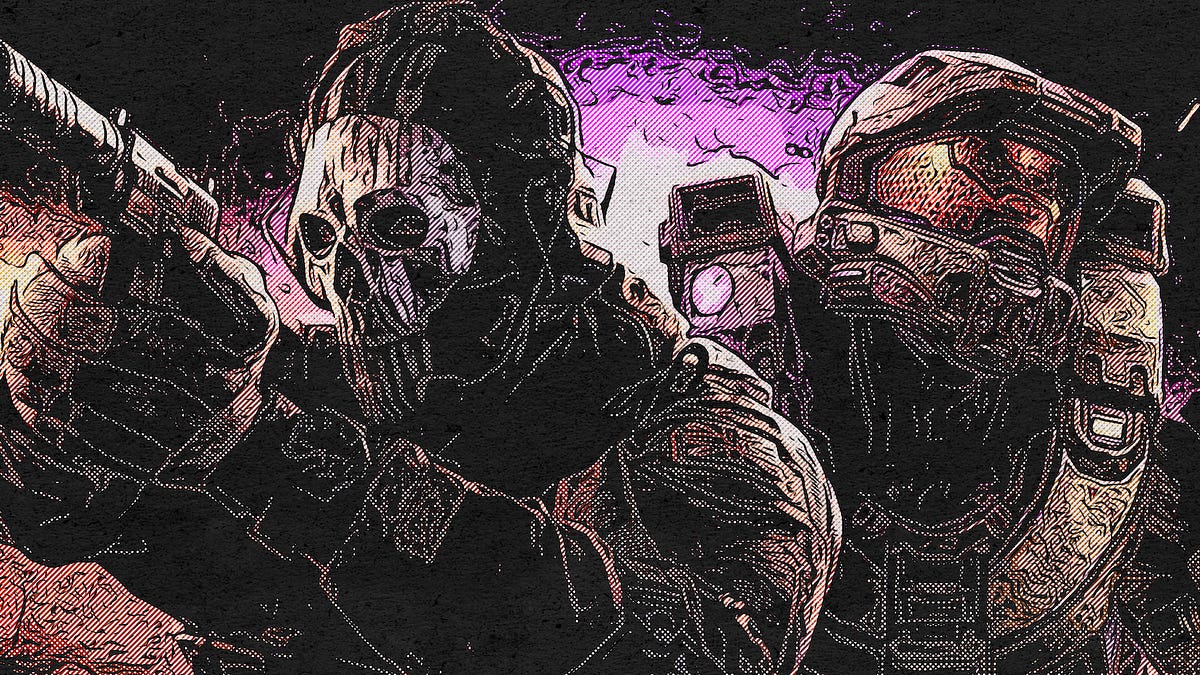
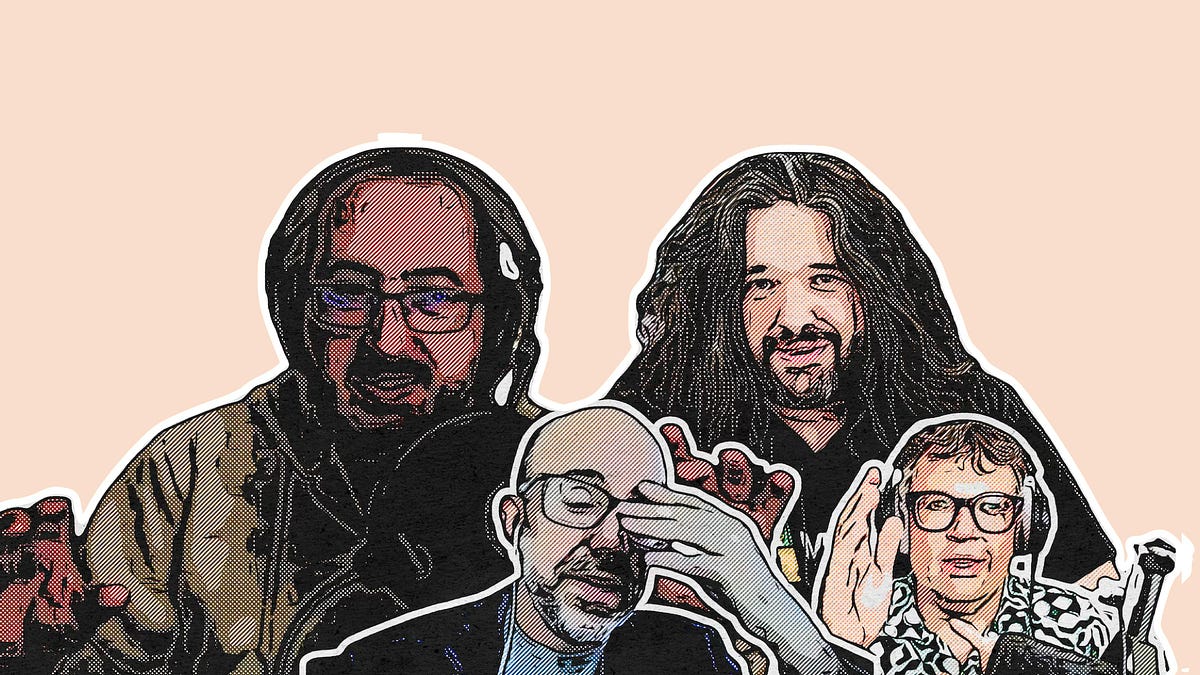
Key findings highlight the challenges of "celebrity gamers" like DrDisrespect, who, despite signing lucrative exclusivity deals with platforms like Twitch, face an uncertain long-term career trajectory as the industry lacks the established post-retirement infrastructure found in traditional sports. Behavioral data from titles like World of Tanks indicates that toxicity remains a systemic issue driven by skill disparities and losing streaks, while the rise of cheaters in Call of Duty: Warzone illustrates the increasing operational costs of maintaining successful social gaming platforms.
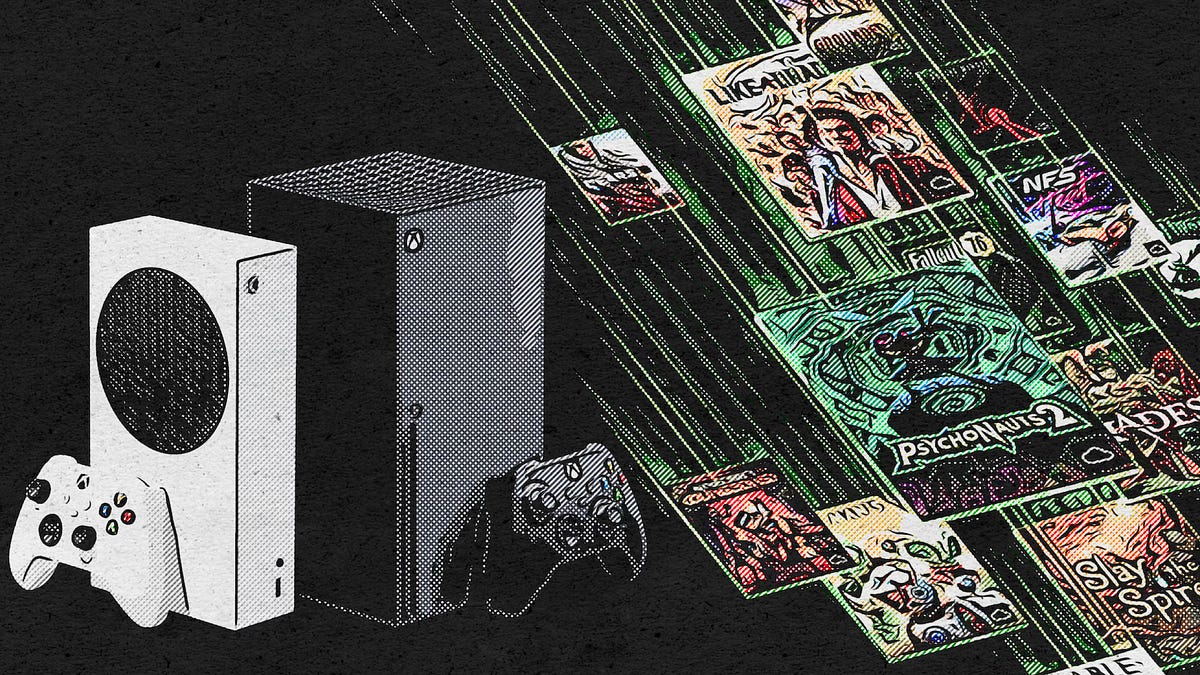
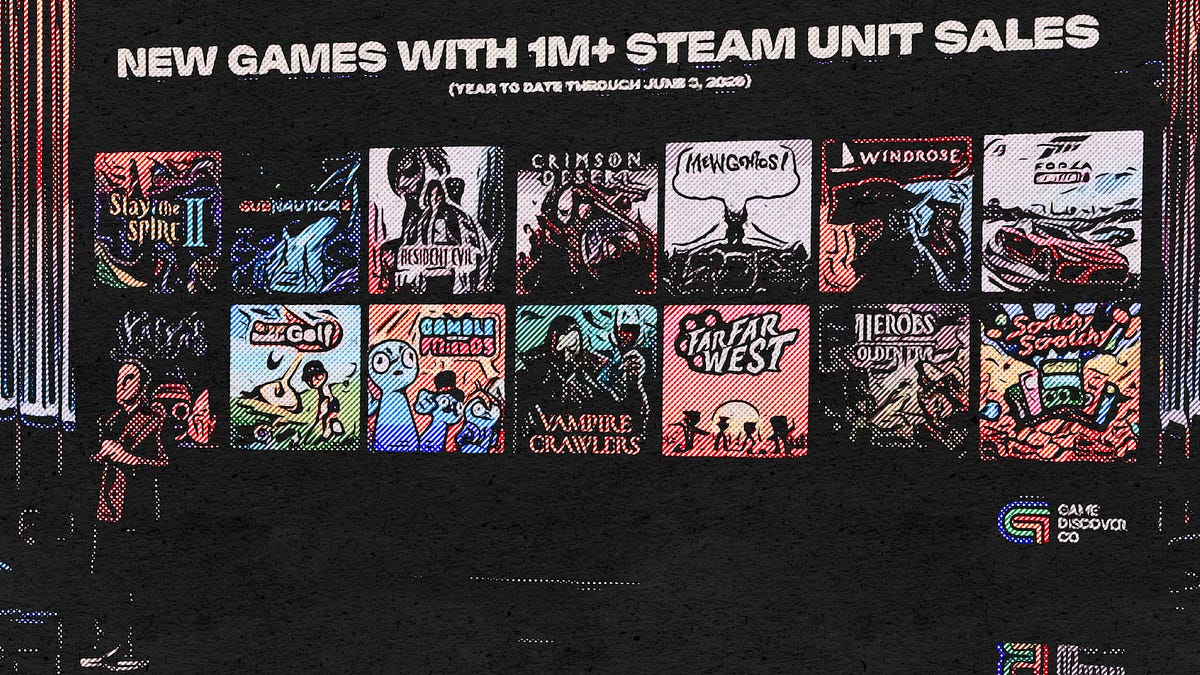
The scope of the analysis is global, with specific focus on North American tech giants, European research, and the Asian streaming market. It critiques Amazon’s Project Tempo for lacking a cohesive strategy compared to incumbents like Microsoft and Sony, and dismisses recent Steam data as lacking necessary context regarding inflation and user base growth. In contrast, the report notes aggressive vertical integration in Asia, exemplified by Tencent’s majority acquisition of Huya to link game marketing with content consumption. Methodologically, the findings rely on a synthesis of corporate financial disclosures, academic behavioral studies, and real-time streaming metrics from platforms like Twitch.