indie
CompanyUnited States
Documents about indie
Skybound cuts back indie publishing to focus on Invincible VS and The Walking Dead
Skybound is fundamentally restructuring its business model to prioritize the internal development of its core intellectual properties, specifically Invincible and The Walking Dead, over the publishing of third-party indie titles.
- Skybound is pivoting its business model away from third-party indie publishing to focus exclusively on internal development of its core intellectual properties, specifically Invincible and The Walking Dead.
- The company has established an internal studio, Quarter Up, to maintain direct creative control and ensure video game adaptations align with the quality and tone of its existing comic and television franchises.
- This strategic shift aims to mitigate the risks associated with licensed game development and prevent the brand dilution often caused by low-quality, third-party titles.
How YapYap Jammed Its Way to 1 Million Copies Sold in Just 6 Weeks
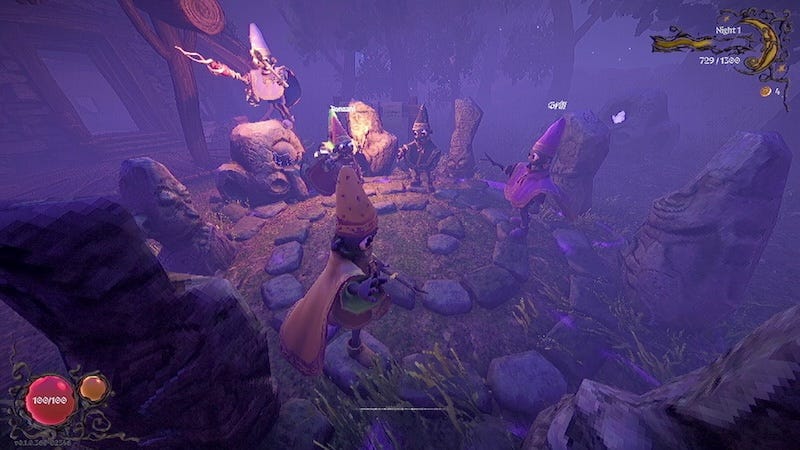
The analysis examines YapYap, a $10 Steam title released on 3 Feb 2026 that achieved over one million copies sold by mid-March, making it the seventh best-selling new game of 2026 in Steam units alone.
- YapYap sold over one million copies in six weeks following its February 3, 2026, release, becoming the seventh best-selling new game on Steam for that year.
- The title secured 900,000 wishlists at launch by leveraging a 'new but retro' art style featuring real-time shadows and cloth simulation that attracted high-profile influencers like MoistCr1TiKaL.
- The game achieved a 180× review-to-sales multiplier, indicating a highly casual player base with a 12% demographic skew toward users under 35.
Annual Inside Conference Report: 2026
The 2026 analysis of the indie title Void Miner serves as a case study for the viability of "middle games"—projects that prioritize rapid development cycles and clear genre tropes over viral potential.
- Void Miner, an 'Asteroids meets incremental roguelike' game, achieved 10,000 sales in its first 12 days and converted 22% of its 8,449 launch wishlists, demonstrating strong conversion for a 'middle game' that didn't go viral.
- The game's success is attributed to its 'consumable' genre (incremental/roguelike/spaceship), which players readily purchase and move on from, similar to idle or horror games, leading to high conversion rates.
- Void Miner was developed by a solo developer, RyanJakob, over 7 months, with 6 months dedicated to marketing, utilizing free pixel art assets and contracting only for music and capsule art.
Cape Town’s Clockwork Acorn Takes Flight: Feather’s Edge Gets World Premiere at Indie Live Expo
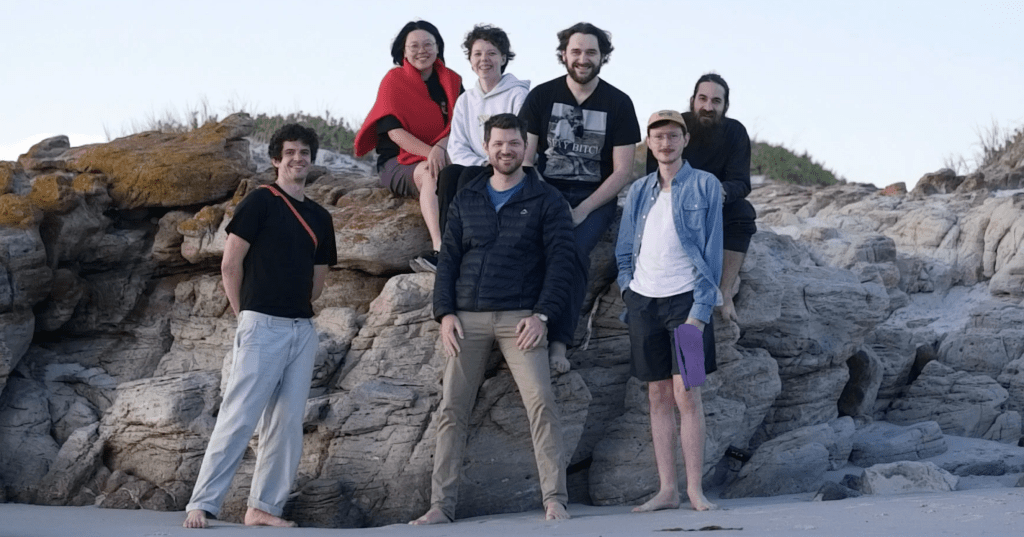
Cape Town studio Clockwork Acorn announces the worldwide premiere of its kinetic metroidvania, Feather’s Edge, at Indie Live Expo.
- Clockwork Acorn’s new title, Feather’s Edge, reached 10,000 wishlists on Steam within 72 hours of its announcement at Indie Live Expo.
- The project is backed by Outersloth, the indie funding division established by the developers of Among Us.
- Feather’s Edge utilizes a unique 'dash-and-slash' control scheme that merges aiming, jumping, and attacking into a single fluid input to bridge the gap between metroidvanias and action-fighting games.
Is 'Marketing Before You Build' a Good Discovery Idea in 2026?
The practice of marketing video games before full development—often referred to as "marketing before you build"—has emerged as a strategic approach for indie studios to validate market interest and mitigate financial risk.
- Marketing before full development is becoming a standard risk-mitigation strategy for indie studios to validate market interest and secure funding before committing significant capital.
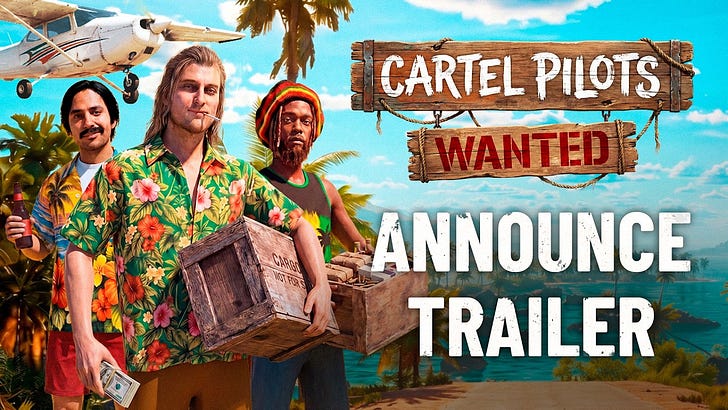
- Early validation through short-form viral content and cinematic trailers can drive massive initial interest, as evidenced by 'Cartel Pilots Wanted' securing over 200,000 Steam wishlists in one week.
- The primary risk of this approach is a disconnect between initial 'vibes' and final gameplay, which can lead to poor reception if the finished product fails to meet the expectations set by early promotional material.
Weekly Gaming Reports Recap: April 20 - April 24, 2026
This summary synthesizes key industry data from the week of April 20–24, 2026, focusing on the German gaming market, global sales performance, and the emerging "friendslop" genre.
- The German gaming market grew 4% to €9.382 billion in 2025, fueled by a 26% surge in console revenue following the Nintendo Switch 2 launch and a 12% increase in total hardware sales.
- In-game purchases remain the primary revenue driver in Germany, accounting for 84% of total market earnings, while subscription and cloud services surpassed the €1 billion revenue milestone for the first time.
- Recent major title launches show strong commercial momentum, with Crimson Desert selling 5 million copies in 27 days and Pragmata reaching 1 million sales in just two days.
An HR and Payroll Primer for Indie Game Studios
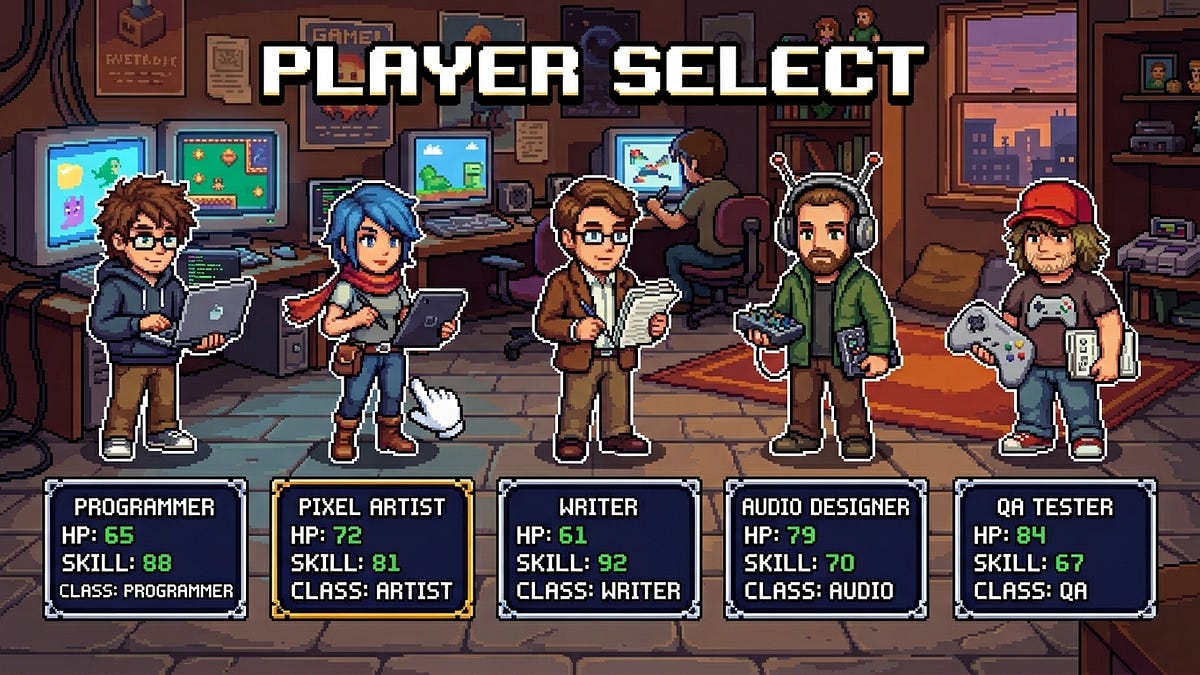
Indie game studios face significant operational hurdles when scaling, particularly regarding the complex intersection of payroll management, tax compliance, and human resources.
- Indie game studios often fail due to poor studio management, not lack of talent, highlighting the need for strong HR and payroll practices.
- For US-based studios with W-2 employees, payroll software like Gusto (starting at $49/month plus $6 per employee) is essential for automated tax filings and compliance.
- Hiring international workers is complex; Employer of Record (EOR) services (e.g., Remofirst, Deel, Remote) are the most practical solution for legal compliance in different countries, avoiding the need to establish local entities.
Apple's undercooked games efforts, Google's big AI claims, Ilkka's BAFTA speech, data, jobs, more
The mobile games industry is currently navigating a period of significant transition, marked by shifting leadership at major platform holders, the pervasive yet often clandestine integration of artificial intelligence, and the ongoing evolution of indie development.
- Google Cloud's games division reports that approximately 90% of game studios are currently using AI tools in development, though many studios underreport this usage to avoid public backlash.
- Apple's leadership under Tim Cook has historically shown disinterest in the gaming sector, exemplified by the perfunctory nature of the Apple Games app and Cook's own admission of not being a gamer during the Epic trial.
- Leadership changes at Apple, including the promotion of John Ternus and new App Store management under Carson Oliver and Anne Thai, may signal a shift toward better developer relations and increased focus on gaming hardware.
The Surprising Percentage of Steam Games Not Actually Bought on the Platform
A significant portion of Steam game sales occurs outside the platform, a trend particularly prevalent among high-profile titles.
- A significant volume of Steam game sales occurs off-platform, with major releases seeing 30% to 45% of their reviews originating from third-party keys rather than direct Steam purchases.
- The median percentage of off-platform reviews for paid Steam titles grossing over $1 million is approximately 12%.
- Publishers utilize third-party key retailers to distribute high-profile games, allowing them to increase sales volume while bypassing Steam’s platform transaction fees.
Everything You Want to Know About Shortform Video & Games
Short-form video content has emerged as a primary driver for PC and console game discovery, currently serving as a key discovery method for 36% of players.
- Short-form video is now a primary discovery method for 36% of PC and console players, effectively reaching audiences that traditional media and forums miss.
- Jestr data from March 2026 confirms that short-form video is most effective for dynamic genres like puzzle, horror, and co-op games, while strategy titles see lower performance.
- TikTok is the optimal platform for reaching younger, mainstream audiences for social and cooperative games, whereas YouTube Shorts targets a more critical, hardcore demographic.
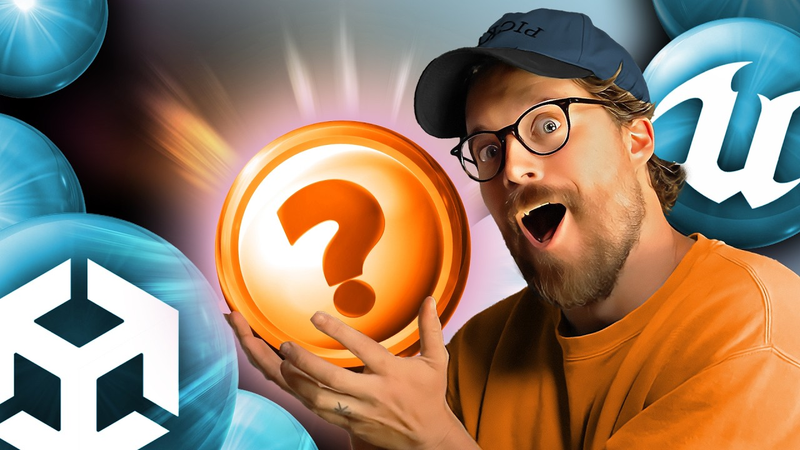
7 Tools Every Indie Game Developer Needs in 2026 (And ONE That Actually Matters Most)
This analysis outlines a streamlined toolkit for independent game developers in 2026, aiming to reduce the analysis paralysis that often leads to project abandonment.
- Success in the 2026 indie market depends less on tool variety and more on aligning a technical stack with a developer's unique creative 'gifting' to establish a distinct voice.
- The recommended core technical stack for 2026 consists of Unity for engine development, paired with Visual Studio and C# for programming.
- Visual production workflows should prioritize Blender for 3D modeling, Photoshop for 2D assets and texturing, and Substance for advanced material creation.
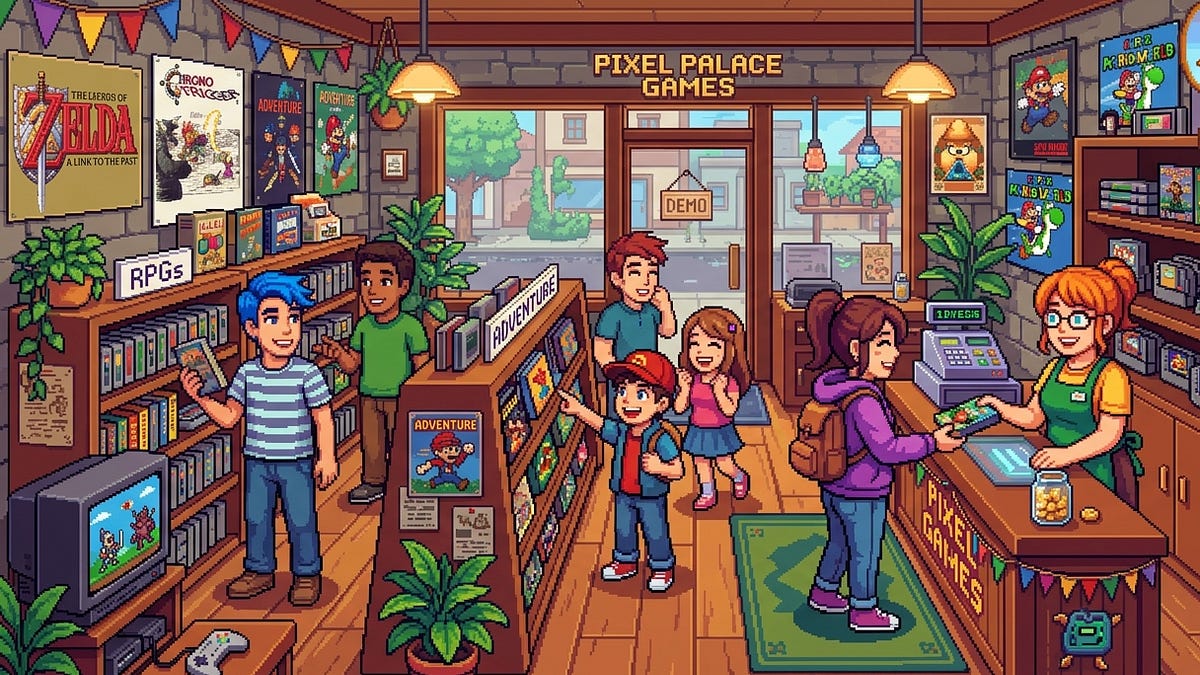
How to Price Your Indie Game
Establishing a successful indie game pricing strategy requires moving beyond intuition toward a data-driven framework that accounts for market polarization and long-term revenue cycles.
- Pricing your indie game requires a methodical, data-informed approach, not a guess, and should be considered midway through or nearing the end of production due to its impact on Early Access, discounting, and public positioning.
- To determine a price range, analyze at least 10-12 comparable games in your primary genre released in the last three years using tools like SteamDB and VG Insights, noting their launch price, current price, quality, community reception (price complaints), and content length.
- Your launch price should incorporate a discount buffer, as Steam's algorithm favors discounts of 20% or more to trigger wishlist notification emails, a primary re-engagement mechanism; games that don't discount, like Factorio, are exceptions with large existing audiences.