indie
CompanyUnited States
Documents about indie
Did You Hear About Awaysis?
The development of Awaysis, a top-down dungeon crawler by the independent studio 17-Bit, serves as a case study for the visibility challenges facing modern game developers.
- The current gaming market is highly saturated, with over 10,000 new titles released annually, making audience discovery a primary challenge for developers.
- Independent studio 17-Bit has struggled to gain market traction for its dungeon crawler 'Awaysis' despite being in production since 2022.
- Technical innovation, such as the physics-based combat system in 'Awaysis', is often insufficient to guarantee visibility in a crowded digital ecosystem.

UK Games Fund: A Fresh Start for Growth
The UK Games Fund has secured an additional £28.5 million over the next three years to strengthen support for independent game developers across the United Kingdom, as announced on 13 April 2026.
- The UK Games Fund has secured £28.5 million in new government funding to support independent developers over the next three years.
- The funding is divided into three tiers: £20,000 for the Starter Fund, up to £100,000 for the Prototype Fund, and up to £250,000 for the Content Fund.
- The Content Fund is specifically designed for high-growth companies that have already secured third-party investment to facilitate further expansion.
Devolver Digital 2025 Investor Presentation
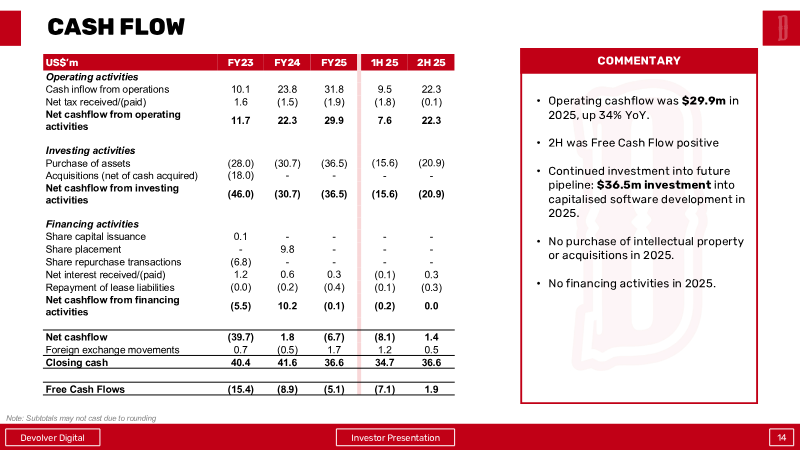
Devolver Digital achieved robust financial growth throughout 2025, characterized by a 39% increase in Adjusted EBITDA and a successful transition to positive free cash flow during the second half of the year.
- Devolver Digital achieved a 39% increase in Adjusted EBITDA in 2025 and transitioned to positive free cash flow in the second half of the year.
- The company maintains a stable cash position of US$36.6 million to support its strategy of high-quality indie releases and IP portfolio management.
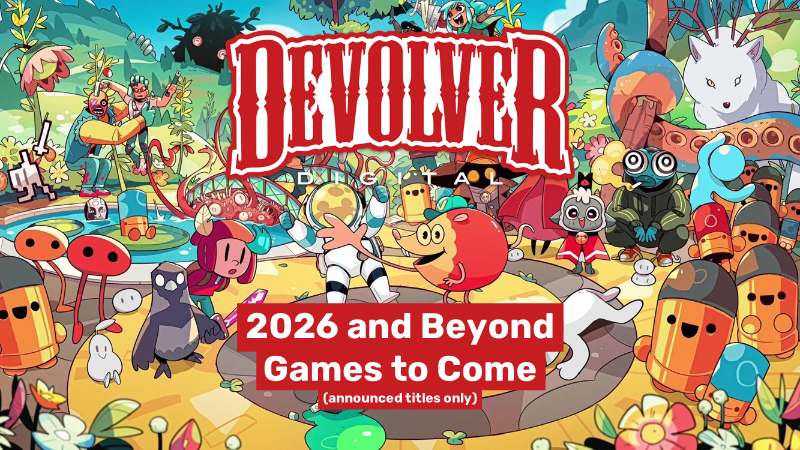
- The 2026 release pipeline is anchored by five major first-party titles, including new entries in the Serious Sam series and Astroneer Expeditions.
Let's look at PC Games Magazine Issue from June 1996
The PC gaming landscape of 1996 established a distinct cultural and design identity that continues to underpin the modern Steam ecosystem.
- PC gaming success is driven by a consistent preference for depth, narrative complexity, and mechanical agency, which distinguishes the platform from console-centric design philosophies.
- Sports titles were a dominant market force in 1996, accounting for nearly 30% of total PC game sales.
- The mid-90s PC market was defined by the dominance of strategy, simulation, and mystery-based narrative genres, which remain foundational pillars of the modern Steam ecosystem.
Here Is a "5D" Video Game
Screenbound is an innovative indie video game currently in development that utilizes a unique dual-perspective mechanic, which its creators playfully market as a 5D experience.
- Screenbound is an upcoming indie title featuring a dual-perspective mechanic that requires players to navigate a 3D world while simultaneously managing a 2D version of the same environment.
- The game is scheduled for a late 2026 release on PC, PlayStation, and Xbox platforms.
- Development is a collaborative effort between Crescent Moon Games and Radical Forge, with design inspiration drawn from the Nintendo DS to maintain focus on the primary 3D view.

Let's Review Your Games — Ep. 050 (Part 2)
The indie title Time to Wake Up demonstrates significant potential through its strong artistic direction and atmospheric world-building, yet it currently struggles with fundamental design flaws that hinder player engagement.
- The game's core engagement is severely hindered by a five-minute unskippable introductory sequence that delays the introduction of the central time-shifting mechanic.
- The current on-rails structure limits player agency and creates a disconnect between the player and the narrative, necessitating a more immediate emotional through-line.
- Technical issues with the character controller, specifically slippery physics and improper height scaling, must be addressed to improve immersion.
What the Steam Fan Snapshot Tells Us About PC Game Players
The Steam Fan Snapshot serves as a demographic and behavioral analysis tool designed to provide actionable insights into the PC gaming audience.
- Steam Fan Snapshot provides game-specific demographic and behavioral data by linking opt-in survey responses to individual user catalogs.
- The current dataset comprises approximately 10,000 core Steam users, with a noted over-indexing of Steam Deck owners compared to the general Steam population.
- Player demographics vary significantly by genre, with average ages ranging from 25 for casual titles to 36 for established franchises.

Let's Review Your Games — Ep. 049
Successful indie game development relies on a delicate balance between high-fidelity visuals, intuitive user interface design, and immersive audio feedback.
- Game design should prioritize 'wish fulfillment' as a core foundation, as seen in the successful premise of cleaning up a personal island.
- UI and game mechanics must be intuitive; players should not be confused by basic systems like energy bars or resource management.
- Audio design is critical for immersion; developers should use sound effects for repetitive actions like picking up trash and employ EQ filters to make in-game music feel diegetic.
UK Games Talent at London Games Festival
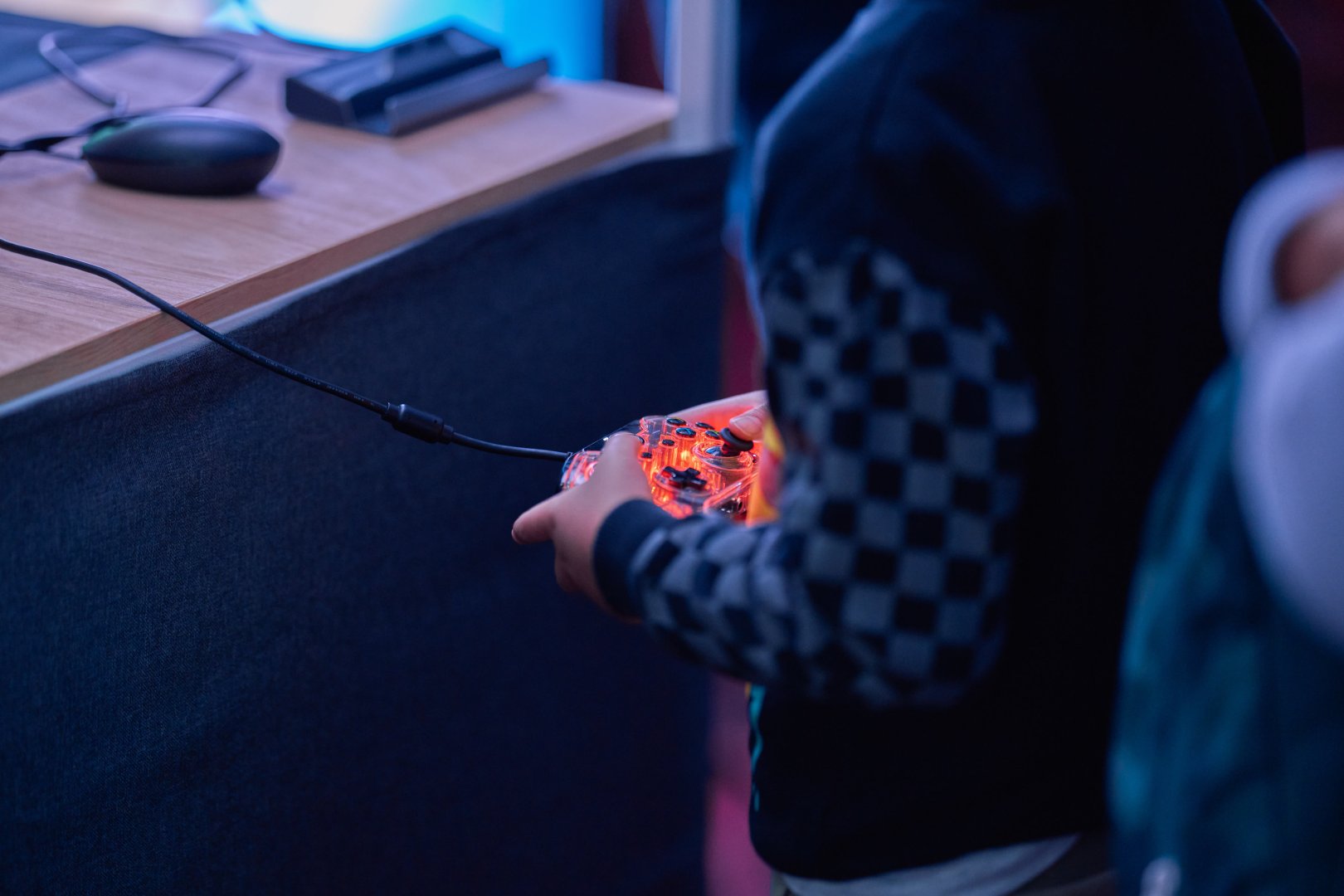
The London Games Festival serves as a critical platform for emerging UK indie developers, specifically highlighting the latest cohort of start-ups supported by the UK Games Fund.
- The 2026 London Games Festival New Games Plus showcase features eight early-stage UK indie studios, all of which are supported by the UK Games Fund.
- The showcase cohort is split equally between the Tranzfuser 2025 winners and the DunDev 2026 group.
- Participating Tranzfuser studios include Centaurus Software, Red Rat Games, ResByte Games, and Studio Whalefall.
March’s Top Steam Games: Indies, AAA, Early Access, and Revivals
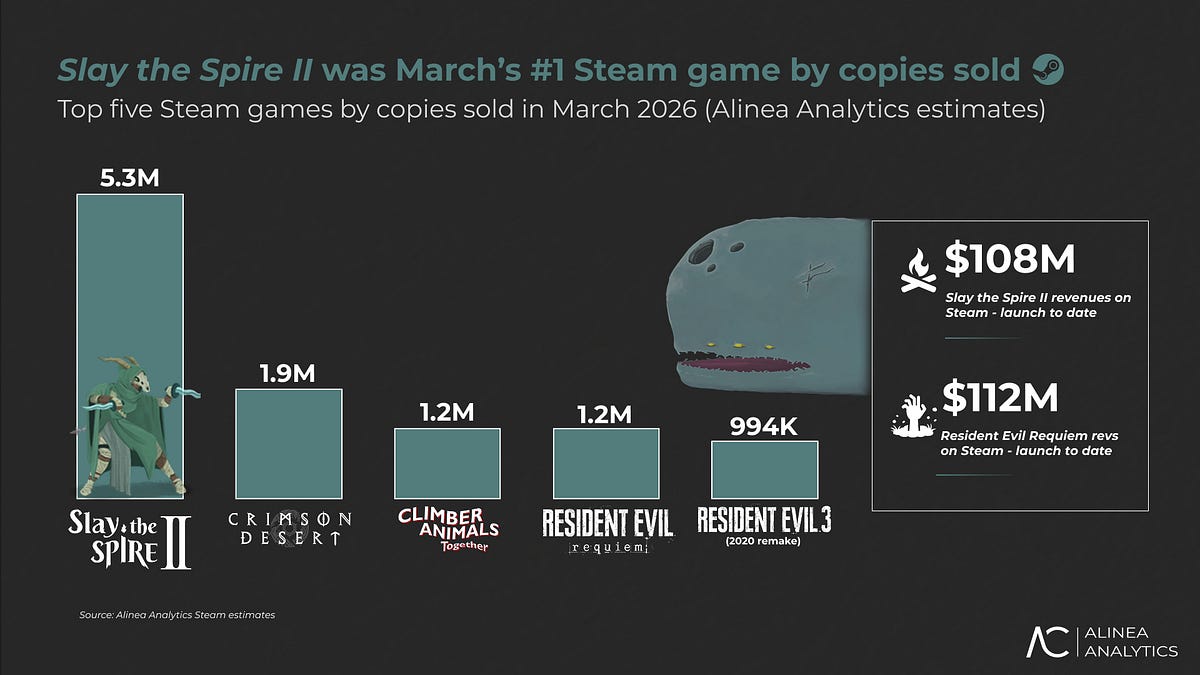
This analysis examines the March 2026 Steam sales landscape, highlighting a diverse market where indie titles, early-access projects, and AAA games coexist through distinct consumer behaviors.
- Steam’s user review sentiment is heavily skewed by regional demographics, as seen with Slay the Spire 2 where Simplified Chinese players—representing 44.5% of the user base—gave the game a 60% positive rating, compared to over 90% for other language groups.
- Pearl Abyss successfully salvaged the launch of Crimson Desert through agile community management, with positive sentiment rising from 31% for players with under one hour of playtime to 93% for those with over 25 hours following a rapid apology and a major patch on March 28.
- Capcom’s Steam-first strategy effectively monetizes back-catalog titles, as evidenced by Resident Evil 3 (2020) selling nearly one million copies in March 2026, driven primarily by a 90% discount that generated $8 million in revenue.
How to Close a Video Game: A Practical Game Development Guide
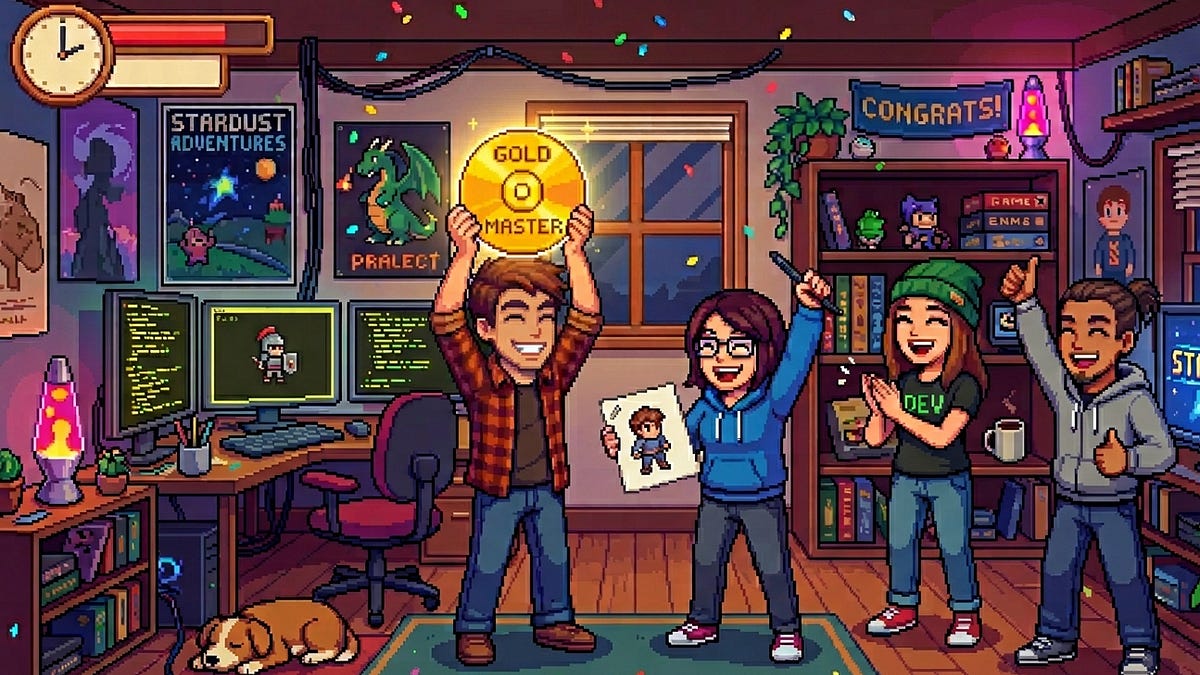
The closing phase of video game development is a distinct, critical period that begins after a game is functionally complete and ends upon submission for platform certification.
- Many indie studios fail not due to lack of talent, but because managing a studio and closing a game requires different skills than game development itself.
- The transition from 'creation mode' to 'closing mode' is psychologically challenging for developers who are passionate about building, as closing requires stopping new features and content to focus on checklists, bug tracking, and certification.
- Games often get stuck in a 'quagmire' near completion because teams maintain a production mindset instead of switching to a focused closing mindset, leading to prolonged development and potential crunch.

Let's Review Your Games — Ep. 047
Indie game development often suffers from a disconnect between mechanical intent and player perception, particularly in puzzle-oriented titles.
- Developers must prioritize clear visual language and structured, grid-aligned environments to reduce player cognitive load and prevent disorientation.
- Ambiguous environmental cues, such as non-functional assets that mimic UI elements like buttons, should be replaced with standardized interaction logic to prevent player frustration.
- To improve player retention, developers should implement consistent systems like color-coding keys to receptacles and using distinct, snap-in-place mechanics.