ArticleGameDiscoverCo
Is 'Marketing Before You Build' a Good Discovery Idea in 2026?
24 Apr 20261 pages~13 min full read
The practice of marketing video games before full development—often referred to as "marketing before you build"—has emerged as a strategic approach for indie studios to validate market interest and mitigate financial risk. By releasing early trailers or "mini-announcements" to gauge audience traction through wishlists and social media engagement, developers can determine whether a concept warrants full-scale production. This methodology, which relies heavily on short-form viral content, allows publishers to test the "memetics" of a game idea before committing significant capital to development.
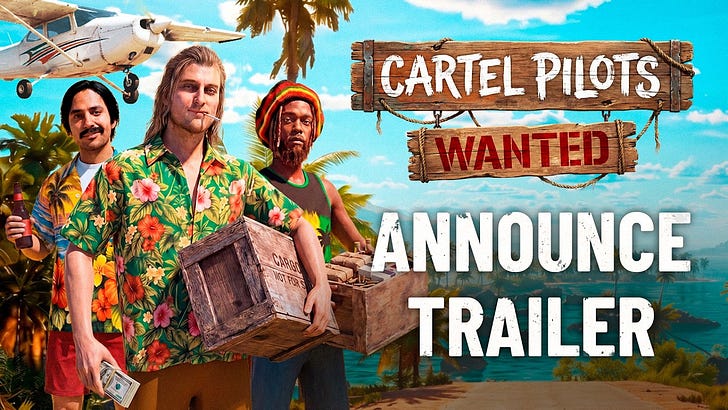
The effectiveness of this approach is evidenced by recent successes, such as the title Cartel Pilots Wanted, which secured over 200,000 Steam wishlists in a single week based on a cinematic trailer and viral TikTok content. However, this strategy carries inherent risks, particularly regarding expectation management. When marketing is based on "vibes" rather than finalized gameplay, there is a danger that the final product may fail to satisfy the audience's expectations, leading to poor reception or project abandonment. Historical examples, such as Contraband Police, demonstrate that this model can lead to commercial success if the core concept is refined over time, while others like Jungle House illustrate the potential for failure when the final game cannot match the initial promotional vision.
Ultimately, the industry is shifting toward earlier validation to avoid the high cost of developing games that lack a clear audience. While concerns persist that this "conditional funding" model might foster a hypercasual-style dev underclass, the core thesis remains that in an increasingly crowded and unpredictable market, identifying consumer interest early is a critical business imperative. Developers are encouraged to utilize game jams, early playtests, and demos alongside these marketing strategies to ensure that the final product aligns with the interest generated during the discovery phase.
GameDiscoverCo · 2026
GameDiscoverCo · 2026
GameDiscoverCo · 2026

GameDiscoverCo · 2026
GameDiscoverCo · 2026
GameDiscoverCo · 2026
GameDiscoverCo · 2026
GameDiscoverCo · 2026
GameDiscoverCo · 2026
GameDiscoverCo · 2026
GameDiscoverCo · 2026
GameDiscoverCo · 2026

Almedia · 2026
Gamesight · 2026

InvestGame · 2026

GamingReport · 2025
Video Game Insights · 2025

Virtuos · 2024
Liftoff · 2024

Adjust · 2023

Sensor Tower · 2023
Tenjin · 2023
AdQuantum · 2022
Tenjin · 2022