Establishing a successful indie game pricing strategy requires moving beyond intuition toward a data-driven framework that accounts for market polarization and long-term revenue cycles. Developers should identify a competitive set of 10 to 12 comparable titles to define a baseline market range. From there, specific price points are determined by evaluating four critical variables: genre norms, perceived level of polish, audience price sensitivity, and the developer’s specific positioning intent. This analytical approach is essential to navigate the current market landscape, which features a challenging middle tier between $25 and $55 where consumer demand often stagnates.
Strategic planning must also incorporate the necessity of a discount staircase, as launch prices should be set with the expectation that future price reductions will be required to trigger Steam’s wishlist notification algorithms. Furthermore, the commercial lifecycle of a title often peaks during the Early Access phase rather than the official 1.0 release, making this period a vital window for revenue generation. Developers are encouraged to leverage Steam’s regional pricing tools to optimize global reach, while remaining vigilant regarding specific market exceptions, such as Poland, where local economic conditions may necessitate tailored adjustments.
This methodology applies to the global indie game market, focusing primarily on digital distribution platforms like Steam. By prioritizing objective market data over subjective estimation, developers can better position their products to withstand competitive pressures and maximize lifetime earnings. Adopting this structured approach ensures that pricing remains a flexible, strategic tool rather than a static decision, allowing for adjustments that align with evolving player expectations and platform-specific promotional mechanics.
Game Studio Unlocked · 2026

Game Studio Unlocked · 2026

Game Studio Unlocked · 2026

Game Studio Unlocked · 2026
Game Studio Unlocked · 2026
Game Studio Unlocked · 2026
Game Studio Unlocked · 2026
Game Studio Unlocked · 2026
Game Studio Unlocked · 2026
Game Studio Unlocked · 2026
Game Studio Unlocked · 2026

Game Studio Unlocked · 2026

Coda · 2026

Sensor Tower · 2025
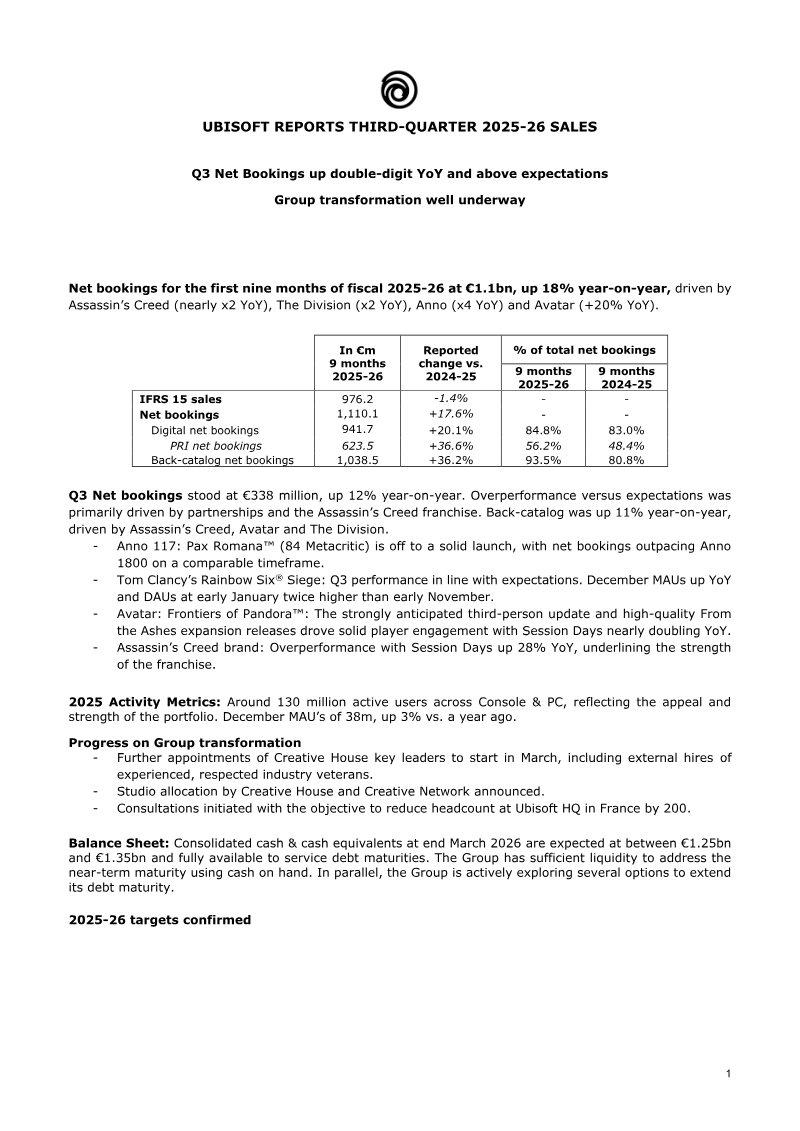
Ubisoft · 2025

Koei Tecmo · 2024
Bandai Namco · 2021

data.ai · 2021
data.ai · 2018
GREE · 2014
Appcharge
Ubisoft

InvestGame

IGN Entertainment · 2026