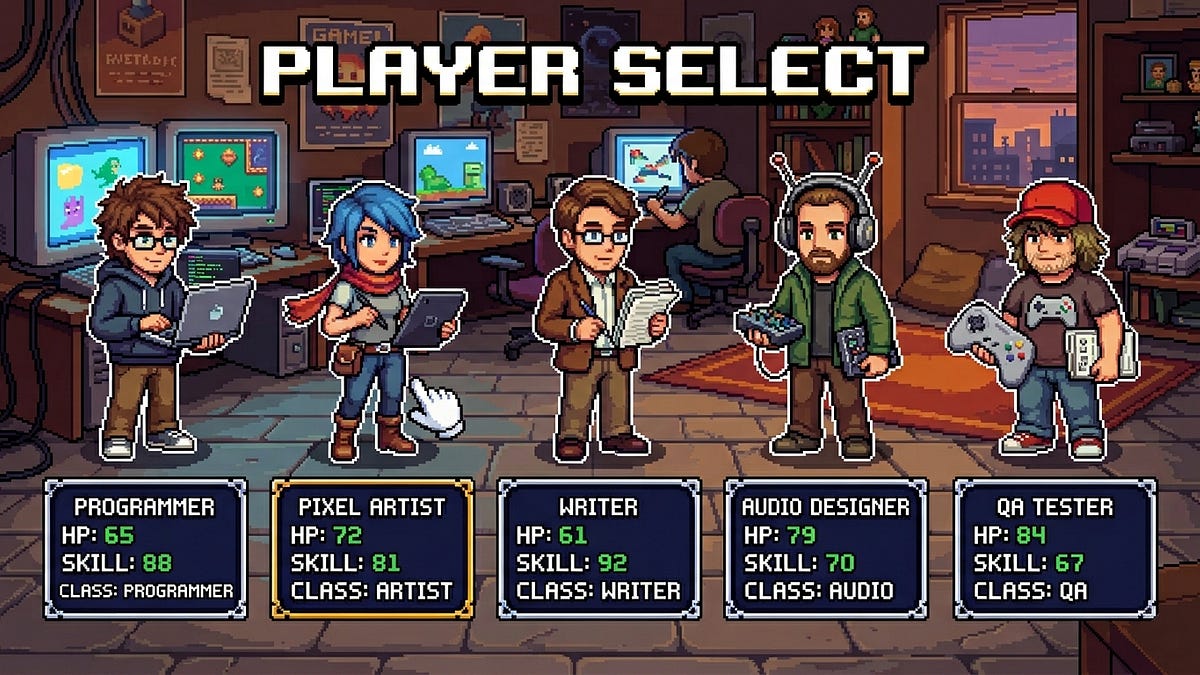
ArticleGame Studio Unlocked
An HR and Payroll Primer for Indie Game Studios
23 Apr 20261 pages~43 min full read
Indie game studios face significant operational hurdles when scaling, particularly regarding the complex intersection of payroll management, tax compliance, and human resources. The primary challenge for founders is distinguishing between W-2 employees and 1099 contractors to avoid severe legal and financial penalties. Establishing a robust infrastructure—often through automated payroll platforms—is essential for maintaining consistent pay schedules and ensuring adherence to state-specific tax withholdings and filing requirements. By systematizing these routine administrative tasks, studios can mitigate the risks associated with rapid growth and regulatory oversight.
Strategic workforce management requires selecting the appropriate administrative model based on geographic distribution. For domestic teams, Professional Employer Organizations offer a viable path to offload compliance burdens while providing competitive group benefits. Conversely, hiring international talent necessitates the use of Employers of Record to navigate foreign legal entities without incurring excessive liability. Beyond basic compliance, studios should prioritize comprehensive benefits packages, such as PPO health plans or ICHRA arrangements, alongside 401(k) matching and disability insurance, to foster long-term retention and employee well-being.
Ultimately, the sustainability of an indie studio depends less on creative output and more on the founder’s ability to master business operations. Because the industry often suffers from a deficit of management expertise, studios must move away from informal practices toward documented, transparent policies regarding leave and compensation. Whether managing small teams internally or leveraging external professional services for complex scaling and termination scenarios, founders must treat HR and payroll as foundational pillars of their business strategy to prevent avoidable operational failure.
Game Studio Unlocked · 2026
Game Studio Unlocked · 2026

Game Studio Unlocked · 2026
Game Studio Unlocked · 2026
Game Studio Unlocked · 2026
Game Studio Unlocked · 2026
Game Studio Unlocked · 2026
Game Studio Unlocked · 2026
Game Studio Unlocked · 2026
Game Studio Unlocked · 2026
Game Studio Unlocked · 2026
Game Studio Unlocked · 2026
8Bit · 2026
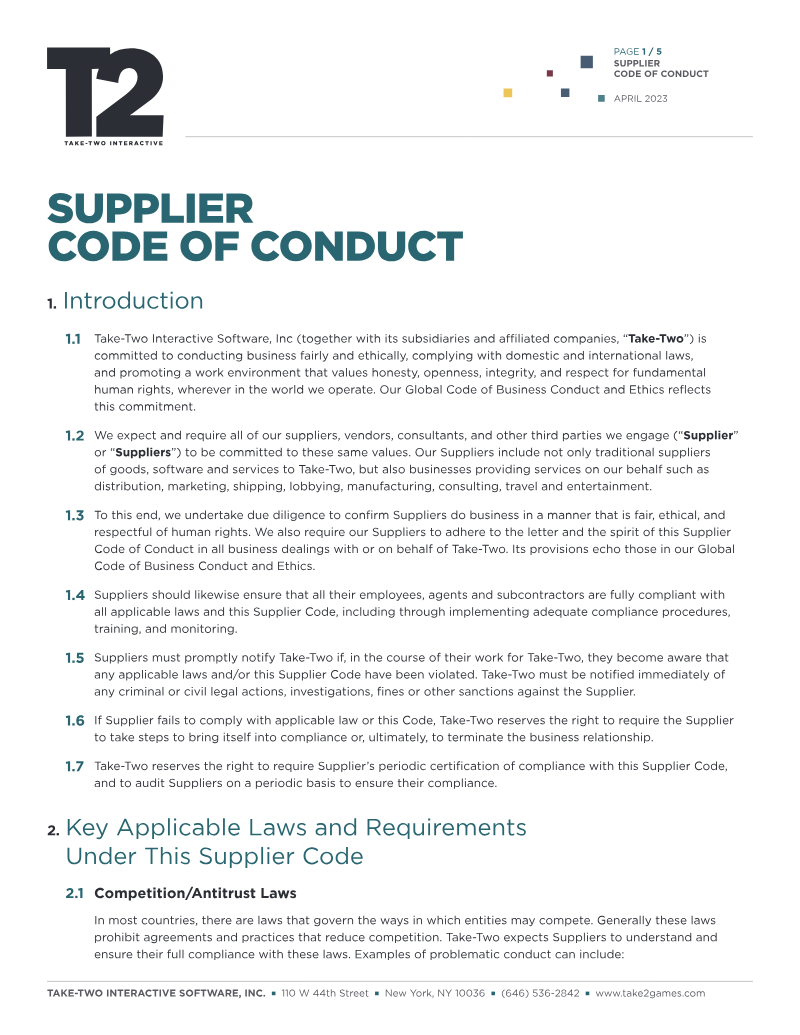
Take-Two Interactive · 2026
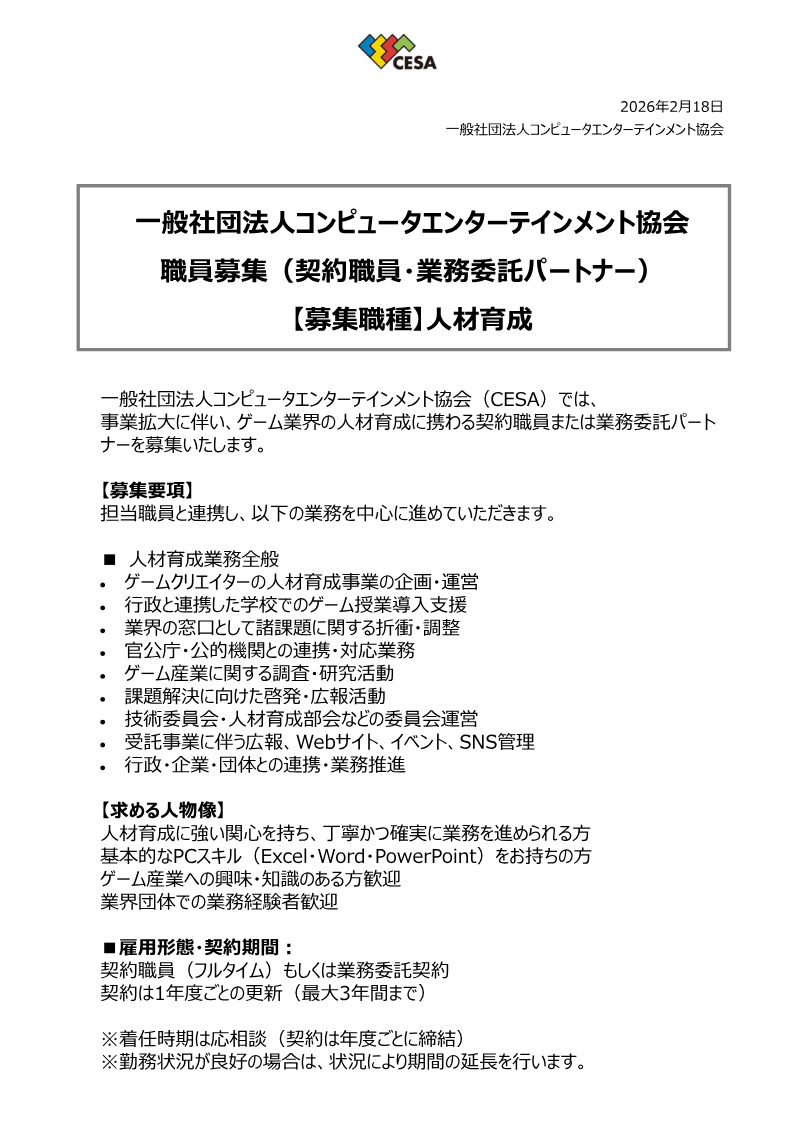
CESA – Computer Entertainment Supplier's Association · 2026
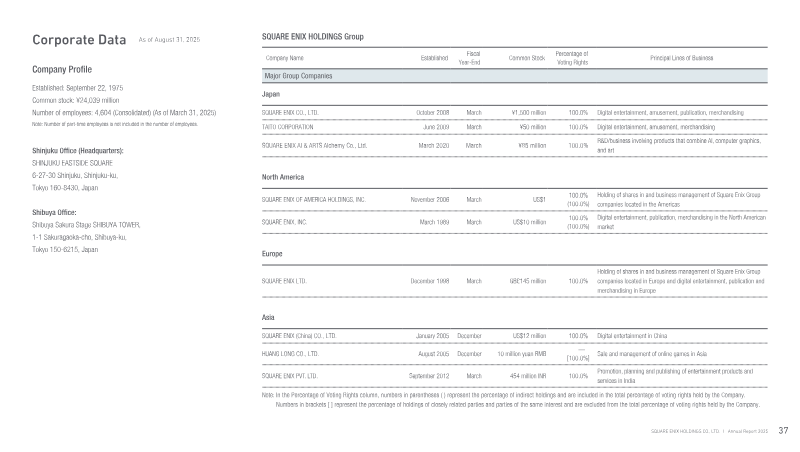
Square Enix · 2025
Konvoy · 2025
InGameJob · 2025
Informa · 2024
International Game Developers' Association · 2024
80 Level · 2024
International Game Developers’ Association · 2023
Skillsearch · 2023
80 Level · 2023