ArticleGameDiscoverCo
The Surprising Percentage of Steam Games Not Actually Bought on the Platform
21 Apr 20261 pages~15 min full read
A significant portion of Steam game sales occurs outside the platform, a trend particularly prevalent among high-profile titles. Analysis of Steam review data reveals that while the median percentage of off-platform reviews—which include purchases from third-party key stores, retail, and promotional copies—is approximately 12%, some major releases see this figure climb to between 30% and 45%. This phenomenon is largely driven by consumers seeking discounts on expensive, highly anticipated games through reputable third-party key retailers, allowing publishers to bolster sales volume without sacrificing margins to Steam’s platform fees.
The research, which examined paid Steam titles with over $1 million in gross revenue released within the last 12 months, indicates a clear correlation between a game's price point and the volume of off-platform acquisitions. While indie breakout hits typically show lower percentages of off-platform reviews, larger publishers frequently leverage third-party stores to distribute keys, effectively bypassing Steam’s direct monetization for a significant share of their total sales. These findings suggest that while Steam remains a primary hub for discovery, the actual transaction often occurs elsewhere, complicating traditional sales forecasting.
Beyond the analysis of Steam key distribution, the industry landscape continues to evolve with shifts in subscription models, such as Xbox Game Pass, and platform-specific discovery strategies. For instance, smaller developers are increasingly utilizing platforms like Itch.io to cultivate early communities and secure initial feedback, though such platforms serve different strategic purposes compared to the broader reach of Steam. Ultimately, the data underscores a complex, fragmented digital marketplace where third-party key stores play an essential, albeit often overlooked, role in the commercial success of modern video games.

GameDiscoverCo · 2026
GameDiscoverCo · 2026

GameDiscoverCo · 2026

GameDiscoverCo · 2026
GameDiscoverCo · 2026
GameDiscoverCo · 2026

GameDiscoverCo · 2026
GameDiscoverCo · 2026
GameDiscoverCo · 2026
GameDiscoverCo · 2026
GameDiscoverCo · 2026
GameDiscoverCo · 2026
Rokky · 2025
PlayWay · 2018
Bain & Company
IGN Entertainment · 2026

Niko Partners · 2026
Bryter · 2026
GameAnalytics · 2026
Poki · 2026

Sensor Tower · 2026
Anzu · 2026
Newzoo · 2026
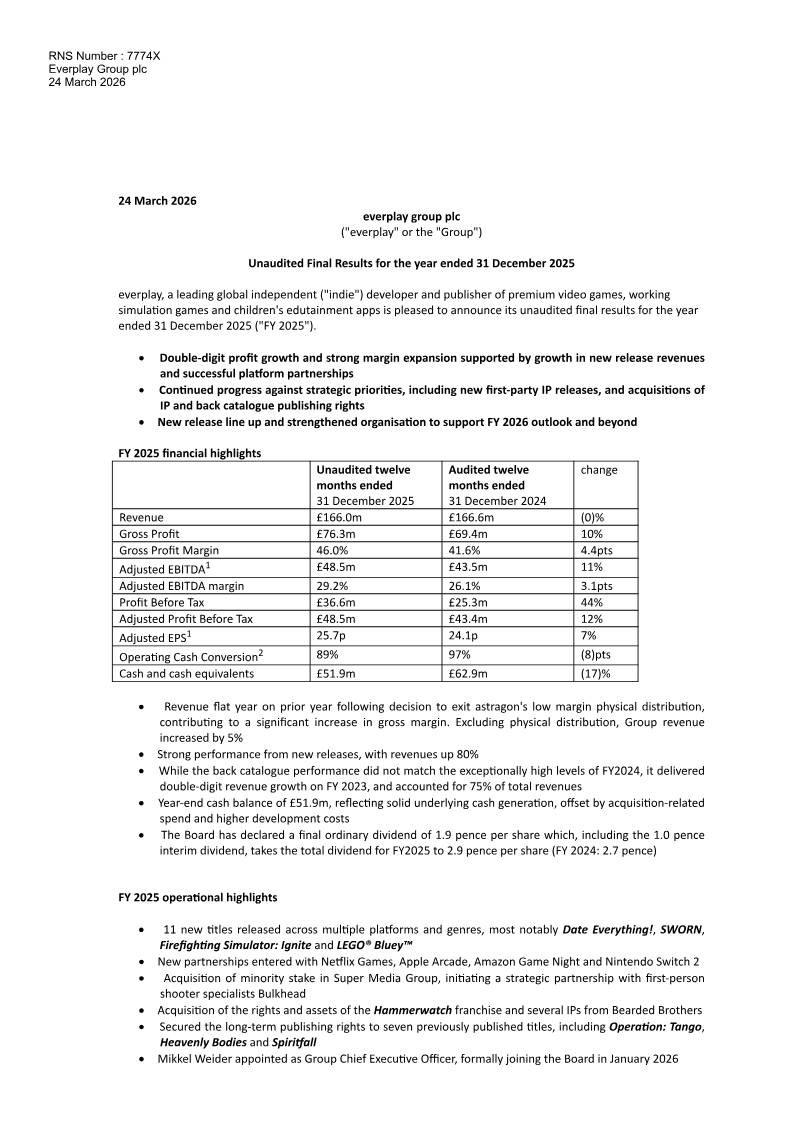
Everplay Group · 2026