User Acquisition reports and market data
Documents

Build Your Own Fan Club: How to Use Your Email List
Email marketing serves as a critical, high-conversion tool for game developers seeking to cultivate a dedicated player base.
- Email marketing provides a direct, permission-based connection that bypasses algorithmic volatility, resulting in superior click-through rates and more reliable conversion metrics compared to social media.
- Developers should prioritize proactive lead magnets—such as exclusive soundtracks, early access demos, or unique in-game items—to convert casual observers into committed subscribers.
- A nurturing communication sequence that prioritizes high-quality content over aggressive sales tactics is essential for building community trust and reducing unsubscribe rates.
Overview of MENA markets
The Middle East and North Africa (MENA) region represents a significant, high-growth market for mobile gaming, characterized by a young, tech-savvy population and increasing digital spending power.
- The MENA region features a highly engaged gaming demographic where 30% of the population is under 25 years old.
- Effective market entry requires cultural localization, specifically implementing right-to-left text support and avoiding literal translations in favor of Modern Standard Arabic.
- Monetization strategies must prioritize direct carrier billing through local telecommunications operators and account for a strong preference for iOS devices among higher-income users.
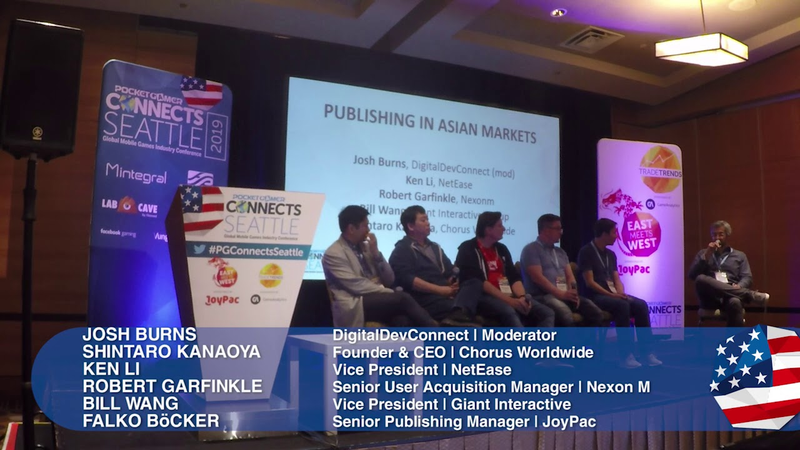
Publishing in Asian Markets
The Asian gaming landscape represents a high-stakes environment defined by intense competition, rigorous regulatory frameworks, and a shift toward premium, high-fidelity experiences.
- The Chinese gaming market is undergoing significant regulatory restructuring, resulting in a reduced number of official game approvals and increased scrutiny from an ethics committee focused on social value, violence, and blood content.
- Successful entry into the Chinese market requires high-quality production, and for mobile developers, leveraging established IP is a critical strategy to secure free traffic.
- Bringing Asian titles to Western markets requires extensive due diligence, with a localization and user experience vetting process that can take six months to a year to complete.

Leveraging key learnings in UA to happily grow your studio
The primary thesis of this presentation is that mobile game studios should treat talent acquisition with the same strategic rigor and messaging consistency as user acquisition.
- Mobile game studios should apply the same strategic rigor and messaging consistency to talent acquisition as they do to user acquisition.
- A studio's mission and core values are more effective at attracting and retaining high-quality talent than technical skill requirements alone.
- Traditional job boards are often inefficient; one example showed a $700 investment in a job board yielded only two irrelevant resumes.
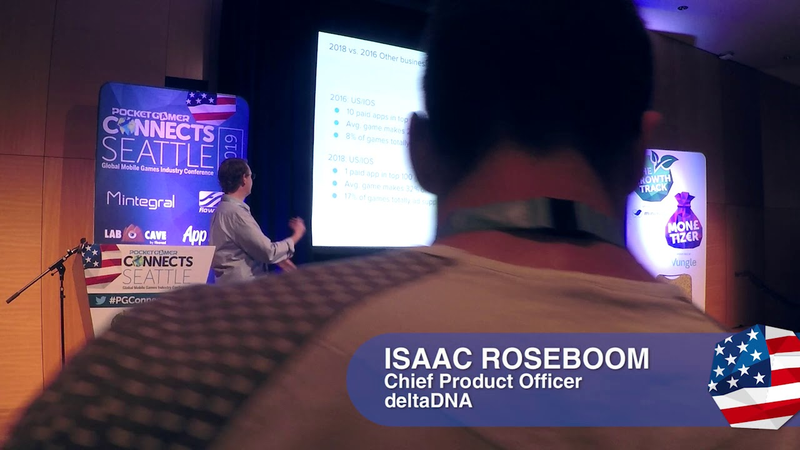
80% data, 20% luck – How to make profitable games in 2019
The mobile gaming industry has transitioned from a hit-driven, scattergun marketing approach to a data-centric model focused on sustainable growth and long-term player engagement.
- Mobile gaming has shifted from a 'boom-bust' launch model to a sustainable growth strategy, resulting in a 64% survival rate for games launched in 2018 compared to only 40% in 2016.
- Successful publishers now delay paid user acquisition (UA) until months after launch, allowing them to gather data on player segments to ensure marketing spend targets high-value users.
- Engagement is now prioritized over aggressive monetization, as evidenced by the fact that while total US App Store revenue grew 30% between 2016 and 2018, the number of players remained relatively static.
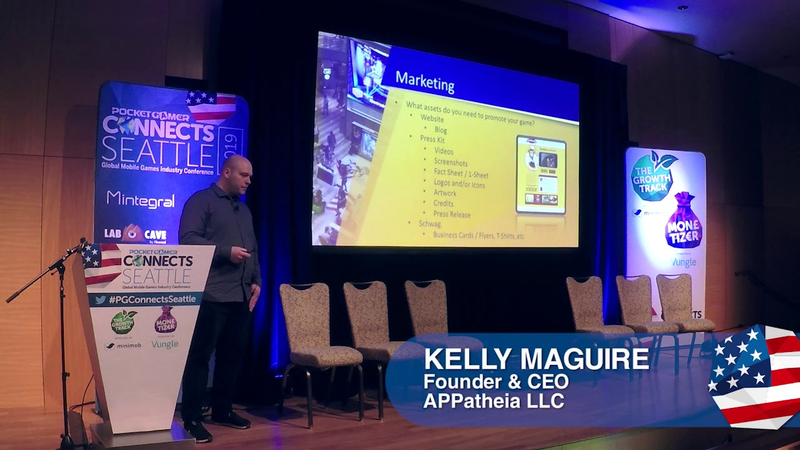
Marketing and business on a budget for indie developers
Indie game development requires a shift in perspective from viewing a project as a creative passion to treating it as a commercial product.
- Indie developers must treat marketing and monetization with the same level of rigor and resource allocation as the actual game development to succeed in a competitive market.
- Marketing strategy should focus on identifying a unique selling proposition and communicating it through concise, digestible content tailored to short attention spans.
- Paid acquisition should leverage sophisticated targeting on platforms like Facebook, Instagram, and Google, while utilizing cost-per-install networks and micro-influencers for scalable growth on limited budgets.
Creative user acquisition tactics for mobile apps
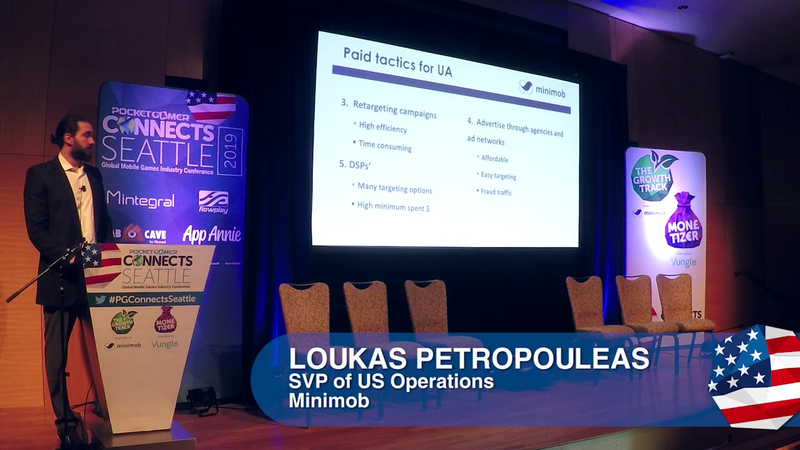
Effective mobile user acquisition requires a disciplined, data-driven approach that balances aggressive growth with long-term retention.
- Prioritize user retention over acquisition, as acquiring a new user is four to ten times more expensive than retaining an existing one.
- Adopt a 90/10 budget allocation strategy, dedicating 90 percent of funds to proven acquisition channels while reserving 10 percent for testing new sources to mitigate risk.
- Implement sophisticated user segmentation based on geographic data, purchase behaviors, and interaction timelines to trigger personalized re-engagement campaigns, such as targeted discounts for abandoned purchases.
Onboarding UX design tips for mobile
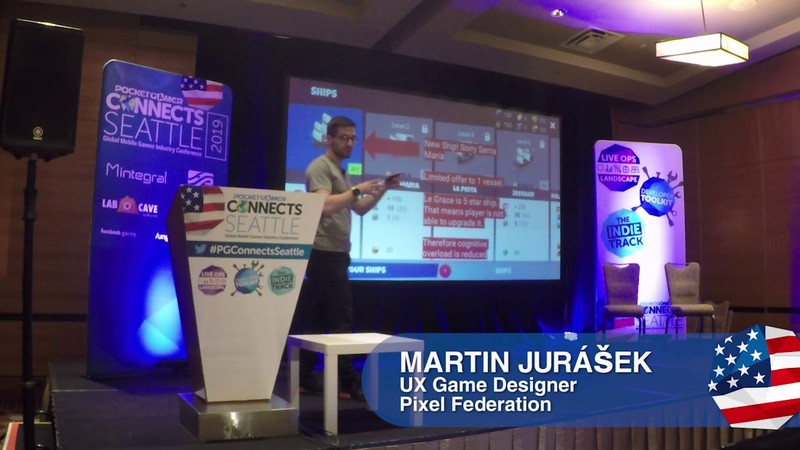
This analysis examines onboarding optimization strategies for mobile games, specifically focusing on the free-to-play title Seaport.
- Prioritize iterative UI and game rule refinements over complex tutorials to resolve friction points, as these low-cost changes can significantly improve core gameplay engagement.
- In the case of Seaport, implementing incremental design changes—such as intuitive iconography and dynamic tooltips—increased the ship dispatch rate from 59% to 85% before any formal tutorial was introduced.
- Integrating a guided NPC tutorial after optimizing game mechanics further boosted the ship dispatch rate to 96% and achieved a 40% day-one retention rate during soft launch.
Idle games – Games for everyone
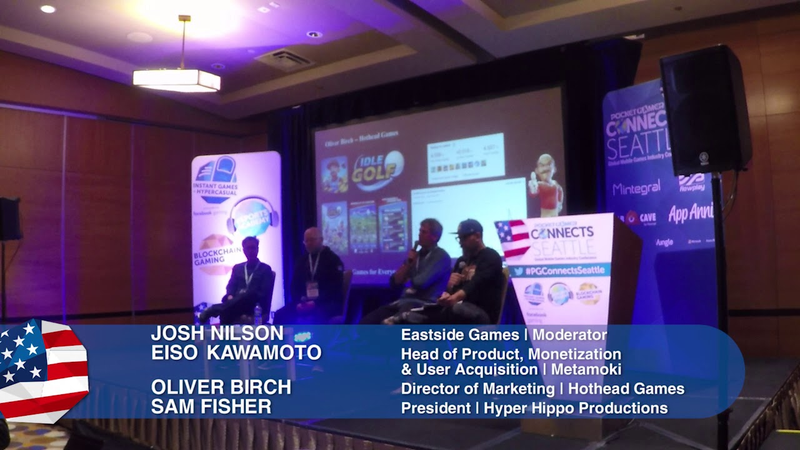
Idle games have evolved from simple, secondary entertainment loops into sophisticated, core lifestyle habits that command significant player time and investment.
- Rewarded video advertisements generate over 55 percent of total revenue in the idle genre, serving as a value-add for progress acceleration rather than an intrusive disruption.
- The idle genre has transitioned from simple secondary loops into sophisticated, community-centric platforms that prioritize long-term retention through persistent world-building and character collection.
- Monetization strategies rely on a hybrid model that successfully captures spend from a hardcore player base willing to invest in both premium content and ad-skipping mechanics.

Panel: Instant Games versus the hyper-casual market
Hyper-casual games and instant games represent distinct approaches to mobile engagement, with the former prioritizing stripped-back, core-mechanic loops and the latter focusing on social-first, viral experiences.
- Instant games must evolve from simple marketing funnels into standalone experiences that leverage the social infrastructure of platforms like Facebook, Snapchat, and WeChat to drive long-term retention.
- The industry is shifting toward a 'super-app' model where games function as lightweight, integrated social utilities rather than isolated applications to capture massive, pre-existing audiences.
- Key barriers to growth include poor content discovery mechanisms and the difficulty of integrating gaming into messaging environments without appearing intrusive to users.
Publishing 101: A crash course in navigating today’s mobile marketplace
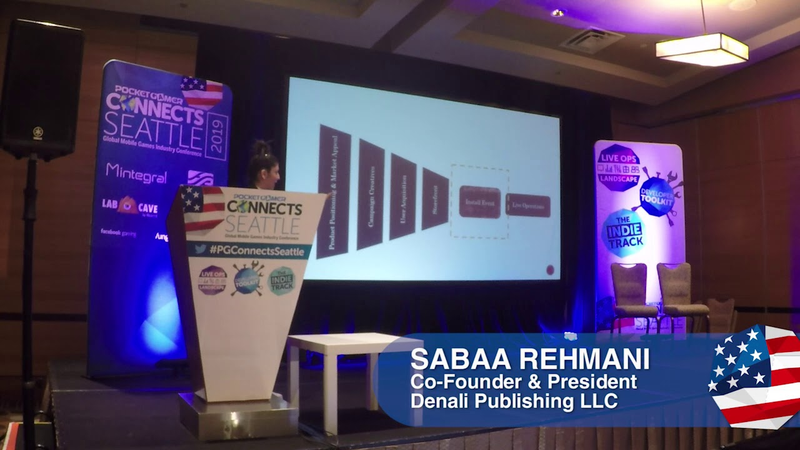
The mobile game publishing landscape is characterized by extreme saturation and high competition, requiring developers to adopt a systematic, data-driven approach to achieve scalability.
- Achieving scalability requires maintaining a positive delta where the lifetime value (LTV) of a user consistently exceeds the cost to acquire (CAC) that user.
- Developers must prioritize product stability and retention metrics before scaling acquisition, as poor user experience renders marketing spend ineffective by creating a 'leaky bucket' scenario.
- Success in a saturated market depends on a data-driven, iterative cycle that uses attribution partners and analytics SDKs to distinguish between organic and paid traffic performance.
Hyper-casual math
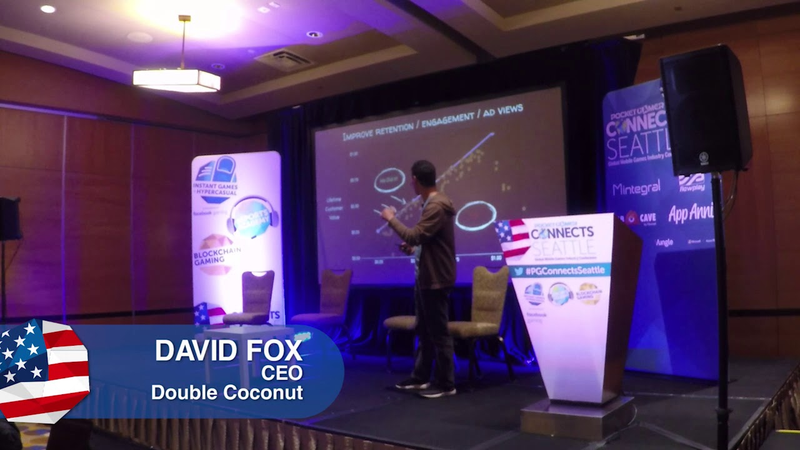
The hyper-casual mobile gaming sector has evolved into a high-volume, data-driven industry that functions similarly to the pop music business.
- Hyper-casual profitability relies on a strict mathematical threshold where user acquisition costs must remain lower than the lifetime value generated by rewarded video ads.
- The industry operates on a volume-first strategy, where publishers like Voodoo crowdsource hundreds of prototypes to rapidly identify and scale titles with mass-market appeal.
- Between 2014 and 2019, the sector transitioned from a market of accidental viral hits to a sophisticated, publisher-led ecosystem driven by data and aggressive marketing.