User Acquisition reports and market data
Documents
What You Need to Know About Hypercasual Games in Asia
The hypercasual gaming sector is experiencing a significant expansion into the Asian market, particularly China, as the region’s mobile-first culture increasingly embraces snackable, high-frequency gameplay.
- Day-seven retention is the primary driver of long-term profitability in the Chinese hypercasual market, providing a tenfold impact on lifetime value compared to day-one retention.
- The Chinese market offers a significant opportunity for hypercasual developers, supported by an installed base of approximately 250 million iOS devices.
- Successful localization for Chinese players requires shifting from abstract Western design to content featuring distinct characters, light storylines, and self-deprecating humor.
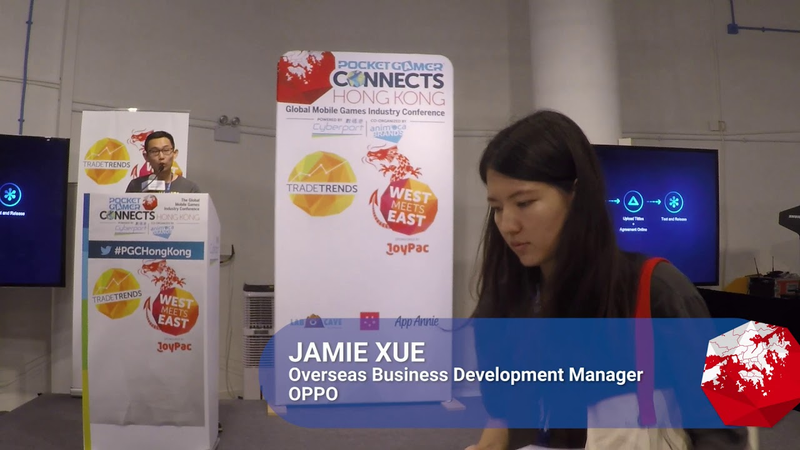
Introduction to OPPO Game Center
OPPO Game Center serves as a distribution and monetization platform for mobile game developers, leveraging the global reach of OPPO’s smartphone hardware.
- OPPO is a top-five global smartphone manufacturer with over 300 million daily active users on its ColorOS platform.
- The OPPO Game Center functions as a major distribution channel, boasting over 100 million monthly active users in mainland China and significant growth in Southeast Asian markets like Indonesia.
- Developers can receive free featuring opportunities within the Game Center to drive discovery, with current performance in Indonesia yielding between 16,000 and 30,000 downloads per game daily.
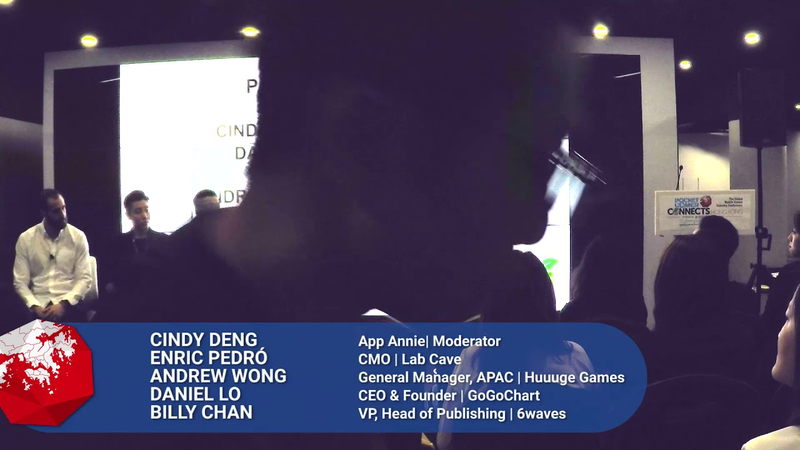
Embracing Complexity and Compliance in Modern UA
Modern mobile user acquisition demands a sophisticated, data-driven framework that integrates paid advertising with continuous App Store Optimization.
- Successful user acquisition requires balancing CPI against LTV, with evergreen games like social casino titles supporting higher CPIs due to multi-year player lifecycles, compared to hardcore games with 6-to-12-month lifecycles.
- Internal Business Intelligence (BI) systems are essential for modeling user behavior, such as tracking spin frequency in casino games to identify potential high-value 'whale' players and predict purchasing patterns.
- App Store Optimization (ASO) remains a critical, ongoing process; top-performing products often manage pools of over 10,000 keywords, requiring constant exploration and re-testing of previously underperforming terms.

Marketing Agencies, Their Value and How to Work With Them
This presentation outlines the strategic value of marketing agencies for mobile app developers and provides a framework for successful client-agency partnerships.
- Agencies provide value by offering access to specialized marketing technology, scaling acquisition efforts without the overhead of internal team building, and delivering performance-driven results like ROI and ROAS.
- When vetting an agency, clients should perform due diligence by requesting relevant case studies, checking references within their specific vertical, and obtaining at least three quotes to establish a cost benchmark.
- Successful long-term agency-client relationships rely on setting clear expectations, ensuring the client recognizes the agency's value, and maintaining profitability for both parties.
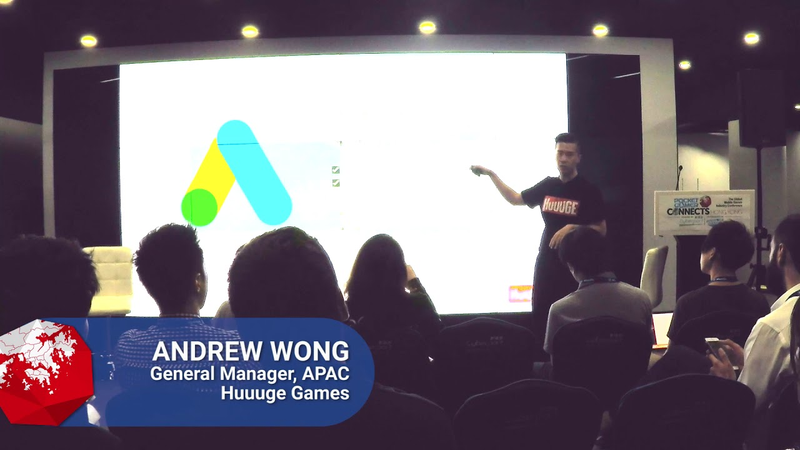
From Europe to Asia Pacific, From Social Casino to Casual Games; the Secret of User Acquisitions
This analysis examines the user acquisition strategies employed by Huuuge Games as the company expanded its operations from European markets into the Asia-Pacific (APAC) region.
- Culturalization of game assets—including visual themes, UI, and event messaging—can increase pay rates by over 100% compared to standard Western-style assets in the APAC market.
- Automated, machine-learning-based advertising tools like Google’s Universal App Campaigns and Facebook’s automated bidding outperform manual install-focused campaigns in long-term return on investment.
- Scaling user acquisition requires an initial period of capital investment and patience to allow algorithms to optimize for high-value users through features like 'max conversion' campaigns.
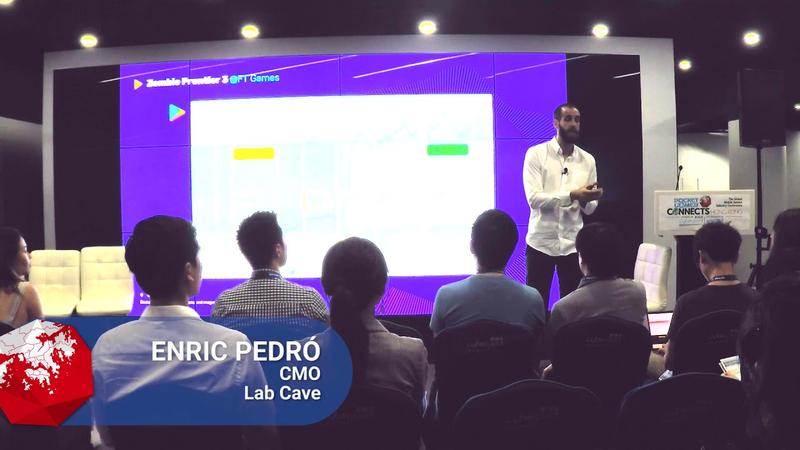
ASO (App Store Optimization) and How it Can Help Developers to Improve Their Profitability
App Store Optimization (ASO) serves as a critical strategy for mobile developers to maximize organic installs and improve overall profitability.
- App Store Optimization (ASO) is critical for conversion, as Lab Cave observed a 20% increase in store page visits after updating a game icon to better reflect realistic gameplay and boss-fight features.
- While Apple reports that 65% of iOS installs originate from search, Lab Cave's analysis of 37 apps found that 60% of Google Play installs actually stem from 'explore' traffic, highlighting the importance of visual assets over metadata.
- Conversion rate optimization must be prioritized before pursuing featuring or Editor's Choice awards, as high traffic volume yields minimal install growth if the store page assets are not optimized to convert visitors.

31Billion $ by 2020, Growing Your Games in China
The Chinese mobile gaming market represents a significant growth opportunity for international developers, characterized by its massive scale and unique operational requirements.
- China represents the world's largest mobile gaming market, accounting for 25% of global game spending in 2018.
- Mobile gaming's share of the Chinese market has grown from 12% in 2012 and is projected to reach 75% by 2020.
- Successful entry into the Chinese market requires replacing Western login and payment systems (such as Facebook, Google, and PayPal) with local alternatives like WeChat, QQ, Weibo, Alipay, and UnionPay.

Apple Arcade: First Time User Experience
The launch of Apple Arcade represents a strategic shift in mobile gaming, introducing a subscription-based model that eliminates in-app purchases, microtransactions, and advertisements.
- Apple Arcade operates on a $4.99 monthly subscription model that removes all in-app purchases, microtransactions, and advertisements across its library.
- The service launched with a curated catalog of 50 to 70 titles, featuring contributions from established developers such as Sega, Capcom, and Konami.
- Content is accessible across iPhone, iPad, Mac, and Apple TV with cross-platform synchronization, though it relies on local app downloads rather than cloud streaming.
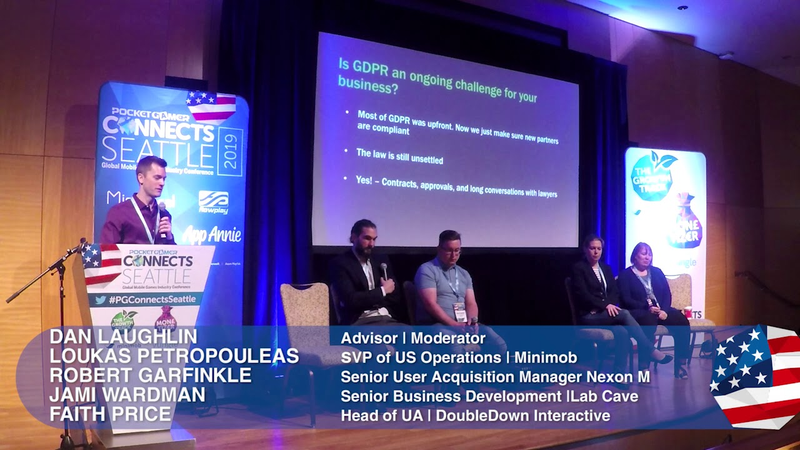
Embracing complexity and compliance in modern user acquisition
Modern user acquisition in the mobile gaming industry is defined by a fundamental paradox: developers possess unprecedented access to sophisticated automation and targeting tools, yet they must navigate an increasingly volatile landscape characterized by intense competition, sophisticated ad fraud, and stringent regulatory…
- Sustainable user acquisition requires balancing aggressive scaling with the operational friction of GDPR compliance and the need for high-quality traffic.
- Google and Facebook remain the primary drivers of scale, while smaller networks and demand-side platforms are essential for specialized targeting and personalized service.
- Developers should prioritize partners offering proprietary inventory and demonstrate high responsiveness while maintaining skepticism toward traffic sources that promise unrealistic results.
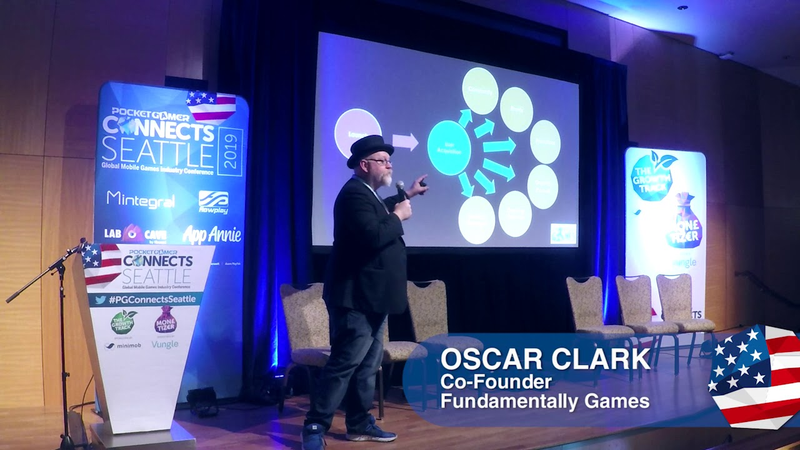
Joined up thinking: Optimising UA effectiveness by aligning campaigns with live ops strategies
The primary thesis of this analysis is that mobile game success relies on integrating user acquisition (UA) strategies with live operations (LiveOps).
- Success in mobile gaming requires integrating user acquisition (UA) and LiveOps into a unified strategy rather than managing them as isolated silos.
- Marketing campaigns should be synchronized with a predictable pipeline of content updates, feature releases, and community events to foster long-term player engagement.
- Sustainable growth depends on leveraging organic drivers like community-generated content and social sharing to complement paid UA efforts.
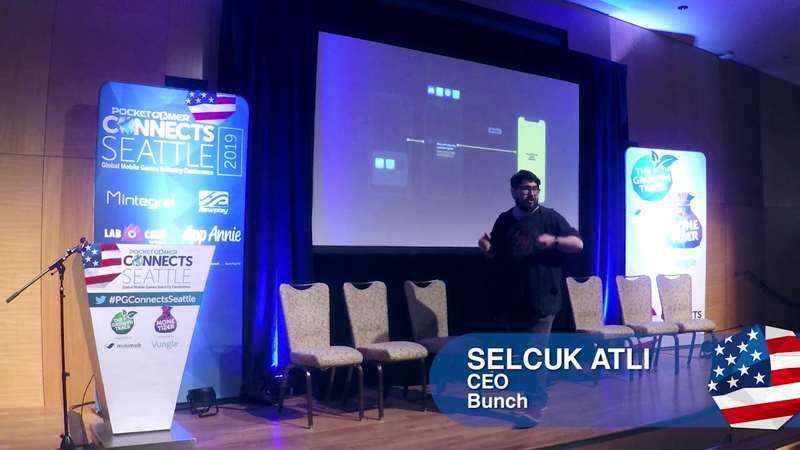
The digital playground: Reducing friction to play
The digital landscape of mobile gaming is shifting from isolated, single-player experiences toward social networks where gameplay serves as a primary medium for interaction.
- Social connectivity is a primary driver of retention, with data from the Bunch network showing that each additional friend a user connects with increases retention by 1.3 times.
- Players who use integrated communication tools to chat before, during, and after gameplay sessions exhibit nearly double the retention rates of general users.
- Developers should treat mobile games as social platforms where the 'metagame'—social behaviors occurring outside the immediate session—is as critical to lifecycle management as core game mechanics.

The Future of UA+PM | N3TWORK's Nebo Radovic talks Product Management and User Acquisition Strategy
The integration of user acquisition (UA) and product management (PM) teams is a critical driver of competitive advantage in the mobile gaming industry.
- Integrating User Acquisition (UA) and Product Management (PM) teams is a primary driver of competitive advantage, shifting from siloed operations to shared accountability and unified goal-setting.
- High-frequency communication, including daily or near-daily meetings, is required to synchronize live game events with UA strategies and monitor metrics like early retention and payer conversion.
- Genre specialization is mandatory for success, as distinct game genres require tailored creative assets and targeting strategies that align with their specific Lifetime Value (LTV) curves.