USA reports and market data
Documents
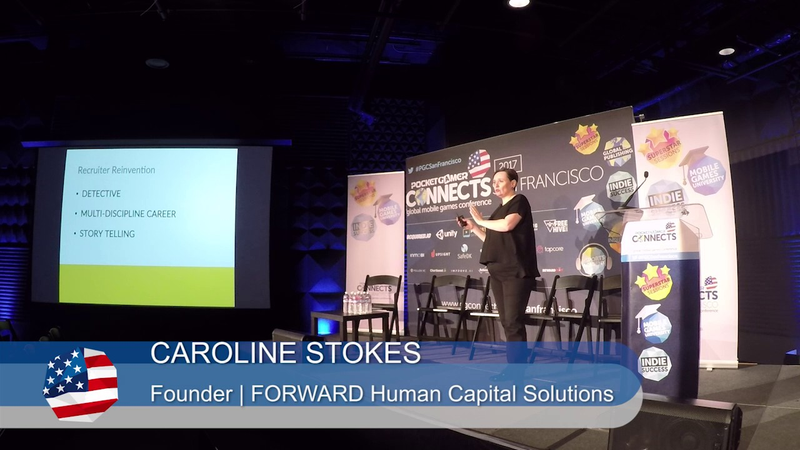
The talent acquisition masterclass
The talent acquisition landscape is undergoing a fundamental transformation, shifting from a transactional, volume-based model to a strategic, relationship-driven discipline.
- Talent acquisition must transition from a transactional, volume-based model to a strategic, relationship-driven discipline integrated directly into the C-suite.
- Recruiters must evolve into brand ambassadors and storytellers who possess deep knowledge of company culture rather than acting as simple resume processors.
- Organizations should adopt a 'care to win' model that prioritizes emotional intelligence, professional development, and honest, constructive feedback for all candidates.
AI growth hacking
The integration of artificial intelligence into game design serves as a powerful tool for optimizing the player journey, transforming the development process into a systematic, data-driven endeavor.
- AI functions as a 'prosthetic' for game developers, automating tactical optimization to allow human creators to focus exclusively on high-level narrative, character, and aesthetic design.
- Game development is increasingly treated as a meta-game, where the primary objective is to use machine learning to systematically maximize player engagement, retention, and revenue.
- The pirate metrics model (acquisition, activation, retention, revenue, and referral) serves as the core framework for AI integration, with machine learning used to tailor experiences to individual player behavior.
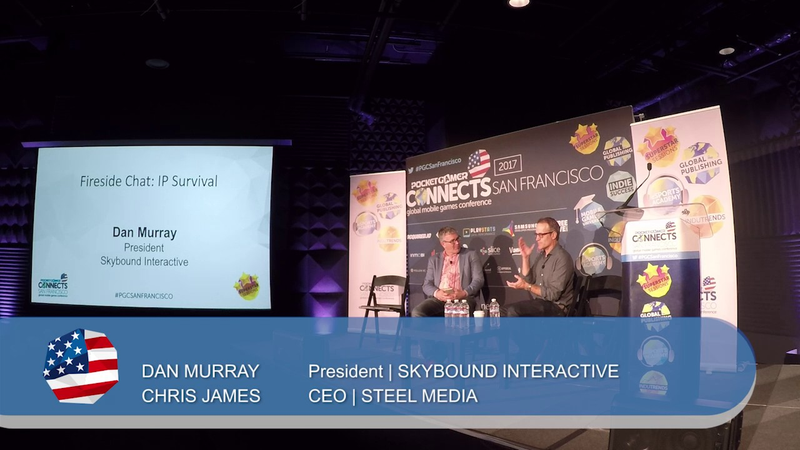
Skybound's Dan Murray on working with IP - Survival 101
Skybound President Dan Murray outlines the strategic approach to managing intellectual property (IP) within the gaming industry, emphasizing the importance of authenticity, creator-led business models, and deep collaboration between licensors and developers.
- Successful IP-based games require moving beyond superficial 'IP slaps' by ensuring mechanics and narrative spirit are deeply integrated with the source material.
- Skybound utilizes a 'wheel of awesome' business model, retaining core rights to properties like The Walking Dead to maintain control across film, television, and gaming adaptations.
- Licensing success relies on replacing siloed relationships with proactive, direct collaboration between IP holders and developers to ensure both narrative consistency and mechanical innovation.
Arts Funding - Helping Games that Help Us - Extra Credits
The video advocates for the preservation of federal arts and humanities funding in the United States, specifically targeting the National Endowment for the Arts (NEA) and the National Endowment for the Humanities (NEH).
- The National Endowment for the Arts (NEA) and National Endowment for the Humanities (NEH) receive a combined annual federal allocation of approximately $296 million, representing only 0.002% of the total U.S. federal budget.
- Federal arts funding is essential for the development of non-commercial, educational, and historical video games that would otherwise struggle to find support in the traditional commercial market.
- Projects like 'Walden,' which explores Thoreau’s philosophy, and 'The Pox Hunter,' which examines public health history, serve as primary examples of how government grants enable games to address complex, high-level subject matter.
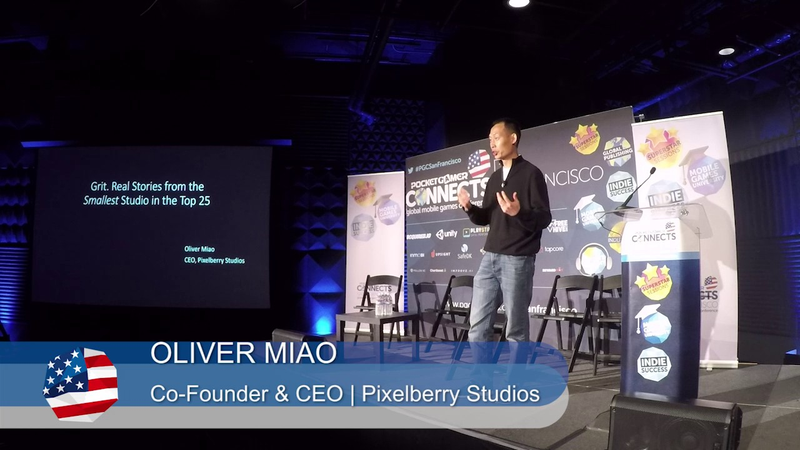
Grit: Real stories from the smallest studio in the top 25 mobile grossing charts
Pixelberry Studios, a mobile game developer known for the title Choices: Stories You Play, serves as a case study in organizational resilience and the importance of long-term team cohesion.
- Pixelberry Studios achieved a top 25 grossing position on the US iPhone charts in 2016 by maintaining a consistent core team through over a decade of industry shifts and corporate pivots.
- The studio’s survival strategy relies on three pillars: business agility, professional networking, and internal trust, which were refined through early failures in the browser-based gaming market.
- During financial crises, the team ensured the launch of new intellectual property by collectively opting for temporary pay cuts to avoid layoffs and maintain cohesion.
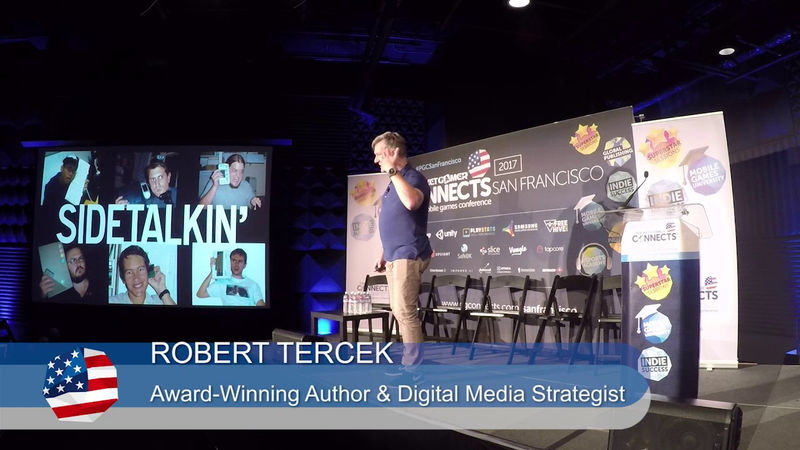
Constructing an alternate reality
The virtual reality industry is currently navigating a challenging period of market correction, often characterized as a trough of disillusionment.
- The VR industry is currently in a 'trough of disillusionment' characterized by high hardware costs, technical limitations like motion sickness, and low sales, mirroring the early developmental cycles of mobile gaming and television.
- To survive the current market correction, developers must focus on technical refinement and iterative hardware adaptation to prepare for the industry's inevitable long-term expansion.
- Financial sustainability is being sought through a pivot toward educational and marketing applications as the consumer VR market stabilizes.
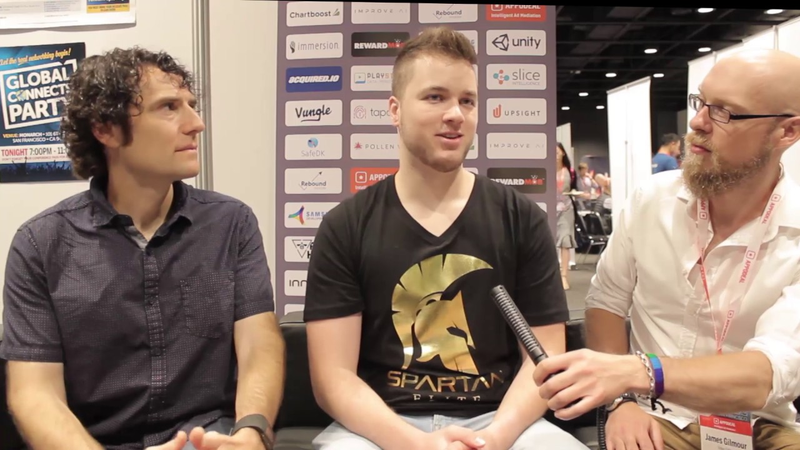
Papa Jake and Free Hive Games on influencer marketing for mobile
Influencer marketing has emerged as a critical strategy for mobile game developers navigating an increasingly saturated app market.
- Influencer marketing is replacing traditional performance-based advertising on platforms like Facebook, which has become prohibitively expensive due to a saturated market with over 500 new app launches daily.
- Successful influencer partnerships require vetting creators based on content style, audience demographics, and personal gaming preferences rather than relying solely on subscriber counts.
- Providing influencers with early access to games serves as both a pre-launch marketing tool and a feedback loop to identify gameplay issues before public release.
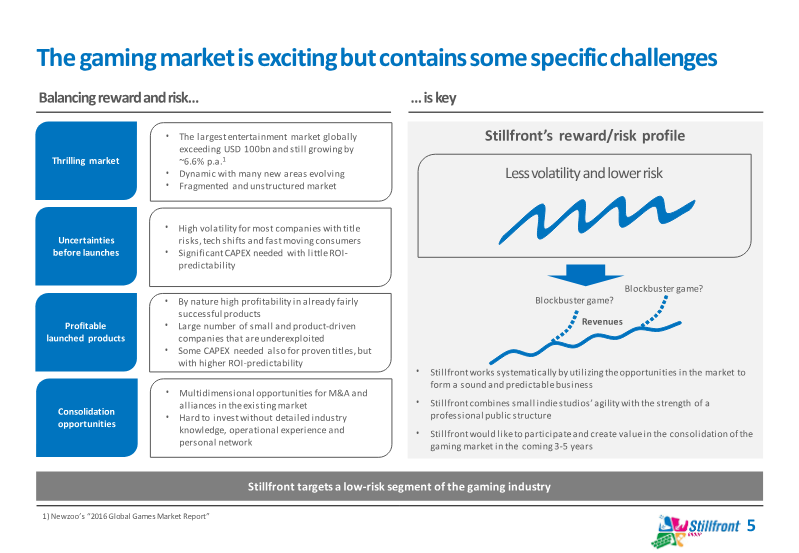
Stillfront Group Presentation: Q1 2017 Report
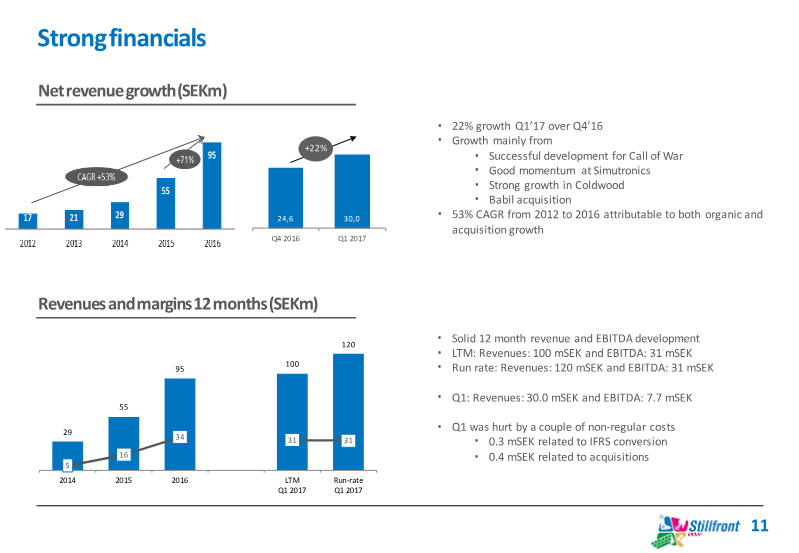
Stillfront Group’s Q1 2017 report outlines a business model centered on acquiring and managing a portfolio of small, independent gaming studios to achieve high-growth, low-risk profitability.
- Stillfront Group achieved a 53% compound annual growth rate between 2012 and 2016, maintaining EBITDA margins between 25% and 35% since listing.
- Q1 2017 net revenues reached 30 million SEK, marking a 22% increase over the previous quarter driven by acquisitions and existing title performance.
- The business model focuses on acquiring independent studios to manage a portfolio of long-lived, free-to-play strategy games, mitigating the volatility of blockbuster-driven development.
Video games and public figures: Legal update 2017
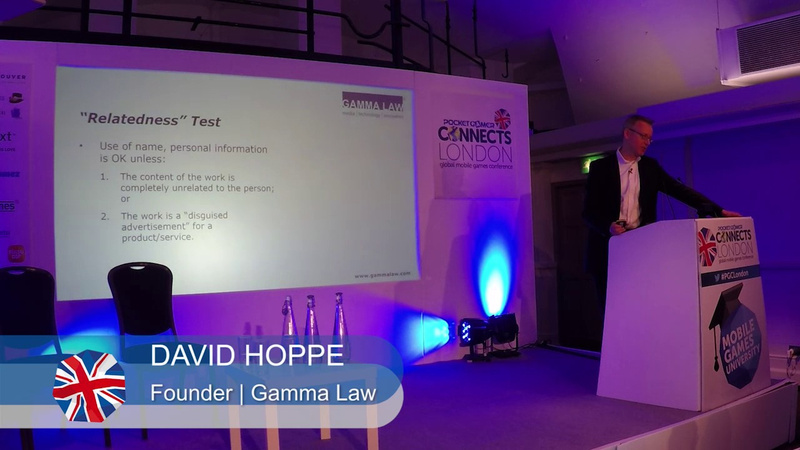
The legal landscape regarding the use of celebrity likenesses, names, and personas in video games remains highly unpredictable within the United States.
- Developers face significant financial risk for using celebrity likenesses, evidenced by a 60-million-dollar settlement paid to athletes in EA Sports litigation and a 15-million-dollar verdict against a comic book author.
- Courts lack a consistent legal framework for publicity rights, with outcomes ranging from protecting creative expression to massive judgments, such as the 403,000-dollar award against Samsung for a robot depiction of Vanna White.
- The primary risk factor for litigation is the developer's intent; if the inclusion of a persona is perceived as a strategy to leverage fame for audience attraction, courts are increasingly likely to rule against the developer.
What is the Games For Samsung initiative?
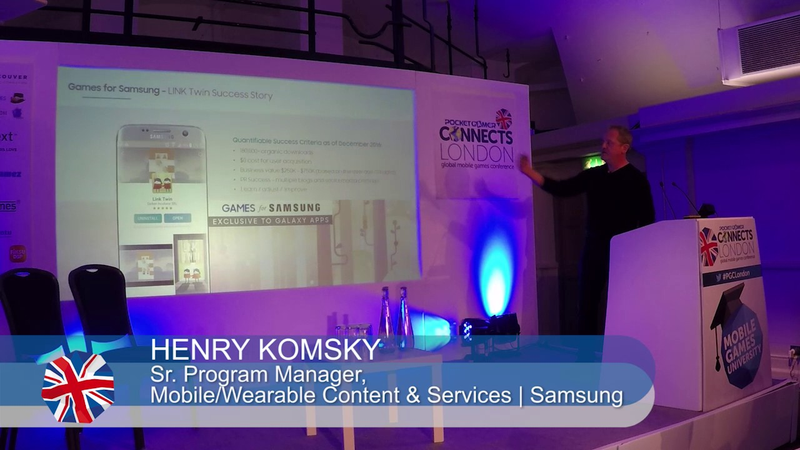
The Games for Samsung initiative is a strategic developer program designed to help indie studios and smaller developers build a substantial, engaged user base for new mobile titles.
- The Games for Samsung initiative offers indie developers promotional support and high-visibility placement in the Galaxy Apps store in exchange for 90 days of platform exclusivity.
- Participating developers receive four weeks of banner placements, social media campaigns, dedicated PR, and white-glove technical support to help reach a performance goal of 100,000 downloads.
- To qualify, developers must submit brand-new titles for an internal review and implement a functional monetization model, preferably using the Samsung billing system for in-app purchases.
Classroom Metrics - Real World Case Study for Games in Schools - Extra Credits
The integration of digital games into educational environments serves as a powerful pedagogical tool, provided they are utilized as a force multiplier rather than a replacement for traditional instruction.
- Combining game-based learning with traditional teacher-led instruction yielded a 10% average score increase, outperforming both standalone methods.
- Traditional teacher-led instruction alone resulted in a 6% average score increase, while game-based learning alone showed negligible improvement at 0.1%.
- The Sun Prairie School District study, conducted in partnership with Filament Games, demonstrates that games function most effectively as a pedagogical force multiplier rather than a replacement for teachers.
The Division - Problematic Meaning in Mechanics - Extra Credits
The video game The Division is analyzed for its problematic portrayal of societal issues, specifically regarding the glorification of totalitarianism and the reinforcement of harmful class and racial stereotypes.
- Placing games in real-world settings inherently makes a political statement, regardless of developer intent, by framing societal issues through gameplay mechanics.
- The Division’s core mechanics, which task players with executing citizens without due process, trivialize real-world debates surrounding police violence and the erosion of civil liberties.
- The game utilizes visual shorthand like the 'hoodie' to associate criminality with marginalized groups, reinforcing harmful racial stereotypes and dehumanization.