1 free read left. Create a free account for unlimited reading + AI research.
Create free account
The talent acquisition masterclass
Key insights
6 takeaways- 01The rapid advancement of automation and artificial intelligence necessitates that recruiters function as strategic detectives to identify and secure top-tier talent.
- 02Talent acquisition must transition from a transactional, volume-based model to a strategic, relationship-driven discipline integrated directly into the C-suite.
- 03Organizations should adopt a 'care to win' model that prioritizes emotional intelligence, professional development, and honest, constructive feedback for all candidates.
- 04Recruiters must evolve into brand ambassadors and storytellers who possess deep knowledge of company culture rather than acting as simple resume processors.
- 05Recruitment teams require radical candor and investment in their own professional growth to effectively align hiring behaviors with the organization's long-term vision.
- 06Responsibility for evolving recruitment culture is a collective organizational duty, requiring alignment between internal team behaviors and the company's external mission.
Ask AI about this video
Transcript
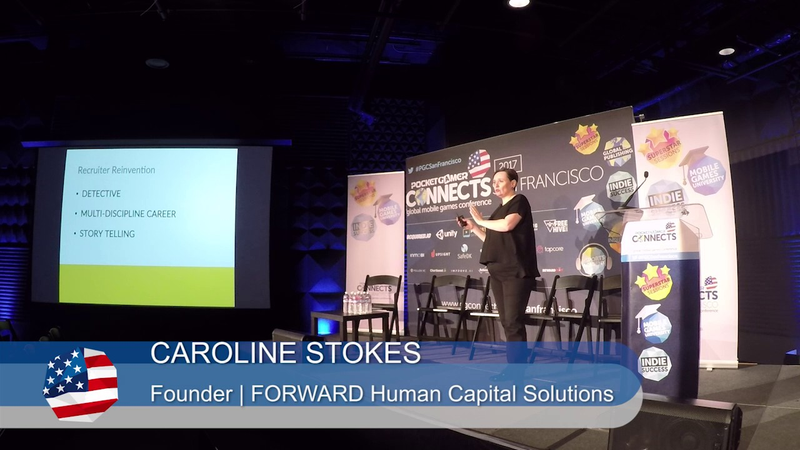
[Music] hello hello it's very hard to follow up on that because quite frankly that was awesome it was very inspiring and now I'm going to get down into talent acquisition which is you know about people talents and all of those good things so I wasn't to talk about seven tips but I had this Eureka moment that I really wanted to be able to share nope okay so we took out the talent acquisition we always hear about the art of business the art of negotiation the after listening the art of war even the Art of Manliness there is such thing as the art of talent acquisition and I feel that much like the way of the world the way talent acquisition is done very very badly now where do I get this idea from
well back in 1996 you'll remember that was the year of the ten agachi if you were old enough your crash bandicoot and still we're talking about crash bandicoot and the n64 in fact text messaging just to tie in with what we were listening to earlier text messaging hasn't even been it wasn't even in the mainstream until 1998 so around about that time in 1996 I was working at Sony Computer Entertainment which just launched PlayStation the year before and I was sitting there looking around and thinking you know what there's really something wrong with the talent ecosystem the way we're acquiring people the way we're retaining people and the way we're essentially monetizing people from a return on investment side of things and I really sat there and that's when in 1996 I have my Eureka moment that I wanted to move out of brand I wanted to move move out of product development I wanted to move out of PR specifically to work more on the human side and how humans are actually able to impact companies and that
development so far forward 2017 where we are now we've got mixed reality we've got and everything is transforming digitally and everything is on demand we just can't we have an abundance of tech laughing so how fingertips and now we look at 2017 and the whole talent ecosystem things are really involved you know from the talent acquisition perspective from a retention perspective from a monetization perspective of talent hugely but we're only going to talk about talent acquisition and when you think about the talent acquisition do you think about recruiters and if you do a Google search you've probably seen this or you've read articles about this I've written an article about this recruiters are and the response that Google gives you is not very flattering of recruiters I decided that I wanted to become a headhunter or roar I wanted to take that
route because I really wanted to bring people together I wanted to bring amazing people and into amazing companies and for them to make beautiful things so that was my that was my reason for actually getting involved in or going down that particular path but I remember before I became a recruiter I would get phone call when people would call before they would send me emails this is before email email they would call me what I was working and say oh I've got this amazing job at Fox are you interested and I'd say no I'm really happy here actually thank you very much no but I was given your name you must speak with me no I'm really happy thanks no no I was told you would speak with me and it was very aggressive and I have numerous experiences since then and that's when I thought okay my mission in life okay when I die and I have a facebook memorial site it will be a mission was to change the recruitment industry so today the industry has changed dramatically with especially on ultimate automation LinkedIn changed the world social media changed the world the
way recruiters can now reach out to candidates and to passive or or deeply engage talent that want to find their next job is phenomenal more technology is now automated so recruiters don't even need to you know pick up the phone anymore to make that conversation happen that is helping recruiters you've also got artificial intelligent intelligent intelligence are three sort of elegance and with artificial intelligence that the whole system is going to be changing radically I would see in the next you're going to see it start seeing stuff in the next year or so where companies are going to be able to decide very quickly just just what type of individual is going to work well in that organization but under what so goods are underpin that is really through assessments as well to try and understand how can you evolve your your high potentials how are you able to determine what types of talented going to fit in and so on so this tool they're
looking really really good it's going to really help the way organizations can recruit best to breed in this talent war so the question is do we still need recruiters and I know that a lot of people when you look at LinkedIn especially now is there new algorithms you just have to look at what's happening on the LinkedIn page and you've got people really shaming and and being angry about their frustrations with with recruiters you know in the technology space with with developers with management and so on because if you've got one job you've got a thousand applicants only one will win you're going to have 999 people who are sorely disappointed so the question is do we still need recruiters in the industrial revolution now bear in mind we're in the fourth and the fifth Industrial Revolution depending on which Forbes article you read as I would say that we're bridging on both or just four point five I don't know but my my take on on do we need recruits is yes yes we
do but not as we know them so I am proposing a brand new talent acquisition model you're hearing at first here yes very special audience the new recruiter is going to be very different it's going to come from the top down and it's going to come from the side across and it's going to come from the bottom up it is going to be a revolution I'd like to call it a revolution where complete reinvention of the industry and it's going to come from the large organizations where there's going to be a care to win model at the moment I don't think you would get any impression that recruiter cares and that is a significant problem it's a problem for the company it's a problem for the recruiter recruiter or the recruiting company and it's real problem for the talent that's being acquired it makes you feel that it's it's it's very transactional which leads me on to the relationships recruiters as well as candidates look at the
recruitment model as being a transactional model I need a job can you get me a job etc there's going to be a change in those relationships that are really focused on a coaching relationship collaborative so focusing on collaboration and consultancy and that will only come to fire professional development and professional and development I did a very quick survey last week to find out if recruiters have professional development in the past few years and not really they may have had developments are focused on social search but have they had any leadership development any any ability to be able to communicate better than and so on no they have not but that was a very very similar survey I'm going to be doing something a little bit more significant later on this year also there's going to be recruiter reinvention and this is going to come from organizations that are hiring their recruiters organizations that have recruiters right now and need to be able to evolve their current recruiters style from an HR perspective but it really needs to come from the CEOs and that that particular
level and also from recruiters and from people outside that are ten recruiters talking about multi-discipline careers the people that are going to be moving into this type of environment I predict aren't going to be straight recruiters that are just interested in the sale the thrill of the hunt they're going to be genuine genuinely interested in connecting the dots so when company is looking for a new department really what skills are they looking for other than just throwing resumes and TVs in front of the person that is hiring that person understands uniquely what the problem is also looking at detective skills I put two take two skills there because one of one of my personal superpower is that I am so curious I want to understand why company wants to hire somebody and usually the responses I'm not used to having those kind of questions asked by recruiter
so the recruiter needs to be a detective they need to be naturally curious they're going to pacifically be nosy or or asking questions that are going to make the hiring manager feel awkward and you know what that's fine because you need to understand what you're what what type of person you need to you need to be able to find and uniquely going back to the relationship side when a recruiter is talking to a candidate that recruiter can say you know what I'm ever so sorry you're not going to be a right fit for this role because this is what my client or my hiring manager is looking for so the candidate is able to understand and then move on also storytelling one aspect that's absolutely crucial is that recruiters need to be able to understand the story arc of of a cover of a hiring group or a division or a department or the company as well as the industry that they're in and how it impacts so the world I love the original original speaker was talking about how journalists are moving
into PR and that's how they're able to create money actually journalists would be fast fantastic in these tecna's types of role because they will interview well they will really have that detective of a skill set they were they're going to be thorough they're going to be able to write up the exact reasons why that person is going to be great and to be able to tell the story so it's interesting I was connecting the dots in the previous presentation of actually journalist would be really really good in this particular role also moving into vision integration this is this is an interesting point because you wouldn't necessarily think of this but again this comes from the top I recently as an executive coach was coaching a company and this is this is a regular theme that that shows up in those executive coaching sessions is I give the c-suite this big task which is I'd like you to go out to your five direct reports and ask them this straight question what's our mission statement
and nine and a half times after each and everybody will have a completely different response which indicates the information is not going through to the entire organization about really what is our mission because somewhere along the line the behaviors within the organization are confusing their actions are very different which believe it or not impacts on you hiring the right people because everybody's going to have different different mission statements or different understandings or different interpretations also looking at your story in terms of the vision integration it's this sounds may be a little bit old-school but it's absolutely important the best person that does this right now is Mark Zuckerberg in public as does Elon Musk again in public they're very very open about how they how they talk you know how they evolved when Mark Zuckerberg was at Harvard the other day accepting his degree he at that the speech he was he was able to talk about
his story how he started how he created his first line of code when he was at Harvard and then later on you know and how this has created this this organization and how and how we drive our our work forward and ironically or interestingly I should say not like Roenick Lee I was talking to a Facebook leader this week when had something for one of my clients and a phenomenal leader who was tasked to actually change facebook the way they work and this person said unfortunately the leader within the organization won't permit that to work because the story the values the mission statement is all focused very much on the engineers failing fasting GSD getting done so it's it's so that's where you have something that's very very conflicting this is why your story has to match with your behaviors and your mission statement because that will trickle down into the whole area of talent acquisition so even if you don't have a recruiter if you don't believe in having
a recruiter that your organization can do that and you can refer people and so on also leadership reinvention this is an extension of the vision vision and development that I was talking about and here with a leadership reinvention one thing that recruiters do one of the reasons why recruiters are fundamentally unique is that they are under interactive incredible pressure they have to deliver that and they're potentially shouted out for not getting those people in those seats fast enough no excuse is good enough so they have this they have this loop of pain every single day and they're there they're a hamster running on a wheel trying to you know get get to the other sides they can never be fast enough they're always going to be positioned to to place however if an organization actually demonstrates radical candor you're able to get through a lot of that and actually have recruiters that are
fundamentally able to sit down and do their job without that stress element because when people are stressed they're not able to perform particularly well they're not able to manage humans particularly well and then you get that that that cycle happening by the way I would encourage you to read the book by Kim Scott called radical candor it's it's a game changer she worked for Sheryl Sandberg at Google she also recognized Sheen she does consultancy with Twitter with Dropbox she's worked at Apple and and her book is absolutely fascinating I wish that book was available 15 years ago because I would have been I would have made the mistakes that I've made over the past 15 years in terms of human capital development human management and everything so please please take that opportunity to read it or get the audio book also recruiters need to be at least there needs to be at the C suite in the C suite with the C
team at the table because when the recruiters are able to actually sit with the C suite they are again fundamentally able to understand what is needed they're able to think long term as strategically they're able to get into the head of really where the company is going otherwise again why why are you giving me that CV why are you giving me that resume that's not fitting they need to be able to connect the dots and again professional development I encourage everyone to develop professionally because we're in the fourth and fifth Industrial Revolution technology is taking over our jobs and everybody everybody needs to flex their superpowers and improve their emotional intelligence and their their ability to collaborate and develop themselves so I just touched on technical recruiters need to focus on technical reinvention companies also in the recruitment area need to invest in technical reinvention AI and all of the
difference is going to be fantastic and phenomenal technologies available in the not-too-distant future please don't ask me in a QA what they are there's going to come out in the wash soon enough but you're going to be looking for recruiters to be data analysts you're going to to look at the data and to be able to analyze what is it that you need from a company perspective in the future and they're going to be working more closely with HR usually they're separated which I do not think is a good thing also your recruiter needs to be a marketing specialist they are your brand extension if your recruiter does not know how to hold themselves well and again reflect the company about company values it's not going to work out very well and people won't want to work with your organization and also adaptability this sounds like a no-brainer but you know usually it's having somebody that is adaptable to changes within an organization when there's a layoff when there's changes within the organization
for whatever whatever reason during those transitions recruiters usually are the first out because you don't need to hire really the recruiters need to be able to adapt so they're able to manage the stress and potentially coach people on the way in and on the way out so my very last question or my question to you I should say is what can you do to change your talent acquisition culture it's in all of us to be able to help move companies forward it isn't just you can't just rely on recruiters to do this you can't just rely on our CEO to do this we all need to be able to move our companies forward and this and it's important that we all get involved so if there's one thing I can ask you to walk away from today is to ask yourself what can you do to change the way your talent acquisition process work now it's the Q&A if anyone has any questions hi
in the process of reminded energy people process that is spiritual insights on the process of looking for a candidate to fill a particular set of roles and you come across talent that doesn't necessarily fit what you're looking for is what you do with that information is a recruiter well I have a different model and a process so if people that didn't hear it the question was what you do with candidates that don't fit that particular role so if a candidate so I'm a headhunting person especially so we actually reach out to candidate versus put a job on a job board and then receive maybe 2,000 applications so the process is that we identified the talent and we will reach out to the problem we believe are going to be a good fit nine out of ten they're a good fit you know or you know maybe things don't go so well and maybe they're not a good fit for whatever reason but you usually identify that at interview stage or to
the timings wrong or the finances that are right so in terms of letting people down I think what you're trying to get to is if they're not at the right fit but they're interested in moving forward how do you deal with them is that yep outside okay so it was about oh yes absolutely so I have a number of answers can see there so in terms of the the wonderful unicorns that we might approach and not the right fit we'll have that conversation with them and say you know what our client is looking for an analytics person that has information or experience in archaeology SAP I'm making this up ISO 9000 compliant and are knows how to and speaks Russian completely unrelated to this industry I wanted to make a point to that so that when you look at that particular ridiculous scenario and
that person doesn't speak Russian that's going to be a deal-breaker so will face the person I'm really sorry it's important this this role this means they're going to be dealing with only Russian engineers it's not a good idea to be able to get translator here because if you get translator you're you're you're upsetting that so the bonds that is created with that particular culture you know you need to be able to explain it coherently and that's going back to understanding the culture understanding the job understanding the company understanding the values like if you didn't know that actually with a Russian team that you can only get that trust and you can actually do in archaeology archaeology dig in that particular area once you have that trust it wouldn't happen and the terrible specter wearing a hat of doom and timing ah so I must give that if you wanted I can't I would that be happy to answer any of these questions if you want to do this outside thank you yes I'm done thank you very much everybody thank you I was right thank you you
[Music]
Summary
The talent acquisition landscape is undergoing a fundamental transformation, shifting from a transactional, volume-based model to a strategic, relationship-driven discipline. Modern recruitment requires a complete reinvention of the role, moving away from the traditional "thrill of the hunt" mentality toward a collaborative, consultative approach. This evolution is necessitated by the rapid pace of the fourth and fifth industrial revolutions, where automation and artificial intelligence are rapidly changing how organizations identify and secure top-tier talent.
Effective talent acquisition now demands that recruiters function as detectives and storytellers who possess deep curiosity about a company’s mission and culture. Rather than simply processing resumes, recruiters must act as brand ambassadors who can articulate a company’s vision and ensure that hiring behaviors align with stated values. This requires recruiters to be integrated into the C-suite, allowing them to think strategically about long-term organizational goals rather than merely filling vacancies under pressure. Furthermore, the industry must move toward a "care to win" model, where recruiters prioritize professional development, emotional intelligence, and the ability to provide honest, constructive feedback to candidates, even when they are not the right fit for a specific role.
Success in this new era requires organizations to foster radical candor and invest in the professional growth of their recruitment teams. By bridging the gap between HR and executive leadership, companies can ensure that talent acquisition is not an isolated function but a core component of business strategy. Ultimately, the responsibility for evolving recruitment culture rests with everyone in an organization, from CEOs to individual team members, as they work to align internal behaviors with their external mission to attract and retain the best talent in an increasingly competitive global market.