1 free read left. Create a free account for unlimited reading + AI research.
Create free account
Constructing an alternate reality
Key insights
6 takeaways- 01The VR industry is currently in a 'trough of disillusionment' characterized by high hardware costs, technical limitations like motion sickness, and low sales, mirroring the early developmental cycles of mobile gaming and television.
- 02To survive the current market correction, developers must focus on technical refinement and iterative hardware adaptation to prepare for the industry's inevitable long-term expansion.
- 03Financial sustainability is being sought through a pivot toward educational and marketing applications as the consumer VR market stabilizes.
- 04Political actors and extremist groups have successfully weaponized social media and misinformation to reshape public perception, demonstrating the power of digital platforms to construct and disseminate alternate realities.
- 05The decline of professional journalism, driven by budget cuts and reduced fact-checking, has created a 'post-truth' environment that normalizes the consumption of deceptive content.
- 06As immersive technology advances, developers bear an increased ethical responsibility to prioritize accuracy and resist the creation of manufactured narratives in an already fragile media landscape.
Ask AI about this video
Transcript
[Music] Thanks hi good morning I'm Rob terrific and today I'm going to tell you that reality is overrated but before I get into that you can find me on Twitter it's super plex and I want to ask a question of the audience I want to find out how people are feeling particularly about VR how many people feel optimistic about VR how many people are excited about it great there's a smattering of hands that's good it's what I would have expected from this group hope is the feeling that we're having right new medium some big opportunities ahead maybe a chance to create the next huge medium so they're talking about the room next door and when you see a term like this it gets you very excited right seventy-five billion dollar industry in just five years that's a very exciting picture now I don't know where this chart is from there's probably zero validity behind it so we just don't know here's your virtual reality experience for this talk I know for every person that's excited there's another feeling
that people have which is a feeling of fear feeling maybe of anxiety this has been kind of a tumultuous year and last year was no better kind of an up and down right the cycle of hope and fear that you have when you're launching a new brand new medium in a space that no one's ever been in before and I want to drill into that a little bit so what we've seen is a sort of steady tempo since 2016 is this idea that virtual reality is way over hyped and now the hype bubble is being burst you could say we're in a hyper recession some people have started to post snarky commentary about how VR is just like it's just like 3d TV which is a very negative comparison kind of an unfair comparison in my view but then bad news after e3 this year even that core gamer segment that everyone was banking on it turns out they're not that impressed right now with the level of the technology and the experiences they can get and so headsets elf have been lower than expected content self similarly so it looks like there's a pullback in the hype bubble right now it turns out when you ask people what they think about VR
most of them are just not interested they don't think the content is really there they think the devices are way too expensive for what you get that's really not an unreasonable reaction the devices do cuff an awful lot of money and it turns out that entertainment that makes you throw up is not very popular as well so this is possibility motion sickness that really makes people hesitate before they throw down $800 for Viera device the big issue and the real cause of the fear is that investors have started to pull back there was tremendous enthusiasm in this space not that long ago in 2016 is a big year for investment but now investors start to pull back and so there's that feeling of fear maybe even despair now you're also in there going wait where is he going with this the point I'm trying to make is that whenever you launch something new there's this cycle of despair hope inhalation and then it goes back to fear and despair you go you bounce back and forth in that space I know this I've been doing this for 25 years so we've been hearing now that VR is dead right because in the blogging domain is never hurts to have a grabber headline like that so we've seen this as a headline at
several different places VR is dead it is virtual reality dead you know the thing about this phrase is that this phrase should be retired I've been working in the media business for almost 30 years and every medium has been declared dead by some bloggers or another beginning with print and music in the early 90s radio and television the print then the mobile came along so the web was going to be dead and it turns out no actually mobile apps or the things can be dead so actually you're in great shape that people are calling your medium dead probably means you're just before a great big boom in the industry for instance television industry had started in in the 1980s has been declared dead so many times it's been going on this is like the meme you cannot kill if you search TV is dead you will find millions of blogs that have had this headline everyone's trying to marshal evidence for the decline of TV this inevitable demise the television that never seems to happen it never actually comes in fact TV is booming right now we have about 450 scripted shows being broadcast their screens right now 450 original scripted shows the most expensive kind of television program you can make that is an all-time
record last year more shows were canceled than all of the shows in primetime in 2000 so we have this extreme explosion happening you could say TV is in its golden age and yet the skeptics are out there saying television is dead so when they tell you when they tell you VR is dead I think the rumors of DVRs demise are greatly greatly exaggerated so here we go back to hope again let me try to build on the hope angle a little bit to get you started here so about 15 years ago I brought some of the very first mobile games to the United States as fun to see Jeff and Lindsey in the audience Jeff and I are veterans from that battle these were the phones we had to deal with back in the early 90s not exactly what you described the great gaming experience on a black-and-white screen with all these buttons you have to push it was a very tough industry back in 2001 it was a zero billion dollar industry today thirty eight billion dollars globally from mobile games it is the largest segment of gaming actually mobile games now generates more revenue than online games and PC games and console games so that's actually quite extraordinary it came as news to me last year when they
seeded those two field plus mobile games rose at 22 percent a year so it's actually outstripping the growth it'll soon be half the revenue in the entire games industry by 2024 surely 50% of the revenue in the gaming industry globally that's a really big deal but look at that time frame 2001 to 2016 so it took 15 years to become a 38 billion dollar industry tremendous momentum there but it's a long haul it took us three years just to get color screens on the devices and look what a crappy colour screen that actually what we were all elated like finally but look at that screen it's not like a really awesome gaming device and so we were all in the mobile industry waiting for devices very similar to what's happening in VR right now where we're waiting for the right device to come along so we can build a killer experience on it and it's 2003 we heard rumors that Nokia was going to step up with this awesome device and so the whole industry was like yeah Nokia there's nothing is going to make a great thing and here it is this is the device that came out with the famous nokia n-gage yes I see people remember that it was kind of the need year of the early
mobile days there here we go at the despair moment again it kind of looked like it had counsel like features with the you know the toggle and the buttons in the right position and stuff so it looked like it was aimed at gamers but it had a lot of defects it had a vertical screen it had very small memory very low processing power it couldn't really build a very rich experience on it and plus get this great feature to change the game you actually have to take the back off the phone and pull the battery out and stick in a different card like seriously that was not a great experience the worst part about it though the very worst part about it was when you used it like a phone which it was meant to be also a phone that's at the game console when you use it like a phone you look principal dork they had this clever idea that somehow gamers wanted to show people that they had an end gauge because it was cool and so you had to use it like a taco next to your head you couldn't use like a phone to hold it out and so it's actually it was super embarrassing no matter how big your engage was you had this awkward experience where people would look at you and they would look at you kind of like you were a giant dork if you had one so was not a cool device in any by
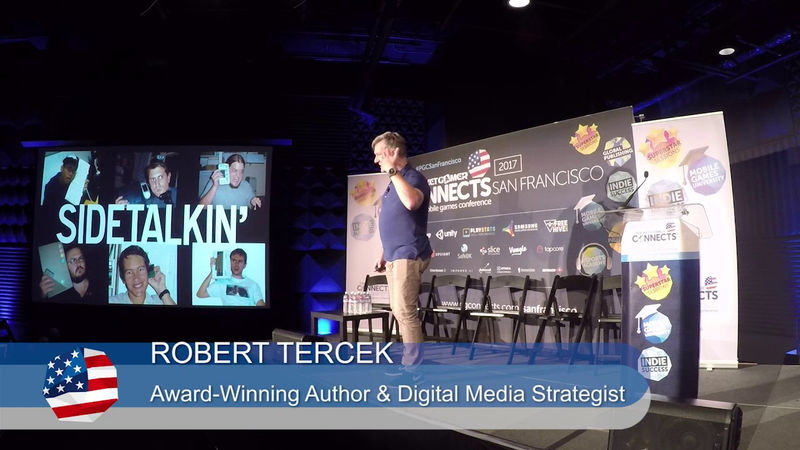
any means in fact here's my favorite picture here's a guy in the museum of failure at the innovation exhibit which cites the engage as a gigantic failure of innovation and he's showing the reason why because you had to use it like a taco you had to hold it out there to talk on it it did spur one interesting little sort of side effect in the subculture of gamers which was this idea of side talking so for about 15 minutes in 2004 everyone was posting pictures of themselves using computer and gaming peripherals and holding them the side of their head like an engage so maybe that was the one little cultural side effect so the point I guess is that you look like a dork and and by the way Nokia was like the leader like they were the coolest company in the world you have to remember back wine to 2003 they were absolutely the leader the next phone they came out with was this one no wonder these guys went out of business you know when you go to Finland today and you talk to people they said Nokia was a great company and it was Microsoft that destroyed Nokia but that's just not true Nokia destroyed themselves by making crappy hardware like this and so
their own damn fault now I bring that to your attention because I think VR has this problem too the fact is you look like a dork when you use VR you just do it we gotta get past this factor there is no picture you can find of anybody who looks cool using a VR unit you look like a gigantic dork oh except for this guy this guy's looks pretty cool like he's all buff and his t-shirt he's got the groovy tattoos on the sides got the mini fascist haircut and stuff so he looks pretty cool he didn't this godlike pose right look at these in that godlike foot so no wonder they use this picture every time they're trying to market some of that or even when they're talking about VR is dead this is like the most popular picture in the arc that's the only picture of anybody looking cool so the reality is most people who use VR today look like this guy remember this picture it came out a couple years ago with the headline the future of humanity in one photograph that was the picture that was a headline for it and at first I thought what a cheap shot what a cheap shot come on they got this got two milkshakes because the ones not good enough for this dude gee that's really mean they're really slagging off the gamer community people always tend to do that and then I noticed recently
that actually this is not such an uncommon thing in fact you very frequently find pictures of people who look like that guy doing that kind of super passive thing in fact there are lots of these there's a long heritage of photographs of people sitting in that exact same position in their VR experience I think in a couple of years it's not say it's not unsafe to predict that by 2020 when you get on an airplane you know today everybody's using like their mobile phone or their tablet on the airplane I think in about five years you're going to walk out an airplane and everyone's going to look like this as you go down the hall to use the bathroom or something you're going to see literally the entire plane everybody's got their headsets strapped down and they're kind of in their own little space one of the problems is we don't really have great looking people doing VR I just want to reason what I don't look like such a dork so what happens if you get somebody really great looking like sure you can imagine some marketing directors like why don't we try a good-looking woman instead of something fat dude wearing our gear maybe they look a little cooler so they took this picture and I looked at that picture and I was thinking I bet the product marketing manager was like you don't have to hold it like binoculars yeah but
then I noticed the background and I said wait a minute I know where that photo was taken that's in the British Museum right you know right you see that and you go I know where that is in fact she's standing on a staircase this is the stupidest picture you could possibly take here's where she is this isn't the British Museum and nobody can do VR and Astor keys because if you make one wrong move you're going to fall down the stairs and break your ankle or break your neck that's a ridiculously preposterous notion in fact the only thing that would be stupider than showing somebody using VR on a staircase is somebody like riding a bicycle with the VR headset on but nobody would ever do that with oh okay let's move on again okay so the point is there is a tremendous amount of hype around VR and now the high bubble is being bused we're in a high procession everybody in the room is familiar with the charkh you've seen it a thousand times it's a staple of every VR conference the idea of the Gartner hype cycle that begins with a new capability new technology and then there's a peak of inflated expectations and then this valley of despair they
call the trough of disillusionment and then you grind your way up the slope of enlightenment to a point where you can actually finally have a business what they don't say is how long that timeline is and I want to spend a minute thinking about that well it's been a minute thinking about that so some people have said that we're kind of working our way through augmented reality is still in the down slope and maybe VR hit the bottom last year and it's kind of grinding its way up to the slope approach the plateau of productivity well perhaps notice there is no timeline here other people say nope that's not what happened in fact VR is an extreme example of the hype cycle because look it was crazy hype the red line is the VR the blue line is the normal hype cycle and so the red line is you know is crazy level of height and then the gigantic crash because it turns out the only people that are really interested are just gamers and even they're not that interested as I pointed out after e3 this year so there's been kind of like this hype recession setting in part of it is frankly blog posts like this one that came out just last April it's not a very long time but just over a year ago in Business Insider a tremendously credible publication they predicted that
Facebook was going to sell about 600,000 to 700,000 units of oculus rift and as we all know Facebook fell far short of that with oculus but in fact across the board all of the headset displays all the hmd displays fell far short of predictions far short analyst expectations and that's one reason why the industry the entire industry got whacked there's been a pullback so here we are back in despair every time I try to pull you over to hype it turns out I can't do it because I get drawn back into despair this is not news I've been doing this for an awfully long time I did this with satellite TV in the 80s I did it with early computer games in the 90s and then internet games with in the early 90s and then mobile video and then mobile games and so on and throughout my career I've noticed that there is this cycle of hope and despair in the early days as an industry figures out what it's doing as the devices come online as the content finally gets figured out we figure out a business model there's a lot of stuff to do right we're inventing an entirely new industry that never existed before it's not something you can figure out overnight and no matter the fact that today maybe technology moves a bit faster and hardware it maybe
gets built a little bit quicker and some of the problems are better understood that's all true so maybe that cycle will compress a little bit but you are going to go through this period where you're bouncing back and forth between between hope and despair that's just the way it's going to be for quite some time let's don't take it from me take it from the folks at unity who know that's far better than I do the folks at unity said well where we are right now is in the gap of disappointment the red line is expectations the white line is where we actually are and they say it's going to be at least five years before we come out of this gap of disillusionment or gap of disappointment and again nobody really knows how long that period will be what we do know is it's going to take years it's going to take you years and years and years it's not a one-year problem like this situation won't be solved by the end of 2017 or by 2018 we're going to still be battling through inadequate hardware now they're trying to get the peripherals to work right we don't actually know what the exact perfect consumer experience is going to consist of and so it's very difficult to be a game developer or somebody who's designed an experience in an environment
that's that volatile so hence you are going to cycle between hope and despair for several years so the question is what are you going to do in that timeframe what are you going to do for the next five years before this industry actually gets it together so I am a total believer in VR I believe this is going to come I also believe it's going to take about five years the question is what are you going to do in the next five years I know the answer I know that been there before with many other fields the first thing is you're going to perfect your craft and you see this happening already with the people that you know we're developing VR you're going to perfect your craft every time a new peripheral comes or a new head-mounted display comes along you're going to be the first ones to adopt it why because you have to because you have to immediately the whole industry is going to shift every time a new mobile phone came out in the early days of mobile games the entire industry moved they gravitated toward that because that was where you could make the landmark experience a standout experience the thing that might just turn out to be the killer app and so you are going to perfect your craft the people who survive the next five years are going to come out with the absolutely best skill set honed through brutal competition and that's why I can predict the second
thing you're going to do you are going to do whatever it takes to survive whatever it takes to survive I noticed that in this past year since 2016 till right now 2017 20% of the VR developers have shifted over to educational software and a further 19% of them have shifted to marketing whatever that might mean you're going to do whatever it takes to survive if you don't your company's going to go out of business and you'll end up working for somebody who did do whatever it took to survive so I can make these predictions with absolute confidence and I have a third prediction for you you're also going to use the next five years to learn from the Masters and no those aren't the people in the room those aren't the people even in the VR game industry or in broadly in VR in general you're going to learn from the real mess if you see there are masters of alternative reality out there and they're really good and they really know their stuff but unlike everybody in this room and everybody at this conference and everybody in the VR industry what
they decided to do is a little different from what you did you see you made the fatal error of waiting for the hardware to come in the market and it took years right we heard about oculus years ago but it took them a couple years to finally get the hardware on the medic in on it okay it's not great right that's a disappointment so we've all been on hold waiting for hardware but there's a whole other group of people and it's a really big group who said forget the hardware I'm going to use today's media I'm going to see if I can make alternate reality right now today and these people have been tremendously successful they have been unbelievably successful they are creating an alternate reality using TV radio print and mostly the Internet to reshape our perception of reality and we are going to spend the next five years studying those companies and learning what we can what we can take away and apply to our craft when we create virtual reality of course the master this is the liar in chief our current president this guy is unbelievable he lies about foreign policy he lies about where US ships are he lies about his meetings that he's had he lies about domestic policy and the funny thing
about Trump is that he has kind of got the press trained like a dog right he just throws these tweets out there it's like throwing a ball and the dog has to running around it he's the president right so every time he says something whatever it is a brain fart the press has to react to it in a bounces around the press for a while so he's a master of distraction he's actually brilliant at this he's funny too I mean even when sometimes he retracts a lie he lies about it so here he is he's withdrawing the racist lie about Obama's birth certificate and in the process blamed Hillary Clinton which was untrue so he lies about a previous lie and then great he actually presented himself as a victim when people pick on him for this perennial habit of lying is an inveterate liar he's impulsive liar he can't control himself and when people criticize he was he sought and this works for his base he's their guy he's their avatar they don't care whether it's true or not they connect with him that's incredible power he is a master of deception he's great at it but Trump is a symptom of a much bigger disorder that is sweeping through not just the US but the entire world right now and I'm going to get into that with
a few minutes I have left now we have always had fake news now to talk about fake news fake news has always been around but it used to be in the checkout aisle at the grocery store and now it's kind of metastasized into the internets across the whole internet that's in your Facebook feed right now so fake news is the thing that we've always had to deal with we've had reality TV since the early 90s MTV's real world was the first show right that dates back to 1984 and so reality television such as it is had been around scripted reality which is one of the weirdest names for any kind of entertainment you can think of scripted reality has been around for almost that long of a period of time and by the way that's where this guy got started right that's what we created this monster through reality television he got really good at and he understood you can program people's perceptions using media we've also had celebrities for celebrity sake for a very long time in this country we celebrate them we love them these are people who are famous for being famous we've achieved nothing so there's a kind of false currency there a false social currency there and of course we've also had these kind of crazy kooky right-wing media you know radio jockeys since the 1980s is not a
new phenomenon but there is something new that's happening I want to turn your attention to this so in 2011 I was the host of a show called this week in social media Jason Calacanis runs this week's in startups and he said hey you want to run the show this week in social media said sure let's do it was a good time to do a show like that because there was a lot of stuff happening with social media that was quite new it wasn't just a way to share pictures of your kids birthday party or anything we have all kinds of social movements this guy's velcro Ripper who is the documentarian who covered Occupy Wall Street so I interviewed some really cool people who were using social media in interesting ways and it was lively in that period 2011 you had a beginning first in 2009 and I ran the first social media revolution and then that was followed by North Africa Tunisia Egypt and number of other countries it is so-called Arab Spring and then very close on the heels of Arab Spring you had the Occupy Wall Street movement which actually was connected through social media with the organizers in Egypt and Tunisia so they were communicating with each other using social media and this rhythmic movements spread from New York City to 900 cities around the world in a matter of weeks so
social media was a very powerful engine to drive that and then gradually it started spread around the world it became kind of an expected part of the political discourse for instance in Turkey in Taksim Square the long protests that happened there and in Hong Kong for more than a year you had protests on the streets as well there and so we saw the emergence of something brand new it never existed using Technic using this new technology social media the idea if you can connect everybody together you can actually transform society and the phrase we used to describe it with spontaneous leader of a self-organizing autonomous networks I know it's a mouthful I know it's a mouthful what this means is this political process without a party without a charismatic leader that had never happened before well used to be a mob right if you had a revolution but this was organized people self organized through social media and we really thought this was going to change the world but we were wrong we were wrong the Twitter revolution failed it was a colossal disaster with the exception of Tunisia not one of those revolutions has resulted in anything like a democracy in fact it's mostly resulted in more authoritarian regimes and existed previously so the social
media revolution was a failure and we all know from history from the French Revolution the Russian Revolution what happens to a revolution that fails halfway through and doesn't result in a democracy what happens is you go into a terror phase where people's head start getting cut off and this is in fact exactly what happened with the Twitter revolution what happened after the Arab Spring kind of calmed down was that we started getting these really disturbing videos from the Middle East videos of people's heads getting cut off posted on YouTube this was novel and new nobody quite knew how to deal with it and it spread very quickly and so eventually the press caught on to this they said holy cow here is a completely new use of media we've never seen this before these social platforms are perfect for the propagation of ideas political ideas but really grisly sensational ideas and these guys are great Isis is the master of the mean they understand how to use Instagram really well and speaking exactly to their target audience they were recruiting people to their movement in the West in the UK the US all over Europe drawing them to Syria to join
into their revolution they were great at the Twitter hashtag they were bombing Twitter frequently they also use Facebook in novel ways you'll notice here on the screen these are two isis websites one of them is from indonesia and the other one is from the philippines these are thousands of miles away from syria but they had homegrown groups in those regions who are setting these things up communicating recruiting so these guys were masters of using social media for political purposes to spread propaganda to spread their perspective to change people's perception of reality they even hacked into the US Central Command Twitter account and changed it at the cyber caliphate for a day or two so they're even able to kind of penetrate what we thought we're our own defenses our own defense system and they started targeting US soldiers who were post in the Middle East via social media they would start to send persuasive messages to them directly finally by 2015 it's a pretty recent write 2015 just a couple years ago we concluded that Isis was actually winning the social media war and we took us a while to figure out how to respond to and finally the u.s. figured out a way to use social media they started to promote these sort of linkbait things in
social media that would cause people Isis Isis members Isis commandos to respond back on their mobile phones and the US military was able to use the location data that was embedded in those messages to target smart bombs and blow them up so we finally figured it out but it took it here to get to that point and frankly we weren't very good at it but what we're doing is we're weaponizing social media we're turning social media into a weapon of war and particularly it is a propaganda weapon and we're reshaping the way people perceive the world this is not limited to Isis it started there but it's actually spread around the world to the Philippines these are governments that are using social media now to propaganda to shape people's perception in both sides of the conflict in Israel and in the Gaza in the Gaza Strip and also in Israel you have social media is being harnessed by politicians to propose a point of view the spread a point of view both sides of the debate in Kashmir in India and Pakistan are using social media to propagandize at Korea as a Netflix channel that is basically like a 24-hour propaganda
streaming propaganda channel the masses the real masters of this though are the Chinese and the Russians so Chinese have a whole army of people who create social media sort of faked social media accounts and they use that for to persuade opinion and actually to to affect the outcome of elections in other countries and what's very important to know there's a rebate for was published last year left August and it analyzed the the two million people who are trading false sort of fake news in China and what you notice about it is the goal isn't to change people's opinion the goal is to confuse people strategic distraction it's to screw up conversations it's the opposite of enlightenment and it's also to feed some doubt because always our press is going to have to balance two points of view and so it spreads a little bit of doubt around so the Chinese and were able to mess around for instance in the election in Taiwan they were able to bombard the message boards for people who talk about Taiwanese independence millions of messages where they were bombarded and disrupted that discourse the Russians
are the greatest at this today modern Russia is basically a kleptocracy run by the secret services the key of former KGB officers are running most of the government and many of the businesses there and they are brilliant at using using propaganda through social media through digital media propaganda wasn't really very effective in the past because the quality was really poor and our traditional media organizations could resist it but that's no longer the case social media makes it very easy to propagate in the United States has tried to respond the fact is we are in the middle of a new Cold War this has been going on for several years at least since 2011 maybe even longer than that social media turned into a war front you're hearing a lot about it in the United States right now just about the 2016 election but what the point of trying to make is this has been happening for at least five years before that election that was a culmination of something it wasn't the beginning of something that's been going on for quite some time so the Russians have figured out that Western democracies depend on information to operate and so their focus is to disrupt those democracies to sow some seeds out in those democracies so the weak spot is information propaganda spread through social media is a way for them to create doubt and
they have there were there were some researchers in Finland who went over to Russia and conducted an investigation and on a sort of meme factory in st. Petersburg where thousands of people on the payroll Russian government are generating memes by the score and these means can be adapted in any language so the so called interference that we've heard about in the u.s. election that's not new if you go to Estonia if you go to Finland if you go to Latvia the countries that are right up next to Russia they'll tell you this has been happening for years that the Russians have been trying to propaganda propaganda is their way into into the election to skew the results this create some seeds of doubt to alter people's perception of reality and so here in the United States we hear you know one side or the other is hiring people to to create Spann to create fake news to spread these phony memes and so forth but the point at the bottom is it does look like Russia was involved in that process in some way and it's a pretty big business and so actually in terms of this is from last year's not recent but this was spread around during the election there was a thing that went up and say hey you don't have to actually go somewhere and vote you can vote
online you can vote with your mobile phone just text Hillary though what they're trying to do is suppress the turnout you're going to see that turns into a very big issue in the United States as that investigation proceeds and by the way a VR pioneer was played a principal role in the last election and created these fake memes so a lot of developers didn't like the fact that Palmer Luckey did this and actually withheld their development they stopped doing development for oculus rift and finally Facebook forced him out but here's the guy who understands how to manipulate perception right he started in VR and now he's moving into the meme factory business he's like hey actually that's a better canvas for me to get my message across now it's not just propaganda wars is also you know once you create a weapon and it gets out there people start to use in a lot of different ways and so even legitimate elected politicians are guilty of manipulating perceptions through social media I'll give you a great example remember in 2015 Charlie Hebdo those attacks right terrorists came in the machine gun these journalists and cartoonists it was a terrible thing that happened big police battle on the streets and hundreds of thousands of people came out the streets of Paris to protest or demonstrate solidarity with France it was actually kind of a
beautiful thing and everybody said just suis charli remember that was just a couple years ago and you probably saw this picture of all these leaders from Europe that's Francois Hollande the president of France and he's surrounded by European leaders and other world leaders marching together and it looks like they're at the head of that big march on the street you go gosh isn't that cool like they led this gigantic March hundreds of thousand people on the streets of Paris and so of course people picked up that photo and they tweeted it and they shared it they said you know kind of an expression of solidarity through social media with France they were like isn't this great look the whole world is coming together to unite in support of France and then people started to find out that actually that photo was fake what happened was they lined up all those world leaders on some streets that were a few blocks away from that demonstration where all those marchers were and these were streets that were blocked off and secured and they took the photographs and fake the photographs to make it look like they were walking in front of people and so they crashing lis disappointed people of course that news ricocheted through social media very quickly now normally we have press that covers this but we've been degrading our newspapers and press the journalism in general for the past 30 years and so if you talk to any journalists they'll tell you about the layoffs the cutbacks in the newsroom the
cutbacks in a number of different ways so credibility in turn in media is that an all-time low this is not just an American phenomenon this is happening worldwide and here we have it in the United States all-time low credibility for our journalists who should be the watchdogs with fake news what's happened is we cut back so much now that we instead of having camera crews we sent some somebody out with a smartphone and so you know the distinction between a professional journalist and a blogger that distinction is being eroded by budget cutbacks we've also cut back on fact checkers and so we tend to publish stories and you're seeing it more frequently now we have to retract the story the next day just last week CNN had to fire three reporters because the story was published without proper fact-checking so there's a real issue right we're cutting back in the newsroom in a big way a good example of this is right before they'll actually October you might have heard a rumor flying around and right-wing media that Hillary Clinton was going to send a bomb to blow up she's going to send a cruise missile to blow up Julian Assange now Julian Assange is in the Ecuadorian Embassy in London we're not in a habit of bombing embassies with cruise missiles but this idea was started by is actually a
sarcastic post that was published by a blogger that was picked up by other right wing blogs and gradually filtered its way up into the conservative media stream even on Fox News and so story's going to start in the blogosphere they kind of find their way into mainstream journalism we don't have the proper fact check in a place to vet this stuff and there's a lot of money behind it what we know is anger drives clicks and clicks Drive revenue and so we've seen this happen particularly on the right in the United States so PR is killing journalism there's tremendous trend is we've been firing all the journalists where do they go where do they go work what happens to the journalists are getting laid off on newspapers clothes when they trim back well it turns out they go over and work for PR firms PR firms according to the Financial Times for every every journalist in America there are 4.6 PR people many of them are former journalists themselves and on average they're paid about 35% more than a typical journal so it's actually the money's better and there are bloggers out there who are saying come to the dark side literally I've seen these luck come to the dark side and work for us they're recruiting journalists out of
the professional journalism into the PR in publicity field it's no surprise where they're working if you take the issue of global global warming you never total consent or no total agreement among scientists on any issue but we have the closest thing to global agreement among scientists is the fact that there is climate change happening right now but yet there's always the story there's a group of people who think it's not happening if they can deny and so forth that is 100% financed to the tune of tens of millions of dollars a year by corporate interest particularly in the energy in the fossil fuel industry that's not the only group that does it our telcos here have kind of astroturf with fake protest fake bloggers and so forth even the egg industry came out spend tens of millions of dollars to degrade a vegan alternative to mayonnaise so this is what the cons there's the kind of money that's being spent to create false reality that spread through traditional media here's a great example came out in Sunday Vitalik butyrin he's the guy who created a serum he's a leader in the cryptocurrency movement this was posted on 4chan on Sunday this week said the
Teleca Terrans confirmed dead and insiders are bailing out on aetherium and it wasn't true but look what happened so in a nine-hour span between when that thing was posted at about midnight or 9:00 to 9:00 o'clock it went it dropped a tremendous amount about four billion dollars of aetherium was wiped out so some people made money on that transaction some people got into serum very very cheap and Vitalik Batarian had to do an interesting proof of life the next day to prove that he was still around he actually posted this thing where he wrote down some code from the latest block of the blockchain so this is a new way to prove you're still alive I suppose interesting notion that's how he countered that fake message our young people are particularly susceptible to this because they get their news from Facebook that's not news to anybody Williams who started Twitter described as junk food so we did give people junk food and social media and that's what they respond to some people are really critical with Facebook's role in all this Facebook has had this huge fake news um they're trying to fight it right now but it's still persist you see that in your own newsfeed so for people
who don't believe in liberal media they're getting a lot of reinforcement for that belief a lot of people are critical assess the specific business of our media and you can say actually commercial media's abdicated its responsibility here I think that's the case not just with budget cutbacks the rates for ratings the rates for revenue causes our commercial media to do some outrageous things do you remember when the Malaysian Airlines airplane disappeared in South Asia remember that was just a couple years ago but I know we get instant amnesia now with all the news that comes along do you remember CNN's coverage could I do it was unbelievable so you have this tragedy and airplane disappeared nobody knew where it was and so CNN started to just run this airline story again and again 24 hours a day and they start to bring in more and more extreme points of view first the question was it a zombie plane what the heck is this and it's supposed to be like the gold standard of American journalism and then they brought in people who were talking about whether it would just appeared into a black hole or the Bermuda Triangle they even had a group a panel a panel of psychics on CNN psychics I would watch it like this is unbelievable this is CNN this is not some like alternative news
channel or something they put out this survey where they have two space aliens Time Traveller's or a being from another dimension may have hijacked the airplane this is CNN Jon Stewart's reaction and even Fox had a field day with this Fox I mean this is great Fox News was questioning the credibility of CNN some people say gee we're actually starting to deconstruct the only tool we have to verify reality science and some people lay the blame for this onset on the GOP the Republican Party in the United States this is a war on science other people say it's the liberal though people say the Democrats are against science they're having a war on science whatever whoever's behind it it's working it's working Americans are suffering from an epidemic of ignorance I think this is probably true in other countries I don't know it but I can tell you for certain we have an epidemic of ignorance every survey that tests American for basic knowledge of how our government works they have no idea how our government works they don't know what the Constitution is they don't know what's in the Constitution and now we're coming up to the 4th of July
weekend I thought you'd enjoy this what country famously broke away from England to start their own country in the late 1700s I have no idea I don't know what are we celebrating on the 4th of July our independent a little more specific it's the day that we overtook the valve hole connects data siren dependence that's why we have to film yourself from the top exactly so the victor of the Civil War yes fourth of July yes the Declaration of Independence was signed by who I don't know just name one person and Abraham Lincoln sorry what year was that declaration I did not mean 64 so
unfortunately Americans have no clue one out of four Americans believe that the Sun revolves around the earth half of Americans believe in medical conspiracy theory Americans believe that backings cause illness are you getting the high sign that's finished I'm afraid so in a minute one more minute I'll wrap it up the promise 16 million Americans believe chocolate milk comes from brown cows people are proud to be ignorant in a desire to get to the end let me talk about what's happening we have a culture deception companies are making software their lives companies are building whole business is raising billions of dollars on lies and deceit even our police force and FBI are using lies and it's going to get worse because now anybody can alter any image or any sound they can actually take your voice recording producing a video some people say it doesn't even matter reality doesn't matter so 2015 year word of the year was post truth that's the era that we're in and for the people in this room you're going to make
some tough decisions with big big consequences it's not about alternative reality or virtual reality it's about low fidelity reality we're building models software models that omit crucial parts software models are basically opinions about what the coder thinks it's important we leave out everything else and the software models now operate in the real world they have real-world consequences for people it's a reality virtual reality or real reality turns out it's a choice it's a decision that we make it's a hypothesis that we test with our own equipment we don't use science to verify it's an agreement among a group of people consensus reality and it ends up being a tribal identity for those who share it that powerful stuff and I urge the VR community to use your powers wisely as you come out of this cold spell the next five years Robert terrific thank you very much for your time thanks for the expertise [Applause] you [Music]
Summary
The virtual reality industry is currently navigating a challenging period of market correction, often characterized as a trough of disillusionment. High hardware costs, technical limitations such as motion sickness, and underwhelming sales figures have dampened investor enthusiasm and led to skepticism regarding the medium’s viability. However, this phase is a standard developmental cycle for emerging technologies, mirroring the early struggles of mobile gaming and television. To ensure long-term survival, developers must focus on refining their technical expertise and adapting to iterative hardware improvements, positioning themselves to capitalize on the inevitable industry expansion that follows this maturation period.
As the consumer market stabilizes, developers are increasingly pivoting toward educational and marketing applications to maintain financial sustainability. This transition requires a sophisticated understanding of how alternate realities are constructed and disseminated in the modern digital age. Political actors, state entities, and extremist groups have effectively weaponized social media, memes, and misinformation to reshape public perception and disrupt democratic processes. These entities serve as masters of alternate reality, demonstrating how digital platforms can be utilized as potent tools for propaganda and the systematic erosion of objective truth.
The rapid spread of misinformation is further exacerbated by the decline of professional journalism, which has been weakened by budget constraints, reduced fact-checking, and the migration of talent into public relations. This post-truth environment, fueled by sensationalist reporting and corporate-funded narratives, has normalized the consumption of deceptive content. As technology advances to enable the creation of increasingly immersive and convincing false realities, the burden of responsibility shifts to creators. Developers must prioritize ethical modeling and accuracy, recognizing that their work exists within a fragile media landscape where the distinction between reality and manufactured narrative is increasingly blurred.


















Comments