USA reports and market data
Documents

The evolution of mobile games
Mobile game development has undergone a fundamental transformation, shifting from the creation of secondary, bite-sized experiences to the integration of mobile platforms into primary, high-end development pipelines.
- Mobile gaming has shifted from short, two-to-five-minute sessions to long-form, console-quality experiences, as evidenced by the success of titles like Fortnite.
- Developers should adopt a platform-agnostic strategy by building projects from the lowest level of detail upward to ensure scalability across mobile, PC, and XR platforms.
- Prioritizing core gameplay loops over transient monetization trends is essential for long-term success in an industry where traditional platform barriers are becoming increasingly porous.
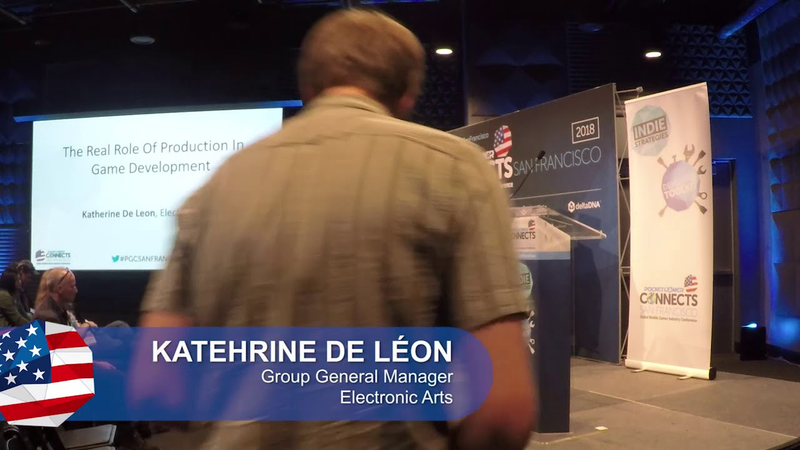
Fireside Chat: The real role of production in game development
The role of production in game development has evolved from a focus on project management to a strategic discipline centered on long-term vision, data-driven iteration, and team empowerment.
- Modern game production has shifted from tactical task management to a strategic discipline focused on portfolio-level planning, long-term vision, and team empowerment.
- Effective production requires balancing creative vision with live-service agility, using data science as a support mechanism to adapt to player behavior rather than a replacement for creative intuition.
- The core philosophy of successful production is rooted in servant leadership, which prioritizes team needs, clear expectations, and active support during high-pressure development cycles.
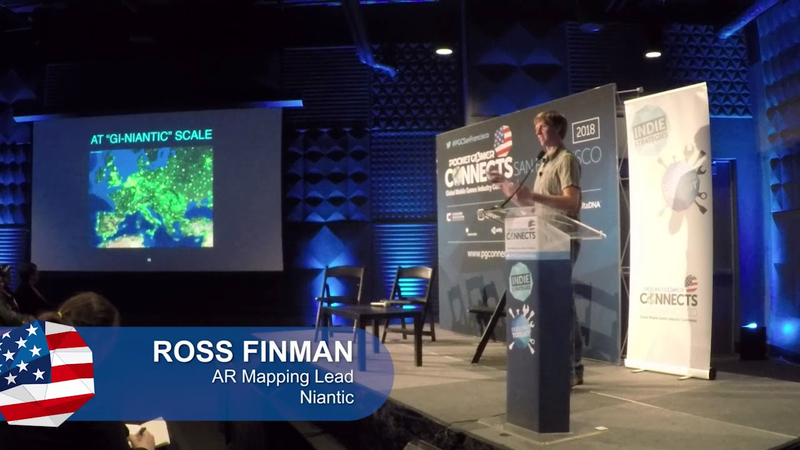
Niantic's AR mapping lead on using Earth as an AR gameboard
The integration of the physical world as a primary game board represents the next frontier for augmented reality (AR) gaming.
- The future of AR gaming involves shifting from simple digital overlays to a hybrid model where physical geography, objects, and social interactions dictate core gameplay mechanics.
- AR interactivity is evolving through four levels, progressing from basic digital overlays to the long-term goal of bidirectional interaction where digital content appears to manipulate physical objects.
- The current state of the AR gaming industry is analogous to the mobile gaming market in 2007, indicating it is in an early developmental phase that requires the creation of new, AR-specific mechanics.
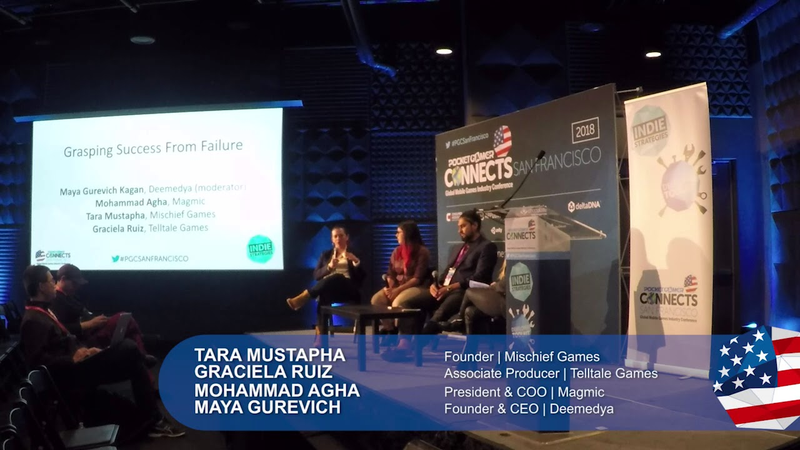
Grasping success from failure
The mobile gaming industry faces significant hurdles regarding user acquisition, development scope management, and the emotional difficulty of abandoning underperforming projects.
- Adopt a data-driven methodology that treats project failure as an inevitable part of the creative process to optimize production workflows and decision-making.
- Utilize regional soft launches to rigorously test core game loops and identify churn triggers before committing to a global release.
- Integrate monetization models during the earliest stages of development, as these choices fundamentally dictate the design of the core game loop.

College E-Sports - Road to Glory? - Extra Credits
The emergence of collegiate esports scholarships represents a significant shift in the gaming landscape, offering potential benefits alongside substantial structural risks.
- Collegiate esports programs often demand over 40 hours of training per week, creating a significant risk that competitive commitments will compromise academic performance and educational outcomes.
- Many institutions are utilizing esports programs primarily as marketing tools to drive enrollment, frequently diverting funding from core academic departments like computer science and game design.
- The rapid obsolescence of specific game titles creates a structural risk where a student's four-year training regimen may become irrelevant if the game loses its competitive status before graduation.
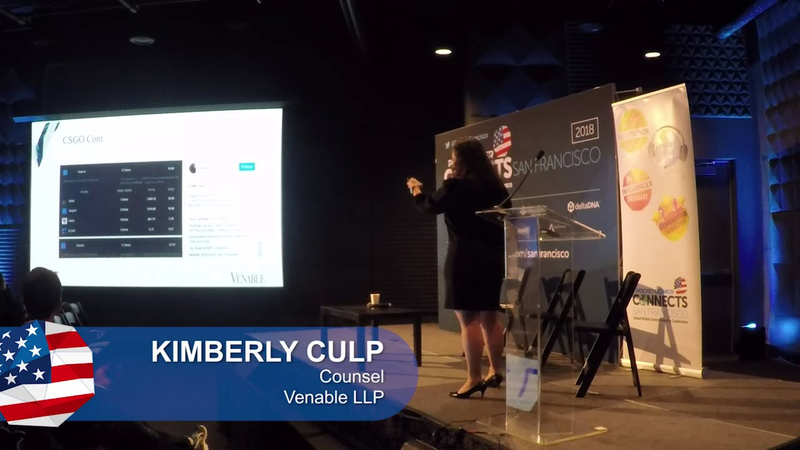
How to work with influencers to avoid scrutiny from Government regulators
Influencer marketing in the video game industry faces significant regulatory scrutiny, primarily from the Federal Trade Commission (FTC) and state attorneys general, who monitor for deceptive advertising practices.
- Brands, influencers, and agencies share collective legal responsibility for disclosing material connections, including monetary payments, free products, and early access to games.
- Disclosures must be clear and unambiguous; explicit labels like #ad are preferred over vague terms such as 'ambassador'.
- Disclosures must appear before consumer interaction, such as within the first three lines of a social post or at the very beginning of a video.
Fireside Chat: The dos And don’ts of working with influencers
Influencer marketing requires a strategic, human-centric approach that prioritizes authentic alignment between creators and brands over purely transactional exchanges.
- Only 30% of inbound influencer inquiries convert into paid campaigns, primarily due to poor outreach clarity and mismatches between brand expectations and creator content styles.
- Brands should prioritize transparency by explicitly stating budgets and confirming the partnership is a paid campaign to increase the likelihood of securing a creator.
- The industry is shifting away from programmatic, automated ad-buying toward direct, human-centric relationships that mirror traditional media models like radio.
The current state of esports and the future of the industry
The esports industry is currently undergoing a rapid evolution, transitioning from niche competitive gaming to a global entertainment phenomenon that fills stadiums and engages millions of viewers.
- The esports industry is evolving into a global entertainment category similar to motorsports, characterized by the professionalization of diverse gaming ecosystems rather than a single unified entity.
- ESL currently reports a reach of approximately 175 million gamers and generates over 27 billion minutes of content annually.
- Broadcasters are refining the spectator experience by integrating augmented reality for real-time statistics and synchronizing in-game events with physical stadium lighting.

The games industry investment power panel
The modern gaming investment landscape is defined by a strategic tension between traditional venture capital models and the experimental integration of blockchain technology.
- The games industry is shifting toward 'crypto-fueled' platforms where tokens act as the connective tissue across diverse gaming experiences, potentially replacing traditional user-base-centric distribution models.
- Blockchain technology offers a solution to international payment friction, enabling developers to create low-cost referral networks by issuing micro-payments to streamers and influencers globally.
- Decentralization in gaming aims to block 'economic free-riders' who extract value from communities, instead incentivizing users to contribute to a self-inflating, value-driven network.
Data-driven optimisation for in-app purchases and gameplay
The primary objective of this presentation is to demonstrate how data-driven analytics tools can optimize in-app purchases (IAP) and player retention within mobile games.
- Lifetime value (LTV) is directly optimized by integrating automated analytics to improve both player retention and monetization.
- Unity IAP Promo increases conversion rates by using algorithmic targeting to surface relevant purchase opportunities during natural gameplay.
- Remote Settings allow developers to dynamically adjust game variables like difficulty and item distribution without requiring new application builds or engineering overhead.
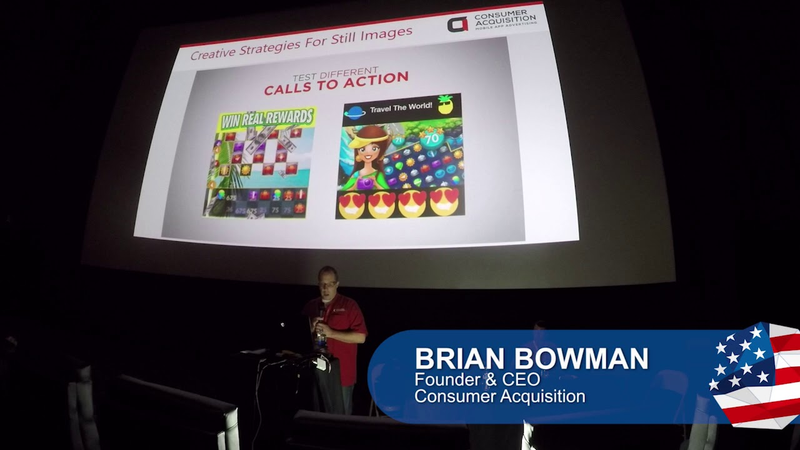
The future of UA – Facebook ad best practices, creative marketplaces and UA bots
Modern user acquisition strategies have shifted away from manual bid and budget management toward a reliance on machine learning algorithms.
- Creative quality is now the primary driver of ROI, as automated platforms like Facebook and Google shift the burden of performance from manual bidding to ad asset effectiveness.
- To maximize algorithmic efficiency, advertisers should consolidate campaigns and minimize manual edits to avoid triggering performance penalties associated with the machine learning learning phase.
- Mobile video assets should be optimized for immediate engagement, with a target length of six to ten seconds and a clear call to action within the first two seconds.
Monetisation from the trenches – Lessons from the fight to maximise ad revenue
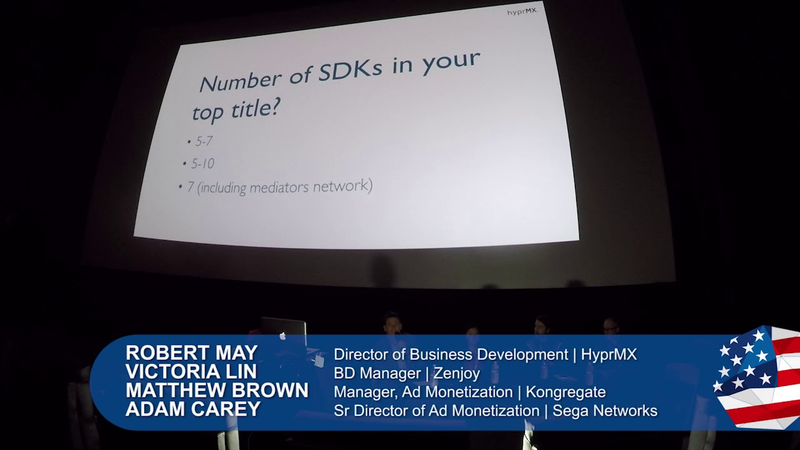
This panel discussion, held at Pocket Gamer Connects San Francisco 2018, features monetization experts from Zenjoy, Kongregate, and Sega Networks discussing strategies for maximizing mobile game ad revenue.
- Integrate advertising into the core game loop during the early development phase rather than treating it as an afterthought to ensure a balanced, data-driven monetization strategy.
- Prioritize rewarded video as the primary ad format due to its superior completion rates and positive user reception compared to other formats.
- Maintain a diversified ad strategy by utilizing interstitials and banners for non-paying users or specific game contexts to supplement rewarded video revenue.