1 free read left. Create a free account for unlimited reading + AI research.
Create free account
How to work with influencers to avoid scrutiny from Government regulators
Key insights
7 takeaways- 01Brands, influencers, and agencies share collective legal responsibility for disclosing material connections, including monetary payments, free products, and early access to games.
- 02Relying exclusively on platform-native tools, such as YouTube’s paid promotion toggle, is legally insufficient to meet FTC standards.
- 03Disclosures must appear before consumer interaction, such as within the first three lines of a social post or at the very beginning of a video.
- 04Disclosures must be clear and unambiguous; explicit labels like #ad are preferred over vague terms such as 'ambassador'.
- 05For long-form streaming content, disclosures must be repeated at regular intervals to ensure viewers who join mid-stream are informed of the sponsorship.
- 06Brands must implement rigorous compliance frameworks that include mandatory contractual obligations and active monitoring of all influencer content.
- 07Companies should conduct formal risk assessments of influencer partnerships and be prepared to terminate relationships with creators who fail to adhere to transparency requirements.
Ask AI about this video
Transcript
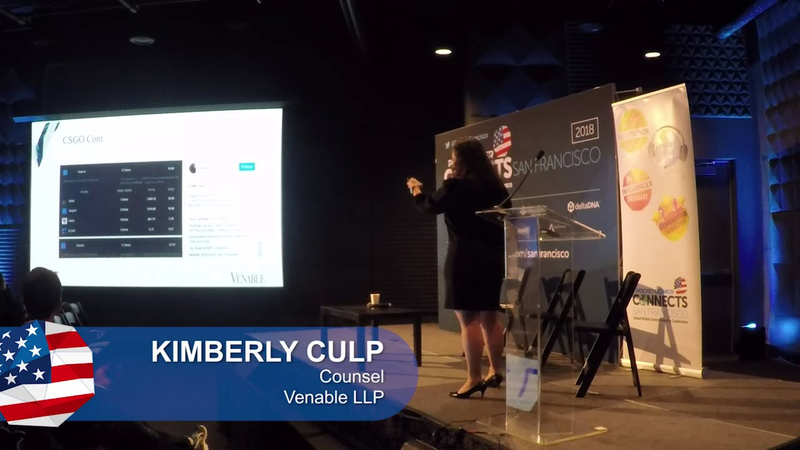
[Music] [Music] so we're gonna spend the next 20 minutes talking about disclosure so full disclosure I'm a lawyer I work with video game companies we're gonna spend 20 minutes helping all of you think a little bit like a lawyer I'm gonna use the framework of who what where when how why which is something we all know from grade school and I thought it would help teach how to think like a lawyer if you take one thing away from this hashtag ad that's how to avoid government scrutiny so who who what are we talking about we're talking about the 800-pound gorilla which is really the Federal Trade Commission the FTC is paying a lot of attention to what the FTC refers to
is endorsements but we think of as influence or advertising or influence or marketing if the FTC is not paying attention make no mistake particularly in the government regime that we're in right now state attorneys generals are paying attention to whether or not a brand's advertising is deceiving consumers so another disclosure I work with game companies so I'm coming at these issues from the perspective of the brand not the influencer not the media agency who might be controlling the influencer but the brand's who are engaging in influencer marketing so these the first two bullet points definitely paying attention to is a brand deceiving a consumer with their influencer marketing consumers would be the next big piece that you need to think about we're going to talk about one particular influencer who changed their marketing style because of a watchdog organizations letter that was very public and written about the deceptive nature of that
influencers marketing so who's responsible who's responsible for not deceiving consumers about what and we'll talk about that in a moment brands for sure the game company is absolutely at the top of the pyramid in terms of who those prior who's the FTC the state's attorneys generals and consumers are to be paying attention to they're out in front on the other end of the spectrum is obviously the influencer they're the one making the post doing the video but the media companies as well who are interfacing between the brand and the influencer or have an obligation to make sure that consumers are not being deceived so all three of these on the on the chain are responsible for making sure that there's no deception the brand of the game company even if they didn't put the post up there needs to be thinking about are my influencers doing what I expect them to do so what's the
what and really what's the problem the problem is when someone does something an influencer advertising that a consumer won't know is sponsored paid for endorsed by the brand itself we're gonna talk later about CS geo lotto the FTC filed a complaint against them they are currently under an order to monitor and comply with a various list of strict things that they have to do let's talk a bit about dj khaled so various liquor companies were sending free product paying him to post about about liquor and a consumer organization got you know wind of the fact that these posts were paid and was very upset about it and his post now say hashtag added that's the
easiest way to comply particularly in a Twitter format with what the FTC expects the FTC expects that a consumer will know that liquor company a gave free product to dj khaled so that he would post about how awesome the liquor is and that consumers know that that's a sponsored post so what do you have to do your consumers they need to know that there is a relationship between the brand and the influencer I took this screenshot off of YouTube because I thought it was a particularly excellent example hitting on the different ways in which you would disclose the relationship between this particular influencer and the brand first you can see in the video that the influencer used the YouTube function to to say includes paid promotion YouTube doesn't have that display the entire time which is fine we'll talk a little bit about
that in a moment but that's good that's not good enough the FTC would say just using YouTube's includes a paid promotion function is not good enough to satisfy what the Federal Trade Commission expects your influencers to do on your behalf so this post is also excellent because he starts with hashtag ad and it was not the second the third the tenth word it's the very first word and again the FTC is very fond of or approving of hashtag ad although there are other ways to disclose a relationship which you can see if you could read the text in the first line it says paid for advertising so in every instance on this particular post we have examples of what the Federal Trade Commission would expect an influencer to do on behalf of the brand to show that there's a material connection between that influencer in the brand this influencer for this post
I would not expect would get any sort of inquiry by the FTC let me add a couple who's in there back from that first slide although I'm coming I'm a u.s. lawyer so I don't advise on what is what the law is in the UK or in Korea or elsewhere but there are agencies around the world who are looking at exactly these sorts of things so if you're influencers are international they often are it's not just going to be the FTC who could pay attention although if you comply generally with these standards you're going to comply generally with the standards around the world so you need to disclose that relationship so when how where do you make these disclosures so when do you need to make a disclosure and this is particularly I think important for certain mobile brands who may start with sort of a friends and families influencer program the rules
are if there is a material connection between the post and the brand which the FTC has said could mean employees owners friends family if they're posting favorable things about the brand if and we'll talk about CSG alato the post get enough activity and come under scrutiny by the FTC the FTC could say you have to disclose the relationship which is a familial one not money the previous panel talked a bit about some brands taking people on trips absolutely have to make a disclosure a trip it's not cash but it's still something that the FTC considers to be a material connection between the brand and the influencer the same thing with early access to games free products so the FTC's statement about when do you have to make a disclosure is if knowing about the thing or the service or the
access to it and a person you know whatever that might be what effect the credibility that a consumer would give to the post then you should disclose it's a very broad standard how do you make a disclosure we saw a bit about this in the YouTube screen shot that I took but make the disclosure close to the claims that are being made so early yeah I mean that's that's really what that means do it early if it's the first thing that the consumer is going to see you're not really gonna receive FTC scrutiny if it is in a long summary of what what am i doing and what's this video about the very last word is hashtag add those are the sorts of things that start to sort of raise the ire not usually and often for the format that we're talking about YouTube Instagram and such but use a
font that's easy to read you know like very light gray font that's as small as it can be those sorts of little tricks are not funny and not well received use clear language I received early access to the game we saw free paid out or paid advertising you don't don't try to be deceptive and don't let your influencers try to hide the ball just use very clear clear language we've talked a bit about sponsored I've seen an ambassador a lot honestly I don't know what an ambassador is and I think the FTC is still a little confused about what an ambassador is although they're willing to engage with things that aren't hashtag ad they are not amused by hashtag SPO n they sponsored a really good if it's a if it's a tweet tweet the brand as well you know hashtag add at you know whatever the video game company is so that the consumers know
who the brand is even though it should be obvious from the post otherwise it's not a really effective post but still this is essentially what what the FTC would be looking for so big issue really in this space is going to be in video right so where do you have to make the disclosure in video we saw in YouTube there's the functionality to say that it's a sponsored video technically you're supposed to both make the disclosure in a video in writing and speak it so if the video is someone's streaming a game I am streaming game X for a brand Y let's play and and and go forward and there should also be a similar written disclosure use again clear unambiguous language here's the thing at the bottom though if it's a really long video you're gonna play for hours on end
the FTC expects you to repeat disclosures throughout the plane of the video in intervals that are regular enough that a consumer jumping into the stream will see and hear the disclosures what does that mean pens it depends on who your consumer is it depends on what the stream is it depends it depends but if you're the game company and you're engaging in influence or just stream this game for hours on end I'd say every 15 minutes I'd come up with a regular interval maybe a half hour an hour isn't gonna be good enough you know and so it's to some extent right now where we're at in the market I would say having guidelines for the influencer on some sort of regular redisclosure is probably enough to avoid any to get an investigation closed essentially if there was an inquiry and
you say oh well I said eff every 15 minutes the FTC might say I prefer every half-hour okay thanks but if you did nothing then you're going to see more pushback and further investigation tweets and posts same concepts you know one additional piece to add though is that if there's a more button for instance on Instagram it's the first three lines then you get two more it has to be in the first three lines the disclosure cannot come later so whatever the format is if there is some sort of a more next it has to come before that why so let's talk about CSG alato so in the fall of 2017 the Federal Trade Commission filed a complaint against CSG alato and two of its owners or I guess it's only two others as individuals because of this post in this post and a whole bunch of videos that I haven't included
here if you google CSG oft C you can you can see what was done so here's here's Twitter there's nothing about hash tag ad there is nothing about I own this company there's nothing and likewise in this floor mat there's no hashtag ad hashtag I own the company hashtag whatever the FTC ends this investigation against CSG olaudah with an order that the individuals and the company have to one give the order to any new employees any new companies that are related to it it's all officers directors employees agents etc etc etc for I think it's about five years five years ten years for a five year period of time they are under a compliance
obligation they have to track in writing and everything that they do to monitor all of the influencer posts that are associated with CSG alato in any way they have to file declarations with FTC about everything that they have done to monitor to comply it's a very onerous proposition there were consumer letters that were sent in that suggested these individuals should have gone to jail should have paid more money that didn't happen but the point is that this kind of advertising is very much and particularly in the game space very much under the scrutiny of the Federal Trade Commission these days and I would expect to see the obligations under any sort of consent order to just increase frankly as time goes on this is my best practices treatment checklist when I'm working with a brand one of the first things we do is we define what the brand considers to be an appropriate
disclosure and in which format for video for Twitter for Instagram however the influencer is going to be disclosing we define what we consider appropriate we require a contract then between either the brand and the agency or the branded the influencer as to all of the appropriate disclosure practices we then monitor those posts we track everything we've done to monitor those posts we will not work with influencers who don't comply with the guidelines and we document all of that so from the brand side of things if you're going to engage with influencers this is what I would do any questions [Music]
so in terms of the loosening and I was on a panel with one of the FTC Commissioners last month and she was much looser about how you can disclose the relationship I think the FTC is much more willing to consider different ways for instance ambassador I think hashtag brand slash ambassador Will Survive FTC scrutiny even if ambassador is a somewhat ambiguous term I think in that sense we're seeing sort of a loosening of things on the other end I think we're gonna see a more focused attention to certain industries and I think games are certainly one of them that the FTC is paying a lot of attention to lifestyle would be another one that I think the FTC is paying a lot of attention to we certainly saw at the beginning of last
year sort of these warning letters and 90 of them go out to influencers and to brands so I think that's the other piece is that they're paid a lot of attention to the individuals almost as much as they're paying attention to the brands whereas sort of you know a year and a half ago the assumption was the brand has to do everything and now there's a little bit of a recognition that there's some flexibility between the arrangement that the brand might have with the influencer and I think the interesting thing there will be the extent to which the FTC really goes or starts to go after the agencies that control the influencers there hasn't been a lot of activity there I think we'll see more and I and I think from our discussion last month I get the impression that that's expected yeah you know to some extent there was a
lot of industry pressure on the Federal Trade Commission several years ago to define how to work in native advertising so influencer marketing is a format of negative advertising we can quibble about whether the same or they're not the same but so the FTC in response to sort of like brand pressure defined okay this is how you disclose and Native and then from there we have a lot more focused inquiry into the the influencer piece of things and I think the letters that we saw from last year they're about 90 of them they went to brands and influencers was more the FTC's own activity okay now that we've been asked to pay attention to this we have gone out and paid attention to this and we're letting you know that we issued these endorsement guidelines the FTC refer
student as endorsement and we don't think you're complying and so let us give you another warning as to why we think you're not complying but certainly consumers you know impact how the Federal Trade Commission feels about advertising yep so the Federal Trade Commission's authority is to monitor deceptive advertising essentially and so they have a very broad power if you will to monitor and make individuals and companies comply with not deceiving consumers so it's it's it's it's very broad there are other state statutes in California in particular that also relate to deceptive advertising so there's there's a variety of different ways in which different bodies individuals as well can comment getting
at deceptive advertising influence or marketing it's just one way in which consumers may or may not be deceived we take the money go to my store paid out there so let me say this deceptive false and misleading advertising is the standard against which all marketing is tested so if if advertising is false or misleading and under various different laws state and federal that advertising could could violate either that state or federal law but that's that's essentially the generic test false is advertising false
or misleading to a reasonable consumer yeah so what I tell my clients is if you're working with an influencer and you've said this this is the disclosure for this campaign and this is how you do it and not just that influencer hasn't done it you know there are some there are some influencers that you might care a lot more about than others so they might get sort of a couple bites of the Apple there are others where it's just not worth the hassle and you might say you know what you're not part of this campaign anymore but from the brands perspective you need to be paying attention you know to what's being done on your behalf and then make a risk assessment as to how much you're willing to let slide or not I would say the more
high-profile the influencer is the more risk you're taking on if you're allowing that influencer to not disclose the relationship between you and that influencer because that's essentially what you're doing you're taking on risk and how much risk are you willing to take on [Music] [Music]
Summary
Influencer marketing in the video game industry faces significant regulatory scrutiny, primarily from the Federal Trade Commission (FTC) and state attorneys general, who monitor for deceptive advertising practices. The core thesis is that brands, influencers, and media agencies share a collective responsibility to ensure consumers are clearly informed of any material connection between a brand and an influencer. Failure to disclose these relationships—whether through monetary payment, free product, or early access—can lead to formal complaints, long-term compliance monitoring, and reputational damage.
To avoid regulatory intervention, disclosures must be clear, unambiguous, and prominently placed. Using vague terms like ambassador is discouraged, while explicit labels such as hashtag ad are preferred. Disclosures should appear before any consumer interaction, such as the first three lines of an Instagram post or the beginning of a video. For long-form streaming content, disclosures must be repeated at regular intervals to ensure that viewers joining at any point are aware of the sponsorship. Relying solely on platform-provided tools, such as YouTube’s paid promotion toggle, is insufficient to meet legal standards.
Brands are advised to implement a rigorous compliance framework that includes defining clear disclosure guidelines, mandating contractual obligations for influencers and agencies, and actively monitoring all promotional content. Because the FTC’s authority to combat deceptive advertising is broad, brands must conduct risk assessments regarding their influencer partnerships. High-profile influencers carry greater risk, and brands should be prepared to terminate relationships with those who fail to adhere to established disclosure requirements. While some regulatory flexibility exists, the industry remains a primary target for oversight, necessitating proactive documentation and strict adherence to transparency standards to mitigate legal exposure.