More on Serious Games
View all


Whitepaper
Transformative Play for Building Resilience to Misinformation
International Journal of Role-Playing · 2026
Whitepaper
What do we Evaluate in Serious Games? A Systematic Review
European Conference on Games Based Learning (ECGBL) · 2023

Whitepaper
Playing with Fake News: State of Fake News Video Games
International Journal of Games and Social Impact · 2022
Whitepaper
Designing and Implementing Gamification: GaDeP, Gamifire, and Applied Case Studies
International Journal of Serious Games · 2020
Whitepaper
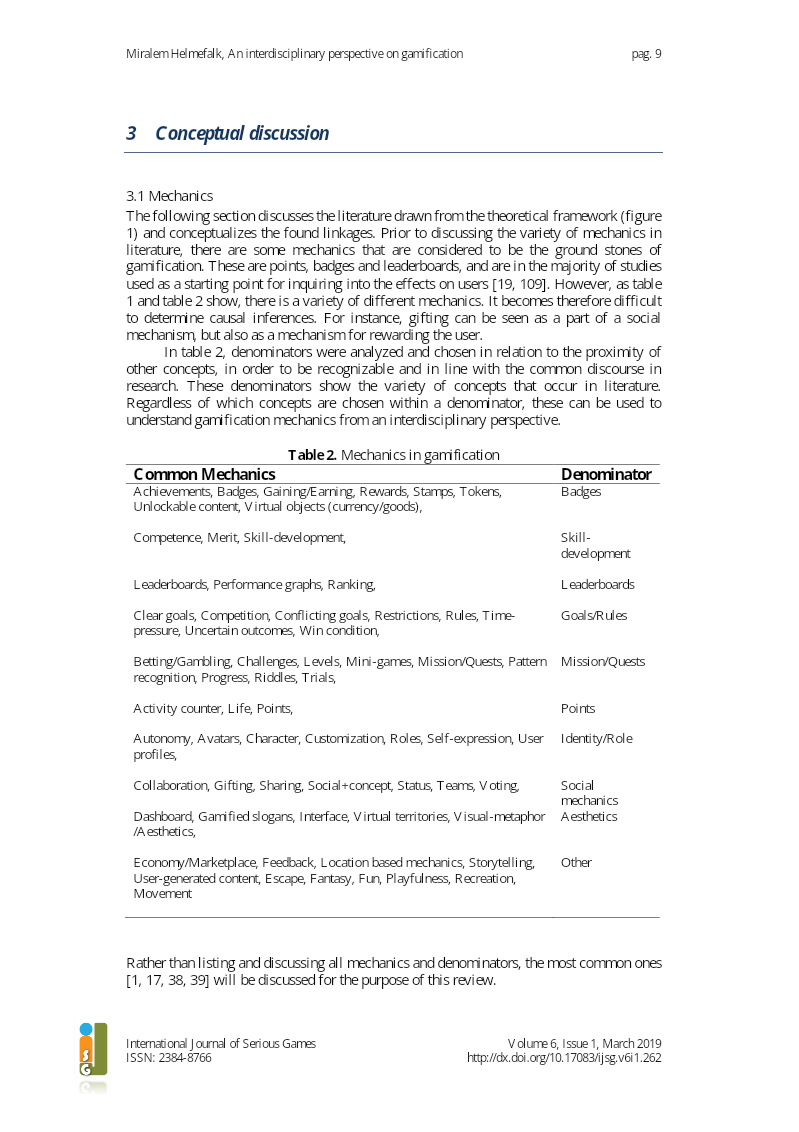
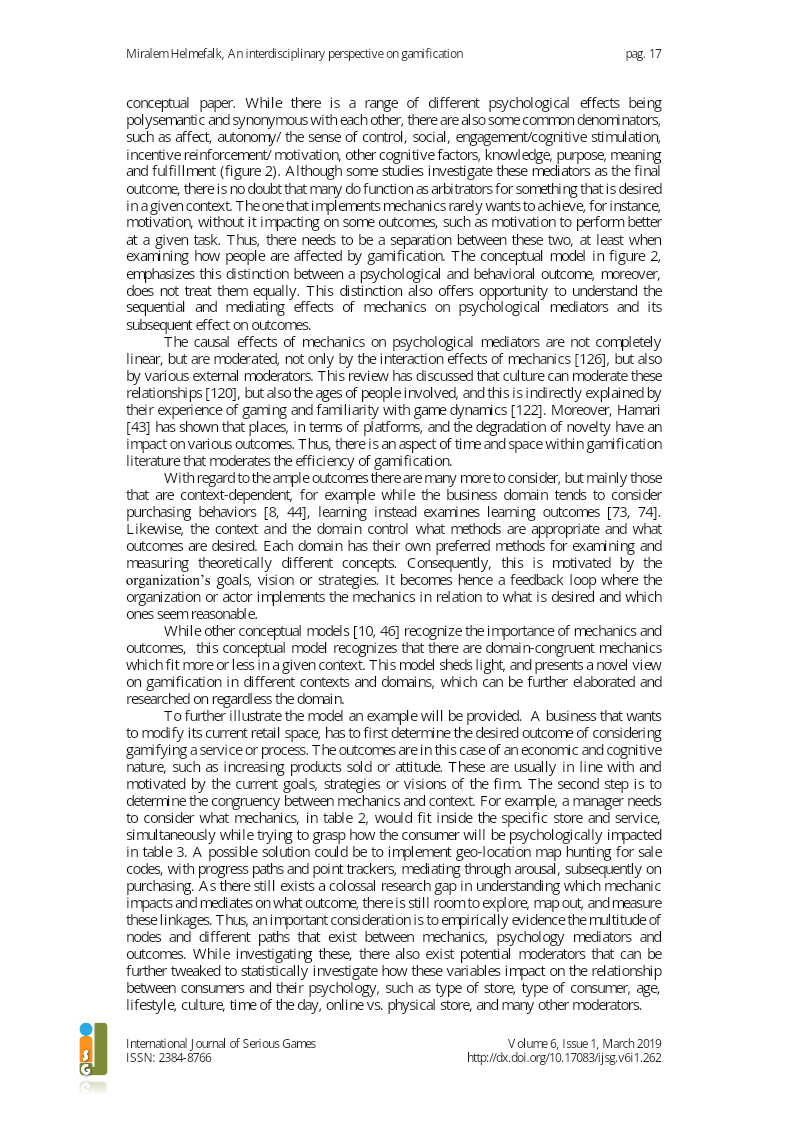
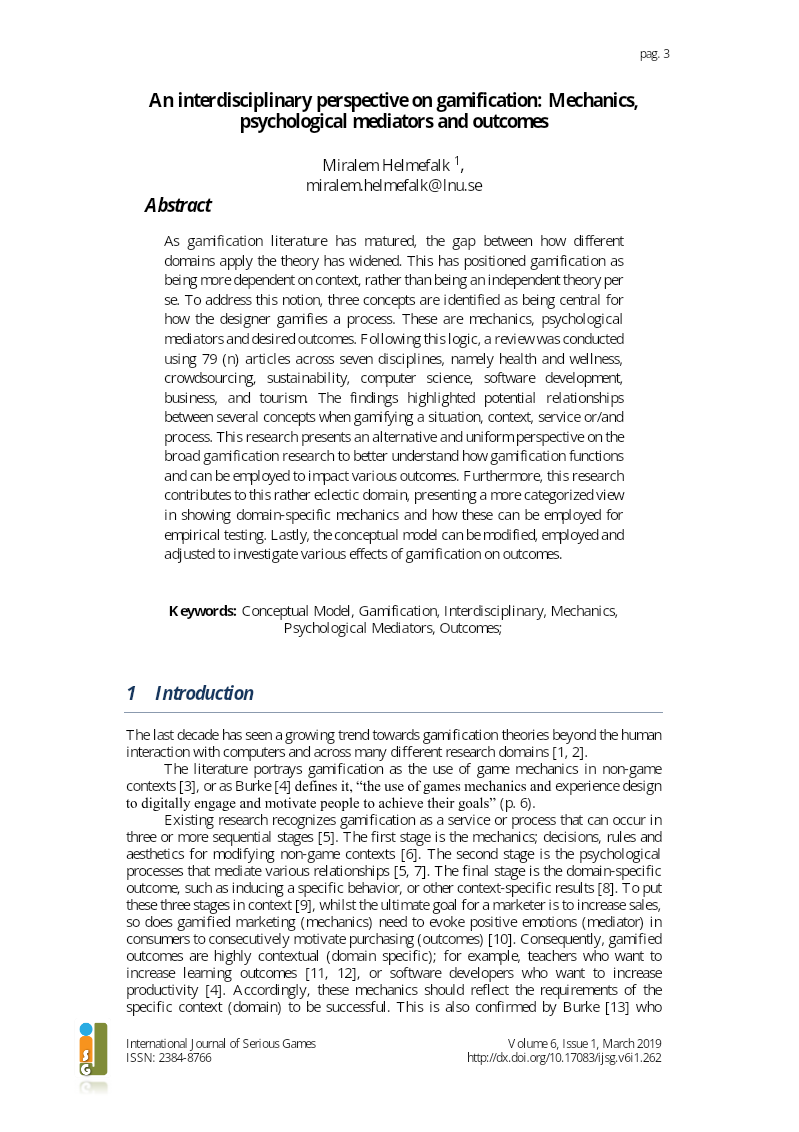
An Interdisciplinary Perspective on Gamification: Mechanics, Psychological Mediators and Outcomes
International Journal of Serious Games · 2019
Whitepaper
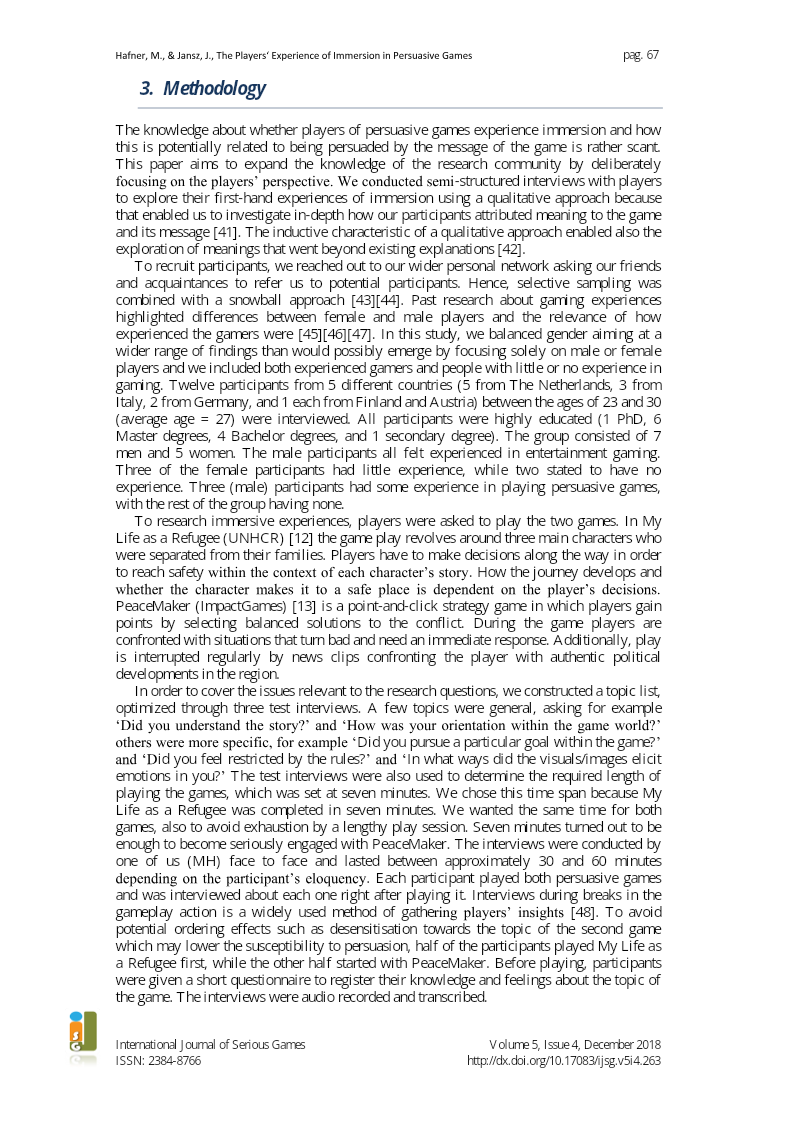
The Players' Experience of Immersion in Persuasive Games: A Study of My Life as a Refugee and PeaceMaker
International Journal of Serious Games · 2018
Whitepaper
Get Gamification of MOOC Right: How to Embed the Individual and Social Aspects of MOOCs in Gamification Design
International Journal of Serious Games · 2018
Whitepaper
OneUp: Supporting Practical and Experimental Gamification of Learning
International Journal of Serious Games · 2018
Whitepaper
A Cookbook Method for Persuasive Game Design
Delft University of Technology · 2018
Whitepaper
Prime Example Ingress: Reframing the Pervasive Game Design Framework (PGDF)
International Journal of Serious Games · 2017
Whitepaper
Experience, Experiment, Evaluate: A Framework for Assessing Experiential Games
International Journal of Serious Games · 2017
Whitepaper
Persuasive Gaming: Identifying the Different Types of Persuasion Through Games
International Journal of Serious Games · 2017