1 free read left. Create a free account for unlimited reading + AI research.
Create free accountWhitepaper International Journal of Serious Games
1 free read left. Create a free account for unlimited reading + AI research.
Create free accountWhitepaperInternational Journal of Serious Games
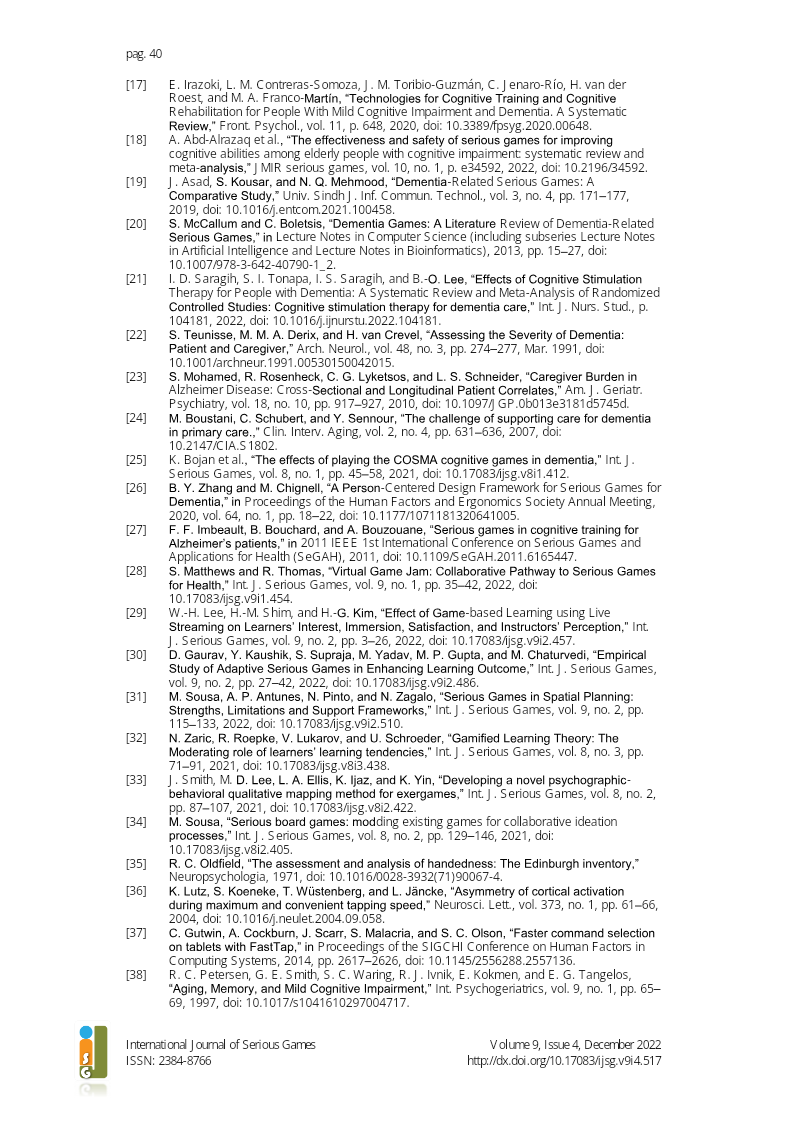
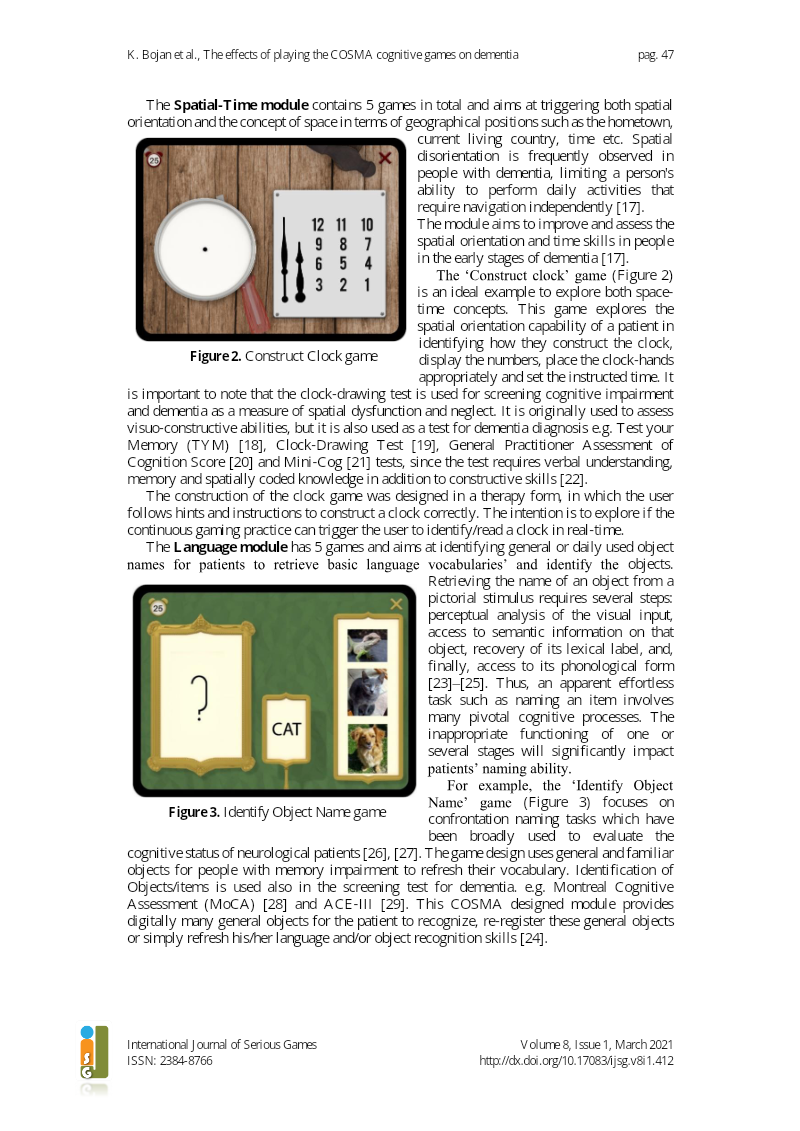
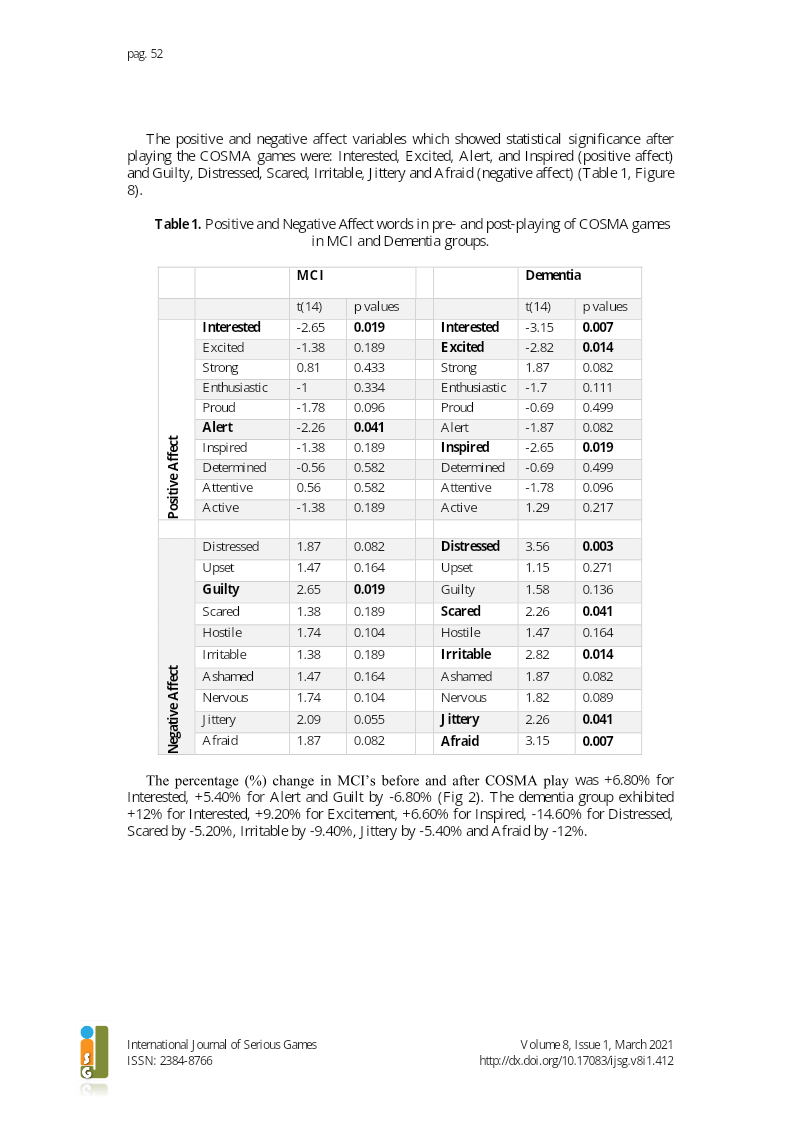
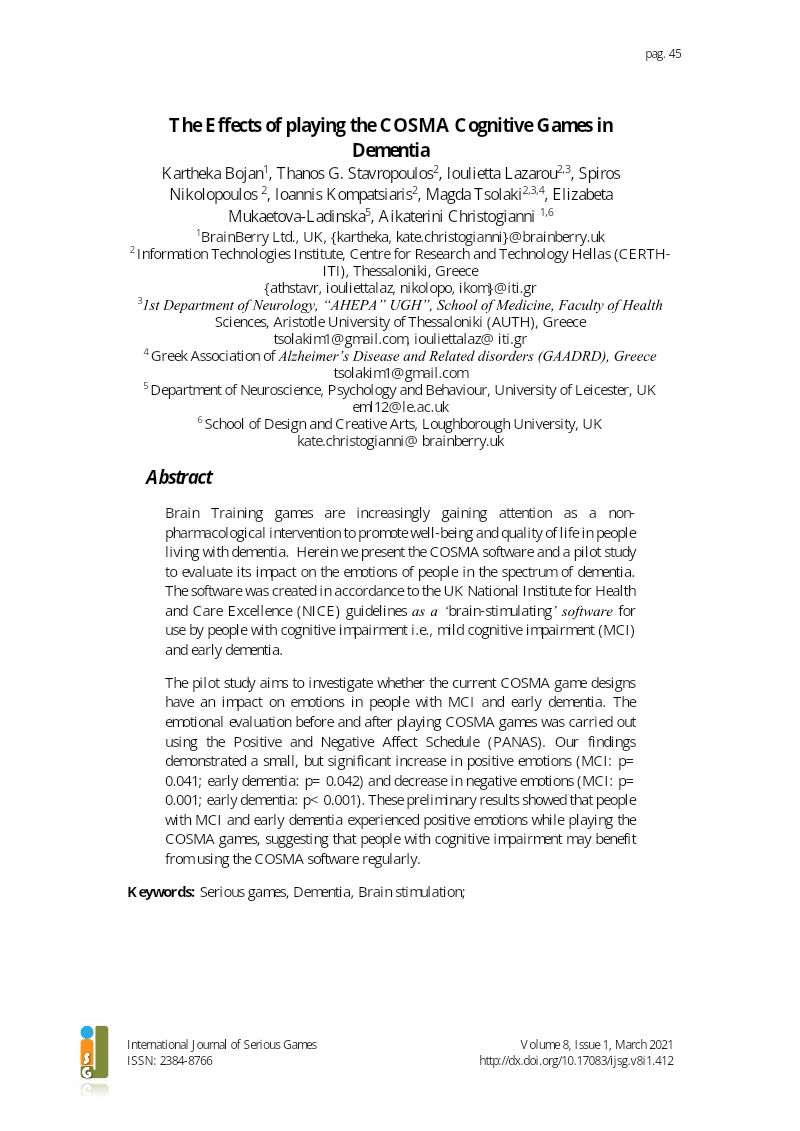
The COSMA serious gaming platform is designed to mitigate cognitive decline and enhance motor coordination in patients diagnosed with Mild Cognitive Impairment (MCI). It aims to preserve executive functions and promote daily independence.
The COSMA serious gaming platform serves as a targeted, non-pharmacological intervention designed to mitigate cognitive decline and enhance motor coordination in patients diagnosed with Mild Cognitive Impairment (MCI). By leveraging digital stimulation, the platform aims to preserve executive functions and promote daily independence through structured, repetitive engagement. The core thesis posits that consistent, at-home practice with specialized cognitive modules facilitates superior learning retention and functional improvement compared to sporadic, laboratory-based exposure.
Over a 28-day randomized clinical protocol, participants utilizing the COSMA application demonstrated significant performance gains, achieving faster reaction times in 48% of the platform’s games. These improvements were particularly pronounced in modules focused on reminiscence, spatial orientation, and the simulation of daily tasks. In contrast, a control group limited to laboratory-only sessions showed improvement in only 20% of the games. These findings are further validated by CANTAB neuropsychological assessments, which confirm that the treatment group experienced measurable advancements in motor screening and visual information processing capabilities.
The scope of this research encompasses the intersection of digital health and geriatric neurology, focusing on the efficacy of serious games as a clinical tool for cognitive rehabilitation. By providing a scientifically grounded alternative to generic cognitive applications, the platform offers a scalable solution for addressing the complex needs of MCI patients. The evidence suggests that regular, sustained interaction with the software is a critical factor in achieving clinical outcomes, establishing a robust framework for the integration of digital therapeutics into standard cognitive care protocols.
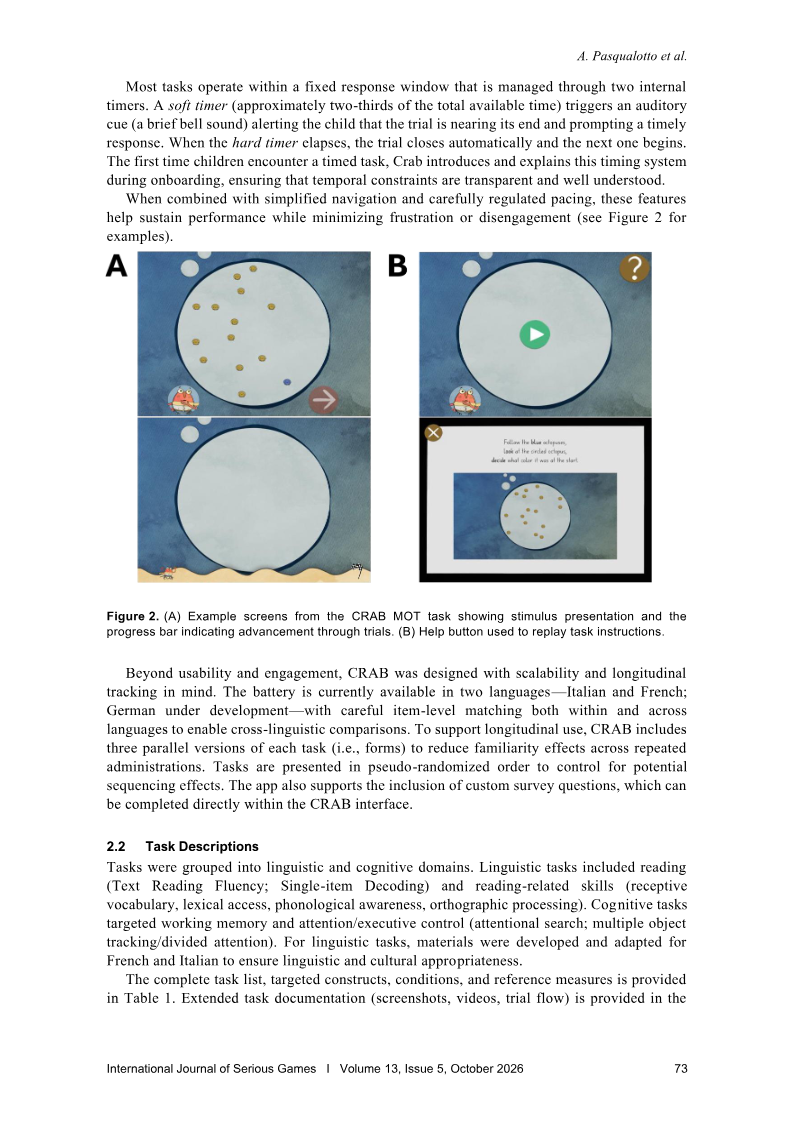
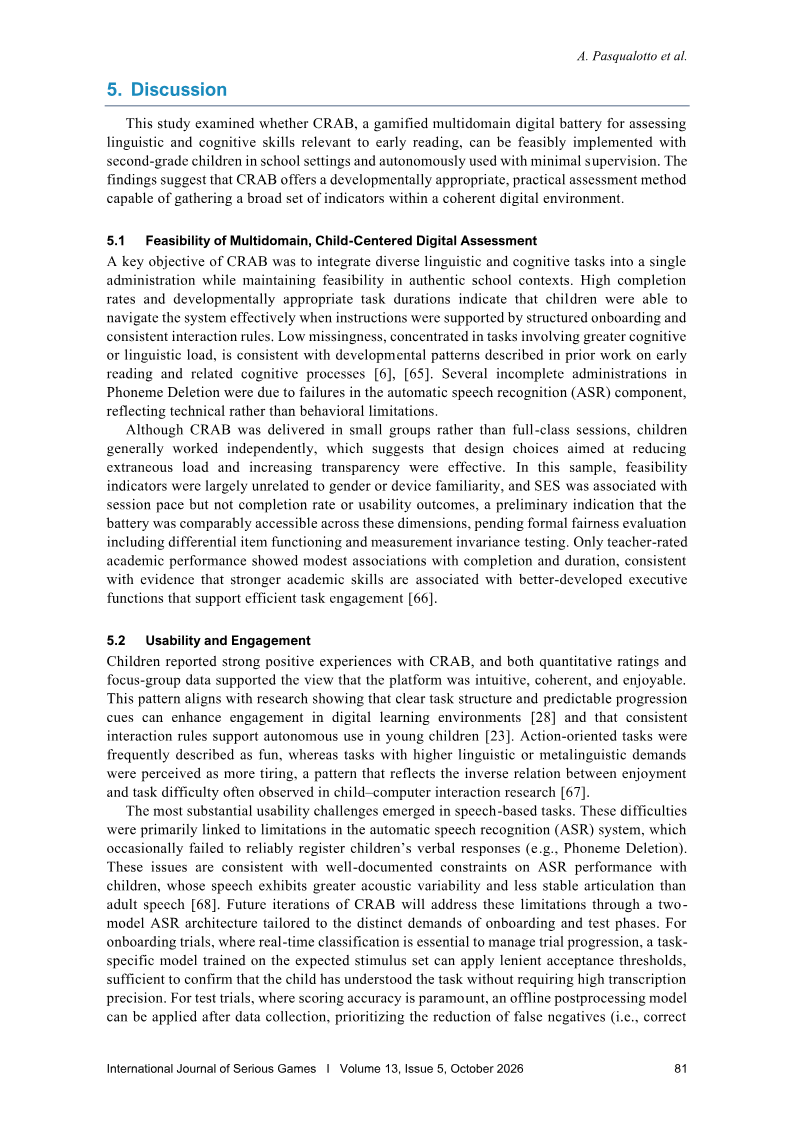
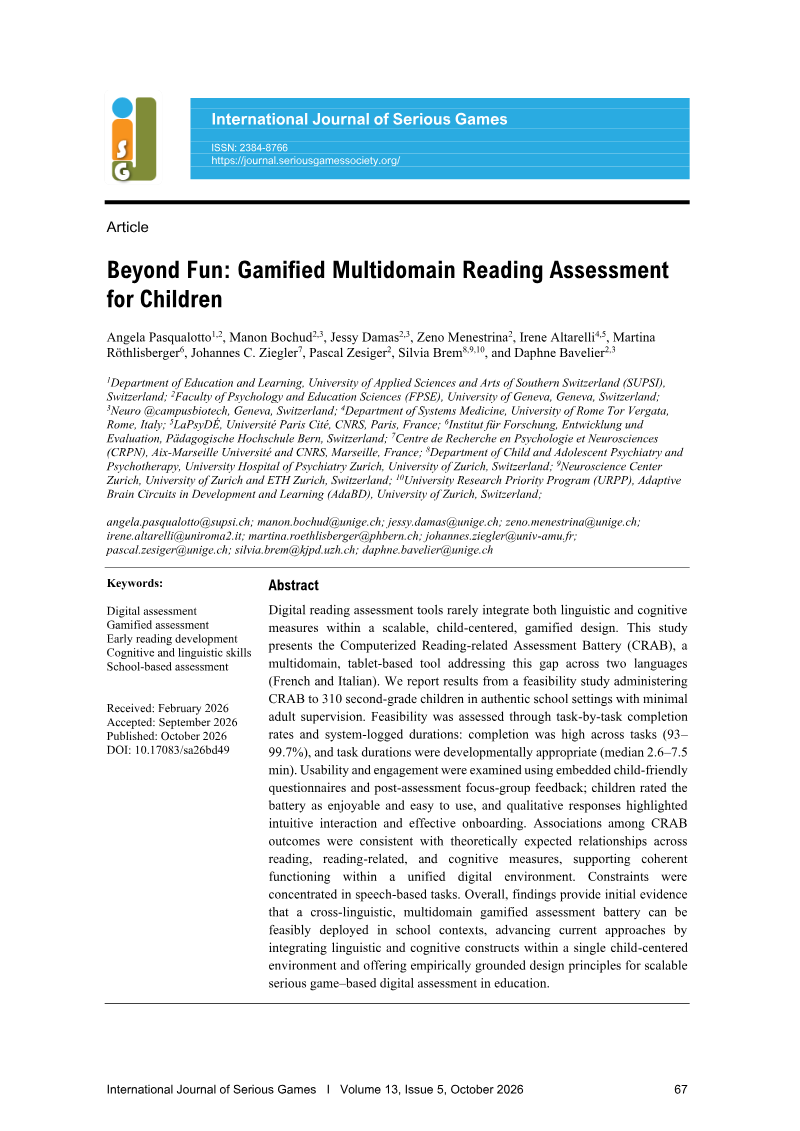
International Journal of Serious Games · 2026
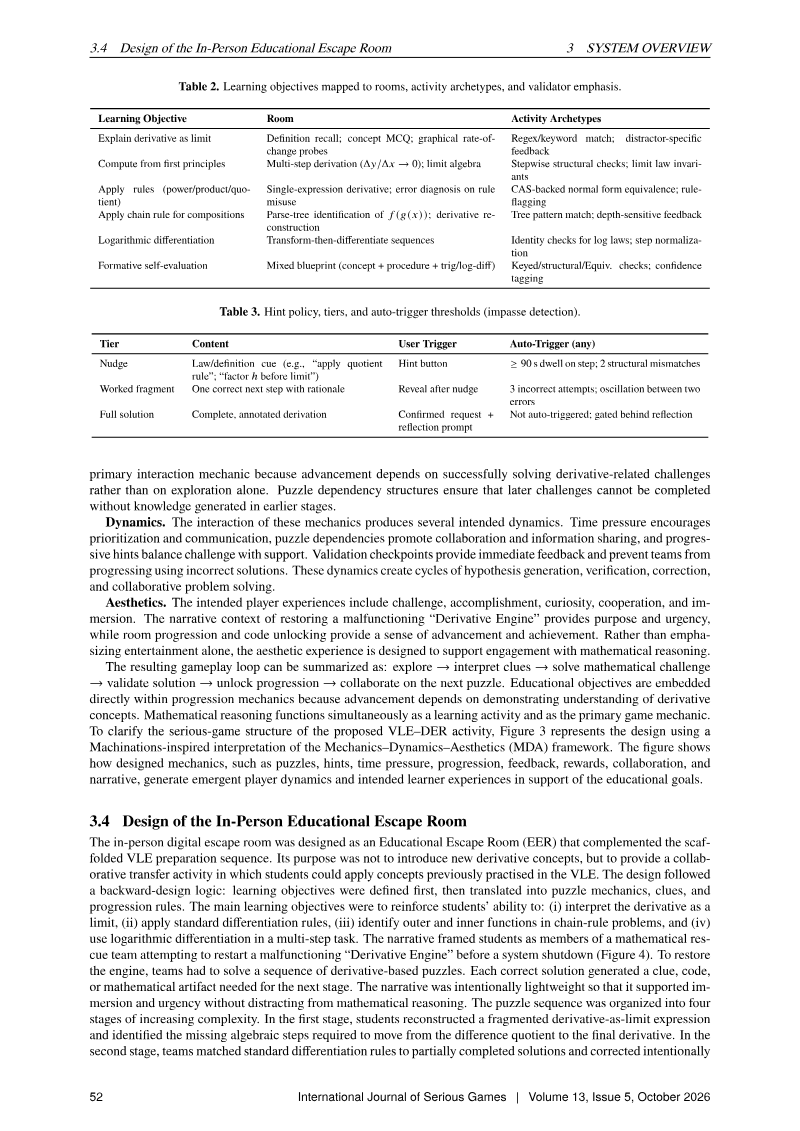
International Journal of Serious Games · 2026
International Journal of Serious Games · 2026
International Journal of Serious Games · 2026
International Journal of Serious Games · 2026
International Journal of Serious Games · 2026
International Journal of Serious Games · 2026
International Journal of Serious Games · 2025
International Journal of Serious Games · 2025
International Journal of Serious Games · 2025
Serious Games Society · 2025
International Journal of Serious Games · 2025
DiGRA · 2016