1 free read left. Create a free account for unlimited reading + AI research.
Create free accountWhitepaper European Conference on Games Based Learning (ECGBL)
1 free read left. Create a free account for unlimited reading + AI research.
Create free accountWhitepaperEuropean Conference on Games Based Learning (ECGBL)
The day was built around eight gamification features drawn from Apostol, Zaharescu and Alexe (2013). The authors present it as best practice.
This document presents a case study of a gamified orientation day for first-year students at Ghent University, built around eight gamification features drawn from Apostol, Zaharescu and Alexe (2013). Its central aim is to show that orientation activities can ease students' transition into university life and foster belonging, and that gamification can strengthen engagement and knowledge retention. The design includes collaborative small teams, a central mystery narrative, station-based tasks linked to orientation content, and a safe, supportive environment, which the authors present as best practice.
The findings rest on survey responses from 1,326 first-year students across two academic years and three business and economics programmes at a Western European university's economics faculty. Students most often praised the pleasant, welcoming atmosphere (35%), the clear and informative stations (29%), and peer interaction (24%). Among the 41% who offered criticism or suggestions, the most common concern was that the day ran too long (18%), followed by unclear expectations (7%). The authors conclude that the gamified approach supports both social and academic integration.
The study's limitations are acknowledged explicitly. It lacks a control group, so causal claims about the gamified format remain tentative, and the individual gamification mechanics have not yet been assessed with sufficient precision. These gaps point to clear directions for future research.
The accompanying reference base situates the practice within wider scholarship on gamification, game-based learning, and student transition. It draws on work examining how games can support well-being, whether introductory weeks improve integration and satisfaction, and how specific game design elements affect psychological need satisfaction. Together, these sources provide the theoretical foundation for the orientation practices described.



European Conference on Games Based Learning (ECGBL) · 2026



European Conference on Games Based Learning (ECGBL) · 2026



European Conference on Games Based Learning (ECGBL) · 2026



European Conference on Games Based Learning (ECGBL) · 2026



European Conference on Games Based Learning (ECGBL) · 2026



European Conference on Games Based Learning (ECGBL) · 2026



European Conference on Games Based Learning (ECGBL) · 2026
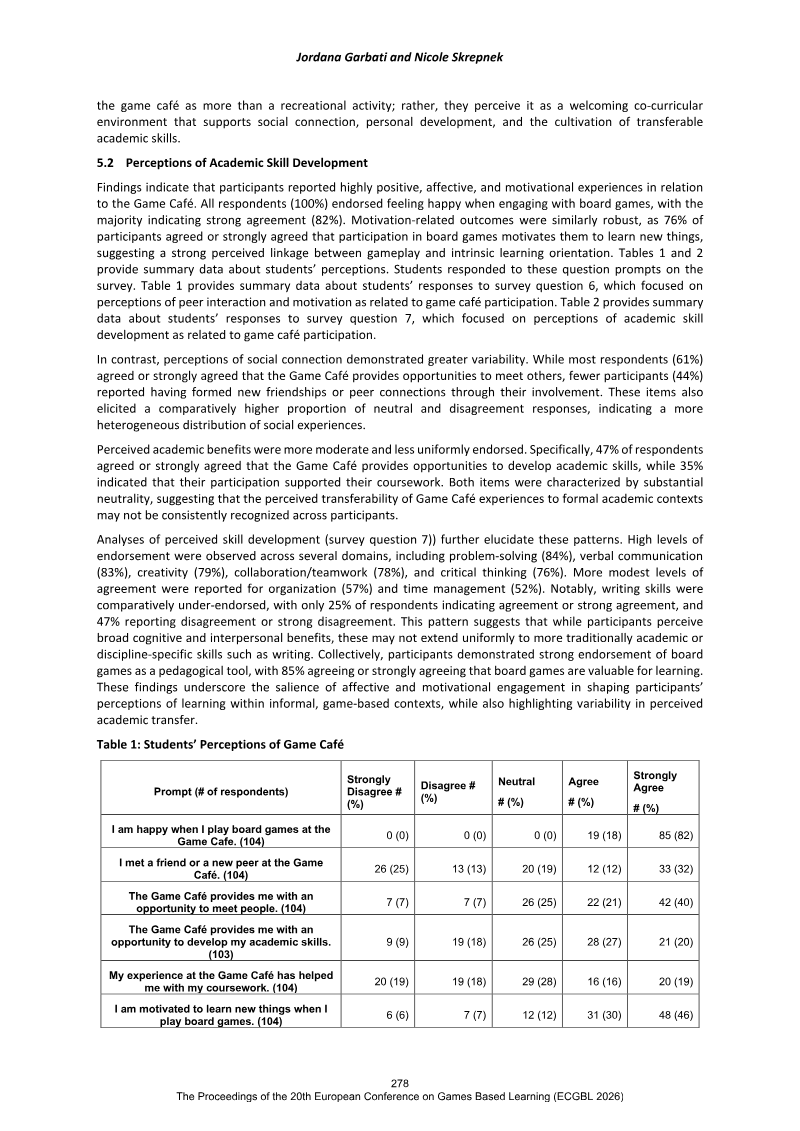
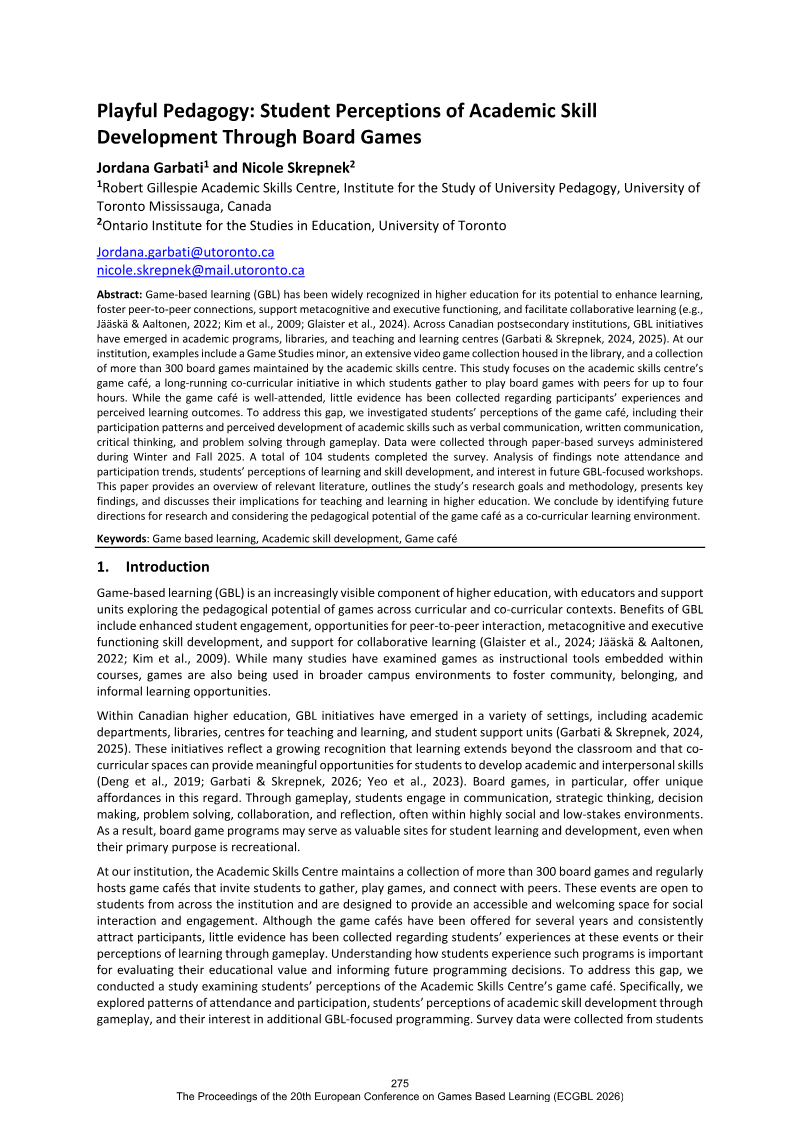
University of Toronto · 2026



European Conference on Games Based Learning (ECGBL) · 2026



European Conference on Games Based Learning (ECGBL) · 2026



European Conference on Games Based Learning (ECGBL) · 2026



European Conference on Games Based Learning (ECGBL) · 2026



European Conference on Games Based Learning (ECGBL) · 2026
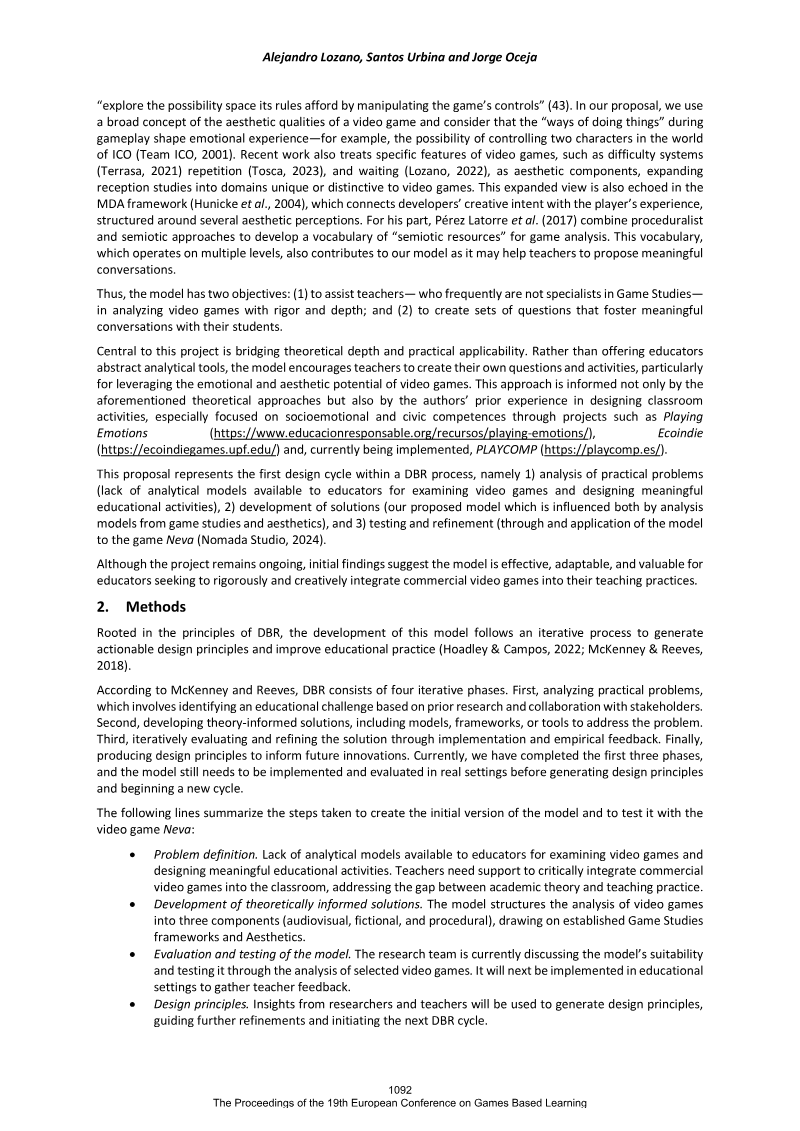
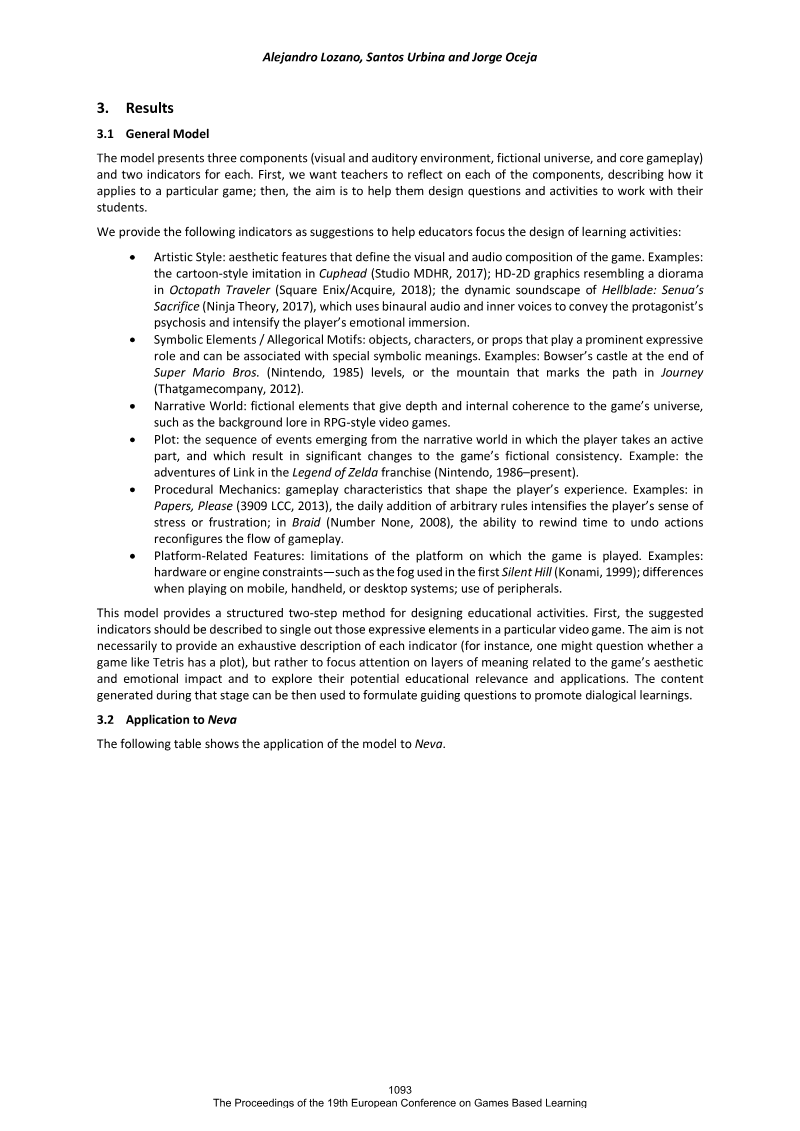
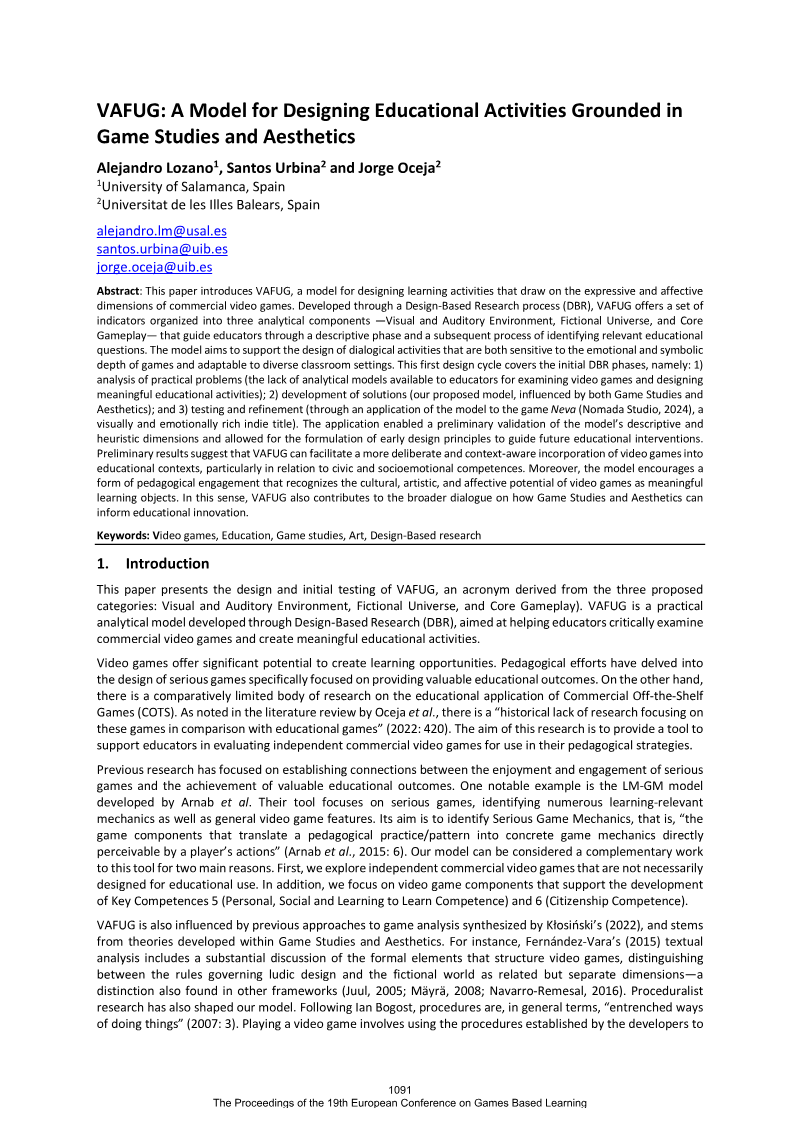
European Conference on Games Based Learning (ECGBL) · 2025
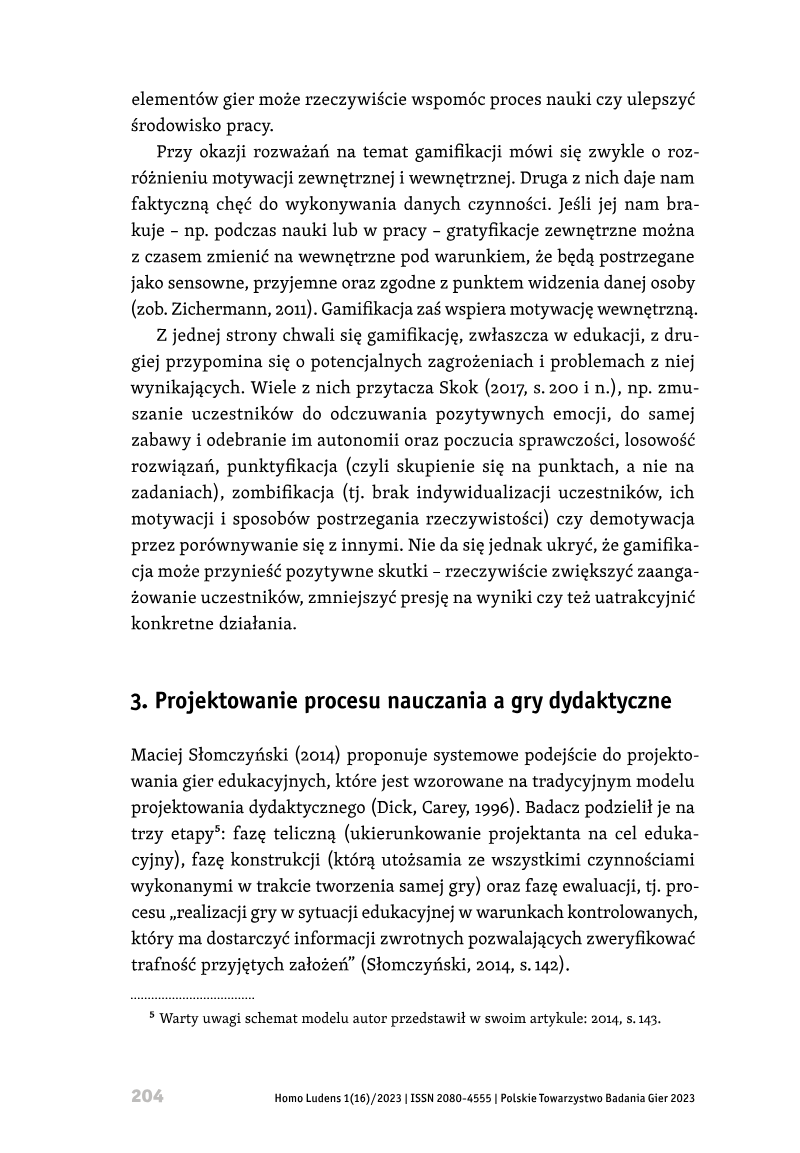
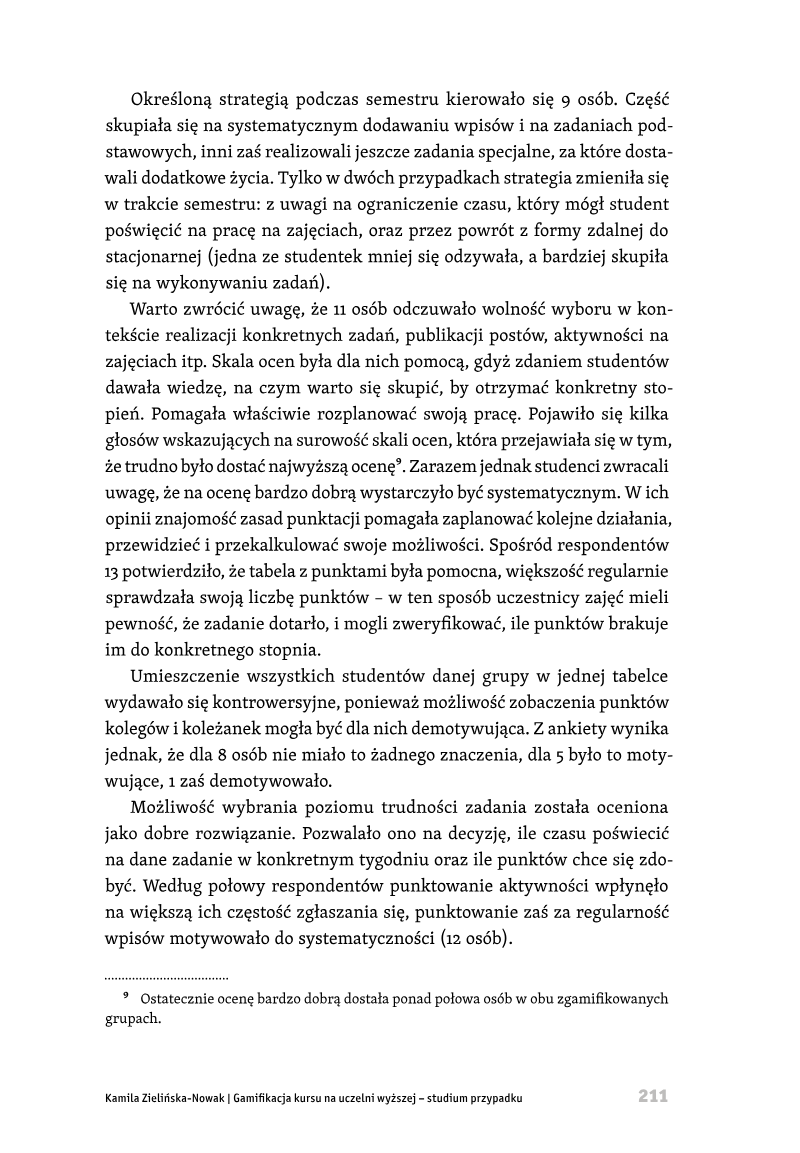
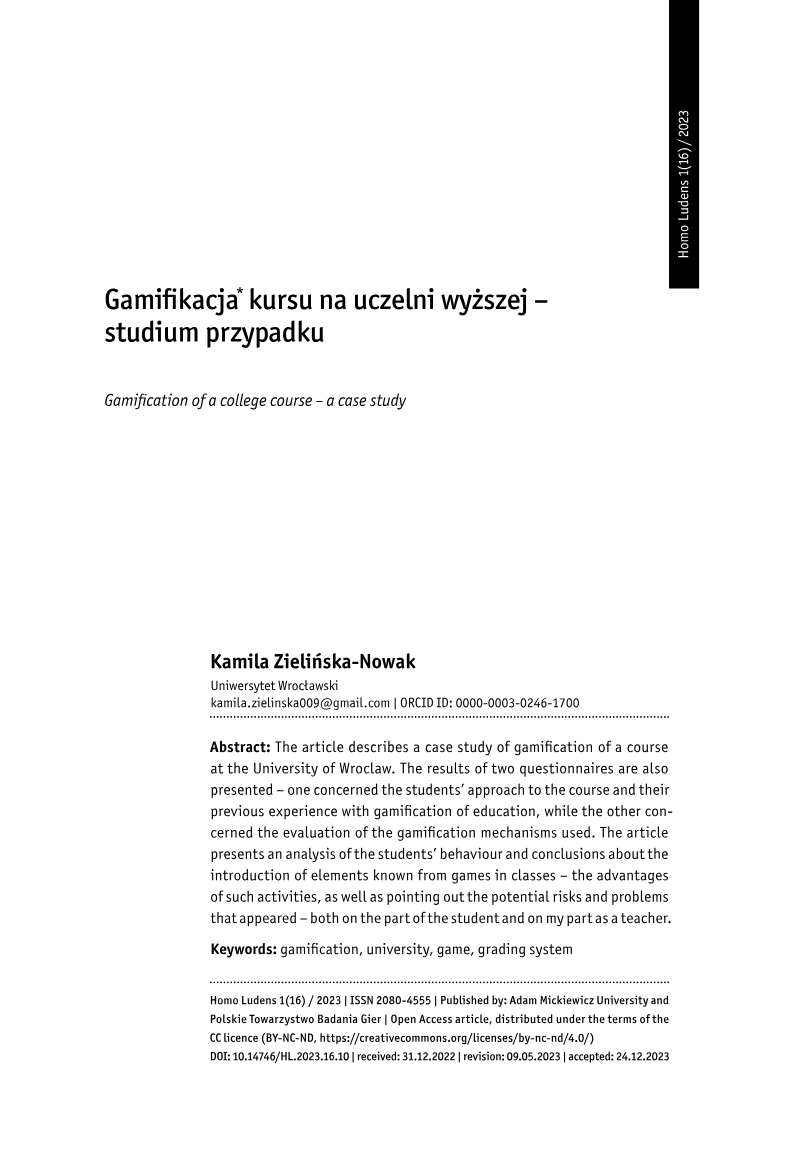
Homo Ludens · 2024