1 free read left. Create a free account for unlimited reading + AI research.
Create free accountWhitepaper International Journal of Serious Games
1 free read left. Create a free account for unlimited reading + AI research.
Create free accountWhitepaperInternational Journal of Serious Games
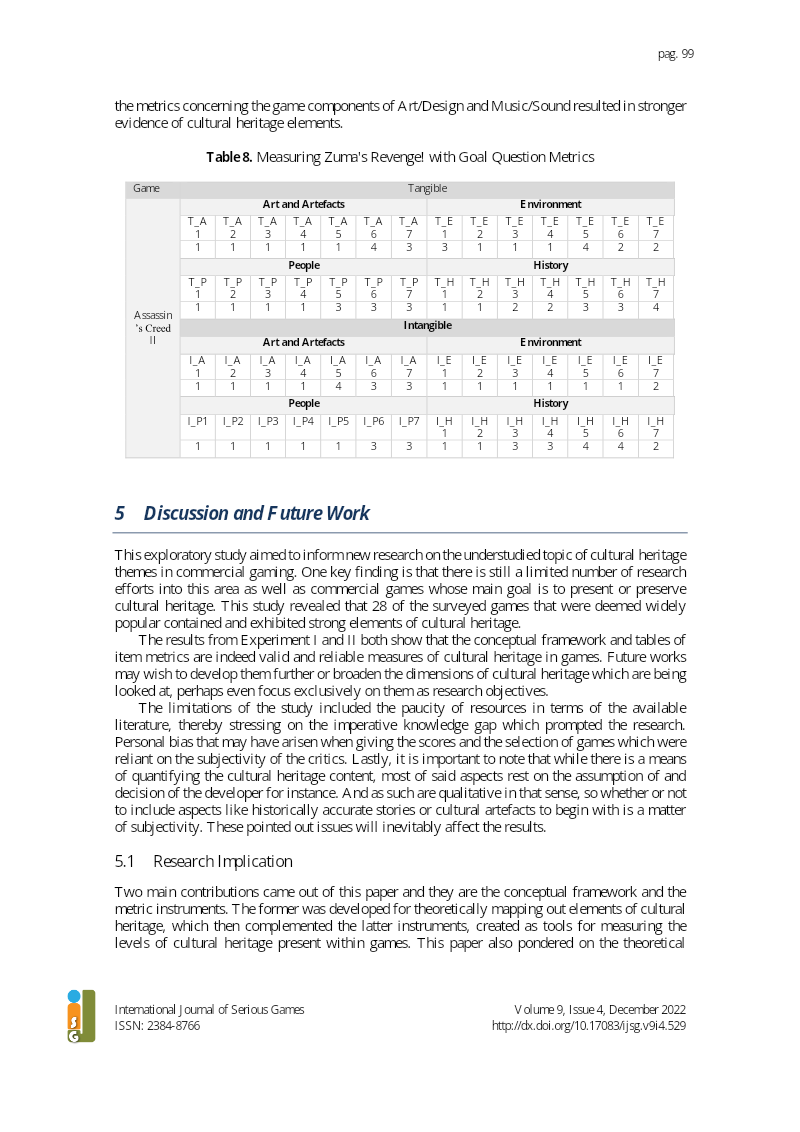
This new Goal-Question-Metric instrument provides a standardized framework. It measures tangible and intangible cultural heritage across five core design components.
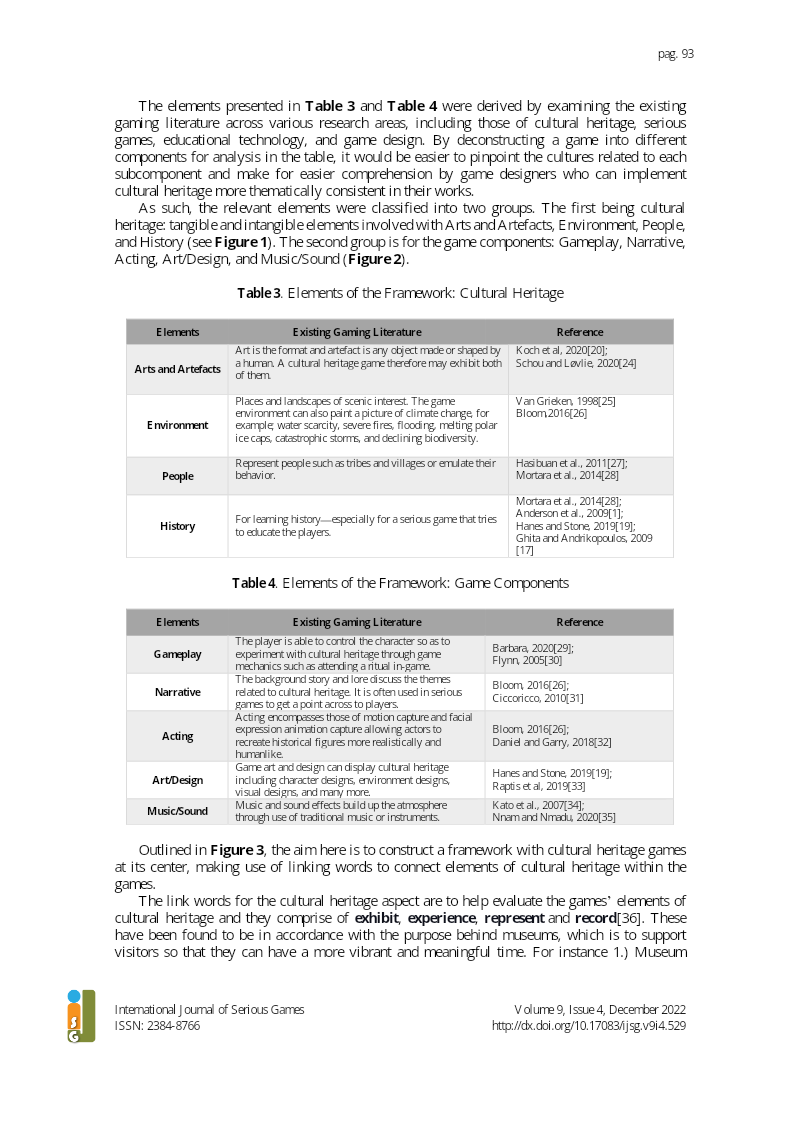
Commercial video games represent a largely untapped resource for the preservation and dissemination of cultural heritage. To address this, a robust conceptual framework and a specialized metric instrument have been developed to quantify the presence of cultural elements within interactive media. By categorizing heritage into tangible and intangible dimensions and evaluating them across five core design components—gameplay, narrative, acting, art and design, and music and sound—this approach provides a structured methodology for researchers and developers to assess how historical, mythological, and cultural themes are integrated into digital experiences.
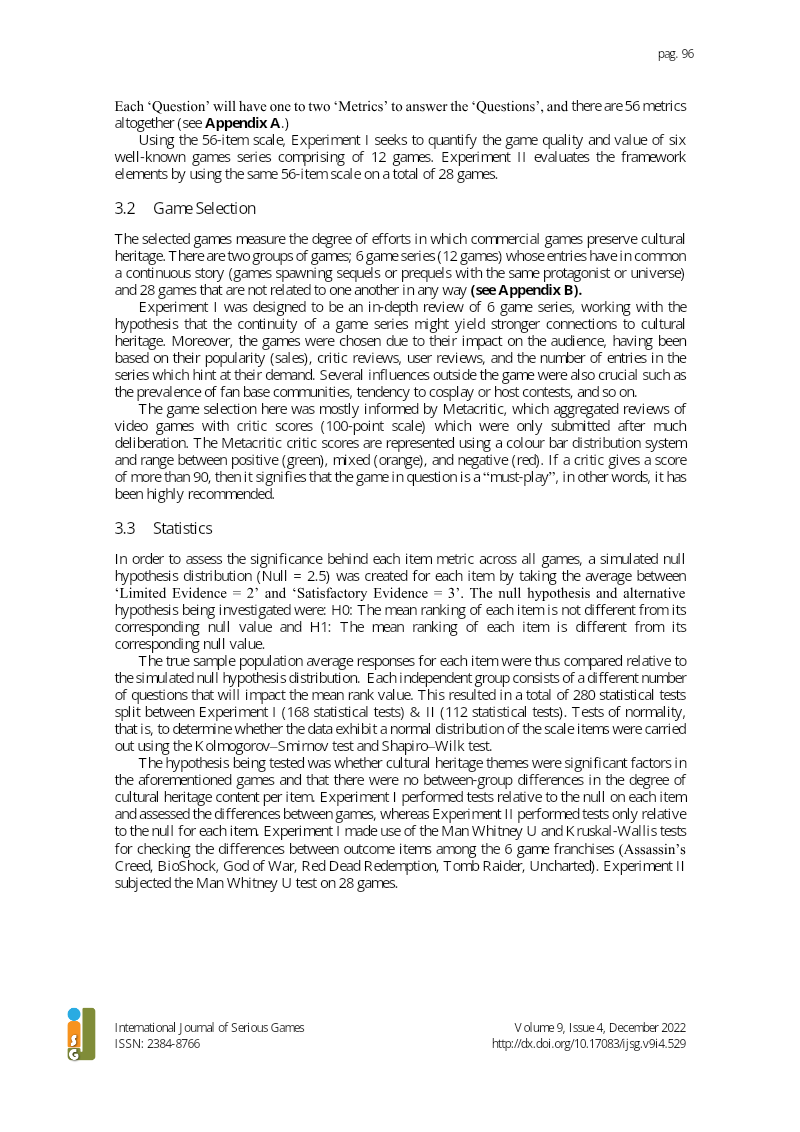
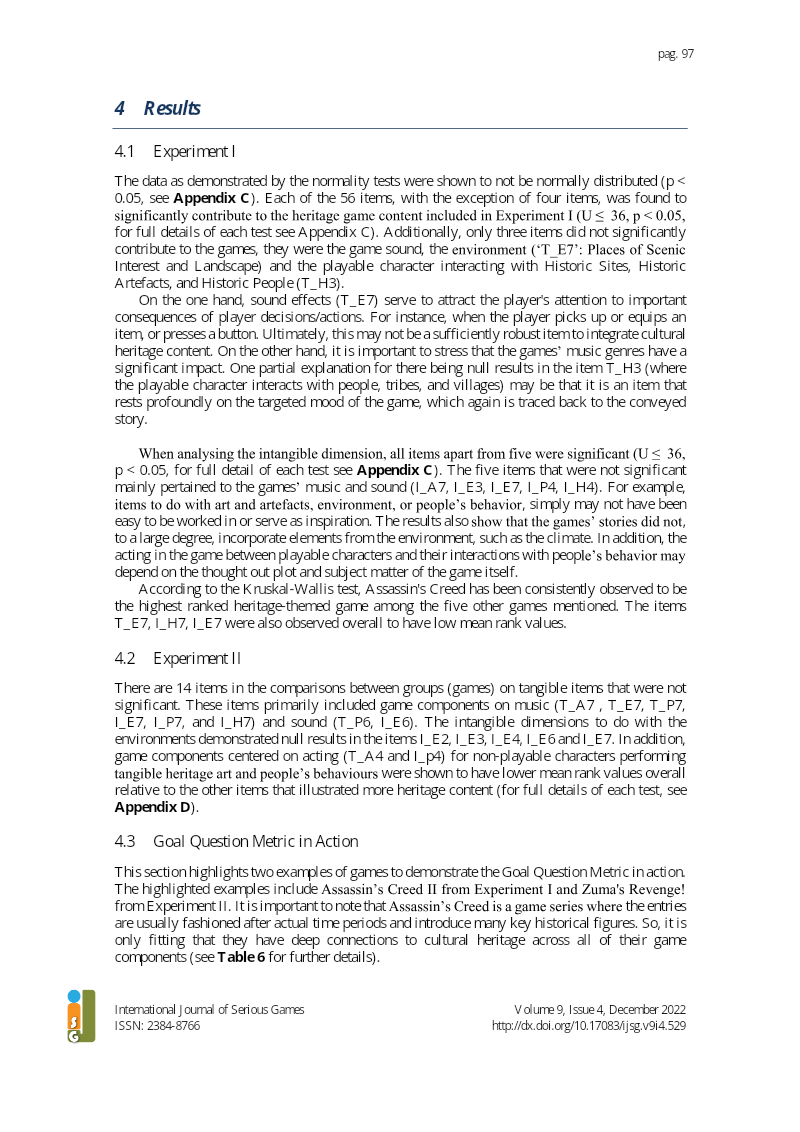
The application of a 56-item Goal-Question-Metric scale reveals that commercial titles often incorporate cultural heritage more extensively than previously recognized. Statistical validation, utilizing non-parametric tests such as the Mann-Whitney and Kruskal-Wallis methods, confirms that these metrics effectively distinguish between different levels of cultural representation. While visual design and historical narrative consistently serve as primary vehicles for heritage, elements related to environmental climate and audio soundscapes remain underutilized. High-performing franchises, most notably the Assassin’s Creed series, demonstrate that intentional design choices and strong historical foundations lead to significantly higher scores in cultural integration.
These findings establish a standardized foundation for evaluating the intersection of game design and cultural studies. By providing an empirical basis for measuring heritage content, the framework enables developers to create more authentic, heritage-focused projects while offering museum professionals and academics a reliable tool for analyzing the educational potential of popular titles. Ultimately, this instrument bridges the gap between commercial entertainment and cultural preservation, offering a scalable model for future research across the global gaming industry.
Each row is a game or company this document names, each column a document, oldest first. A mark means that document names it. Select a row to see those documents.



International Journal of Serious Games · 2026
International Journal of Serious Games · 2026
International Journal of Serious Games · 2026
International Journal of Serious Games · 2026
International Journal of Serious Games · 2026



International Journal of Serious Games · 2026
International Journal of Serious Games · 2026
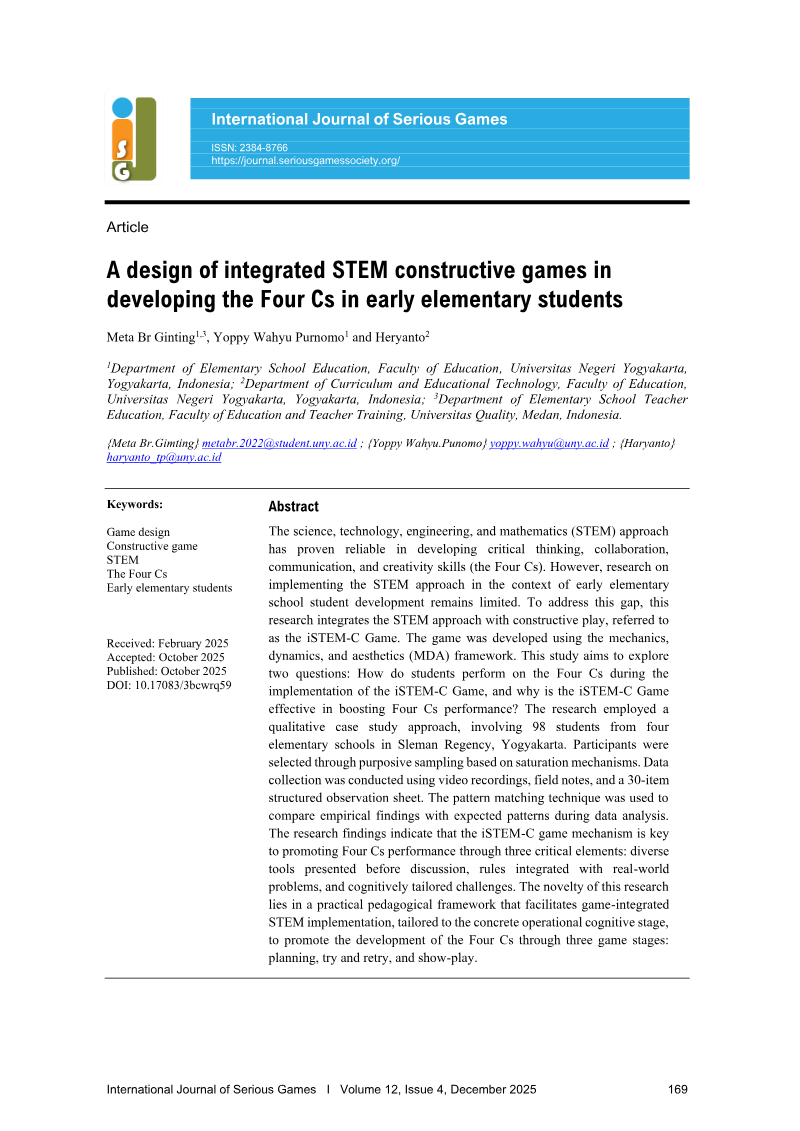
International Journal of Serious Games · 2025
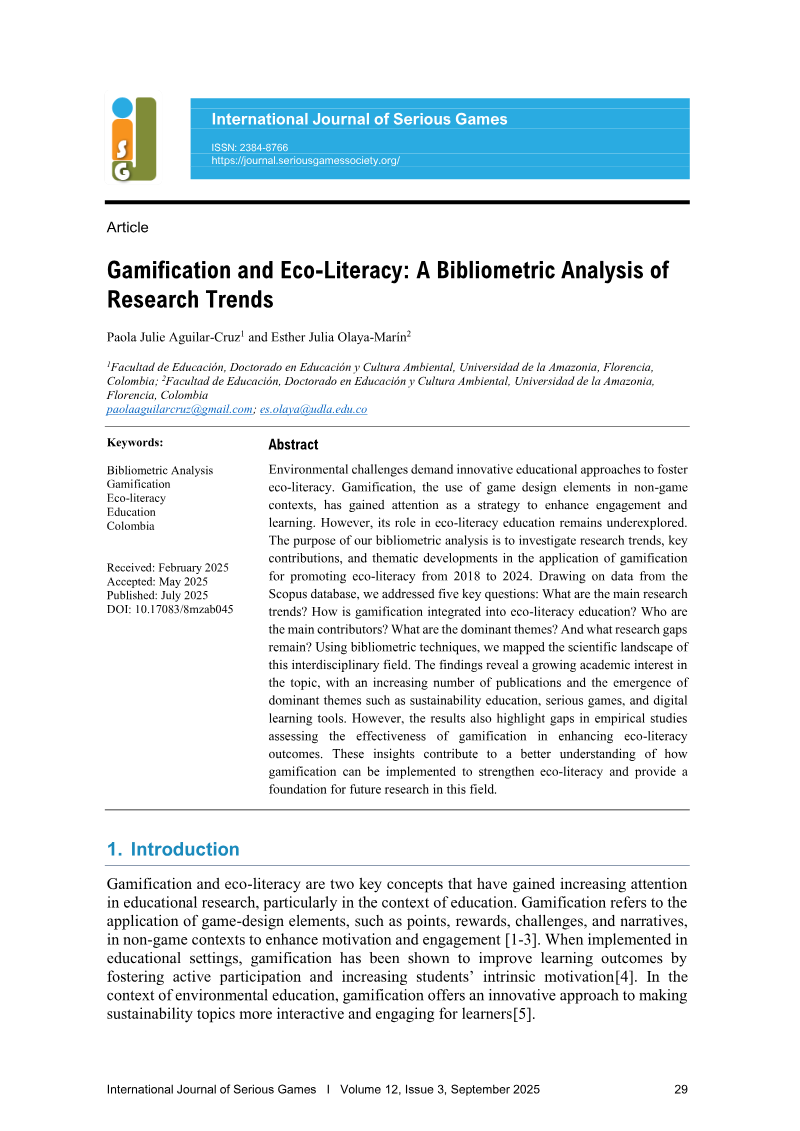
International Journal of Serious Games · 2025
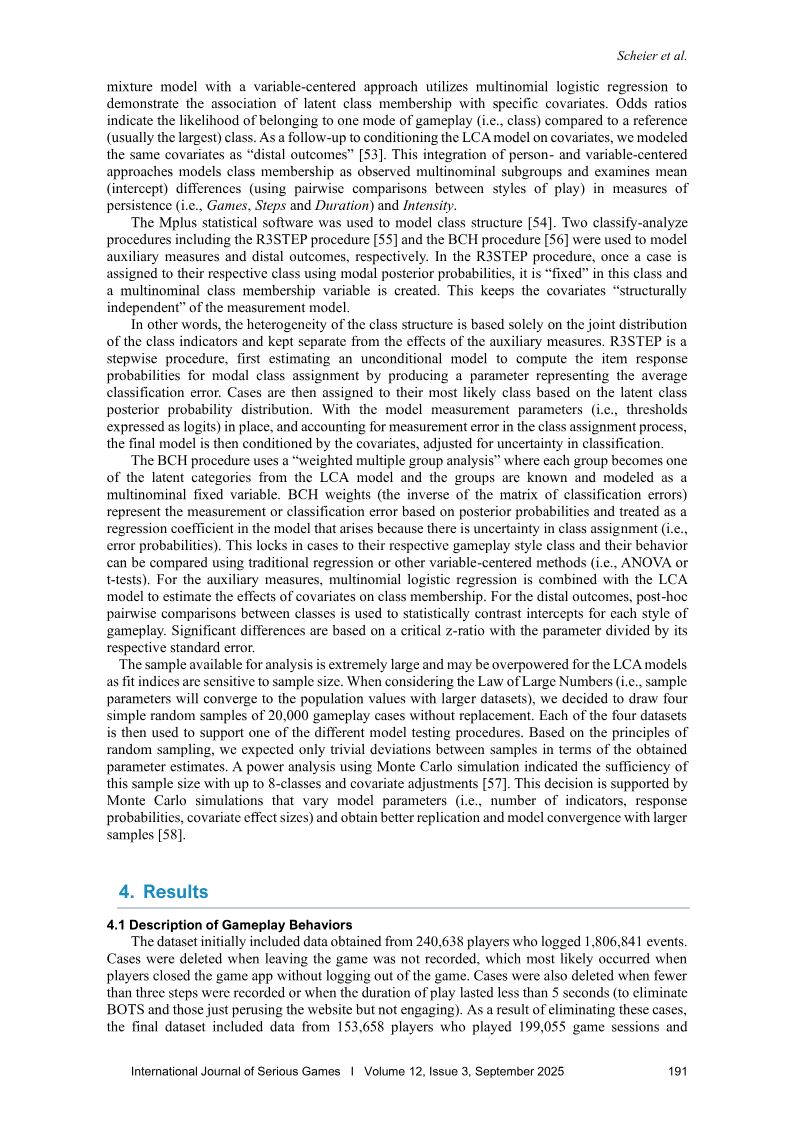
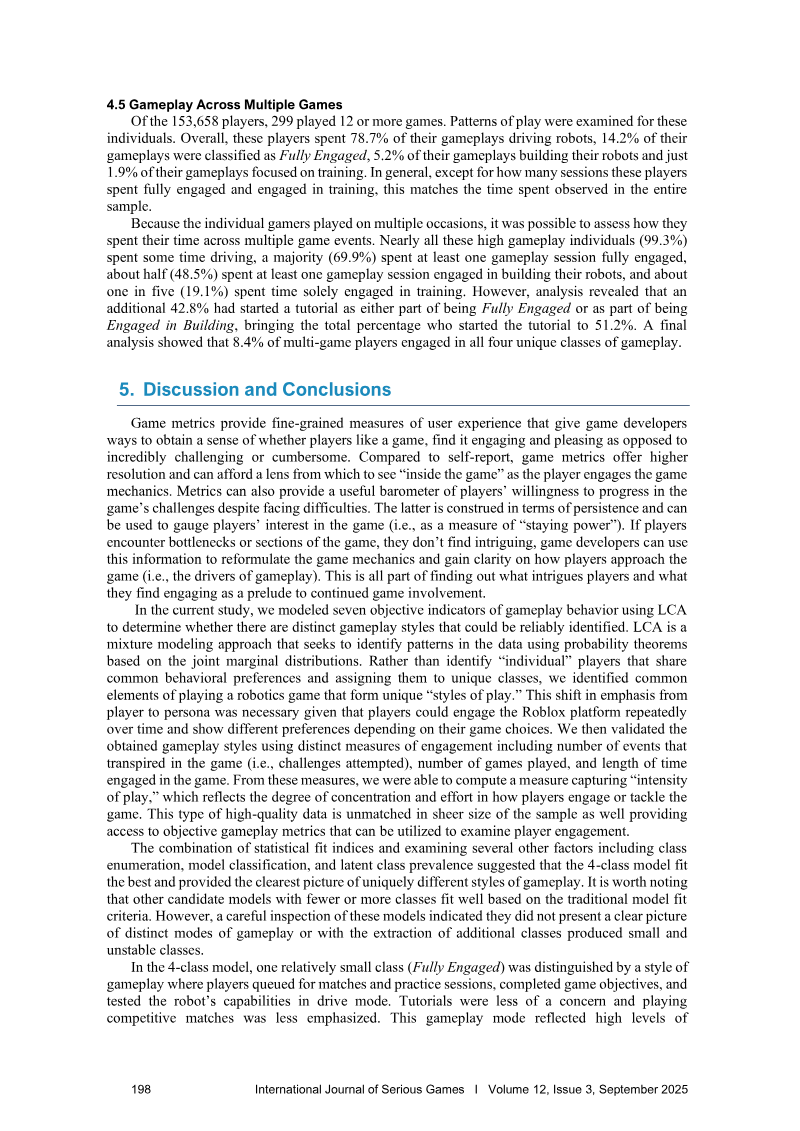
International Journal of Serious Games · 2025
Serious Games Society · 2025
International Journal of Serious Games · 2025
DiGRA · 2016