More from Board Game Studies Journal
View all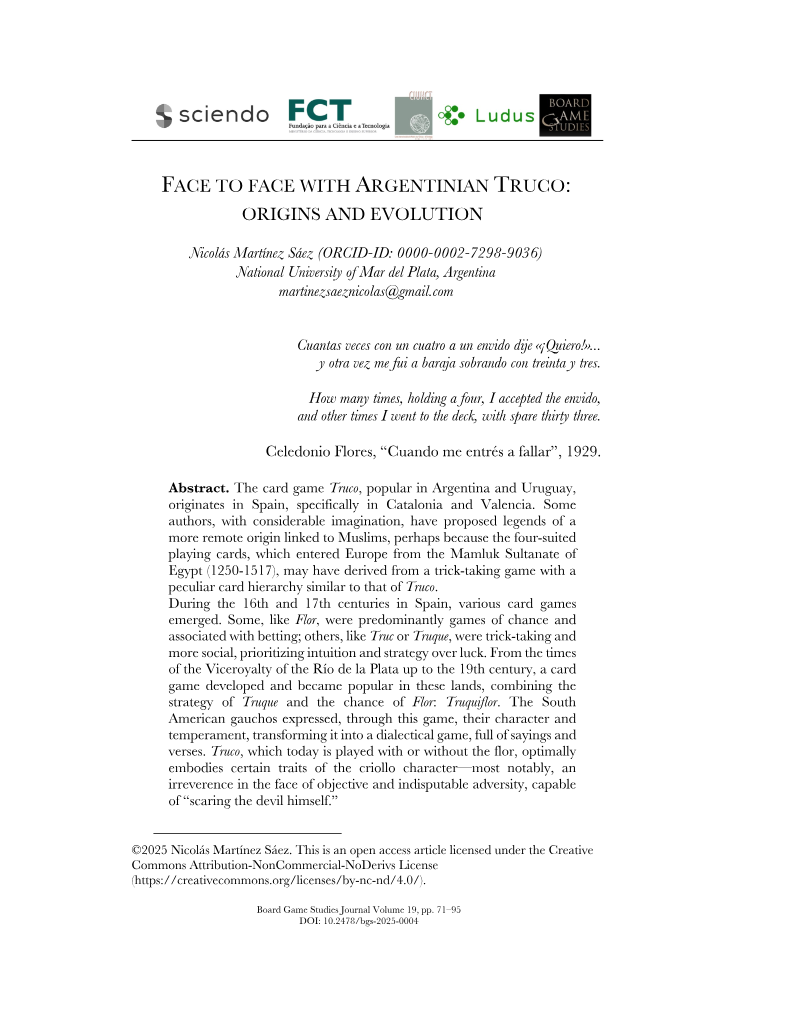
Article
Face to Face with Argentinian Truco: Origins and Evolution
Board Game Studies Journal · 2025
Article
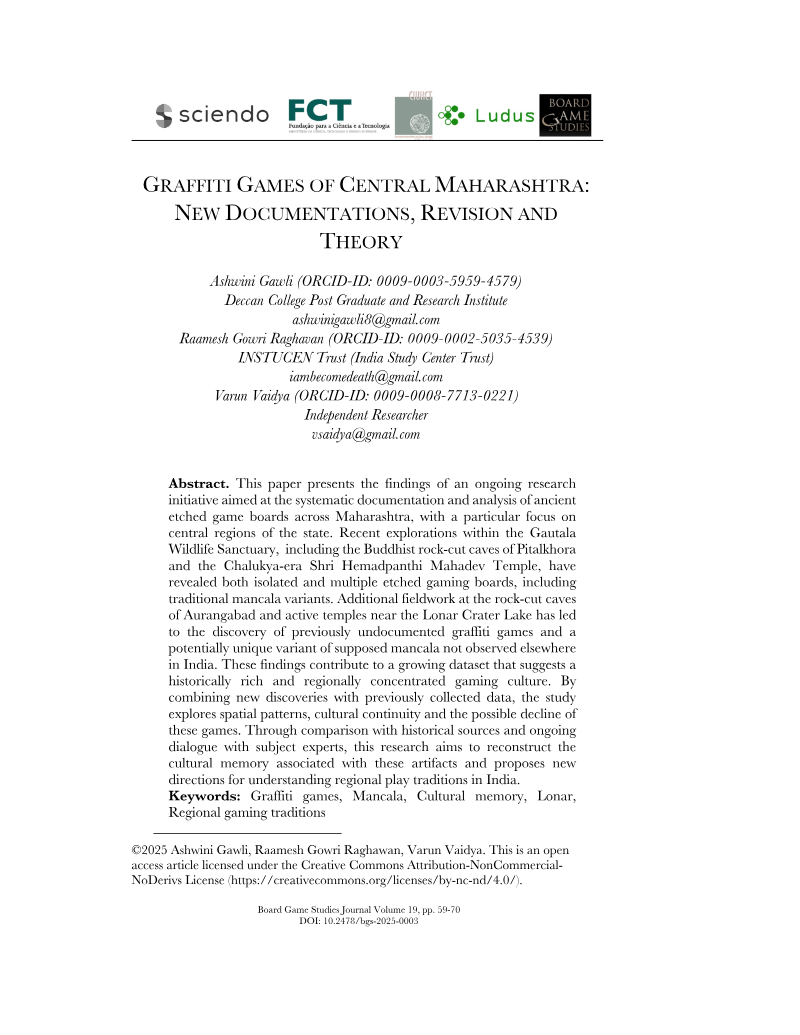
Graffiti Games of Central Maharashtra: New Documentations, Revision and Theory
Board Game Studies Journal · 2025
Article
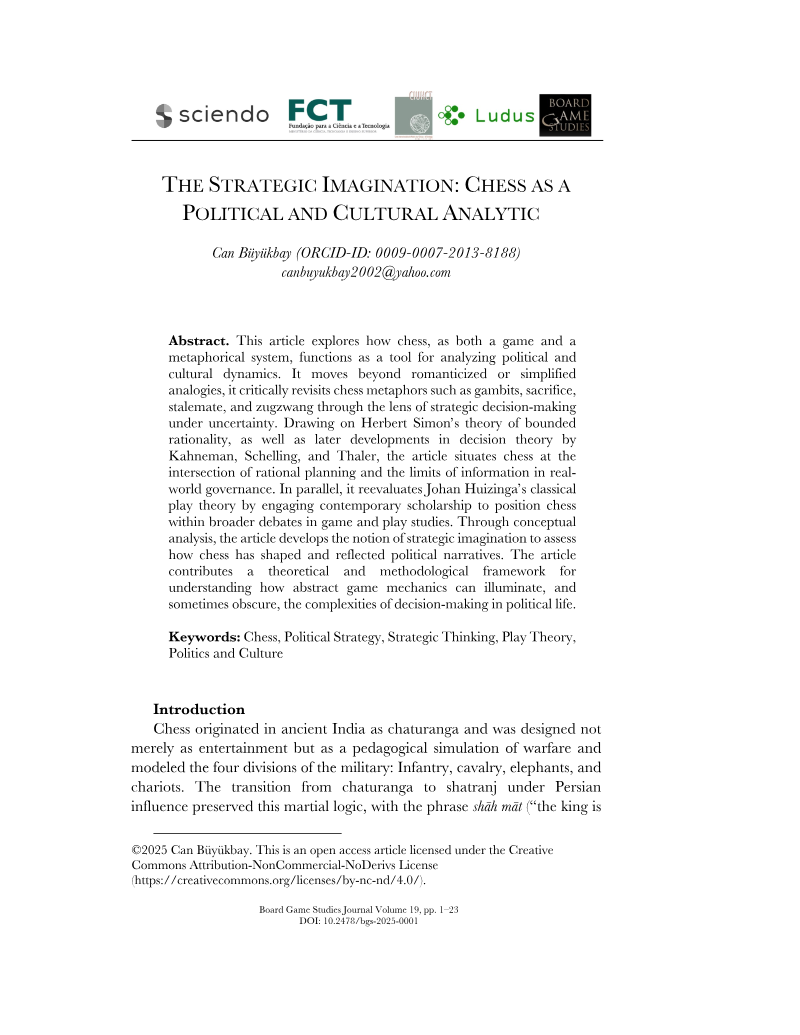
The Strategic Imagination: Chess as a Political and Cultural Analytic
Board Game Studies Journal · 2025
Article
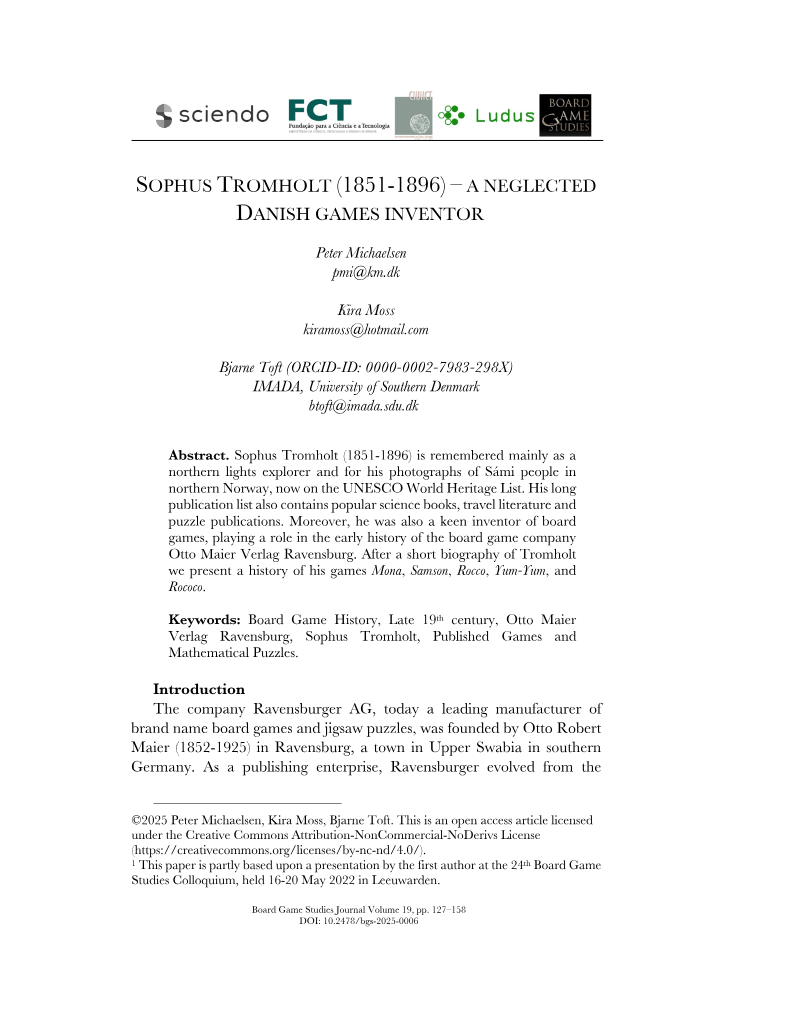
Sophus Tromholt (1851–1896): A Neglected Danish Games Inventor
Board Game Studies Journal · 2025
Whitepaper
A Study on the Late Antique Board Game Duodecim Scripta/Alea from Stratonikeia and Lagina
Board Game Studies Journal · 2025
Article
Shinfuseki: Go's Modern Revolution?
Board Game Studies Journal · 2025
Article
Chess and Freedom
Board Game Studies Journal · 2024
Article
Discovering Dadu: A Ludemic Enigma from South Asia
Board Game Studies Journal · 2024
Article
Cultural Transmission in Printed Games of Cupid: Tracing Lines of Descent
Board Game Studies Journal · 2024
Article
Early Mancala and Tāb Boards Found in Israel (and in Some Other Countries)
Board Game Studies Journal · 2024
Article
Quantifying the Vices and Virtues of Snakes and Ladders Through Time
Board Game Studies Journal · 2024
Article
Ludus Regularis: The Clergy Game
Board Game Studies Journal · 2023
More on Game Studies
View all
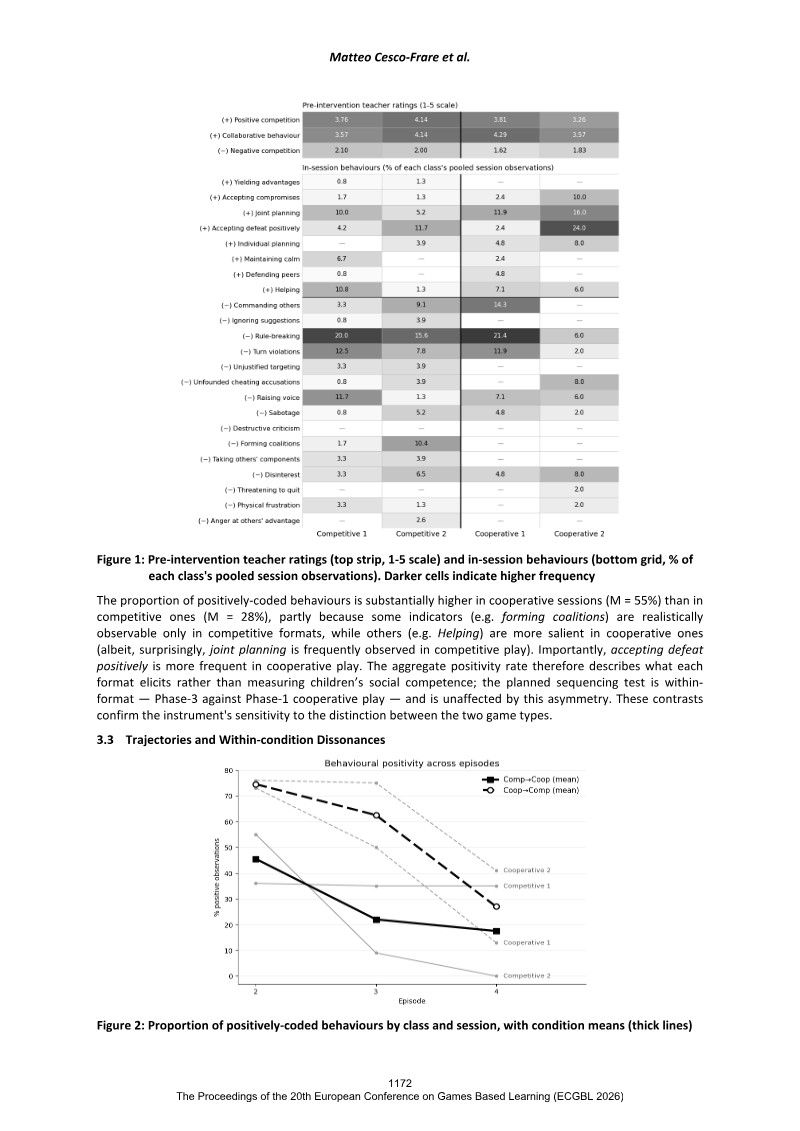
Whitepaper
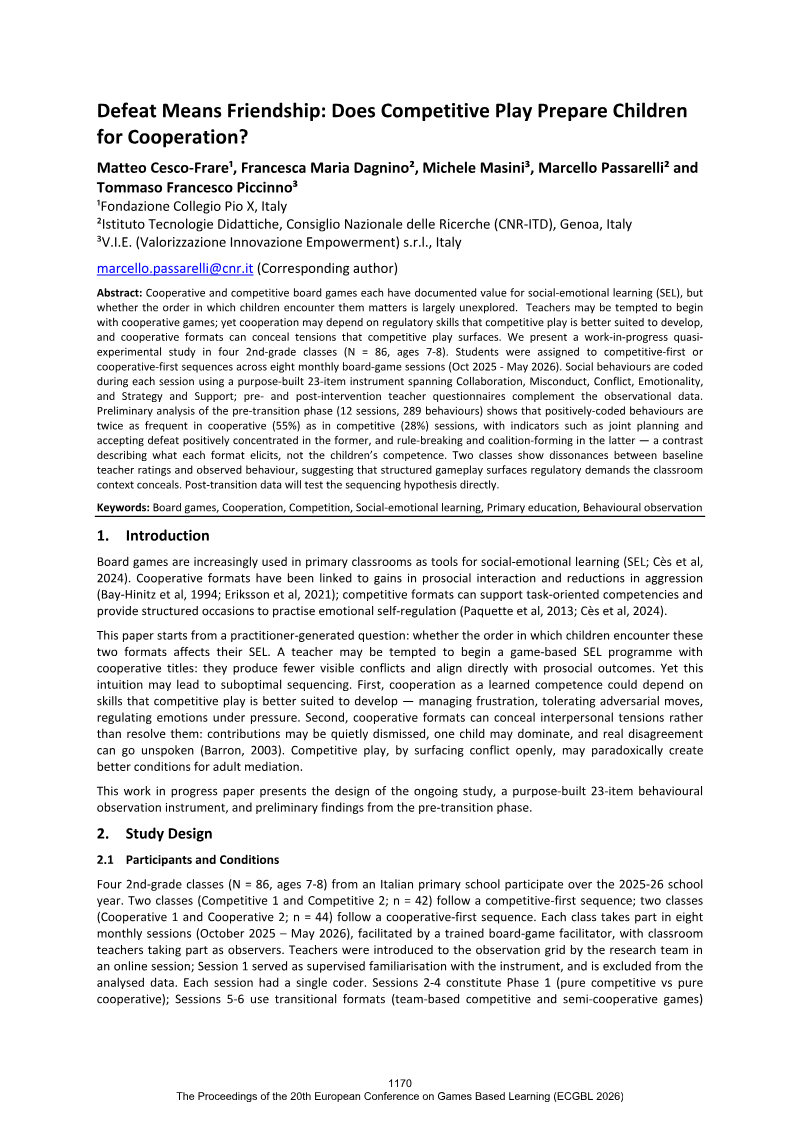
Defeat Means Friendship: Does Competitive Play Prepare Children for Cooperation?
European Conference on Games Based Learning (ECGBL) · 2026
Whitepaper
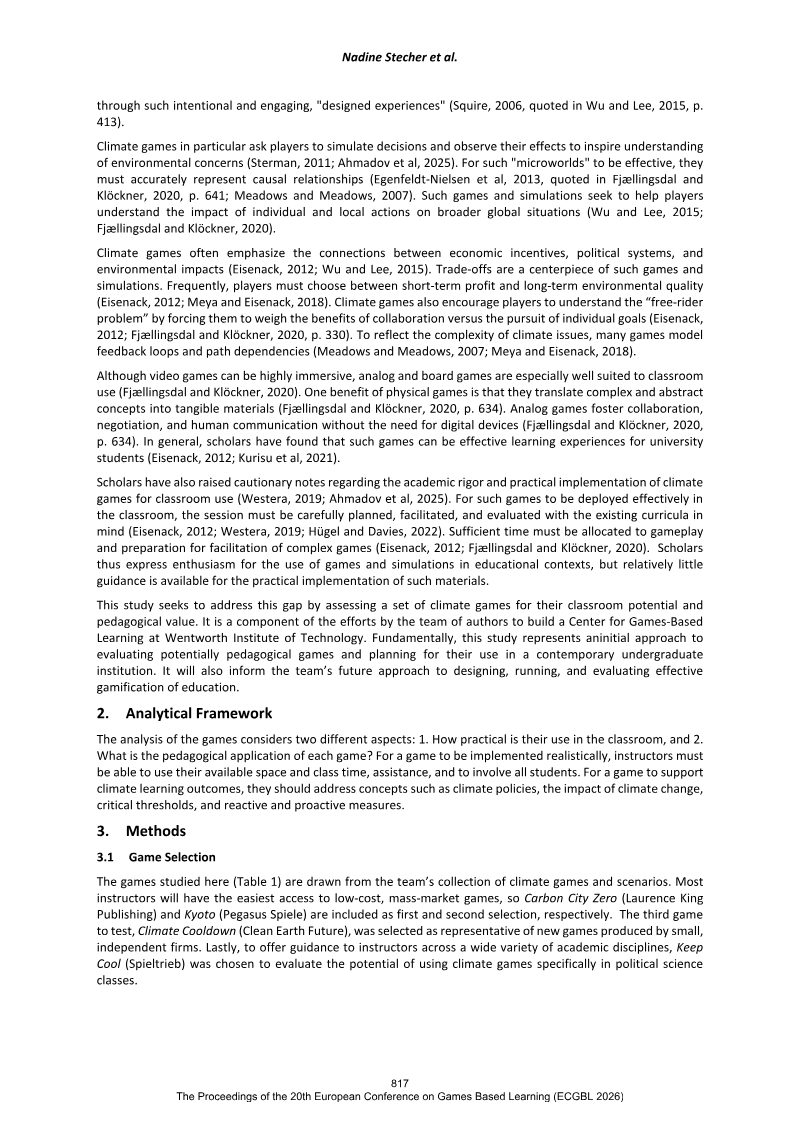
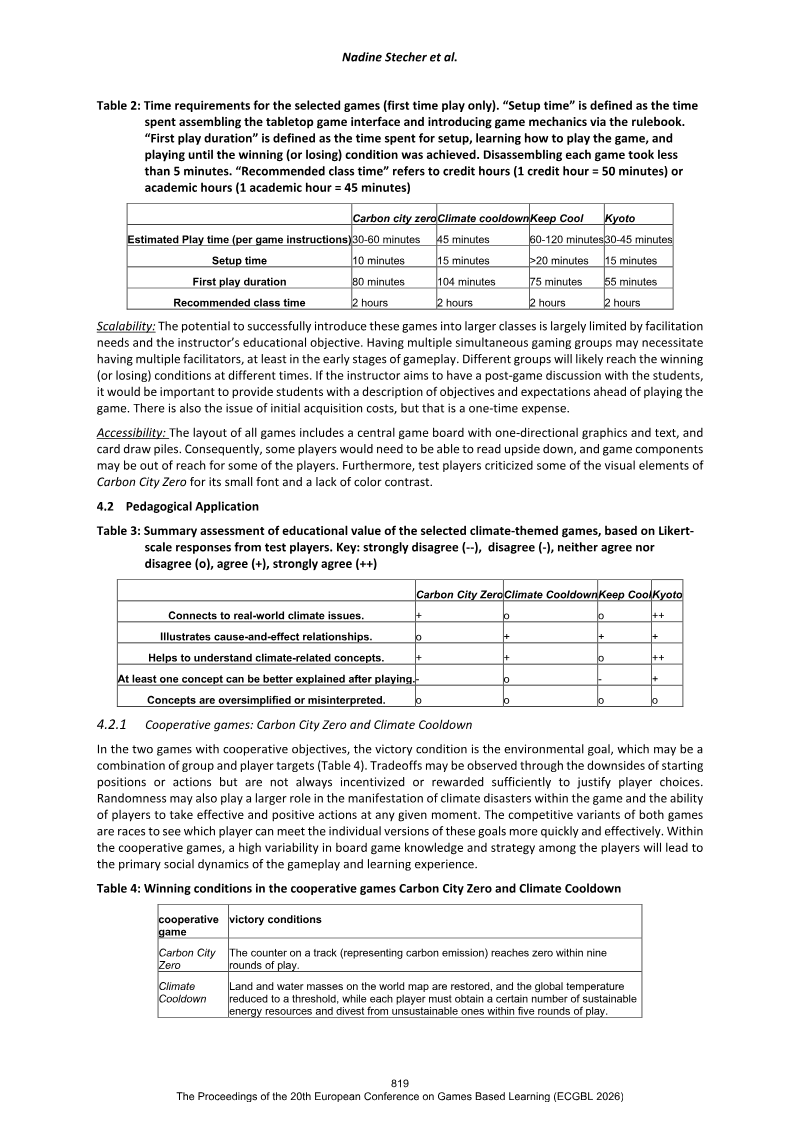
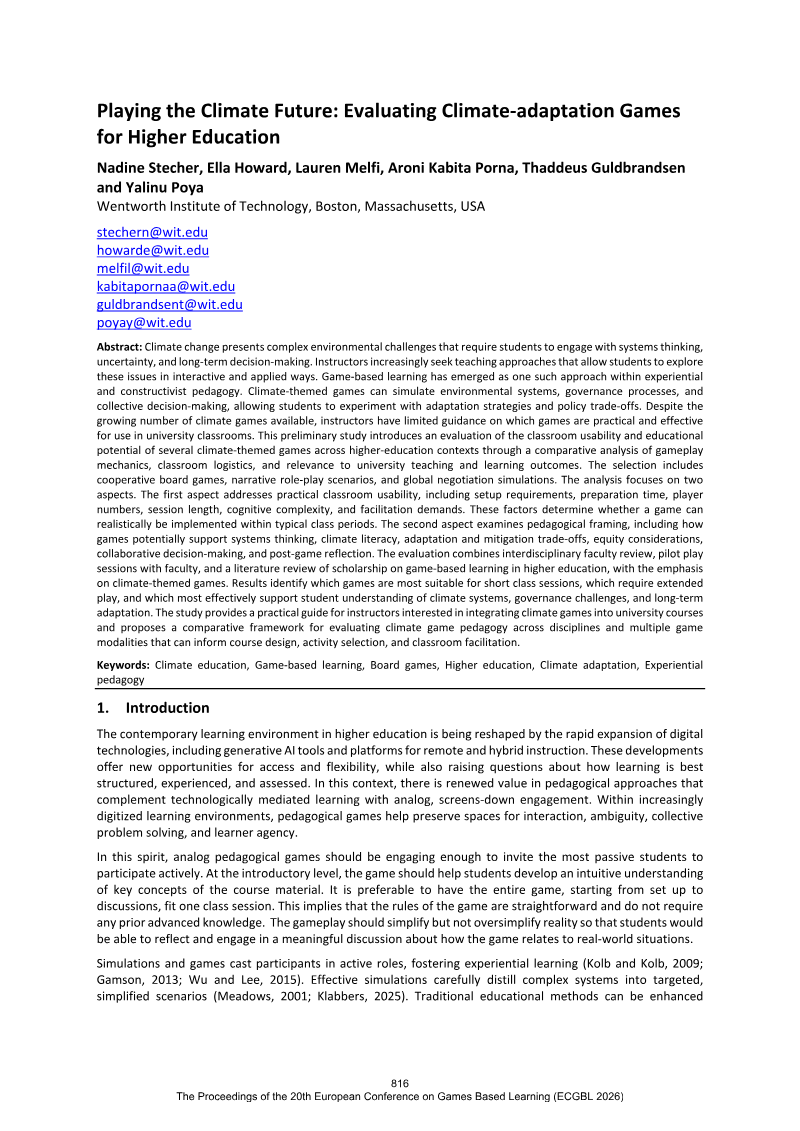
Playing the Climate Future: Evaluating Climate-adaptation Games for Higher Education
European Conference on Games Based Learning (ECGBL) · 2026