Serious Games reports and market data
Documents

Games for Change Asia-Pacific Journal: Volume 2
The Games for Change Asia-Pacific Journal Vol.
- The volume is Games for Change Asia-Pacific Journal Vol. 2 (2023) from Carnegie Mellon University's ETC Press, nine papers organized around UN SDG 4 (Quality Education), and most of its findings are explicitly preliminary hypotheses needing further empirical testing.
- An experiment with 217 undergraduates found an empathic virtual coach offered no clear advantage over a neutral one in behaviour change, working alliance, or usability, with both rated highly usable; the authors call for longer, more personalised interactions.
- During COVID-19, 27% of survey respondents who used indoor exergames maintained their exercise levels while non-users declined, though the between-group differences were not statistically significant, and discomfort, limited home space, and low long-term engagement constrained the approach.

A Post Structuralist Understanding of Integrating Games in Education
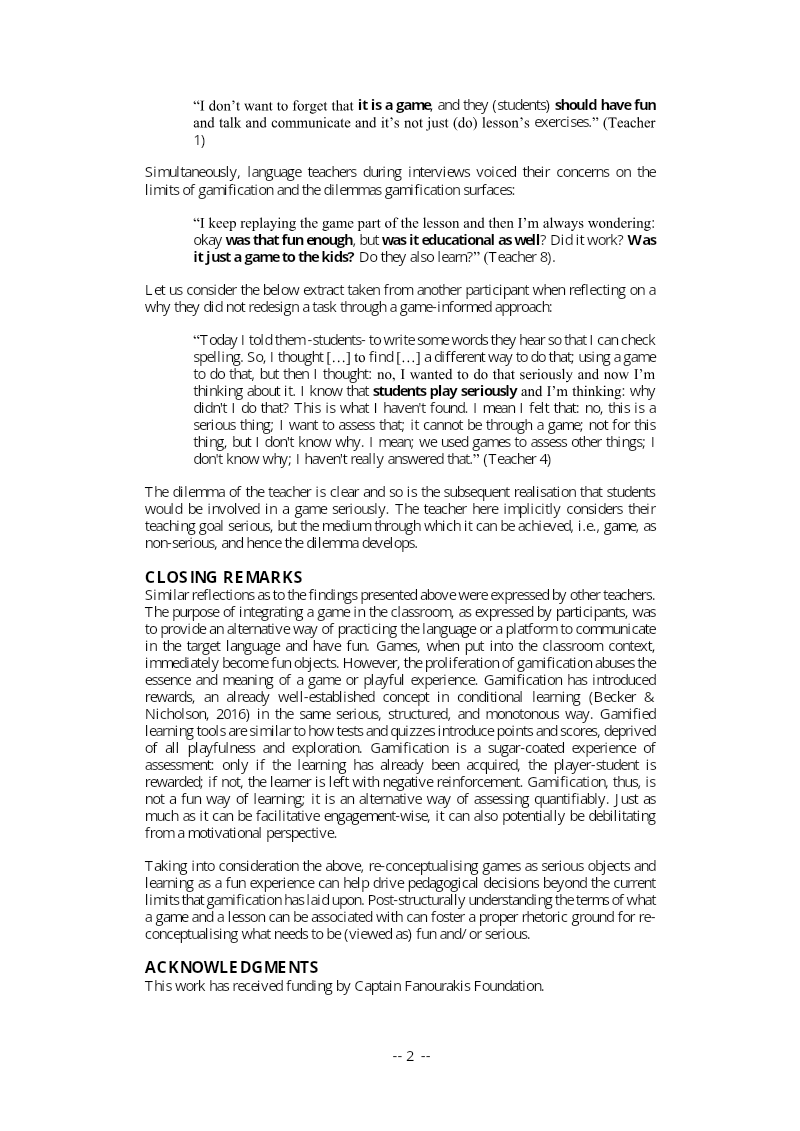
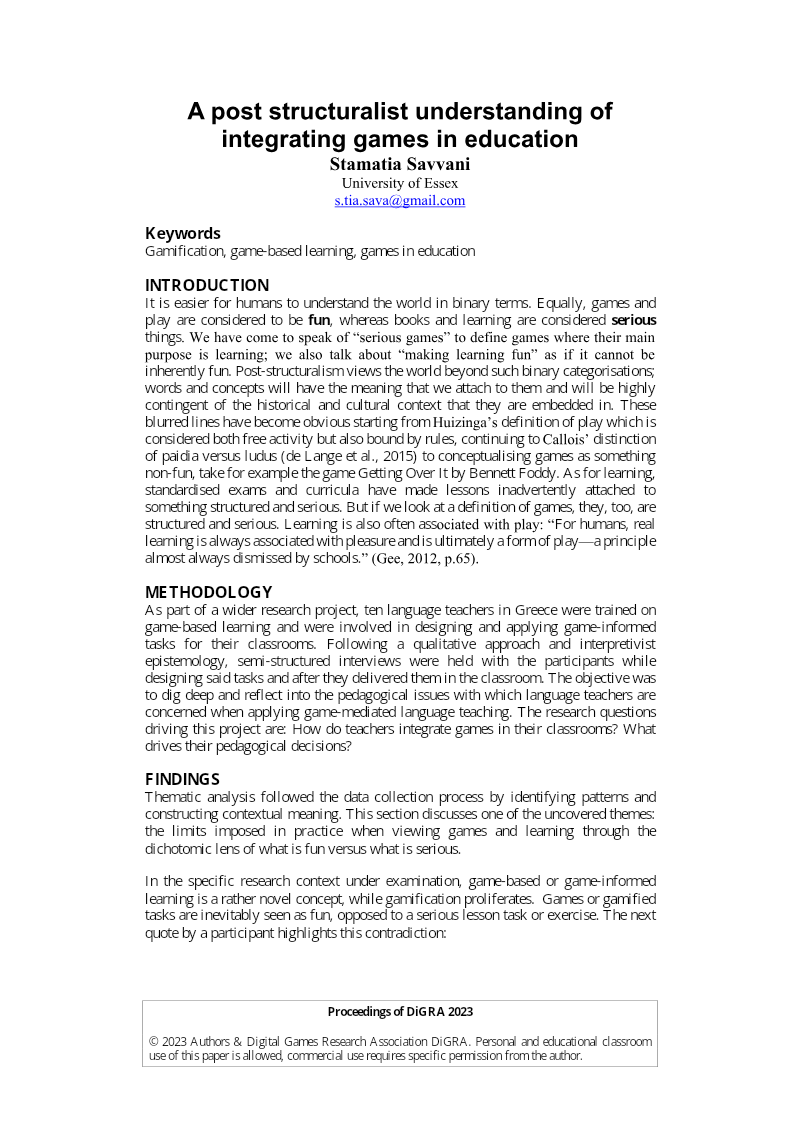
This paper, written by Stamatia Savvani of the University of Essex and presented at DiGRA 2023, argues from a post-structuralist standpoint that the binary framing of games as fun and learning as serious limits how games are integrated into education.
- The paper argues from a post-structuralist standpoint that the binary of games as fun versus learning as serious is socially constructed and limits how games are integrated into education.
- The empirical basis is a qualitative interpretivist study of ten Greek language teachers trained in game-based learning, drawing on semi-structured interviews analysed thematically; the small sample and single national context limit generalisability.
- Teachers repeatedly faced a dilemma between wanting games to be fun and needing them to be educationally effective, questioning whether a game was "fun enough" or "educational as well."

Fursan Al-Aqsa: An Analysis of Moral Disengagement in the Discursive Strategies of a Pro-Palestine Video Game
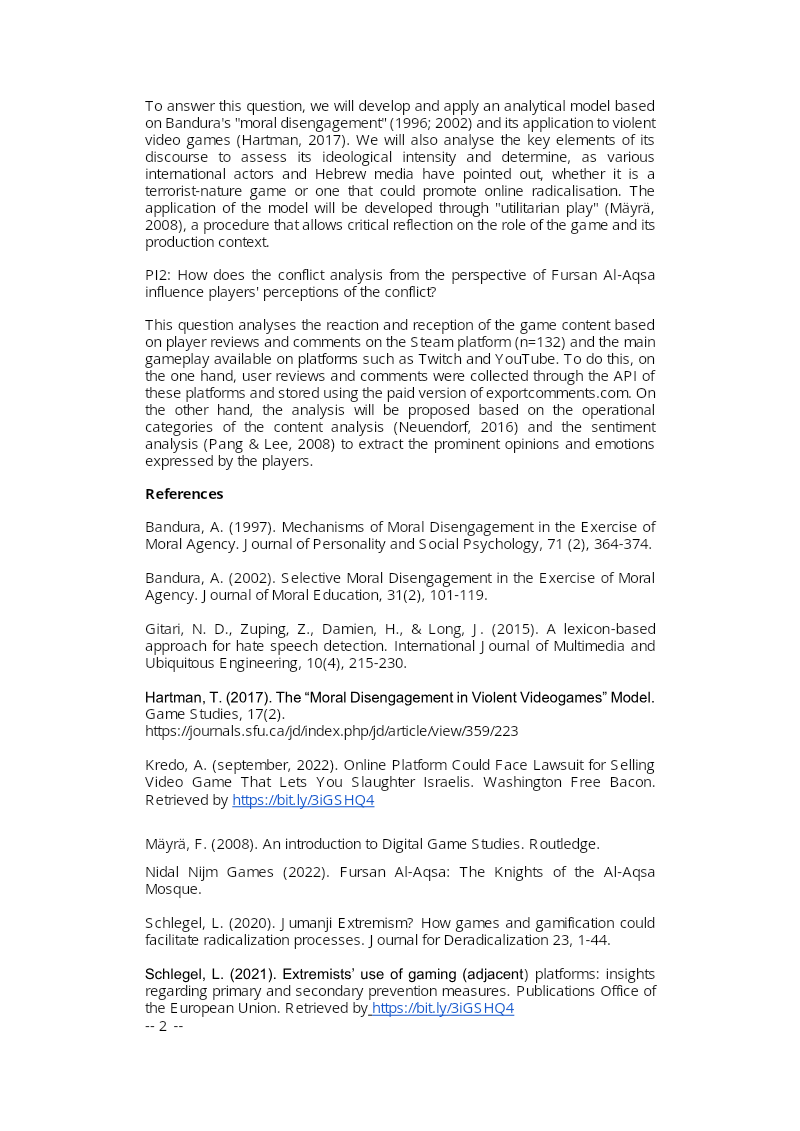
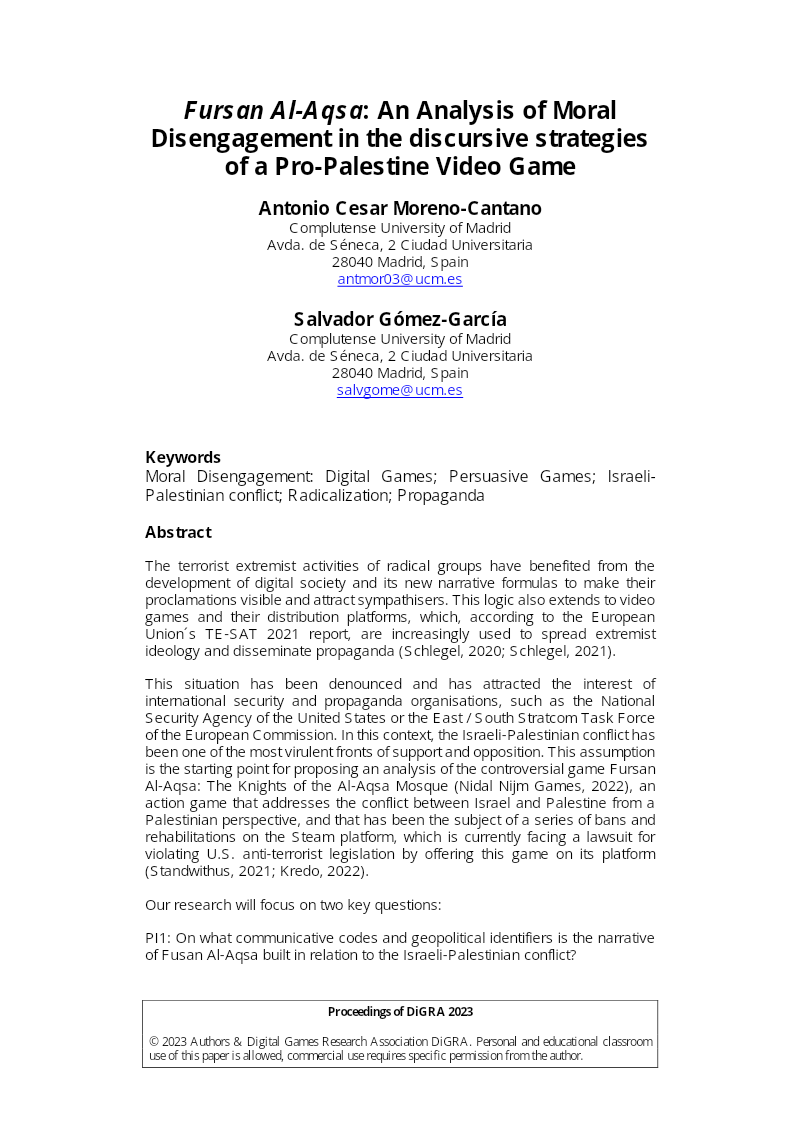
This paper examines Fursan Al-Aqsa, a 2022 action game depicting the Israeli-Palestinian conflict from a Palestinian perspective, and assesses whether its narrative employs discursive strategies that facilitate moral disengagement, the psychological process by which individuals suspend ordinary moral restraint toward violence.
- The paper analyzes Fursan Al-Aqsa, a 2022 action game depicting the Israeli-Palestinian conflict from a Palestinian perspective, to assess whether its narrative facilitates moral disengagement from violence, drawing on Bandura's theory.
- The study's central question is whether the game's ideological intensity could amount to terrorist propaganda or promote online radicalization, a concern raised by security and counter-propaganda bodies about extremist use of gaming platforms.
- Methodologically, the authors pair a qualitative model built on Bandura's mechanisms and a procedure of direct gameplay engagement called "utilitarian play" with a reception analysis of 132 Steam player reviews and comments plus Twitch and YouTube gameplay content.


Digital Literacy Games: A Systematic Literature Review
This systematic literature review examines academic research on digital literacy games, a category of digital games designed to build skills such as media literacy, computational thinking, online safety, and awareness of misinformation.
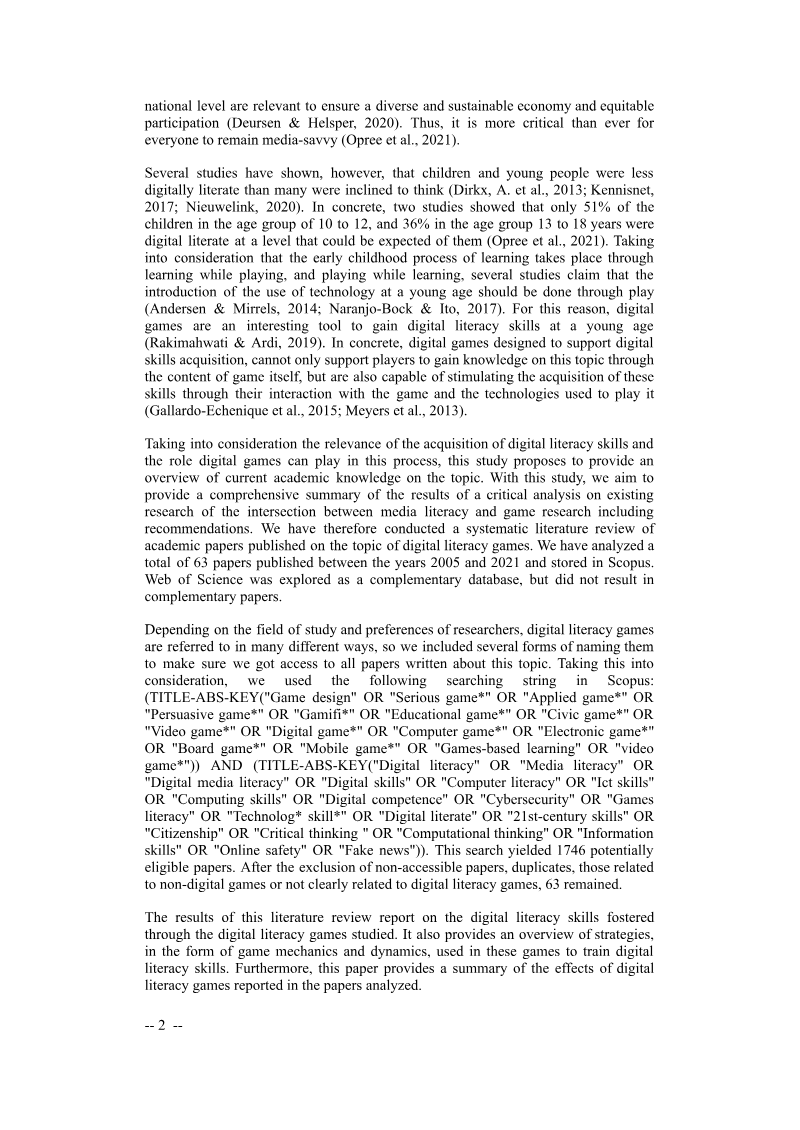
- Young people are less digitally literate than commonly assumed: only about half of 10- to 12-year-olds and roughly a third of 13- to 18-year-olds reach expected proficiency levels.
- The systematic review analyzed 63 academic papers published between 2005 and 2021, selected from 1,746 initial records identified in Scopus; Web of Science added no eligible papers.
- The review argues that games are a promising route to building digital literacy because learning in early childhood occurs through play, both through game content and through the technology interactions games require.

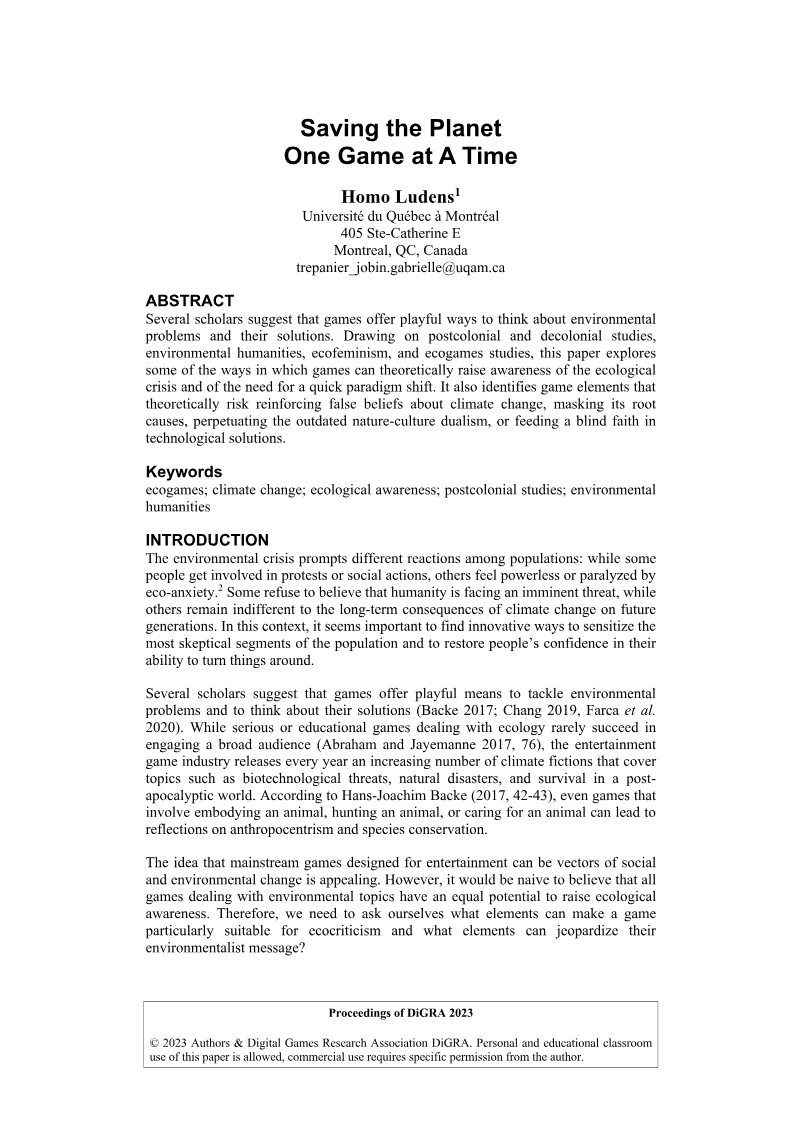
Saving the Planet One Game at a Time
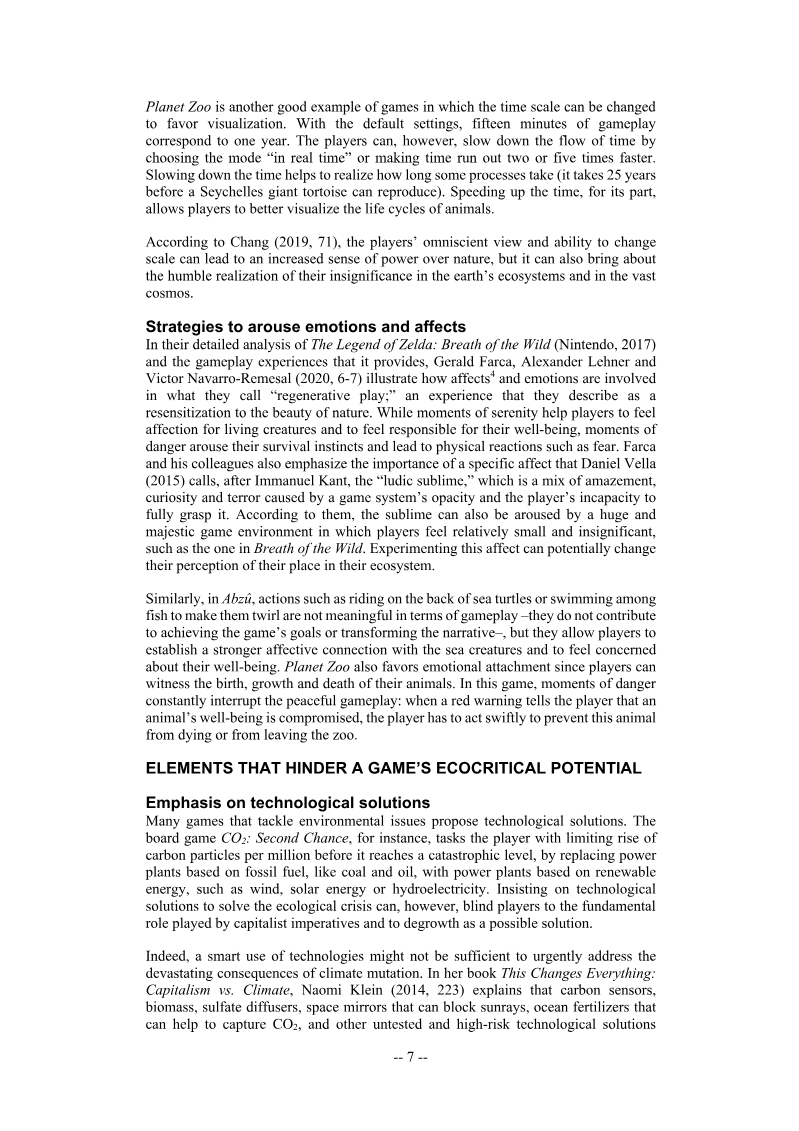
Video games are examined here as a potential vehicle for ecological awareness, with the central claim that they can make abstract environmental threats concrete through several design strategies.
- Effective eco-games share four design features: accurate ecosystem replication, meaningful player agency, changes of scale, and emotional engagement.
- The analysis warns of common pitfalls in eco-games, including over-reliance on technological fixes, idealization of nature-based labor, reproduction of orientalism and speciesism, and rewarding the resource exploitation they aim to critique. In the Solutions board game, only 8 of its 76 solution cards propose sociocultural rather than technological change.
- The main empirical evidence, a reception study of Abzû based on 2,421 player comments across 14 platforms, found that only a minority of players discussed the game's environmental message and none identified perpetual growth under petrocapitalism as a driver of ecosystem devastation.



Age and Sex Effects on Super G Performance Are Consistent Across Internet Devices
The Super G motor-cognitive game serves as a robust, scalable biomarker for detecting early signs of dementia by measuring motor skill acquisition.
- The Super G motor-cognitive game is a validated, scalable biomarker for detecting early dementia signs through the measurement of motor skill acquisition.
- Performance metrics remain consistent across computer and mobile platforms, with a measurable device-related variance of approximately 121 milliseconds.
- Statistical adjustments for hardware offsets allow for reliable cross-platform data integration without compromising diagnostic validity.
A Systematic Review on the Use of Serious Games in Project Management Education
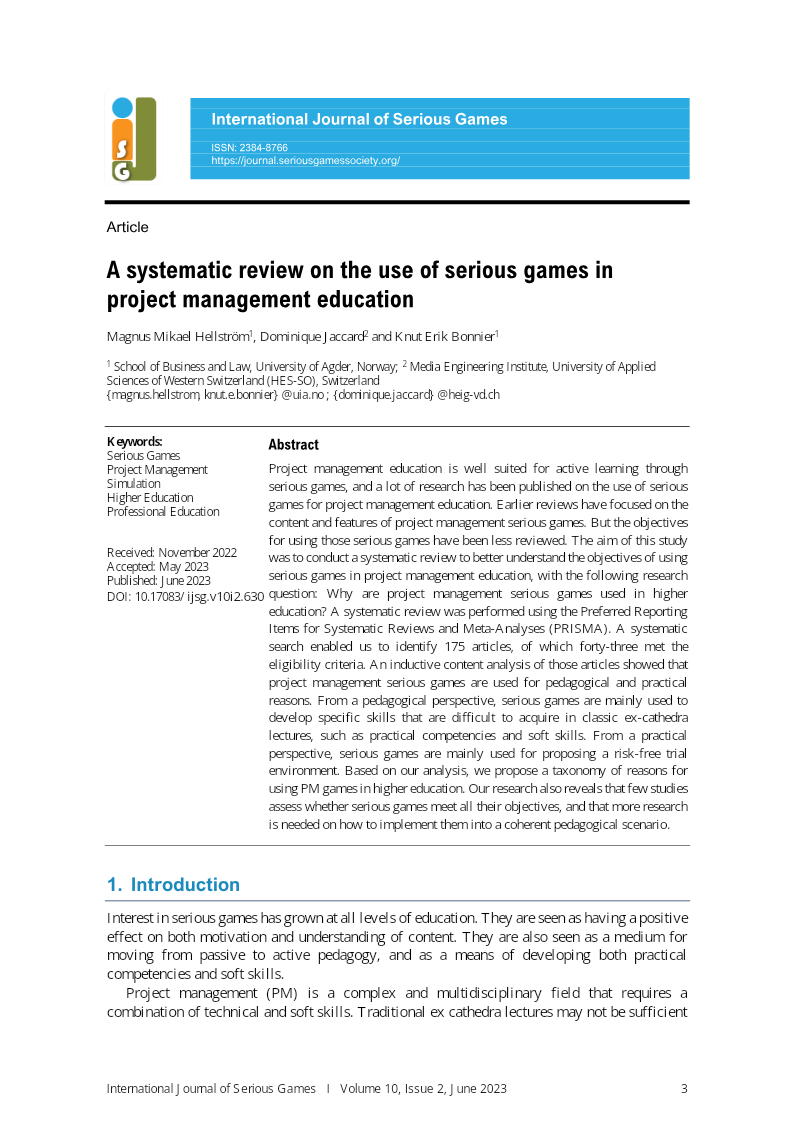
Serious games serve as a pivotal pedagogical tool in project management education, functioning primarily to bridge the divide between abstract theoretical frameworks and the complexities of real-world application.
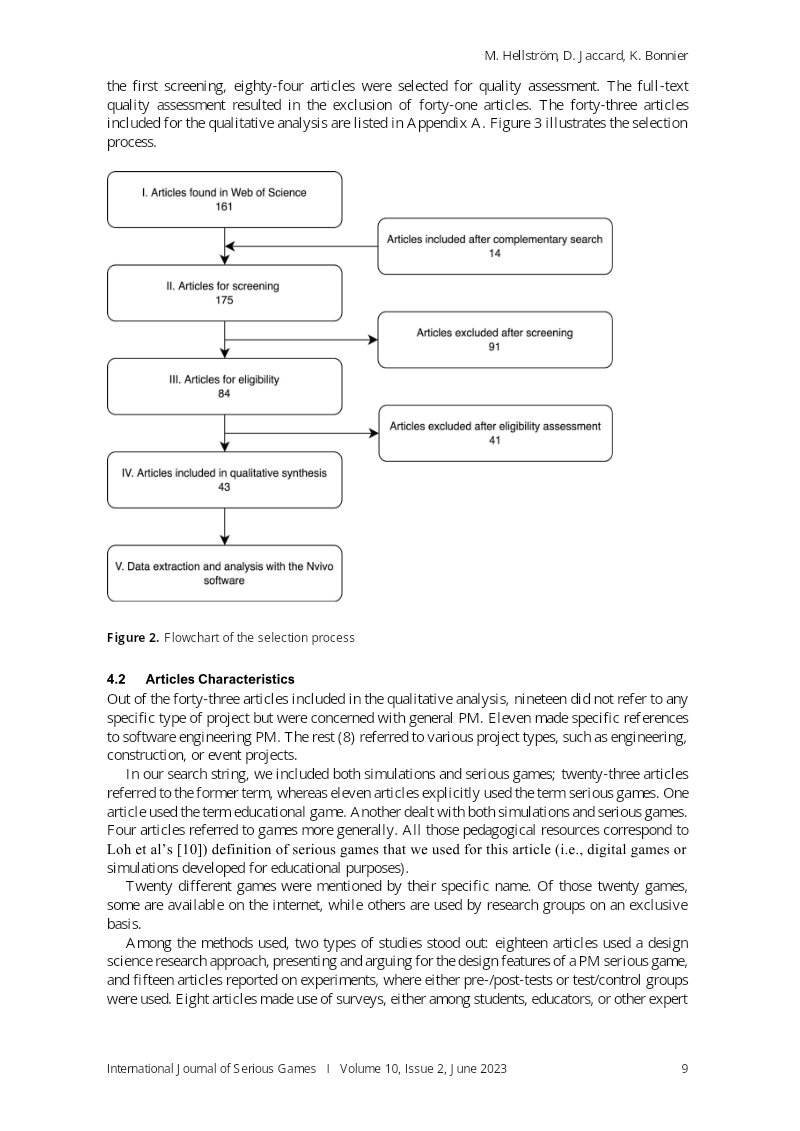
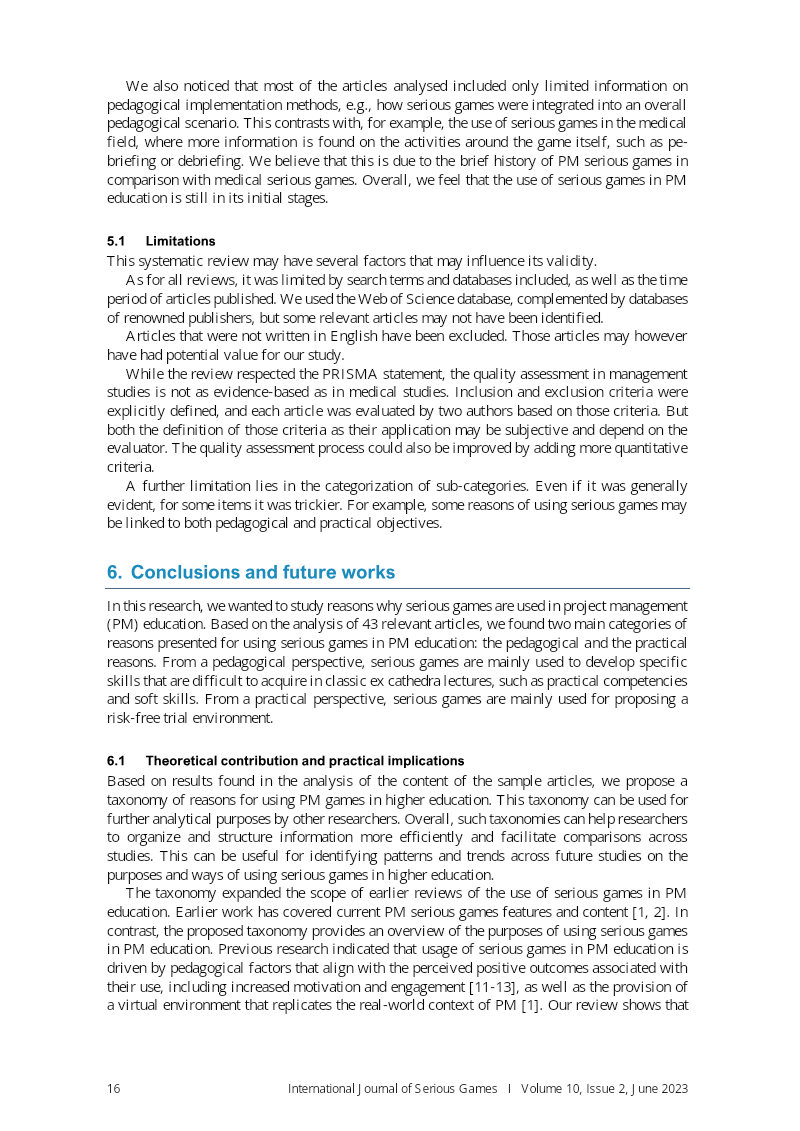
- A systematic review of 43 academic studies indicates that while serious games are widely used in project management education, the field currently lacks rigorous empirical validation and standardized metrics for measuring learning efficacy.
- Serious games provide a risk-free, cost-effective simulation environment that bridges the gap between theoretical frameworks and real-world project management complexities.
- A new taxonomy has been proposed to categorize educational objectives, aiming to shift the discipline from anecdotal evidence toward an evidence-based understanding of how gaming mechanics impact competency development.



Fibonacci Level Adjustment for Optimizing Player’s Performance and Engagement
Fibonacci Level Adjustment represents a significant advancement in adaptive game design by replacing traditional linear difficulty scaling with a nonlinear, human-centric model.
- Players using the Fibonacci-based difficulty system reached peak performance twice as fast as those in control groups using linear or user-defined models.
- The Fibonacci level adjustment model significantly increases overall player proficiency compared to traditional static or linear difficulty scaling.
- By mapping maze complexity to the Fibonacci sequence, the system dynamically aligns game challenges with a player's cognitive and motivational states to prevent performance stagnation.
Using Visual Programming Games to Study Novice Programmers
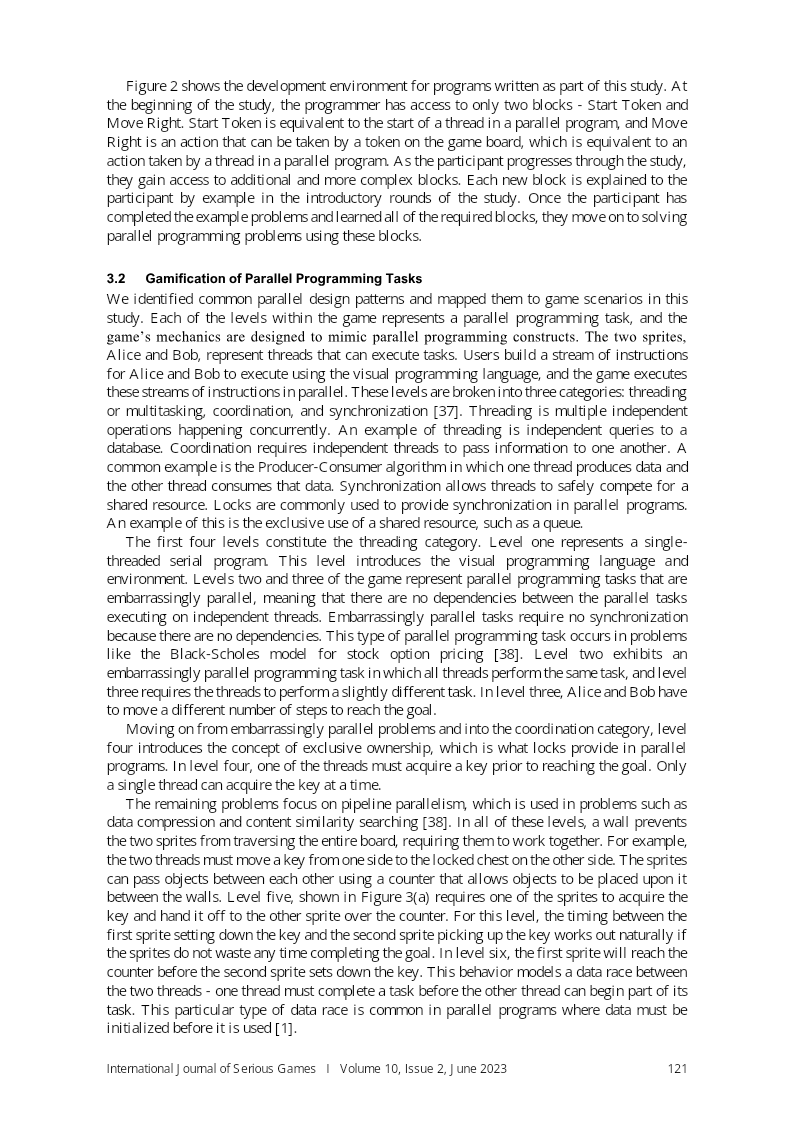
Visual programming games serve as a robust framework for evaluating how novice programmers approach complex parallel programming concepts, such as threading, coordination, and synchronization.
- Visual programming games effectively teach complex parallel programming concepts like threading and synchronization by removing syntax barriers and reducing cognitive load.
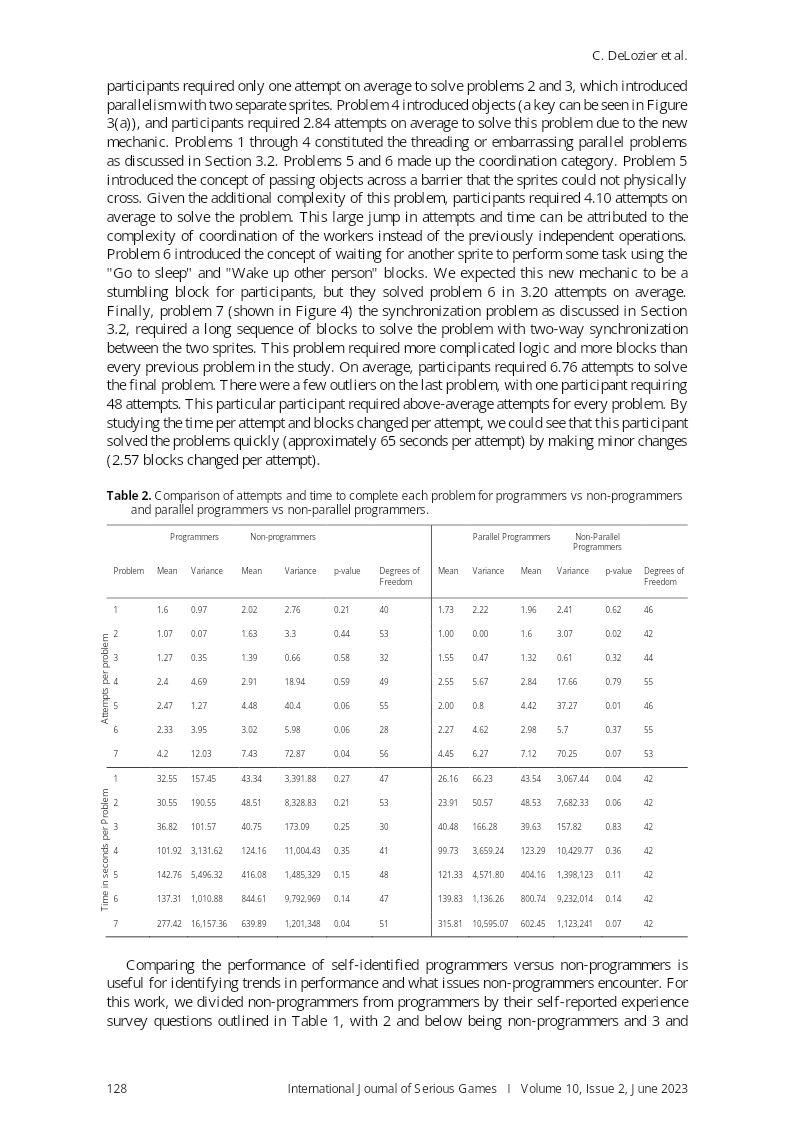
- An analysis of 95 undergraduate students shows that novices can achieve solution efficiencies comparable to experienced programmers when using visual abstraction tools.
- Prior programming experience correlates with faster initial task completion, but does not guarantee superior performance on advanced synchronization challenges.

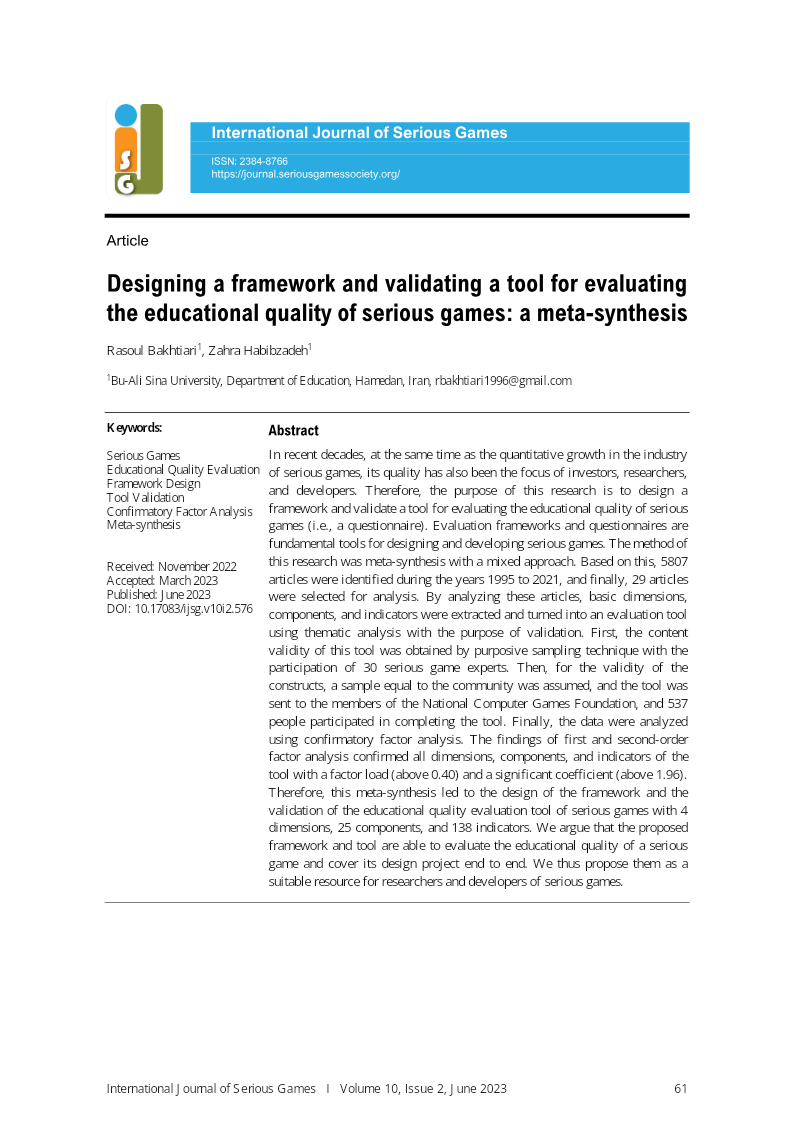
Designing a Framework and Validating a Tool for Evaluating the Educational Quality of Serious Games: A Meta-Synthesis
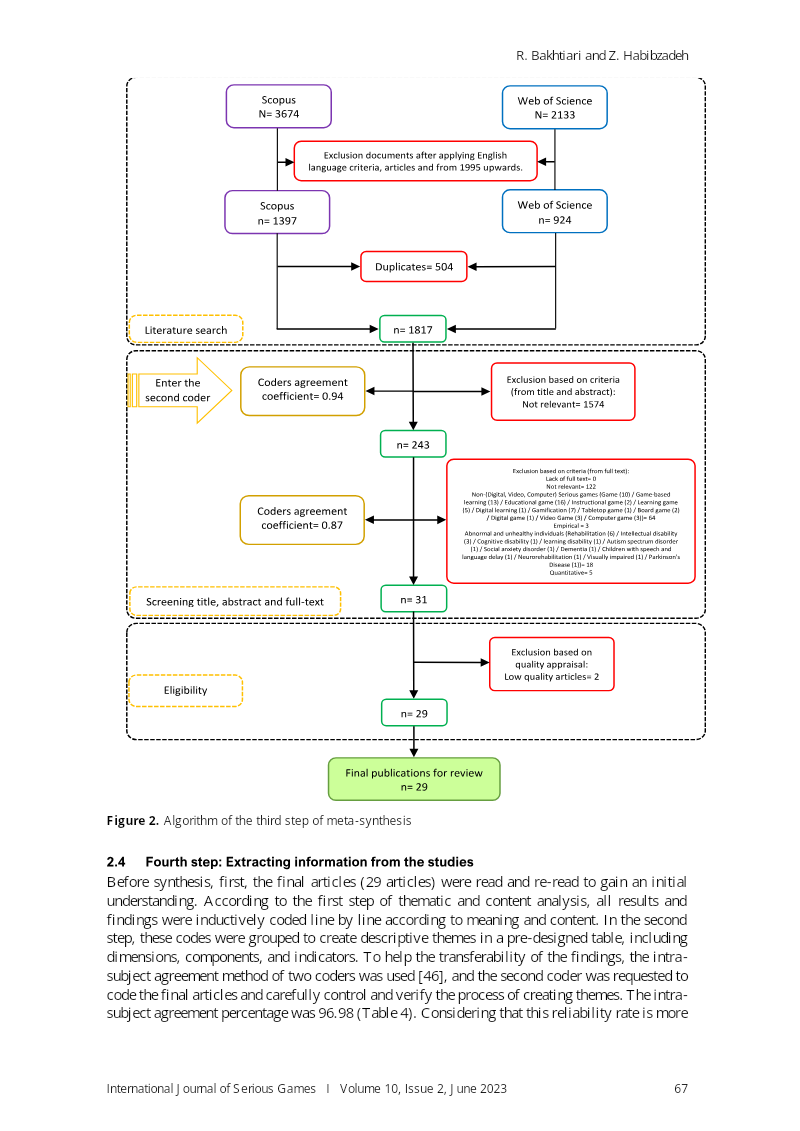
The development of a standardized evaluation framework for serious games addresses the critical need for rigorous quality assurance in educational software.
- A new standardized evaluation framework for serious games has been developed, validated by 30 experts and 537 industry professionals with a high statistical reliability score of 0.98 (Cronbach’s alpha).
- The evaluation instrument consists of 25 distinct components and 138 granular indicators designed to measure pedagogical alignment, user experience, technical fidelity, and adaptivity.
- The framework provides a lifecycle-based assessment model covering four critical stages: preparation, pre-production, production, and post-production.
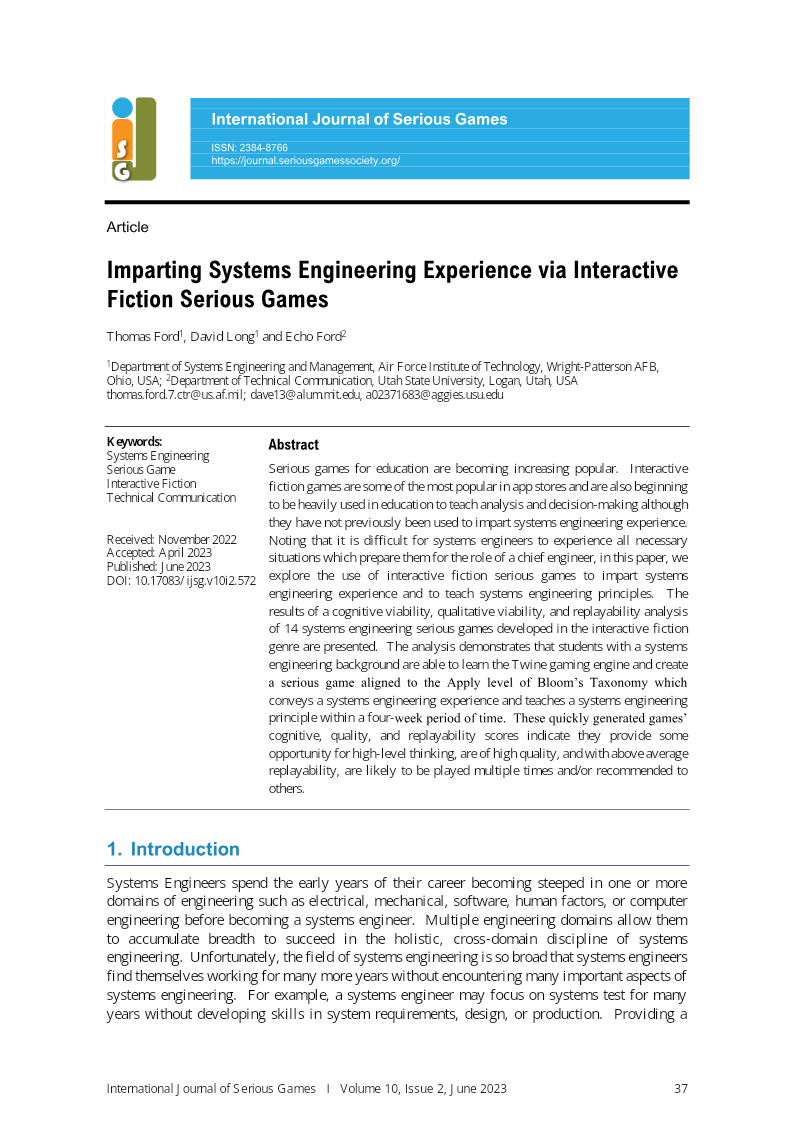
Imparting Systems Engineering Experience via Interactive Fiction Serious Games
Interactive fiction serves as a highly efficient and scalable pedagogical tool for accelerating the professional development of systems engineers.
- Interactive fiction serves as a scalable, low-barrier pedagogical tool that effectively bridges the gap between theoretical systems engineering instruction and practical, real-world decision-making.
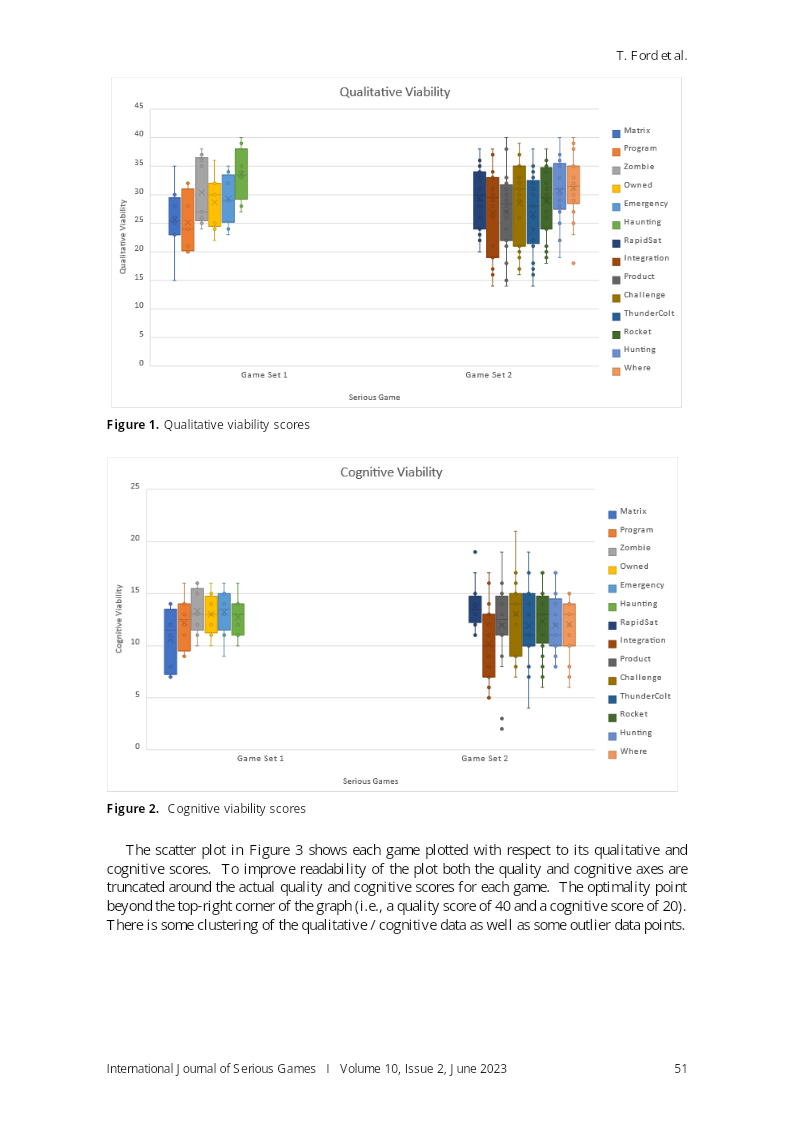
- A pilot program successfully produced 14 interactive fiction games using the Twine engine within a constrained three-week development window.
- Student-led projects demonstrated high cognitive viability and achieved strong qualitative scores, confirming the methodology's effectiveness in reinforcing core competencies like requirements engineering.
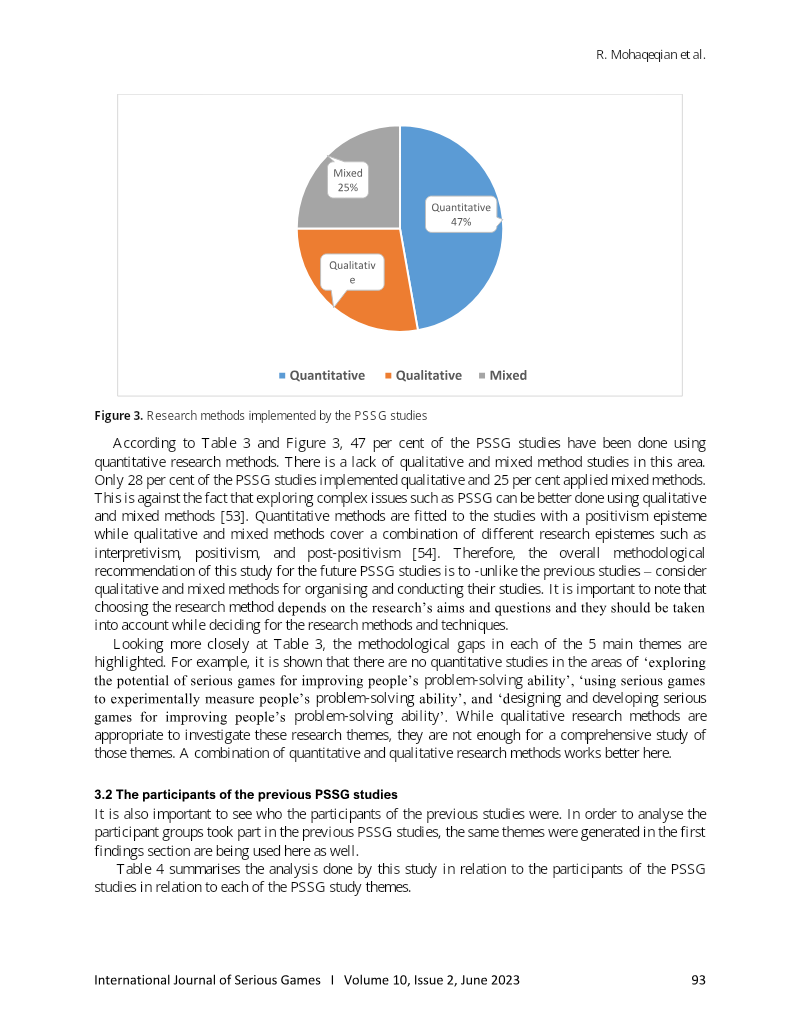
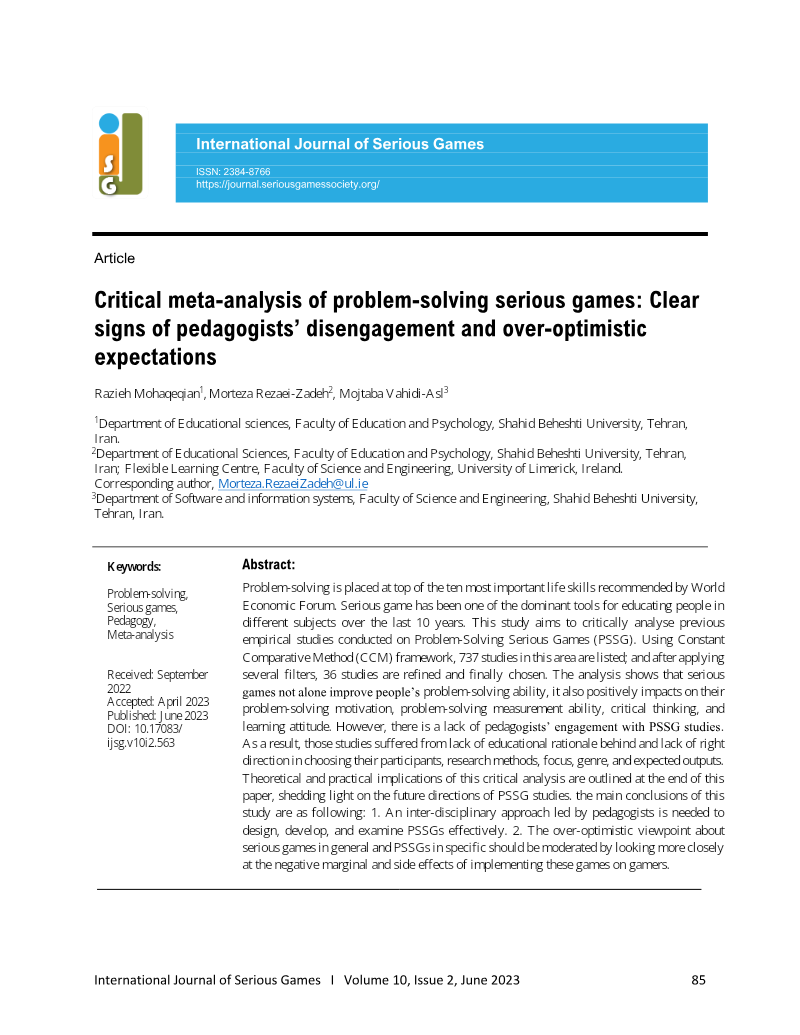
Critical Meta-analysis of Problem-solving Serious Games: Clear Signs of Pedagogists' Disengagement and Over-optimistic Expectations
Serious games designed to foster problem-solving skills demonstrate a measurable capacity to enhance cognitive performance, motivation, and collaborative abilities across diverse educational levels.
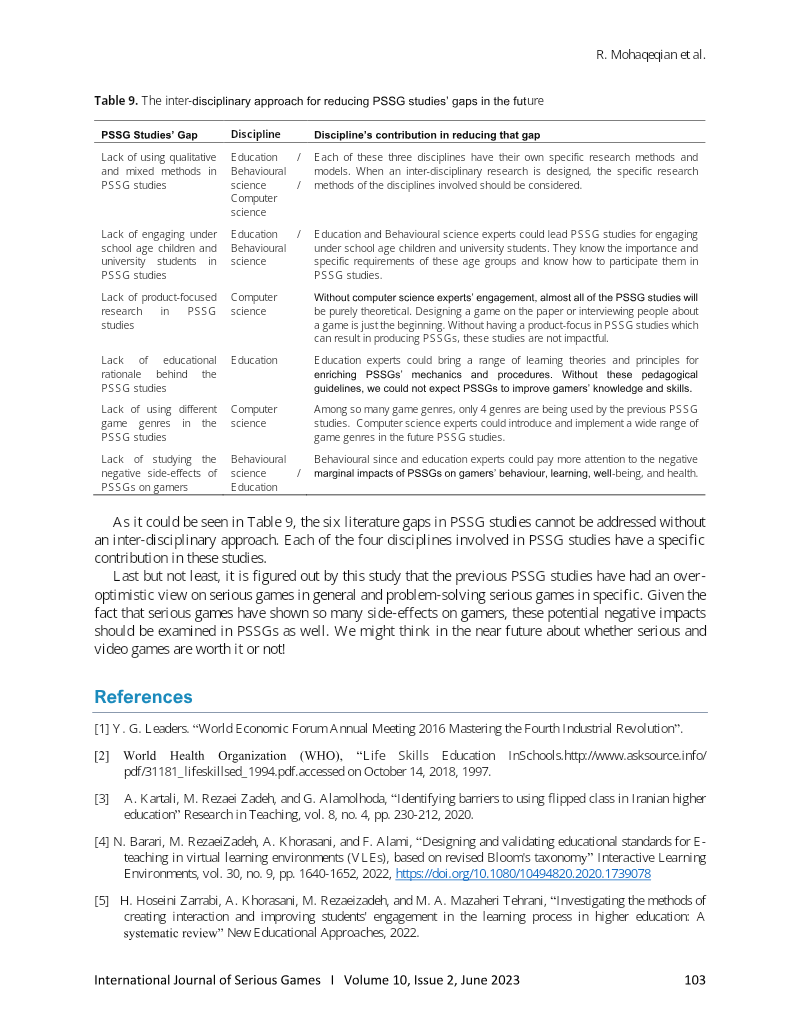
- 60% of serious games designed for problem-solving lack a formal educational rationale, indicating a systemic failure to integrate established learning theories.
- Development is currently dominated by computer science experts who prioritize technical execution over behavioral and pedagogical principles.
- While serious games can enhance cognitive performance and collaboration, research efficacy is highly inconsistent, with a notable minority of studies showing no significant correlation between game usage and improved proficiency.