Player Behavior reports and market data
Documents
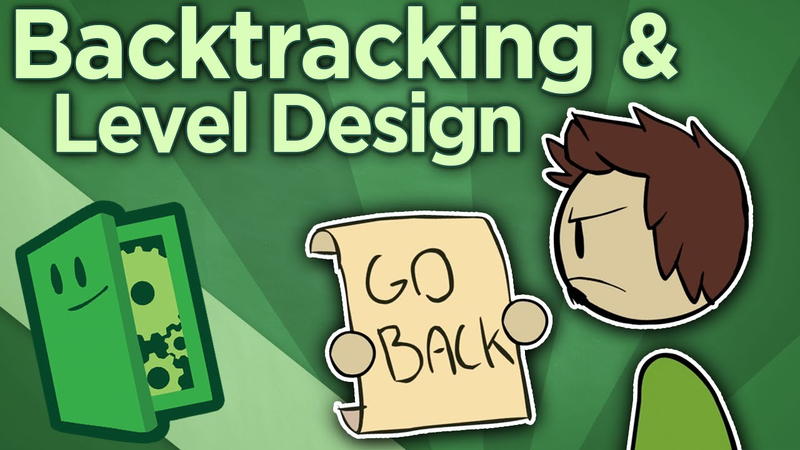
Backtracking and Level Design - Making a Way Out - Extra Credits
The primary thesis of this analysis is that forced backtracking—the act of requiring players to traverse cleared, empty, or looted game areas—is a significant failure in level design that severely damages pacing and player engagement.
- Forced backtracking through cleared or looted areas is a critical level design failure that damages pacing and breaks player immersion.
- Designers should prioritize non-linear paths and exit strategies during the initial planning phase, as retrofitting these solutions into completed levels is often impossible.
- In linear games, developers can use architectural 'trickery' such as looping side paths or vertical corridors that wind above or below the main channel to avoid retracing steps.
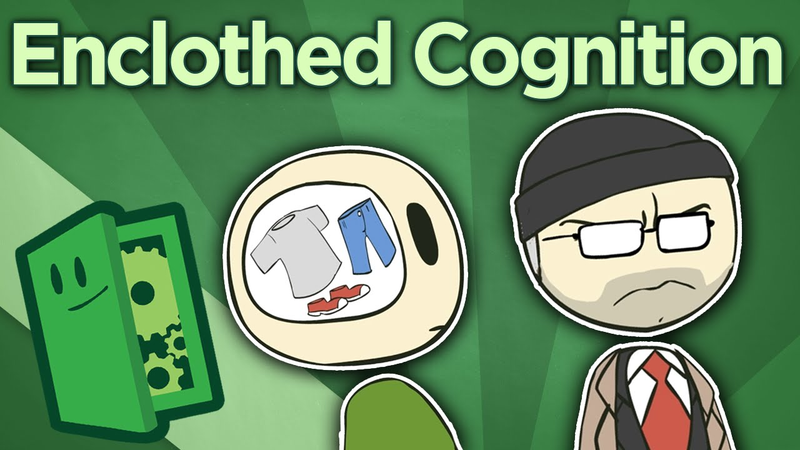
Enclothed Cognition - Do Character Outfits Affect Our Play? - Extra Credits
The concept of enclothed cognition suggests that the clothing an individual wears influences their psychological state and behavioral patterns.
- Character attire functions as a psychological cue that influences player behavior and tactical decision-making, often overriding a character's underlying mechanical statistics.
- The concept of 'enclothed cognition' suggests that players subconsciously adopt playstyles associated with visual tropes, such as utilizing a methodical approach when wearing a ghillie suit or a defensive stance when equipped with heavy armor.
- Cosmetic customization serves as a powerful design tool to guide player behavior and deepen emotional connection, even when changes are purely aesthetic and provide no functional gameplay advantage.
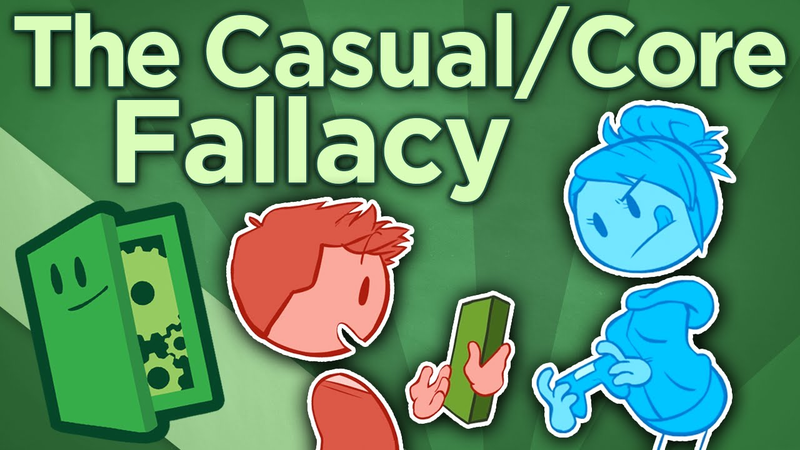
The Casual/Core Fallacy - Designing for Depth - Extra Credits
The traditional game design dichotomy that categorizes players as either casual or core is an outdated framework that hinders modern development.
- The traditional binary classification of players as either 'casual' or 'core' is an outdated framework that fails to reflect the reality of modern gaming habits.
- Developers must decouple a player's desire for mechanical depth from the total amount of time they have available to play.
- Gating complex systems behind hours of simplistic, repetitive gameplay leads to poor player retention among both time-constrained enthusiasts and dedicated core players.
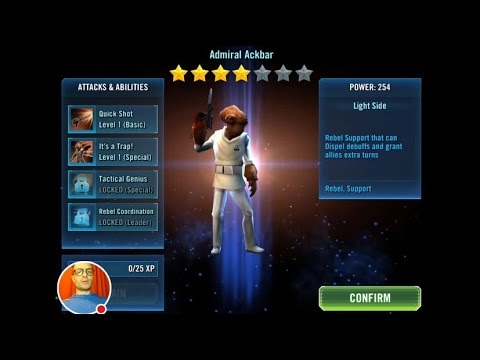
Unlocking Admiral Ackbar in SW: Galaxy of Heroes
Star Wars: Galaxy of Heroes serves as a case study in the mechanics of character progression and player retention within the mobile RPG genre.
- Star Wars: Galaxy of Heroes utilizes a hybrid model of card collection and tactical combat, requiring players to manage teams of five characters through missions.
- Progression is gated by three core systems: collecting character shards for rank-ups, using training droids for leveling, and equipping gear to boost combat attributes.
- The game’s economy forces players to balance limited resources, specifically soft currency (credits) and energy, which creates significant friction in late-stage progression.
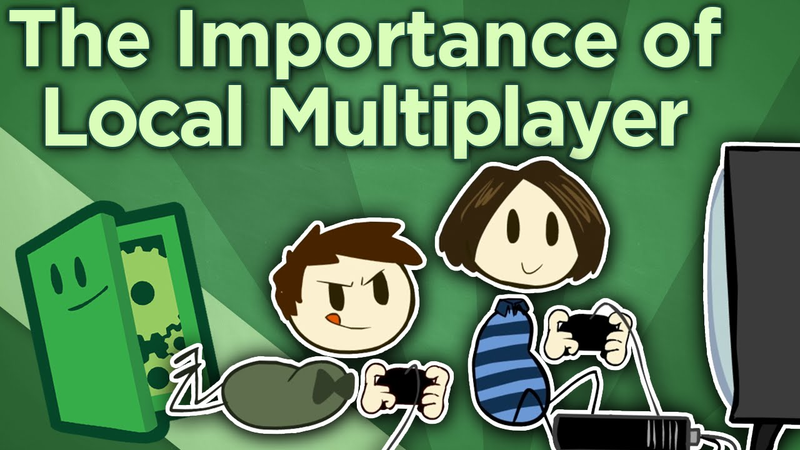
The Importance of Local Multiplayer - Seeing Eye-to-Eye - Extra Credits
The decline of local multiplayer in the AAA gaming industry is driven primarily by economic incentives rather than a lack of player interest.
- The decline of local multiplayer in AAA gaming is primarily driven by an economic strategy to increase unit sales, as removing couch co-op forces each household member to purchase their own individual copy of a game.
- Online-only gaming environments contribute to increased toxic behavior by removing the empathy and accountability fostered by face-to-face interaction.
- Physical proximity in gaming, such as playing on a couch or at an arcade cabinet, serves as a social foundation that builds genuine friendships and bridges divides between players.
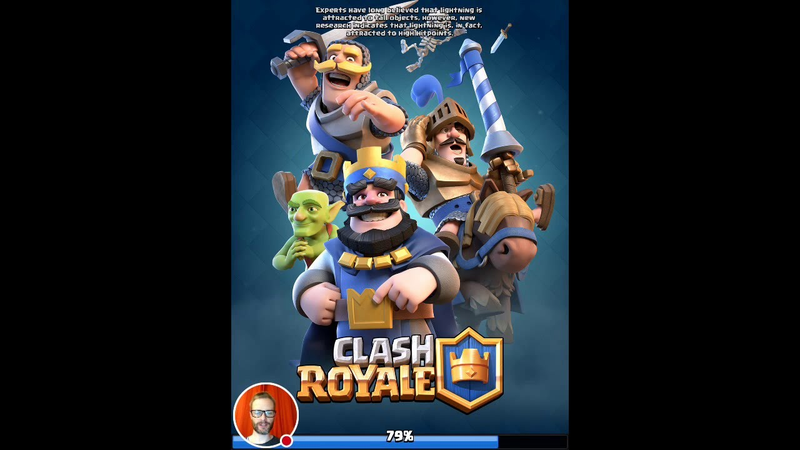
How long does Clash Royale take to load?
Rapid load times serve as a foundational pillar for user retention and accessibility in mobile gaming, particularly for titles targeting a broad, casual audience.
- Supercell mandates a maximum load time of twenty seconds for all its titles, with Clash Royale specifically achieving entry into the core gameplay loop in under ten seconds.
- Rapid load times function as a critical product strategy to eliminate friction points like server handshakes and content-checking, directly supporting user retention.
- Clash Royale utilizes a portrait orientation to align with standard smartphone usage patterns, allowing players to engage without adjusting their grip or posture.
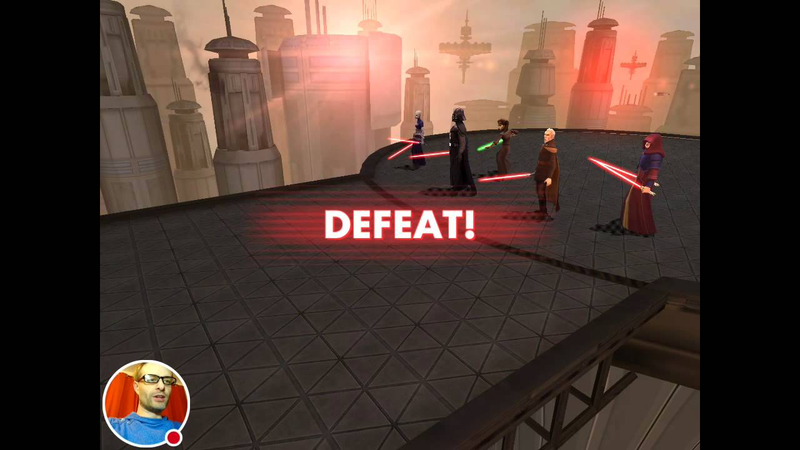
Why you should choose the hardest opponent in SW: Galaxy of Heroes' Squad Arena
In Star Wars: Galaxy of Heroes, players are encouraged to intentionally challenge the most powerful opponents in the Squad Arena mode, even when defeat is likely.
- Intentionally challenging the strongest Squad Arena opponents allows players to send ally requests to high-level users, facilitating access to powerful borrowed characters.
- Borrowing high-power units from an curated ally list significantly increases combat effectiveness and success rates in difficult PvE mission content.
- Targeting superior opponents in the Arena serves as a long-term progression strategy to bypass power gaps in mission-based modes rather than focusing solely on immediate leaderboard rank.
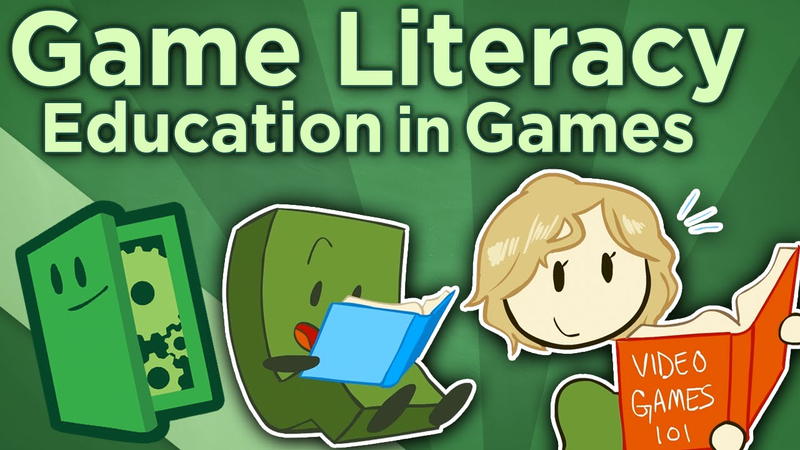
Game Literacy: Games in Education - Should We Teach Game Basics? - Extra Credits
The integration of digital games into educational curricula faces a significant, often overlooked barrier: the lack of universal game literacy among students.
- Uneven game literacy among students creates a significant equity barrier, as prior exposure to gaming conventions like controller manipulation and terminology varies drastically based on home environment.
- Lack of foundational gaming knowledge prevents educators from using digital games as reliable instructional tools, as students without experience often feel alienated or frustrated by the medium.
- Integrating game literacy into early childhood education is the most effective long-term solution to ensure all students possess the mechanical familiarity required for later game-based learning.
The Lottery - Why People Favor Worse Odds - Extra Credits
The Multi-State Lottery Commission’s 2015 decision to adjust the Powerball odds from 1 in 175 million to 1 in 292 million serves as a significant case study in human psychology and incentive design.
- The Multi-State Lottery Commission increased Powerball odds from 1 in 175 million to 1 in 292 million in 2015 to prevent frequent payouts and allow jackpots to accumulate.
- Player participation follows an exponential growth curve relative to the size of the jackpot, proving that the allure of a massive reward overrides rational statistical analysis.
- Human behavior in lottery systems contradicts the traditional game design assumption that players prioritize consistent, predictable rewards and steady progression.
Gamer Motivation Profile: Model and Findings
The Gamer Motivation Profile provides a comprehensive framework for understanding why individuals play video games by categorizing player behavior into six distinct motivation clusters: Action, Social, Mastery, Achievement, Immersion, and Creativity.
- The Gamer Motivation Profile categorizes player behavior into six core clusters: Action, Social, Mastery, Achievement, Immersion, and Creativity.
- Analysis of 222,964 unique gamers across North America, Europe, South America, and Southeast Asia confirms that gaming habits are statistically correlated with 'Big Five' personality traits.
- Age is a stronger predictor of behavioral shifts than gender, with competitive and action-oriented motivations showing a consistent decline as players mature.

Essential Video Game News: Market, Consumption, Use – France (February 2016)
The French video game industry experienced a period of sustained growth in 2015, marking the second consecutive year of positive performance with a 6% increase in total market value to €2.8 billion.
- The French video game market grew by 6% in 2015 to a total value of €2.8 billion, marking its second consecutive year of positive performance.
- Software sales reached €1.6 billion (up 7%), while accessory sales hit a record €300 million, representing a 13% increase.
- The transition to 8th-generation consoles drove market vitality, with 1.57 million units sold during 2015.
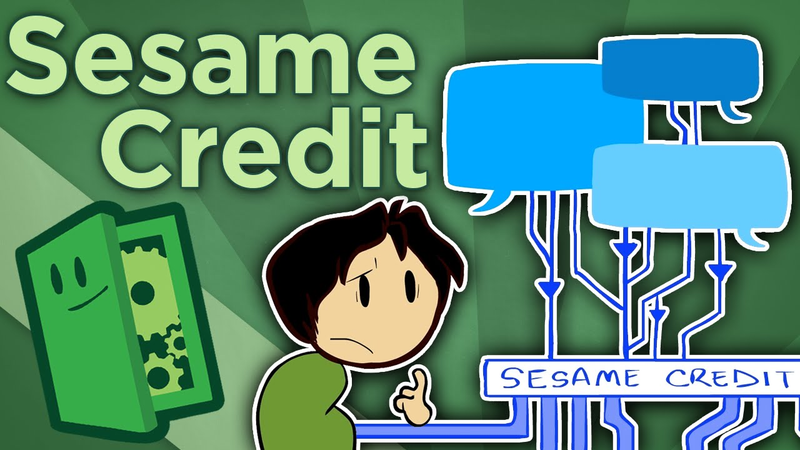
Propaganda Games: Sesame Credit - The True Danger of Gamification - Extra Credits
Sesame Credit represents a sophisticated application of gamification techniques by the Chinese government, in partnership with major technology firms like Tencent and Alibaba, to incentivize political obedience.
- Sesame Credit, developed by the Chinese government in partnership with firms like Alibaba and Tencent, uses gamification to incentivize political obedience through a social scoring system.
- The system assigns scores based on purchasing habits, online behavior, and social associations, granting rewards like easier loan access or travel documentation to high scorers.
- Low scores result in tangible penalties, including restricted internet speeds and limited employment opportunities, as the system transitions from an opt-in model to mandatory state-sanctioned social engineering.