1 free read left. Create a free account for unlimited reading + AI research.
Create free account
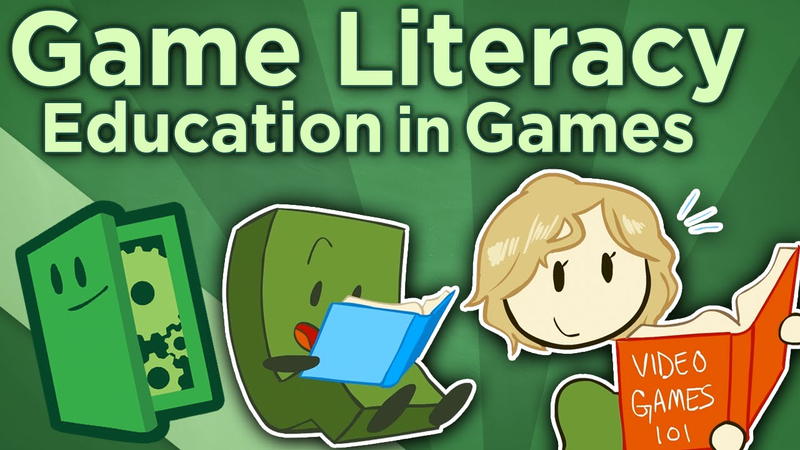
Game Literacy: Games in Education - Should We Teach Game Basics? - Extra Credits
Key insights
6 takeaways- 01Uneven game literacy among students creates a significant equity barrier, as prior exposure to gaming conventions like controller manipulation and terminology varies drastically based on home environment.
- 02Lack of foundational gaming knowledge prevents educators from using digital games as reliable instructional tools, as students without experience often feel alienated or frustrated by the medium.
- 03Analog board and card games serve as a potential bridge to bypass technical proficiency issues, though they introduce logistical challenges regarding rule enforcement and physical maintenance.
- 04Collaborative play, where a class engages with a single projected game, can mitigate individual skill gaps but risks creating a dependency where less confident students rely on peers instead of mastering the material.
- 05Integrating game literacy into early childhood education is the most effective long-term solution to ensure all students possess the mechanical familiarity required for later game-based learning.
- 06Game literacy should be embedded directly into early learning activities, such as basic math and literacy exercises, rather than being treated as a standalone subject that competes for curriculum time.
Ask AI about this video
Transcript
as James has talked to more and more teachers about integrating games into the classroom it's become increasingly clear that there's at least one major challenge to Bringing games into education that he never anticipated facing the question of games literacy when James began really pushing to try to use games to make school something that every child looks forward to going to the biggest stumbling block I mean besides the massive cyclopian bureaucracy worthy of a maze Builder was technology and that's still a huge problem many classrooms in America simply don't have enough computers for the students and often what computers there are are incapable of running any games made after the early 2000s I mean James has seen a number of schools still running Windows XP and the occasional classroom computer Sporting Good Old Windows 95 but this is a known problem a problem which while far from solved is ever so slowly improving and surprisingly as small inroads have been made on this issue it's exposed another issue in entirely as some counties start
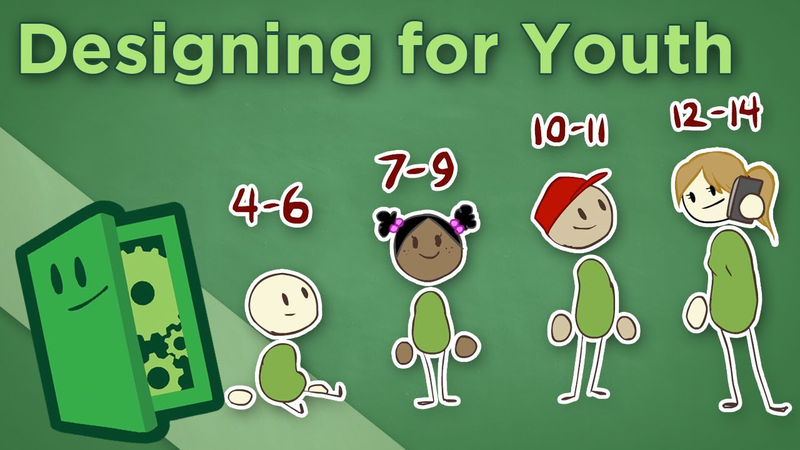
to make tablets ubiquitous and provide laptops or tablets for every student we're finding that the technology alone isn't the only major barrier another one is game literacy now what do I mean by game literacy well by the time a child is in fourth grade the expectation in general is that they have the basic skills required to read and understand whatever text is on their homework the same is not actually true when it comes to their familiarity with games though right now how familiar a child is with the conventions of games by the time they're 10 or 11 can vary wildly some children will have had a console in their home since before they were born and were playing with a tablet by Age 2 but other kids will never have held a controller in their life and not know what abbreviations like XP or HP mean and this creates a huge problem for using games in the classroom because in a classroom setting you can't leave any child out you can't give work that any given child in the room may not be prepared for and that the school has in fact done nothing to prepare them for now this idea of game literacy may seem odd to anybody who would watch a channel
like this one but have you ever handed a controller to a relative one who doesn't really play games and seen what happens sometimes it's hilarious but sometimes they just end up frustrated in a way that we don't want any child to be while learning now there are a number of potential ways to solve this one of the best is actually to use physical games card games or board games these rely on no technology immediately overcoming one hurdle and they also don't rely quite as much on skills practiced outside the game such as controller use or on Specialized knowledge such as understanding that the little arrows at the periphery of your screen indicate where you're getting shot from now that said card and board games aren't a perfect answer unless they can be printed up pieces are going to get lost or destroyed in a classroom setting and often there's also the problem of having to gather all the students around one copy of the game to learn it rather than simply letting them watch it projected at the front of the classroom like you could easily do with a video game additionally as these games don't have a computer making sure that players follow the rules they require re that the
teacher have a very thorough and exact understanding of them and it's way easier for students to misplay or simply to cheat and that's a big deal when the game's rules are your teaching tool another possible solution would be to have the class just play the game together in the classroom of course this isn't practical for all games but for games that are focused on specific decisions especially dialogue choices as in The Telltale Games this can create a fantastic opportunity to use the game as a platform for discussion and it only requires the teacher to have the basic skills necessary to play through the game having the students play together in groups is another option but this can be frustrating for some as those who are better at game playing will have to have a lot of patience with those who are worse at it and while this can be an excellent tool for teaching homework it has its own risks any students who are less confident in the topic they're studying might simply rely on those who have a better handle on it rather than learning it themselves and any students who are timid about their game playing skills might feel alienated but this all leads to the big question should we actually teach game literacy
and that just leads to an even larger question of whether we should teach media literacy in general at a young age I'm going to sidestep that larger question for right now because that could be a whole episode by itself but as for the question of whether or not we should teach students basic game literacy early on James's initial reaction was no which admittedly even surprised him I mean we're the ones pushing for more games in school all the time but at a young age there's just too much for it to compete with there are so many things which young children really need to learn and he couldn't see anything he'd feel comfortable able swapping out for game literacy then he thought about it some more and realized that perhaps he was looking at this backwards I mean we talk so much here about games helping to teach us other things perhaps we can teach basic game literacy while teaching other things James watched his nieces and nephews learn addition and practicing the letters of the alphabet through games when they were incredibly Young no one had yet taught them how to play games or made them feel comfortable with them but because of these games basic nature they were something the kids could instinctually get ahead handal on and
these games naturally LED them to other games and to a natural facility with games as they grew so perhaps to really integrate games with schools we shouldn't be so focused on bringing them into current classrooms we can't just focus on dropping them into the lives of students who are already halfway through their academic career perhaps instead we should start thinking about what happens if we integrate them from a young age and allow students to grow up familiar with them then we could actually rely on that familiarity that literacy the same way we do with reading when assigning textbook assignments which would allow us to utilize games without the risk of leaving anyone behind now this is not to say that we should give up on integrating games into classrooms up and down the chain I'd love to see that happen but perhaps it's time to think longer term perhaps it's time to really think about game literacy and how it can be acquired at a young age while students work to learn other things so that we can then use the literacy they gain to really make school something everybody wants to go to see you next week hello rise and shine don't you know
the time they will pass you by lots of things to do strategies to think through cuz the race is soon
Summary
The integration of digital games into educational curricula faces a significant, often overlooked barrier: the lack of universal game literacy among students. While technological disparities—such as outdated hardware and limited access to devices—remain a primary concern, the uneven distribution of gaming experience creates an equity issue. By the time students reach middle school, their familiarity with gaming conventions, such as controller manipulation and terminology like HP or XP, varies drastically based on their home environment. This disparity prevents educators from using games as reliable instructional tools, as students without prior exposure may feel alienated or frustrated, hindering their ability to engage with the core educational content.
Potential solutions to bridge this gap include utilizing analog board or card games, which bypass the need for technical proficiency, though these present challenges regarding rule enforcement and physical maintenance. Alternatively, collaborative play, where a class engages with a single game projected at the front of the room, can foster discussion and mitigate individual skill gaps. However, these methods risk creating situations where less confident students rely on their peers rather than mastering the material themselves.
The long-term solution lies in integrating game literacy into early childhood education. Rather than treating game literacy as a standalone subject that competes for time with other essential curricula, it should be embedded into early learning activities, such as basic math and literacy exercises. By introducing games at a young age, students can develop an intuitive grasp of gaming conventions naturally. This foundational familiarity would eventually allow educators to utilize games as standard, effective pedagogical tools across all grade levels, ensuring that no student is left behind due to a lack of technical or mechanical experience.


















Comments