PC reports and market data
Documents
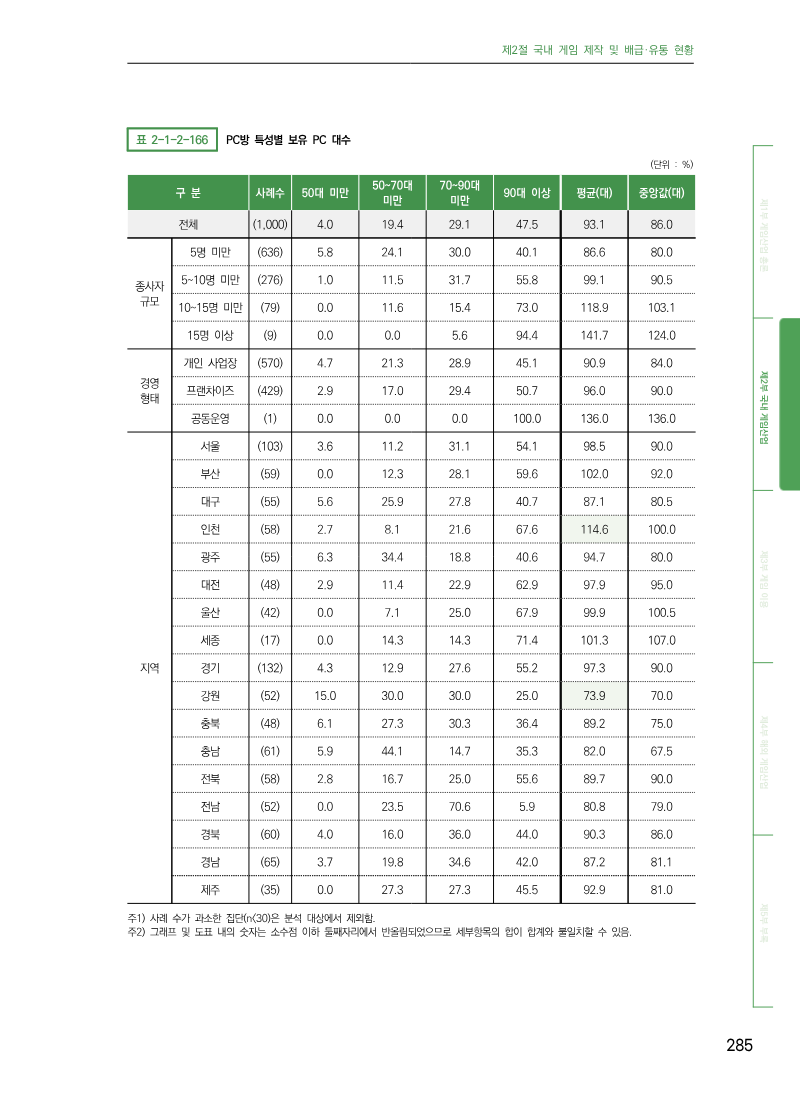
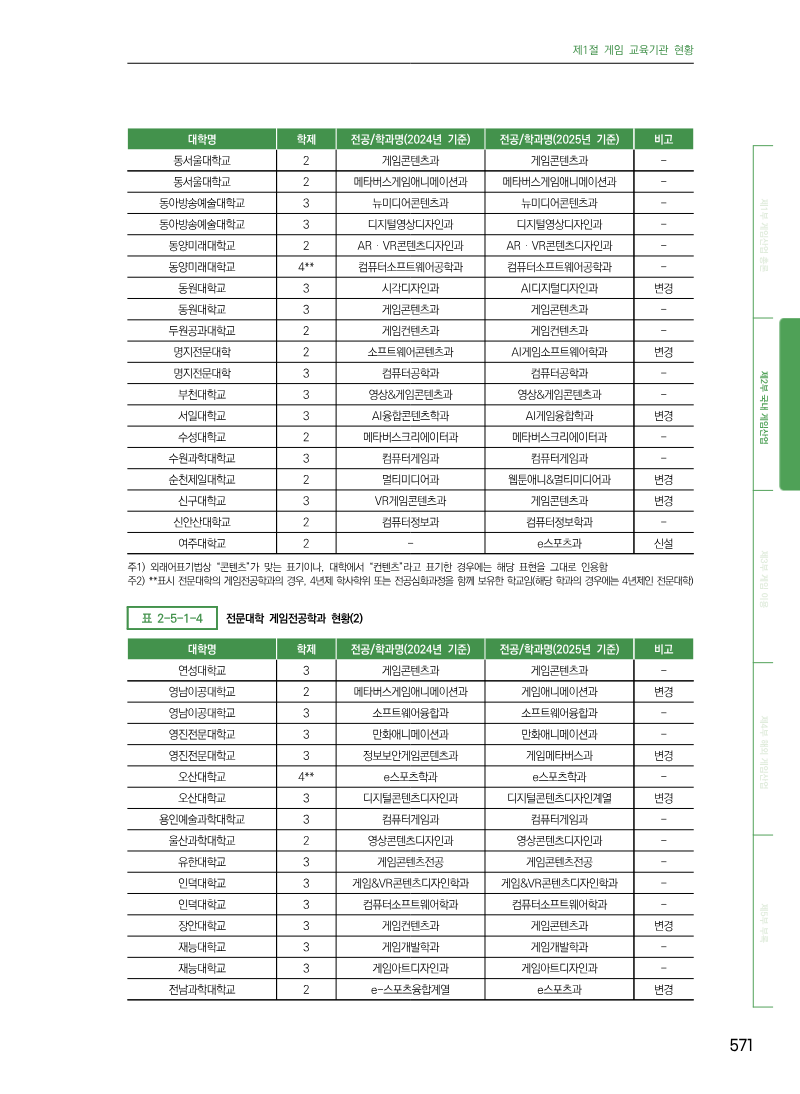

2025 Game Industry White Paper
The 2025 Game Industry White Paper, produced by the Korea Creative Content Agency (KOCCA), offers a comprehensive, data-driven assessment of South Korea's game sector in 2024, with forward-looking indicators for 2025.
- Korea's domestic game market grew 3.9% to ₩23.85 trillion in 2024, with mobile games accounting for roughly 59% of revenue, while exports reached $8.5 billion (up 1.3%).
- Global game market growth stalled at 0.7% to about $220 billion, while the share of surveyed Koreans who use games fell from 74.4% in 2022 to 50.2% in 2025, a decline the report treats as a central concern.
- Most Korean game firms are small, with a median capital of only ₩104 million, and 52% report operating losses, with wide gaps between large and small firms in finances and labor conditions.
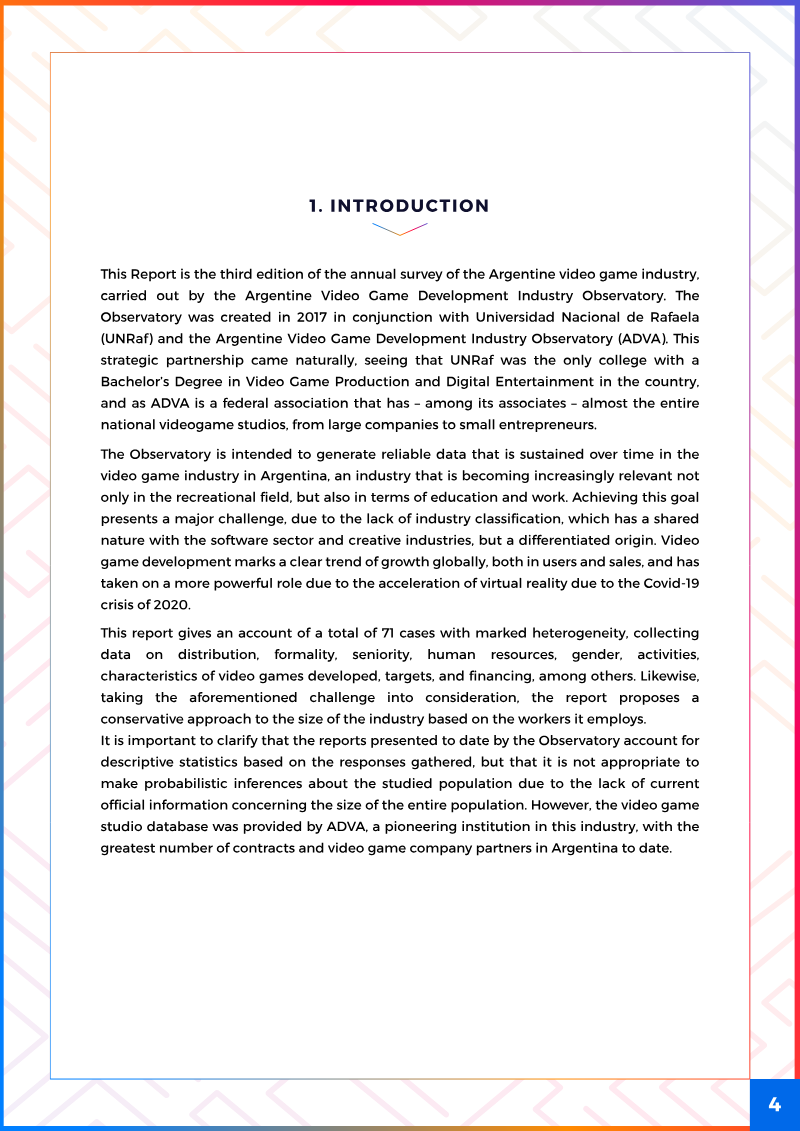
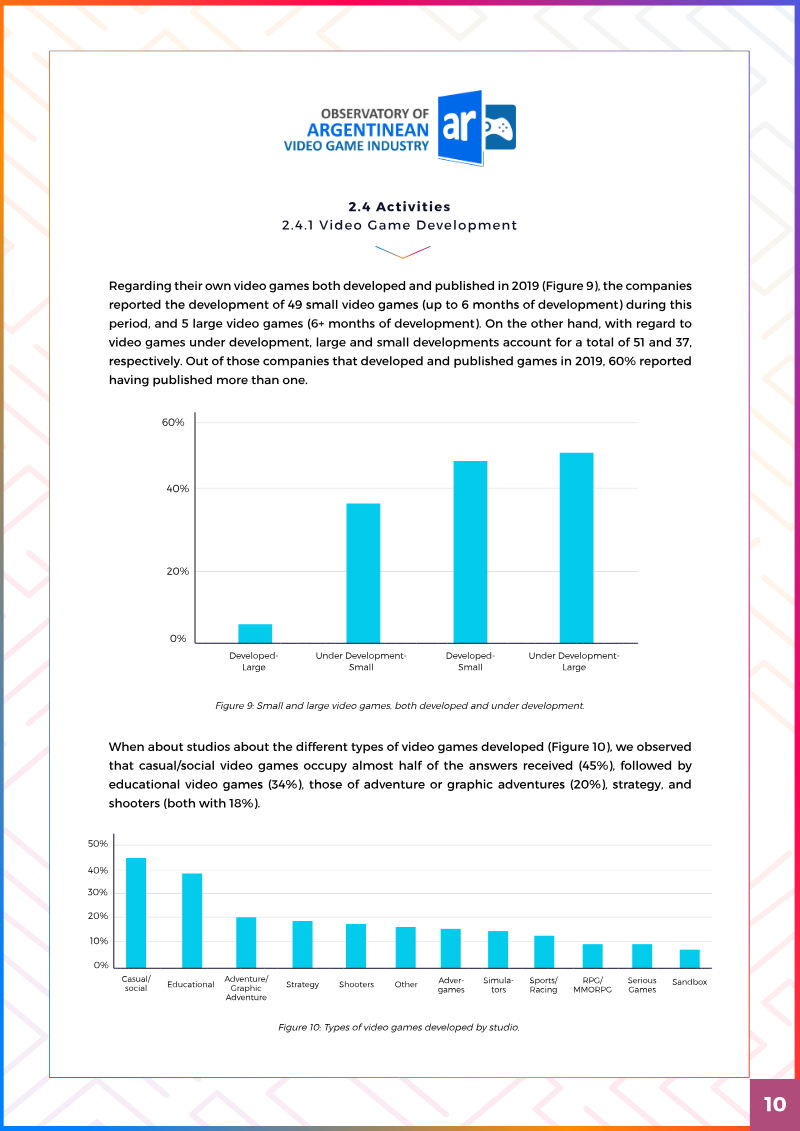
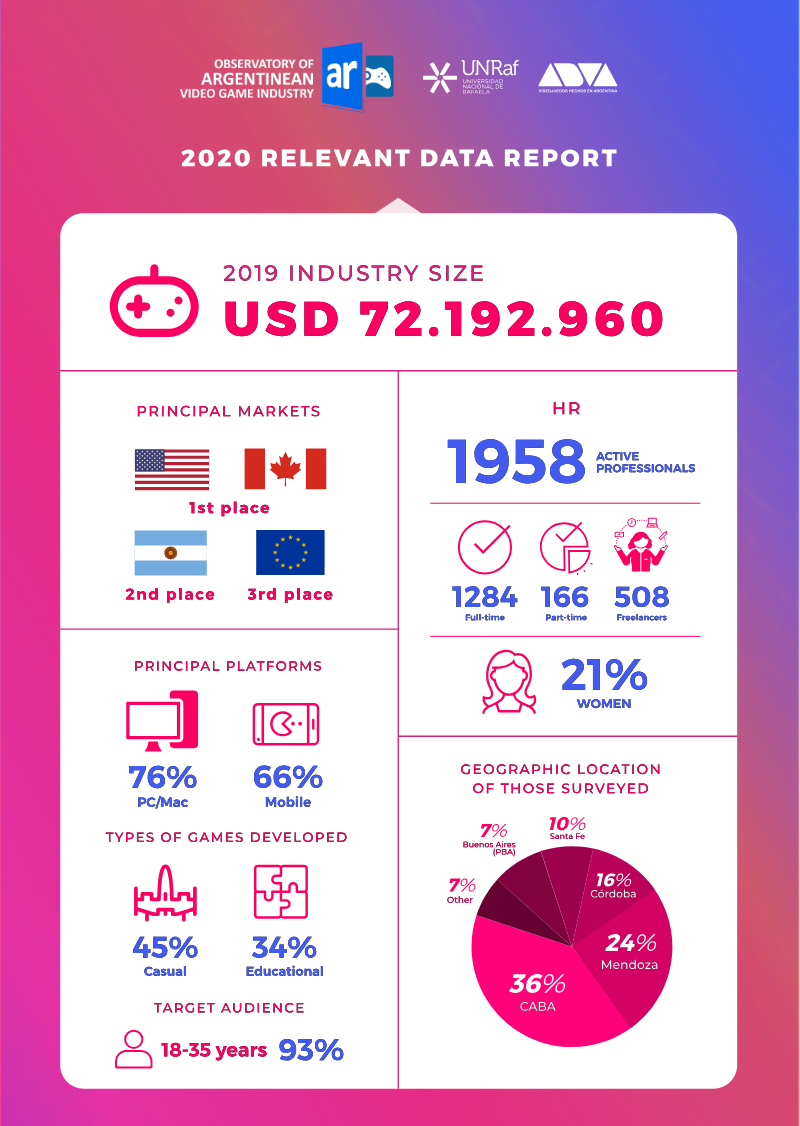
Argentinean Video Game Industry: 2020 Relevant Data Report
The Observatory of the Argentinean Video Game Industry's 2020 Relevant Data Report, the third annual edition of a survey conducted with Universidad Nacional de Rafaela and the industry association ADVA, presents descriptive statistics on the country's video game sector.
- The Argentinean video game sector is young and geographically concentrated: 36% of the 71 surveyed studios are in Buenos Aires City, followed by Mendoza (24%), Córdoba (16%), Santa Fe (10%), and Buenos Aires Province (7%), and about 60% were incorporated between 2015 and 2020.
- The sector's estimated size for 2019 is at least USD 72,192,960, calculated conservatively from employment figures and average hourly costs, and it employed roughly 1,450 formal workers (1,284 full-time, 166 part-time) plus 508 freelancers.
- Gender gaps are pronounced: women average 21% of employee-status workers but only 6% of company partners, and 18% of studios report no female employees.

The Gaming Industry: 2019
The global gaming landscape in 2019 generated significant revenue across multiple platforms, with mobile gaming leading the market at 54.9 billion dollars, followed by console games at 47.9 billion dollars and computer games at 32.2 billion dollars.
- Mobile gaming dominated the 2019 market with $54.9 billion in revenue, followed by console gaming at $47.9 billion and computer gaming at $32.2 billion.
- Multiplayer experiences account for 53% of total play time, with adventure, strategy, and first-person shooters identified as the most popular genres.
- Financial barriers are the primary obstacle to monetization, as 45% of users cite high costs as the reason they do not purchase games, leading many to rely on torrent downloads.
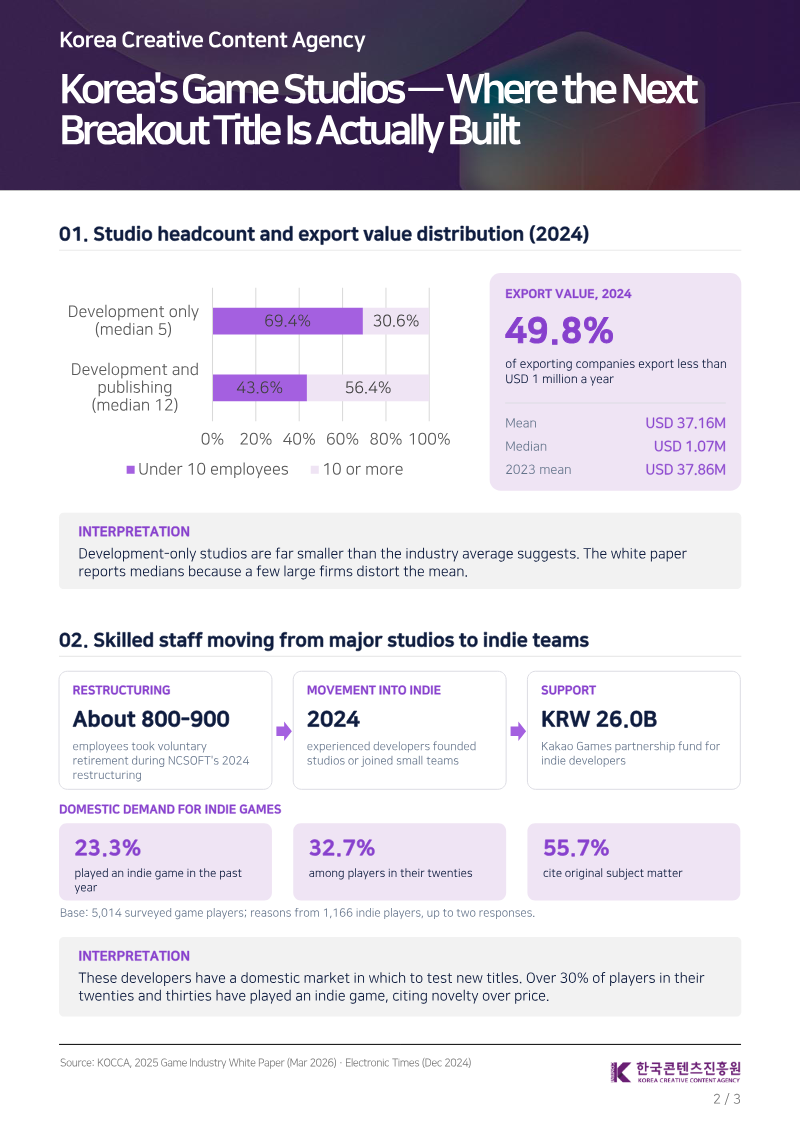
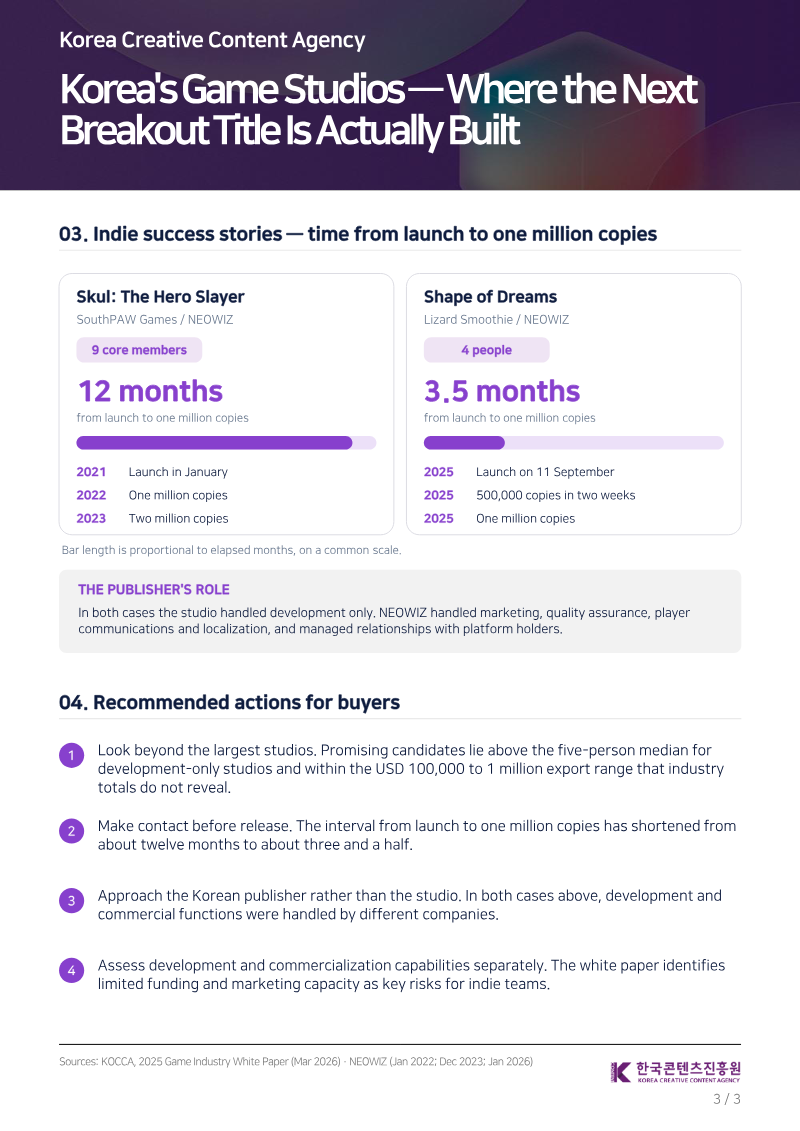

Korea's Game Studios: Where the Next Breakout Title Is Actually Built
Korea's game industry growth is concentrated in a few large titles, but the typical studio looks very different from the industry average.
- The South Korean gaming industry is shifting from a concentration of large-scale publishers to a decentralized ecosystem dominated by studios with fewer than ten employees.
- A significant migration of experienced talent from major publishers to smaller indie teams accelerated in late 2023, directly improving the quality and marketability of independent projects.
- Small, agile studios are now identified as the primary engine for innovation and the most likely source of the next generation of globally competitive Korean titles.
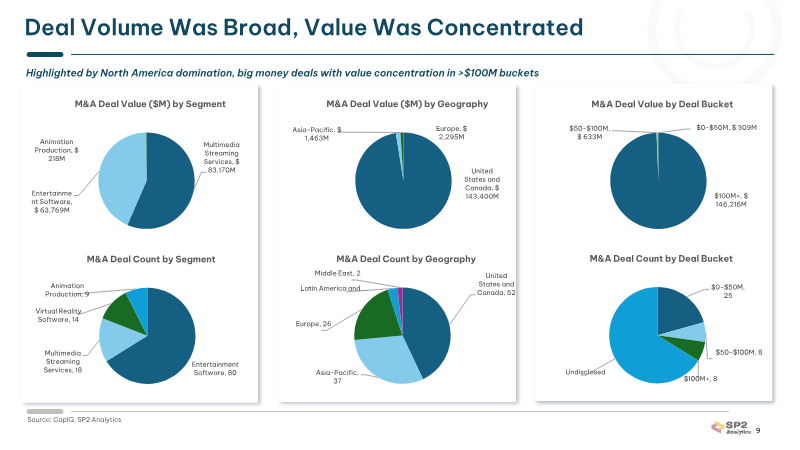

Global Gaming Report 2025
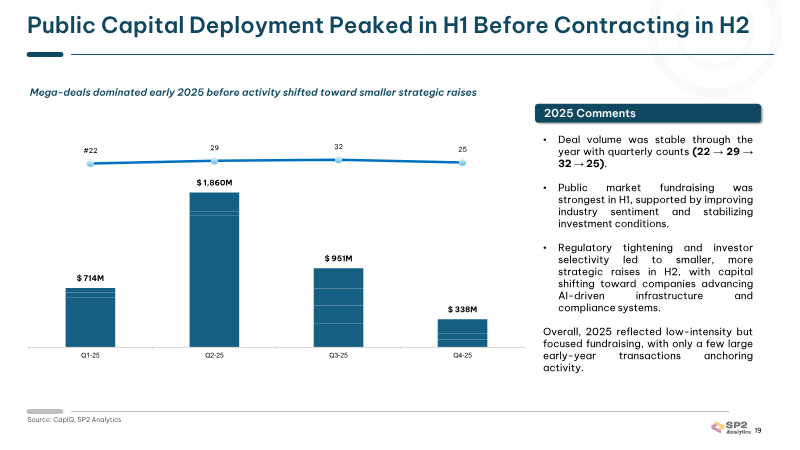
The 2025 Global Gaming Report characterizes the gaming industry as a capital-intensive, scale-driven sector where competitive advantage is increasingly defined by platform ownership, intellectual property (IP) aggregation, and long-term strategic positioning rather than individual title performance.
- The gaming industry saw $147 billion in M&A activity in 2025, headlined by the $83 billion Netflix-Warner Bros. merger and the $55 billion take-private acquisition of Electronic Arts.
- Market valuation is increasingly driven by platform ownership and IP aggregation, with top-tier strategic players now commanding EV/EBITDA multiples exceeding 25x.
- Capital deployment has become highly concentrated, with private placement rounds for AI-driven simulation and development tools consistently exceeding $100 million per transaction.

U.S. Video Game Industry: Technological Advancements and Privacy Issues
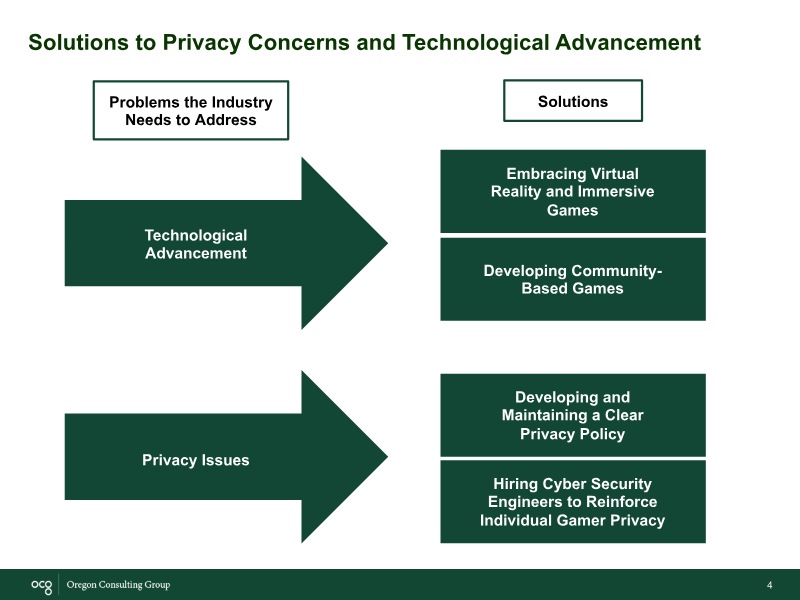
The U.S. video game industry, a significant global economic force, faces a critical juncture defined by rapid technological evolution and escalating privacy vulnerabilities.
- The U.S. video game industry is a $60.4 billion annual revenue sector employing 240,000 people across more than 42,000 businesses.
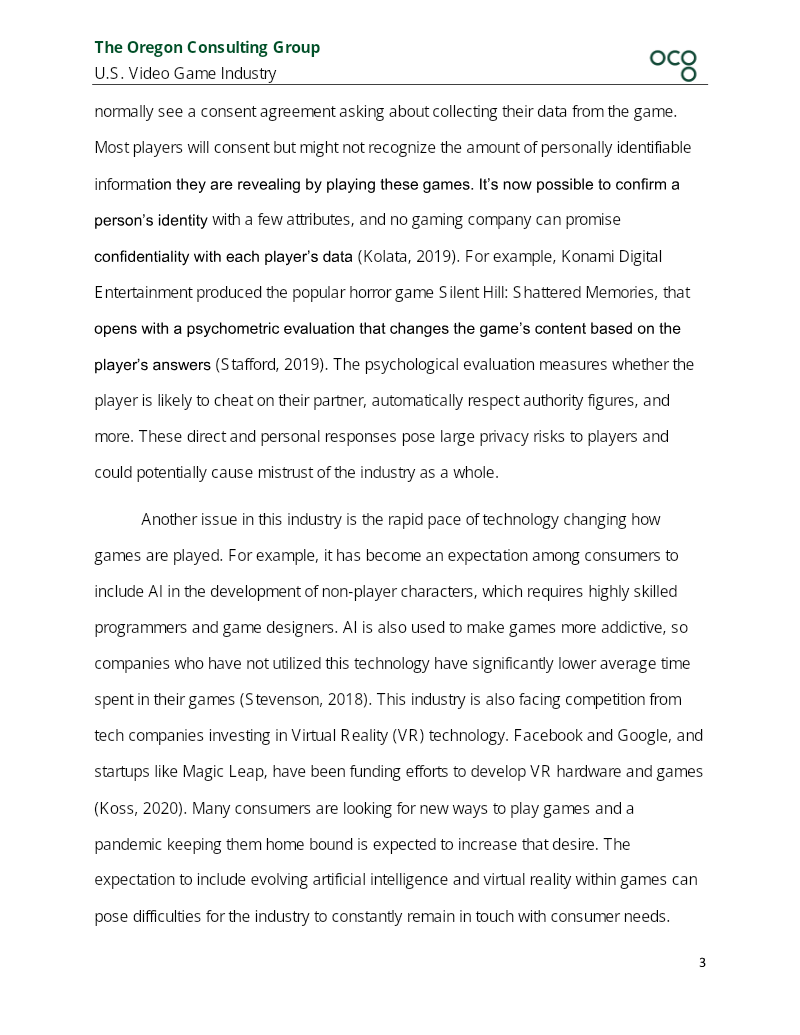
- Gaming platforms face severe cybersecurity threats, evidenced by 12 billion cyberattacks recorded against gaming websites over a 17-month period.
- Privacy risks are exacerbated by the re-identification of anonymized data and the use of psychometric evaluations, necessitating investments in specialized cybersecurity engineering similar to models used by Microsoft.


Impact of Free-to-Play: Online, Mobile & Cross-Platform
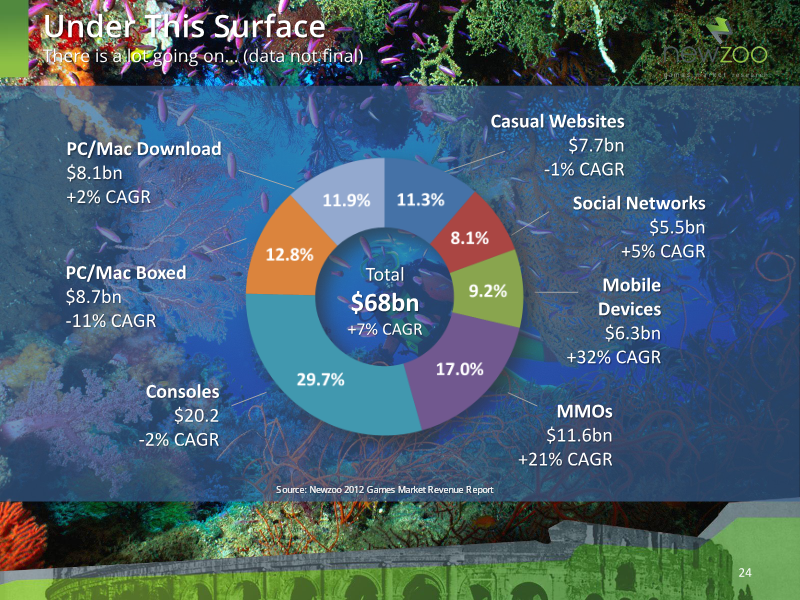
The global games industry is undergoing a fundamental transformation as the traditional boxed product model stagnates in favor of free-to-play mechanics and cross-platform accessibility.
- The global games market is shifting from boxed products to a service-oriented model, with mobile revenue projected to grow at a 32% compound annual growth rate.
- Success in the current market requires treating free-to-play as a holistic business strategy rather than a pricing tactic, as evidenced by the performance of titles like League of Legends and Kingdoms of Camelot.
- Publishers must shift focus from legacy revenue metrics to tracking granular data points, specifically player engagement time and the conversion rates of paying users.


The eSports Industry to Date: The Drivers Behind Current and Future Growth
The global esports industry is undergoing a rapid transformation from a niche gaming subculture into a significant, multi-billion dollar economic force.
- The esports industry is on a trajectory to grow from $252 million in 2015 revenue to a $1 billion economy by 2019.
- Industry growth is driven by high engagement on streaming platforms like Twitch and a transition toward mainstream professionalization.
- Significant capital is entering the market, evidenced by a $26 million venture capital investment in Super Evil Megacorp.

Sizing & Profiling eSports' Popularity: The West
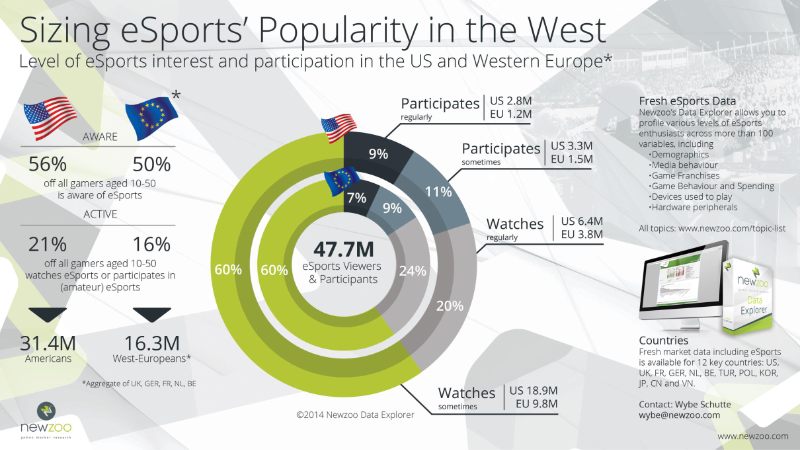
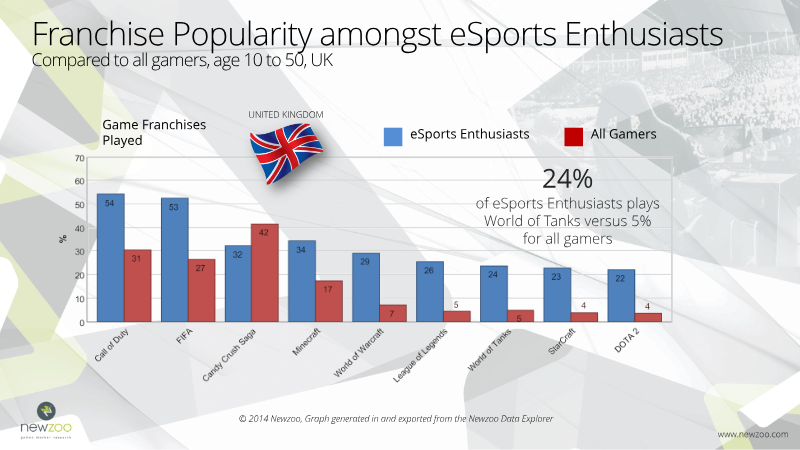
The rapid expansion of eSports in Western markets represents a significant shift in the gaming industry, driven by the rise of free-to-play titles such as League of Legends, Dota 2, and World of Tanks.
- eSports viewership is doubling year-over-year, with the average viewer watching over 10 times per month for an average session length of 2.2 hours.
- Total eSports prize money increased by 350% over the four-year period ending in 2013, with top events like The International 2013 awarding $2,874,381.
- eSports enthusiasts are significantly more valuable to publishers than the average gamer, with 22% of enthusiasts identified as 'big spenders' compared to only 8% of the general gaming population.

PC Gaming: Power to the People
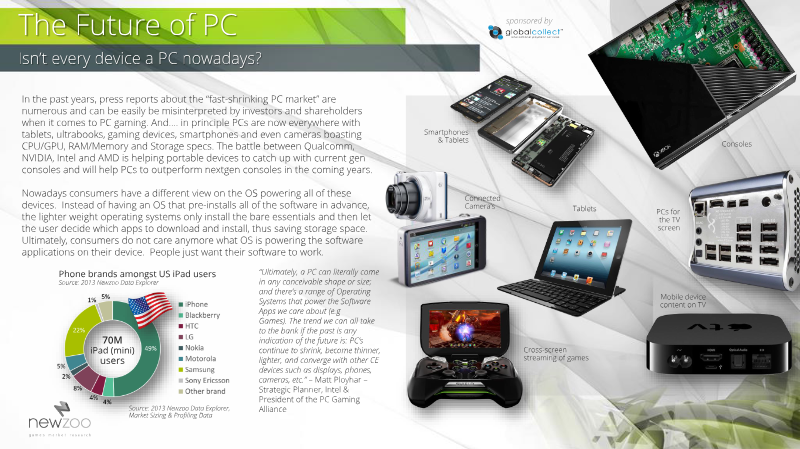
PC gaming currently stands as the dominant force in the global interactive entertainment industry, commanding a 39% market share with $27.6 billion in annual revenue.
- PC gaming leads the global interactive entertainment industry with a 39% market share, generating $27.6 billion in annual revenue from a base of approximately 900 million players.
- The free-to-play business model is the primary financial driver for the sector, with revenues projected to reach $13.3 billion by 2016.
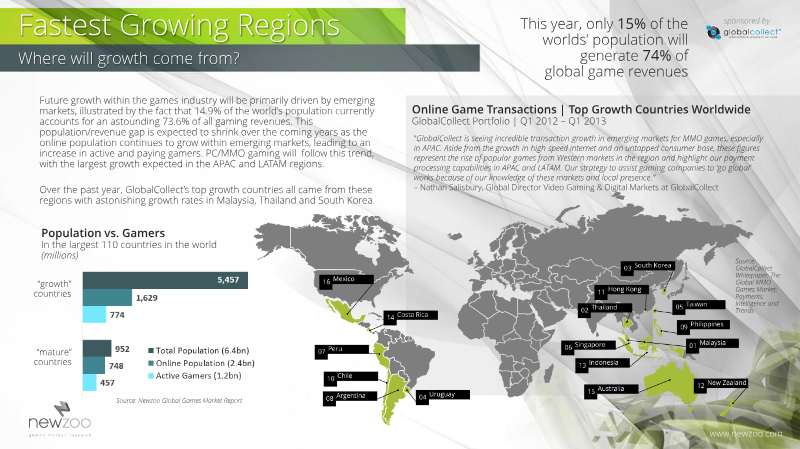
- The core PC and MMO gaming segment consists of 168 million players, with significant growth occurring in the APAC and LATAM regions.

Introduction to the Chinese Games Market: Opportunities in This Expanding Market
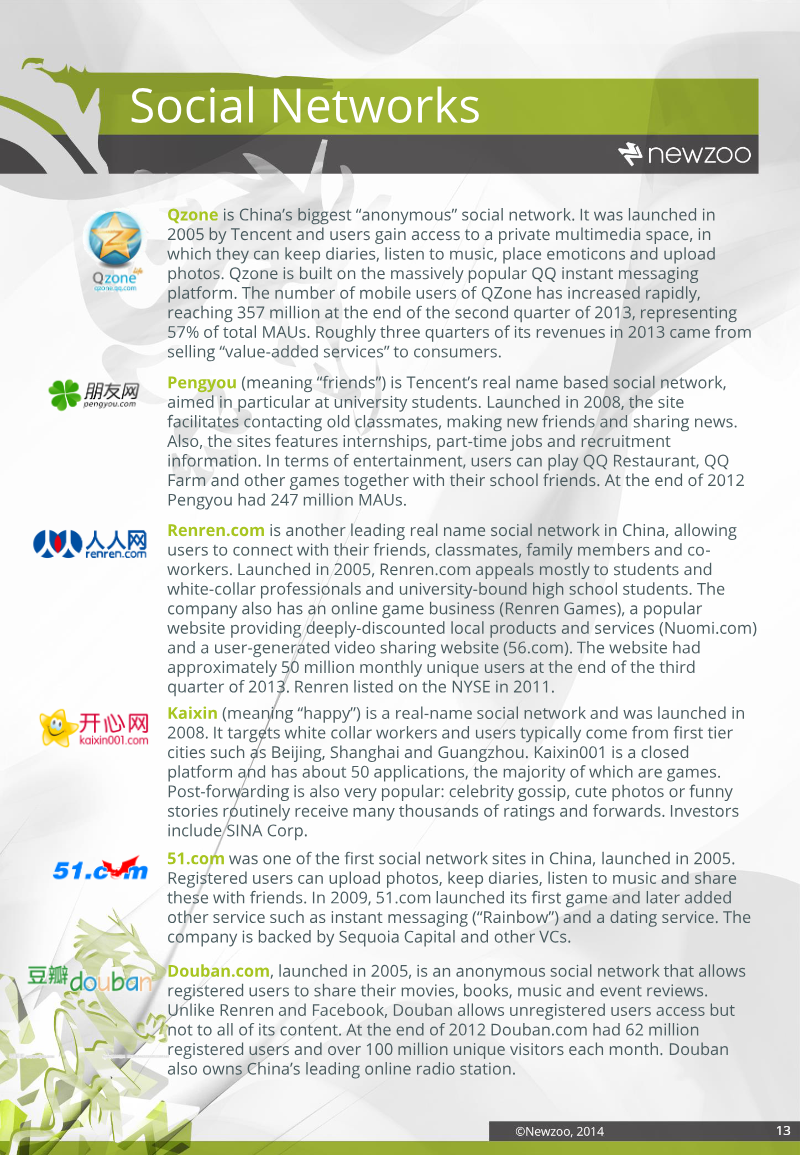
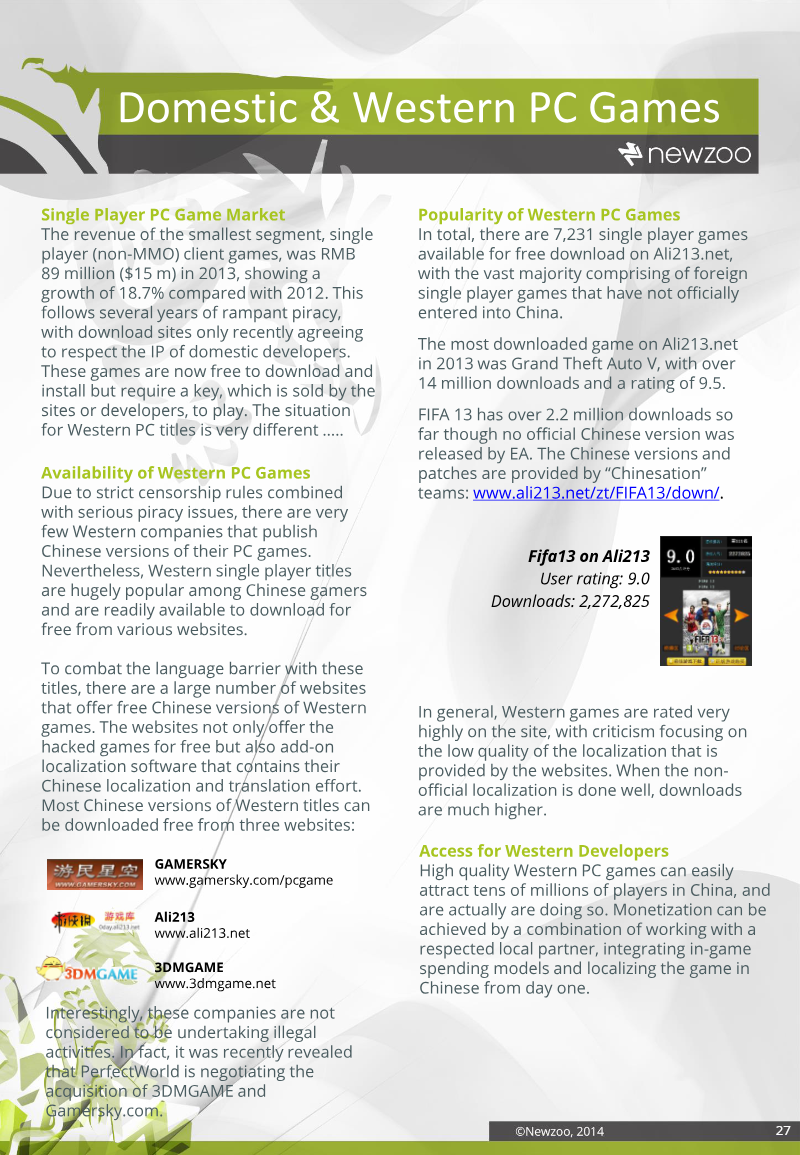
The Chinese gaming market stands as the world’s largest and most dynamic digital ecosystem, characterized by a massive user base of 490 million gamers and a rapidly evolving technological landscape.
- The Chinese gaming market reached RMB 83.2 billion in revenue in 2013, representing a 38% year-on-year increase driven by a massive base of 490 million gamers.
- Mobile gaming is the primary growth engine, experiencing a 248.5% increase in users and a 246.9% surge in revenue during the observed period.
- Success requires navigating a fragmented distribution landscape dominated by domestic giants Tencent and NetEase, necessitating strategic partnerships for foreign entities.


Esports in the Americas: Sports, Spanish, and Spending
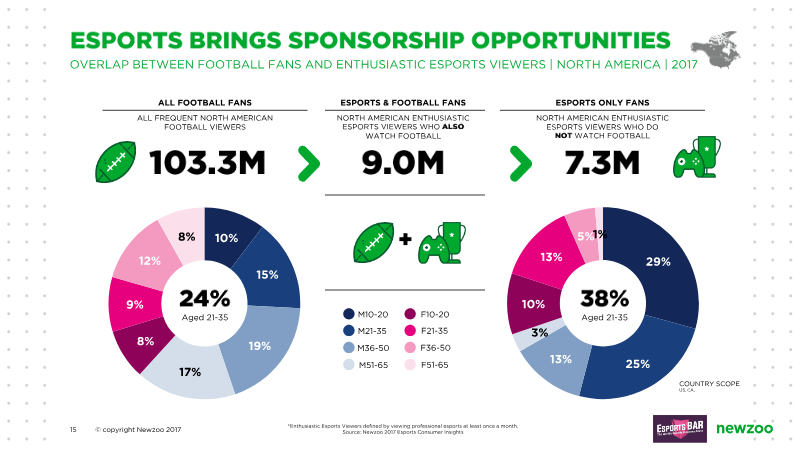
The Americas represent a critical hub for the global esports industry, accounting for 25% of the worldwide audience and 40% of total industry revenues.
- The Americas represent a major global esports hub, accounting for 25% of the worldwide audience and 40% of total industry revenues.
- Nearly 50% of the regional esports audience speaks Spanish or Portuguese, necessitating localized strategies rather than a unified approach for North and Latin American markets.
- Traditional sports organizations are increasingly acquiring esports teams to diversify fan engagement and reach younger demographics across both continents.