
Korea's Game Studios: Where the Next Breakout Title Is Actually Built
1 pages~3 min full read
The South Korean gaming landscape is undergoing a structural shift, moving away from a reliance on large-scale titles toward a more diverse ecosystem of smaller, agile studios. While historical industry growth has been heavily concentrated in a few major publishers, the current market reality reveals that the vast majority of domestic game development firms operate with teams of fewer than ten people. This segment is increasingly becoming the primary engine for innovation and potential breakout hits.
A significant driver of this transition is the migration of experienced talent from major, established publishers to smaller indie teams, a trend that accelerated in late 2023. This influx of professional expertise into smaller studios is enhancing the quality and marketability of independent projects. By analyzing studio headcount, export value distribution, and the time-to-market for successful indie titles, the industry is identifying a new model for sustainable growth that contrasts with the traditional, large-studio-centric approach.
This analysis, which draws on data from the 2025 Game Industry White Paper and industry reporting, highlights the necessity for stakeholders to adjust their engagement strategies. Rather than focusing solely on large-scale entities, there is a growing opportunity to identify and support these smaller, high-potential studios. The findings suggest that the next generation of globally competitive Korean content is increasingly being cultivated within these smaller, specialized environments, necessitating a shift in how international buyers and partners approach the Korean market.
KOCCA – Korea Creative Content Agency · 2025

KOCCA – Korea Creative Content Agency · 2025
KOCCA – Korea Creative Content Agency · 2025
KOCCA – Korea Creative Content Agency · 2025
KOCCA – Korea Creative Content Agency · 2025
KOCCA – Korea Creative Content Agency · 2025
KOCCA – Korea Creative Content Agency · 2025
KOCCA – Korea Creative Content Agency · 2025

KOCCA – Korea Creative Content Agency · 2025
KOCCA – Korea Creative Content Agency · 2025
KOCCA – Korea Creative Content Agency · 2025
KOCCA – Korea Creative Content Agency · 2024
NEXON Co.
Poki · 2026
Pearl Abyss · 2026
Paradox Interactive · 2026
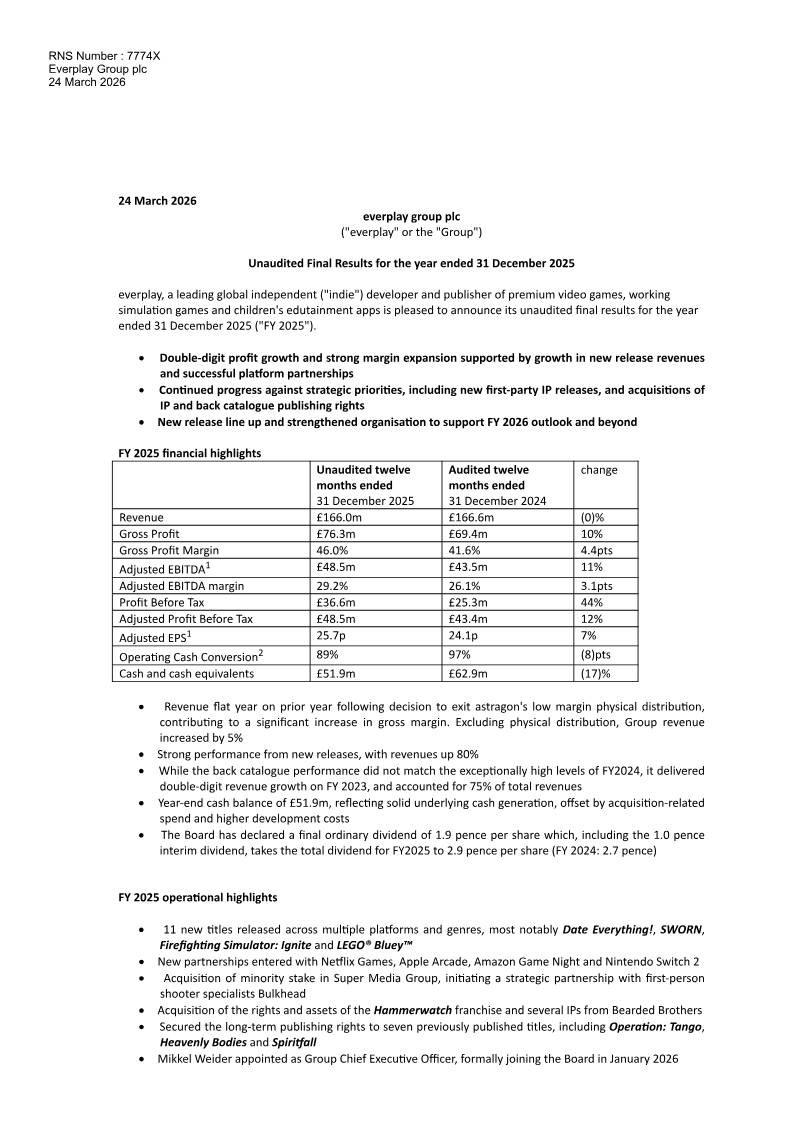
Everplay Group · 2026
8Bit · 2026
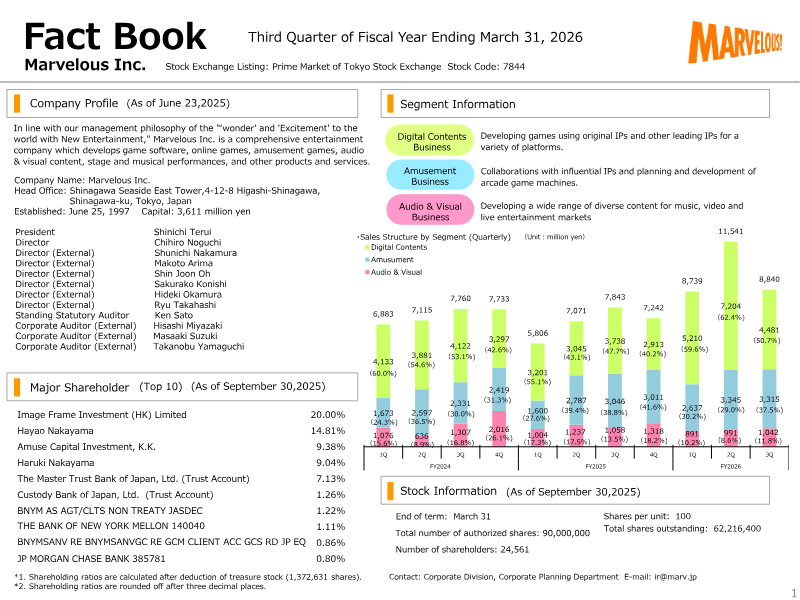
Marvelous · 2026
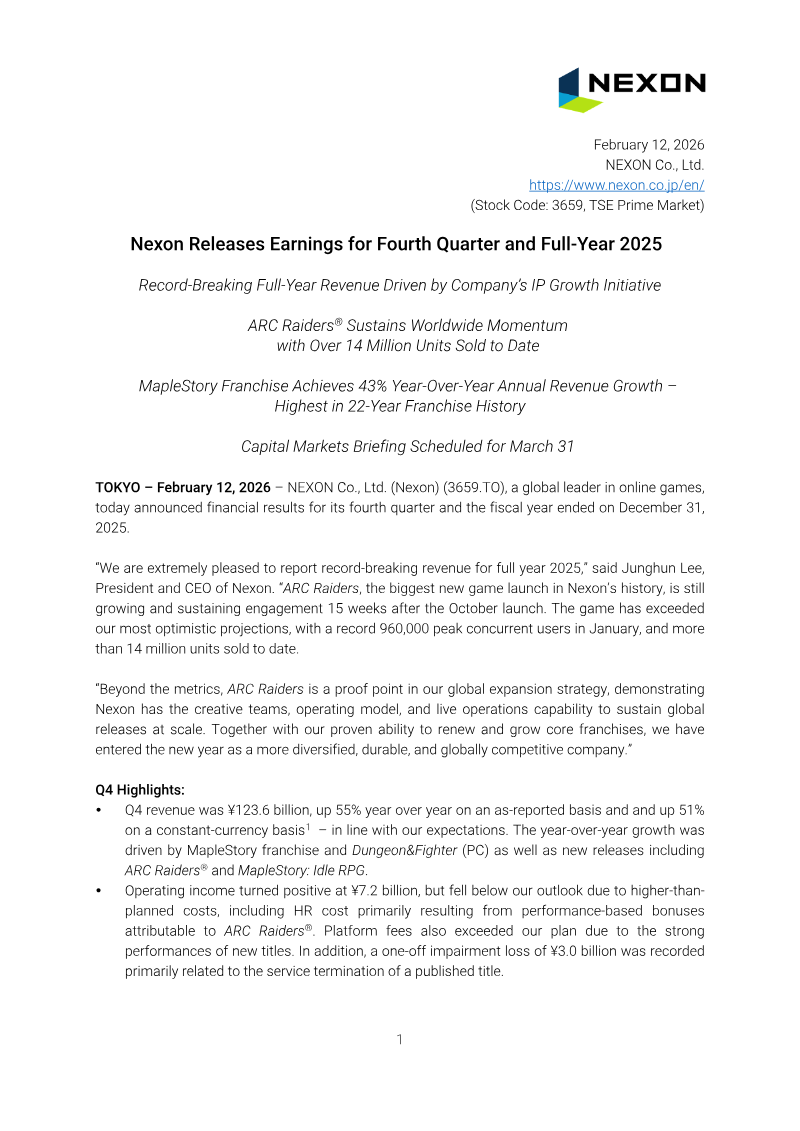
NEXON Co. · 2026
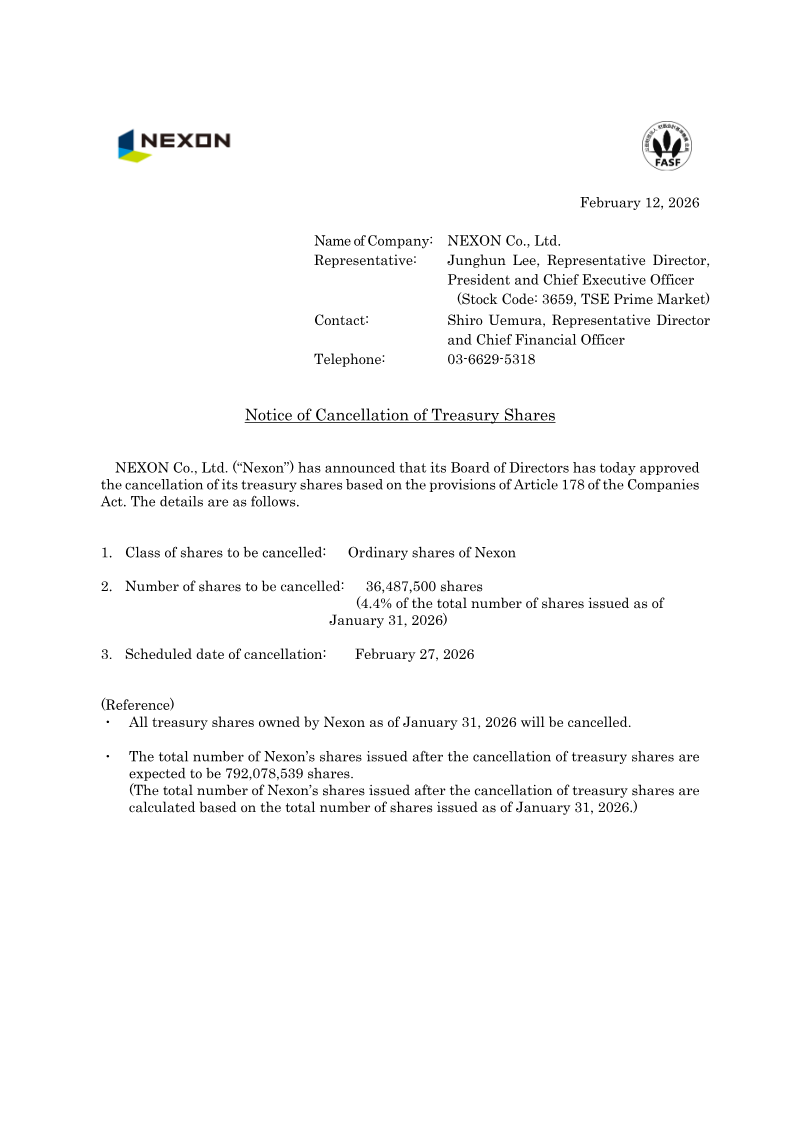
NEXON Co. · 2026
Kakao Games · 2026

Krafton · 2026
Naavik · 2026