Monetization reports and market data
Documents
Game Development Report 2023
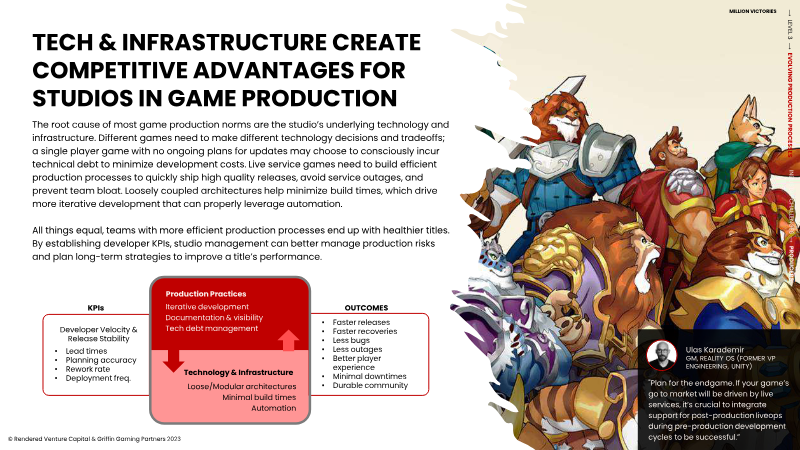
The global game development landscape is currently undergoing a fundamental transition driven by escalating project complexity and the widespread adoption of live service models.
- 95% of studios are now pursuing or planning live service strategies, creating a critical mismatch with traditional, non-iterative production pipelines.
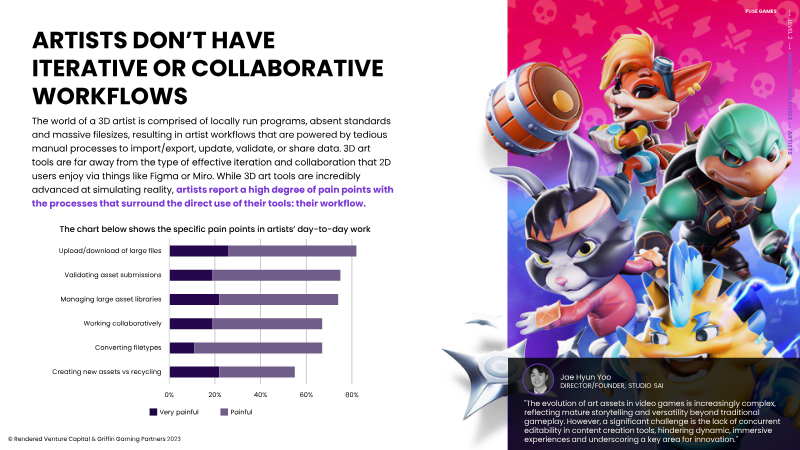
- 88% of developers are actively seeking new technological solutions to resolve systemic inefficiencies, specifically targeting long build times and fragmented 3D art pipelines.
- Rising development costs, driven by AAA quality demands and technical debt from custom middleware, are currently impacting 77% of studios.
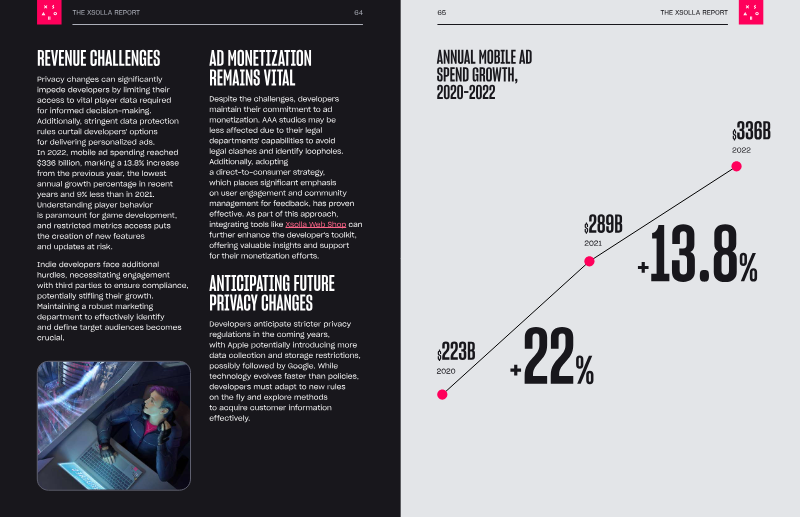
The Xsolla Report: The State of Play
The global gaming market is undergoing a structural transformation driven by multiplatform integration and the rapid evolution of financial technologies, with total revenues projected to reach $211.2 billion by 2025.
- The global gaming market is projected to reach $211.2 billion in revenue by 2025, driven by multiplatform integration and the adoption of real-time payment systems.
- Real-time payment systems like India’s UPI and Brazil’s PIX are expanding rapidly, with real-time payments expected to account for 28% of global electronic transactions by 2027.
- Generative AI is becoming a core development pillar, with over 50% of top studios expected to use the technology by 2024 to improve production efficiency by up to 30%.
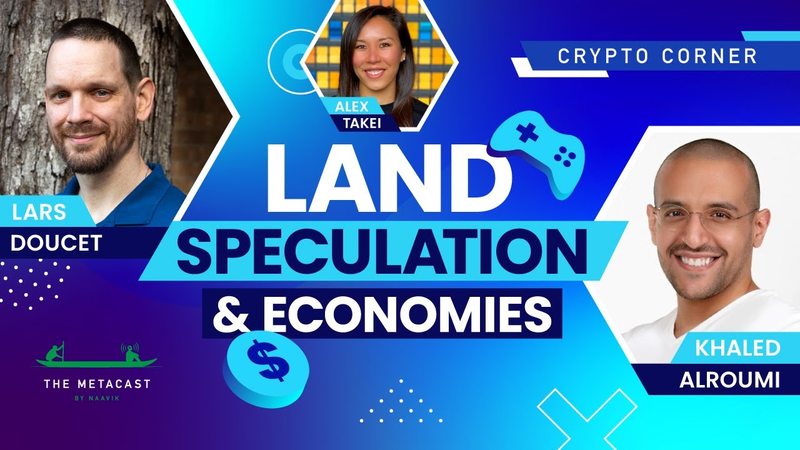
Land Speculation & Economies - The Metacast by Naavik
Virtual land economies within digital gaming environments function as complex systems defined by scarcity, production utility, and network positioning.
- Virtual land should be treated as a secondary thematic element rather than a mandatory progression requirement to prevent speculative bubbles that mirror real-world housing crises.
- Developers should avoid pre-selling land based on rigid scarcity, as these promises often trap studios into unsustainable financial models and limit future gameplay flexibility.
- Implementing dynamic economic mechanisms like short-term leasing, market-rate taxation, and Vickrey auctions helps facilitate price discovery while actively discouraging passive land squatting.
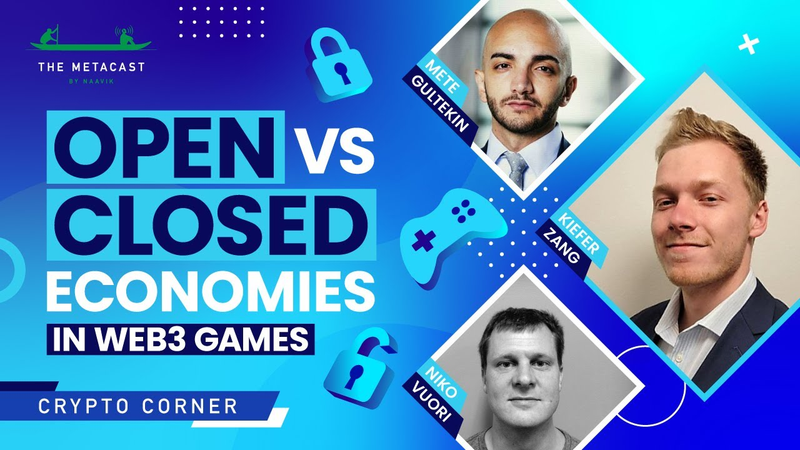
Open vs Closed Economies in Web3 Games - The Metacast by Naavik
Web3 gaming represents a fundamental shift from the closed, developer-controlled ecosystems of traditional gaming toward open economies where players retain ownership of fungible tokens and non-fungible assets.
- Web3 gaming economic stability requires developers to act as central banks, meticulously managing token inflows and outflows to prevent systemic instability.
- Sustainable models must prioritize core gameplay utility over speculative financial incentives to ensure player engagement remains high even if external market rewards fluctuate.
- Developers should shift away from unsustainable play-to-earn models toward systems that mirror traditional free-to-play spending motivations.

Why Most Indie Game Developers Don't Make Money
The independent game development landscape is characterized by extreme competitiveness and high failure rates, mirroring the volatility of the film and television industries.
- Profitability in the independent game industry is hindered by extreme market saturation, making success a combination of talent, persistence, networking, and significant luck.
- Strategic marketing is a mandatory pillar for visibility, requiring developers to prioritize Steam wishlists, media coverage, high-quality trailers, and playable demos.
- Developers should adopt a critical design framework by analyzing every game they play to identify three specific strengths, three weaknesses, and three actionable improvements.
Hyper-Casual Games Benchmark Report: Q4 2022
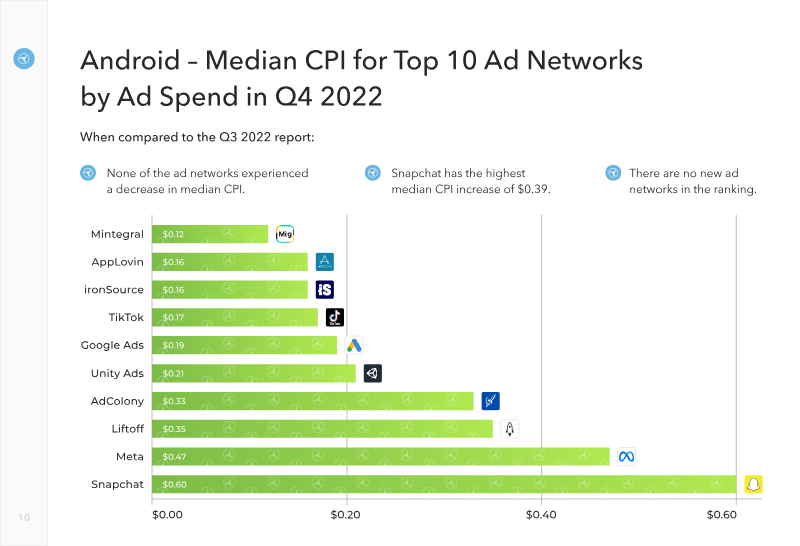
The Hyper-Casual Games Benchmark Report for Q4 2022 provides a comprehensive analysis of the mobile gaming landscape, focusing on key performance indicators including cost per install (CPI), ad spend distribution, and user retention.
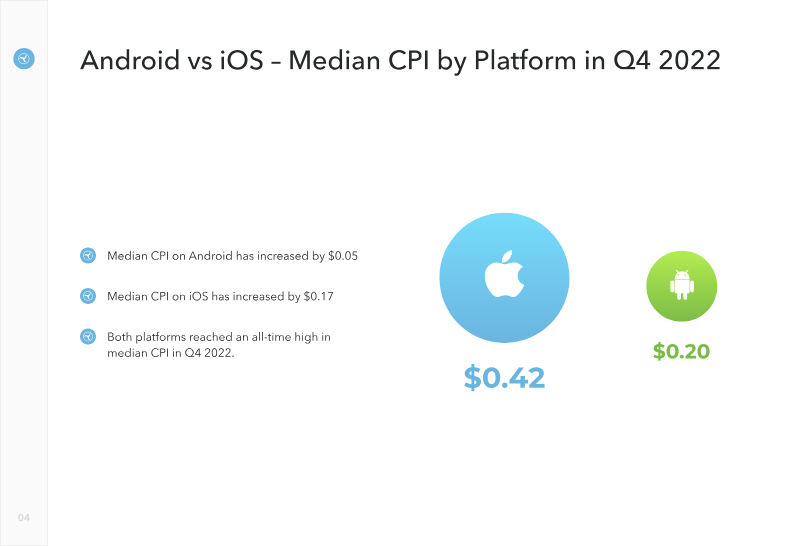
- Hyper-casual median CPI reached an all-time high of $0.42 in Q4 2022, with iOS experiencing a significant $0.17 increase compared to the previous quarter.
- iOS consistently outperformed Android in retention, with top-tier (top 2%) games achieving 45% Day 1 retention on iOS compared to 38% on Android.
- The United States recorded the highest iOS median CPI among top ad-spending countries at $0.80, while Brazil fell out of the top ten ranking.
F2P Games Q&A: Future of Games, RTS, Company Culture, and More (Joseph Kim, Eric Kress, Tim Morten)
This discussion features industry experts Joseph Kim, Eric Kress, and Tim Morten addressing business strategies, market trends, and organizational culture within the gaming industry.
- Product development must prioritize solving tangible consumer problems over speculative technology, as emerging platforms like VR, AR, and blockchain currently lack the mass-market utility required for widespread adoption.
- Startups should utilize a single 'North Star' metric at both the organizational and team levels to prevent the inefficiency of multitasking and ensure resources are focused on high-impact growth and retention initiatives.
- Modernizing the RTS genre requires balancing high-skill competitive depth with improved onboarding and social features to increase accessibility and player retention.
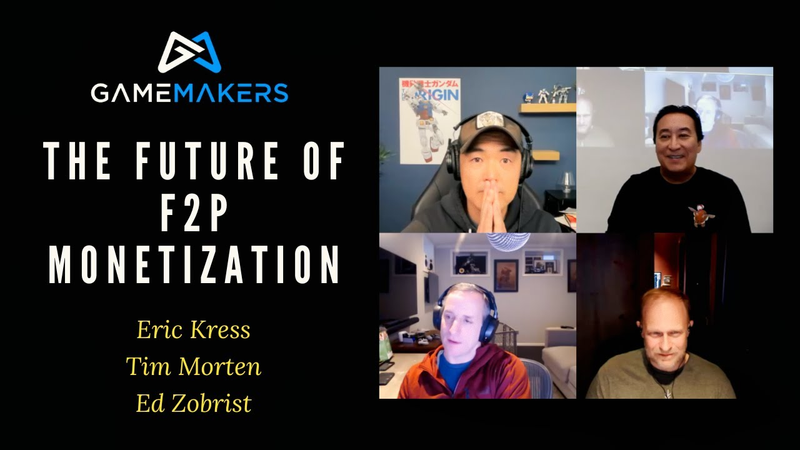
F2P Game Monetization: Good vs. Evil! | Eric Kress, Tim Morten, Ed Zobrist
Free-to-play monetization strategies are currently undergoing a significant transition, moving away from aggressive, predatory mechanics toward models that prioritize player trust and long-term engagement.
- The industry is shifting from predatory, whale-dependent monetization models toward sustainable, engagement-led strategies that prioritize long-term player retention.
- Developers are increasingly adopting cosmetic-driven economies and a la carte content options to avoid pay-to-win mechanics that alienate broader player bases.
- Monetization strategies must account for regional disparities, as Western markets show significantly lower tolerance for pay-to-win elements compared to Asian markets.
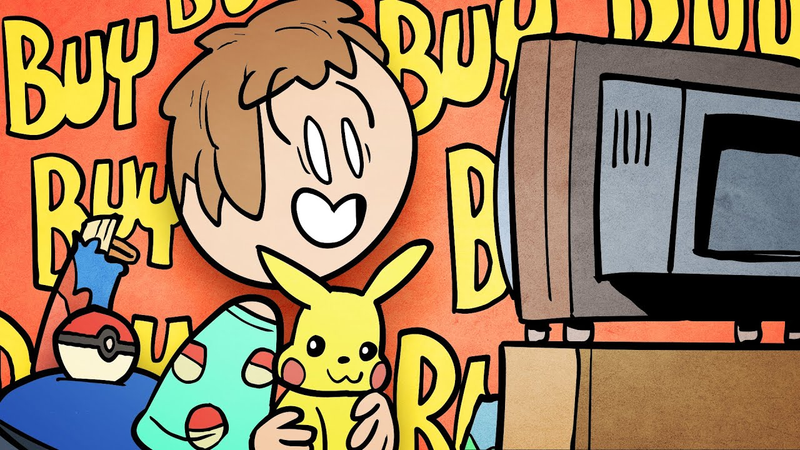
The Economics of Obsession
Modern media and gaming companies increasingly design products to foster consumer obsession, transforming entertainment into a continuous, high-retention engagement loop.
- Modern media and gaming companies intentionally design products to transform entertainment into a lifestyle commitment, ensuring long-term profitability through continuous, high-retention engagement loops.
- The industry utilizes rapid content updates and external media ecosystems—including esports, streaming, and patch notes—to keep users tethered to a franchise even when they are not actively playing.
- The strategy of 'engineered obsession' evolved from early fandom behaviors, such as Star Trek and Star Wars lore analysis, into a formalized corporate sales technique used to maximize market share.
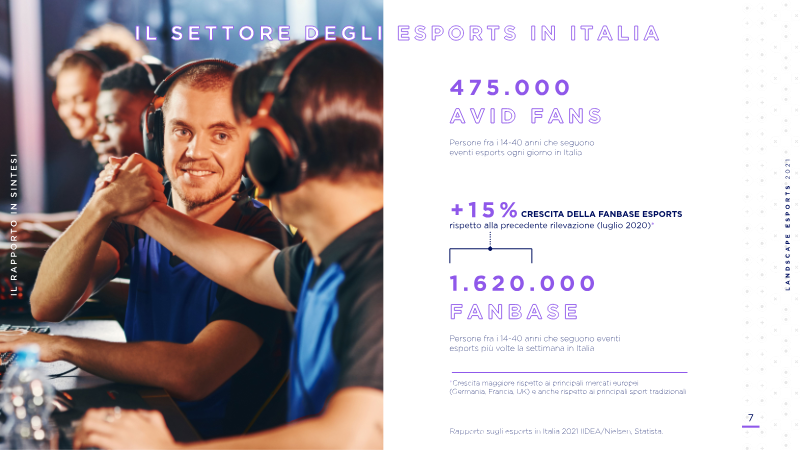

Landscape del Settore Esports in Italia 2021
The 2021 landscape report on the Italian esports sector provides a comprehensive economic analysis of the industry’s impact, growth trajectory, and operational structure.
- The Italian esports sector generated a total economic impact of 45 to 47 million euros in 2021.
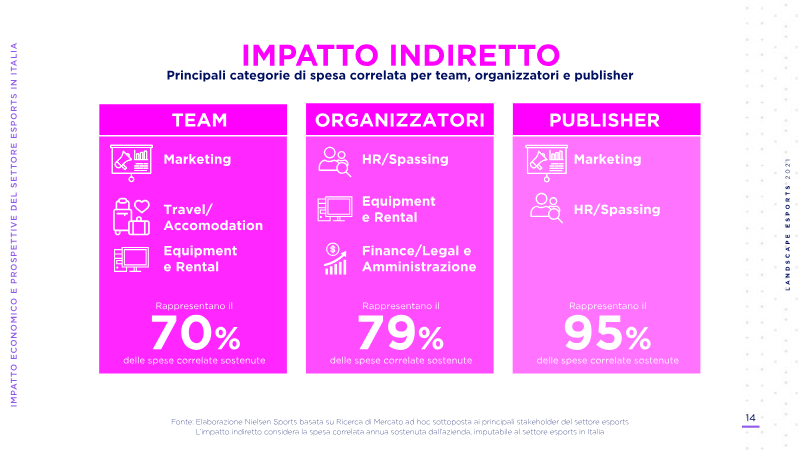
- Direct economic impact reached 30 to 31 million euros, with esports teams accounting for 65% of this total.
- Indirect economic impact exceeded 15 million euros, with publishers driving 80% of secondary expenditures.

Building the Web3 Marketing Stack - The Metacast by Naavik
Web3 marketing currently faces a significant infrastructure deficit, as the lack of mature, integrated tools prevents developers from accurately tracking user acquisition or calculating return on ad spend.
- Web3 marketing lacks integrated infrastructure, preventing accurate tracking of user acquisition and return on ad spend due to the inability to bridge off-chain mobile data with on-chain wallet activity.
- The industry is shifting away from ineffective paid acquisition toward free-to-play onboarding models that introduce digital asset ownership only after initial user engagement is established.
- Since 2022, approximately 80 growth-tech companies have emerged to address the infrastructure deficit by developing quest-based systems and affinity-based targeting tools.
Earnings Analysis: Nintendo, Krafton, Unity, AppLovin & Roblox - The Metacast by Naavik
The global gaming industry is currently navigating a significant market correction, characterized by a 4% year-over-year revenue decline as forecasted by Newzoo.
- Unity is prioritizing profitability over revenue growth to combat market pressure, following a 50% stock surge driven by hopes for improved execution and the integration of ironSource.
- Roblox reported higher-than-expected losses in Q3 due to increased operating costs, specifically the hiring of approximately 600 new employees over the past year.
- Krafton faces significant revenue headwinds due to the ban of Battlegrounds Mobile India and a reliance on the Chinese market, which accounted for 55% of its H1 2022 revenue.