1 free read left. Create a free account for unlimited reading + AI research.
Create free account
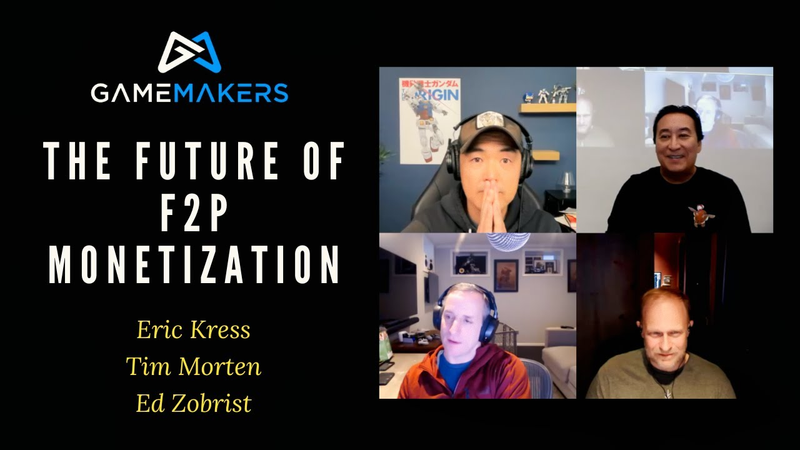
F2P Game Monetization: Good vs. Evil! | Eric Kress, Tim Morten, Ed Zobrist
Key insights
6 takeaways- 01Developers are increasingly adopting cosmetic-driven economies and a la carte content options to avoid pay-to-win mechanics that alienate broader player bases.
- 02Global privacy regulations and evolving player sentiment are forcing a transition toward front-end monetization, reducing reliance on volatile, high-spending cohorts.
- 03Sustainable profitability is now viewed as being inextricably linked to the quality of the player experience and the cultivation of community trust.
- 04Monetization strategies must account for regional disparities, as Western markets show significantly lower tolerance for pay-to-win elements compared to Asian markets.
- 05The industry is shifting from predatory, whale-dependent monetization models toward sustainable, engagement-led strategies that prioritize long-term player retention.
- 06Future growth is expected to favor subscription-based frameworks and transparent, non-advantageous spending models over the compulsive, back-end optimization tactics of the previous decade.
Ask AI about this video
Transcript
foreign and we are live with USC's advanced games business class taught by Ed zobrist we have a super interesting panel today to talk about the future of free to play game monetization and joining us today we have three really great speakers first we have games industry investment analyst and deconstructor of fun this week in games podcast host Eric Cress Eric is a principal at gossamer Consulting also Eric worked at EA and Kabam and we'll be representing the perspective of someone with experience coming from whale-based game monetization so this would include monetization schemes that many traditional Western players would potentially consider predatory next we have Tim Morton probably best known for his work on Starcraft 2 at blizzard but who's also worked at Electronic Arts
Santa Monica Studios amongst other game companies Tim is currently production director and CEO at Frost giant working on a new free-to-play RTS game called stormgate which some have likened to be the spiritual successor to Starcraft and stormgate will need to navigate free to play monetization for an audience who may be unaccustomed to free to play monetization practices and particularly things like gotcha loot boxes and pay to win mechanics I don't know if you do that Tim but we can get into that and finally our third speaker is Ed zobras who not only teaches this USC class but was formerly ahead of publishing at epic games where he let all of the IP Integrations for fortnite while he was there uh Ed has also had a very distinguished game industry career working at other game companies including Rocky Sierra online vivendi Universal and Mattel and um since Ed worked on games like
fortnite which have friendlier monetization it'd be great to also get your perspective on these kind of monetization practices and finally I am just Kim your moderator I produce a game makers podcast I'm also the CEO of Leela games and we are a free to play game studios working on a shooter game and currently like Tim we are in the process of Designing our monetization strategy and just to provide a little bit of additional context I also have a long history in gaming but from uh more of the the free to play the the kind of predatory free-to-play monetization uh context so I have worked on a game called King of Avalon billion dollar life of product game in 4X and 4x for some of you who don't know generally seen uh generally perceived to have some of the most aggressive and you know what may be called predatory monetization in the games industry now I'm not I don't ever want to do that again so I'm not
doing that but I I could potentially provide some perspective from that kind of a background as well and all right so before diving into our discussion for any of our speakers here today anything else you want to add in terms of intros or any contacts that I may have missed for our audience yeah I want to add just one bit we actually have a fifth participant which is my class so I'm going to show you guys what that's like yeah what's up USC congrats on football coming back yes we lost last week right oh yeah that's true and I and you know I also want to start with a little shout out to the other two guests who for whom it's the first time I've met Tim and Eric even virtually but you know Tim I followed you for a long time for your critical blizzard um he uh just just amazing and also amazing was your last podcast I'm gonna give a shout out for those who want to look at a really interesting podcast Tim did one last week with novik which I
consider to be my favorite podcast of the year because it was so insightful so thank you Tim and Mr Cress I'm a huge fan been lurking on deconstructor fund for several years um man not only you're bright I just have to admire how the courage to be as bluntly outspoken as you you are because so people are so hesitant in the industry and I just think it's it really helps us a lot 98 of the time I agree with you Eric two percent of the time not so much maybe this meeting will have some of that two percent because that those tend to be the most interesting podcasts you'll view it you made it back 98 is still an A plus right so I'm good at USC so I I really do enjoy doing the deconstructor of fun podcast I think it gives me an opportunity to voice some of the real what really is going on behind the scenes with some of these Acquisitions some of the business practices you know Apple's malfeasance
like all these things that are happening that people don't talk about because they're afraid of getting fired or getting blacklisted but I don't really care because I'm old and I do my own thing so um but I'm always I'm 51 right order retiring soon so I can be as Brazen as I want all right well guys let's kick this off and I thought we could tee up further discussion by just getting in on the ground real world scenario of developing a free-to-play monetization strategy and also in addition just getting an understanding of player reaction to free to play monetization and I know Tim I mentioned during your intro that Frost giant recently announced stormgate which you know for someone like me was amazingly great news I'm a super RTS fan but I was a little bit surprised when I went to see the game trailer I checked out some of the Twitter and other comments from various places I noticed some and to be clear not all but there
are some negative comments from players when they realized that stormgate would be free to play I mean I don't think you even mentioned anything else about the monetization strategy just like it's free to play and then there was all this hand drinking right so my question for you is first of all you know why did you decide on a free to play model and understood you know there was a free-to-play model before with Starcraft and things like that but um you know just just kind of your thoughts in terms of how you're currently thinking about the monetization strategy for stormgate absolutely um and I'll be up front that I was originally somewhat negative on free to play as a business model early on I think you know I was at Electronic Arts working on a command and Conquer SQL and we got hard pivoted to free to play Team didn't want to do it but we we got hard pivoted to free to play and so I had to spend some time out there
playing free to play games to really understand what I felt was good uh and what wasn't good and and I'll say that audience was um when they you know found out that we were going free to play with that game also fairly negative about it and I I believe that some of this derives from frustration mechanics like uh grind mechanics um some of it you know you use the word predatory earlier but you know there there are some monetization practices um in Mobile free to play that for core Gamers just don't feel good when we're used to being able to get everything for a fixed amount of money um but it was so fascinating for me then years later having gone through that initial learning process and thought exercise of how to adapt to core game to free to play being at blizzard working on Starcraft 2 where the audience was actually asking for free to play
um and the reason they were asking was that they loved that game uh and they wanted to see a bigger audience for the game and one of the clear barriers to entry was this perception that you had to spend not just on the base game but also the latest expansions to catch up to where the game was and that that cost of Entry was such a high barrier um Starcraft 2's and esport and so we even had Partners on the Esports side saying to us hey man look at the top 10 free-to-play games most of them are top 10 free to play top 10 esport games most of them are free to play um that was thought provoking to us um especially that the audience themselves were asking for this and so we went through a process of thinking about all right let's forget about how free to play has been approached on the mobile side let's try to think about what actually feels good for players but
still works from a cash flow perspective to make the team be able to keep working on the game because of course nobody wins if we just give everything away and you know there's no ongoing Revenue to sport development um so anyhow I you know I just I wanted to bring up those two experiences because they were really formative for me having gone through one audience that was very resistant and then and another audience that was actually asking for free to play and I could obviously go much deeper on decisions we made and how all of that went but um you know I think a lot of it starts from what are the preconceptions that we have about the business model okay and have you have you figured out exactly what that free to play monetization model looks like right now are you guys still working on that for stormgate we're very much uh drawing on the learnings from Starcraft 2. we did get a positive response to decisions that we made on Starcraft to
avoiding grind mechanics avoiding pay to win trying to stay very focused on giving players an opportunity to try each type of content and if they like that content giving them the option to a la carte by more of that content type that's kind of the philosophy behind it so where before you're forced to spend 50 60 70 and you're not necessarily going to consume all that content now we are a la carting it but we're providing an opportunity for you to go deeper on the type of content that you enjoy spending got it and before kicking over to Eric and Ed maybe I can also like dive a little deeper into I think that the bigger the more the the word that's that's even worse than free to play for a lot of players is p to win so could you in your in your definition what does pay to win mean if any benefit from a game balance
perspective is conferred to a player by nature of how much they've spent there's a perception that that's pay to win so if it's buying a more powerful unit or buying powers for a unit uh buying gold ammo is something that some games do just anything that confers a benefit on the basis of money I think it's accepted that you can have Cosmetics that don't impact game balance you can accelerate progress through a game like that there are all kinds of things that are not considered pay to win but anything that affects game balance is right and so Eric or Ed either of you guys maybe you can jump in both Tim and my studio as well where as we're trying to develop our free to play monetization strategies how would you guys react or what advice would you give about how we should be thinking about a free-to-play monetization strategy and maybe even this pay to win is issue in particular you want me to go first there go for it I'll go first
um I think a lot of this depends on who you are the way I perceive it is there's a spectrum of games that are successful now I'm not making value judgments about ones that tend to be more on the predatory side they're struggling they're trying to minimize their risk they're going after tried true models so they have their own business model if they want to follow that they can follow that I'm just saying at the other end there are there are there are some companies that are not as risk-averse that will will be less predatory more friendly in the models and it's not just monetization you're right it could be in in other ways in terms of they tend to be cosmetic driven it's 10.0 they tend not to be grind mechanics where you're paying to get over a bunch of grind which you otherwise would have needed to have done it also made you tend not to have really high prices because you're not you're not as well driven um you tend not to have a lot of RNG a lot of Randomness going on so that just spread out straight up fair and how it goes but on my only point is I just think there's a spectrum of companies that is according to that company's
profile they're choosing where on that spectrum they want to insert themselves and participate and they can they can all work but I think the smaller companies that are that are that are that don't have the risk profile or the balance sheet it's a little more dangerous to go after these less you know these uh these these more friendly mechanics I laid out it's more it's more easily fit into a spreadsheet you can show your investors when you do something that's far more on the geared towards optimizing like an LTV yeah I I I'm gonna do this as quickly as possible this is a very complex topic so covering it in like a quick like couple minutes is not really doing its service but I will try my best so historically mobile has really delved into the free to play market and so most of those monetization methods are very predatory very very high LTB focusing on whale driven economies and that has been translated over to console and PC you know as of late now there are other exceptions to this league Legends and others but most of the early successes
on Console have been predatory in nature so FIFA Madden NBA 2K are all pay to win or pay to progress is the other way of expressing it as well where you're getting Advantage by spending money um building your best team possible Right for thousands of dollars right on FIFA for instance um so until fortnite came along and the battle pass system started coming out that is less predatory um and probably not predatory as much but it's predatory in different ways I would argue um but that's that is also a debate that's gone on for a while um you know I have children that are 11 that spend all this crazy money on skins like a banana like is that really worth thirty dollars right or you're just basically trying to keep up with your friends right keep up with the Joneses type thing is that predatory I don't know you decide right but it's certainly not pay to win um so anyway so it's been evolving since then and and and the next generation of console and PC games are trying to
figure out success in free to play and we're seeing successes along the way GTA is a cosmetic economy and so is same is similar to fortnite but in a different execution um Tim Moore Tim is actually trying something that hasn't really had success success yet where it's more paid to play free to try and then pay to continue to play you know whatever thing that you want to do I there haven't been as many success stories and I'd like to ask that's my first question to Tim is like what are you modeling it after um any games that are out there that I'm not thinking about um but that's how things are evolving um but the last thing I'll say before I go it to put it in perspective when you talk about pay to win it's basically every game out there on mobile basically except for some of the Cosmetic stuff like Call of Duty et cetera but that's like almost 90 probably 95 percent of the revenue generated from the App Store is probably from pay to win or pay to progress type economy so that is the model that has been proven to work with uh you know driving whales to spend
insane amounts of money and that's across every genre including puzzle for that matter Social Casino strategy uh RPG all the genres are primarily paid to win pay to progress so yeah yeah so one of the things you brought up there was just the um the question of what I'm basing or thinking on for stormgate and so I I had this experience in 2017 of of pivoting Starcraft 2 from kind of traditional premium model to free to play and when we did that we designed it in such a way that we were trying to protect um Revenue so you know we were trying not to incur a big hit to the tail Revenue that we were seeing for that game and it's kind of an interesting scenario maybe akin to MMOs that changed their business model late in the life cycle in that the player base you've got at that point is highly engaged um
so you know they're kind of your most committed players and you can um count on them to continue to invest because this game is like their primary hobby so if you're giving them some more content even if it's micro content like there's a reasonable expectation they're going to buy it so we're we're trying to maintain Revenue but what we were hoping to see was a significant increase in player counts and you know our lots of ways to measure that whether it's concurrency monthly actives um but you know I think Maus monthly actives were the most common metric that we use there but we saw a massive increase in transitioning from premium model to free to play and it really supported that hypothesis that again came to us from the community that if the game were free a lot more people would come play it um we did see a slight drop in Revenue in as much as there was some content that before we had charged for like
namely the first campaign that we decided to just completely give away as an incentive to bring players into the game um so we kind of knew that going in that we'd see a little bit of a dip from that but because of more people coming through the funnel we had other micro content including campaign content for them to attach to um and so you know there was some at least initial lifts when we went free to play based on that uh all of this to say I have the benefit of seeing how that audience reacted um to that transition for Starcraft going free to play and so for stormgate um you know we're basing our thinking on that I think there are opportunities to do better in terms of providing more content more variety of content or regular content but the basic model was validated from from that initial experience okay and maybe the the topic that we can go into a little bit more deeply is this notion of what is predatory monetization
and so kind of like one way that that I think about it is like to your point Eric if 95 of monetization in free to play is pay to win I would say the non-pay to win stuff would be as you mentioned Cosmetics or content locking to some degree or content unlocking if you pay but um you know when we say 95 I think it's just mobile it's not true oh yeah that's true mobile mobile yeah so overall and yeah I think you could probably yeah um some of the fortnite numbers were publicly Fortnight numbers those League numbers four day numbers of League numbers they they Bosh a lot of these mobile that's true that's true yeah League of Legends is is is Pay to Win by some measures right in terms of access to new characters you can earn those Champions over time you could yeah I mean I I think there's you can make some argument in terms of like rooms and stuff like that but I I think that you can still grind for that stuff right so I'll capitulate I'll capitulate
that Riot does a good job in terms of balancing that stuff out so yeah and that's but that's PC right that's not even console that's currently PC yeah by the way I mean fortnite was the number one mobile game for many many weeks when when it came out and you know it it was never outside the top ten before it left the store so it was monetarily certainly in the running with all the other mobile games but it's it's my it's mice nuts and mobile though like it's tiny like the top 10 Shooters yeah Shooters are tiny and mobile they're like five percent of the market it was a top ten of all games in Mobile but again it's written relative to mobile the shooter genre is a tiny tiny tiny tiny tiny right comparable to puzzle compared to clash fortnite was a top 10 game of all categories I'm saying the category itself on a yearly basis is less than five percent of the overall mobile game Market in the west right and less in
Asia as well so what I'm saying is that market represents a very tiny sliver of the overall Market for games despite fortnite's success during its payday right it's just a very small genre so it's not indicative of what what what makes money on mobile nor is it indicative of what is well it could be indicative of what's to come but it's certainly not indicative of what is making money on mobile and what would you consider what you're the ones that are making the money on mobile it's there's only three genres that make money on mobile at scale that's basically what are the games well Candy Crush fortnite was in what part I was within striking this is the Candy Crush they're all in the top five uh well the numbers are not suggesting what you're suggesting so anyway but the puzzles go look it up Eric I'll go I have it I'm looking right here now I'll tell you as a percentage it's it's very small five percent I'm talking about the rankings if you're talking about how it ranked among other it doesn't matter rankings don't matter it's all about Revenue yeah but companies are going to make their decisions on basis of game so that
could make decisions based on the account but but that's but see this is the danger the fallacy of of of of making games in this market particularly in in and this is what I fight all the time working at Warner working at fun plus working at uh command is that people are designing games that they want to make but not the games that actually really make money on mobile and no offense to Joseph Kim or my co-host um Mishka is like building a by a shooting game on mobile right now it is gonna be a really really really hard struggle to get any type of market share because it's dominated by two or three games that take up you know night what 80 or 90 of the market which is very small to begin with so the understanding that Dynamic and what what the market opportunity your total adjustable Market is is critical in in the success of building games for the market now I know Joseph is trying to innovate and do something new with the shooter genre which and I am actually 100 supportive of building more casual games but
um the shooter genre in general is pretty impacted yeah I don't disagree that it's not a super hard problem I I agree with that for sure but maybe in terms of like and it'd be interesting to get you know Tim and Edgar your perspective on you know Eric and I coming from more of the the more pay to win type of you know type of environment what would you guys consider predatory from like a pay-to-win perspective and and maybe like the one way that I kind of think about it is really from the perspective of like the relative conversion of your audience and the rppu and usually what happens is when you have games that don't that only convert a small amount of your audience then you have to convert them at higher our people meaning average revenue per paying user so like if the players are having if if the players that actually do spend because there's such a small percentage if they're having to spend thousands of dollars for for your game to be successful and then the the mechanics that you introduce into the
game are generally the kind of mechanics that you know are very compulsive in nature that might may be very frustrating and grindy and things things like that and So like um I don't know how you guys think about it but Are there specific mechanics or do you look at like certain certain metrics or kpis to indicate whether a game is predatory or not or would you guys just consider anything in which you're getting an advantage in a game to not be a good form of free-to-play monetization yeah I guess from my side um anything that confers a gameplay Advantage I believe will be perceived by the audience as pedo in and ultimately it's their perception that that matters um you know certainly there are games out there and I'll I'll call out Diablo Immortal as an example um you know that have a reputation as you know not being ideal from a
monetization perspective but that are still seemingly financially succeeding so you know I think there's a decision for all of us to make definitely the frost giant decision is that we do not want to be pay to win and we don't want to have a business model that's perceived as exploiting consumers like we want to be as player friendly as we possibly can but I mean other companies out there are making money making different decisions I guess so it's worth calling that out at least sure I'm bypowers the obvious one I think there's a lot of nuance around loot boxes I mean is it taking advantage or exploiting Addictive Behavior Uh for how they're doing it um that's another one that I think sort of on the Spectrum depends on the kind of company you are and what sort of values you've adopted at Epic that's a place where epic won't go but obviously a lot of other companies go there and I think you know FIFA does it very well yeah maybe the one other thing we could
talk about are also you know this potential difference between because it seems like we are taking kind of a western perspective when we when we talk about the aggressiveness of monetization but um to some degree and you know some of you know I spent time in China working and developing a game in China and to some degree uh some of the Asian audience almost expects like if I'm paying why why am I not getting an advantage right or um and things like that so from uh do you guys consider geography or even demographics because it also seems like like the younger generation gen Z might be um although I I would say a lot of gen gen Z people that I talk to also talk about like an aversion to pay to win but at the same time like the willingness to spend in free-to-play types of games you know I think my my eight-year-old daughter has spent like you know 250 dollars in adopt me on Roblox already but you know like um what do you guys think about differences with respect to geography or
demographics or audience and things like that um I'll take a crack at this one really quickly um well according to this sensor Tower worldwide it was one percent 1.9 of the overall Market was fortnite in 2018 for mobile and what year 2018. 2016. well if you look you can confirm it on your sources I'm telling you I've been doing this looking at this stuff telling you since the tower is wrong I'm telling you that because of the Apple because the Apple Google applicable losses created it slows a lot of information go look it up Eric no Apples to Apples anyway I'm talking about real numbers versus sets the tower guessing what they are well they guess for everything um what were these are real numbers though again it's small in the overall scheme of things um okay predatory okay so the difference between Western markets and Asian markets is actually the conversion rate so in in the U.S market the rule of thumb is you get in in this is mobile only right there's fortnite is
completely different as is Riot they actually have conversion rates and like in the teens it may be higher depending on how you cut it right but in the west uh mobile gets around three to four percent max in terms of overall conversion right of that three to four percent the top five percent can represent as high as 60 to 70 percent of the revenue so a fraction of the percent of people that are playing your game or downloading your game make 60 to 70 of that of the revenue and because of that for the last like eight years we've been doing UA optimization monetization optimization to go after those whales right to basically Target them with the deepest monetary spend possible which creates this predatory type um uh of design in all games that are out on mobile right no matter what game it is really even puzzle games they're a little bit better they they they they open up it a little bit in terms of monetization in terms of conversion the difference is that in Japan and Korea
and China to lesser degree but Japan and Korea specifically the conversion rates are much higher they can like approach like 10 maybe 12 to Joseph you can probably correct me if I'm yeah off a little bit and on top of that these guys spend insane amounts of money they have no issue with spending money on Pay to Win right and and so like it's a it's like a it's like a double whammy there and so they spend insane like like drunken Sailors on these games and it's like culturally acceptable relative to what it's like in the west so it's a completely different Market those designs sometimes work sometimes don't work in the west people have used a lot of those designs in the west and tried to like like gotcha and other mechanics um but because the conversion rates are so low in the west we it it's still focused on a very small percentage of the overall audience um so that's the kind of dynamic we've been solving for for the last eight years and having said that and we'll probably talk about this later because of changes with the privacy laws that Apple's done and what Google might have done actually
landscape may change and it may actually create the need to create more uh player friendly and less uh um predatory type monetization practices because you can't Target those whales the way you have in the past so I'll leave it at that but that's the kind of way I I look at it and if you look at those numbers the way that the way people monetize in the west you have to design them in that particular way to be successful on the for them for most games or most genres yeah I think you're mentioning an important Point Eric in terms of like the ability to Target whales at least before was there now that we can't and I think on top of that if we were to add in for example the current macro economy right like we're in a recession I'm not sure I mean you know Wells the the super rich are going to continue to spend but there are certainly some players who won't be able to spend as much and so I I would say on the PC side you know that you know fixed price games represent a
massive you know uh deal in terms of entertainment so uh I I agree with you that I I think monetization Behavior will will favor games with um to to the model that I spoke about before lower rppu higher conversion rather than the low conversion higher our poo poo um but you know maybe one question I can ask you Tim is like talking about audiences and you know whether it's demographic or Geographic or whatever I mean your game comes with like almost an audience built in you know in RTS audience and so when you think about monetization like if you were to build a different game would that have changed your monetization strategy or is it based upon um is some of your monetization strategy today based upon the fact that you've got like an existing audience that's going to be looking for your game good question I I would say there's a core philosophy
um on our side that [Music] um the most important thing is player happiness and so if we're building something uh that they enjoy that has long-term uh reward for them just in terms of you know they're getting better at the game it's a social experience it's it's bringing them Joy like it's sort of like the old you know when Facebook was first building scale that um I I think when you have an audience you can figure out how to make the business work um but the most important first thing is getting that audience um so you're right we do have a built-in audience um I I think the standards for Success have changed since 10 years ago um well longer than 10 years now since Starcraft 2 came out um so we we really do need to reach more than just the core audience but we absolutely fervently believe that the most important audience
for us to win over is that core audience because they'll be the evangelists that kind of make or break our success and so if we do something that they don't like we're dead um so you're right we're very much thinking about how will our current audience react how will the current RTS audience react um to the monetization techniques that we employ but we are also thinking about um you know all of those things about lowering the barrier to entry bringing more people in how do we improve the retention of those new players um there are a lot of Dynamics for us to think about along those lines I I was going to go back to something you said earlier though Joe about um other markets or perhaps even other age demographics having an expectation of being able to pay to win uh I thought that was a thought provoking question I I think for us because we're coming from a place that was traditionally premium and they didn't
have the ability to pay to win um and yet you know China was one of the biggest markets uh certainly for Starcraft 2 but also Warcraft 3 even before um the Remake there was just a huge population of players in China so so I want to believe that that's not a requirement like that we don't have to provide pay to win but but I don't know I would turn that question on you and and uh the others do you think that is true do you think there are markets where you there's a baseline expectation that you have to be paid to win or else they'll reject your game I would say a little differently too I think there are certain markets that I think Korea and China are two of them where they're just more accepting of it it's not a requirement of it but they're more accepting to the idea than I think Western audiences are yeah maybe maybe one of the other bit of context that I could provide this is just my theory but I do have a theory around monetization in in Asian cultures and China in particular right because I think in the west and this has to do more with like a
peacocking effect meaning that in the west a lot of people I think there's a latent human desire to kind of show off right and so in the west it's like hey look at my car look at my house let me invite you over to my to my house and show show off right but in China like people are generally at work and so like the the thing that you show off is not your house not your car but it's your phone right because you're at work you're hanging out with people look at my latest iPad or iPhone and then also within the game itself I think some of these Chinese companies have provided ways that you can peacock within the game itself and so you know one of the first times I was in China my friend was showing me this game and he's showing me this game where he I'm not sure how real it was but he said that there was a ten thousand dollar building that you could buy but and then there were all these people I think it was via through an integration with WeChat or whatever he was getting messages from like all these girls because you can kind of show off what you've bought in a game and things like that
right so I think that there's also this effect of not just pay to win but like paid to Peacock paid to be able to show off that you know I'm I'm a rich guy I'm important things like that so I I think that at least in my theory is another Dynamic which probably doesn't exist in the west but sort of exists potentially in China but but it does exist in fortnite right isn't that the only purpose of fortnite is to Peacock right to show off all your skins to your friends and and to show you how much collection is done is that the basis of Cosmetics yeah or or GTA I mean GTA is the worst right you know how many cars can I own how many boats can I own how many pokers can I ask you what's my harem look like yeah I'm I'm exaggerating but like yeah that's all peacocking for friends that you play online with right um and then for Games like World of Warcraft right it's about achieve achieving those things in the the game right it's not about buying them I mean you can buy some things you can buy some
mounts that give you the peacock thing but actually well the warcraft's done a really well depending on who you talk to right if you're Activision you think they've done a terrible job of monsters is monetizing role to work out if you're a world of workout player you think they've been you know pretty good about it so anyway that's I think those games have shown that peacocking is alive and well particularly with that demo I think it's also a function of is it multiplayer not is it social not the more social is the more you'd expect that kind of behavior yeah less social you don't really care yeah I mean but if we you know we talk about we're not going to get into the metaverse stuff but when we start talking about those type of designs you know where you're going to be able to share different items and stuff like that the the that kind of thing collecting becomes even more and more likely to be more and more prevalent in these games so as they design it as we move forward all right well um Ed I know we're running a little long here so maybe I could ask one last question here because
if we want to be able to open it up to q a for the audience but in terms of like I I wanted to ask a question around the the way that you should be thinking about the business implications of your free to play model and make I don't know if if Eric you want to weigh in on this but like when it comes to specific metrics or you know how you think about the business implications of the free-to-play model you know how do you think about it are you looking for specific and you know you you mentioned conversion rates and things like that for uh Chinese games but are what what do you look for or how would you how would you define success for a free-to-play monetization model based upon how you're thinking about the business I mean I I don't think the metrics necessarily change it's just a question of how they kind of interact with each other so the three metrics that we always think about is retention you know day seven day Thirty or day one day seven day Thirty right how long do they stick around um how much they spend you know
per day or for seven day for 30 day or uh whatever um and sorry whether they convert and then how much they spend right and so if you're building a game that has less monetization or less egregious monetization you're gonna need that conversion to go up like dramatically right in order to be full um or in the case of something like fortnite or um Call of Duty you're just gonna need it really really big audience you know that uh that can spend it you get better conversion but you also Drive Revenue by having Drive Revenue with lower spend by having a ton of people right so you know those are always the metrics that you're looking at it's just a question of how they interact with one another right um to get away from the three percent you know 60 70 of the top one percent you know that spend you know that so I guess that's that those are the metrics that you're always looking at any thoughts sir
this is this is largely a business model which if you if you move one lever in one part of the model you need to move another level in another part of the model to make it work and there's a lot of different levers going on that's what I'm saying I think it's just a huge Spectrum out there as far as to what degree certain companies are more or less player friendly of which monetization is one aspect of of being player friendly I think that in fact that one of the reasons that that made me think about this particular uh podcast was you can't it's hard to judge player satisfaction with the how player friendly say a publisher is being other than maybe a version of retention uh being a way that that's expressed and I think that you know some of these games like we talk about leagues like before we talk about um Pokemon go and you know I'm not representing epic or representing fortnite in a sense but but my sense is having been around some of those games is that the audience sort of recognizes that they're not being
manipulated that they're not being being preyed upon for it and they react a little more kindly to their participation in the game than other games they're so clearly being um uh leveraged for money constantly a friend of mine once said it's not like at one point at some point the players eventually see the Matrix and they drop off and they realize how they manipulated by the companies that's a great comment it kind of goes back to something Joe said earlier about um you know styles of games that can get more players spending than the traditional kind of whale based thinking um and I think you know going back to my limited experience on this stuff from the real-time strategy side of the world that's such an Engaged audience indeed the behavior that we saw is that more of them are willing to spend and that we didn't have to engineer something that was as well based as mobile economies and I wonder how much of what Ed just
described that you know kind of transparently we were trying to create a friendlier environment encourage that it feels like there's room to explore and perhaps innovate there for other companies as well as free to play as a business model matures and as we see it get adapted um you know for PC traditional core audiences for console traditional core audiences and even even mobile I would argue is kind of going more core with the kinds of games that are being produced there um yeah I think we've all kind of accepted that uh whale style spending is just the way free to play works but yeah I wonder if there's more room to innovate there right and maybe like uh I could give a few thoughts in terms of you know some of the ways in which I kind of think about the the monetization from a business perspective certainly some of the things that Eric mentioned in terms of those metrics around retention monetization based upon a day so your RP curve but also as I mentioned you know
our poo poo relative to conversion also pair buckets like some sometimes what you'll see are clusters of players that eventually um start clustering around specific amounts of aggregate spend over a period of time and so like if you have peers that are way too high in terms of pair buckets if you're you know for simple expectation if you're saying like you know ten dollars a hundred dollars a thousand dollars ten thousand dollars and bigger right like um for your audience where are the peers clustering around and and then maybe you need to shift that up or down to be friendly or not and then maybe the one other um framework that I I can describe is one around thinking about whether you're optimizing payment on What's called the front end or the back end meaning um the front end being uh this concept around willingness to pay so you know how and I think this is probably more Tim your
strategy which is making a game so fun or or the right strategy that whatever you're selling even if it doesn't make any sense your players are just gonna buy it because they have engaged with your game so much and they have they have so much value that that pink bunny suit even though it doesn't make any sense they're like ah you know I've played this game so much I want to support the devs I'll spend whatever for this stupid thing that doesn't even make sense and then on the back end is you know what I'm already used to the payment optimization how do we look at the analytics and how do we um create mechanics in such a way to really squeeze as much money from players as possible and so I I do think that in this new world to Eric's point before about IDC deprecation and targeting that the shift is going to have to be more towards willingness to pay it's we're shifting in that direction from payment optimization all right go ahead one final word and
just to do the math real quick is that when you're talking about 20 million downloads you have 800 000 Spenders at four percent conversion you know 40 000 people of the 20 million that represent 60 to 70 percent of your revenue and if you're doing like a 20 times 20 LTV let's say 20 which is really high don't get me wrong it's really high that means that these Spenders are spending an average of ten thousand dollars on your game right that's what we're an average some are spending a hundred thousand so in order to really replicate that kind of success of a game you need to convert a lot of freaking people at lower values right to spend that much money and so yeah that's how the math works and and that's what you're trying to optimize around um and and that's the way I think you should think about it um in terms of what you're gonna it's gonna require to uh get away from these whale economies and then obviously the design features that that allow people or make people want to spend is what is absolutely
critical and I'm hoping that Tim could figure it out because that's what we need to see yeah I'll definitely be there to try it out Tim but all right so unless there are any other final comments or thoughts Ed or Tim uh we could shift to q a any final thoughts or comments No my only one final one is I think a Harbinger might be going for subscription services or game passes and I think that if if those sorts of subscription Services ever got large-scale traction it's going to favor the companies that are obviously retention focused not the companies that are focused on do you mean subscription services in-game or as well right okay so 10 years from now and that's dominating the marketplace we're going to be more towards retention oriented companies uh Heaven Help Us I think it's great from a business standpoint there it's not good it's not good for Independence at all good for the platform holders this could be the whole next podcast yeah let's
let's go let's go I've been doing this talking about this forever all right guys so that's the end of our of this portion of the session yep um queue it up for the Q a thank you so much guys for sticking around for this [Music] thank you
Summary
Free-to-play monetization strategies are currently undergoing a significant transition, moving away from aggressive, predatory mechanics toward models that prioritize player trust and long-term engagement. While historical industry standards relied heavily on a small cohort of high-spending players—often referred to as whales—to generate the majority of revenue, this approach is increasingly viewed as unsustainable. Developers are now encouraged to shift their focus toward cosmetic-driven economies and a la carte content options that avoid pay-to-win elements, which can alienate broader player bases and damage long-term retention.
The strategic landscape remains heavily influenced by regional differences in consumer behavior. Western markets generally exhibit a lower tolerance for pay-to-win mechanics compared to Asian markets, where cultural acceptance of status-driven spending and competitive advantages is more pronounced. Despite these regional variations, global shifts in privacy regulations and evolving player sentiment are forcing a move toward front-end monetization strategies. By focusing on high-quality gameplay and broader conversion at lower price points, developers can reduce their reliance on the volatile whale-based model.
Ultimately, the industry is trending toward a model that emphasizes retention over short-term extraction. As players become more adept at identifying and rejecting manipulative design loops, the most successful studios will be those that foster community trust through transparent, non-advantageous monetization. Future growth is expected to favor subscription-based frameworks and engagement-led spending, marking a departure from the compulsive, back-end optimization tactics that defined the previous decade of mobile gaming. This evolution reflects a broader recognition that sustainable profitability is inextricably linked to the quality of the player experience.