1 free read left. Create a free account for unlimited reading + AI research.
Create free account
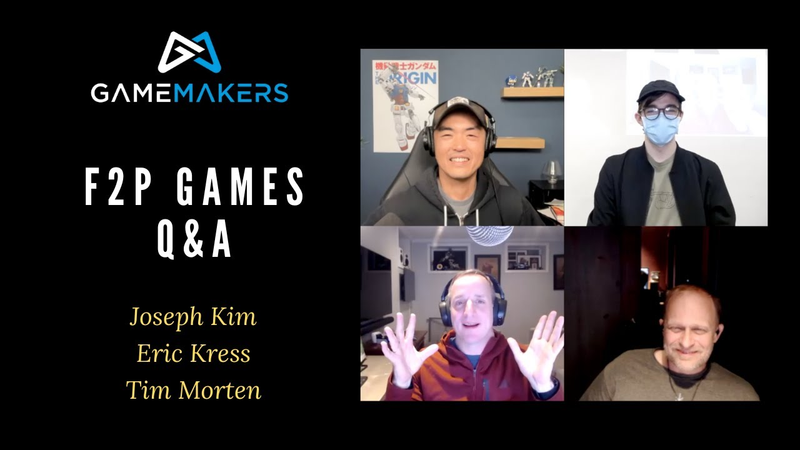
F2P Games Q&A: Future of Games, RTS, Company Culture, and More (Joseph Kim, Eric Kress, Tim Morten)
Key insights
6 takeaways- 01Company culture must be explicitly aligned with business objectives, ensuring that employee hiring and management styles match the specific intensity requirements of the startup environment.
- 02Organizational success depends on clear communication of values to ensure staff are properly matched to the work-style demands of the company.
- 03Startups should utilize a single 'North Star' metric at both the organizational and team levels to prevent the inefficiency of multitasking and ensure resources are focused on high-impact growth and retention initiatives.
- 04Modernizing the RTS genre requires balancing high-skill competitive depth with improved onboarding and social features to increase accessibility and player retention.
- 05While genres like MOBAs and Battle Royales have captured larger player bases, a dedicated core demographic remains for traditional RTS games, distinct from hybrid titles like Clash Royale.
- 06Product development must prioritize solving tangible consumer problems over speculative technology, as emerging platforms like VR, AR, and blockchain currently lack the mass-market utility required for widespread adoption.
Ask AI about this video
Transcript
foreign hi there nice to meet all of you uh Eric uh this question is for you I'm a big fan of twig and so I wanted to know uh to what extent that you think that the future of the games industry can be accurately predicted because you know on twig you've reacted to a number of different ideas that have attempted to rock the boat uh for instance like recently Matthew Ball's take on the metaverse Google's stadia um meta's various VR products and attempts and of course blockchain games uh and so you know most often you predict that these ideas are going to fail and I'd like to know you know if there are what criteria you have for choosing what ideas to believe in or most often choosing not to believe in them holy crap that's a complicated complicates questions man like I I
actually my superpower is or what I think my superpower is very uh uh whatever is that what is the consumer want right you know the notion that you can build it and they will come I think is nonsense right I think consumers have spoken about what they want and those desires don't change all that dramatically over time right so again I've said this a million times but the smartphone you saw in 2010 that the smartphone was was kind of reinvented by the iPhone right by Apple and it was pretty clear that that total adjustable Market is going to be 6 billion people right and you could throw anything you want at that market and you're going to see success that's a huge platform but all these other ideas are peripherals or Niche products or really hard to penetrate like there's no clear path to ubiquity for blockchain for VR for you know Matthew Ball's version of the metaverse right like there is no clear clear ramp there
um you know PC is a great platform consoles are an amazing platform right and and mobile is having its challenges but it's a huge platform right those are obviously places where things will continue to evolve and develop over time um building something new is hard you know and then people always bring up Netflix this last thing I'll say people bring up Netflix like you know could you predicted the success of Netflix under your Criterion I think it's a bit harder honestly but you could say anybody that used Blockbuster could say that that experience was [ __ ] terrible right absolutely terrible like that was needed to be sick solved and fixed right and Netflix did that right very eloquently both but from this DVD shipping but then also ultimately from from doing uh uh online like that sorry on the uh on the cloud right so anyway that's that's the kind of way I look at things try to do it from the consumer's perspective and what you what you're actually solving for the customer right um and not just creating more friction
you know how about that maybe I can also add a comment here which is um there's a book by Peter Thiel called zero to one and one of the things that uh teal talks about is the notion that the best opportunities um are defined by a secret meaning that the the biggest idea whether it's like you know you just look back at ideas like eBay right you're gonna just sell stuff and you know from from anyone to anyone or Uber you're going to get into a stranger's car and it's just gonna work like the stupidest sounding ideas are the biggest opportunities right so I do think that to some degree the next huge game may be something where everyone just dismisses it and thinks wow this is stupid but you know it's going to be the conviction of an entrepreneur that knows that secret that has that specific Insight that's going to be able to create the big opportunity in my opinion all right thank you very much
hey everyone nice to meet you my name is nitesh and uh my question is for Tim so as the CEO of a company with an upcoming RTS uh in what ways do you think the current market is ready for this type of game and also how are you tailoring that RTS to a more modern audience you know it's been a while since RTS has been really popular in the market thanks for the question yeah I love it um it's been a long time since there's been a major new RTS franchise launch there have been some sequels we had Age of Empires 4 recently there have been some great Indie titles um but there is tremendous enthusiasm from the core audience for the genre and there just has been an absence of new franchises for them to consume so uh really you know to the depths of my soul believe that there's an audience who's
excited about having something new but you're right things have evolved so much I mean um there's a hypothesis that MOBA is just what RTS evolved into um and that that's kind of replaced the opportunity for a new RTS I uh think mobe is great and and there are obviously some highly successful games that have set high water marks well above what RTS historically has achieved there uh but it is a distinct game style separate you know Tower Defense came out of RTS as well distinct game style um Auto Battlers came out of RTS distinct game style I think there's room for all of these genres um we do want to learn things though um I really think that RTS historically has been perceived as a solitary experience uh you're either playing campaign by yourself or 1v1 competitive there were um you know team games in War 3 or big game hunters and brood like there are
examples of social RTS but by and large it's pretty solitary so one of the things we're really focused on is trying to learn from Team Shooters moba's you know Battle Royale all of these genres that have pioneered being more social in a way that makes them both more viral because you want to invite your friends to play with you and stickier because once your friends are there you've got a reason to stay in the game ecosystem so we're doing a lot of work on that front but love that question thank you very much awesome thank you um hi everyone I'm Jack my question is For You Joe um so I'm recently beginning sort of an onboarding process for mobile games startup which you'll be having here is not a shooter um and so because of that I was really interested looking at your website for Lily games you're
have like a very specific section for your values and Company values um so I was wondering if you could talk a bit about just communicating those values and the importance of and how you go about communicating those values to potential people that you want to bring on and then also specifically um I hadn't really heard of North Star metrics before so if you could talk about sort of how you go about like finding or establishing what you should use for North Star metric um which I understand is a pretty general question so I don't know yeah uh happy to do that so I I think that you know so like one analogy that I like to use a lot when when it comes to like work and working is just this notion of different flavors of ice cream meaning that I I like to think of different people having different preferences in their life in terms of what their objectives are you know what they're looking for from their life and from work and so one of the reasons why that we try to publish our
values on the website and we're very intentional about communicating those values is because as we want to really match the person to our work environment and so as an example one of the things that comes up a lot is this notion of work life balance versus work-life integration and I have a lot of respect for people who want work-life balance um for for their lives and are looking for a work environment in which that is um that's something that they can have now um we are a startup trying to make a new game working with like a very inexperienced team and um the way that I know how to make success is not through work life balance and so you know I I think that it would be a tragedy to be inefficient right to waste somebody's time to hire somebody because they didn't know oh wait a minute I'm I believe in work life balance and we hired that person but we're more work-life integration more like hard work ethic type of environment
and so if the objectives of what we're trying to do don't match the employee then you know that's one of the reasons why we want to be very clear in terms of how we think that we're going to be successful and how we operate because um I I do think that um you know I I think that a workplace should have the right to Define how they want to operate their company and what they think is necessary to achieve success but at the same time employees should also look at different working environments and choose the environment that's right for them so that's why we're very you know very specific and explicit about trying to communicate that as much as possible and then to your question about North Star metrics I think that a common problem with startups is just there's so many things we need to do and um the North Star metric I think was popularized by Facebook where um you know I think Mark Zuckerberg was very explicit about um how do you align what initiatives to
do or what to do and and so he he really oriented everything around one thing which I think was like monthly active users something like that I forget the specific metric and so for us as well as a startup um we we kind of have two levels of this and so you know we have one main thing that we're trying to do so especially in soft watch we'll only try to optimize against one thing a specific metric whether it's like let's say we're trying to try and optimize D1 retention or or D30 arpu or something else we're only going to be focusing on one thing at a time when we go into soft because I think that just for my my experience with other teams it's like oh yeah we need to increase the retention increase the monetization and we're working on these 15 things right it's like then nothing gets done and so by orienting the whole team around okay we all need to focus and improve this one metric then that becomes you know a way of focusing the company on the one thing
that's going to make the biggest impact to your gamer to your company and then like at an organizational level our leadership team also has like a similar type of philosophy around focus and so um we have uh we we have a framework which which we call our Bullseye framework where you know on Monday um we'll have an initial meeting about what we try to accomplish for the week and so we'll also try to create like a bullseye initiative or metric where it's the what is the one thing that will help improve the we'll have the biggest impact to the company or our team and we'll work on that one like obviously we'll work around other things but that's the thing that we grade ourselves at the end of the week when we do our retro is like how did we move this one thing that we decided upon at the beginning of the week because again I think when we try to do too much or we focus on too many things that oftentimes um will the the the most important thing
that can drive the biggest difference to the company would get de-prioritized or could potentially get lost in the shuffle um if I can just clarify for that is that something that changes week to week usually or is that like usually your bull's eye is something that's like because it's such a big Focus like week to week you're still always trying to do the same metric forward yeah so it can't it often does change week to week now sometimes there are initiatives that are more like you know from a scrum or agile perspective more like like an epic right that make that may cross several weeks but then um what we then would try to do is then can we break down that Epic into smaller chunks so that um whatever can be accomplished in that one week is you know explicitly codified and we're able to measure against that that specific part of the bigger thing that we're trying to do right awesome thank you so much both of those recipients hi uh my name is hawin and actually I have a question for Tim it's about the uh game we are going to make so there's no death now in the the RDS RTS games
once is the most popular game drama but however today's like game Market is occupied by like mobile game or Battle Royal games and some people might think RTS game is kind of outdated and also kind of beginner unfriendly because you do uh instead of hey with one unit you need to control like your army or multiple units so like why your team make a decision about making a new RTS game and how would you like to deal with the kind of beginner unfriendly problem with it great yeah um I'll maybe answer a little bit backwards so the um the reason we chose to do RTS is just because we love the genre so much um both as players and as developers so it really is a passion play um but you're right it's hard it's been eclipsed by other genres um
so you know there are a couple answers there the first thing is we are putting a lot of thought into how to onboard new players um and like if you think about it you know most games you play when you start the game what you see is your character on screen and you know you use controller or the arrow keys or wasd to move that character and like that's just mostly your experience with games and there are exceptions but um you get into an RTS game there's no one character that's you camera perspectives different wasd doesn't do what you expect it to move your mouse scroll off into the fog of war and you're lost forever you have no idea how to get it like there's so much about that first time experience playing it that's just overwhelming even just the interface the number of buttons that you see so so we are putting a lot of thought into that but we're also just accepting that this genre um attracts players who are [Music] I think inspired to master things that
are deep and um so you know competitive mode it's still going to be high skill ceiling it's still going to be high APM like we're we're not afraid of embracing um the depth of real-time strategy but we're trying to provide a much friendlier Cooperative experience much friendlier campaign experience and a better onboarding experience for players and we really believe we can grow the genre can we grow it as big as MOBA or Battle Royale I don't know we're gonna try uh we'll see I think every genre deserves its moments uh back in the sun it was awesome to see what Eldon ring did for the souls genre if you're willing to call it a genre but I think it is um so yeah we'll see I we we relish the challenge is what I would say but thanks for the question okay actually Tim could I ask you a follow-up question to this of course so I you know I I think I thought that was an interesting discussion I I too have
heard this um this concept that maybe RT has has shifted to Melbourne I I I disagree with that I'm a huge RTS fan as as I've mentioned but I I do think that maybe the difference uh and you know please tell me if you think I'm right or wrong but I think one of the differences between mobin RTS is that if you look at it from a micro versus macro gameplay perspective that you know MOBA is a little bit less macro more micro than compared to RTS have you thought about the relative whether it's complexity or strategy involved from a micro macro perspective is is that something that you're thinking about changing or is it going to be relatively the same okay there will be opportunities as a new player to coming in to gradually ramp up how much macro you're going to take on but the game that we're building is still a pure RTS like we're not automating aspects of it to take it away
um I you know I think you're 100 right that MOBA does simplify that aspect um I we see MOBA as kind of a Gateway game to get into RTS like you can graduate from Mobile to RTS but we're not going to try to make it baby's first RTS or anything like it'll it'll be interesting can I just throw on one other question we had Alan Adam here a couple weeks ago and part of the conversation did did pivot towards is do you consider Clash Royale to be an RTS I I don't consider well so yeah this is going to be my answer like there there is a category of strategy games that includes Forex it includes Clash Royale Clash of Clans Tower D like we we could uh there's like turn-based strategy games we could go down along a long list um Clash Royale is absolutely a strategy game um and it happens in real time but RTS to me you know a very specific genre
um so I yeah it doesn't fit my definition of RTS good thanks cool hi everyone my name is Mara thanks so much this has been um great uh my question is for Eric I uh I was listening to The Twig podcast earlier this weekend and I heard your very candid thoughts around VR and particularly meta's take on it um and I think it's safe to say you're skeptical of the current state of affairs um not only for meta but it seems like VR as a whole so my question was what do you think it'll take for VR to achieve the sort of Engagement numbers and kind of adoption as console or mobile games and do you think it'll ever get there actually there's just so many reasons why it won't take off but I mean the form factors one obviously like you need a better interface for VR to make it sense but I I just don't think there's a lot of consumers that really want to log into a system and in absence of
everything else right that's just not the way people consume contact like even kids these days are doing so many different things at once you know looking at their phones watching TV and on their computers whatever um so I think we're just a long way away from it to be honest and to my chagrin you know I I want to be able to Jack in you know when I'm 70 and I can't move around anymore plug me in to the VR Matrix dude I'm in like I I'm 100 I just I just don't think the consumer is ready for it and I think VR would have died it already died you know and and the only reason it's even alive now is because of Facebook otherwise that business came and went um yeah so what what it will take and it's not to be like also Mr Debbie Downer but like I I think it's it's going to be a social experience it's gonna be something like rec room or some kind of like social experience that Embraces like a much bigger demographic than console players because console players could give a crap honestly you
know about it so um they're too busy playing their their optimized experiences on the TV so I think that that's what it's going to take um clearly you know Horizon and what Facebook's working on now uh is not not there there um but I think it's it I I agree with Matthew ball on this one point it's inevitable right it's gonna happen right but I think I I either will be dead or long retired by the time it happens so fair enough yeah so I I got follow-up questions if I can oh go for it so first uh because I I actually agree with that perspective um but curious how you uh how your guard air relative to Viera then and its potential since it does potentially solve the shutout the outside world aspect of what you were talking about well I think the problem with ar to make compelling AR you need to render things in real time and that would take at like a spark station like it would take a whole server to like actually do that
so I think we're really far away from a technical perspective of making that a reality you know the AR that you want to happen not the AR that your little little character it's not Pokemon go that's not even AR really right it's it's actually like rendering thing in real time while you're looking at it like and moving around it like rendering in real time takes a lot of bit like a lot of a lot of processing power so I think we're just so far away from that from a technical perspective latency I mean there's all kinds of technical issues around that and I'm not a big technical person but that's what the technical people tell me um but that one that that and I think I agree with most people's on this point is AR seems more digestible for the consumer than VR 100 the problem is is that you need that killer app a social experience something that like everyone could enjoy to make it uh compelling right um and the one point I'll make on this which is a little bit unrelated is that the notion that AR or VR is going to be
jump started by sending it to corporations is ridiculous right that's a ridiculous assumption I don't know why people I mean that's what kind of what happened with PCS to some degree I guess but that that's not the reality that we live in everything is driven by the consumer um these days and so it has to win with the consumer um I just wanted to I don't know why I thought of that no I agree with all that very good point last follow-up I was gonna ask then uh you know BCI brain computer interface um projecting it all forward dude I was you were a big crap with me dude I know you were there because that [ __ ] was so freaking cool like I I was blown away right but even they were saying it's 25 years away but they have like just to put in perspective they have headsets that have sensors that sense your brain so like people with MLS or other problems can actually move [ __ ] with their mind right it's incredible right it's really incredible stuff the technology is there and these people are just obviously Geniuses um but again it's the same thing like
exactly you know when will that technology be ready for real for prime time and when will consumers be willing to throw something on top of their head to read their brains you know like when I mean just think about it when are you gonna actually stick something in the back of your neck like the Matrix and to to plug into something I mean that's what we're kind of talking about right um I I I don't know if the consumers they're going to be there for a long time you know even even kids these days I don't know if they're ready for that yeah definitely not me but interesting to think about for sure absolutely thank you guys thanks we're running towards a little late so we're gonna have one more question then we'll wrap it up sorry everyone else hi thank you all very much uh my name is Mike and my question is for Joe uh so Lila games emphasizes shared company values even to the point of uh threatening termination for employees that don't share those values and I'm wondering about the story behind that approach did it come from previous experiences at other workplaces or is
there another story behind that well I mean I think there's just a big difference between uh and I I mentioned Peter thiel's book zero to one before but I I think in zero to one environments and what you're trying to build something new it requires a little bit more concentration intensity Focus things like that you're you know you're trying to you're not in a stable environment right and so it so from that perspective I think um you know performance is more important than stability I think in a one to n or more stable company you know stability is more important than performance so I think it it really just depends upon in like from a work environment perspective the context the situational context in which you're operating but I think for for me and for us and for me in particular in the sense that um because we are a startup with limited funds and because I also don't know how to achieve success like the success I've had in like when I was at fun plus and
other companies like that where I've had success where environments in which um you know we needed everyone aligned and Performing and contributing it's like you have less time to train and although we do we do spend a lot of time training some of the folks that we have but you know we also have the luxury of not you know being in California and having super expensive people but I I think based upon just my inner ability to not understand how to have a successful team that don't share our values that that's basically why we've chosen that approach gotcha thank you very much okay all right thank you thank you all so much we if you don't mind we do like to take a picture of some popular guests so we're gonna have the class come up okay you guys will be projecting the back as part of the picture [Music]
Summary
This discussion features industry experts Joseph Kim, Eric Kress, and Tim Morten addressing business strategies, market trends, and organizational culture within the gaming industry. The conversation emphasizes that successful product development must be rooted in consumer needs rather than speculative technology. The participants argue that while emerging platforms like VR, AR, and blockchain generate significant industry hype, they currently lack the clear path to ubiquity required for mass-market adoption, often failing to solve tangible consumer problems or provide a compelling user experience.
A central theme is the strategic evolution of game genres. Tim Morten, CEO of Frost Giant, discusses the revival of the Real-Time Strategy (RTS) genre, noting that while titles like MOBAs and Battle Royales have captured larger audiences, there remains a dedicated core demographic for RTS. The strategy for modernizing the genre involves maintaining high-skill competitive depth while improving onboarding and social features to make the experience more accessible and sticky. The panel distinguishes between genres, noting that while games like Clash Royale incorporate real-time strategy elements, they do not fit the traditional definition of the RTS genre.
Regarding organizational management, Joseph Kim highlights the importance of aligning company culture with business objectives. He advocates for explicit communication of values to ensure that employees are matched to the specific intensity and work-style requirements of a startup environment. Furthermore, the discussion covers the use of North Star metrics to maintain focus. By prioritizing a single, measurable goal at both the organizational and team levels, startups can avoid the inefficiency of multitasking and ensure that resources are directed toward the initiatives with the highest potential impact on growth and retention.