1 free read left. Create a free account for unlimited reading + AI research.
Create free account
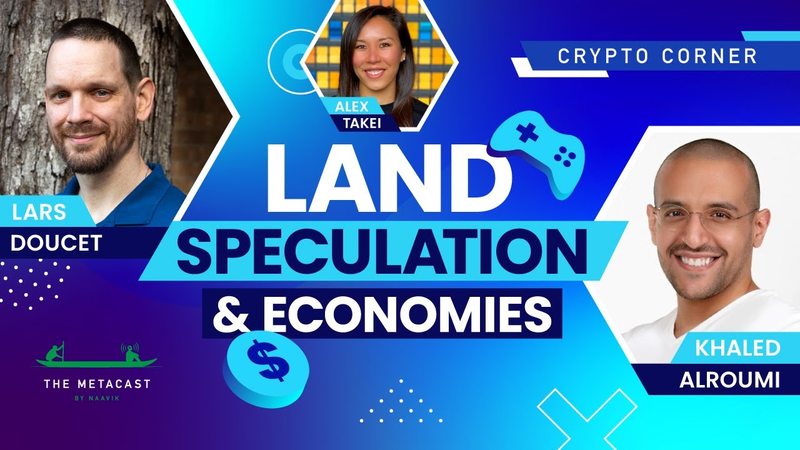
Land Speculation & Economies - The Metacast by Naavik
Key insights
6 takeaways- 01Virtual land should be treated as a secondary thematic element rather than a mandatory progression requirement to prevent speculative bubbles that mirror real-world housing crises.
- 02Designing virtual spaces to be accessible for user-generated content prevents early speculators from gatekeeping assets and exploiting active creators.
- 03Implementing dynamic economic mechanisms like short-term leasing, market-rate taxation, and Vickrey auctions helps facilitate price discovery while actively discouraging passive land squatting.
- 04To maintain ecosystem stability, developers should prioritize transparent economic levers and soft price floors over speculative asset models that prioritize financial extraction.
- 05Developers should avoid pre-selling land based on rigid scarcity, as these promises often trap studios into unsustainable financial models and limit future gameplay flexibility.
- 06Rather than suppressing emergent player behaviors, developers should formalize organic resource gatekeeping and combat-driven territorial control into the core architecture of persistent-world games.
Ask AI about this video
Transcript
[Music] hello listener my new here from navik before diving into today's awesome episode with large Scarlett and Alex I just wanted to briefly let you know about polka status game awards and that's game with the three as one of the first web3 gaming award shows out there I had the privilege of being a jury member for it and I can already tell you that it's going to be quite an exciting one the show airs on 15 December at 3 pm UTC and there are 15 award categories including the People's Choice Award most anticipated game and of course the coveted Game of the Year award plus there will be various World premieres and unreleased gameplay announcements and trailers on top of that you too will have a chance to win some great prizes including a gaming PC A PS5 and much much more so make sure to tune into the live stream on 15 December 3pm UTC to check out who will walk away with the 1
million dollar prize pool and the various winners of course links are available in the show notes with that let's get on with the episode greetings friends welcome to another session of the crypto Corner brought to you by navic I'm your host Alex Takei and today we'll be talking about a very fun topic that's quite well relevant to many web3 games and that's of land economies selling it buying it building it extracting from it and how to potentially build an economy around it and what the [ __ ] happens if you've got some speculators in the mix and uh sort of how they can potentially sabotage it and so today today I'm joined by Lars Duque um author of land and why it matters and Khalid al-rumi director of modernization and economy at Big Time Studios and a previous game designer on eluvium Welcome to the metacast guys great to be here thank you very much it's yeah pleasure to be here awesome and so Scott it's good to have you guys both on um I have definitely had a ton of friends that have stayed up into absurd hours of the night um in the
US to make sure they're primed and ready to buy the housing sale in Final Fantasy 14 um and last December there was something absolutely crazy um in terms of a land sale of like four million dollars or something in sandbox and so we've talked Ad nauseam about how speculative economies suck and web 3 equals Ponzi scheme and land speculation certainly might fall into this category and I've been super Keen to talk about virtual land and figure out whether or not a virtual land economy quote Works um but before we jump in I would love to hear some intros from the both of you and for fun let's also add our favorite Land Before Time dinosaur into our intros as an icebreaker Khalid why don't you uh kick us off yeah sure so maybe I'm gonna start with my favorite dinosaur film run before time so I don't really remember the name but honestly as a small kid like I watched this this movie and I was really terrified from the T-Rexes so I'm gonna pick one of those uh so let me tell you a bit about myself
so I've been working in games for around 10 years mostly focusing on uh free to play games mid-core titles or mobile uh up until late of last year where I joined the new VM as a systems designer I stayed there for one year and now I am working with big time as a director of economy amortization and we just got to release our details or details about our economy just recently uh one week ago to be specific so yeah it's really interesting awesome the T-Rexes yeah T-Rexes yeah I'm a huge I'm a huge Chomper fan So It's Chomper or go home um for me at least uh so I'm with you on the T-Rex's but maybe he's a little bit different he's like a baby T-Rex so yeah a cute a cute T-Rex um Lars how about you okay I think it would probably be Sarah she's not um she's probably the least likable but I
do I do think that gives her the most potential for character growth and also I didn't realize the first time I watched it that um I thought her name was Sarah s-a-r-a-h but it's actually c-e-r-a because she's a protoceratops and I thought that was a nice touch so um that is clever so I I learned the most from that one um so yeah um my background is that I originally got my degree in architecture a million years ago um and I then went into game design as my actual career I never sat for The Architects exam and um I um made some games um on Steam and I collaborated with a bunch of other people on their games you know more on kind of the Indie side of things but then through my company level up Labs um my co-founder worked for congregate.com and so you know I absorbed a lot of free to play Knowledge from um my co-founder who wrote some seminal papers on uh free to play monetization design and
um over the course of events we became consultants and advised on a lot of projects and um anyway I started to kind of get a knack for economy and diving into the analysis of things and this kind of culminated in this observation I had over the last kind of 30 years before web3 before free to play dating back to MMOs and even before MMOs into the roots of muds and mushes um lay in speculation is actually really old in video games and it's been a problem that's consistently been reproducing itself so I did a series of interviews with um designers of these games you know um economists that worked on EVE Online and RAF Coster who's worked on Star Wars Galaxies and Ultima Online and all these other games and just kind of like try to track down the roots of and patterns of this these virtual housing crises and then um most recently I wrote a book about the actual physical world economy um my book land is a big deal just about the actual physical housing crisis and
you know some things we might be able to do about it so that's kind of how I I kind of got tied up in these sorts of conversation of course for the last year I've been working for novik um you know doing deconstructions of web 3 games and so I applied that kind of background knowledge of virtual housing crises and analyzing games like axi Infinity the sandbox decentral land so on and so forth awesome well that's a perfect transition to I guess where I want to start because the first thing I want to talk about is what is land and what role it plays in the real world um and so I've been so inundated recently by the lensa AI generative images and people chatting with chat GPT like all the time and so I decided that in the theme of this week I would also ask chat GPT what land is and chat GPT crushed it I gotta say chat GPT told me that land is a natural resource that refers to the solid surface of the Earth it includes both the surface of the ground as well as vegetation structures and other natural or man-made features that are present on the surface land is
a valuable resource that is used for a variety of purposes including agriculture housing and Industry so hell yeah chat gbt um backbone of the real estate industry I'm taking a real estate investment course next semester um so I'm ready to activate my inner retreating and so I guess like Lara's first question to you uh what do you think of chat gpt's assessment is chappie is chat GPT with it when it comes to the description of land yeah it's certainly an accurate description of of of of natural land right but um when we talk about economic land we mean something a little bit more than just physical dirt right we we generally mean is locations right and real estate agents kind of give it away right what are the three most important rules of real estate location location location right and so you can have locations in places that don't feel like natural land like you can have locations in space right in orbital real estate there's a fixed amount of satellites you can put into low earth orbit before they start to collide with each other um there is a fixed amount of
um locations and certain possibility spaces like there's only so many two-letter domain names using the 26 characters of the English alphabet right and those are all squatted by speculators I will guarantee you um there's um and so there's other kinds of land like assets we'll say you know know in terms of natural land sometimes like not non-renewable resource deposits like oil and gold are sometimes lumped under land the difference is you can't generally speaking use up natural land but you can use up depletable natural resources but we go into the virtual world and the basis of my whole theory is that um land even in the virtual world you can make your own rules right you can call things whatever you want um but just because you call something land in your video game doesn't necessarily mean it's a landlike asset it's a land-like asset economically if it has three properties and those three properties are that it's scarce it's necessary for production and it obtains value based off its location in some
kind of geography right whether that's a euclidean geography like we have in the real world or some other kind of network right um and so the stronger those three features are basically my thesis is the more it attracts speculation and the weaker any of those three properties is the less specular it has for instance decentraland has perfect point-to-point teleportation and this decreases the locational value of Any Given property but other places where you have weaker teleportation and you have to Traverse land that increases the locational value or you know the kind of the kind of funneling like you know you'd rather be right next to someone because it doesn't take you three hours to Traverse the map sort of deal anyway that that's kind of my our my thesis about the difference between economic land and natural land natural land is a kind of economic land but there are other kinds got it so chat GPT crushed it on the natural land but did not mention I'll
ask it next actually after this podcast is over what he thinks about economic land um and so I guess it sounds like what I'm pulling from you is that there's a couple of components of land that um I should be looking at to assess its like goodness right um you know one is location two might be like the natural ores that are present inside the land the resources that I can extract from it right potentially the improvements that have been built upon it um whether that could be a house or a farm um and and things like that right and so you have this kind of like you know in the real world there are certain rules and structures that govern and regulate land right and I was wondering whether or not maybe you could share some of those before we kind of jump into talking about the differences between land that's designed in the virtual world which colleague can probably share a little bit more about but sort of like in the in IRL right like what are some of the big Financial rules and regulations that govern actual land that then could potentially be relevant for virtual land but let's keeping this in the physical in the physical territory first right so if we start with one of
the biggest ones is zoning regulations right um so one thing to keep in mind in the real world mineral rights although naturally they're part of the land are often um sold separately in the United States at least when you buy a house the minimal rights have probably already been separately sold so you don't necessarily like if there's oil underneath your house someone might have free reign to come and pump it without compensating you because they already own the mineral rights so that's something to look out for um then there's the air rights like your right to build upwards right into three-dimensional space um and Zoning is a big restriction on this in a lot of places like have you ever wondered why skyscrapers in the U.S aren't just like straight up why they have this like tapered kind of approach as they go up that's actually them building out to the legal envelope of the zoning like there's this rule for like you go up this far then you got to step back then you got to set back again and so any buildings that are going straight up vertical quickly usually you'll notice they're not using most of their plot because these air rights can
kind of be treated and so a lot of our built environment is directly influenced by the regulatory zoning restrictions that we have um and I could go into a whole detail of it but I would just recommend people read arbitrary Lines by um M Nolan Gray he's a city planner he's talked about this whole history of where American zoning came from and the basic thesis is that it's generally bad and restricts the supply of our housing and directly contributes to the housing crisis but um in the real world like what you are allowed to do with land um massively influences its value right and so you can see this for example um with people holding on to what look like very low value plots but then they're lobbying the city to up Zone them and the minute it gets up zoned the price magically goes up right right and then they sell it off and they obtain a windfall profit sure sure okay gotcha yeah that makes a lot of sense I think like yep and the way that I'm seeing that mapping now to our you know discussion about land in the virtual world is that like that's what a game designer would choose what
rules there are that are set in that land and so maybe let's like shift to that a little bit right um we could probably spend multiple hours talking about real world land um it's obviously a very deep topic uh and very prevalent and lots of people have done plenty a plethora of academic studies and obviously there's the real world economy that rotates around lands because asset class um but you know this is a gaming podcast so you know how land is manifesting itself in the digital world you know I pulled a little clip from sandbox which is our favorite web3 land um I guess or a notorious web3 land uh economy right and it says uh land is a digital piece of real estate in the sandbox metaverse game designers use land to build digital experiences such as games or dioramas and also populate it with assets multiple lands can be combined to form an estate and a specialist State um that's owned by more than one person is called a district and so a variety of other games like eluvium crypto unicorns and whatever other side will become um also use Lan as the Cornerstone of their game design as either a semi-variable soft token or an nft and
somebody colleagues maybe you can sort of jump in here from your experience at eluvium and big time you know what are the ways you are thinking about using land to create a player experience and secondarily drive an economy yeah yeah sure so so let me tell you just first not not from a like a standpoint of me being part of any company like me as a system designer like has my personal opinion is how we would utilize virtual lands this is the way I would look at it as we have uh basically a virtual good that is limited in Supply that may have certain functions in a game and we would cover it or use the land cover on it because that's how we could easily convey to the users that this is something that is scarce and this is something that you could potentially uh get some value from so it's it's we don't look at it as really as a land land is just a way to convey the message easily
that's that's how I look at it from a few systematic point of view um and so I guess in in that regard right what controls have you installed centrally to control this I guess um finite asset uh or digital virtual good yeah sure so I could give you just two examples so uh in the case of eluvian where the land is actually not the main part of the gameplay is just like a small part of the gameplay where it's there for a specific type of players who are looking to benefit or get some value from the game if it became very popular okay but the actual game is played outside the land and it's not required by most of the players so in this case learned being scarce does not harm the user experience at all however if you take a game that is the more land you have the more experiences you have for the user here is where if you implement scarcity you might really
affect the the end user experience and it could end up harming the game so you know virtual land is not like treated across the board 100 the same it really depends on the actual rules that you put in or the game design or the systems that are set in place and how the player will interact with these systems got it um and so if the let's just say like the land is maybe a main or central part of the game or it's not right uh let's just maybe take you know an olivium sounds like it's kind of like a side a side agenda right um but in some games it's actually like a very very big deal such that if you didn't have a plot of land you wouldn't be able to build anything at all right the land is the Cornerstone of the actual game itself and so how would if you as a from the system designer perspective and maybe obviously Lars feel free to jump in how would I think about having a finite amount of plots of land or having a infinitely expandable surface right because unlike the real world I can just print more land and um
but but you just told me that you know the the the the speculation and the finiteness is what makes it valuable so how do I kind of as a game designer how would I how should I think about that the way you look at it is it depends on the systems that are set in place like again we shouldn't look at it as is this a land or not to land we should look at it as this system behaves in such way does it benefit the ecosystem if it's finite or not finite like that's basically what I want to say so logically you could yeah go ahead right I agree you know so my understanding of alluvium is that um and correct me if I'm wrong is that land can help you generate fuel but you can get fuel in other ways it's not like only the landowners um create this resource and so when I talked about my three rules right scarce and supply necessary for production and obtains value from location so the fact that you can get whatever resource or whatever benefit alluvium land generates from somewhere else makes it less necessary for production right and so this makes it a
much weaker land-like asset and so as he's saying land is used mostly as a theme right and so this reduces the speculative value of alluvian land if my understanding is correct um and the basic point there is is that in the real world everything you do requires land like I say you can't eat sleep work or poop without access to a location to do those things and um in video games we can create different rules right you can opt out of necessarily like you can either have common land to do any of the things you need to do and then land that's owned only provides like like it provides some kind of special benefit like in most of the traditional MMOs the virtual housing crises didn't destroy those games like Ultima Online still going on like 20 25 how old am I 30 I don't know like 25 years later it feels like you know Ultima Online still going on and it still has a housing crisis but the game isn't broken because housing's only one sector of the game it's not fundamental to the game and so the more necessary you make the land to do anything in the game for any progression the more the
more it gate keeps the more all those benefits accrue to the people who have access to this thing that everybody needs but if it only provides a benefit and land is mostly used as a theme you don't really have necessary you don't even necessarily have a problem or a huge problem right and so um that's kind of why I like to think of and I agree with Colette that it's not so much land or not land it's like in my policy paper about land in in Virtual Worlds I describe it as a sliding scale right of how of how Landy the land is in economic terms and when it's more when it's when it's weaker you know you have less problems like in my deconstruction of um decentraland for novik I talked about how decentraland seems like it has really classic land Parcels but because of the teleportation and other aspects the locational values decreased a lot and that makes it so that you saw more speculation in the sandbox and actually Infinity based off of the expectations they had set forth and you did into Central land and um so those observations have held consistent at least in the things I've looked at but you know I'd be more than welcome to
hear people who found found things that kind of break my expectations but so far I don't see enormous concerns with eluviums the alluvians land land as designed based on my understanding of it got it and and I guess as the goal is the goal to 100 entire 100 reduce that speculation right are you saying that that would be potentially damaging let's just say you had a land economy that kind of rotates as finite asset class it's like you can definitely get around and get by without having land and so is it really that big of a deal that there is land speculation at all in your game right well I mean if you want to make a game where the theme is like Cutthroat real estate you know land grabs you know maybe some people think that's fun but you should just be upfront about that right and so like my point is is that a lot of people don't realize the kind of Dynamics you're in for they imagine a world where it's like oh people buy land and then they build stuff on it and they build up this community and like everybody wins but in practice just what happens is that when land becomes when truly land-like assets like the strongest ones where all three
principles hold they become an investment for for essentially absentee landlords who lease them out to the actual Builders and extract value from the builders and so the thing is a lot of these classic worlds like the sandbox and um axi Infinities land as it was pitched and Yuga labs's thing as it was pitched is they really want to be ugc platforms user generated content platforms like Roblox and um or Minecraft or fortnite or whatever or or VR chat um and they're not set up in a way that actually rewards building it doesn't reward it doesn't allocate the land to the most creative people it allocates land whoever got there first and then that person just passively collects rent from the actual Builders who come in later and I don't think that's a good recipe for building a successful user generated content platform you notice land and Roblox is free and so I mean if you want to use a scarce asset that has a physical location on the map somewhere as part of your mix I don't think that's
necessarily a problem but if you make it the very center piece of everything your project is about and then pitch it based off of this flurry of creativity that's going to come just empirically we haven't seen that succeed and so let's talk about the rent thing I pulled rent out of there pretty quickly uh how if I were to build a land economy right let's talk a little bit about for the perspective of the developer right how do I make money from my land right IRL you know I see taxes and rent and those are like the two main ways you can have a short-term lease long-term lease you could pay taxes on the land you could lay taxes on the improvements um should people be paying and so I guess maybe from the developer side at eluvium like how did you sell the land um did you sell it as one piece and then there was nothing kind of attached to it or was it was there actually like imbued Financial economic levers over time to control potentially maybe some of the things that Lars is talking about in terms of
um making sure it's not getting hogged by an investor who's just squatting on the land for example yeah so I actually could tell you from two points of view so from alluvian point of view and from Big Time point of view so in big time we also have our equivalent of land which are spaces so an alluvium the the main purpose or the economic value that you could get from land is is producing Fuel and fuel you could you could sell it in liquidity pools and whatnot and that's how you make your money however in in big time once you have a space now you're able to craft cosmetic nfts and that's how you get your value from that from it basically you craft cosmetic scale of these and you sell it to end users who don't have spaces who want these cosmetic entities and actually renting is a is a mechanic that is like I would say that almost most of the time that we want to put it in because we would have a class of users who don't want to play the game who are who don't have time to play a game or either they have tons of these lands and they they cannot physically manage all of these lands so instead of
them hoarding everything and just sitting not doing anything and our game you know getting hard from that we need to integrate the system where it would benefit us where these nfts or or lands are are actually getting utilized and at the same time they are rewarding whoever is is holding to all of these lands so renting is there just to solve this problem of Speculator buying things hurting them and not even enabling the economy with them so it becomes like a must to avoid these situations where someone holding everything and then not enabling the economy right that actually dovetails with the recommendation I make in my policy paper that the government in this case the developer lease out your your your land on short-term leases at Market rates right and that tends to solve the speculative problem like if you absolutely have to have scarce locational based resources that you know gate keep some feature just leave some out at Market rates and that way um that tends to allocate things most efficiently that's what we see in the real world economies and there's been a um there's been some experiments in some
games to kind of allocate things on this basis that way the person who wants it the most and has an idea of something productive to do with it will hold on to it but someone who's just like I want to hold abc.com for 30 years until someone pays me 10 million dollars will not want to pay you know two thousand dollars a year or whatever to hold on to such a valuable URL right another proposals that's been put out from the crypto world is vitalik buterin he wrote up um a proposal for bid-based uh domain value allocations um in um for for the ethereum name name service and he talked about how these virtual kinds of virtual land right that obtain value you know in this space you know you can it's not exactly like a Leasing system but it's it's similar to it where it's able to you know get signals from the market and so like the holding cost increases as there's more demand for the thing so that someone who's holding it just to wait for someone else just gives it up right and then it gets put to use and then that can actually bring prices down in the long run because it's not
just scalpers driving the price up it's based off of actual use um which also helps you get less of a frothy price you know and so like you can you can have like a saner price that represents what people are actually valuing your your project for to actually use the project you know and actually generate value and then again you know what he talks about is like Cosmetics Cosmetics are a wonderful monetization thing in a lot of these games because they're not necessarily gatekeeping access to the game itself but they're a very socially important aspect of free-to-play monetization you know it's like I can play Fall Guys and look like a new wearing nothing but the free costumes all the time and still be the best player in the game but if I want to look cool then I might want to drop 100 bucks right you know and so I I think there's some some some some Fair ways to do this that don't um because one of the problems is you do not want to cut off access your own growth you don't want to keep your own users out just because you want to
reward the first 50 people to jump on some assets early on and so in in that right I heard about basically a supply demand kind of pricing orientation right we talked about leases if I wanted to lease and execute a short-term lease or a long-term lease to someone to make sure that they aren't holding on to the land right we just talked about oh I wouldn't want to hold the domain name abc.com or abc.url because of I wouldn't want to incur the cost that it takes that accumulate over the 30 years how should I know how do I know how much to charge for a short-term lease in my land economy right like actually what's the mathematical equation that I set up to actually determine that and you know Khalid you talked a lot about that role specing right like in web 3 games that is one of the biggest ways people are trying to solve the nature of the speculative economy to basically like offset and say like hey the speculators will be over
here these are the farmers these are the players and then everything will kind of balance out versus the axi problem which was like everybody wants to be an earner and if you have this dive verse roll case you actually maybe balance and set out the economy because some people's gains and losses are offset in different places but you know so it sounds like you guys are actually implementing a lease um but how do I know how much to pay or charge yeah yeah so for us actually it's very very complex like I'm talking about big time compared to eluvium it was a almost like a straightforward equation you could know exactly what is the output you can forecast prices and then you could you could set something up but in big time it's a bit different because once you have a a space now we can start crafting cosmetics and it's like not a linear process there are multiple recipes there is multiple ways that you could be lucky or unlucky and things like that so it's very hard to predict we're honestly depending on on the market to figure this out honestly uh it's it's very hard to put an equation or to solve it via an
equation I think there will be some price discovery we're also to add more complexity to it actually allowing you to package uh what like this is what we're thinking about doing so we're thinking about packaging multiple nfts together so I could have a space and then I could have add some decorations to it and I could have some some little factories there and I would rent it out so also if you want to put your your own touch to it make it look nicer give it a theme you could also do that you know so price Discovery via the market I think is is where we're looking uh to do honestly it's very hard to put the number on that well that's actually what I recommend actually so it's like the beauty of leases in the real world I generally recommend the land value tax which is a tax that is a tax on the ground rent of land but excludes value of buildings and this is just a practical compromise with the way the real world is in a world where you're the government and you create everything you can just do short-term leases
um and the reason that's advantageous in the digital world is that if there's any improvements if someone you know loses the next lease you just stick the improvements in their pocket and move them anywhere you can't move a house in real life and the other thing with leases is just the accurate the correct price for the short-term lease is whatever the market will Bear right generally the mechanism to discover this that I recommend is what's called a Vic reaction and this is different from a normal auction where basically um you have an auction and everyone said it's silent it's sealed no one can see anyone else's bid and then the highest bid wins the highest bidder wins but they hot they pay the second highest bidded price and there's a reason behind this basically it makes it so that you don't have to like game the system most auctions are designed to actually artificially inflate the price as high as possible but a victory auction is designed to like get the highest price someone's actually like rationally willing to pay and um because you're trying to do price Discovery rather than just to like juice you know the sale of your random antique and so I generally recommend um
um Market based leases using a big reaction method and then um you know you just have your short-term leases and the market will tell you what the value of this particular location is worth um and then if you're trying to do the whole play to earn thing what you can do is in real life we have this you know policy called a Citizens dividend or Universal basic income what you can do is that rather than the rents being captured by private actors who got their first you can capture those as the government and then in real life you would use this like fun schools and whatever or you could give it away as a dividend to your citizens in a video game you know it's like your your little virtual dollars are not going to help you pay your employees necessarily um unless they're like cryptocurrency so you could use that as some income for yourself but you could additionally um distribute at least some portion of that to your most engaged players as kind of a way to do play to earn sustainably you know um basically it's like you guys all creep collectively created this entire economy to be valuable so you have to
pay rent so so people who really really want access most high value locations will basically pay rent to the government for that privilege and that will reduce speculation ensure it gets allegated efficiently and then we can reallocate that money um or at least a portion of it to you know people who are making the ecosystem more valuable um the trick then is is like you know civil attacks and people signing up just to get you know a free lunch you know but you know that is that is that is that is a challenge you're facing anyway right um and I would I would probably do that more modestly but rather like trying to like I'm not necessarily a fan of platern in general but if you're gonna do it it makes more sense to do it on that model than to just give all of the rents straight to the P the 10 people who bought all the land first because it will tend to also concentrate in fewer and fewer hands over time and this is a way to create make sure it's more widely distributed and and more effective so basically the bottom line is I agree with Khalid that you want you want the market to figure it out um because otherwise you're trying to yeah you'll have weird distortions and
you'll just create a lot of work for yourself sure and if the Market's supposed to figure it out right we we love um the uh the idea that uh fair prices are set by open and equal uh markets um if I have a developer right and I need to build a land economy and I'm Staffing up positions to actually determine what the fair price is sort of who should I be having like on my central systems design and economic team in order to design a system that figures it out um are we relying on mostly like open source tools and such that oh we see that this um that on open C this plot of land is trading at XYZ and whether or not are there any kind of installation metrics that I should be putting in my game to make sure that the asset values don't ever go above a certain amount because of any reason right you know the four million plot of land seems you know potentially uh exorbitant uh but you know but the sounds like there's a buyer that's out there that's willing to pay that but I
think like are there ways that you can install price and floor ceilings um maybe talk about your experiences kind of managing that land economy yeah yeah sure so so this is one of the things that is an added layer of complexity because of web3 so in free to play we used to care about retention and monetization and that's it here we need to get towards retention monetization and and maintaining the prices of all our nft assets you know it's not something necessary but it's something to to maintain the Good Will between you and then the the initial buyers of your entities uh it's funny that that you said this because we actually are are working on a system uh similar to that which is uh in big time we have a token that we're going to create that is called time and to generate it you need to have an hourglass and once you have an hourglass you can play the game and start generating time token so A system that we implemented there is that once you play with The Hourglass it will be
depleted now you need to recharge it to recharge it you need to pay premium currency so once you pay the premium currency which is what's from us now you can start generating tokens so we we introduced an element that should add some stability somewhat and would act as a soft floor to the Token so whenever the token price goes down below the recharge cost then theoretically it doesn't make sense for me to recharge The Hourglass certainly what happens is that the supply of term token should decrease and the price should go up and now it makes sense for me to recharge it we're trying to look at systems like this to add some stability and to certain elements of the economy and these would act as our levers going forward so yeah like these are the type of systems this is where we're thinking uh in terms of of controlling these these prices yeah and just to jump in like that four million dollar price in sandbox was was not an accident like it might have taken
them by surprise that it went that high but they were very intentionally trying to drive prices up like that and they typically do that through setting very clear expectations like there will never be more than this that you should buy these if you want to get rich because you are going to be able to extract value from the builders who are to come and this is going to be a big deal and you're going to be next to Snoop Dogg and a bunch of people are going to want to visit him and all of that and we've intentionally gimped teleportation so that they're going to have to have to travel across their plot of land and what you see happen after they've made all those promises is in reality sets in nobody's really showing up and then they start doing what I call land dilution where they start going back on every promise except scarcity and hope people don't notice too much things like okay land will still be scarce but we'll let some other people get resources this other way or oh we'll add a little bit more Transportation teleportation and other things to basically like paint themselves out of the corner they painted themselves in while still promising the scarcity thing which is
what everyone like focuses on and what's happened with axi and and and some of these other games is like as soon as they do that and announce these changes they get a landowner Revolt because it's like hey I paid 4 million for this under these expectations now you're changing the system of course we're upset right and so I think it's very good with like you can have whatever system you want to kind of put dampening effects in and so like what Khalid is talking about here with the hourglasses and stuff is it's essentially you know like whatever land is gatekeeping if there's some other way to do it and there's some like kind of like Baseline level of it you know that's always going to like serve as a soft price floor for your asset and so the thing to keep in mind is is that to make sure that whatever changes you have like that you tell people about that very clearly up front because what sandbox was doing was very intentionally trying to drive the price up and um you sometimes see this in the real world where pundits can't decide if high or low home prices is a good thing or a bad thing so like what well the housing market is cooling off which is bad news because now Heist Pro house prices are
going down and people who have high home values you know but then maybe some people will be able to afford a house is that good stand I can't decide you know or like the housing market is is zooming it's so good all the prices are super high you know nobody will ever be able to look forward to move out of their parents basement you know aren't we glad um so so like I think you know a lot of these things are set by the expectations of the asset that's why you're able to sell four million dollars worth of land before the land can really do anything and so I think like with the various measures Khalid is talking about you know in their case they're making it very clear what all these mechanisms are going to be up front or I mean I haven't read the whole paper but I'm you know going on good faith that it's all there you know um and and so like the expectations right prices like the minute you announce a change to your system you'll see the prices move even before you even Implement them hmm absolutely yeah it's just like announcing earnings uh or potential earnings or an aop or an annual operating plan uh it sounds like
the same thing it's just with feature changes maybe in the game itself you know changing the timing on The Hourglass or changing how much of time it takes to fill it up right um but I guess maybe like sort of it sounds like there's a lot of things there's a lot of like do's and don'ts I'm pulling out of this conversation right like potentially don't have your land be finite and if it is finite you have to get people a way to access the gameplay benefits that would come from the finite land somehow some some other way right don't try and change the rules of your land like 24 7 and don't take back sort of like what you promised to your consumers um what are some of like the big of the big land projects that we've seen so far right the central lands sandbox eluvium crypto unicorns I think they basically it's more of a farming and resource Gathering rather than like a real estate project um but again like there's a lot of debt a lot of depth to these economies and it's you know obviously all hard to keep track of what are some of the big like uh-oh mistakes that some of the these companies have made in your guys opinion um and how can a new developer that is
building a land economy learn from those moving forward well yes I could just tell you something that is one of the most obvious points which is uh to play the game you need to have a lot I mean this is something that we've seen very very common and it's one of the most devastating things that a developer could do to their game uh assuming they want to grow their user base uh beside that like generally for web 3 games is also trying to build the game uh and assuming that your entire audience is going to come from web 3 native players who are expecting to make money out of the ecosystem you know and then it ends up being everyone who puts a dollar in US expecting to get two dollars back and that's from the get-go is like it's not sustainable uh I think going forward hopefully we're gonna see games where it would attract uh regular type of players or who win who are in it to uh get the experience
so not only just to make money and I think the way we should look at it is how could we plus one The Experience from the current free to play games you know we shouldn't come and try to make something that is revolutionary I mean it could work but I think it's a long shot I think we should look at the current free to play games and how could we just want that experience for the player and that's the key and that should be uh our guideline going forward for any decision that they're trying to do in games or what three games are or any in that regard to be honest yeah I mean I agree with Khalid and then another thing I would add is also a major problem a lot of web 3 games come from is um you know Khalid has this background in traditional game design um a lot of other companies uh they don't have a colleague on staff they didn't actually hire a lot of game designers they hired a lot of people from Finance who wrote a white paper and then you know kind of barreled down the wall um and so one thing I've noticed a lot is a lot of like one of the challenges
with web3 game design is that you cast all these design decisions in concrete early on and anyone who spent any time in game development knows how drastically your final game can look from your first shipped version you know you need to make changes in response to players um but the problem is when you've cast them in concrete first on the blockchain and then in the financial expectations of your initial players slash investors then it becomes very difficult to Pivot to a project without breaking the project immediately and causing it to fail right and so I think being like don't make a million promises up front people make those promises because then they can make a lot of money off of a pre-sale right and um so I would be very cautious about that and one more thing I would like to just like kind of zoom into real quick is the notion of scarcity is actually really more complicated than people realize when it comes to locations right because like there's this big notion in video games it's like well we we're not confined to the virtual world to the to
the laws of physics why can't we just print more land for everything and so one of the things that's really interesting is that Ultima Online has essentially infinite land so how can it still have a housing crisis 25 years later well it's because of what we call Urban agglomeration effects and what this means is that you want to be you want to hang out with your friends right you don't want to hang out in the middle of the Nevada desert you want to be in New York City or if New York City is not your style maybe a small town but like a small town where all your friends are right and so the most popular server is always going to be the one with the biggest housing crisis and when people are like well why don't you just play on the least populated server the answer is going to be because it's boring and it's no fun because there's no players there and so I have no demand to be there so even if you have infinite you know land the point is that locations are non-fungible and that's what we mean when land is scarce so even if you're printing infinite land um if all land does is gatekeep access to a resource then land is fungible but
if land gate keeps access to say social experiences which is what happens when you model like towns and cities then land is non-fungible and it gate keeps access to your friends to other people um to thriving markets and and dungeon opportunities and stuff right you know and that is one thing that you should be really careful about is like like uh RAF Coster was telling me that in Star Wars Galaxies you had phenomena where people could build like player-built cities and people would build them on top of dungeons in order to basically put a toll booth around the dungeon you know the dungeon was like public land um but now like people would like gate keep it and stuff like that and so that's just another thing to watch out for is is that locations are non-fungible it's fascinating yeah I was about to say have there been any land economies that are maybe not we talked about this role of the government the game designer or the game developer centrally controlling and maybe taxing whenever whichever way or setting a short-term lease by Victory
auction Etc but have there been any economies or maybe or maybe what do you guys think about this in the sense that maybe people kind of just um uh attack one another and take over the land and set their own rules right so kind of doing what you just said in Star Wars Galaxy where they're like okay me and my group of Clan friends have decided that this dungeon is very valuable to us so therefore we have built a city around it with walls and now we will charge a toll to anybody that would like to run this dungeon and we as a faction a clan will make and potentially in a web 3 environment an actual token that's of real world value to them for doing those types of things what is your kind of um initial reaction to that does that make the game fun does that make the game too realistic to be fun um I guess uh I don't know I just just yeah popped into my mind right that that's I I talk about that kind of allocation system called blood taxes um and this is how animals allocate land in the natural world the difference between that and the standard system is
in the standard system the government has a monopoly on violence so you can buy land and then the police will come and Chase someone off if they try to take your land but in the natural world it's just nature red and tooth and Claw it's just you right and it's brutal and it's scary and it's Eve online it's the modern incarnation of Eve online in Null Sec regions null security regions this is how Turf is allocated and it's brutal it's just endless gang wars some people find that endlessly fun but it does have a kind of brutal efficiency allocation there's in a total perfect blood taxes system basically like land is allocated by spending blood and there's no security there's no safety but there's a lot of efficiency right because if you're a fearsome creature you're going to go after the best land that you can credibly defend right and you're going to very quickly naturally find your Niche you're not going to seek out land that is really really valuable but is so valuable that it will attract monsters
scarier than you so you will find the most valuable Hill that is not worth attacking for more scary monsters because they're going to go after an even more valuable place so you'll find your niche in the ecosystem you will never get a moment's sleep you will be terrified for your entire existence but efficiency will quickly arise and Reddit r slash place if you've played that little mini game I'll describe it for the audience it started as an April Fool's joke and it's a Reddit mini game where people just there's this big mural it's made out of pixels and every Reddit user every five minutes can place one pixel in like 12 colors that's it that's the Only Rule and this is very much like blood taxes although here it's attention and so people make all these huge murals it's not like you claim a bunch of land and it's yours and the government of Reddit enforces that you can do whatever because then you would get a very boring mural very quickly instead anyone can graffiti anything as long as they're willing to place their pixel every five minutes and so you had all kinds of weird emergent Behavior arise and it was first of all it was kind of like
stressful you had to have nothing else you were doing that weekend but you had things like okay me and my group are over here and we're trying to like paint our little mural and then um oh the Swedish flag is marching towards us and so it's like it's taking over our little buffer state of of like there was I think there was like a pride flag like next to us in the Suites we're like encroaching on it not ideologically just because Sweden eats everything and so like people from our group were like rebuilding the pride flag because it's like if they go down we're next we need to protect our buffer State oh they got eliminated okay we can reallocate some land here as like a refugee State and then like we're we've got our own allies the neoliberals are beneath us they're helping us um but then like we want to like write our little slogan in a higher font and we're coordinating in our Discord Channel but we're getting we're getting friendly fire from somewhere that erases it to the old versions we're like oh are our allies like not realizing we changed what we're trying to build we send diplomats to their Discord they're like uh no that's not coming from us and so you can check each pixel and see who's
drawing it it's coming from the furries we're like we don't even have diplomatic relations with the furries we talk to them it's like what are you guys doing you're giving us Friendly Fire we're trying to do this now they're like oh oh that's cool like what are you even doing here they're like well we have to defend you or the Swedish will eat us next and all of those rules all those interactions are totally emergent that just come from any Reddit user can place one pixel every five minutes right and it's incredibly stressful and it's not a game for everyone but that is a system I call blood taxes where you just allocate Land by combat and it goes to whoever is able to credibly defend that territory um yeah and that's how Eve Eve allocates space in in null sect zones sure yeah I'm also just picturing myself in Civ like going after that military Victory I'm like oh yeah I'm gonna get my city-states I'm gonna send my Diplomat to the city-state and then the city state and I will raise uh Prussia to the ground like and then we'll burn all the farms and with pillage and we'll destroy all the buildings and then we'll rebuild um which is just uh you know
it's an interesting there's a lot of there's a lot of negative externalities to that system right there's there's a lot of like it's like incredibly allocates land to like the optimal fiercest monster for each Hill but it also there's a lot of casualties left on on the ground sure sure um yeah potentially not for that it's not a game for the faint of heart right but it is a it is a game that potentially could revolve around land as territory being that center pin um and being the thing that is um well in reality we're like oriented the centerpiece of the progression Loop and having people really Vie for it because they get some sort of like extreme benefit whether that's from experience resources um just even simply cachet like I live in the best house which I'm sure is incredibly important to people it's important to people in Final Fantasy 14 so it would assume that it's important to to lots of others um and I guess like maybe like uh one I guess maybe one final question is we're coming up to to time right uh if there were an economy right now uh that you
think would benefit from installing a land-based economy as well and I think the other idea is that like land as an economy is just another source of potential Revenue right and in the web 3 environment um where you're actually giving up a lot of that a lot of value to your players and versus controlling it centrally having more Diversified having a diversified asset class could actually be like quite helpful um what games you think could benefit from having land economies that are either web3 or web 2 right now and and kind of why so I'm gonna actually like kind of twist the question and say that a lot of games wind up with land economies even if they don't intend to and that's because as I said locations are non-fungible so if you have a game that has some sense of location and there's some value in controlling a location even if you didn't intend for locations to be like owned they can still be controlled right you know what I mean and so like in like like in the real world you have this phenomenon of
like public national parks that private landowners have bought up all the land around it and you're not allowed to trespass on their land so now they basically own the national park and you have weird things like people like stepping over the corner of a parcel so they never step put in the private land and there's a whole dispute and you see these kind of things happening in games like in in Star Wars Galaxies where there was no sense of land ownership but like you could put down like a player-built city and then people would gatekeep this like it's my dungeon now you got to pay a toll right and um so um some games that I think could benefit from this it's more like you should you could benefit from recognizing that you already have this system in your game even if you didn't intend to like um and so an example is like any game where you have um um and so like rather than like point out a specific one I would say like most MMOs are gonna have hidden land economies in them whether they realize like the server Dynamic like wow servers right like type Andreas or area 4052 right and the ways you're able to exert control soft or hard over certain
locations right you know through your your organizations your guilds your sort of things like you know something as simple as like basically my guild is always hunting in here and the monster spawn at this rate so if you want access to the monsters you effectively have to be part of our Guild you know what I mean we've essentially asserted control over that like that little hunting Zone hmm I I could tell you that you know essentially uh the web 2 games that that used learned very good in terms of you know systems and game design are Forex games specifically the ones on mobile the game of Four Rise of Kingdoms things like that they utilize land very good like there is uh you know a sense of Discovery there is uh some some tangible benefits to a specific place on the map and if if I were to say what would be a good experiment on land using like that type of gameplay I would love to see
escape from tarkov utilizing some persistency with land I think that that could either turn out to be amazing or extremely bad sir but I would really want to see to see that and how it works out interesting so you mean like that when you when you dive and those specific plots being places that you then own and control or fight for territory over is that you're seeing it so what what happened now in Escape From tarkov is that you would queue up and then they would drop you in a Lobby and then you know exactly what this Lobby is it's like a predefined map that's a small and then you go there and then you extract and you go back to your headquarter so what happens if you merge your headquarter towards the map and then there is always a sense of Discovery there's always risk uh risk factor going on you know it would need a lot of stuff to to polish out the experience to make sure you know the rough edges that are polished what
not but I think there is some some areas there to explore yeah awesome there was a series of private Minecraft servers that I forget exactly recall but they were very like heavily modded like economics um oriented Minecraft um servers and and the the the maintainers I got in touch with me after I started writing these things and they said like be really interesting to like put some of these ideas to use because we didn't realize that we had this locational based economy right we had land speculators we had land Barons who would like exclude people from land and basically like extract value from the actual laborers who are playing the game and so it would be interesting to kind of you know go but if we were to do it again like go back in and like recognize this problem and then like do a 2.0 version to kind of solve it um I never followed up and like found out like if they ever did it but it sounded interesting to me fascinating well thank you guys for for hopping on today and thank you guys for your kind of bold and uh crazy predictions about which games would
benefit from Land economies I know that I've learned a lot throughout this entire discussion about um we never talked about the concept of georgism but essentially the taxes thing um land value taxes um speculation scarcity um kind of like what what's the best way to sort of think about and model and have a land economy is rotating adjacent to maybe another main economy um so thank you guys for your insights there was a lot to talk about um and thank you for our to our listeners we'll be back next week um but until next time friends uh feel free to hit me up at alexandratnavic.com if you ever had any questions comments or dare say concerns um for Khalid and Lars if people want to reach out to you how can they get in touch yeah you can find me on Twitter at larcs Prime and my books at Landis a big deal.com yes so for me you can you can hit me up on Twitter uh scale roomie underscore and I'm also available next holiday Ruby
amazing all right with that we are out and uh see you guys next time [Music]
Summary
Virtual land economies within digital gaming environments function as complex systems defined by scarcity, production utility, and network positioning. When these assets are treated primarily as investment vehicles, they frequently mirror real-world housing crises, where speculative bubbles prioritize financial extraction over functional gameplay. To maintain a healthy ecosystem, developers must treat land as a thematic or secondary element rather than a mandatory requirement for progression. By avoiding the gatekeeping dynamics that allow early speculators to exploit active creators, designers can ensure that virtual spaces remain accessible and conducive to user-generated content.
Effective management of these economies requires a shift away from rigid, pre-sold promises of scarcity, which often trap developers into unsustainable financial models. Instead, implementing dynamic mechanisms such as short-term leasing, market-rate taxation, and Vickrey auctions facilitates efficient price discovery while discouraging passive squatting. These tools allow for the necessary flexibility to pivot gameplay mechanics without triggering investor volatility. By prioritizing transparent economic levers and soft price floors, developers can maintain stability and ensure that land serves as a tool for engagement rather than a speculative asset.
Beyond intentional design, developers must acknowledge that land-based economies often emerge organically in persistent multiplayer environments. Players naturally gravitate toward gatekeeping valuable resources and locations, creating high-stakes, combat-driven territories that function as a form of social or military tax. Rather than suppressing these emergent behaviors, developers can formalize them to create more robust, player-driven systems. By integrating these organic dynamics into the core architecture of persistent-world titles, the industry can better balance the tension between player-driven resource control and the need for a sustainable, functional game economy.