1 free read left. Create a free account for unlimited reading + AI research.
Create free account
The hows and whys of talent acquisition and nurturing a successful team in games
Key insights
6 takeaways- 01Hiring managers prioritize cultural alignment and value-fit over technical proficiency, often choosing to leave positions vacant rather than compromise on team cohesion.
- 02To bridge the talent gap between seasoned developers and entry-level applicants, studios are shifting toward structured internships, active mentorship, and project-based learning.
- 03Studios prioritize portfolios and practical experience over academic credentials to build teams capable of navigating complex game development requirements.
- 04Outsourcing is treated as a secondary strategy for managing short-term resource fluctuations due to the risks it poses to long-term cultural stability and team unity.
- 05While remote work is prevalent, on-site collaboration remains the preferred model for maintaining a unified project vision and fostering the interpersonal bonds essential for creative output.
- 06Small studios compete for senior talent by emphasizing team chemistry, self-motivation, and passion for the product rather than relying on standardized hiring practices.
Ask AI about this video
Transcript
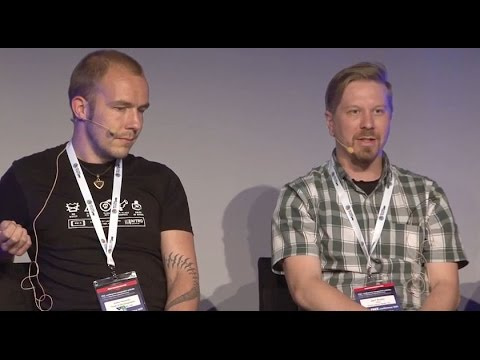
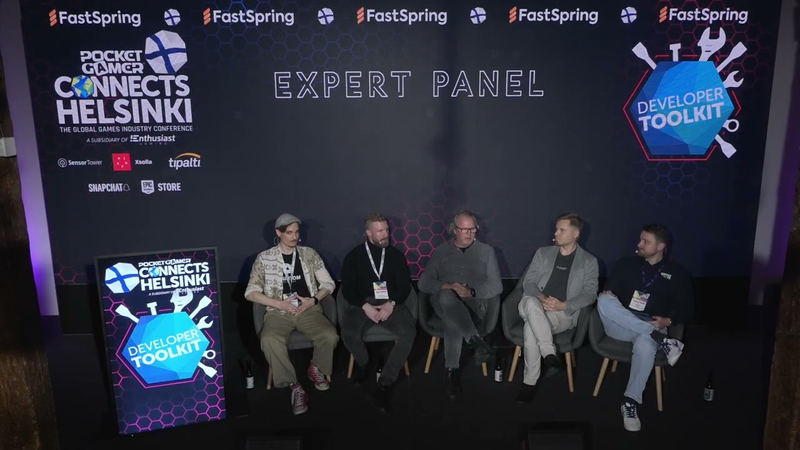
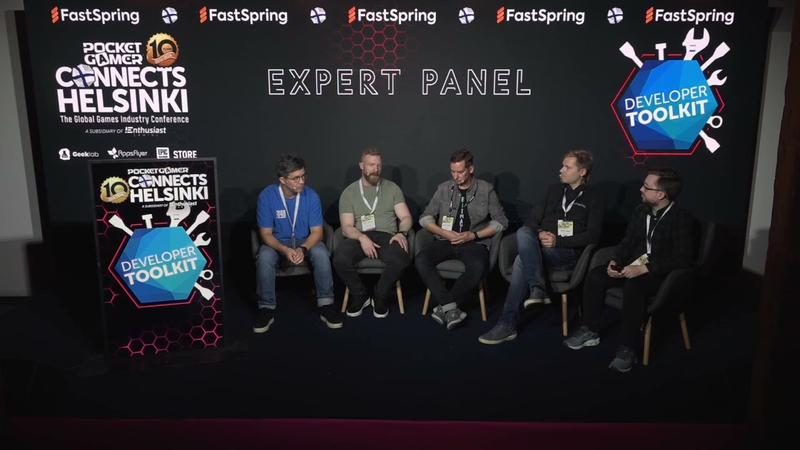
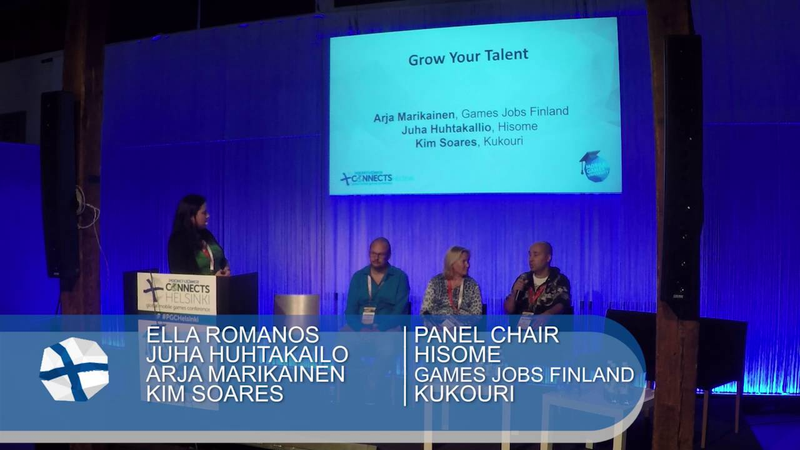
so get please introduce yourselves and we'll go from there hello everybody i'm mahalia and sea of high Sun and then I'm also building game medication for finless biggest UAS metropole ear hi my name is Arya martica and i've been working in gaming since 2004 i joined a small company called sumail that weekend digital chocolate and the pc delivered a lot of lot of people to gaming industry for the past 33 years I've been running a games recruitment service called game stops Finland at barona IT hi everybody my name is Kim Soros i'm the co-founder and CEO of cookery mobile entertainment a small finished mobile developer we are located ninety minutes right east from
Helsinki and we employ currently learn people so I'm to give the in this view on this panel right so I've got lots of questions but if anyone's got a question any point please feel free to put your hand up and we'll go over to you so just to kind of start us off what's your process from EA first advertising for applicants to interviewing them through to actually recruiting them can you give us kind of an overview of what you guys do well ok if I if I start we might touch this subject later on as well but as I said we are outside of Helsinki which is kind of like the hotbed and hub for for mobile games not just in Europe but especially like in Finland of course with a small country so being outside of hell think it means that we have to rely on personal connections quite a lot when we want to hire as a small indie developer because usually people don't tend to gravitate to the bigger bigger
towns / cities so when we recruit people it usually starts so that I kind of like start asking around my network of connections if someone knows someone who is looking to kind of like find a new job or change change companies yeah that pretty much go so in especially in smaller companies but also in the Capital Area so especially senior people they tend to change jobs through their networks but then there's also work for me to do so I'm helping various companies in recruitment processes and obviously I was hiring and looking for people for my previous companies or like hundreds of them and and it's always like the tricky point for start-up is to get enough brand publicity and get to get to known in the also among the the
talents or the positive potential candidates so that's a that actually requires quite a long brand building in order to get acknowledged and then of course some good echoes about the team and so forth so every time you hire a new person and every time it like things start to go go okay so then you your possibility to possibilities to find better people that increases and gets it gets easier every time but it's so it's a long road and basically like all recruitment that's the rolling pretty much the same process but then there are variations or sometimes you just go and hit hunt the person you have you go and you talk to someone and hey come come to us and then sometimes it's like really delightful to see that hey we had this open position here and then someone really unexpected person showed up and things are working fine so there are so many variations basically but also there
is it's good that if the companies have also someone dedicated person who actually makes sure that every is there when needed for example in the interviews and so forth yeah yeah we do pretty much the same that's a pretty networks people we know from from there but also as working with dedication I see there the difficulty of people who've just graduated to get into the industry and this is one thing I'm working to to help people to to get to internships and this kind of positions but definitely like it's also question like what are you looking for exactly if you can't find it for the networks then then you look broader like in the future talent or through re also and what about interview processes what kind of things do you do with that Judy very hands-on interviews if you've got programmers you know you do tests what's the actual kind
of process that you go through to work out if the candidates the right one so what up what I've kind of learned and what I do as a standard nowadays I mean people can say a lot of things they can have more kind of cv's but I really want to see them in action so I want to give them a real task that's part of our real job what we're doing I see how they perform there because I think that's absolutely the best way to evaluate how suitable they are to it and it also shows like how much they're committed to the thing so if they're nothing comes out like why bother any further yeah that that's true like it there has to be certain passion towards game so it's kind of like playing a violin either you want to play it all day long or you know do not and biggest part of this hrs job or recruiters job is to kind of like bounce back all the wannabes so those that's just want to hang out and but also like try to recognize those talents
that actually could do could make a difference and even they know that they have something and they have ideas but they do not necessarily even have the required skills it yet but that comes or how do you feel about this yeah I mean for the axle a kind of an injury process for example again we have small company so we hire not that many people annually but i always take someone from that specific kind of like fortunately for hiring someone for art I take our art director to me to interview the person or if it's like programmer then I take the only programmer but we are kind of like hands-on and kind of like straight to the point I mean maybe 30 minutes interview and we do know after that if we are going to hire the person or not and we usually interview them all and then like to follow up within a week or two sitting there
telling who are we going to know okay we didn't choose you this time but we chose one else but thank you for coming and all that about the skill set up if you're graduating from school you know the basics of the industrial I'd say but you're not ready to actually do the actual work so that's also wanting to consider when you're hiring people how ready they are I mean if you take someone who is first out of school then they are much cheaper than some patron who has been around for five or ten years but again it's often pays off to hire the more senior guy even if his salary or her salary is higher about he or she can do much more much more quicker than the new guys how difficult is it to find the staff that you need how difficult you find it to get the right people it is quite hard especially again it depends on the actual field of expertise but for example we were
looking for server back-end developer like few months back and I i put bhutan kind of like analyst job in areas platform and gamestop finland and i noticed that supercell and seriously has had been looking for exact same kind of person for past three months and not have found one and we put out same jump so okay if someone is going to apply maybe that will apply two super so mercilessly first but then again it was like my own network that I found the guy after a few months yeah I think that also there is the the fact is that there there are there is a certain amount of people for each company there is the there there is the group that is especially interested in you and and interested in your you're like the product for example I've had like I've
seen like fairly difficult cases and we've been like thinking that hey had a hell we do do we find this person but then you only need one you only need one candidate that has the the adequate skill set and who really wants to do what you are trying to do there and by the way a serious will receive really who has found the candidates oh yeah it is difficult like to find like the perfect match I mean that sense I can't understand why many companies rather not to hire anybody and leave the position opens wait for the right one because having the wrong person that can I'm especially in a start-up and the early phases you can do lots of damage having the wrong person there who doesn't totally commit so it's or totally doesn't understand it it can be by hindrance and so what Kim said about the getting the new people into the company that's one thing i'm looking into in Billy edit game education that's we aim
to have the graduate as ready as possible for the industry so that you could on them on the best case you just take them in and they almost already fits in the seam and it starts starts working and one one thing else it's imagine is like even if you find the great graduates then it's always the curtain or chemistry also said to do that it might works in the team and then keeps on the good spirit in the team see some of you kind of answer this slightly but and apart from obviously the skills to do the job what else is it you're looking for all that you kind of would raise the red flag as and you would look not not to have in a candidate so you know their character or the way they'd fit with the team so what is it apart from actually being able to program or two to draw whatever you need well i would say that in our company you have to be kind of like independent and productive person we want to have as flat organization as possible so everybody is kind of like responsible for their own own like place in the development but
also they can participate and kind of like give feedback to four proximal design or whatever but then again we are not kind of like holding anyone's hand so if you if you are working with with Coco you have to know okay today imma green this because of the big picture is this and we are very flexible on kind of like when you come to work at the morning and when you leave you can I mean if you want and we don't have any priest meetings or whatever you can come like 10 10 or noon and then be at the office for 10 in dealing as you want or if you need to kind of like take a day off it's just like matter of and I was telling it beforehand and then doing the others in later but that kind of like from my party it requires quite a lot of trust towards the employees so I tend to kind of like hire people that I thing that our kind of like matching that
responsibility on that week we can trusted okay we can let them kind of like be self-motivated and do what they need to do at any given point yeah Mia talent is maybe the first basis and then the chemistry but then also like how does they take the extra mile saying the effort for team and really committing and seeing that we're really getting somewhere and and sometimes when you start working with somebody and it comes to the point that you would be really great as if they would commit a bit more to take us forward and then they kind of let us down and don't really care bother about that and that's that's really like I don't know how to describe it but it's it's not not the situation looking for so when you find that key people who are really into it and you see their detective extra fort and and all work as a teams like it forward it's it's really great in that sense and i'm also thinking there must be someone who is still looking for an opportunity in the games industry there is a there
is a place for everyone and there are now there's a lot of choice i think yesterday there was something like number 280 companies in finland only plus all the opportunities abroad so if you cannot find it here you go you go else where you go you try and find an opportunity somewhere else and come back you're stronger and then also like for the candidates it's good that you do not shoot like your CDs to every possible company it's good to have some plan and think what i really want to do and what would be my level and also like try a little bit higher sometimes because you never know what is it there behind the the job at there may be that okay what we are looking for this senior mid-senior now but hey if there is some very good junior who could also come to do this and that so let's hire this person too so just like be brave and try
and then call and present yourself and ask something like nice of the recruit of it that's a good to way to present to yourself and brand yourself and and that's one of the ways do you find a job wait it's quite a lot of talk these days about obviously diversity and trying to ensure that your workforce is diverse is there anything you guys do or would like to do that think you that would encourage diversity within your your companies no I must have been one of those diversity lovers in Finland because we used to have like 30 for nationalities in my previous company and and I think I think I heard someone saying in another panel where I am so that your company is a real company when you when you hire your first first foreigner and first woman so then you can call yourself a company and also here's diversity but
it's a the better you feel the more diversity you have and the more options you see around you and how you expand your business and you see like there may be as some some person who comes from some distant country and suddenly you you notice that they actually we could make business there and then you have the Ambassador to send back since they're so I've seen this miracles happen in my past them it's fantastic I guess 11 / of like will not maybe not an obstacle but hurdle if is when you are kind of like hiring your first foreign foreign person if you for example if you are I don't know just playing Germans in general company or just finished people in Finnish company for example so the office culture but concert languages is just finished but then if you hire someone from my nano Brazil or Russia then suddenly you you have to speak
English and even if all your finish employees can speak finnish english then still it's slower to kind of like exchange ideas and there is like much more room for misunderstandings if people don't don't talk in the native language so that's something that you have taken into account when you're kind of like make that step from satellite finish or German speaking company to international company who uses English for example yeah I used to work at the Gouda toggle also and having having so much people all around was definitely a richness and when making a game it's really good in the sense that it reminds you always it's you're not aiming just maybe for Finland that you're making a global game and that it kind of you know speaking of the people playing the games with them shows you so in so many ways that's how differently people can think about the same thing in around the world which when I was a game designer there which was really good and in that sense to
take on all these different views on it hey and talks a little bit about graduates and kind of you know hiring more experienced people Avery you know less experienced people is there more that could or should be done to help graduates get into industry and get their skills up I mean particularly in small companies it's really hard and you know is that stuff it's a sport that the government could give and it would help you to do that well I mean yeah it's it's for small companies it's kind of like even if you take in like unpaid trainee for I don't know for summer or for whatever making the table practice it's okay they don't cost you anything you don't have to pay them salary but still they are not ready and it can cost you actually in time of your more senior people for example uh programming in turn he will he or she will need guidance from your lead programmer and that will take time from him to actually do the game development so it's still
kind of like it's it's it has a cost of that attack in that way actually I was kind of like pleasantly surprised about the Top Gun program for Oreo because I mean the big companies bent in you this for for couple of years that they should kind of might have this kind of line come on ice hockey farm teams where they have people growing and then of course big companies they can kind of like pics cream of the crop for themselves but that would actually elevate more people to be more ready when they join other companies after school definitely this is something where we can improve and this is what I what I amplitude and to get the people when they're ready that's as ready as possible for the companies where we can avoid the stutter it takes more time for mothers and more still mmm okay I'll come back ok I know you how you have good ideas yeah yes I think
that's like all these ravio type of programs and in any company that acquires young talent they do a pic service for the industry I think that there is there is still too little too few opportunities for the young people to do their trainings and I'm really like I'm serious about it but games industry has to kind of like really think actively how to onboard people because already now in Finland there is there is some sort of gap visible between those that do not have any or very little experience and those that have been in the industry for a long time and the longer the seniors stay in the industry and the longer they keep bouncing back all these newcomers the bigger the gap will be and there has to be like some sort of like balance
between taking people on boarding people to all levels and and growing and because this is the only way to like grow the industry here organically also not and then also remember to import foreign forces now remember what animals so so whatever we seen lately is like that's I think we started to see some sort of here okay here so so companies which are formed by students and not so long ago are much more willing to uneven actually look for for students to take in so I think what's going to happen like grandma's can go there and then they can move on to another company so kind of like in a hierarchical structure and I I'm starting to see the first signs in here and definitely some companies which come from the student background are much more willing into taking incense and yeah and you can see some of them doing quite well actually already and I think if you can also think it's like the
other way around I mean if you're like if you're looking to learn the job in a game company you're like I don't know graduating from from schooling in figures are if you are like graduating from university with like masters in in animal IT technology or whatever but don't have any practical experience as opposed to someone accreditation from college but he or she has been doing like games on as a hobby for for a few years you have something to show in your portfolio it still goes in games that the experience and where you have been and what you've done it's more it's more valued than kind of like what kind of like greats you had in whatever school you were in the practice counts what's more and then I had another idea in mind so like also like I've seen many companies that are struggling with with finding people and I've seen also like the development in the IDE IT industry
before and they're like for many companies i would like to say that why do you try alone why don't you just go to your neighbor and say that hey let's put our companies together and try merge merge these two companies and go forward together why to struggle trying to fish in the same pond where like at the moment their sources resources are not there are not enough resources at the moment 11 comments about the the graduates like yeah I know the numbers are well their numbers and tables so that's why when they graduate we have a major now in the game education there we plan to have them at least 44 down games when they graduate switch think I'm so and we tell them when they go that when you go to the job means if we make sure your game works in the children's of you so as a particular as a smallest GDA and
but in general well what do you feel about contracting people rather than actually employing them I mean are all your staff actually employed yeah all our staff is employed and yeah earlier this year when we were kind of like sort one probe one or two programmers we also kind of like looked into constructing someone from from companies around he'll see for example but then again I mean in elaborate it would cost you ten thousand twelve thousand euros per month to kind of like outsource or hire a developer from some company who done up like agency company and I supposed on average i'd say like with all the additional cost it would quite properly it would be five to six thousand if you employ someone so it's much more expensive and they don't usually will if you're in Helsinki then they might be like on site as well but again if you are in the
provinces then they are off site all the time and that's not really optimal so contracting someone can be viable option if you need someone for a short time like two three months maybe or if you're a big company i know that will be all for example in my understanding uses that kind of like deals quite often but it's much more difficult for small companies yeah i agree on that like if it's a short and think i'm 10 contracting bonded then also what more you see with contracting quite often is that they might not have the passion so if you hire somebody to your company he might have the passion and you know yeah i'm just working here yeah yeah yeah so subcontracting happy in that sense a bit of a risk yeah and it also not yet it naturally it depends like what you are contracting and what you are outsourcing which is another thing so you can also outsource certain functions and especially the basic level but sometimes it doesn't hurt to come to get the
contractor to do some trick and there you can keep on because also like on the other hand it's it may be it's costly to to build a bigger team just for the sake of saving and contracting yeah yeah mentioning outsourcing of course different I mean we do outsource a little music we have always out sourced because it doesn't kind of like make any sense to have like music guy in house for full time we do outsource some 2d art like the main image of the game or are kind of like some some high high class 3d models that we then use use for animations that sort of thing and outsourcing art is quite easy in my understanding compared to for example atoms in code in Tikrit of the time we did outsource quite many games and I remember one game which we outsourced to one particular country what happened but everything they did we read it and then what about remote
working so I mean you said you're obviously very flexible with hours and your studio but obviously everyone is based in the office I mean have you got any experience or thoughts on you know teams that are working more and more remotely yes I mean uh yeah we are located in codka maybe half the team leaves in koala which is like 60 kilometers lot of codka and those guys usually make do one of sight day week or maybe two sometimes and especially they are just maybe art guys mostly so it's easy for them to kind of much just make assets at home and then just upload into the project anyways but also the programmers can do that and yeah I mean it's more flexible for them and it kind of like added benefit from the work environment the lighting is important for for offering to your people I think it depends on how clear the game is the vision is how how clear it is to do I once worked with the game where I was I
was the designer there I was the only one day a week and and the crew was really senior so I managed to pull it off that way but Sir in general I I'd prefer always at people on site but then again like you know if somebody can do it somewhere else and we get the results we're looking for then it's no problem yeah I think it depends quite a lot of the maturity of the team and and how used how you stay are to work together how streamlined the process is ours are I've been discussing even like yesterday with with a couple of customers that are thinking of having shared teams between different countries and and but they're the point is that first you come to certain certain spots and then you learn maybe even for a year you do things together and then you can move to another place and then there are nowadays it's actually even possible to
set up another entity without even having a another company abroad so there are companies that are using this type of options for example to reward some of the teams or some individuals who actually would like to experience for example living abroad so if someone is interested in this type of model so come to talk to me is there any questions from anyone in the audience no okay and how did you learn to interview people effectively I mean I've been employing people for quite a long time and I've never had any kind of professional training and it's always been a challenge and you know and it's always something I think I should really go and get some training about this and so what do you guys do and what would your advice be I look at them in the eye and say I asked do you really want to do this but it's like when it when you have
been to doing it for such a long time it's like I for example I pretty much like real understand within the first 15 minutes that is this person capable or not and does this like CB much to the person and and so and then another thing that I always need to work with my voice that if I really like like someone some candidates so I really need to try to get back a little bit and try to think like a little bit like how do you say objectively what the person can do so not to like the candidate too much but kind of like try to get back to the reasoning why this person yeah yeah that was probably one of the first mistakes I did oh I'm somebody funds seemed really nice really good and good guy but I
forgot focus a thing about like what they really can do and do they really want this another thick dose I like T like if you think of the question why it's like yeah pretty much that question like yeah I'm afraid we don't have that that scientific process I think it's more like intuition and son like bullet points at all day we want to ask this and this and this if it's art art person or this and this if it's for program position but it kind of like a chemistry is it means a lot as well because again it's kind of like very flat organization free environment so so you have to kind of like make a guess that will this person fit into the rest of the team but as an indie also just kind of like a bit unrelated but you have to be kind of like you can't just go around hiring people or your friends or your your mates from the same same school because
one of the ways you can easily clear sort as an Indies is to kind of like over recruit people because then salaries are running all the time and you you may be may not have at least anyway- yet so kind of like when the first starting out be kind of like very very kind of maastricht when you recruit and abou your route but also you have to know when you absolutely need someone to fill some one position and do that yeah I think that when you have known someone for a really long time and when you found fun the company so then you have a gut feeling that okay we can work together but later on it's it's kind of like every each hiring is kind of like making a business plan that's what is the purpose why why do we need this person and what what the person can can bring and then eventually in the best case you are also like very good friends but you can you can also like work with many many different types of people and there has to be some variety
in the team and and so forth yeah and then also like some companies use these psychological tests and such for example ran into a supervisor who won it people have minimum 102 and QA 120 and the old guys they said that they abroad I would have liked in this new circumstances I would have never been qualified to this team well there were very brilliant people there and they did good job but I've seen that you can also do the trick it's a little bit less IQ so there are many ways but some yeah and also like it's good to get to set up some process and do certain things the same way and not to invent the wheel every time and and and also like keep in touch with the candidates and get them informed because also like how you treat people how you
reserve them how you communicate with them that's equally important to your own company and to your own brand and Oh is our question oh can we get the mic over here please hello hello okay I'm a new I GDI coordinator here in Helsinki and this is what we talked earlier about there's kind of cat forming between there between the junior and senior positions and like trainee positions there's not much training and junior positions here and I understand the problem of costly a trainee can be but how could we make it easier for the companies to more interesting for the companies to consider having trainees in juniors this day do you have any ideas right now now
there's plenty of stuff we're doing at at metropolitan one of the things we have like actual game studio there which works on actual projects so once they graduate they worked already on games in some way and to integrate this as much as possible but in general like as much as projects work they can do and running these in the waves whether that's a king come game companies tues and the other thing is like we we need to ask and listen what the industry is looking for and what I identify what are the problems like what is the things as takes a time when when training the juniors but the goal is like like when they graduate and if they moved to a game company the gap would be like basically most I'm existing here responsible I think there's really it's really hard question i mean to answer but maybe one thing is that to add more kind of like projects work for the for the students because let's say it's like four year school but if they would do
like at least one year or even like okay just two years like half kind of like teary and studying at half like actual making projects then they would already have two years experience when they curate and that that's used it very very valuable that's actually what we do and we have it I think we have even more more project work now so yeah yeah I think that's finished education system has become better in the sense that they let people out with better skill sets and actual portfolio but then of course like everybody is every student and every candidate has to do the footwork to to really go there and present themselves and not to be shy so you have to be active to one funny thing related to this is that sir there's a problem actually for the school if they're good early because then they get hired before
they graduate and that's a really really downside for the schools because schools get paid by the graduates but for company point of view that's good because then then you get the person that you want and then yeah but then the answer is that when you get the person you take it first for internship and then you can take a do the thesis and then when they got away then they can come for full time and then it's actually minimize its the resources for the company because during the internship they can already get pay but then again like if it doesn't work then it can still be you know risk-free fault yeah actually I came out in the UK and there's been a couple of things they were until very recently if you had a graduate and the government would pay fifty percent of their salary for a year which increased the number of graduates in small companies massively particularly in small studios and that were pretty one there also now enforcing internships in the UK so you know walk up well big companies have to pay into the pot and then all the companies get to use that we'll see how that works but
then Bo there's quite a lot of things that can be done any other questions ok I'll carry on and why was I have you ever got it wrong whoever hired someone you shouldn't have hired and if so what happened and how did you deal with it I have hired welders 11 of us and I'm one so I have hired or ten people so I have got ten out of ten right so far what happened with that it would have starts up as when we found at the start of like what sometimes happens like friends are not equal as business partners always so we had one of that kind of cash but after that succeeded brilliance yeah and I think that's what do you consider a failure in recruitment sometimes I see those fast trackers people that are go very quickly they they go up in the in the organization or or they bring a special skill and we
even calculate in the beginning that hey this person probably doesn't even stay longer than a year or a year and a half but we take the risk and we ask this person to like teach us for example and and then when they are ready to move forward but then sometimes there is like someone who who joined the company for wrong reasons or someone who was hired for the wrong reasons so sometimes companies may have like expectations that do not eventually meet so then it's kind of like matter of this supervisor and the team lead to look in the mirror and say that like very too hasty very forced to do this decision why didn't we wait and if there's any dubbed it's good to sleep sleep over it and and think about it next day again so if you're trying to reach people outside of your
network so sue talks a lot about relying on network which makes sense and if you want to or need to reach out of that what other channels are used I mean do you go to recruiters do you paid advertising you just use social networks lots of ways and also particularly not just for experienced people also for graduates you know how do you if you did want to hire those people how did you find them early it's usually you get tons of email from from people all right we'll all run feeling but also from Europe and other countries but then again eg if you can't find person right away from your own network well I'll use Aria service multiple times also gamestop's direct then in feeling this really good facebook group play Finland where people also announced if they're looking for a job and game companies arms if they have open positions so that's really like good social media side of things for that but here so far we haven't used any agencies it's kind of like those work
also inside Finland but again for smaller in the company it's like 10,000 15,000 euro fee and here you usually those are the same persons anyway that especially feel on everybody knows everybody so you can target those person to ask them directly anyways I just tend to grow my network so I have a lot of also like students in my network and pretty much everybody that I basically I've been working for the during the past 12 years so that's that's my sauce pretty much and then yeah yeah social networks yeah that I can work and I was went to this helsinki 2000 key new code events over here which had emmons called fine business partners or something and actually met somebody who used to work at Ravi and we'd be working together ever since ok any questions in the
audience I've got one more but we've got time if anyone ok right my last question then and if you're a startup thinking about hiring your first people what what one tip would you give them first higher like if you're such a single person looking for the partner then yeah look for a partner who can come like compliments what you're doing many companies have started with like just two guys one programmer one artist and in that point the most important thing is that you have to get along yeah like especially in the beginning it's more crucial and as the minute he realized somebody's and really the right guy there then it has to really start working out how to continue from there and because at some point of birth going to realize it's not going to work and the sooner the better and just saying people
to get to exactly the right guys for the thing and then there is also like things will things will evolve so let's say that when you are starting a company and you find the first partners and so I've seen the situation where where there was like a teams like I think I think was a sales team of that time and I called it the fourth generation of sales team so the team had changed all of the members like four three times and then a fourth time came and if he had the true teamed dream team at just in place there and then the whole business model changed and we need it completely different type of types of people so don't be afraid of mistakes and don't be afraid if somebody has to leave or it is if you do not feel like that you have motivation to do it you may be also the one that has to be even actually when when forming the team
I actually got everybody at once it's a team but if death wouldn't have happened then that would have forced me to think like am i doing the right thing but as I got the people i was looking as it gets its work me then I knew I'm onto something and yeah okay no other questions okay I think we'll wrap up there then thank you very much
Summary
The Finnish game industry operates on a recruitment model that prioritizes personal networks, brand identity, and rigorous cultural vetting over standardized hiring practices. For small studios, the primary challenge lies in competing with larger firms for senior talent, necessitating a strategy that emphasizes team chemistry, self-motivation, and a deep-seated passion for the product. Because technical proficiency alone does not guarantee success, hiring managers often prefer to leave positions vacant rather than compromise on the alignment between a candidate’s values and the studio’s specific vision.
A critical structural issue within the sector is the widening talent gap between seasoned developers and entry-level applicants. To address this, studios are increasingly moving toward active mentorship, structured internships, and project-based learning to cultivate junior talent. While international recruitment and the integration of graduates offer long-term growth and diverse perspectives, these approaches require significant investments in communication and onboarding. Although outsourcing remains a viable option for managing short-term resource fluctuations, it is frequently viewed as a secondary strategy due to the inherent risks it poses to team cohesion and long-term cultural stability.
Ultimately, successful talent acquisition in the gaming sector is a dynamic, iterative process that demands a balance between strategic business planning and intuitive leadership. While remote work is increasingly common, on-site collaboration remains the gold standard for maintaining a unified project vision and fostering the interpersonal bonds necessary for creative output. Founders must remain agile, recognizing that team composition is not a static achievement but a continuous evolution that must adapt to the shifting requirements of the business. By focusing on portfolios and practical experience rather than academic credentials, studios can build resilient, high-performing teams capable of navigating the complexities of the modern game development landscape.