1 free read left. Create a free account for unlimited reading + AI research.
Create free account
Finland – From feature phone to smart device
Key insights
6 takeaways- 01Early Finnish mobile gaming innovation was driven by Nokia-era hardware constraints, such as 27-kilobyte file size caps and single-button interfaces, which established a culture of simplicity and accessibility.
- 02The primary risk in the current mobile landscape has migrated from initial product development to the challenges of app discovery and user acquisition.
- 03The shift to free-to-play models has transformed mobile game development into a service-based industry that requires managing complex player economies, behavioral psychology, and long-term retention.
- 04Modern mobile gaming success is defined by the ability to balance high paid user acquisition costs against the lifetime value of players in a saturated market.
- 05Independent developers can remain viable by targeting specific niches or leveraging emerging technologies like rewarded video ads rather than competing directly with large incumbents.
- 06Global app stores have democratized distribution, providing a persistent opportunity for smaller studios to reach audiences despite the dominance of companies with massive marketing budgets.
Ask AI about this video
Transcript
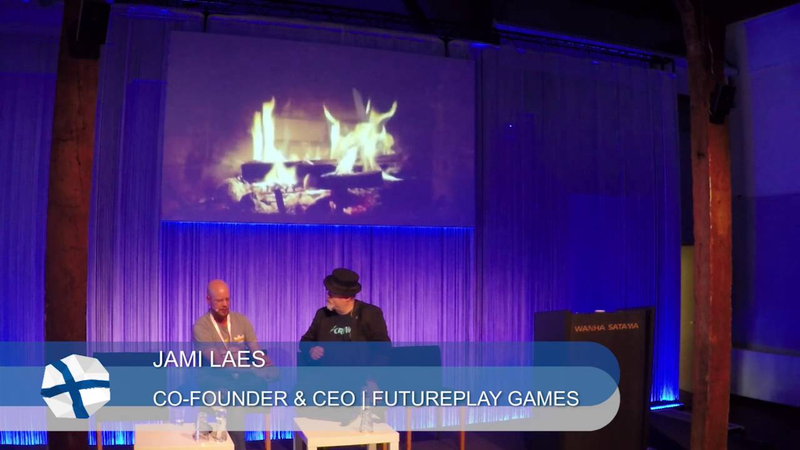
so let me let me take everybody on a little journey the year and we have a fire enough know him okay fire all my last signal now I feel warmed up my cockles of my heart and so back in like 2003 I was working for an operator called three and we launched on the third third 2003 a 3g operator and i was looking after games and I got came to contact with that number of companies in particular we gave a prize to a small company called sumia that basically we they were the first ever mobile game on 3g and because you have some involvement but that company as i recall yeah my name is young realize i'm currently the CEO and co-founder of future played
games sorry about my voice the flu and the whole day of conferencing is kind of taking its toll yeah but yeah back into 2004 i started the tamiya but i started in in mobile games already in 2009 Riot Games sorry right he so I even they had to slogan that we we don't create games we make riots and I was in creating riots I was designing some of the early web games back in the day as a freelancer so I didn't get to go to the cool crazy parties or anything you can't see me in the film or anything like that but what I think is kind of interesting with that is that kind of looking looking through you know the topic under for this fireside chat was from feature phone too smart devices and I started thinking about designing for the 64 64 text text interface web games 16 years ago actually exactly in September 16 years ago and what are the kind of parallels from there to today and sun for example in our company future play games we're kind of going back to the roots what we were doing already 10 12
years ago answer me up later doodle chocolate this that we really kind of embracing a lot of the limitations of the platform and trying to kind of focus on and use those to our advantage in that sense then what we were doing at soon we're back in the day we're really focused on one button games musi had kien the Nokia phones back in the day and you have to make like one thumb gameplay really work really well so that you can play while you walk and we don't without even looking clicking clicking on and playing the game and what we kind of start doing with future play games was clicker games then there's a great parallel from the one-button games to clicker games which is kind of dead simple gameplay that you don't even need to look at what you're doing you just keep on top of the screen or swiping the our case because you know it's a touch native interface now on the smart devices so but I think that there's something kind of inherently great about the platform in that sense there's a lot of those simple experiences and simple gameplay are sometimes the most powerful ones no matter how powerful the devices
are and how much you know power per pixel has increased or them that resolution has increased but the physical size of the screen or the physical size of the device hasn't increased as dramatically as the inside its got of shrunk and it got bigger and stronger actually what we still have two feet than two hands when you're walking and you're trying to talk or play at the same time later so there are limitations like seven each type like this I can hold in one hand to play in a 10-inch one I can get just a quick question for the audience how many of you remember having a wack phone okay so how many of you play games on your wack phone oh my goodness there were super expensive laughs and anyone played bot fighters back in the day so I just interested yeah we might come back to both fighters a suspect because I like I said what I want to try and do is explore you've really hit on I think we really one of the most important things I think which is lessons from that era which is we were trying to create a medium when there wasn't it's an audience there were barely devices yeah there were restrictions in the case of what we love
you talking about character but sometimes anyway onto pixels we had a initially a 27 cage our limit so the Java and Java file maximum size of 27 k and that kind of constrains us in so many ways but like you said it seems like the best teams were the ones who turn that into their advantages what was the mindset that made that possible well I think it's the fact that sometimes the best kind of fuel for creativity r is limitations when you don't have a broad white canvas and no limitations but you have a framework that you need to kind of make make work and get the best out of and i think that in many ways at least for us that was there was a beauty of it that hey how much stuff can you fit in 64 kilobytes for example or how much you know gameplay can you fit into into one button or how many different you know the layers of gameplay can you fit into a single single tap and things like that the limitation is kind of made it beautiful that you need to innovate that
you need to be creative and need to try new things rather than you know having a full keyboard and enjoy sticks or something like that you kind of overloaded with options on on how you a lot of controls to work for the player so in any many ways I think that's kind of that's one of the reasons why I think a lot of the finished companies are very successful nowadays is that we had to you know because of the good push or pull from Nokia back in the day there was a lot of companies working for them and with them and kind of early adopters of the mobile mobile market when it was really nice and then it wasn't really a great business yet from an end consumer point of view but there was a lot of funding from Nokia for example and then allowed just learn with you know very limited functionals of functionality and kind of hardware specs and divisive export for the visual so the screens for example and now if you kind of translate all those learnings and you have a better canvas and you have a better you know computing power etc but still there
are limitations you can you know put the 10 gigabyte game it's not going to download over over the air or anything like that so your limitations are still there they're just bigger right so we brought in the canvas but there are still same limitations yeah sorry I was interrupting but I was done it and I think it's again we mentioned knocking I think it's a really important thing particularly when you start think about like 2003-2004 tears and five that early early era where everything was Java the influence of Nokia at that time was enormous wasn't yeah I mean it was not money it was people leaving the company except their own teams and and it's not true to say that the only games companies having success were were finished but the there was definitely a noticeable number i mean i remember the mr. good livings the obviously samir obviously then digital chocolate and you know there was there were so many different companies that were coming from finland and it I wonder what it is what it is essentially that made that environment what was it just
nokia was there something else do you think well no key obviously had a big impact it's not you know kind of causality then it was purely because of Nokia but there's a lot of correlation about the you know the rising tide raises all boats and providing funding and and just making mobile and relevant and important on a global scale from a small country like Finland the same thing what you know hioki has said many times that just seeing like Rovio sexiness or Brazil succeed makes us all think here in feeling that it's possible there's no reason why we couldn't be the best in the world and whatever and once you kind of break out of that mindset that helps you you know execute than innovate and take risks and just be you know the best that you can be in terms of content when you're creating games as well and don't think that oh we're just gonna create the small little game for the small little market no and because mobile was global you know the start with because of Nokia and then later of course when you get to the App Store Iran and and all that when digital distribution and kind of fool self-publishing power on a global scale
became possible it was an instantly global market frozen but I think that because of Nokia mobile was the first choice for us and because of maybe some a bit down to earth finish mentality mobile was an easier platform or an easier market Frost and Triple A for example we're not the most flashiest people in the world we don't go gung-ho guns blazing you know running front and colder parade in American style that we're gonna get to build dollars and create the biggest game ever and go to the moon no we're just gonna we're just gonna do our thing and there we're gonna take over the world that's our wife I'm doing it so that's a bit more down to earth and I think mobile fits perfectly that because it's more limited it's smaller it's kind of yeah we're just gonna keep doing it for see what happens but it's also I think there's a pattern as well a lot of the same companies who started out doing the mobile soft back in the area like the to the early you know to thousands also in the middle of that discovered the Facebook moment yeah and a lot of them went to Facebook and then work back to mobile I know you've
had some involvement playfish and so what was that journey like when because it felt like to me that at that era there was a kind of opportunity to change platforms but really the same core skills about very addressable very mass-market kind of content but at the same time with a new way of looking at the business model well a lot of things kind of what we went through a little chocolate was that we were first on feature phones then you know qvga and and 0-60 and then later iPhones and then very much later still Android and then you know free to play but in the middle we did have that period where we went all kind of Facebook canvas and social games when that was the big deal in the market and a lot of finished companies a bit bigger ones did that adapting to the market where we saw that okay this is the biggest part where the players are right now and where the revenue seems to be so we're quite agile and you're right a lot of them skills are fully translatable from a content creation
point of view for it for this new platforms but what of course was different with Facebook and then later free to play in particular on mobile was that there were a lot of new things like when you go from a paid model like the feature phone days wasn't okay you did some subscription and kind of different pricing and trials already at three a long time ago but still the kind of paid model to premium to Freeman and free to play and games a service that was a big mindset change and I remember when we're going to Facebook canvas and we had this kind of brown bag lunches where where people needed to represent a kind of different games that they played that we're free to play and ask the guys that you know that don't stop playing and you'll find until you find a game where we actually want to spend money that you have to keep playing these games as long as you find a game where I actually really honestly want to spend money and then everybody came with that out of that game and explain why they wanted to do that because I think that to fully
understand such a fundamental shift in paradigm what free-to-play is you have to kind of really relearn everything because you can't just take a paid game and then a mystic you know in application pricing on that door or purchases on that so that was a big change and a lot of companies didn't really succeed in that and as well finish companies and even as either and once you know iphone then came and in-app purchases and into iphone and freemium model properly onto the smart devices that's when the finish it's a mafia started to have all the right ingredients there the business model was their pricing wasn't an issue anymore and there was the elasticity on on on and really trying to get big remedies through freemium model and then we had the mobile experience and we had a couple of tryouts and on different generations of start-ups etc and that's when you know magic started the classic thing where you know it takes that not quite so soon i do remember ill cos do it right I think famous talk about gun shine GDC like a year before flash came
out there and you know it was like a broken man at the time it was it was kind of tragedy but it was this amazingly honest we tried this we tried that didn't work we're gonna do this next yeah and that i think i mentioned that because i think it sums up what a lot of people were feeling and doing at the time and the gun and tried this new model is trying learning about these new business models promotional techniques about scale about servers and then Apple comes out like you say and changes that model game but to your favor you know just for the finish industries favor I would argue yeah and Walter everybody's favorite things or even you know created a a lot bigger business for everyone at a chemistry and provided me opportunities not all of our games perhaps in general and you don't have you idiots like me sitting there as gatekeepers you know thinking that we know everything about you know what the next best game is going to be I mean I'd
like to come a bit better than that but you know the point was that i think it was a rare time with not that many operators we're really trying to experiment with business models and opportunities despite the fact this is the prime opportunity anything that's probably why they lost that the other one act comes along and changes that and throws the rulebook out and said no we're not gonna we're not going to gate key but we're going to give you some strict rules to hit here too then it's opportunity to do but although another doing a bit more gatekeeping trying to clean up the app store a bit in terms of what kind of there are that shouldn't be there and stuff like that which is i think is a good thing because what's kind of stayed the same all throughout the changes in the industry is that discovery is never easy it's the hardest thing ever i mean back in the feature phone days it was like drinking of river through a straw yeah when you think how many games there were already at that point then you had like you know three games at the time that you could see in the in the featured a list or maybe bit more on your devices that work EVGA and
nicer yeah screens and all that but still there's only 25 games in the top 25 list and that's never going to change if you talk about a top 25 list top grossing etcetera so the store is still a huge limitation due to the physical yeah kind of dementia some of the how many listings can you have or how can you actually showcase different stuff there and of course that's going to evolve over time and you can also just add other layers and different categories and notifications and all kinds of discovery things and and now there's of course a lot of app discovery through virality and and user acquisition and ads and all that but in many ways that will always remain to be an issue if there's you know seven billion people and a billion apps and an app for everything hard you're gonna find the right people on the right apps get together another thing it strikes me as a in that area where we started out we were talking about the people are arguing about whether they you know there should be a particular number of pixels the height of the screen yeah it wasn't even down to aspect ratio and keep
coming up with new features I'm a jest I'll 184 when the people wanted to put 3d into Java and then my dad did it one way and someone else did it another way it was a fragmentation mess yeah so obviously everything is easy now isn't it well it's way easier than what it was then yet unfortunately Android side of things things are still a lot messier because it's more of an open platform that has the manufacturers an OEM is that everybody can kind of do their own thing more freely which is obviously a good thing for a lot of people but it still creates hick I had headache for for developers with in there are guys who is like unity that kind of helped that but mobile is still very different from from like triple and console development they have their own challenges but you still need to care for different aspect ratios different physical sizes and different controls and different use cases a lot more because you don't really go running around with your ps4 in a crowded tram or anything like that usually I'm playing so it's just a different platform that's on the goal so ya know
I'm gonna revoke that a little bit further because I think actually it's not as complicated now it's just that the kind of questions we have to ask ourselves are more complicated so we're now thinking more about user acquisition because we now own you know developers weed out in the shop I used to earn the shop but now as a developer I own my own shop so now every game is its own shop every game has to worry about how long it tracks an audience how how it then converts the audience retains the audience yeah so all these techniques and things that we had to do is operators every developer now has to do as that being a massive kind of learning curve because it feels like it's been a very iterative weather develop I think that is exactly the kind of biggest learning curve of all free to play if you're trying to make money is to understand the behavioral psychology and there the economy off your game and only talking about the in application purchases and what are the prices for that or what you want the unification purchases you have in the store although that is you know retail psychology which is of course
being a big learning curve but it's more about just the fact that you need to think of the player experience completely differently let it snow like you get them the players to pay up for anything and there's always free choices and endless amount of them in the store and they already have a thousand apps that they've installed that it's competing for the timeshare on the device so you have to really think about and how do you make yourself relevant how do you make yourself relevant than all the different steps in discovery just the awareness and discovery and conversion and install and startup and then the onboarding editorial and then how the early experience starts but that doesn't help anything because if you only get a player you know to play for one or two two days which is fine in the data or if they see already you're already made a buck right I've got my money exactly putting the free-to-play you're right it doesn't matter anything because you'd ideally want to have them for at least weeks hopefully months and for some companies years to really kind of recoup the investment that you created first first of all in the in the building of the product and maintaining
of the product because everything needs to be updated then built as a service and continually kind of taking forward but the biggest thing of course is the most discovery for most apps is paid now so you need to pay for the installs and and whatever your cosplay instil is your lifetime value should be higher and that's you know a prolonged than a larger risk and what it was before first you had the development recruitment risk and now you have the discovery investment recruitment risk on top of that so it's created a completely new my mindset in how you look at the area under the curve for your product and the life cycle and everything and I think that's truly the biggest change because you need to change development and kind of a live operations and and how you kind of treat your players in the community from a support function everything is completely different because you're your own service company even before you launch the game but and like saying as well as that you you guys are looking at changing the business model too so you not just are we looking at kind of you know how we gonna
monetize it each individual item but using new techniques like the report video ads to be able to deliver an experience or all pads that computation and so obviously you know you've been doing that a long time a lot of really successful mobile companies have been doing it since that era we've got a lot of guys in this room I'm sure who in do we want to do their own thing and we want to kind of is there is there still hope for these guys to be able to break in and if there is what's the one bit of advice should give them I think there is definitely hope I mean like any platform once it matures there's gonna be a certain part of the market that's always taken by you know big eyepiece and big incumbents that have the marketing power and the discovery through the brands that they have so that everybody recognizes but at the same time I think both Apple and Google are doing a really good job of making sure that it's not only about the big brands that they have a special place in their heart for caring for the Indies came for the
quirky stuff and continually kind of rising them up to the spotlight and featuring them etc and just them kind of democratization of the distribution so that everybody can sell published etcetera that makes it first of all I'm kind of possible in theory that everything can be a hit if you just abide to the rules so if you get live and I think it's definitely possible for English to be really successful but I do think that you are don't need to do something where what you really are passionate about really well or or you need to look at what actually might work in the market so you either need to do something that you really are passionate about them you know you're gonna be the best in the world or then you need to just you know bite the bullet and look at what might work in the market once you get out with their game otherwise I think you're just risking too much by doing something you don't care about yourself or doing something that the market might not care about so I think that that's kind of just you know a bit stupid unless unless you try to make something be aligned in your face either personally or market wise if you
start from from zero and that's for example why at future play games why we just think we decided that okay if we're going to start from zero how do we make sure that he'll guys not gonna kill us one way get out to market he's a good friend but still we need to be some somehow a compliment to him rather than fight for that two zillion dollar marketing budget that they have let's rather take his money yeah so let's put the car in front of the horse and let's make king and super selling machines own machine head etc be our friends and you know work with the odds so that's one way of doing it look at some of the kind of changes in the market that might be in your favor like we did with view to play or look at some of the kind of genre migrations or what might be the next next thing that might have traction in the market door if you're really good at something or you want to be the best in the world of something just focus on that and try to make sure that you can you know eat what are your way into into succeeding so you get paid for something while you do the thing you love how do that helps that helps you in longer-term to do battle teeth and care for your
family or whoever you have but I say you know do something that you care about or do something the market might care about that's the simplest way to put it I think that's a great way to end it so thank you very much that's perfect you thank you happy Shh
Summary
The evolution of the mobile gaming industry from the early feature phone era to the modern smart device market is defined by a transition from hardware-constrained experimentation to sophisticated, data-driven service models. Historically, developers operated under extreme technical limitations, such as 27-kilobyte file size caps and single-button interfaces, which necessitated creative innovation. This era, heavily influenced by the presence of Nokia in Finland, fostered a unique development culture that prioritized simplicity and accessibility, laying the groundwork for the global success of the Finnish mobile gaming sector.
The industry’s shift toward the free-to-play model represents a fundamental change in business strategy and player engagement. Unlike the earlier paid or subscription-based models, modern mobile gaming requires developers to function as service providers, managing complex economies, behavioral psychology, and long-term retention. The current landscape has moved the primary risk from initial product development to discovery and user acquisition. Because the market is saturated with millions of applications, developers must now balance the high costs of paid user acquisition against the lifetime value of players, effectively turning every game into its own retail storefront.
Despite the dominance of large incumbents with massive marketing budgets, the industry remains viable for independent developers. Success in the current market requires either a deep, authentic passion for a specific niche or a strategic alignment with market trends. Rather than competing directly with industry giants, smaller studios can find success by creating complementary experiences or leveraging emerging technologies, such as rewarded video ads. Ultimately, the core challenge of discovery remains constant, but the democratization of distribution through global app stores continues to provide opportunities for developers who can effectively navigate the evolving demands of the mobile audience.















Comments