1 free read left. Create a free account for unlimited reading + AI research.
Create free account
Is Helsinki saturated and can the Finnish games success still deliver indie talent?
Key insights
6 takeaways- 01To remain competitive, developers must move beyond incremental improvements and adopt blue ocean strategies that create entirely new categories of entertainment.
- 02The domestic educational pipeline is currently insufficient, forcing studios to recruit senior talent internationally to fill specialized roles in free-to-play mechanics, monetization, and product marketing.
- 03Market saturation and a widening talent gap are forcing studios to pivot from simple gameplay prototyping toward complex metagame design and long-term service operations.
- 04Helsinki remains a viable hub for indie talent for entrepreneurs who demonstrate the resilience to embrace trial and error and the foresight to target underserved global niches.
- 05New ventures can overcome funding hurdles by utilizing a combination of angel investment, co-development partnerships, and data-driven user acquisition strategies.
- 06The Finnish game industry's resilience is built on a non-zero-sum culture of radical transparency and peer mentorship, rooted in the 1980s demo scene.
Ask AI about this video
Transcript
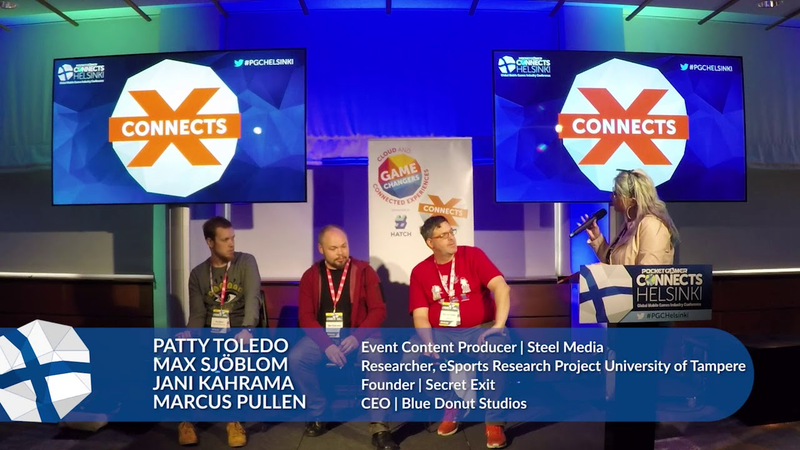
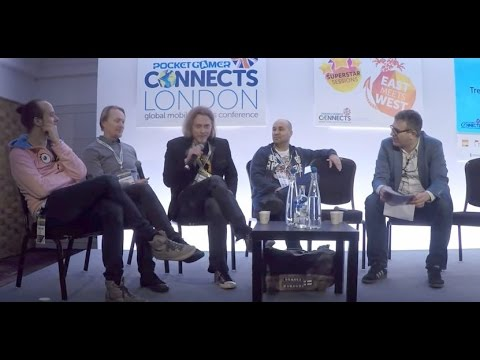
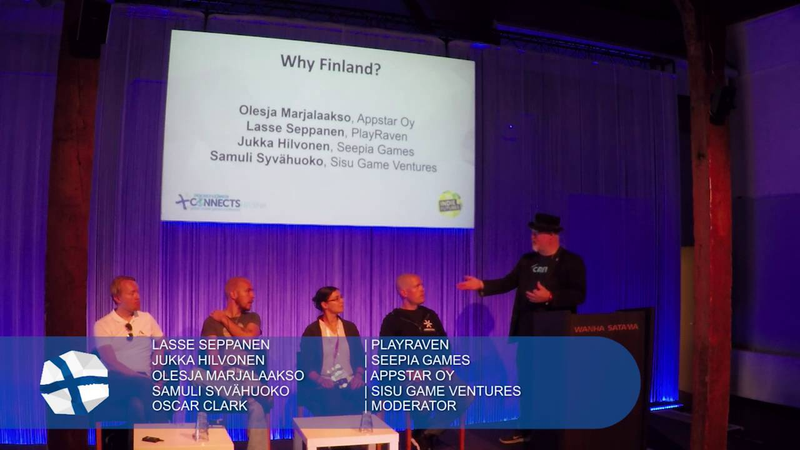
and on in we have a panel now we can ask a really important question about you know why Finland so if i can get my last year yuki a UK lasse and simile to come on up you got all your there yeah there but yeah cool we're good thanks hey yeah amen thanks E good come on you there should be enough mics are also that was tyler hey dater so we're going to kick off and it's one of those things as we started off in the
beginning of the day we asked a question about the history of where mobile particular came from and it's one thing that struck me continually is the the engagement of the finished community I mean I I think in general there's a whole bunch of very interesting things that happened and you know events like assembly and and the demo scene general all of these things seem to combine to make the kind of tank we find in thinner than the kind of teams that are created content infinite to be very successful very interesting and I'd like to explore that and why that happens and with that and keep going so to start that off let me just get you to introduce yourself and you know I think probably justice or give it a little bit background of what what how you got involved in games here so someone's you want to stay here on a nice guy at poker games so I started already back in the late 80s in the demo scene and I always ask how many people
here know what the demoscene is raise your hand that's cool okay about half so I was with the demo crew called future crew and then out of future on some of the demo crew back in the day we decided to create the assembly computer festival back then it was just call the demo party and during those years we didn't have any game studios in Vinland it was just individual people making games because back then you were able to make a full game with just one person was pretty pretty wild well I still know some people who can make that but not many but some yeah it is pretty crazy so the beginnings of the various game industry all started actually with the demoscene the blister grassroots sort of skills and efforts and people who decided to pay we're going to grow up we need to find a job and what if we turn our hobby into our job I did exactly
that myself when I found it remedied back in 95 I was like okay I should maybe look for an actual job or maybe go to some University or something like that but I was like it and I just want to keep doing what I'm doing I've been doing all the time so that was the early beginnings for the finnish game industry back then there was only one company before us and that was how smart yeah and so we were like 30 guys making games and early on we started to collaborate or you know just go to pubs and share ideas and the whole thing was after that based on friendship and openness and sharing information and that's our secret weapon even today our turkey great don't describe you son hello Marisa and actually I got into the game industry 2005 when I started that digital chocolate as HR assistant actually uh so I was I was fair through
2005 to 2012 and in that time a big change happen from a legacy mobile where you working with with it's a beautiful watch sorry yeah so the game was very different in 2005 and when I phone came an apple and it all changed and also the digital chocolate it grew from about 50 people to 160 so we actually like to say that digital chocolate is the gaming university of Finland if it's a lot of people who have now like on very second or third or fourth round they came from d check and of course ilk and mick / founding the sumia and d Chuck yeah and you know what came out of that so and now i'm working in a small india india company i'm making games cool how you can hi my name is your 11 I was involved in
the game industry in back in 2012 actually I was before that I was 45 years our unit the university lecture but then with my my friends we started gaming company in 2012 and after that have been your baby ok you're the newbie yeah that's like hey my name is luster sepan and I'm I've been working on games for almost 20 years now and my background is pretty similar to what somebody said here I think that the first home computers had a profound effect on me in the early 1980s so vic-20 Commodore 64 spectrum 48k those were some of my first computers where I was trying out programming and playing some games and later came amiga 500 where you know I learned assembler and it was it was just insane times you know I brought a map editor for instance in assembler why would you write a magna deterring I have no idea afterwards but at this at the time it seemed like a
good idea anyway I I went to study some stuff and I think looking back I was quite fortunate because I was able to study game production in game design already in the 1990s here in Helsinki at the University of art and design i'm pretty sure it was the only place you could do that back in the day when they were under a hundred jobs I mean now there's like 2700 so we we've grown a lot since since those days but I got my first job in in games in 1998 and I was actually hired by my teachers from the University who had their own game company my first game won a global nokia award but you've never heard about it because it was a web game so nobody ever heard about any games really so that was the first mobile the second wave of mobile 2003-2005 era but we had java code running on the devices color screens awesome times i was hitting a studio with Al Capone and then later he
of course founded supercell but back in the day like 12 years ago we had that studio we build it up I sold it to Americans in 2004 or became part of digital chocolate and I left in 2005 for remedy so then I then I had my opportunity to make a really big game executive producer on a 20 million dollar game Alan Wake for Xbox so from the makers of max payne and ship that isn't that in 2010 stay for a year more and then thought that now it's good time to go back to mobile because all the physical problems are solved now we can directly access the consumer we have good metrics and and so we don't have to talk to Vodafone and orange and every single operator in the world I could just go to the idiot three he was terrible yeah just just the Apple and Google so it's it's really great times now and I think so we gotta firmly established you know we know that there's some great history demos in particular and I think you know the way
nokia were supporting mobile in the early days and i think particularly with the mattingly the way that that really tapped into the really crude technology that we had in the early java phone days because it would took that kind of high level skill to be able to deliver the best experiences you could get but now we're in a different era well now as we've talked earlier that you know we've moved from a time when mobile was considered to joke you know the member will never work no i remember back in two thousand four people were saying to be constantly we don't need a camera on a phone and then the next thing they said it was all we don't need a smartphone why would we need a smartphone I think know I'll never need a smartphone it was a constant rate and we still get some of that with the arm which will get some of that with some of the other things but won't take this is perhaps one mark earlier in the room and you know we've had this conversation many times about kind of know what would need a smartphone and but now we're in a situation won't basically smartphones almost ubiquitous the games that are
available from Finland in particular are in dominating the top 10 and have done for years the number of changes that happen in that top here at topic section a relatively stagnant what space is there left for people to make new content you know is it a stagnating thing or I don't really believe that by the way is it that is it is it is there a ceiling is there a ceiling we have to break through or is or we are we in a mature industry or is it still growing I think the top let's say top 20 L top 50 is pretty stagnant hmm and it's not look good for the industrial good for anyone I don't know how how that could be broken so instead of focusing on the top 50 I always focus on the top 100 or top 200 that already can make you a lot of money each day each slot in the crossing list makes more money than it did yesterday so there is hope cease to the interlock see
yeah I I do agree it's been fairly stagnant I mean when was clash of clans made up what four or five years ago but on the other hand there's been every now and then there's been a new hit that breaks through Pokemon go obviously but there's been other more surprising things like fallout shelter a completely single player game came out of nowhere and made more money than the console game and a pc game and that kind of thing happens I it's still possible i think they break through there but it's it's a bit like Petra said in the talk before that it's you can't really expect to make it if it happens it happens reportes if you get that virality effect going but you need two elements getting to break into the very top and then one is innovation and one is like a huge brand hmm if you have only one of these things then game over but the photo shutter and polk will go up are both very good examples but they didn't seem to me at least to come prepared with the game as a service that kind of had to
bolt that on after the event if not there on antic i know because they do out obviously know that about games herbs they have one but the degree of success that they had like you know absolutely was so profoundly out of proportion to their expectations and who could possibly afraid achieve that but I feel like we're in like the you know it's a bit like a fatty bird thing you know the phenomenons do happen they bobble up are we just praying for a lucky streak or is there something more profoundly I mean like you were talking about and you know the more there are more opportunities for new genres new areas I mean should we be differentiating more yeah that's what we try to do we don't go to the topic we try to see what kind of niche would be available in restores and what kind of audiences are maybe underserved and so we chose like we want to do games for
women and especially young women from 13 to 25 year old and which as well we love clothes I don't want to say that all girl's life love clothes but so we decided to do a dress up game for 13 to 25 year old girls I don't think that a lot of out of 280 companies in Finland I don't think that any other does exactly a bad kind of games so we just want to be different and we think that we can succeed with that but that's an interesting point you're focusing on an area which you think is underserved you're not just trying to focus in how do I get to that top slot I do any of you connects because your queue for you it's your relativity coming you're not new but you're relatively new to the space in the sense that you're this is not this is the behavior that's been in place forever from your gaming experience point of view so you know what does it look like from your side of the fence when this is just the industry well I think I agree with what they
always said that we also we say / games are looking for or is is that are under deserved in pan well for example we're making a Idol game pocket towards younger female audiences and so it's one of one of these examples that just have to be creative and just have to be focused on creating games that are a little bit different than other games and try to find that the sweet spot where you can actually and how do you do that what's the thing that the world law I can see the drive and the ambition but how do you realize that ambition for us a place to be a pretty young an unexperienced team so it just goes by making step by step by step and learning on every step first launching something seeing how how it goes collecting feedback seeing who are players what we are doing making the next step making the next testing the UA for for us
please like thinking about you a vua from from the beginning has been a major thing so we have been able to test the games without spending any money on on it so not my particular view on that is to look at you a as as like part of the first time user experiences exactly you know it's how why should anyone care enough to get even aware that your gaming exists let alone that act upon that to be able to get it that let alone download it and then let alone choose to carry on playing after that only thing I think it's a thinking a much longer term is useful but lesser you're gonna jump in yeah I just wanted to say that it is obviously very very hard to enter a saturated market and this must seems like a saturated market but there's two factors so first of all predicting entertainment trends is very hard I mean there was a time when western movies were like a huge huge genre where are they now you make this may be one Tarantino Western a flight you know it's it's the taste of people at some point
they get so saturated that they start just ignoring the whole category I think there's this there has to be disruptions coming up on this market as well it can't last forever with the few titles or a few few types of games it's just too big that that audience for that entertainment i think that's happened well i was going to use example i thought one who use it yesterday about how many sweet variety maps three games are there yeah exactly 100 like also if you look at TV TV Lawrence's in the beginning of TV it was like you probably thought that you know it's quite crappy content content compared to the movies but it develop new genres and new types of programming over the over the years like for instance reality TV came out of nowhere and become a huge huge hit kind of category of things category of TV programming rather than an a variant of the existing programs that we're we're there already so i think that's that's entirely possible it's just very hard to
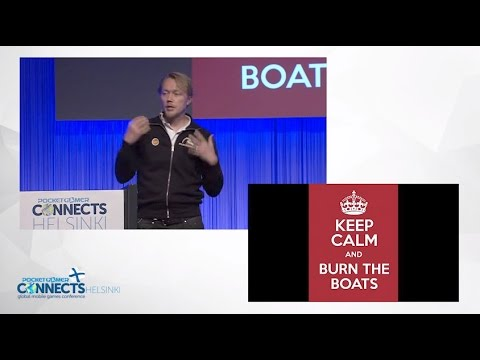
do of course and the way we think about it at play Raven our company is completely focused on positioning our games outside of the so-called red ocean looking for the blue ocean where nobody is competing at the moment and there's a way if you read some literature on marketing like positioning or or differentiate or die or that kind of books very classical marketing strategy books about how to enter a very competitive market there's really really good points how to make a method out of it so I like to think of this a little bit like when coca-cola entered to soda market it was very saturated it was very hard to get on the tap because there was a limited amount of physical tabs in the soda fountain and you would have lemon soda and strawberry soda and so on if you just make a ten percent better lemon soda to be extremely hard for you to break through into that that market but if you made a disruptive product like coca-cola did which are different tastes also a different functional side to it so the energizing kick of caffeine and
then a nice branding and marketing with the colors and the name and everything you suddenly can create your own category if you go to the supermarket now the supermarket guy will put up a shelf for you for caller drinks rather than you trying to push your category I think a girl had a small amount of cocaine in it as well but my point is the lemon soda can't really compete directly with with coca-cola on that shelf because it's a call a shelf now it's the older category they created it they even though they say they give the fridge to settle the fridges to the stores and something else crazy but good now G when I talked with the developers and not a day almost goes by when I don't most of them are of course focused on the mobile games because that's you know part of the DNA of Finland but there are also other platforms have you heard of pc just how you darling yeah yeah yeah so why focus on the toughest market there is where it's almost impossible to break through
especially with the team that has no experience doing marketing for example you a is extremely difficult to do well as I'm sure you know so i always suggest it okay if you have a great game a cool new innovative mechanic why not why not just make a premium game for steam and try it there first but even then something like two-thirds of the the games that are on steam now were released in the last like 12 18 months you know the steam is a market which although is less competitive the the movement of smaller India's who tried and failed in mobile to steam as their focus has itself become to a certain degree saturated and and that and how many games you've gone steam what percentage of steam games that you own have you played anyone above twenty percent oh really okay I'm impressed I'm
about to do then yeah and I I I want to play all of those games but but I mean this is an interesting appointment and they've got my money so maybe it doesn't matter so they've got paid but is there a kind of fundamental problem a breakage there but we're chasing new markets but we actually still have to have the same skill set in terms of marketing our game will be a very different store mechanic these are the kind of things that go through my head anyway so I mean let's let's take the conversational bit in a different direction so we clearly have teams the making mobile games we now know that you know we always knew but we now have this other kinds of content in fact you know if you think but this kind of scale content you've done you know would remedy in general you know we talk about every aspect of fielding a console pc steam mobile VR all these things are actively being produced in Finland have you got the skill base have we got the resource base to keep the momentum of
that kind of level of innovation because it seems to me every generation every new iteration is requiring more and more skills more and more resources is that but it gets before is gonna be difficult one of the problems in Finland you know since the boom started like six years ago has been people you know you don't have enough people coming to the games industry schools the school system only produces maybe I don't know 300 graduates every year and that's actually great but it should be the double that or even triple so we have to export most of you know the actual senior talent from outside of finland in our company alone we have 11 nationalities in a team of 22 people so that's pretty crazy but also i think that that's a really great thing if you are creating global entertainment then you need to have a you know international team building that so and hopefully kind of culturally and gender and identity diverse in the process and i think it's something we're
not traditionally being particularly good at but i like to think we're getting somewhere on that and so is that your experience i mean you're saying is it is it so about having enough resources all is it about finding the right people around you may be on the second or third top company around or what is it in terms of resources and skills for you well sure i see i see really good difficulties in Finland but a lot of big companies well-funded companies so being a badly funded in the company it can be problematic to actually attract talent but but but still because the mass is still so big even if only 300 people are kind of coming into an industry from schools I think I don't know how many but there seems to be a vibrant in this ski like skin where people are doing games just as a hobby and teaching them self learning themselves and that pool
creates always possibilities because when you jump to something to show and to show what you can do and then you can jump to the bigger companies but i think this always needed the step where you can go and do and prove yourself and then like if if you have it so i think that in Finland is good but because because we have the schools we have in deerskin and we have well-funded companies so we have a whole ecosystem yeah I think that's an interesting point the idea of a thing for me is a bit like a metaphor from rock bands you've got to have the guy in the basement learning you know till his fingers bleed and then doing the pub scene and then getting paid for their first gig and then you know becoming a professional musician it's not just a case of you know you know you're instantly know what you're doing I mean you see a similar results chuckling you do that it you think it is this pipeline working or would you say this the resource gap I think especially
for us because we are located in love parent which is a smaller city around three and half hours from here all rights the resources like one of the challenges for us because we actually don't have the capabilities to hire well well skilled people from abroad and I don't think that they would even want to come to a parent but that's the other story so we have to find the talent or the like a start of the talent from nearby cities or from la parranda and then just to then it's a matter of like how you build a comp a culture so that the people keep keep developing themselves and the skills yeah I think that that's a really key thing as well as like recognizing a company culture has to be about evolving skills much learning it but that's gonna have a beneficial effect on retention of your staff as what I'm assuming yeah that's one one good thing that because we're one of two companies in game in la parranda so it's their inner self our workforce quite good yeah of course it's
a it's a little bit more it takes more time to actually develop the skills which we want to in order to have the big success but I also imagine it'd be a bad idea to fall out with anybody well you guys in terms of the skill yeah resource gap well I think one particular problem is we typically hire people who have about ten years of experience and who worked in Games ten years ago in Finland I mean not that many people are working for the big boys are yeah I mean we have a number of Finn's of course but the majority of our staff are foreigners yeah that have been imported here I mean we have three Brazilians really not North Americans its own but I think there's just there's a particular skill trap maybe for the Finnish developers here because we have a long long tradition of prototyping really nice new innovative game mechanics I think the game education system right now teaches those skills to people because they are quick to make you can make quick prototypes and produce a game around
that and you can do that within the scope sorry within the scope of a games course but I I am worried about the free-to-play side of things how to teach that and how to you know we we have difficulty finding Finnish people who who would be proficient in free-to-play specifically and looking at our own games we we just soft launch our fourth game in in June the news by master it's in android store at the moment and this one doesn't have any prototype gameplay we focus only on the metagame and your basic just allocating agents rather than doing tactical things with the with the agents as in our previous games where you move some robots or whatever and this game performs better than the previous ones so i think we we've sort of learned how to work ourselves out of the out of the paperback of prototyping and focusing on the prototyping of that second second game play into what really makes a free-to-play game flourish over
the longer term and that's really the metagame side of it yes it's all games the service aspects which are often I mean when I often do a lot of the big indie pitch judging and things like that and often like you say this is amazing mechanic but no context loop no reason to keep playing and no meta game which I think covers like the stuff that's not pixels and you know when you if you don't break down that that service offering properly you don't have the free-to-play experience you know the school system doesn't actually teach you know free to play or manipulation design yet but it's still relatively you mean the whole free-to-play model a' store let's face it remarkably new or in 2008 really is the point where Western companies were starting to make that happen and I know that's one we were doing playstation home and that was when first as the iphone all the other install came out i think only a month before we launched playstation home and so it's all very early day is even then
we don't need a few years you know not even ten years into this I'm not surprised the school system hasn't caught up with that yeah so let's move on a little bit further so the other thing about this and just this game as a service model is it's not just about programmers and artists and writers anymore it's about people to understand like you say I'm the marketing aspect and but not just at marketing in the sense of the marketing communications but actually what I was trained in the product marketing you know the the core concept design make sure that addresses an audience and that audience is communicated to and monetized effectively so what about that skill set all that plenty of people in Finland you can do that not really okay Oh God by let's do that a couple years ago when I was looking at the traditional sort of skills that you need to create games which is of course game design programming art and production I was like okay there's one thing missing missing and that's monetization design
yeah and that should be like a poor skill in the game development team absolutely but let's listen but where's the small team I mean how do you deal with that ah that's a very interesting question actually doing our first iteration we didn't really understand but we need it you just like yeah cork or loop and everything that's it so we'll do the retention later and then realized but oh my god we actually need to make the retention game and ver monetization and all those like the meter game that's the main thing and there are certain conventions and now we are desperately trying to figure out how to map our economy of our game into the XL and see like i was talking with patrick on a front track 20 and he said yes you need to map it into an excel and see what player after being in your game one year is the economy still stable if there are not too many money or not to
like to i was like oh my god how we do how do we do that and even better i was asking who does it who is like the guy who does it and even Petry was saying that it's sometimes it's a designer and sometimes it's the product manager and you never know it depends on the skill set who happens to maybe have a skill set so i definitely under like no but there's a problem that's not such an the worst thing is that you can screw it up in very basic decisions you making gameplay just all right you even games out game I'm working it's a struggle to get the long-term scale because of the nature of the property that we're making saying I don't ask your see afford to do it that bad for you yes I mean how many how many game studios have CFOs small India's and your CFO anyone I don't then bringing your accountant or someone else understands numbers and exos yeah I'm saying excel is there Elton I thought you were gonna own it a comment i think
that's it there's a really good point that you're making a we you know we started our companies to start up at five guys in a in a room and you just have to make choices we couldn't have a specialized person for every role but as soon as we had fine so we we knew we have to get also other things than programmers encoders I'm sorry coders and artists and designers so for instance we imported from Canada a lady who is only focused on economies and then she worked on MMOs before so those were long term economies and very careful balancing and you could test things with the audience and so on so she knew a lot about that and she's working on all of our game economies across the team's the other role that is quite important this data analyst yeah and that one fortunately we could find in Finland I think there's this very good potential for data analysts here but super important I mean our game designers go and talk to that guy and ask for specific data on the game and then he creates that view into the data because nobody else has the
understanding on a mathematical level of horniness what is it statistically significant what is not precisely and the third third role I think that is quite vital now that we're in soft launch is is the especially in global launch is the consumer support consumer-facing so when there's feedback that we respond to that quickly for instance the the star ratings if they start to go down because we are not responding people might you know put in a one-star reviews you're featuring with Google will end abruptly if the rating falls below four stars so a super vital role that has nothing to do with coding and art you know is that enik it could be solved well not sold but it can help with simple things like having an email address that someone can contact you to have a problem rather than just letting them do it on the on the rating system so you know these are monitor all things so clearly I mean oh yeah assuming that most of the English game development team don't move to finland after brexit
you know it sounds like you know we've got issues with skill set and resources and training but not doesn't sound like you're in a critical are we in a critical problem stage is it a disaster about to happen it sounds like your kind of okay I think we are unabie have been since the very start being on upward trend with some spikes you know with angry birds and supercell and which sucks as usually comes more success here investors get interested in this country they realize that it's not just a fluke anymore but there's actually maybe something in the water and then they start investing and that one really the way we should carry this conversation on because you know you're not lacking in fun systems you know you seem to have a lot of backing from government you have clearly a lot of money in Helsinki food supporting game development you know not from house and you don't know no but there's only
only a handful of Phineas vc's actually invest in games and usually they want some international visa to come in first and sort of validated because they lack the sort of expertise themselves well it's interesting as the finish vc sort of burnt themselves with some earlier stages of the game industry and then they got scared and just don't wanna invest in games on their own what entertainment continent is always related earlier yes massively risky experience so what do you do in terms of having enough money to continue going to continue make it again we know that they've sitting there waiting making this game how do you keep going oh well we keep going by trying to get funding as like you're always looking for money we realized that it's we talked bits about 20 veces and I think 15 so it's like easy to have contact and to talk but everybody was yes get your numbers in perfect order and we will give you
money okay so we should be successful firstly yeah yes after you can show that the game is like going to succeed when we will give you the money so now but well still well a lot of angels in Finland so we are now looking more into angel investors because of it take us alone like this government funding thing you don't need to have so much money but it so we actually managed with the angel money so it's it's a good ecosystem still and it's what I can't say enough about Finland is but starting fresh and kind of starting very nervous I have been able to have so much talks its industry veterans and get so much help so much introductions and just everybody is so open and that's it's amazing to actually see let's stick with it will come back I want to come back to that later but let's stick with the funding for a moment you know for only obviously you're not in Helsinki you know what its
funding a lot harder for you because you're not know I think it's part of part of the things what we have to focus on part of our team is doing work for hire cases just to keep the rest of the team going but also the gas has helped us a lot so it's 11 point but now we're looking for a code about deal for our next game so of course we are not in a state that would actually really seriously getting busy funding so we're looking for go development deal just to get there get the game finished and published to her turn are they relatively available well they's it yeah I think there's much much better reception for the gold understand to actually raising raising some days you wonder if we kind of sneaky Lee heading into that air or publishing again is that is it different is it still different from that I think it's little bit going to that direction especially
for for companies like us where we don't actually have that much experience on on running free to play games or publishing your marketing though so we lack the skill set at the moment so we figured out that it would be better for us to happen have a lock up Papa sure who has the same kind of user face what our games are taught it to watch I think it's definitely something about this idea of publishers not doing the just a marketing anymore but actually having to do the back end the customer service management long-term longtail stuff but that's probably a do it for another topic what about funding for you guys cuz you know you've got the track record you got all that experience you know it's easy isn't it yeah well I want to say it's easy but it's a you have to build momentum one one way or another if you don't have momentum then everything's hard everything's hard I mean recruitment is hard getting financing is hard everything's hard so it's it's I would say it's easier to start building
that momentum when you have the credits and when you have done things in the past that we are successful and we haven't been bottleneck by by funding we've raised about 7.5 million u.s. dollars in funding about maybe thirty percent of that comes from the government and rest is VC and angels mainly so that that hasn't really been the bottleneck with us but I think they built that momentum sometimes new studios might also not be thinking bold enough you have to present a bold plan and then go after some particular group of investors who who want to pursue a bold plan because it's if you're kind of just the generic game studio we want to make a game X and you don't have a bold plan then it's hard for them to get excited about it I mean our strategy is differentiation we kind of position our games outside of the groups that everybody else has we were able to find fairly easily a number of investors who are excited about that and then even you know take a pic disrespected but what
about these guys out here you know how many new studio starting out how did they get there first okay it's still down to friends and family and falls yeah I think that's where you start hmm yeah and you usually have to sacrifice your relationships as well so and it's very lonely and rocky uphill battle kind of Road but how I look at it as an investor I always look at the team and I usually want to meet the multiple times over a course of certain amount of time let's say half a year or a year I want to see how they've developed as people and how much more they understand then I previously met with them because there's a lot of different skills that you need to have or at least understand that you need them eventually if you don't have a full picture of these things so it's like to incomplete then you are not ready for the next stage so
I'm sort of I see myself as sort of like a unofficial gatekeeper to the next level because the actual investment that we make is very small but topical of course if you couple that with takis and you're just a very small team you can get some runway in few months at least but but the biggest thing is that we validate you and then we introduce you to the big boys yeah who are not in even in Finland and then they are like okay maybe we just look at this company instead of all of these they don't have the time to come here and check out every studio every startup all the time so they come to us and ask us what's your recommendations are malicious about bubbling up the color cream so that we can just focus on that part of it all right I think it and again it's it it taps into what you're saying about this evolutionary process is flow we started out we didn't know what we don't know now we are on this stage but we know what we don't know and we need to learn so the going on steps and finding four people in Finland who believe in us and
who could validate what this team has ability to learn to develop their games and be able to believe in them and after that go forward I mean is that may be the finish secret in some ways is that your actual see so because you know it's the ultimate form of perseverance when I mean it is one of the entrepreneurs they need to go through that pain let painful experience because if they don't have see so they will quit yeah yeah and you need to sue almost every day because always no hits fan every freaking day so you really need versus a thing and like probably like you see some people they give up but if you don't give up you're just pursuing your dream eventually something will come out to be exactly and nothing everything yeah also I i think it's it's it's a bold plan to found a company straight out of your game education for instance but it's
also a great idea to get a job in a established games company spend a year or two there and then try to establish your own because then you have some credits you have built a little bit of that momentum that are speaking about if you get any job at supercell think about if you get any job like customer support even or something you you can put that supercell name and you can tell about your learning such supercell or whatever when your founding your own thing but if you have nothing if you have just let's say education or just bedroom coder you've gotta have really really cool demo or something because I think this is a really big deep topic in as I Ryan and probably shouldn't cover it but with it do it anyway you know this idea of coming at the University and thinking you can know how to make a game I think I mean not just make it cuz you can't actively make a game not saying you can't actually make something it's playable but making a business after the game is a completely different thing and understanding the difference you know and I think they like that are not knowing not knowing the unknowns it is a
psychological factor called the dunning-kruger effect which is exactly that it's where you're not competent enough to know that you're incomplete in my experience the best entrepreneurs are the ones who always wanted to be entrepreneurs day they might have been at at a real job at some point but if you are at some bigger company it you're like protected from the harsh realities of the actual business world so it's much better that you do it yourself come to get caught if that's what you want to do so you sort of level up your skills gradually yeah I actually agree with that I just thinking is an interesting dilemma isn't it because we're both well good kind of saying to what sound like an opposite things you know go get a job after college to learn how try again and go make a company to learn how to make companies and they're both you need both you need to find some method to at least following the best way to listen why shouldn't these guys go and work with superstar why should they bother with this pain stress the nut nightmares
the lack of sleep the where's my mortgage game pretty crazy to be an entrepreneur so why should they come your DNA yeah but why why why would you do why why why is it worthwhile doing you lobbied it's love you do what's new lava even if it's really really hard so it's all about what you love at the end of a two kinds of people there are people who are the workers and then very intrapreneurs and you know it's in your hearts like which one you are and when you just can't be happy working anywhere so i think it's it's it's in your DNA and you could just you don't choose it I've only once applied for a job that was towards nokia and they never even answered back to my application and i founded a company that actually sold millions worth of software to not hear ya know and i always been back into my nokia meetings i told him about my experience trying to get a job there yeah exactly i mean listen it's just
your experiences if you had cuz you're a college university before yeah now you're not fair what what made you make that transition I think it was partly because their luck tech cultural atmosphere in the university it was totally like there was no actual development team people like trying to learn or memorize some knowledge to their head but they're not actually using it so that was very frustrating for me and when I had this bunch of friends who we started the gaming company with it for so like a total like an total transformation for me and new new kind of experience because I actually got and did something with my noise and not Chester trying to memorize it by this sounds like you kind of discovered the entrepreneur within is that fair I think I think that entrepreneurship chose me and don't judge you not the vice versa I mean that's an interesting wings I think there's a lot of people like that I mean
and I think I probably of their kind of always had the entrepreneur in there anyway but you know but it and I know a lot of people who just were frustrated in the way other people were doing that work and they realize they only way they could do it better was to do it themselves and I wonder if that's the kind of glue that makes that work I have met multiple people who were sort of dormant on entrepreneurs and trying to sort of detect these people and sort of encourage them to try their own wings and then when they actually do it they are usually super happy even if it's really hard to do it but they're like okay I'm I'm I'm alive again yeah no I totally by what I was a dormant and I've been happier and learned more about myself as a person and also about the world in last year being a game company entrepreneur so a bit late bloomer on this it's the lesson what about you so I mean you know with this context I mean is is there a good reason to be an
entrepreneur than being a slightly bit of crazy I think I think there's a there's a lot of truth in what some early said about being an entrepreneur at heart some some may be dormant but it's still something you have in your heart I mean I set up my first games company in 1996 I thinking when I was still a student and that just didn't go anywhere because we had crazy plans we didn't understand the business and what we were just coding a lot than making a lot of assets for a game and so on and then I got that first job and I realized a lot of the business side of things and I was was able to make a lot of mistakes on somebody else's dime basically that was the opportunity I had but I still had that in my heart that I want to set up my own thing so i was there i was learning I had a plan going forward and then i set up my own thing a few years later and you know it can be part of the plan to go and work somewhere i think a great risk management actually your chemo current is a great example he's a diehard entrepreneur I don't think he's in the audience right now but he's
diehard entrepreneur as far as I've known him he went to supercell for a while he was the chief analyst or something like that and then he went and founded next games which is now a big but it was walking dead and so on so I think that's also a good example if you know you built a momentum we built some skills and make some errors but somebody else's money go do your own thing but the money is very seductive i made my first pitch for a game when i was a teen small company we called ourselves ancient softie where went to firebird gave our pitch they said that sounds great go build it we had Billy money so we couldn't go build it i had to pay our rent so I got the marketing job because that was easy and and it's it's funny how that can it's so easy to start get trapped by the fact you're being paid and it does submerge that odd feral time bomb but some point that's going to come out and get you okay let's wrap up now and I just want to sort of focus again back on that thing you said earlier on
somebody there's this whole thing about the culture here where something new to him as well do this the openness and the communication that happens in Finland between game developers okay Shelley its intimacy isn't rising yeah word and I think how did that happen how does why does that happen it is it is it because of the legacy of the demoscene and assembly or is it a wide as always being part of this mmm thing and it's pretty unique I've not discovered this in other countries actually know many people here about the okay yeah you're just saying that it can't really be like that and when they actually come here like what you actually share information bunch of competitors like no absolutely if 20 people share or everything they know then everybody will be much richer you give one thing and you get 19 things back I think that's that Matt it's just like a no-brainer everybody's do it every but as a contrast in the UK this
does happen sometimes but tends to happen on a kind of like local level so you know the guys in lemington has a shared working special arch creatives and they've done an amazing stuff by getting lots of people talking but a lot of those guys all we used to work together at blitz and encode masters so they all knew each other already are deaf or that trust could happen but you know it is that intimacy comes presumably from so many of you all working in the same company as at different times is that fair yeah I mean I once I made this exercise where I mapped out which sort of entrepreneurs came from which companies and it's like a web everything is connected to everything and at these monthly gatherings there's usually hundreds of people there and it's not just in Helsinki but in all the other major game hubs in Finland where we have these same events and people from other city is going to this other events and and talk and connect the network and all that so how was your experience design is and it's not just the big boys
talking with each other any newcomer like can't come to and ask and be like get help anytime I've been totally amazed and blown away by where people like if I asks like yes I have problem can can we talk can I offer your lunch and can I talk you to you about my game and can you help me what should I do next can you tell me what I don't know and I've been always answered and I have always had this lunch dates so i definitely buy it it works and what about in finnish people see that it's sharing lessons and sharing information is not a zero zero sum game so when we help each other we actually help pepper ourselves as well as a like a better community of off game developers in Finland so I think it's not a way from anyone else or from me if I send my information which I've learnt or whatever so it's it's not the way from
me when we when we share things I think also from a business perspective it's it's kind of a risk/reward equation I mean what can they really do with that information if I talk about how a particular metric in our game is doing you know what what are they actually gonna do about that versus the feedback I'm getting is so valuable because then I can compare they tell me what their game is doing and I can have a benchmark then that I can cross-reference to and if I talk to multiple people have multiple pinch marks its great information very important but when I think with the most sensitive information we have this I would call a gentleman's NDA in a place you just don't misuse the information because if people start doing that those who do it they will quickly be cast out so nobody wants to take that noise why would you do that and at the end of the day no one's going to take the game idea or the thing that you want to do and you implement exactly the same never seen that happen in Tony one year studying never ever so fortunately have to call
it a close there and one last question i lost the audience before I move on to the next speaker how many of you are attending these these gatherings and meetups you know out there are networking and getting taking about you of the expertise all these guys well you know too few hands reach out find these people talk to these guys talk to them they're incredibly generous with their time incredibly generous with their yeah their insights and I'd like to thank you all for joining them thank you thank you thank you you
Summary
The Finnish game industry maintains its global standing by leveraging a deeply ingrained culture of grassroots collaboration and radical transparency. Originating from the 1980s demo scene, this ecosystem thrives on a non-zero-sum philosophy where knowledge sharing and peer mentorship are prioritized over competitive secrecy. By utilizing informal networks and a culture of mutual support, developers effectively benchmark performance and mitigate risks, creating a resilient environment that encourages both individual entrepreneurship and strategic career development within established studios.
Despite this collaborative foundation, the industry faces significant headwinds due to market saturation and a widening talent gap. The current educational pipeline fails to produce enough graduates with the specialized skills required for modern mobile development, particularly in areas like free-to-play mechanics, monetization design, and complex product marketing. Consequently, studios are increasingly forced to recruit senior talent internationally and pivot their focus from simple gameplay prototyping toward sophisticated metagame design and long-term service operations to remain competitive in a maturing landscape.
To overcome these challenges, success now requires a shift toward disruptive, blue ocean strategies that move beyond incremental improvements to create entirely new categories of entertainment. While securing funding remains a formidable hurdle for new ventures, entrepreneurs can navigate this by leveraging angel investment, co-development deals, and data-driven user acquisition strategies. Ultimately, the industry remains a viable hub for indie talent, provided developers demonstrate the personal resilience to embrace trial and error and the strategic foresight to target underserved audience niches within the evolving global entertainment market.