1 free read left. Create a free account for unlimited reading + AI research.
Create free account
Who will be the next $10 billion games company after Supercell?
Key insights
6 takeaways- 01Investors are increasingly prioritizing founders who demonstrate a long-term vision that transcends immediate financial gain and ensures exit strategies remain aligned with the company’s core mission.
- 02Future industry leaders must move beyond replicating the Supercell model, instead focusing on pioneering new gameplay mechanics and platforms to disrupt existing market dynamics.
- 03Founders must strategically select financing models—such as venture capital, crowdfunding, or self-funding—that prioritize maintaining creative control while scaling operations.
- 04Reaching a $10 billion valuation requires transitioning from a hit-driven creative studio to an agile, scalable platform builder that prioritizes operational structure over isolated game output.
- 05Sustainable long-term growth at the $10 billion scale depends on integrating advanced technology and robust live operations to maintain consistent player engagement.
- 06Success requires balancing a culture of risk-taking with the ability to navigate complex global regulatory environments and unpredictable market shifts.
Ask AI about this video
Transcript
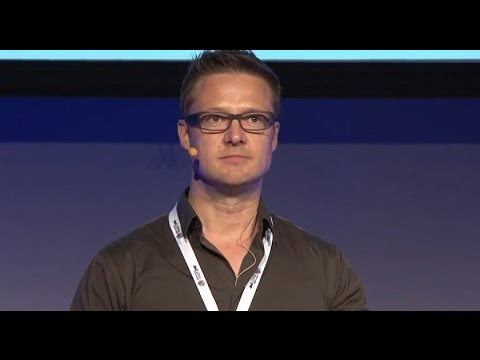
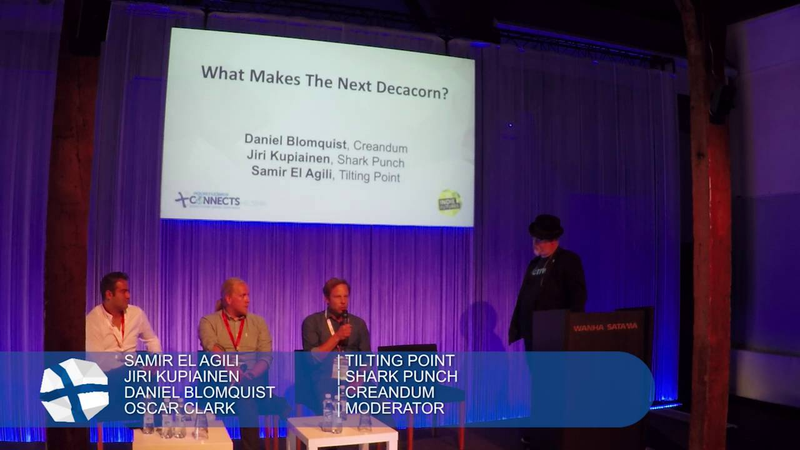
[Music] obviously earlier this year there was an interesting number chucked out about a certain company les how you hello [Applause] when a when a game is company hits evaluation of over ten billion dollars one starts thinking home maybe this is an appeal industry I say that because I have a brother-in-law who works in proper computing he sells hard drives for western digital and so you know he doesn't think games is an industry boy I'm being unfair he's not that bad but he doesn't see it the same light as he does the rest of the mainstream computing technology world and i think you know when he heard about the supercell things they aha okay maybe this is we've hit the point where we're now a major industry and obviously we
know this we've known this we're all amongst friends we're all games in three people we know this but there's a power to this this unicorn extreme the the mythology around the 10 billion dollar number the question is where's that going to come from next but more important you know it does it matter as well i mean and i wonder this question because of the Sun comes from petry earlier on you know this idea of ambition being a central driver two sets of any company particularly for an indie to be able to stand up and say I want to be the next X this idea of a 10 billion dollar it's this deck your corners we call it is a really fascinating it i think really fascinating idea so let's explore that let's start by don't reintroduce yourself and tell everybody who you are sure I'm Daniel blumquist from condom we're an early stage venture fund based in Stockholm and San Francisco we've been around for quite some time
investing primarily in the Nordic region across various sectors but have definitely focused quite a bit on on gaming given that we're are sort of in the one of the true hotspots of primarily mobile gaming so I capital portfolio companies here in Finland even play raven small giant games and future play but have awesome you know invested in the next decade corney van outside games which is Spotify yeah and a few other great companies yeah I'm get a copy on and see of shark punch um I guess I'm the I guess the implication here is that my company is gonna be the next take a corn because I'm the only started found her on the stage Tom and now I've been gaming for a long time that actually your brother sounds like my mom so when I sold my company to Disney that's when she stopped asking if I'm gonna get a real job but ya know now they announced the supercell valuation now she's asking me again like but anyway so yeah we do a thing called play field which is a game
discover a distribution platform and yeah I've been doing this stuff for a while talk to Danielle a bunch times as well hello so my name is tamara de chile i'm the chief product officer of tilting point which is a mobile game free to play publisher we've been doing that for four years we published a couple of a few games out there one of the most famous one is called Leo's fortune which the pay-to-play game actually and I've been in the industry for 13 years at this point used to work at gameloft for a long time running studio is more of a product person and I've seen it grow from a tiny two very big in multiple fashion so yeah what's next so let's start out you know but when I start doing mobile 2001 the idea of doing mobile games was a joke and and rightly so I mean I know in many ways even though i don't know i still wear the t-shirt saying i told you so but you know that's not really worth very much but obviously we now know is
this this valuation something which is important is it a is it a milestone or is a red herring is it that is it more important the industry itself is grown widely for is it important that there's one company that can stand out and be a flagship what do you think so I I think it's a mess MX so I think in general it's more important on industry is growing but an industry needs to create healthy healthy companies and you can argue so if an acquisition of 10 billion signals and help the company it likely does and i think the it doesn't have to do to be 10 billion is a random number i think what supercell king Mojang if your companies have have given us is this of course that kind of ambition a role model you can build that kind of company even from Stockholm or Helsinki which I think was pretty much unheard of maybe with the exception of skype and then maybe Spotify so I mean from from that point of view it does have a big
signaling value um but on an individual case you know that number might be considered you know big or small or cheaper or rich or whatever so spend away coming from I guess yeah I guess Santa for a VC perspective in particular I mean we of course for us it's we're in the business of trying to find the companies that comprise those kind of returns but I thinking from entrepreneurs entering the the game sector for example I think you can I should be red herring because they will attract people who are just oh there's the smell of big and easy money I don't think that's good for the food industry but as a sort of testament that you can build those type of values and companies i think it's it's a fun and i mean it is a fantastic company oh yeah you know oh and worse is sustainable enough so so I think it's sort of a well deserved big big exit order to me it's in particular because you know we've seen that company learn although lessons and fair and try and fail and succeed and succeeded to students and seed and I think that that that hot that is such a brilliant role
model of in my mind anyway but yeah I'm kind of bias cuz I like it but you know Eureka what do you think it's just technical an idea useful or is it just a random number well I mean I guess Daniel also kind of made the point I wanted to make I mean as an entrepreneur I think it's awesome cuz like it's a signal to everybody that hey like this is a good place to invest in this is a good place to kind of focus on more say it is gonna attract more funding whether it's smart or dumb money it's still money that usually companies need but I guess it's also like it's also kind of it's a signal also that that market has now matured I mean so I mean like if I was running my own free to play games to do I would be pivoting pretty [ __ ] hard right now no one else is gonna be the next super super so he's super so that's an interesting question so so you think actually it's a sign of that we've hit a ceiling you know rather than seeing is the first of many well no I mean like I think we were talking about this before the panel and I like the way it works is
that there's this kind of like new point of view that's a new market opportunity someone's gonna seize it under way kind of these businesses for acknowledges is that once you've kind of made it you you're the big guy it becomes almost impossible for anyone else to kind of replace you I mean so what it me what it requires is like shifting your perspective like there needs to be shipped in the market like a new platform for example then it kind of allows you to be disruptive yeah something that's kind of like a different way of thinking about it like you can't just do the same thing as super salty I mean you're not gonna do it better and that's that so you know supercell a coca-cola front kick I'm not you can't put that those those words in my mouth but that kind of all right sorry I'm joking obviously but you know I mean essential can any entertainment vehicle really be so dominant that they drown anyone else surely the whole point of it being entertainment and games is that new possibilities noon issues can involve and some of those niches can suddenly become the zeitgeist
and and if managed and executed perfectly maybe we have until yeah but I agree with that I definitely think it's a this a huge milestone for the industry I have never heard so many people ask me outside the industry of gaming right now okay so while ten billion dollars you hear it from all over the place but one important fact is that it was still industry is growing very fast right I mean right now it's estimated thirty seven billion dollar in mobile games this 2016 and I think the projections are over 50 billion in three or four years or more years I think so there you know my impression is that of course we've seen it with Facebook and other players when you're the first and the best it's very hard as you were mentioning to catch up and compete but we're definitely in than one of the most innovative and creative industry that there is and the next company it needs to have all the amazing values that supercell has shown and has and probably will be free-to-play games but needs to be very creative innovative and find
something different to make it really catch up if you can't be just cloning and and hoping to be at their level although words be so many successful game so the billion in the tender bean but everything is it just want to step back a little bit because I say yeah this idea that we have a dominant player and it seems to be attracting some interest whether it's some money or not we still have to work our way around it but I wonder if it also brings a kind of level of and the corporate responsibility that's expected because we're now going to be exposed to people or hope at least anyway that are coming in with maybe even larger checks Oh or actually are these newer investors do they exist or the other coming in and if they are coming in how are they getting informed and do we need have responsibility to inform them what do you think I so many layers a question I'm sorry yeah yeah where should I start so and I was
referring not only 22 investor money but also in terms of people joining the industry with maybe the wrong relatives and it is at heart the creative industry and I don't think you can ever take that away I should lose the Creator sparks more so than many other industries then needs to be this room to be creative and Lara allow creatives to to have room to maneuver and I think that that is so from an arrestee point of view the way we look at games as an industry and try to work with game entrepreneurs in one hand games is super hard to invest it and many of us are shy away from it because it's it's hit driven and when you have a hit to just okay is there a second one I mean it's and also from valuations point of view even you know tam berlin is a big number but if you look at the cash flow degenerate it wasn't amazing it was not an amazing to the strategic value to it right but there you know still these big companies are created so as a message you are you know tempted to go into it but the the the problem of thing starts
rising if you have a border investors trying to to you know metal around with the creative process because that does not work so so then it becomes i think our job is much more suited to help on a company building side which again I mean a lot a lot of game developers might be fantastic developing games but maybe are not experienced in building companies and that's of course where the the needing assistance can come from an investor but also where they can be friction especially if you get people who maybe don't have depreciation of the long term perspective of the creative aspect so you know I think we will see a lot of situations where there will be friction between money and the the creative side ya know toughly great George of Donna and I actually think supercell is a pretty interesting example when we talk about like how do you invest in a gaming company because when it's in when you look at their history like they didn't start out as a you know free-to-play mobile gaming company they had a browser game armacao I mean yeah but demi people
invested in the team team had a track record a lot of creativity I mean like they didn't look at like okay what are you building right now it's just like are you guys capable of building something huge and I mean I think and also like just one more point like when I see a lot of for example Asian companies being a lot more interested in the Nordic snow mmm I think they're being very smart about it like people are very aware of the kind of cultural differences and the expectations and they're pretty careful about what they invest in and like I haven't seen a lot of like people trying to really like take creative control like they identify a good team and they invest and then they hope something good comes out of it kind of guide them a little bit but that's it yeah i agree I agree but I've seen a counter example of that many many times because once the company is on the stock market or has as you said a board of investors and they get worried and they start growing at a certain pace they expect you're gonna keep going at that pace or faster and the problem is that when you're creating a game well today granite games can have four or
five years continuous revenue which really changed the business which is great but there is still a moment where you have to create a new one and creating a game is not a perfect science as we all know milestones are usually missed and late and so if you're part of this machine that's already being pushing you to hit certain numbers they're going to push you to release faster and probably the game is not gonna be good enough all the supercell has been able to be multiple hits and it's absolutely impressive I wonder what will happen now for them in the future will they do that again also you know we've seen situational is an Activision Blizzard typically the company that says I'm not gonna release until it's perfect but it made them split from Activision and create all sorts of issues hmm so that you know it definitely gives the opportunity for other people to come in take more risks and attempt this innovation with a new gameplay style
something new and potentially take it over a look at pokemon for example and I think the if there's any commonality between the companies that I mean have been billion-dollar 10 billion dollar game companies created before including a no activation and some others but they seem to have been pretty good at preserving this creative spirit so if it takes ink as a counterexample you know they the encompass memory things that we sort of a new platform new distribution managed to just kill it on facebook facebook starts cutting off all the competition by saying hey no more this relative thing they're sitting on top hey nice position but it's a company with where the culture is very toxic there is no sort of creative I'm sure there's some we know they didn't have what supercell have switch that culture that allow them to sew some terms of what makes the next one I think that you know the you cannot take away the I think the the room for the creativity to do something different but then you need to be helped with the
fact that there are no something allowing us and as an instructor a newcomer to turn to the stage so I mean mobile free to play you know machine song came a bit later to the to the game perhaps and and there's a few other examples but now it's typically backed by the big guys because the game is sort of rigged you know unless you have a massively viral organic growth you know it's it's tough to compete with you see guys that's out there and that's that's a purpose with that that's the reason it's you know they're they're great games up there but they're not so great that this should be up there for 45 years but they are because the games little bit Rick so you have to look for opportunities where you can where can we play sort of our being a small studio make that to your advantage and that's not going up against the big guys most likely it's really kind of important area to explore as well because you know I wonder because i think film and music have a very different way of kind of managing that kind of content and you
know in in many ways you could argue that we're closer to them in terms of process or at least in terms of ambition and but we seem to be much more like a classic IT studio in terms of funding and I wonder whether partner you could argue the VC kind of influence we've had I mean a post facebook in early mobile may actually have led this down a cul-de-sac and letting us down the wrong way and I wonder whether even having the conversation be provocative I know but you know it's just a thought explore something are we actually using the wrong finance models you know should we be looking at games differently should we thinking it like it film project where we have you know backers and project vehicles that allow us to focus on creating singular experiences I mean you have that too right I think I think game is sort of a big enough sector to Tamara told cancer maternity so there are alternatives where our kind
of financing is the right one and there's a lot of cases where that's not the right financing at all and I mean you have the Kickstarter's where you really sort of engage the audience that they're about me and you have you know publisher financing and stuff like that so right i think i think it's definitely been I mean the sub publishing has as as actually a lot of quite a few companies to be much more in control than they used to be and what any point where you have creative projects that you know you need finance for some some sort but i think you know to a point they are I mean I think you guys is a great example of trying to break you you know how do we break this this broke or how do we fix this broken acquisition channels away so I mean you're catering for most of the trying to get a diversity and people have only the game in mind vs to know how nice and stuff um I gotta say also like just when we talk about like mmm financing and models and all that I think it's also kind of a
matter of understanding they kind of timing so I mean it yes it is a creative business and yes it might be that if you have you know traditionally investors on board they might influence you too much when you're still kind of figuring out what the cool thing is but on the other hand like if you figure out what the cool thing is then it's not not longer about creativity it's just like scaling it like as fast as you can so and I think a bunch of companies have made the mistake of basically just taking the kind of wrong amount of kind of the wrong types of investors on board at the wrong time like where they don't fully know yet what they're building but the money is available so they take it and then they're gonna lose that flexibility to go like no no that was a bad idea we'll throw it out and I think I think super so I mean super so did get funding pretty early on but they were also self financing it and I think they had that flexibility just go like okay we don't know what this is about but we're gonna keep messing around until we do and then they got the kind of bigger investments on board to kind of scale it up mmm no I also think that for a lot of companies
you know in that case they had lots of experience and they've been through the round several times and they'd had that all right so remember when I mention earlier elkus GDC talk where he talked about John China and it was like watching this broken man can occur emerging from a cheese and and then next year Tasha plants done but I think fundamental to that discussion was when they talked about the kind of the their business approach the way that they were going to focus on a specific kind of player experience and I think that that experience that that your lightning focus is absolutely key part of that that beast that makes it possible but if you're at India if you're sitting in this room and you're thinking I'm gonna make a great game you know how do you go from that will make a great game to actually this is the focus this is the evidence this is the way I'm going to get the money to get going how do we do that Oh my right what I would say is that you
have to be very hungry and ambitious and you mentioned that initially when you're building a company and building a game as an appendix thanh getting to 10 billion dollar valuation that's that's that would be a mistake because that's almost impossible to forecast that far I think you have to to look at building you have to have a clear vision of that game and how you going to be able to scale from there and for sure what's amazing about super sale they kept their vision and focus but the reality is that this market is shifting mobile games you know you've been in it for a long time I have as well and we all been watching it it's it's shifting so quick that you also have to be able to pivot very quickly and to react and if suddenly AR becomes the bigger biggest thing because everybody's doing it and your game was not planet at all with that and you stay completely stubborn focus in your direction it might be tricky as well so unfortunately I think it's it's there's no perfect science it's a balance but clearly you have to be I think one
common denominator you have to be stay true to your vision be very flexible and being able to pivot very quickly while you know being able to i would say stay lean and it's important to stay lean and supercells one of the only one pannu out there that it's been able i'm especially if i compared to a game lawful channel very well or Zynga that aspect of not being lean makes you lose a lot and falls you found at corporate latency and slowness there they're also advocating that I'm I think one of the coolest things about supercell being so massive now is that they've always been talking about their approach to like how you should do things sound like they're also like building the company but they're also teaching other people like how to think about their business and how to kind of build these lasting kind of agile companies because I think a lot of people in this industry is just going like yep I want to make a game and they don't consider like what yeah what happens next but as always talking about
how they kind of like of how the process works and all that and I think that's super valuable for all of us will agree and I think that's that's probably an important to your point also sort of in terms of what kind of finance you go for but it is it is a very important question or thing to think about us maybe specialist in in developer am I primarily a game maker or a my hair to build a company yeah supercell the make games but they were here there to be looking at least the guy was killed at to be the company we see the same thing but King actually non-gamers ornate non game developers at the at the head of the company to to to a large extent very much company builders yeah and that that's likely as a slightly different mindset and experience and and maybe trajectory that comes with that and also where I think various types of financings are better or worse suited I think that's really the heart the
question really isn't it I mean it's like we're not really asking who's gonna be the next deck and although I'm going to ask you that anyway but it's it's actually two for me about the pipeline it's about the pipeline from being the guy out of college or the guy who's just left the studio who's got this thing they're passionate about they're going to make working out that there is an audience for it or better still working out the game for the audience there is which is Eric's way of looking in it and you know I think that's that guy needs to be able to access enough money somehow whether it's friends falls family whatever to get to the stage where he can then attractive serious seed an angel investor or the you know the institution would get to the stage where they can do that that pipeline process and it feels to me but yes there are tax incentives yes there are you know some great schemes that when you be a Texas over here and a SaaS in the UK there are some places that have really good schemes for this but it feels broken that they stick this in like a
tick you're so far gap so far and I wonder is there a kept hearing strategy that somebody in this room could take to be able to know where they need to build when they need to invest how they need to to progress there any thoughts or advice you'd give to people who wants to pick that up I take it any way you like go on your the startup guy yeah yeah thank you hopefully to Disney doll be fine no there there is no blueprint right yeah so there's no no schedule that you can fall in that sense I think it's I mean to your point if you still haven't really forgot to worry you have a game you wanna you wanna wanna make your not so sure so really what the mission is or you know are in position that you would allow sort of an investor to come in or is it the right company for that
and I guess you you know that's a tricky situation to be in right we're investing in companies who rather than individual games so we're not a great fit at that point maybe you can find if you know the transpose and family type of money but to come to you I've got to have you know my UI spreadsheet or like the line down my we typically make that even sure to stick so all our investments have been in three soft launch okay so we have way back the team you know k basically with sort of of course and and and a view won't opportunity they go after so we're doing clash of clans copy okay not so interesting so we look for this pocket of opportunity but it's all been sort of pre-launch but what I'm saying is that it's been teams that are clearly sort of come you know on the path of building a company rather than envision games so you know our door is open for for those teams but of course it's neither
you might even be individually you leave in that company because you have this dream of passion or creating a certain game you know that's that's a tough one to raise money from and maybe I even shouldn't I think you know your face we're trying to scrape by for some extent because it hard you can be healthy and you control your destiny which you know allows from in a way maximum creative freedom song is you have someone paying the bills yes um I gotta say though that if you look at the kind of other options like let's say I want to build my dream game you can so you can get money from Kickstarter you can do early access you can do all this stuff but I mean we did that with it early access and what does happen is that it's no longer your game so instead of having one investor you know have tens of thousands of investors who are a lot more vocal than that then Daniel would have been at the board meeting yesterday so it's it's funny how it goes cause like you know but you lose that ability to read I mean cuz ya you
sell this great idea to someone then you realize that actually was kind of a [ __ ] idea you can't change it anymore someone's oh now you have to shape up game that could have been better for the audience would have hated you if you did that so like I'm not sure if like Kickstarter access our weather like the kind of thing either stupid a billion-dollar company and then you exact I think that's the strategy I just you know get the money first and then don't worry about it and in terms of why you're doing kickstart so we did it for the rocky horror game i'm working on because we wanted it as a vehicle to build up community so we can then build on that and you know of course it has no body because it adds our license that some people know and but you know it was the what most work I've ever done for the least money you know and I didn't mean that I'm not criticizing Kickstarter at all that was just the circumstances of having an audience there's not a Kickstarter audience but and I think that you know the lobby would go into a crowdfunding whether it's you know IndieGoGo or kicks out or whatever and without really understanding what their objectives are properly and i think actually that's a
metaphor everything we're talking about here cuz yeah yes we can craft on fine but why are we doing it yes we can get some friends and for money but we need to know what we're building for that and how that's going to get us to the next stage and they need to be prepared to come to you when i'm the right stage or to the other VC that wants to have them members and have the numbers and it seems to me that all of this comes down to finding the way to that whatever it is the success that you've defined comes down to preparation and planning and understanding each of the audience is individually does that make sense i make probably thought on that when you mean audiences you mean well i'm thinking the players but also the platforms but also the investors and at the end of the day whoever your shareholders end up being yeah of course I mean the kind of the two things I think are extremely difficult is timing as you mentioned scaling and in most companies actually I don't think it's going to be
the hardest thing to get that first game out the hardest thing is to be what are you gonna do after that how you're gonna scare how did you only recreate that really that of course getting your first feet on the ground and figuring out okay my first game let's put a team of three or four people together and trying this out it seems like the hardest one but probably a good block is going to be even arnhem and of course when you start off you have to plan anticipate most and I agree that you know who your clients are going to me as whereas asking a question for sure also at which point you're going to be need to be doing what a company like telling point is created for that purpose we we are there to be able to help the independent developer that come up with a great game and you know three four guys that have had experience know how to build the game but don't have the need for don't want to really give half the company away don't want to give their IP away and what we
do is we help them get to that level of scaling so they be able to get both six month or a year and the cost is really going to accelerate once your soft launch global launch live operations and this is where companies the like telling point and tilting point really can help scaling through that first game experience that bridge from okay we just had a game concept and we released it to now we have to spend all this money on marketing user acquisition releasing LiveOps then second game either so polish or go again with a party like like like we are but this is actually the purpose of our business model so i think that takes us to the point now we have a robust company we have a kind of place so i think we're here with the time we got left i think it's worth let's assume we've now got the company that's successful enough that it's got the audience it's getting the numbers it shows it's capable and it's got a culture that is repeatable because i think you've got a business until you
can do it more than once so who in how are we going to get from that so what is the next hero is it a Defra corner it is he okay to make that as the success criteria that I can repeat doing this thing why is that enough or not I mean the person perspectives I think most will be happy with with even an outcome smaller than than a decade one right yeah we will be i mean i think the what I what I sorta strive for in terms of teaming up with with game companies is he still the the notion of can we can be part of building a sustainable games company that could be an exit after how many years of supa soul it's pretty quick right for that kind of valuation 56 years right what I mean it is not like their story's ending and I think again it coming back
to be the company versus a game there are surely games that can can have very long lifetimes I think you know minecraft would be a close to never agree that you can come they've even sort of going much beyond the company with which in some ways worse never a company but you know that's I think that's that's the kind of question I typically want to discuss with the founders you know how how do you what's your take on how to build a sustainable company and that's the repeatability of the culture of the games you know it's a building a franchise as being sort of what is it you know what is your take on that um that's that's most like enough for for us to be happy semesters and then the dollar amount differs but its its individual maybe someone has ended just to create that game that's you know we'll see what not just next but I know it seems to be no that was the department thing right he ran out of gas a little bit after that I think it's it maybe look worried
something well no signage is of course when we talk about Decker course I just companies with massive valuations and obviously it's really just about scalability right I mean you get to a point where you have this machine where you can go like look I put one euro here to euros come out here and I can do this a billion times until the markets saturated like that's that yeah well yeah so this is the point where it just could have easy I go like look here's my spreadsheet this is the this is the place where we put your with your investment and this is what comes out of it I mean if that needs to be there are me yeah you need to be able to repeat your successes but also like I like with the free-to-play model you've had these like golden moments where I just go like oh [ __ ] like here's here's the coast by the install here's how much we're gonna make money out of a user oh just going I guess one of the other lighting question here is could you be a 10 billion dollar valuation with one game right i mean that and that would change a little bit detector right i am right so you know if
that's the approach and if we're saying okay you I guess you create that first game and got a little bit of money out of it and now you're raising some funds and your company has operating and now you're thinking okay this is I'm get building now a game that is going to be huge and I hate to anticipate the scale of that the first problem you're having is that you're building a platform right you're building a game that needs to be the technology behind it has to be extremely solid that's what's usually underestimated because to get those very very strong tech CTOs and engineers it's going to cost your money at that point that's why you probably need to raise some money there and and i think it's it's it's definitely possible to say my game is going to be a game that's going to generate 500 million installs and I'm going to make you know five dollars per install and then it's close to being at some point over a few years 10 build our company in today's world it's something that could be done
so probably that's what I would try there enough so okay so we're think we're basically saying you've got to have a plan you've got to kind of have this understanding what you're making whether it's a game or a company you've got to be able to sort of focus your attention appropriate and communicate that to whoever's going to invest in you but end of the day have you exit is the question you're asking yourself as I suppose so you know what is that yeah what is that exit question what is that you know when you're you're putting your money in as a as an investor to this company what is it your is it just the 10x you're after is there something else are you bringing something else to that that conversation I mean from from a strictly sort of monetary perspective it's for us it's sort of the 10x or beyond that's sort of our investment philosophy that has to be it has to be big
for then things happen along the way and typically you know for most companies the time our exit is not down to the investors mmm usually we make sure that we don't have even that control even if we do you know if the founders want to sell are we gonna step in around the company no no fitting the don't wanna sell can we force them you know who wants to buy a disgruntled team I didn't want to sell so you know the the very much comes down to to the founders ambition that point then our job at any given time is of course to maximized outcome the potential outcome of that mmm so if founders have decided yeah and now it's time to sell either retired or we don't think we can you know doing a better we just get this got this fantastic offer on the table mmm you know we will we will of course try and make sure that that offer is as fantastic as possible but also taking consideration that they like so one of our companies was was
sold to the king I was non-stop games yeah they had a variant under interesting party I think we could have gotten maybe same amounts even more from that party the furnace that we're never gonna work for that company and the discussion you know can't get into tribes I don't like right so yeah I'm not sure if I answered a question but no no that's exactly why laughter yeah so you got money on the table do you exit well probably good to just kind of underlined the fact that it's a very bad idea to get into this business with the assumption you're gonna make any money because even if you make some it's very easy to lose it on your next venture no but I mean I I think all founders like in reality you have other goals I mean I kept thinking like well maybe I'll eventually get some money but you have up you have a thing you want to accomplish like let's say I want to I want to help 50 million people I find something really awesome to play that they couldn't find otherwise so then if there's an acquisition over then the discussion comes like well like what are the odds together I take more funding or
I just keep doing this myself or we joined this company like which one is most likely to result in me actually meeting that goal that I set for myself and I mean I think I've seen a bunch of pad acquisitions we're like it was obvious that you know that would not was not gonna happen and usually they end up badly but there's also like sometimes there's a good match and I think you know what's been happening with supercell like hopefully no they've had those discussions and they've kind of like well you know what like we can we can reach our mutual goals better if we do it together I think that's what you should primarily lumens and I wonder if it is it seems to me that it's very easy to get caught up in the idea of your control sometimes and and either to to give up when you shouldn't ought to keep going when you shouldn't and I wonder how would you kind of a deal with that I mean is there any way to do that was it just you know you gotta believe what you believe hindsight is twenty-twenty I me like it
I don't know I think I think you're just gonna you're just gonna run the arts in your head you got okay so let's you know let's say we want to get to this point like so our options are we raised five million dollars like well one of the odds that we're gonna need to raise 10 million after that we ok we do we need to raise a 50 minute after that so i need to do three more funding rounds what are the odds that nothing's like everything's gonna always work out that's all gonna happen mmm or let's say here's a company that wants to buy mine and they are you know they have this massive reach they have a similar dream they have all the funding we need what are the odds of some it's just I think it's just like doing that math yeah you know am I gonna reach my goals it's more likely that i'm gonna reach my goals if i sell or if i get funding and yeah i mean i think i say isn't you gotta keep to you that like you said earlier they've got to keep to what your vision is and what's gonna be the most likely outcome we know if you do that one or the other some of you have any thoughts on that yeah well i guess one of the original question that the companies usually you have to think about is
what's the original plan and most of them don't but if you're if you're building a company to grow inside within four years and make a lot of money kind of agree with your state but probably it's not the right industry yeah there are easier so easier way to do that if we're because we're passionate and we love it and there's there's other reasons but now if you're at the point in a stage I think where you your company is valued is that a certain value you're getting enough for the big question and you're thinking okay you know I've done this enough and I either want to exit myself for you know you you have to anticipate really how the market is going to be in 23 years because at the end of the day evaluation people that buy even IPO is dependent how the world sees is we're talking about this right now the world season now mobile games is a big big business but who knows if you're it's starting to shrink and investors are pulling out and buyers are pulling out and China is not buying as many
companies as they are in three years maybe you should exit now and anticipating the future obviously of the mark the where the market is going to be is very important probably if your company may be in five years and have at least some VR element in it it'll be hard sell for example are optically think that's absolutely important because I like cheese [ __ ] will go example as well but because of the legal case is currently going on in New York State so here is against been hugely successful got lots of people's attention but not just good attention it's got a whole bunch of people who want to restrict games deciding to raise the law to stop there being polka stops within a hundred-yard radius of a registered sex offender now that is perfectly reasonable thing to I can see why you might emotionally want that to happen but if you have any understanding of how the technology works and how their process works that is an absolute impossibility here it is just simply and
the whole idea of a company being required to do that I'm asked I want to know when they're gonna tell walmart to move this their stores to me it's it's similarly serious and not the same I know but but the point I'm saying is there are these fundamental kind of tilting points for Nevada phrase that come across as can accidentally you know unforeseen circumstances by being more successful we are getting more attention therefore we have to behave more responsibly whatever that means and we have to be able to justify what we do in a wider case and I think that makes it incredibly difficult to plan ahead for the next three five ten years yeah for sure and I've seen that specifically happened with free to play back in 2013 with the EU and the EU and the last four kids and was at gameloft
bagged and building love eyepiece for kids cars and ice age and things like that and for sure suddenly all these laws every day are coming around blocking you from making in-app purchase and and and we had to deal with completely ridiculous things for example in that game called cars fast as lightning based on the disney cars we had to make sure we basically you could buy a car and or you could with an in-game currency or you can accelerate it typically with real money and when you wait you're accelerating would say the big pop up will come up and say you don't have to do this right now because if you wait it will be free you had to write that specifically when you clicked ok you had she had a second pop up saying you will be able to get everything in this game for free nothing is paid and we literally had to put these two pop-ups which that made sure that the game would not make any money whatsoever so maybe it's our lawyer interpretation
of that was a very very aggressive aggressive lawyer there I yeah yeah but that can do absolutely destroy a whole industry you have to have it in [ __ ] very quickly so we reach that point where I have to ask the question and I will forgive you if you don't have named a particular company or I'll accept a country you know where will the next deck or in mobile gaming come from my god go for it china china china ah boring probably true mark and on that note that's the fact this amazing panel i hope you guys enjoyed that thanks you guys really thank you [Music]
Summary
Achieving a ten-billion-dollar valuation in the gaming industry represents a critical milestone that validates the sector’s maturity for mainstream investors. While high-profile successes like Supercell serve as powerful benchmarks for entrepreneurs, they can also mislead stakeholders by attracting short-term capital that conflicts with the inherently creative, hit-driven nature of game development. The next generation of industry leaders will likely emerge not by replicating established models, but by pioneering new platforms and innovative gameplay mechanics that disrupt current market dynamics.
Transitioning from a successful game maker to a ten-billion-dollar company builder requires a fundamental shift in operational philosophy. Founders must prioritize lean, agile structures and scalable business models over isolated creative output. This evolution necessitates a strategic approach to financing, where the choice between venture capital, crowdfunding, or self-funding is dictated by the need to maintain creative control while scaling operations. Success hinges on the ability to balance a long-term, visionary mission with the flexibility to pivot in response to the industry’s rapid technological and market shifts.
Sustainable growth at this scale depends on robust live operations and the integration of advanced technology to ensure long-term player engagement. Investors increasingly favor founders who demonstrate a clear, sustainable vision that transcends immediate financial gain, emphasizing that exit strategies should remain aligned with the company’s core mission. Furthermore, navigating the complexities of evolving global regulatory environments and unpredictable market conditions remains a primary challenge. Ultimately, the companies capable of maintaining a culture of risk-taking while navigating the pressures of corporate governance will be best positioned to define the next era of the gaming landscape.