Mobile reports and market data
Documents
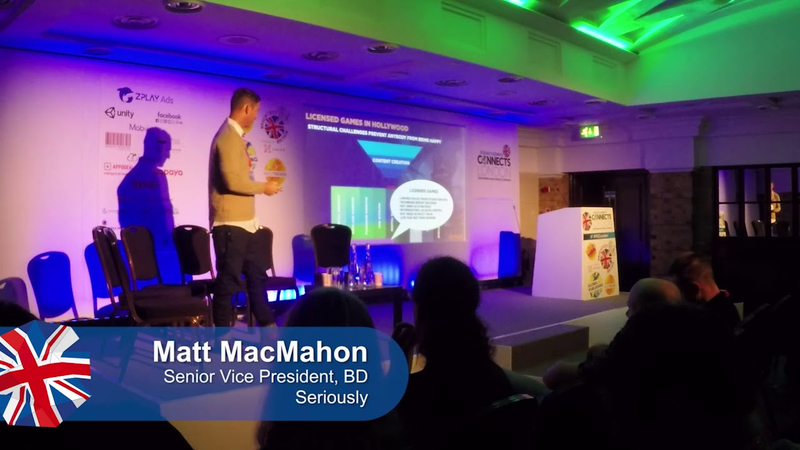
The future of Hollywood and games
The traditional Hollywood studio model faces a significant existential challenge as it attempts to integrate with the gaming industry.
- Hollywood’s traditional business model is failing because it relies on slow, multi-year development cycles and fragmented, siloed internal departments that lack unified incentives for gaming.
- Mobile gaming now generates more revenue than the global box office, yet legacy studios continue to treat games as low-risk licensing deals rather than strategic, long-term assets.
- The fundamental disconnect between industries is the production cadence: movies are episodic three-year events, while successful gaming requires a live-service model with content updates every one to two months.
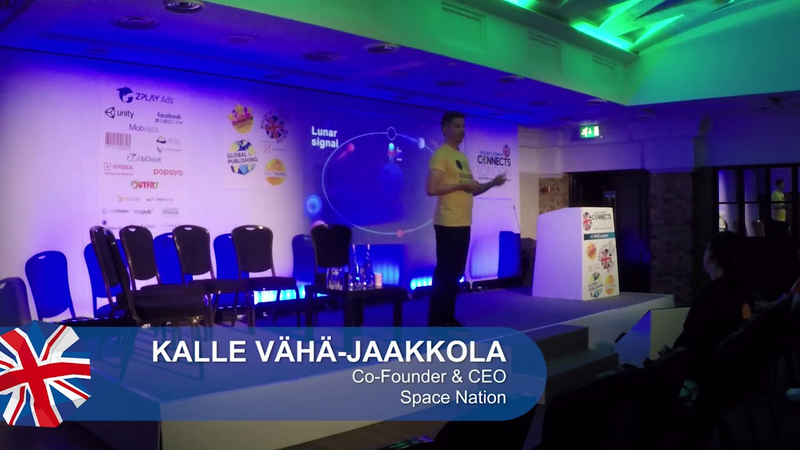
Space – The final app tier
Space Nation aims to democratize space exploration by transforming it from an exclusive pursuit into a global, accessible experience.
- Space Nation aims to send at least one civilian to space annually, with missions scaling from suborbital flights to the International Space Station and eventually the moon.
- The Space Nation Navigator app uses phenomena-based learning to train users in astronaut-level competencies through minigames, quizzes, and fitness routines.
- Top-performing users are selected via an annual process for an on-site, NASA-backed training program following a cycle of major content updates every three and a half months.
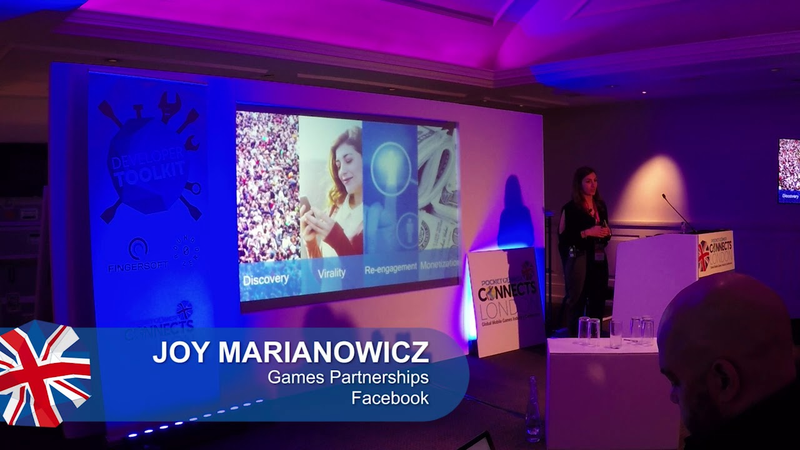
Facebook Instant Games – The state of play
Facebook Instant Games functions as a cross-platform, HTML5-based gaming ecosystem integrated directly into the Messenger and Facebook interfaces.
- Multiplayer engagement is the primary driver of retention, with users playing across multiple chat threads exhibiting up to five times higher engagement than solo players.
- Facebook Instant Games leverages a massive potential audience of over 2 billion users on Facebook and 1.3 billion on Messenger to facilitate frictionless, social-first gaming.
- In-thread updates are the most critical discovery channel, accounting for 47% of all game sessions on the platform.
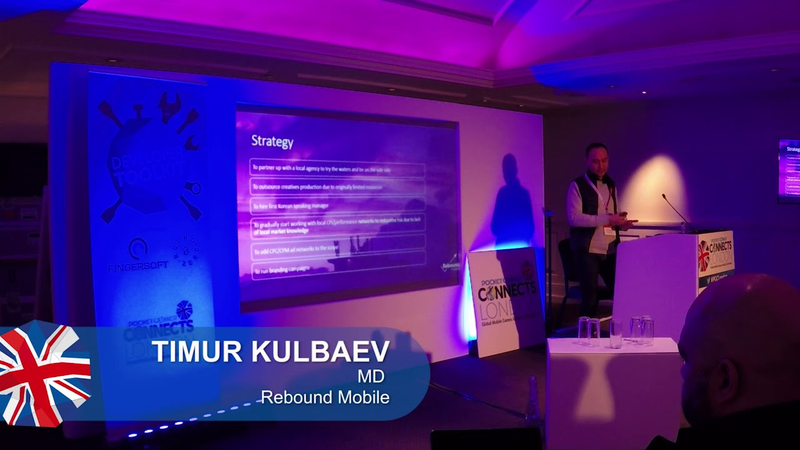
The journey of a mobile marketing agency to the Korean gamers
Rebound Mobile, a Helsinki-based marketing agency established in 2016, provides a strategic framework for Western mobile app and game companies seeking to penetrate the South Korean market.
- South Korea is a more accessible market for Western mobile content than Japan or China, offering lower competition and a higher receptivity to foreign gaming products.
- Direct partnership with local Korean ad networks is more effective than using intermediary local marketing agencies, which often suffer from communication barriers and a lack of trust.
- Hiring a native Korean-speaking manager is essential for navigating the market, as it facilitates direct communication and allows for the necessary cultural localization of creative assets.
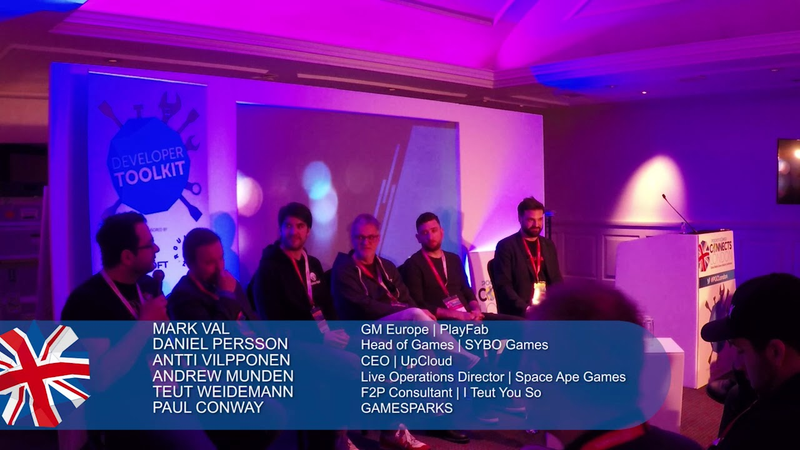
The live ops power panel
The mobile gaming industry has undergone a fundamental shift toward long-term live operations, where the post-launch phase now demands greater resources and more personnel than the initial development cycle.
- Post-launch live operations now require more resources and personnel than the initial game development cycle.
- Long-term success depends on designing games from the outset with live operations, scalable infrastructure, and machine learning integration for personalized content delivery.
- Operational efficiency is achieved by balancing automation and robust tool development with selective outsourcing to manage long-running titles.
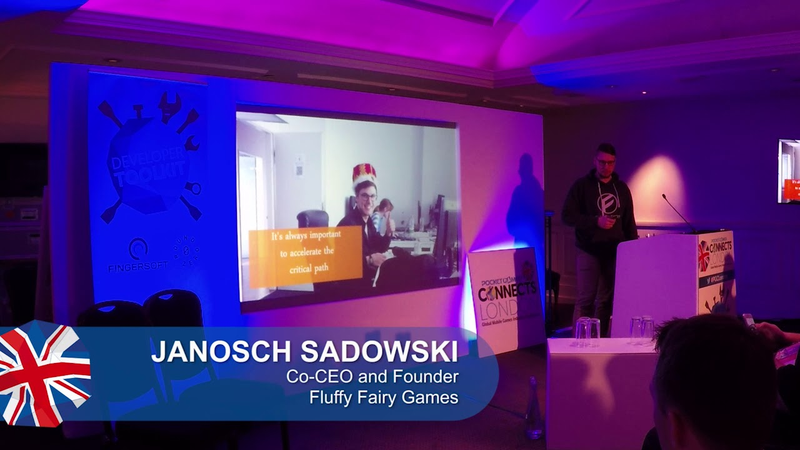
10 million players, weekly updates – A player-centric, fast and agile approach
Fluffy Fairy Games, a Berlin-based mobile developer, utilizes a lean, agile development methodology to manage its idle game portfolio.
- Fluffy Fairy Games maintains a 70% to 75% day-one retention rate by prioritizing core gameplay mechanics over non-essential features like high-fidelity assets or social systems during initial development.
- The studio operates on a games-as-a-service model, utilizing weekly development sprints to deliver continuous content updates rather than relying on long-term, monolithic development cycles.
- As of late 2017, the company achieved 50 million downloads, 9 million monthly active users, and 10 million in annual revenue through its portfolio of idle titles.
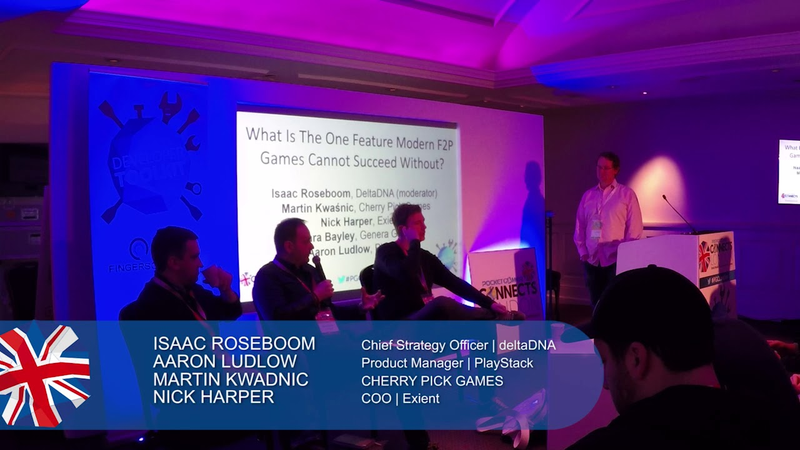
What is the one feature modern F2P games cannot succeed without?
Modern free-to-play game development prioritizes the seamless integration of core gameplay, monetization, and retention loops over radical innovation.
- Success in modern free-to-play games is driven by personalized experiences, where audience segmentation allows developers to tailor matchmaking, pricing, and content to specific cohorts like casual users versus super fans.
- Developers should prioritize iterative, data-driven refinement during soft launch phases to validate core gameplay loops rather than pursuing excessive polish or radical innovation before release.
- Long-term engagement and monetization stability are achieved by combining predictable live events with targeted, data-driven sales offers.
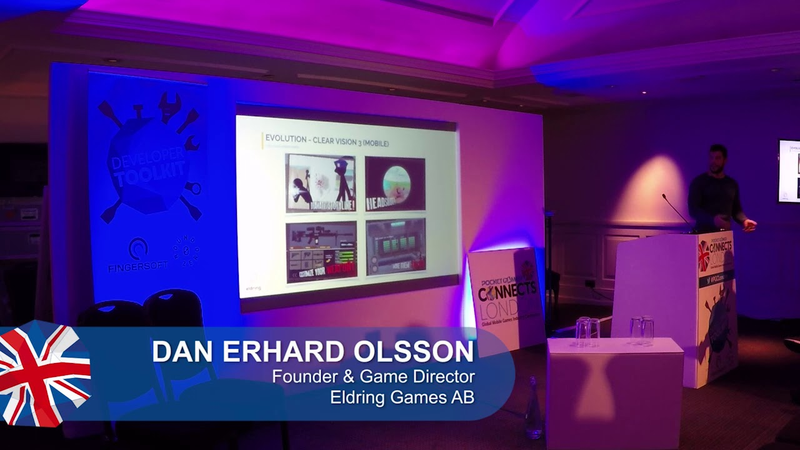
Indie journey – From intensive care to hit game (clear vision)
The journey of Eldring Games, a self-funded independent studio based in Stockholm, illustrates the transition from solo flash-game development to a professional mobile gaming operation.
- Eldring Games, founded by Dan Olsson in 2007, transitioned from a solo flash-game operation to a five-person studio by maintaining creative independence and self-funding.
- The Clear Vision franchise achieved significant scale with over 100 million plays on flash platforms and approximately 35 million mobile installs across iOS and Android.
- The studio sustained long-term player engagement for the Clear Vision series, accumulating 1.6 million user reviews across app stores.
Defence against the dark arts of mobile game hacking
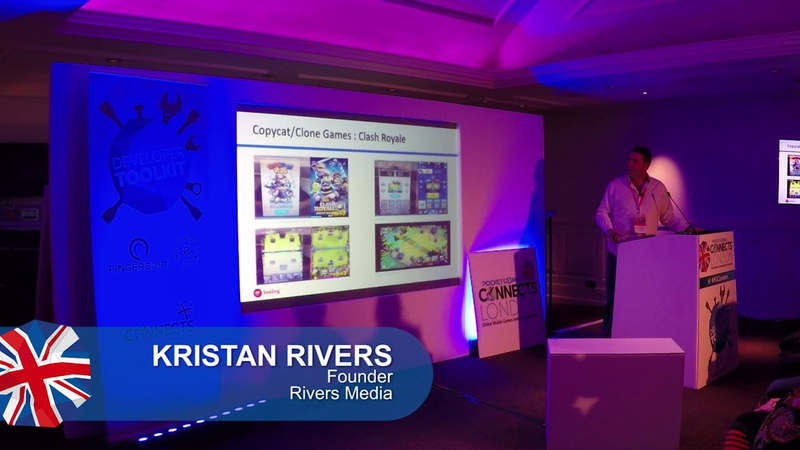
The mobile gaming industry faces a pervasive threat from a sophisticated black-market ecosystem that exploits vulnerabilities in game code to facilitate cheating, fraud, and intellectual property theft.
- Mobile games are targeted by a sophisticated black-market ecosystem that monetizes unauthorized access to game assets, in-game currencies, and intellectual property.
- Attackers compromise game integrity through runtime manipulation, such as code injection, and static analysis, which involves decompiling APK files to alter core game logic.
- Common exploitation tactics include using specialized tools like Lucky Patcher and intercepting insecure network traffic to spoof in-app purchases.
The Trailer Park Boys success story
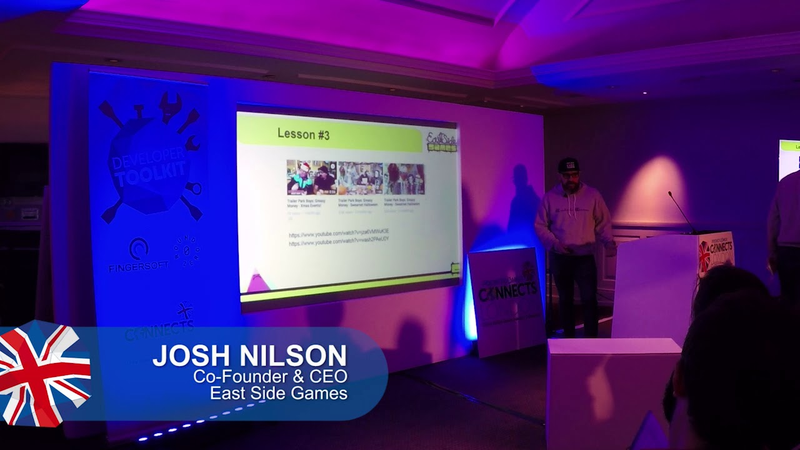
The development of Trailer Park Boys: Greasy Money serves as a case study for independent studios navigating the complexities of licensed intellectual property (IP).
- Authenticity to source material is the primary driver of market penetration, helping Trailer Park Boys: Greasy Money reach the number one app spot in Canada, top ten in the U.S., and top 100 status in over 100 countries.
- Maintaining a constant, collaborative relationship with IP holders allows for the creation of original, game-specific content—such as zombie-themed alternate timelines—that extends the brand's lifespan.
- Developers should prioritize strict adherence to established character voices and lore, as deviating from the source material risks alienating the core fanbase.
The big three – China, Korea, and Japan Markets Uncovered
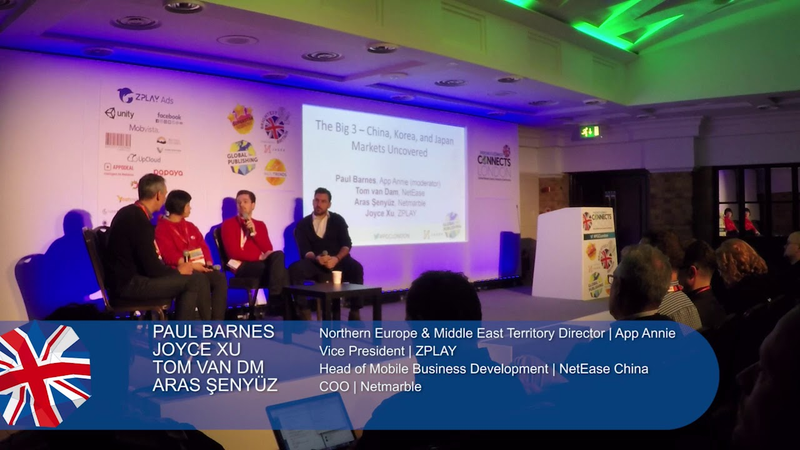
The mobile gaming markets in China, South Korea, and Japan represent the most significant revenue drivers in the global industry, accounting for every mobile game that generated over $1 billion in revenue during 2017.
- The Chinese mobile gaming market is the world's largest, with over 550 million users and annual revenue exceeding $100 billion as of 2017.
- Asian gaming markets exhibit significantly higher engagement, with average daily play times reaching six hours compared to 1.5 hours in Western markets.
- Successful entry into Asian markets requires high content intensity; developers should have at least three months of content ready at launch to support rapid updates every two weeks.
Crafting promotions that work and how I created one that didn’t
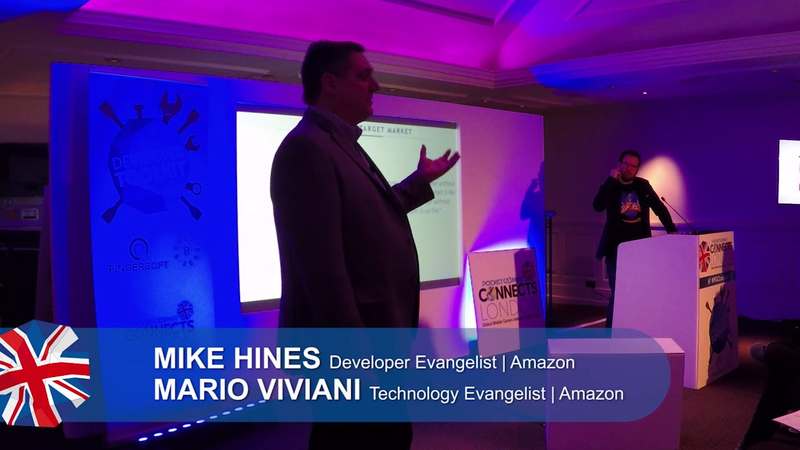
Effective game promotions require a deep understanding of consumer psychology and precise data-driven timing.
- Effective promotions must appeal to both the emotional 'elephant' and the logical 'rider' by combining initial desire with clear value propositions like discounts or exclusive currency.
- Marketing efforts should be synchronized with genre-specific peak usage windows, such as action games peaking during weekday breaks and puzzle games surging in the evenings.
- Developers should monitor the internal balance of soft currency versus power-ups to trigger sales at the precise moments players are most likely to convert.